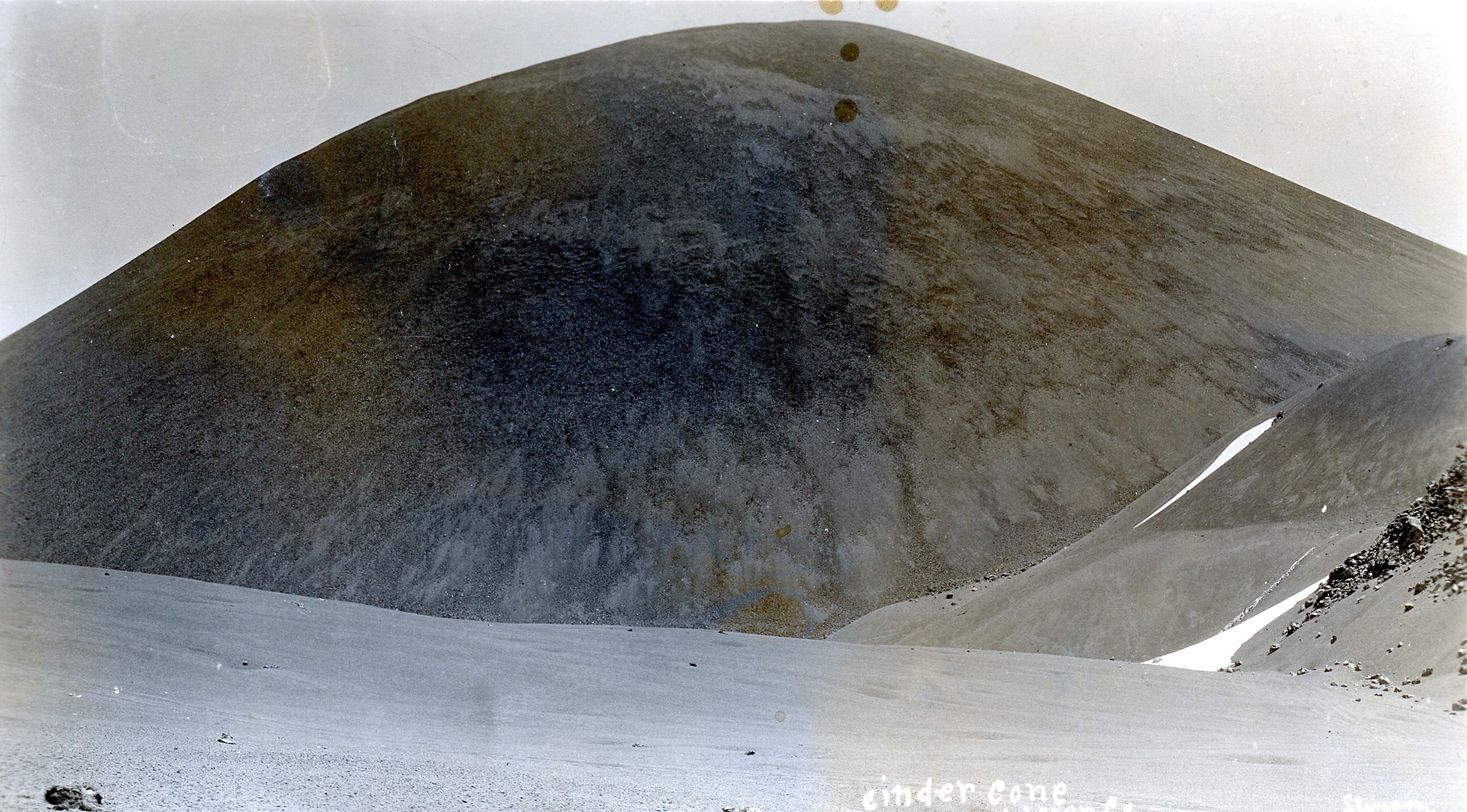
Long before the Lassen Peak eruptions of 1914-15 there were reports of other volcanic activity in the region. It was said that Cinder Cone, ten miles east of Mount Lassen, had erupted during the winter of 1850-51. Continue reading Cinder Cone
Long before the Lassen Peak eruptions of 1914-15 there were reports of other volcanic activity in the region. It was said that Cinder Cone, ten miles east of Mount Lassen, had erupted during the winter of 1850-51. Continue reading Cinder Cone

Traveling across Highway 44, the Pine Creek Valley appears to be a desolate wind swept sagebrush flat, surrounded by pine trees. While in a sense that maybe true today, with a great deal of human activity concentrated at the Bogard Rest Station. By the way the area is named for John Jasper Bogard, a Tehama County stockman, who in the mid-1870s started using the area for summer grazing of sheep. Actually, the region was home to many sheep outfits, such as Champs, McCoy and Stanford, the latter as in Stanford University. These sheep outfits had a huge impact on western Lassen County, and so many of the natural features were named for them. My Lassen County Almanac: An Historical Encyclopedia contains all the details and more. Continue reading Pine Creek Valley

For decades this prominent feature at the west end of Susanville had no name. The locals just referred to it as the “bluff.” By late 1918, it appeared that the Great War, now referred today as World War I, was coming to end. Locally, discussions were held how to honor the men from Lassen County who lost their lives. It was proposed a monument be placed at the bluff and the bluff be named Lookover Loop. This, of course, did not materialize. More about this and other attempts to develop this remarkable landmark will be one of my topics to be addressed at September’s forthcoming tour. Please note, this is a paid subscriber’s only event. It is never to late join in on the fun. Details as to dates and times will be forthcoming to subscribers. Consideration is being given to do two: one mid-week in the evening and the other on a Saturday or Sunday. Those who are either out of the area, or have prior commitments, of course, will receive a paper on the topics discussed.
As a little incentive, the first fifteen subscribers will receive a free copy of Untold Stories.
Also, you do not want to miss out on a special Halloween tour.

Its been a long time since Honey Lake was full. If the weather gurus are correct we are to have a strong El Nino this winter. Just maybe the playa will convert back into a lake. Continue reading Honey Lake Baptisms
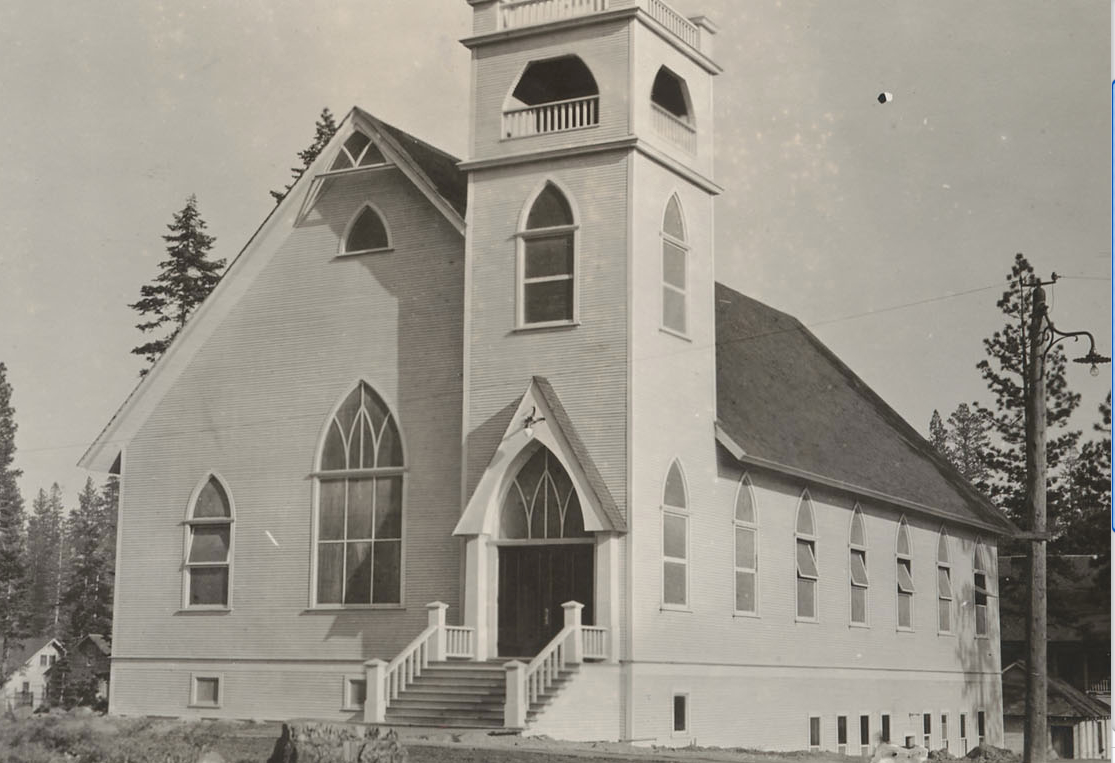
In the spring of 1917, Fletcher Walker brought up the topic that Westwood was in need of a house of worship with his father, T.B. and wrote: “We have come to a time when it seems inadvisable to put off further the building of a working church. The Sunday school had 255 last Sunday and the condition of the school in one of the old cook houses is such that the congestion prevents efficient work.” Continue reading Westwood’s People’s Church

A month ago, I mentioned an excursion to Susanville Supermarket, and how that created a post concerning a Living Memorial at the Lassen County Courthouse. Well, not that long after that when I was in Margie’s Book Nook, a customer asked me a question about a building and when it was moved to its current location. The building in question is now located at North Roop and Willow Streets, Susanville. It was originally located at 50 North Gay Street, now the current site of the Bank of America. In 1978, in preparation to build the current bank the Italianate style home was moved to its present location. The home built in the early 1880s has had numerous owners over the years. My great-great-grandparents Ben and Franceska Neuhaus purchased the home in 1902, when they retired from their ranch in Willow Creek Valley. Continue reading On The Move

While my Red River series covers a tremendous amount of material on the Red River Lumber Company, there were some topics were not addressed. In 1938, the topic of controlled burns was being discussed, as the company had done it in its earliest years until Clinton Walker’s departure in 1913. Below is an excerpt of a 1938 memo Clinton wrote to the Board and the experience of a control burn at Lake Almanor. Continue reading Control Burns
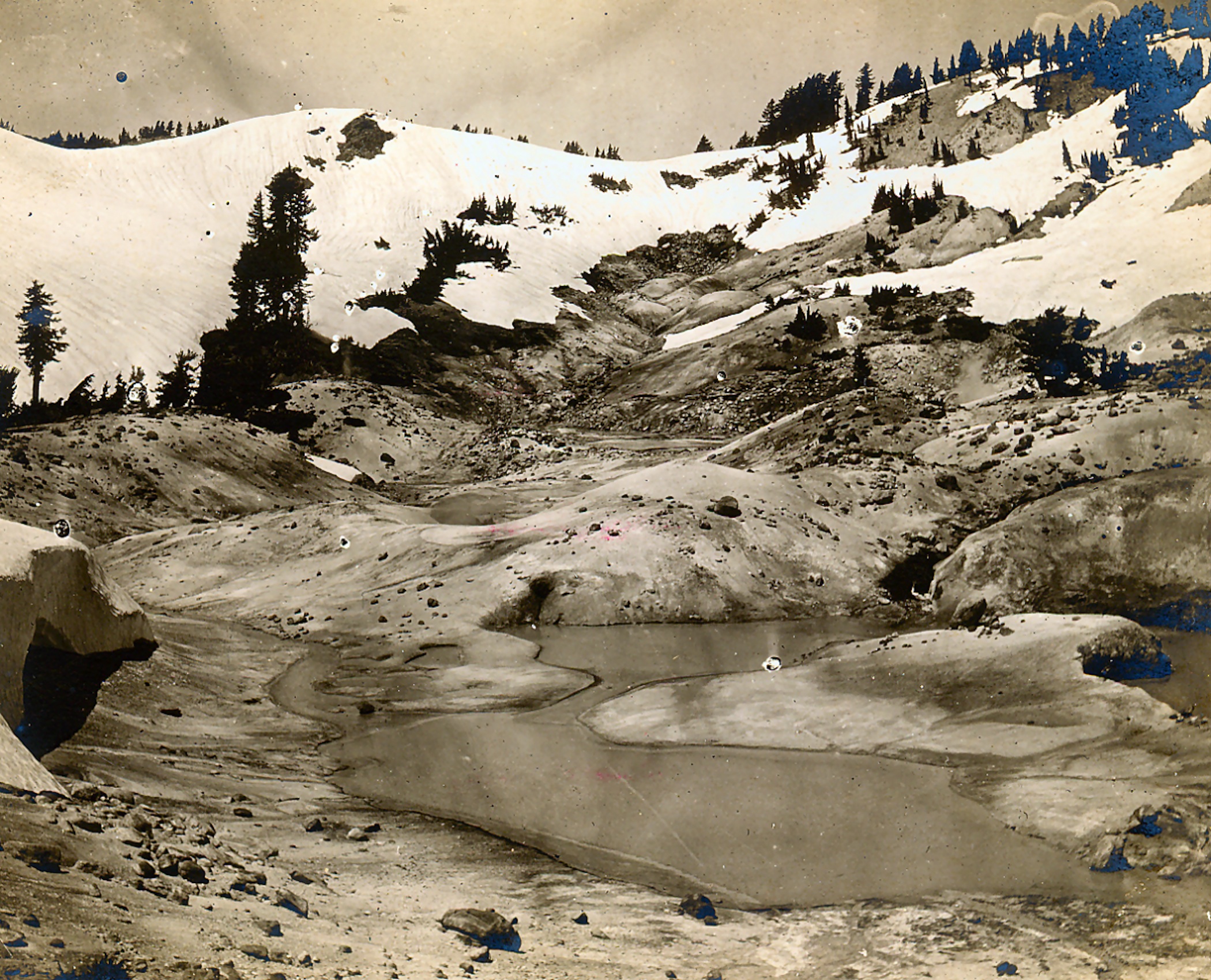
It is only fitting that today marks the 99th anniversary of the establishment of Lassen Volcanic National Park, that we explore the history of one its famed hydrothermal features–Bumpass Hell. Continue reading Bumpass Hell
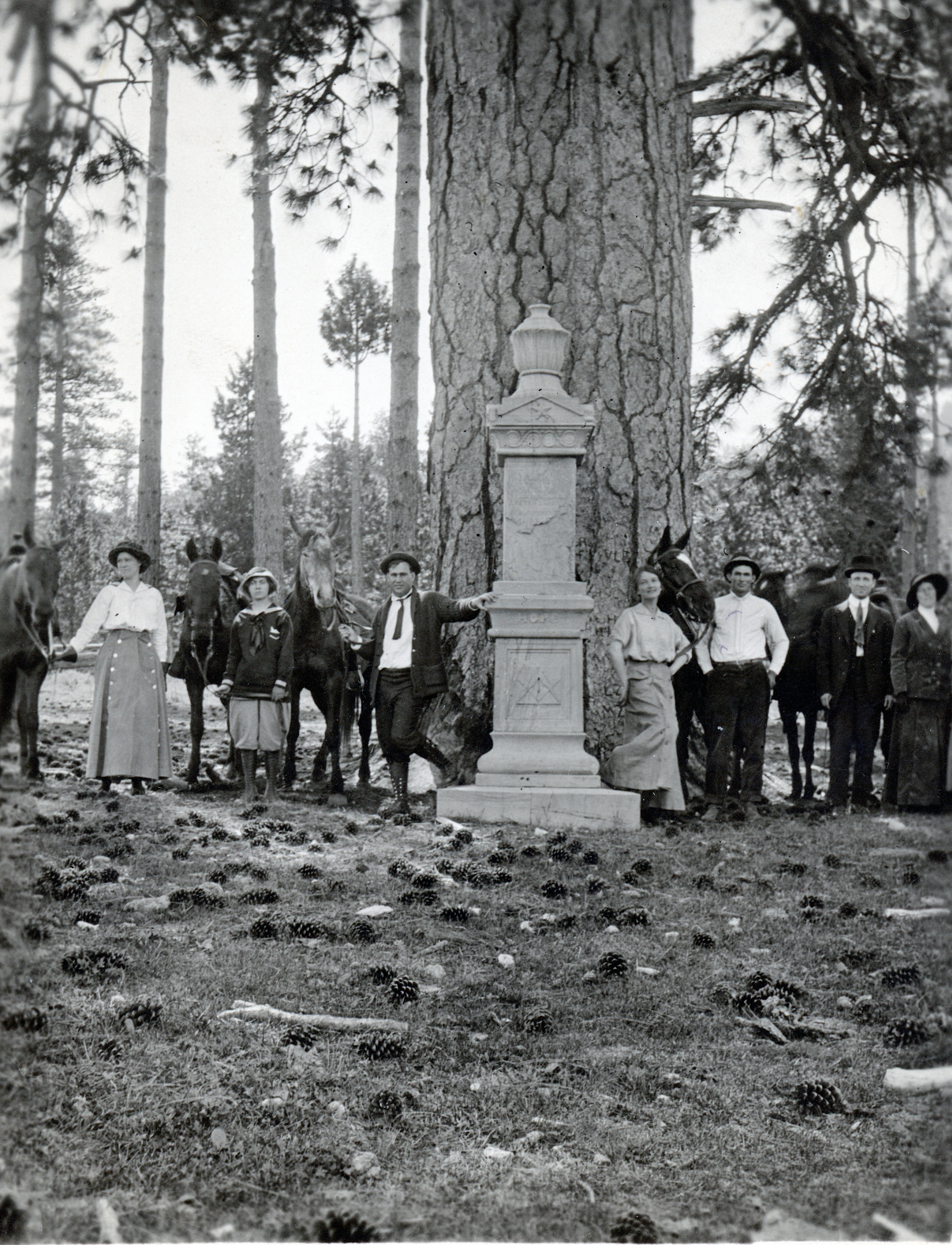
In 1878, Edward Weed took over as editor and publisher of the Lassen Advocate. He brought a lot of life to the newspaper. From time to time he would make excursions and write about those experiences. This is one of them. The reader will note the sawmill on Diamond Mountain. At any given time there were two to as many four mills along the mountain range between Gold Run and Janesville. Continue reading Richmond, 1878

With the Dodge Fire in the headlines, I moved this post for today, which was scheduled for later in the month. As the post concerning wild horses initially scheduled for today will appear tomorrow.
In 1889, Albert L. Shinn formed the Union Land & Stock Company. Shinn proposed that the water from Red Rock Creek could provide irrigation for the entire eastern Madeline Plains. The reservoir was originally named Lake Lockett, for the Company’s Civil Engineer, H.M. Lockett. In the early 1890s, the Union Land & Stock Company started the irrigation project but eventually construction ceased because of lack of funds and other problems. On December 9, 1907, Henry C. Dodge acquired an option to buy the Union Land & Stock Company’s failed Red Rock irrigation system. In 1909, Dodge formed the Madeline Valley Land & Irrigation Company to undertake this enterprise. In the fall of 1909, the Company contracted with August and Alfred Anderson to build the system. In December 1909, Dodge Reservoir was completed. In 1912, Henry C. Dodge died during an altercation in Reno, Nevada. Dodge’s two sons, Carl and Dana, continued with the family enterprise on the eastern Madeline Plains. On January 14, 1949, Bernys M. Dodge, the agent for the Dodge Brothers, sold the Dodge Ranch and Reservoir to George and Jean Smith.