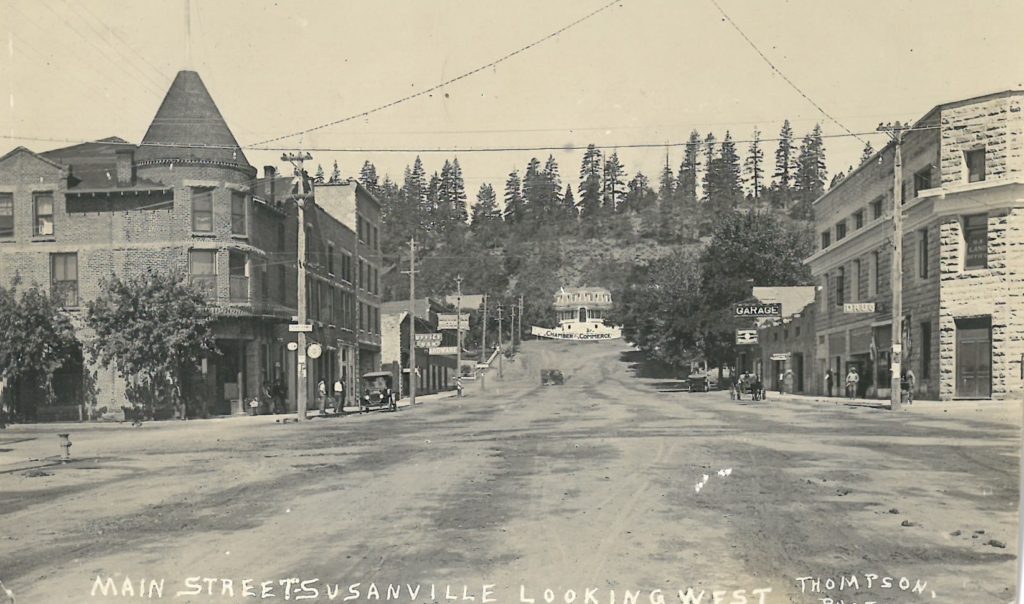
In February 1913, Peter Julian “Jack” Thompson opened his photography studio in Susanville. He had relocated from Loyalton where applied his trade for a decade. While in the Sierra Valley he had a penchant of capturing images of the local Native American community.
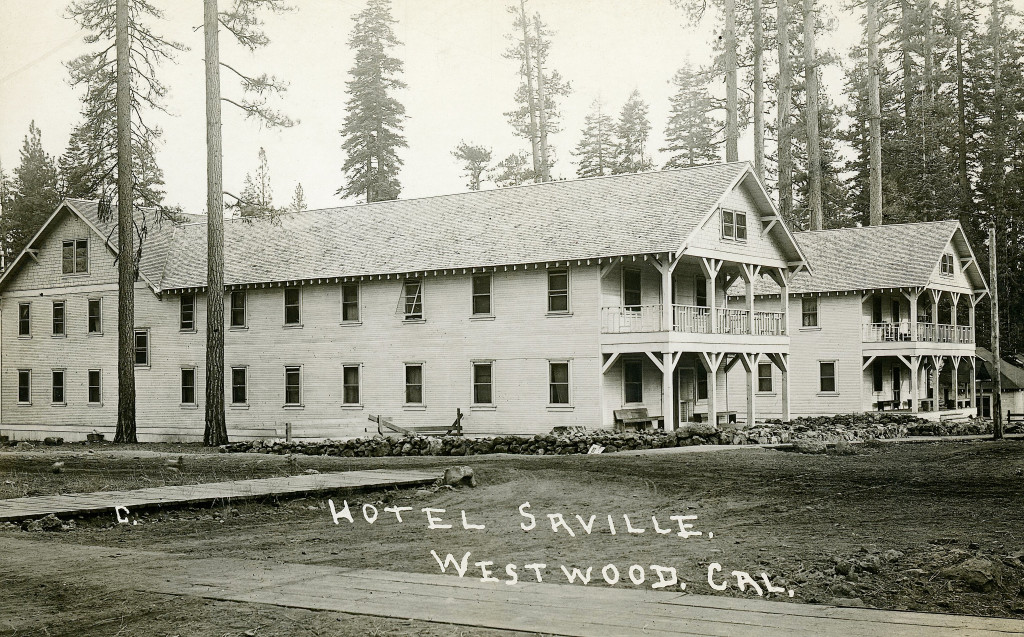
Hotel Saville, Westwood, circa 1914. A Thompson postcard
Upon his arrival in Susanville, there were lively times to be had with the arrival of the railroad and that of Red River Lumber Company establishment of its mammoth sized mill and company town of Westwood.
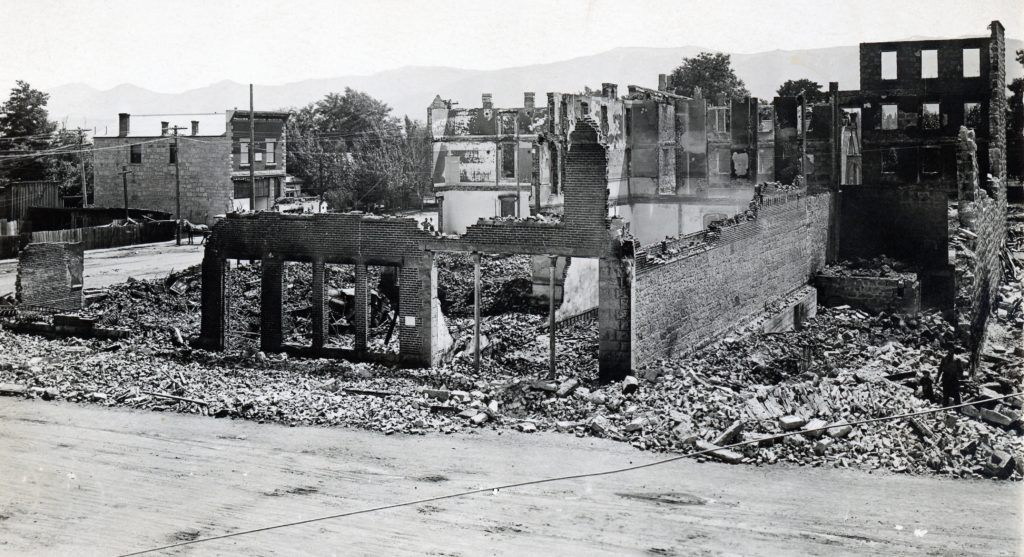
The Emerson Hotel ruins, 1915. A Thompson postcard.. Courtesy of Vivian Hansen
Of course, Thompson recorded events, some joyful and others tragic, such as scene above of the ruins of the Emerson Hotel in August 1915.
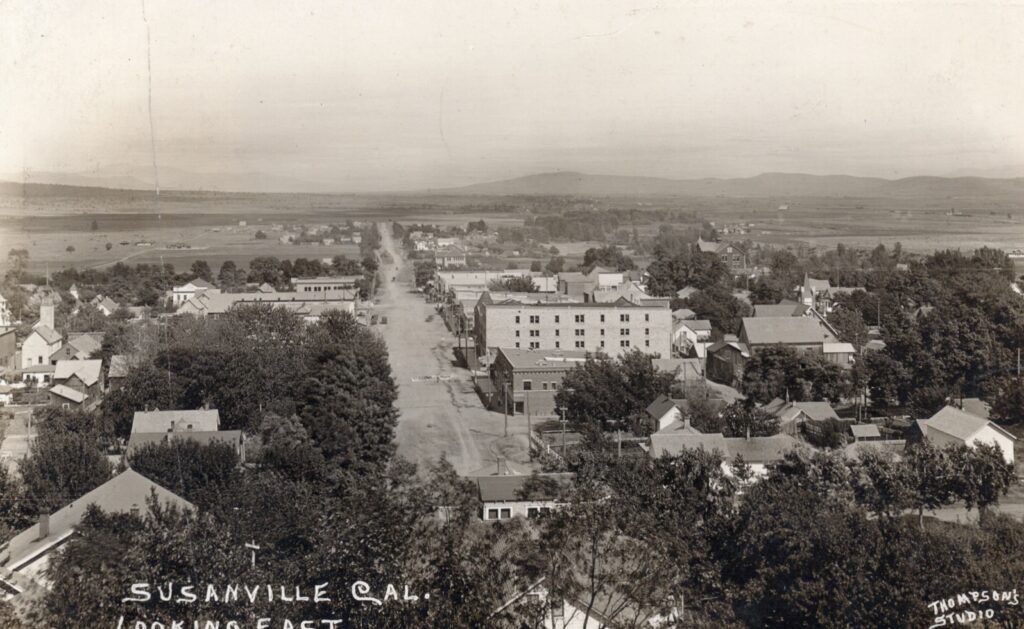
A view of Susanville, 1915
For me, I am constantly on the lookout for his work, Recently, I purchased the above postcard for $8.00 off of Ebay from a paper dealer in Teaneck, New Jersey.
When the new Lassen County Hospital was completed in 1916, the Lassen County Board ofSupervisors took a proactive role in its initial management . The old hospital was at the mercy of the board appointed county physician. After with new facility with its amenities such as a up-to-date operating room which could compete with hospitals found in larger cities. They embarked on an advertising campaign with a focus on Modoc County. After all, it was the consensus of the board that the hospital should pay for itself. Initially, it worked well, due in part of the population surge generated with the establishment of the Lassen Lumber & Box Company. In 1921, there was competition with newly established Riverside Hospital. Then along came Potter’s Maternity Home, which did not help either. Thus, the county hospital was relegated to those indigent means.
This continued until the early 1960s, when the county built another new hospital. Timing can be everything. When Lassen Memorial Hospital opened its doors, Potters and the Riverside were winding down. Plus the local economy got a boost with newly opened prison, the California Correctional Center.
There were several journalists endeavors in Susanville over the years. They were usually short-lived. One of theses the Susanville Daily News that made its debut on June 9, 1936. It was actually the reincarnation of the Daily Reminder. The Reminder was a mimeographed publication while the Daily News introduced readers to lithography.Percy Dunkle was the publisher and Richard Long, the editor. Dunkle was formerly associated with Lassen Mail newspaper and he had the financial backing of Ike Knoch.
There are some interesting articles and advertisements which we will explore. Of course, there was a customary golf articles, as golfing was all the rage that the local press called them the divot diggers..
For years, Susanville residents wanted two amenities, a public park and a municipal swimming pool. While there was a greater Susanville, the Milwood Tract and the Lassen Lumber district, they were outside the city’s boundaries and county was reluctant to provide basic services, let alone contribute a park or pool.
It was Frank O’Kelly who worked diligently for a municipal swimming pool. It should be noted he operated Lassen Dairy on property leased from Fruit Growers, north of town, which is now known Susanville Ranch Park. In 1934 O’Kelly approached the City to convert the Fruit Growers ranch property into a recreational facility. It would include a swimming pool, golf course, picnic area and playgrounds. Since Bagwell Springs was located on the property, there was ample water supply. The Susanville Rotary Club liked the idea and passed a resolution for the park’s development. Construction of the facilities could be done with labor from the State Emergency Relief Administration (SERA) crew. There was one problem with the proposal. Fruit Growers owned the property and it was not interested in leasing or donating.
O’Kelly, undaunted by that setback continued with his quest for a community pool. It was finally suggested to submit this project to the Works Projects Administration (WPA). In January 1936, City Engineer, Harry S. Riddell was instructed to draft plans for the WPA for a municipal pool. The WPA approved the project with an estimated cost of $28,433. It was decided to construct the pool behind Roosevelt Elementary School on Richmond Road. On October 30, 1936, groundbreaking ceremonies were held. It would take longer than the 1937 date anticipated for completion, due to the lack of eligible WPA workers. The Roosevelt Pool officially opened on April 17, 1938. Many years later. on December 22,2004, the City condemned it, due to structural concerns about the building it was demolished in 2015.
The commotion about Fruit Growers commissary did not end smoothly. The disgruntled merchants also had a complaint with the Nataqua Mercantile Company that opened its door on February 14,1921 in the Milwood district. The fact that the principle investors in the mercantile company were Fruit Growers employees aroused the suspicion of some local merchants, even the the three, J.W. Schooner, Henry Neunaber and J.C.Pery, invested solely as individuals.
Facts, however, did not stop the rumors, many of them started by the “peeved merchants,” who even went so far as to hire a phony investigator to stir up matters. With the mill nearing completion, these rumors, even though false, could have profound effect.
Fruit Growers hired their own private investigator to find out exactly how the community felt. W.A. Mundell (aka Jules Gamage) posed as an investor. interested in opening a summer resort at Eagle Lake. So good was his disguise that he was invited to join a poker game (during which he lost) at the Pioneer Saloon with a group of the town’s most influential citizens. The week-long investigation uncovered no animosity between the residents of Susanville and Fruit Growers. If anything the citizens were glad for the competition.
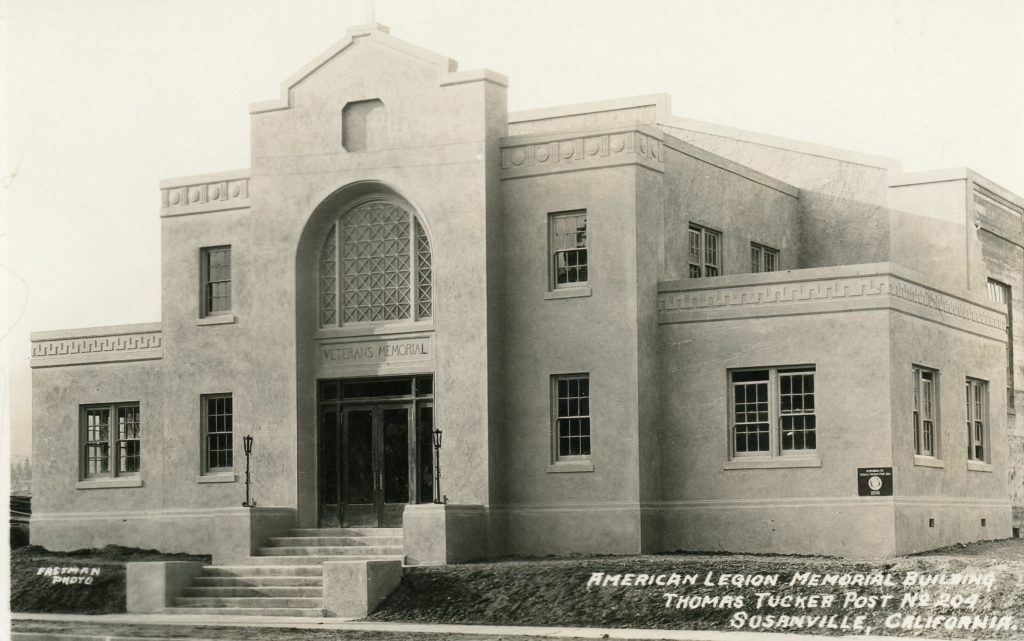
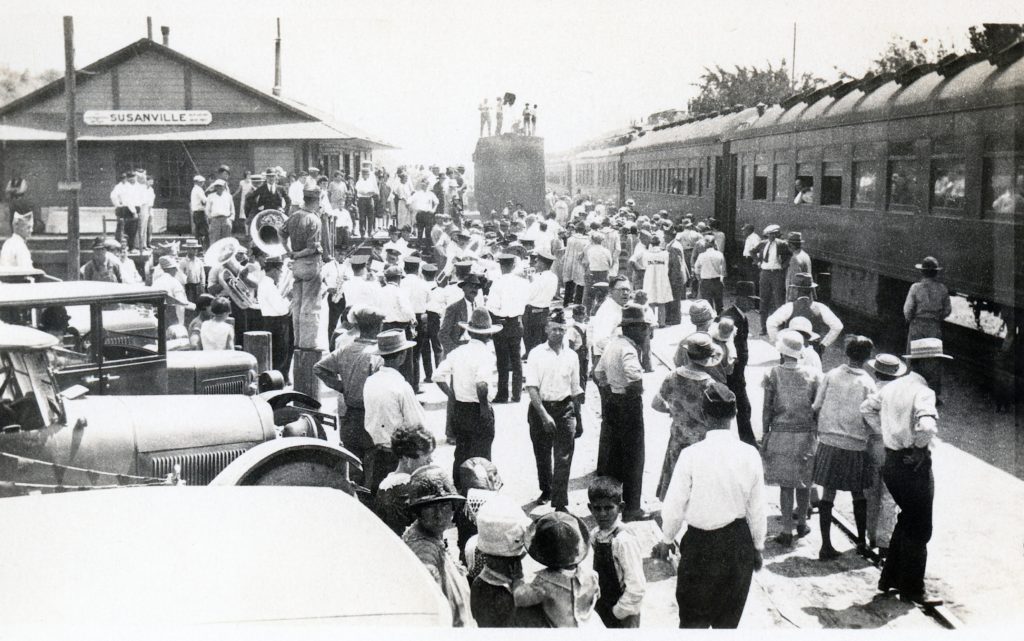
The American Legion building also known as the Veterans Memorial Hall marks its cenentinial today. The $30,000 strucuture was designed by local architect Ralph Taylor. The contractor was T.J. Rees of Fallon, Nevada who was in Susanville constructing the Hotel Mt. Lassen.
1926 American Legion Convention delegates arriving at the Susanville Depot. Courtesy of Nellygrace Stoll.
The dedication was a spectacular event. The local American Legion Post, Thomas Tucker Post 204 was hosting the California American Legion Convention. A truly amazing feat that drew 2,700 visitors to Susanville.
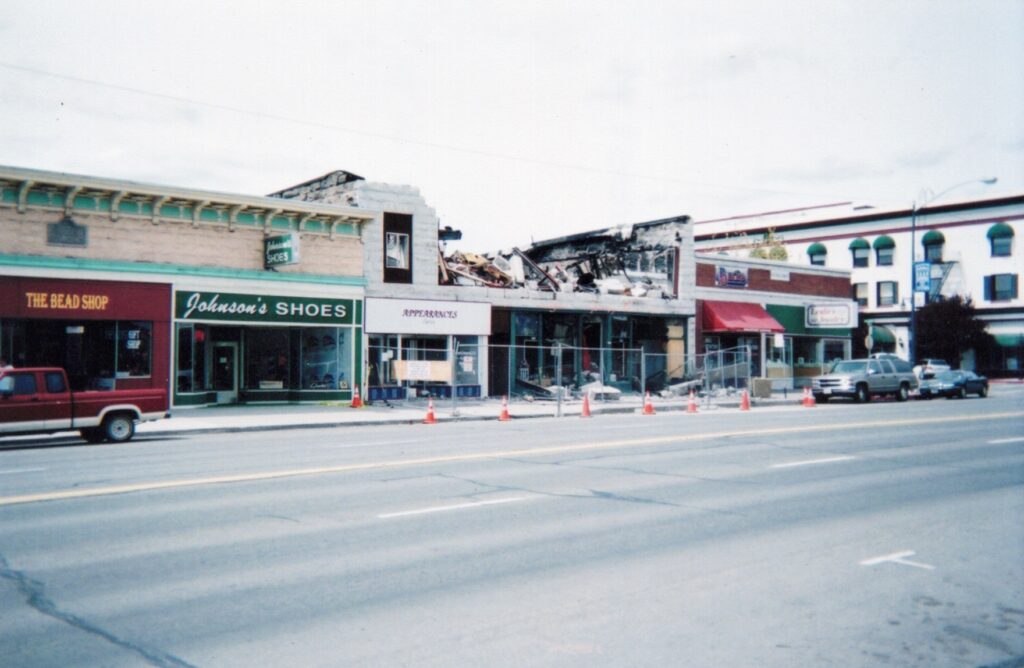
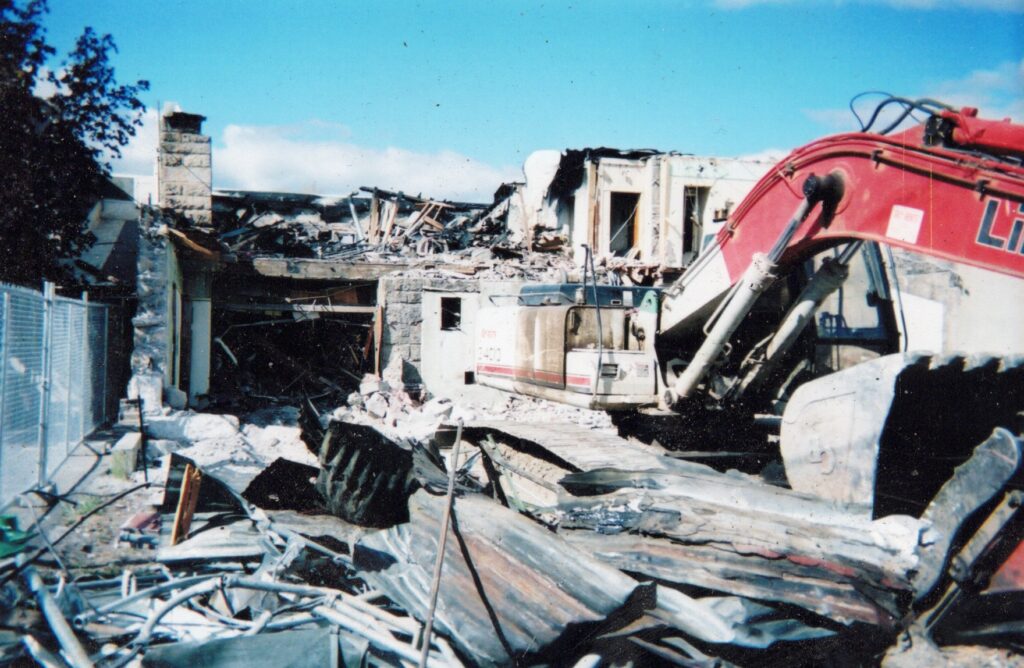
Seasoned residents will remember this as the old Spalding Drug Building. In its later years it was known as The Bootery. It was destroyed by fire on January 5, 2005. In the spring of that year the building’s remnants was bulldozed.
Since that time it has remained a vacant lot. From time to time there has been discussions as to what to do with it, but that has been the extent of it.
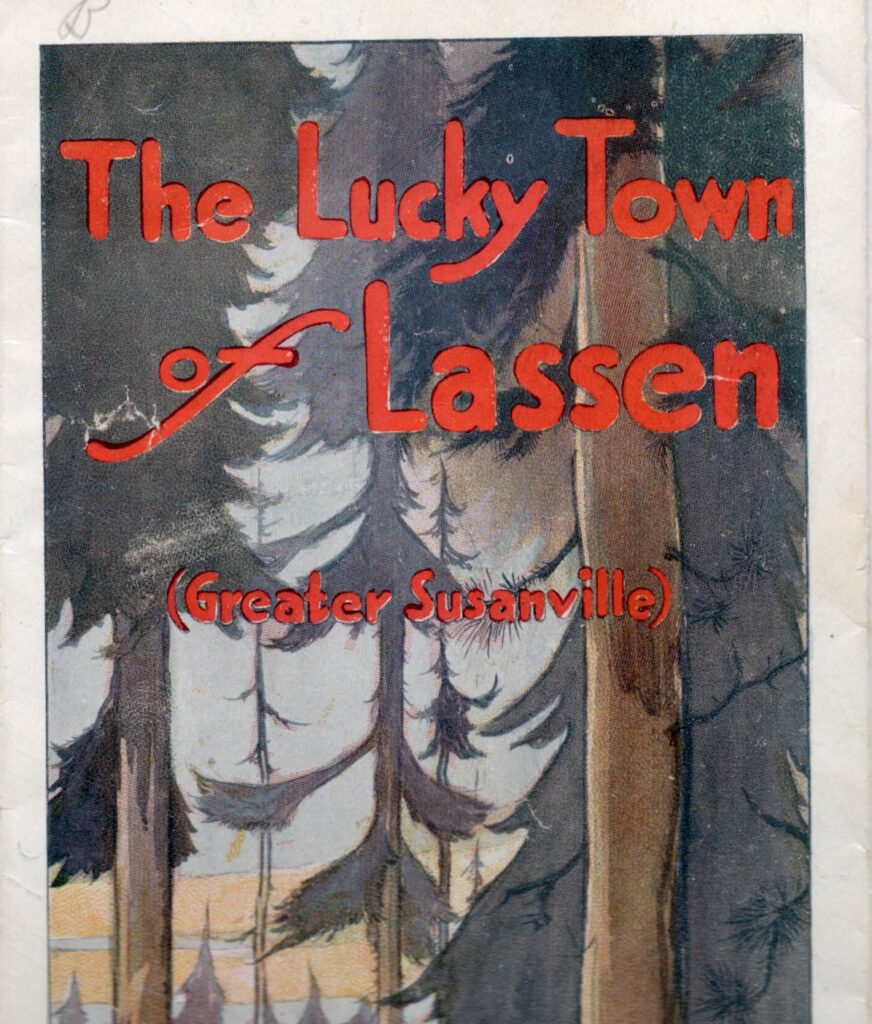
On August 12, 1912, Jules Alexander, Ike Knoch, J.A. Pardeeand J.E. Pardee formed the Lassen Townsite Company aka Greater Susanville.* With the arrival of the railroad boom times lied ahead. This was no ordinary subdivision, but the town’s largest ever since. It encompassed an area four times of the original incorporated city limits. The subdivision included all the territory east of Richmond Road and south of Susan River to Johnstonville Road, near present Eagle Post Office, and for a southern boundary, the agricultural lands of Sierra StreetThe Lassen Townsite kept the price of their lots at $100 each, with a minimal down payment and am easy installment plan. Asan extra incentive for buyers, they would not responsible for their property taxes until they had paid for their lots.
An added bonus for Lassen Townsite they prevented speculators from developing d tlwnsite along the railroad corridor that would be detrimental to the Susanville business district. Some examples are Standish and Litchfiled Bieber and NuBieber. I hope in further installments to scan images the company’s brochure.
Tim
*It should be noted these gentlemen a year prior attempted to rename Susanville to Lassen.
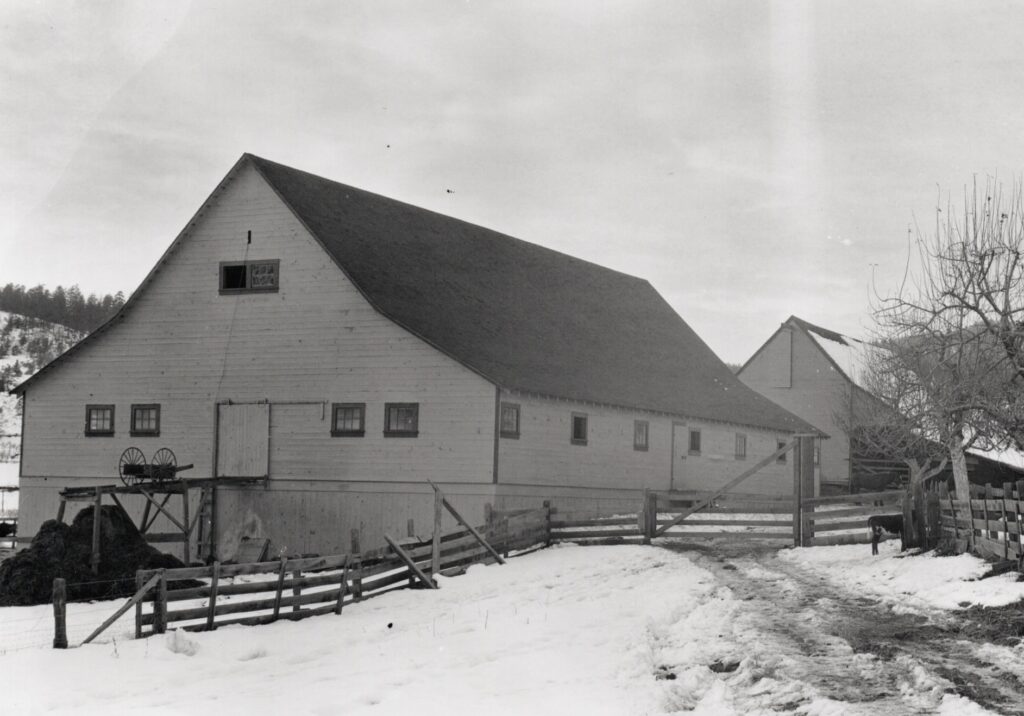
In 1919, the Fruit GrowersSupply Company purchased the Long Ranch just north of Susanville for a sawmill site. Things dramatically changed and Fruit Growers considered using it a winter horse pasture and dairy. Ultimately, the property was leased to Frank O’Kelly who founded Lassen Dairy. The property is now Susanville Ranch Park.
While I do not know the complete history of Lassen Dairy,, while searching through Fruit Growers archives I did find this memo dated: December12, 1934:
“For some time there had been considered a revision of the lease under which the Lassen ranch is operated by Frank O’Kelly. Due to reduced income from dairy products he has been unable to meet the annual $2400.00 annual rental and the Company accepted for 1933, $1800.00 which at least offset taxes and expenses. The Operating Committee had approved the Manager’s recommendation, that rental charged for 1934 be $1600.00, and that a new lease be made with Mr. O’Kelly for five years at an annual rate of $1600.00, such rental to be increased to $1800.00 annually should the retail .price of milk advance to 10 cents a quart.”
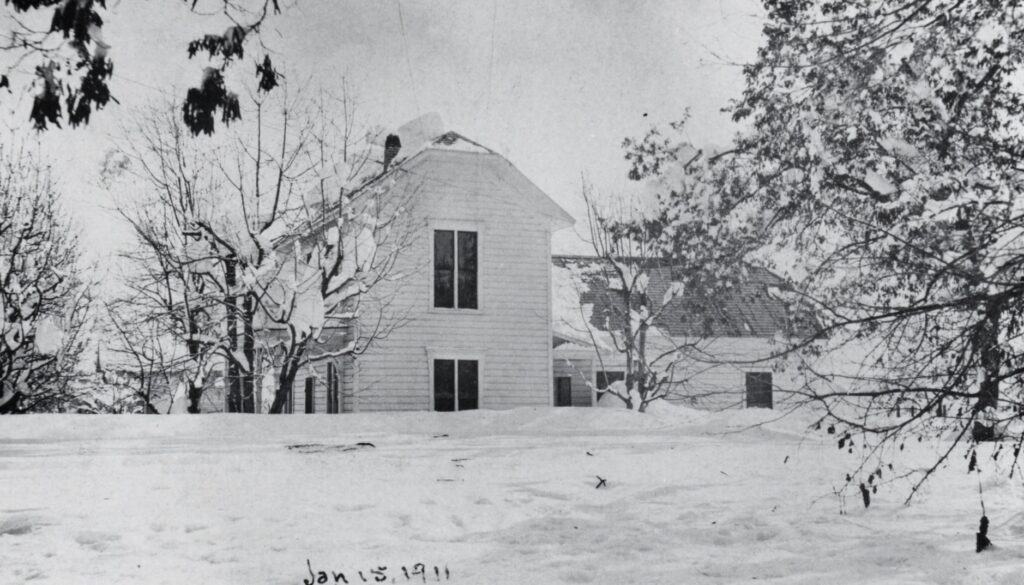
The George McDow residence, January 15,1911- Courtesy of George McDow, Jr.
On the 100 block of Susanville’s South Lassen Street are two buildings well over a century old that are distinctive of each other, but had common owner, George McDow.
Lassen County Abstract building, constructed in 1911.
In 1911, McDow next to his residence had an office constructed to house the Lassen Abstract Company, the first land title office in Lassen County. Lassen Abstract operated for nearly fifty years, whose owners at the end where Art Anderson and George Pancera with Electa Lazard who managed the operations.
It is now known as Fink’s Funeral Home, 115 South Lassen Street, Susanville. September 21, 2019
In 1935 Carlos Lucero purchased the McDow residence and remodeled it into a mortuary which is still used as such, though it has undergone numerous ownerships.

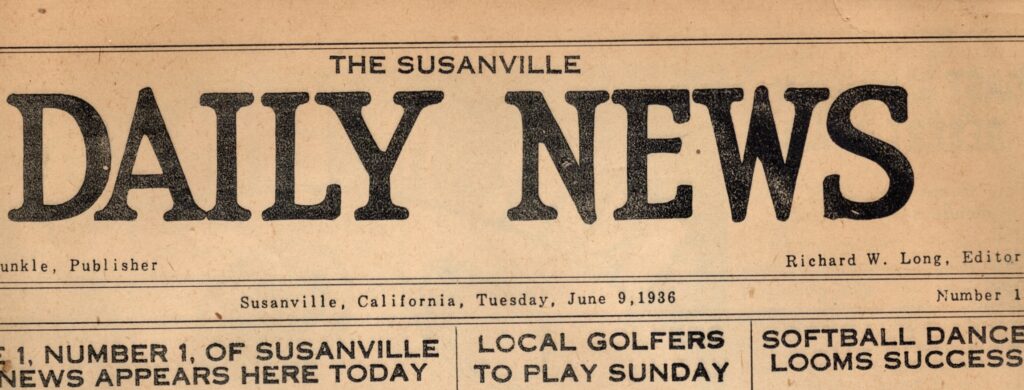 There were several journalists endeavors in Susanville over the years. They were usually short-lived. One of theses the Susanville Daily News that made its debut on June 9, 1936. It was actually the reincarnation of the Daily Reminder. The Reminder was a mimeographed publication while the Daily News introduced readers to lithography.Percy Dunkle was the publisher and Richard Long, the editor. Dunkle was formerly associated with Lassen Mail newspaper and he had the financial backing of Ike Knoch.

 Since that time it has remained a vacant lot. From time to time there has been discussions as to what to do with it, but that has been the extent of it.
 On August 12, 1912, Jules Alexander, Ike Knoch, J.A. Pardeeand J.E. Pardee formed the Lassen Townsite Company aka Greater Susanville.* With the arrival of the railroad boom times lied ahead. This was no ordinary subdivision, but the town’s largest ever since. It encompassed an area four times of the original incorporated city limits. The subdivision included all the territory east of Richmond Road and south of Susan River to Johnstonville Road, near present Eagle Post Office, and for a southern boundary, the agricultural lands of Sierra StreetThe Lassen Townsite kept the price of their lots at $100 each, with a minimal down payment and am easy installment plan. Asan extra incentive for buyers, they would not responsible for their property taxes until they had paid for their lots.