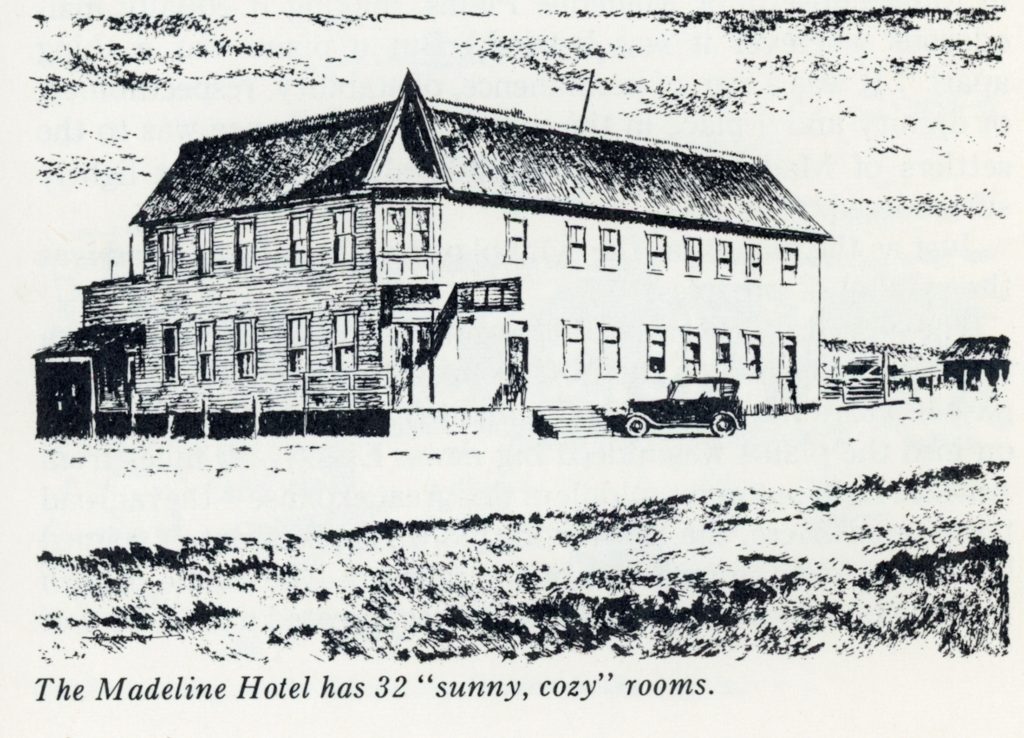
The Madeline Hotel – A Preview

Illustration by R. Herrera

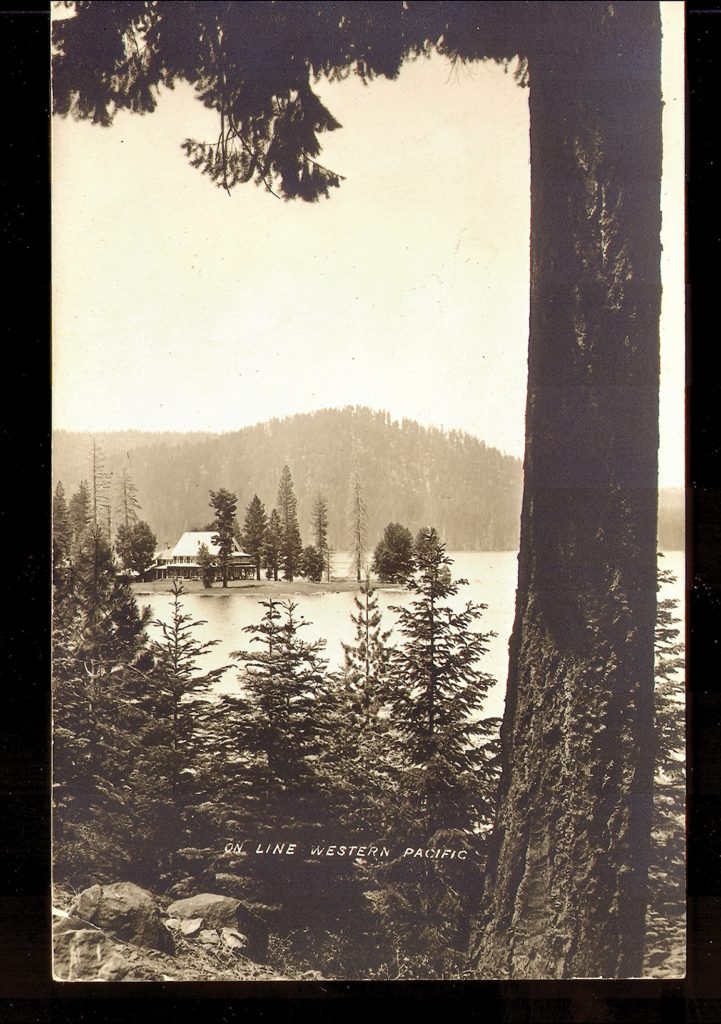
Today, while traveling Highway 395 one passes through the hamlet of Madeline, one of three communities to dot the Madeline Plains. A long time ago, it did experience its glory days. By the 1880s it was known as Van Loans stage stop and the Madeline Post Office was moved there in 1887 from its previous location in the Grasshopper Valley.

In 1902, the Nevada-California-Oregon Railroad (NCO) arrived at Van Loans and it became a hub of activity. No time was wasted in plotting out the Madeline townsite. Before the ink was dry on the Madeline subdivision map, Van Loan & Spargur built a two-story “L” shaped hotel to accommodate all the travelers arriving to check out the territory. The good times were short-lived and within fifteen years the town Madeline began to decline.

Support

Diamond Mountain Mining

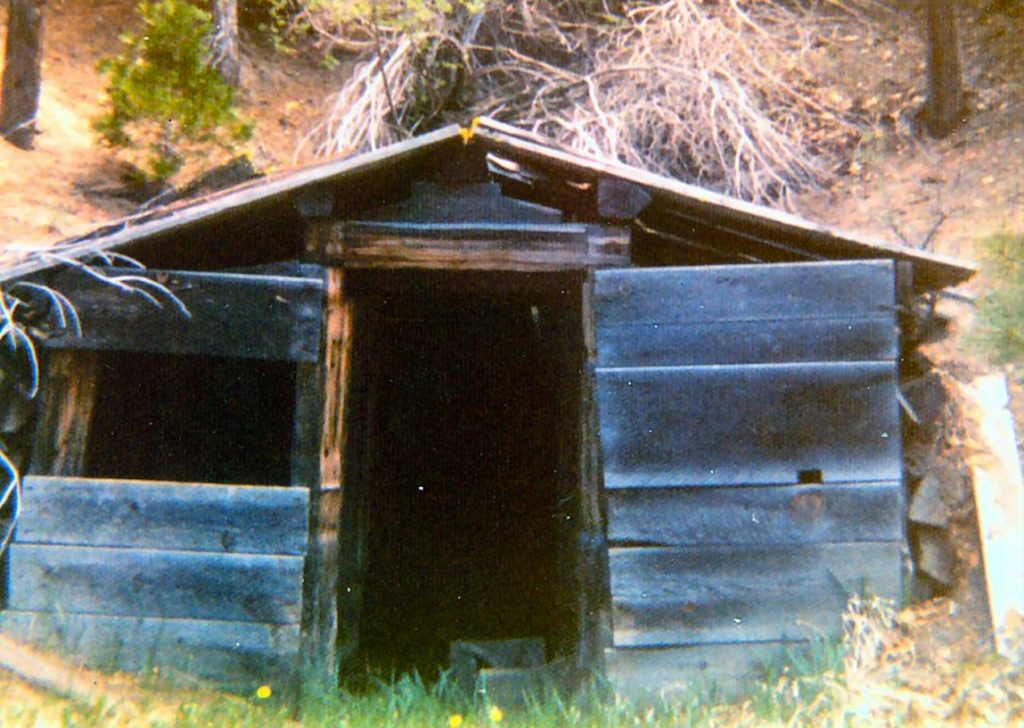
An abandoned Diamond Mountain mine, 1977.

In 1855, gold was discovered in what would be known as Hills Creek at the base of Diamond Mountain. However, the prospecting was soon suspended by summer when the stream went dry. This temporary setback allowed the handful of miners to return over the mountain to Indian Valley to prepare for next year.

In 1856, as word of the new gold discovery spread brought an influx of miners to the Honey Lake Valley. Placer mining was abundant in three streams—Gold Run, Hills and Lassen Creeks. By the early 1860s the easy pickings of the placer deposits had been cleaned out. Thus, lode mining of gold bearing quartz was ushered in and continue until 1942 when President Roosevelt’s Executive Order suspended gold mining during World War II.

Never miss a story, click here to subscribe.

Nevis Island, Lake Almanor

Nevis Island, 1914 – Courtesy of the Plumas County Museum

This was a short-lived man made island during the creation of Lake Almanor, it received its name from dam so named that created the lake. It was located at the southern portion of Big Meadows, prior to the creation of Lake Almanor. It should be duly noted, that in the late 1800s, the region consisted of dairies, ranches and summer resorts. After all, one has to remember this was back in the day when there was no such thing as air conditioning and those who could afford to escape the heat of the Sacramento Valley in the summer flocked to the cooler mountain regions.

Prior to becoming “Nevis Island” it started as a resort known as Meadow View established in 1882 by A.R and Clara Bidwell. It was an investment for Bidwell, and the hotel was leased. In 1902, it was acquired by Great Western Power Company who subsequently closed the hotel. For a brief time in came back to life, and in 1909, Great Western made improvements to the building and it became their local headquarters. In the fall of 1913, Great Western closed it down. Due to an unusually heavy precipitation in January 1914, the new reservoir, later to be named Lake Almanor, began filling up unexpectedly and thus created Nevis Island for a brief time, until was finally submerged.

Never miss a story, click here to subscribe.

Coppervale Fundraiser

Coppervale, courtesy of Lassen College

If you do not have any plans, you may want to attend the annual fundraiser for the Coppervale Ski Hill on Friday, November 8 from 4:30 -8 pm. It will be held at the Lassen Community College Cafeteria /Student Union, featuring street tacos and more.

All proceeds will help keep Coppervale open and all funds raised are placed in a dedicated account. Tickets are available at the LCC Student Union or at Margie’s Book Nook. The cost for this event is $12 for adults and $8 for children under 12.

Coppervale Ski Hill dates back to the 1930s and the college became involved in its operations after World War II. If you have any history or experiences at Coppervale you are willing to share, I would like to hear from you.

Tim

P.S. – For more information and/or donate call 530-258-7635.

Lassen High’s Failed Expansion

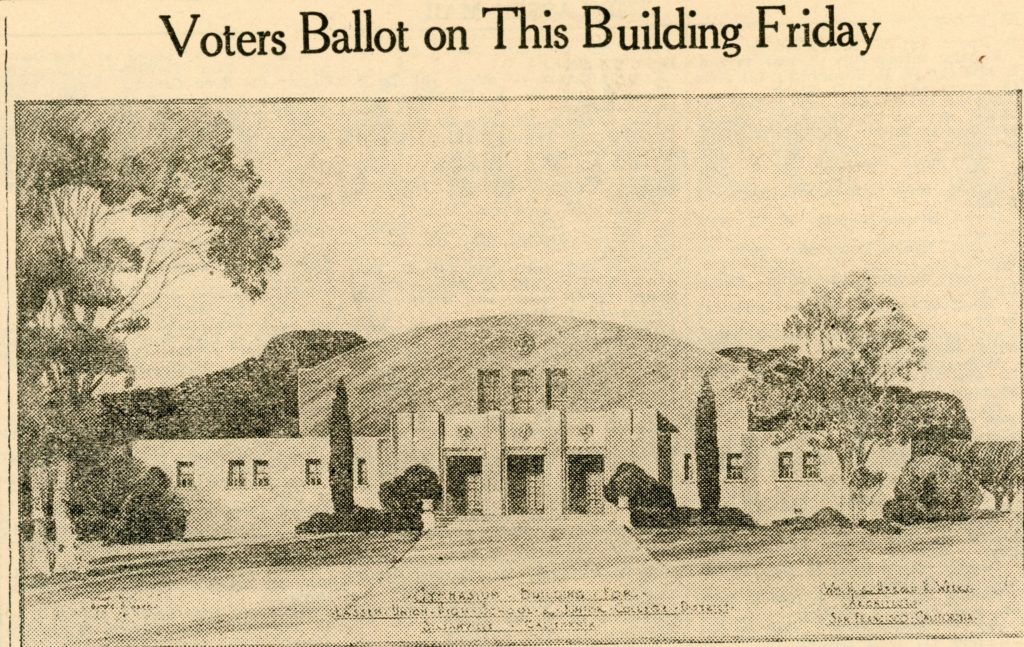
Harold Weeks sketch of the new gym

On July 6, 1938 the Lassen Union High School Board of Trustees announced plans for several new buildings. They cited the increased enrollment had an impact on the existing facilities. After all in 1930 enrollment was at 383, and now it was 776. Of course, a portion of the increase was due to the Lassen Junior College’s popular forestry program, which shared the high school’s facilities. Under the proposal a new industrial arts building, a new gymnasium would be constructed and a redo to the old gymnasium. The approximate expenditure was placed at $100,000 that could be funded under a federal Public Works Administration (PWA) grant and loan. The trustees would ask the voters to approve a $55,000 loan by a bond measure, to draw 4% interest to be sold to the PWA. When it went to the voters, it was soundly rejected. This was due in part the whole issue was put together hastily and the information about the bond was confusing.

Never miss a story, click here to subscribe.

Lassen Park Entrance Fee, 1931

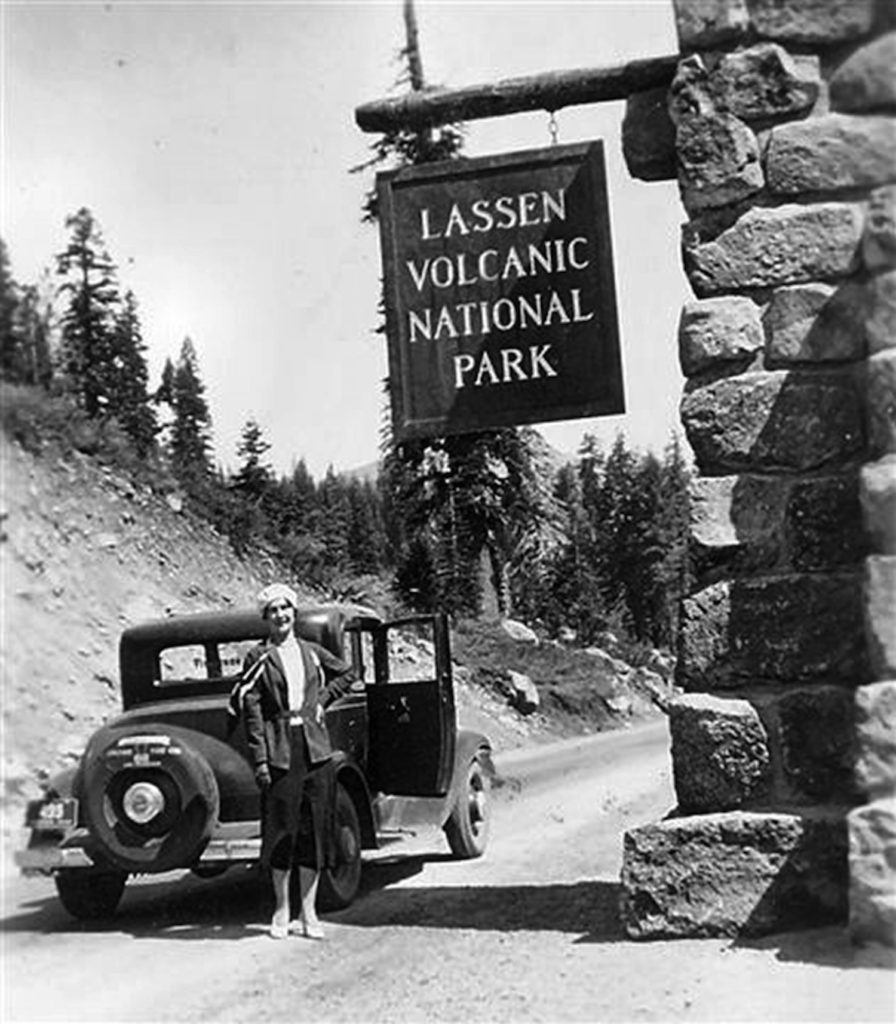
Lassen Park Entrance. Courtesy of Margaret A. Purdy

During the early years of its existence Lassen Volcanic National Park did not charge an entrance fee like other national parks. One of the reasons for the lack of a fee was the poor accessibility to the park. That changed in 1931 with the completion of the road through the park. In May 1931, National Park officials in Washington D.C. set an entrance fee to Lassen at $1.00 for automobiles and 50 cents for motorcycles, which was good for the entire year. The fee was suspended for the three day dedication set for July of that year.

Subscribe

The Jungles aka Hobo Camp

Susan River
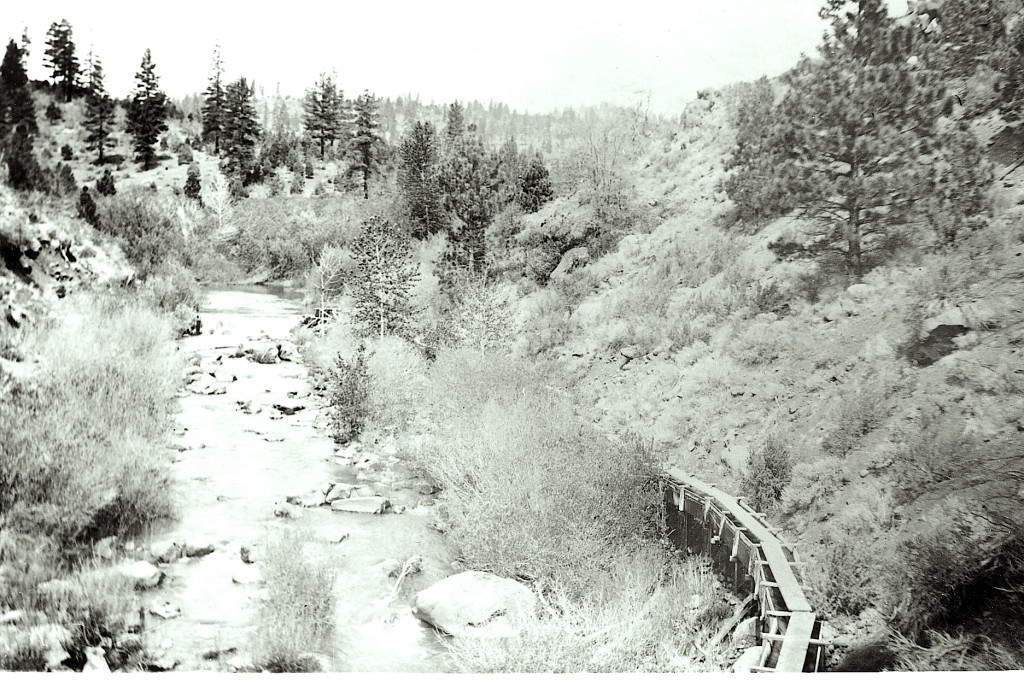
Susan River, 1899 just below Hobo Camp and prior to the construction of the railroad. Courtesy of Mary Dale Folsom

Hobo Camp is a popular recreational area on the Susan River, just a short distance west of Susanville. In 1913, it was referred to as the jungles or Jungletown when the Fernley & Lassen Railroad constructed its line through the area. It was a popular place for migrant workers to camp, and these homeless encampments back then were referred to as the “jungles.” For many years it was also known as Folsom Park, after M.O. Folsom, who owned the property at one time. In the 1950s, it was also referred to as Swedes Flat.

Never miss a story, click here to subscribe.

Paul Bunyan Logging Road

Lunch time at Dow Butte, August 21, 1953. Courtesy of Hank Martinez

In April 1938 the Piute Railroad logging line sustained major damage from Desmond Meadows to Susanville. The Red River Lumber Company decided to abandon the line.

In 1945 a portion of the abandoned railroad line was resurrected as a log truck road. Red River was going through a dissolution process and Ken Walker took over the company’s Susanville mill, he renamed the Paul Bunyan Lumber Company. Days of railroad logging were on the wane. The abandoned Piute line provided the foundation for a truck logging road. One of the major benefits of a private road, one could bypass the weight limits imposed on county roads and state highways. On September 20, 1945 the first logging trucks made the inaugural voyage.

It should be noted this delighted Susanville’s Main Street merchants since they no longer had to contend with logging trucks interfering with their commerce.

Never miss a story, click here to subscribe.

Give the gift of Lassen County history

The arch at Main and Gay Streets was a temporary affair, and a windstorm two weeks later, blew it over.

Not sure what to give that special someone, but want to keep the budget balanced too? Why not a gift membership to tipurdy.org. At five dollars a month it is a bargain. You can decided whether for a month, quarter or even splurge for a year.

The recipient not only receives a daily email notification of the latest topic, but is entitled to hard to find papers on the Eagle Lake Ice Caves, too. On top of that they can partake in members’ tours such as the summer solstice observance at an ancient solar observatory. Even if that person on your list is not local, they still receive materials associated with the tours.

Information on subscriptions is found right here. Have a question drop me a line at tim@tipurdy.org.

Exploring Lassen County's Past