Painters Flat

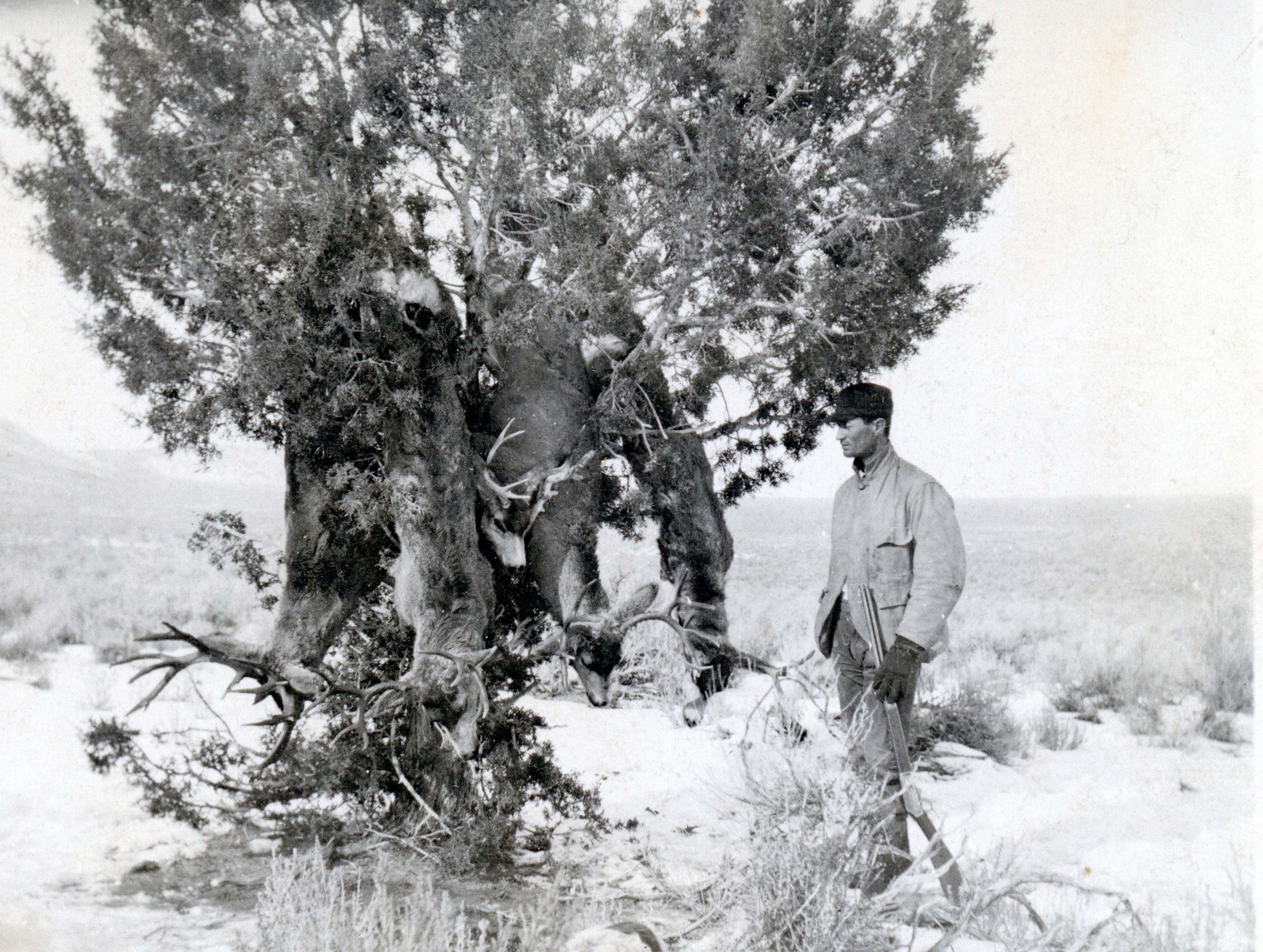
Painters Flat, 1914
Painters Flat, 1914

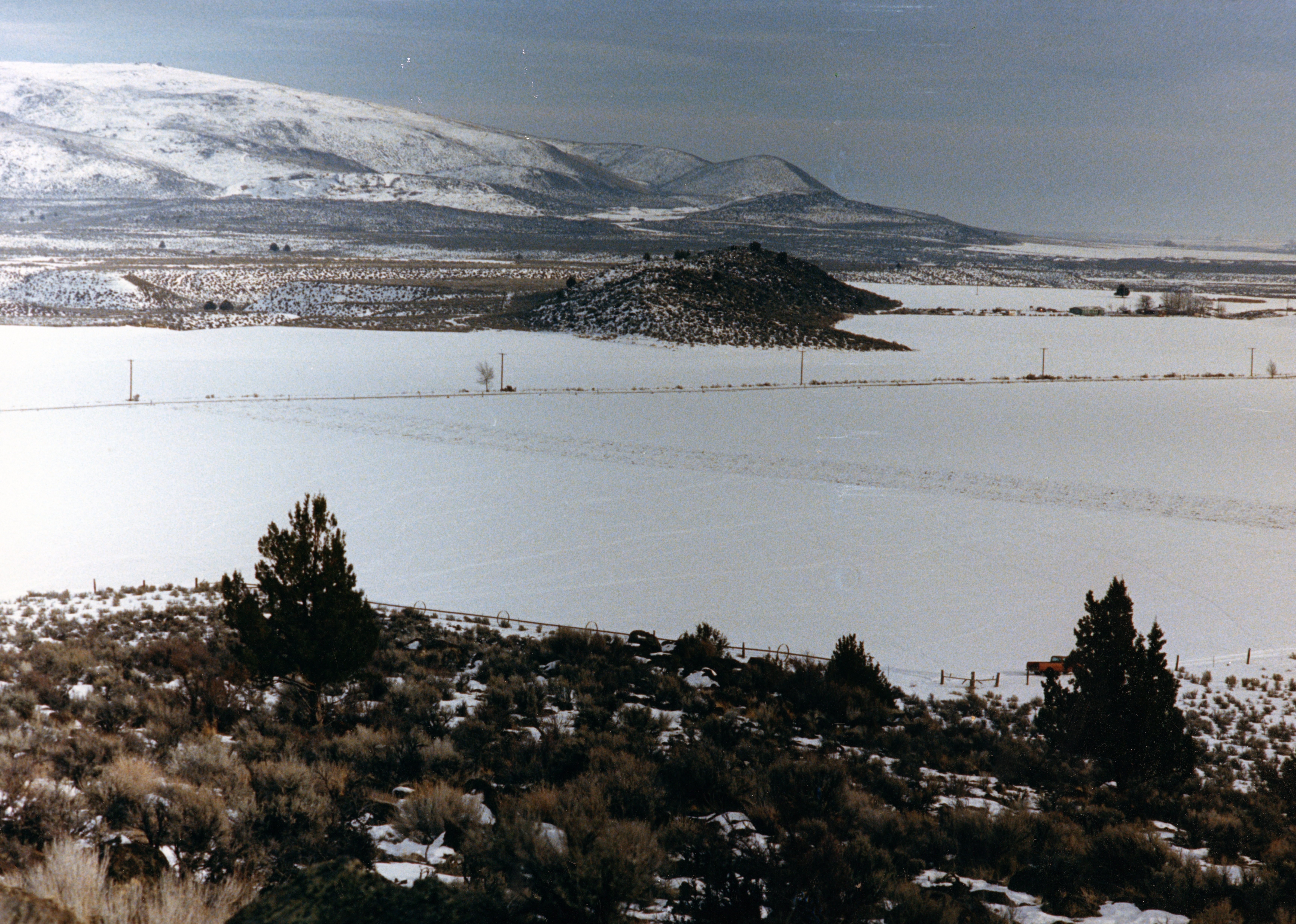
After the murder of Peter Lassen in the spring of 1859, tension between the settlers and the Indians became intense. Within a year the region experienced the Pyramid Lake War. On June 17, 1860, Horace Adams was murdered by the Indians at his ranch near Lathrop’s Station in the Honey Lake Valley. Two days laters, Col. Frederick W. Lander and Captain William Weatherlow gathered a group of men together to locate the Indians responsible for Adams’ death. They followed the Indians’ tracks north to the Madeline Plains. From there, they headed east through a canyon. Just before entering a valley there, they were ambushed by the Indians, Alexander A. Painter was mortally wounded. Painter’s body was moved a mile northeast from where he died. He was buried there beneath a cedar tree.

Support this site and Subscribe today!

Future Posts

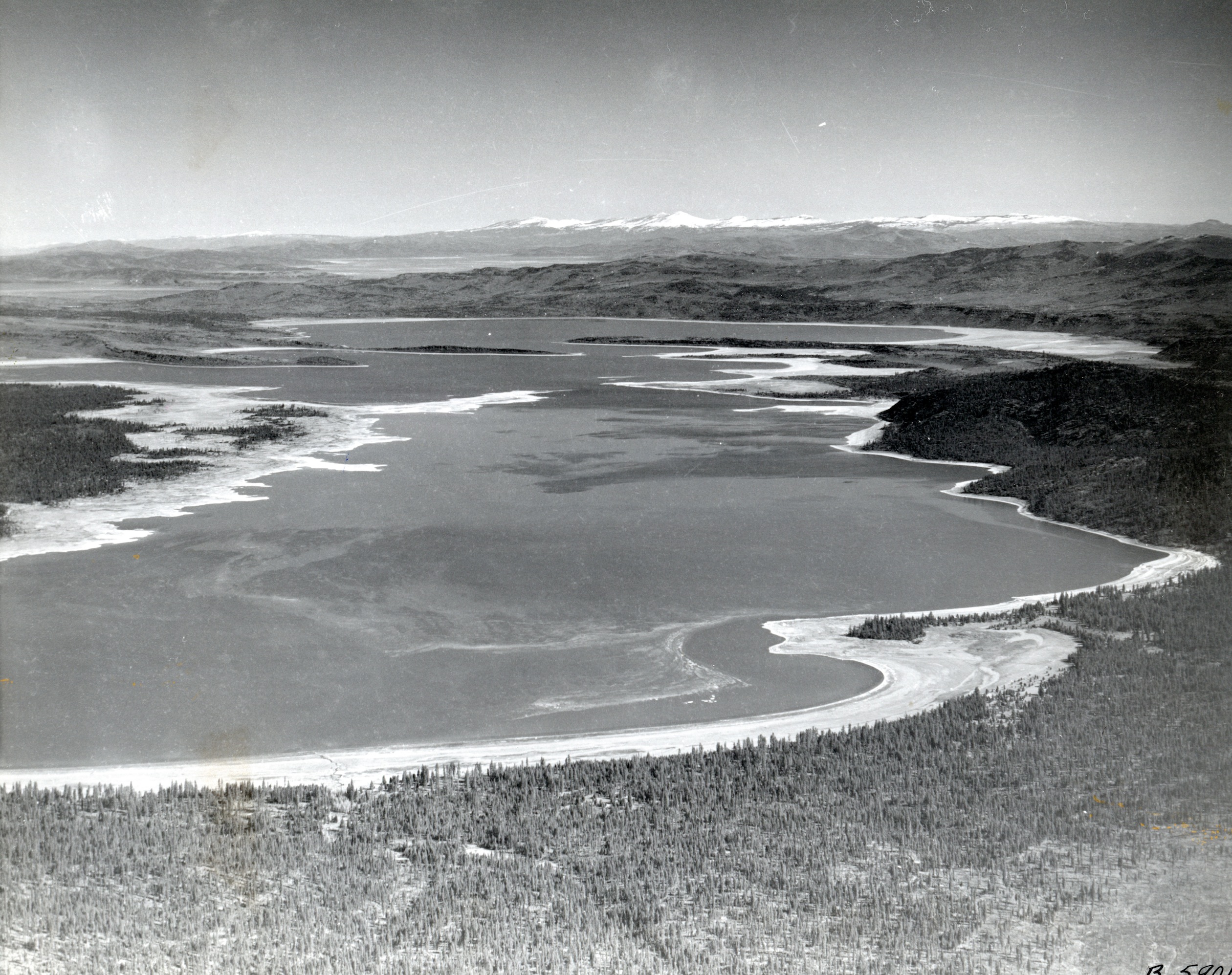
Bucks Bay
Bucks Bay, Eagle Lake, 1921

Here is a preview of the forthcoming topics for the first half of June. In addition, take a moment to review the Subscribe feature.

Gold Rush of 1907 6/1/15
Edsel Dealership 6/2/15
Alexander Howell 6/3/15
Jensen Barn 6/4/15
Lassen Flour Mill 6/5/15
Main Street Problem 6/6/15
Richmond Times 6/7/15
Lassen’s Most Influential Person 6/8/15
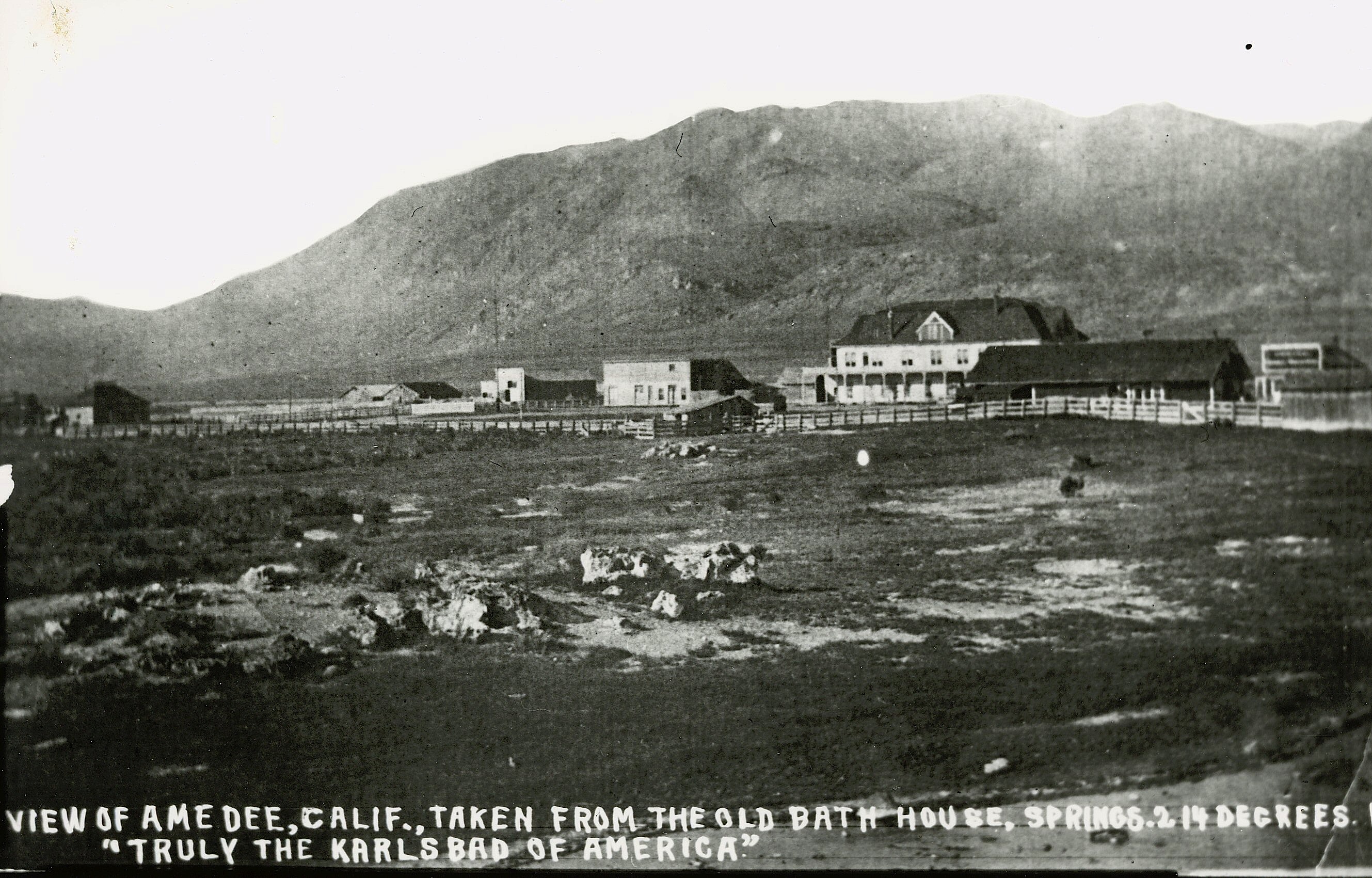
Amedee Lime Kiln 6/9/15
Order of Camels 6/10/15
Camp Harvey 6/11/15
Camp Harvey Gallery 6/12/15
Gold Run Road Toll Co. 6/13/15
Lassen Eruption 6/14/15
Oh My! 6/15/15
St. Mary’s Chapel 6/16/15

Susanville Quarry

Knoch Building
Construction of the $20,000 Masonic Hal in 1893.

In 1860, saw the discovery of rhyolite tuff at the base of Susanville’s Inspiration Point. It is an ideal building material, because it is light weight, and can easily be sculptured. In 1862, H.F. Thompson began the development of a quarry, and hence how Quarry Street is named. Some of its first uses was for headstones, the largest being for the grave of Captain William Weatherlow who died in 1864. In 1863, Miller & Kingsley had the first stone building constructed from the quarry. The last major use of the quarry was in late 1930s to construct the Spalding home on Quarry Street.

Support this site and Subscribe today!


Garfield Oates

Masonic Hall
Westwood Masonic Hall

Garfield Oates began his career as a mechanical engineer with Diamond Iron Works in Minneapolis. In the fall of 1912 he was sent to Westwood to supervise the construction of Red River’s sawmill, as it was designed by Diamond Iron Works, who supplied most of the machinery. After the completion of the mill, Red River offered him a position of resident engineer which he accepted. Oates designed many of the landmark buildings of Westwood including the Auditorium, Masonic Hall and Theater. He was very active in community and served many years as the president of the Westwood Auto which was a defacto Chamber of Commerce for Red River. After all, Red River did not need a chamber, since it was company town, so there was no need to attract businesses to locate there. Yet the Auto Club promoted Red River products. He died in 1934 after a four day bout with a gall bladder attack.

Support this site and Subscribe today!

Emerson Hotel

Emerson Hotel
Emerson Hotel under construction, 1901. Courtesy of Mary Dale Folsom

After the devastating fire of June 6, 1900, a new Susanville would arise from the ashes. In addition, the town witnessed a substantial use of brick for the preferred building material.

On July 31, 1900 groundbreaking ceremonies were held for the largest most expensive building to be constructed in town to date. It was Charlie Emerson’s three-story hotel, encompassing a quarter of a block on the southwest corner of Main and Lassen Streets. The $300,000 brick building contained 27,576 square feet. Besides providing the assortment of business spaces, it also included 76 guest rooms. A grand opening was held on June 3, 1901, and The Emerson became the town’s premiere social hub.

Support this site and Subscribe today!


Dear Subscribers

Homer Lake
Homer Lake, well worth the visit, but that is not the direction we will be going.

You will be receiving a private email shortly with more details about our exclusive tour, including the June date, etc for this most interesting and first of its kind tour in Lassen County. It should be noted that in 1992 a small international gathering occurred there—representing Australia, Europe and South America.

In addition, still working out some technical issues, but hopefully in the near future everyone will receive daily updates, or opt into a digest form.

Tim

1600 Main Street

Pardee
Pardee campaign headquarters, October 1978

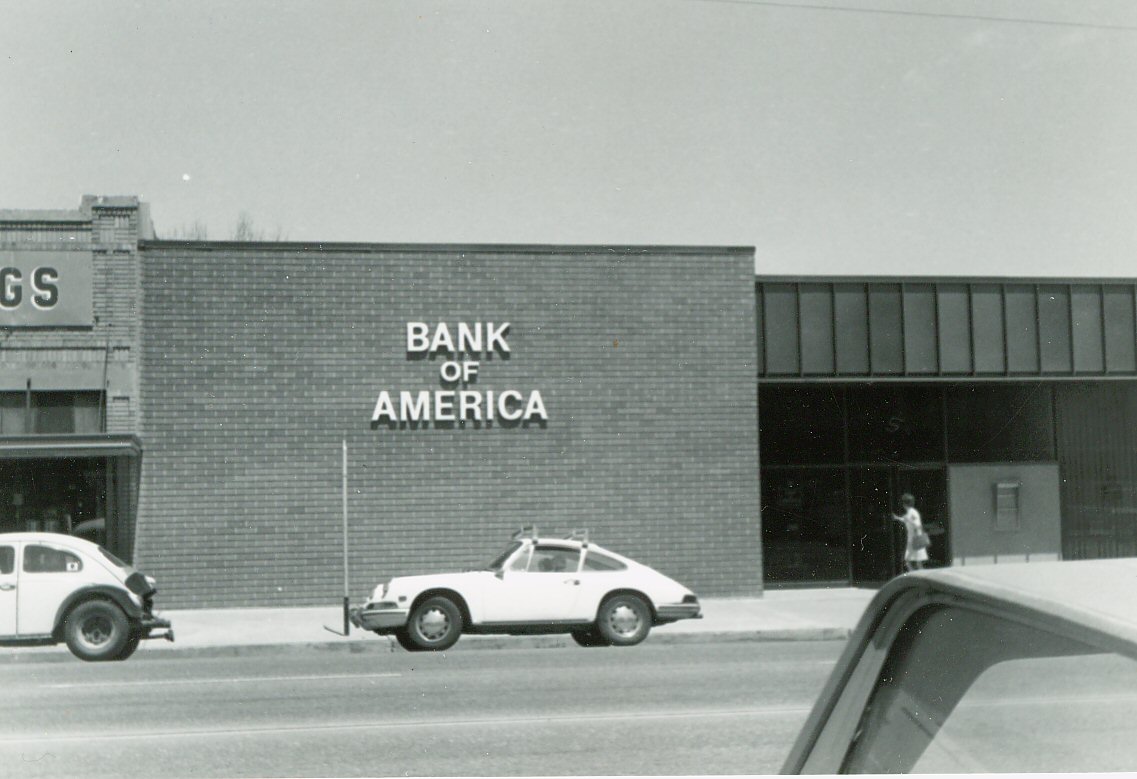
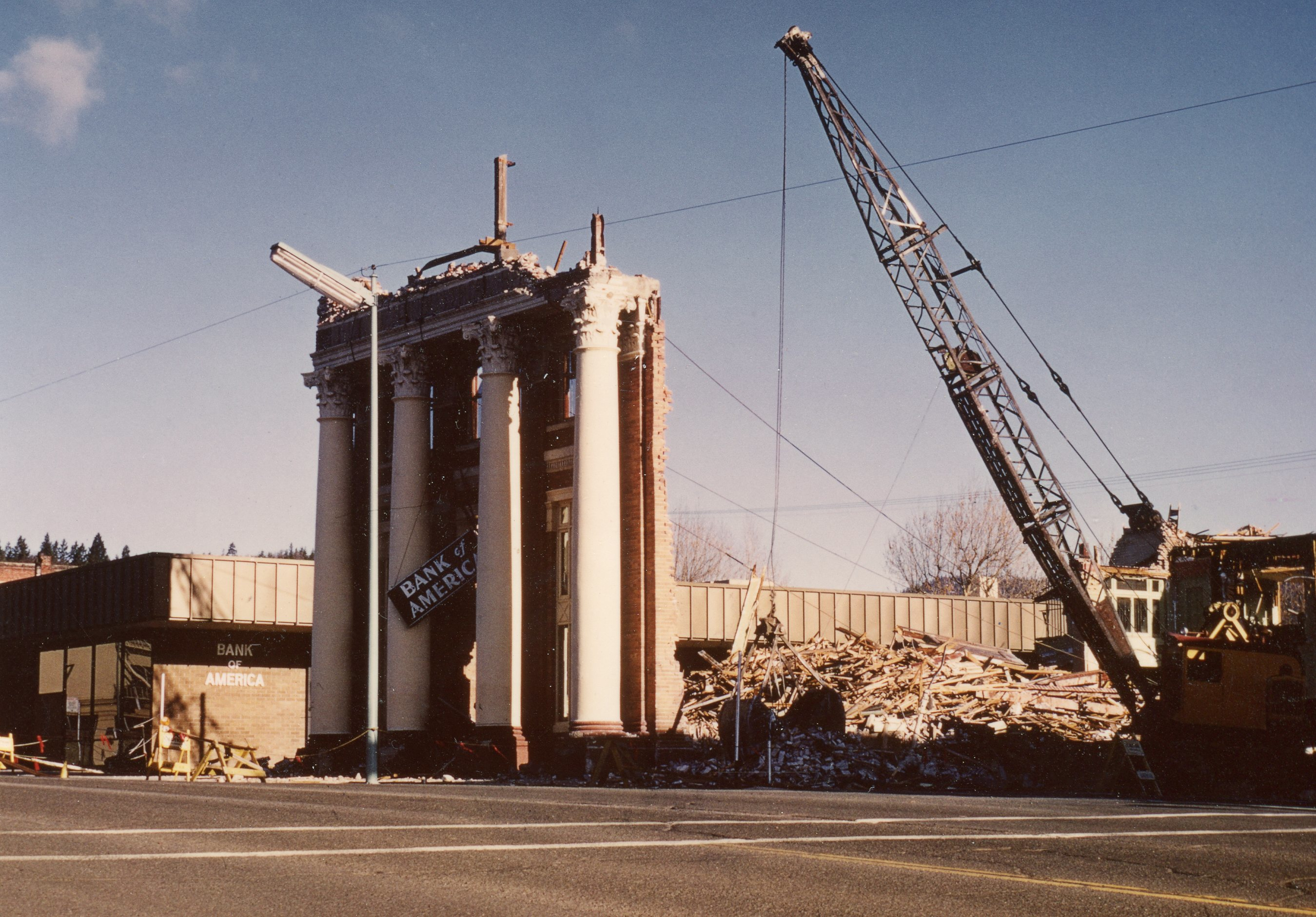
Part news and part history. On April 28, the first hurdle was made for the construction of a 17,400 square foot Rite Aid store. The store, along with the parking lot will encompass the entire 1600 block of Main Street. Of course, this site was the former home of Potter’s Maternity Home on the corner of Main and Park. In 1966, United California Bank took over this location and constructed their bank, which held an open house of February 27, 1967. It has housed a number of financial institutions since then. Of course, on the corner of Main and Ash was Baxter’s Flying “A” Service Station.  After it closed, for a brief time in 1978 it housed Jim Pardee’s campaign headquarters for Lassen County Superior Court Judge, and then was subsequently torn down and has been a vacant ever since.

According to records filed with the city the bronze plaque commemorating Potter’s will be preserved and replaced on the site. The fire department has sought authorization to conduct fire training on the bank and remaining vacant residences scheduled for demolition. It is Rite Aid’s goal to be in their new location by the of 2015.

Support this site and Subscribe today!

Historic Weather Patterns

Gallatin Beach
Gallatin Beach, Eagle Lake, 1940.

On Thursday May 28, 2015 at 1:30 p.m. in the Lassen County Board of Supervisors room at 707 Nevada Street, Susanville the Eagle Lake Interagency Board will be holding one of their regular meetings.

I will do a presentation on historic weather patterns. Some of the interesting events will be the drought of the 1850s; the devastating floods of 1861-62; the extreme wet cycle of 1907-1916, which was followed by the 20-year drought of 1917-1937. The meeting, of course, is open to the public.

Attention Subscribers: You will be receiving the text of the presentation, as another special bonus for your support.

Support this site, Subscribe today!

Gallatin Beach, 1920s

Gallatin Beach, 1922
Gallatin Beach, 1922. Courtesy of Lydia Odette

Gallatin Beach has certainly evolved over the years. During the 1910s, the beach did not exist, due to the high water levels of Eagle Lake. By 1917, Eagle Lake reached its peak high water mark, and on the south shore, considerable timber was flooded, killing trees some hundreds of years old.

In the 1920s, the water level of lake began to recede, in part by Bly’s Tunnel and equally important the region was in the midst of a 20-year drought. Dead trees were now a part of the beach’s landscape. Local water enthusiasts made the most of the situation, and incorporated them into photo ops

Support this site and Subscribe today!

Amy Laughead

Laughead117

One never knows for sure where your final resting place may be. In one instant, there was a dis-internment of a grave of a person who died in 1924 from the Susanville Cemetery and reburied nearly 70 years later to a cemetery in Oroville.

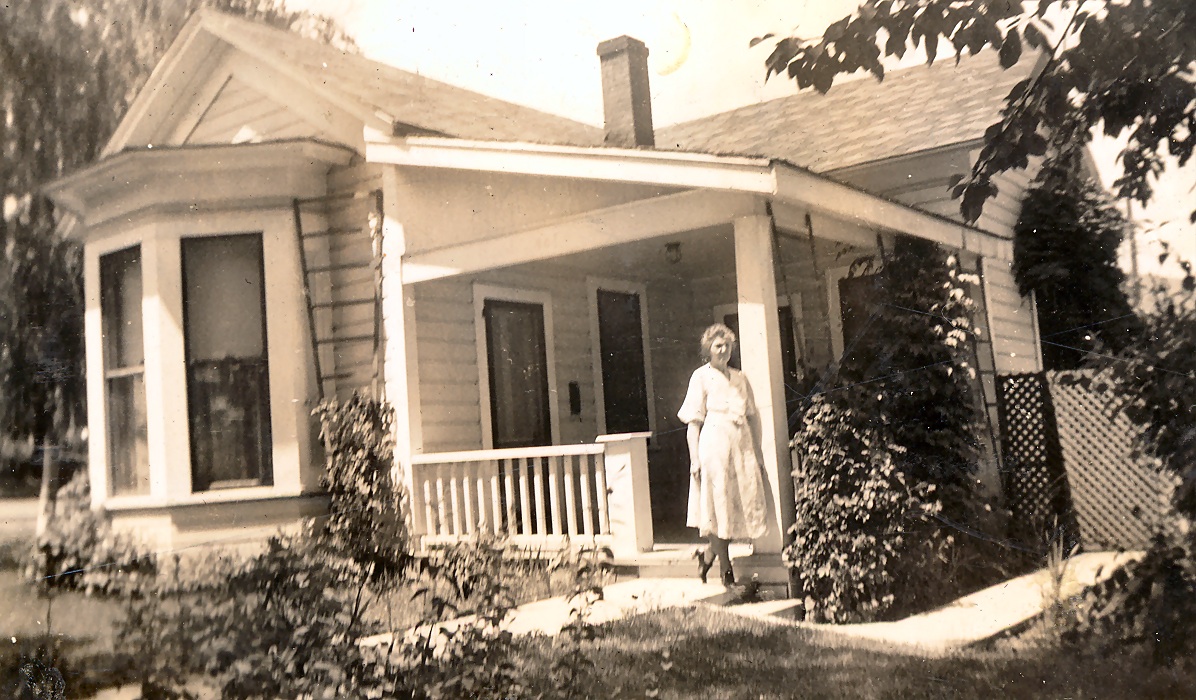
Then there is the case of Amy Laughead.  She was a first cousin to Red River’s founder, Thomas Barlow Walker. Her claim to fame, is that of her son, William B. Laughead, who developed the famous Paul Bunyan caricature that later became the trademark for Red River. Amy is a perfect example of you just never know where your final resting place might be. She died in February 1939 at Westwood and was buried in Sacramento. Seven months later, her son had her remains disinterred and brought to the Westwood Cemetery. When he died in 1958 he was buried in the plot in Sacramento where his mother was originally interred.

Support this site and Subscribe today!
Exploring Lassen County's Past