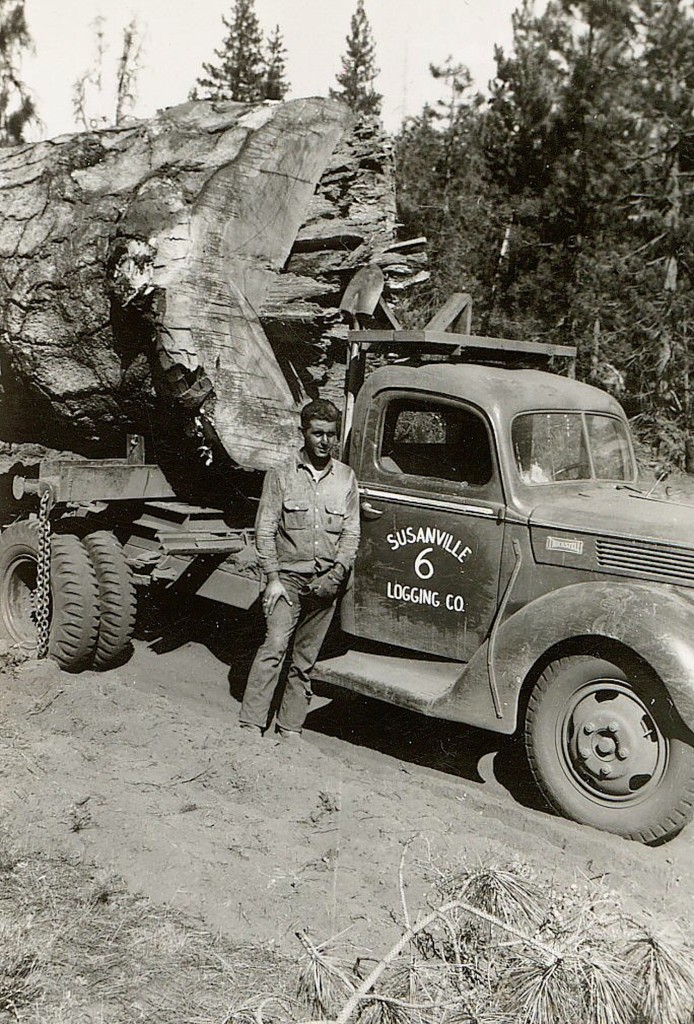
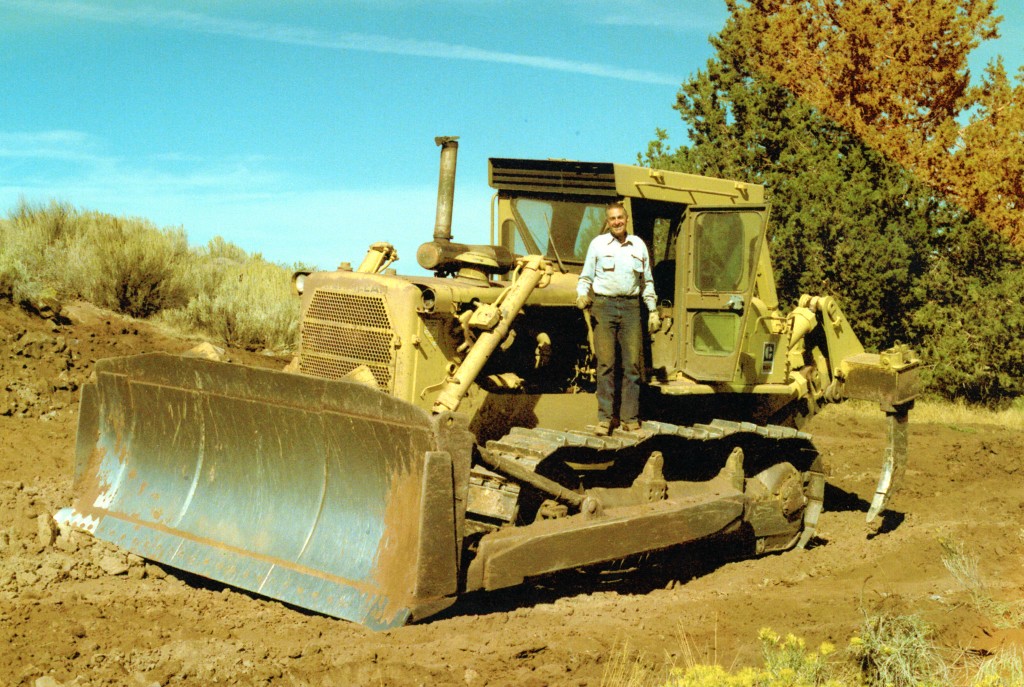
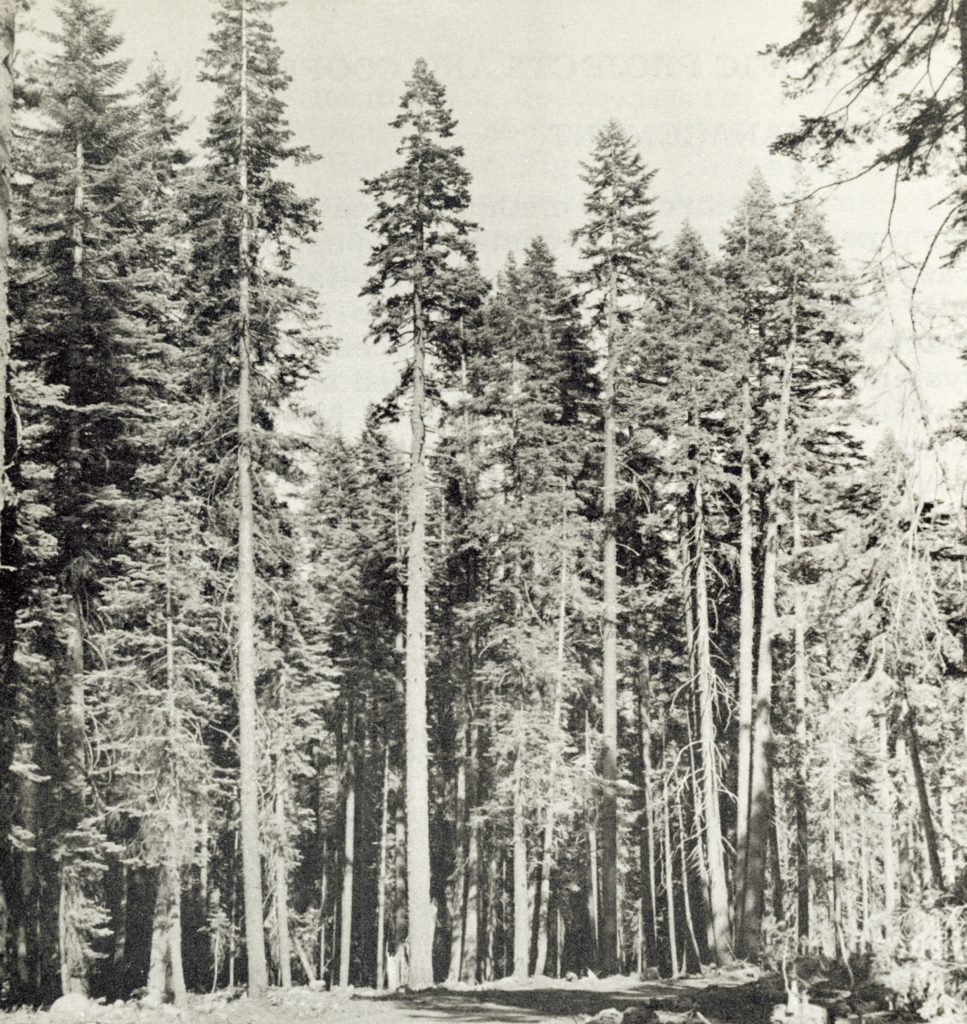
In honor of my father’s birthday, (Leroy W. Purdy), this post will be brief. He began his logging career working at Camp Harvey. His next venture was with his brother James, and they formed Purdy Brothers Logging. This grew into a larger outfit known as Susanville Logging. Circumstances beyond his control saw that company dissolved in the early 1960s. The next re-incarnation was L&M Logging. Just some random related photographs for your enjoyment.
Beginning on January 4, 1926, Lassen Union High School inconjunction with Lassen Junior College instituted night classes for those 18 years and older. This was an outreach effort for those who had taken some high school, but due to circumstances had dropped out. The courses offered were bookkeeping, typing, woodwork and millinery. In addition, the schools met an additional need since there was a large workforce of immigrants who worked in the lumber mills. For this group two courses were offered, one for English and the other a Constitution class. Classes were taught twice a week, starting at 7:30 in the evening.
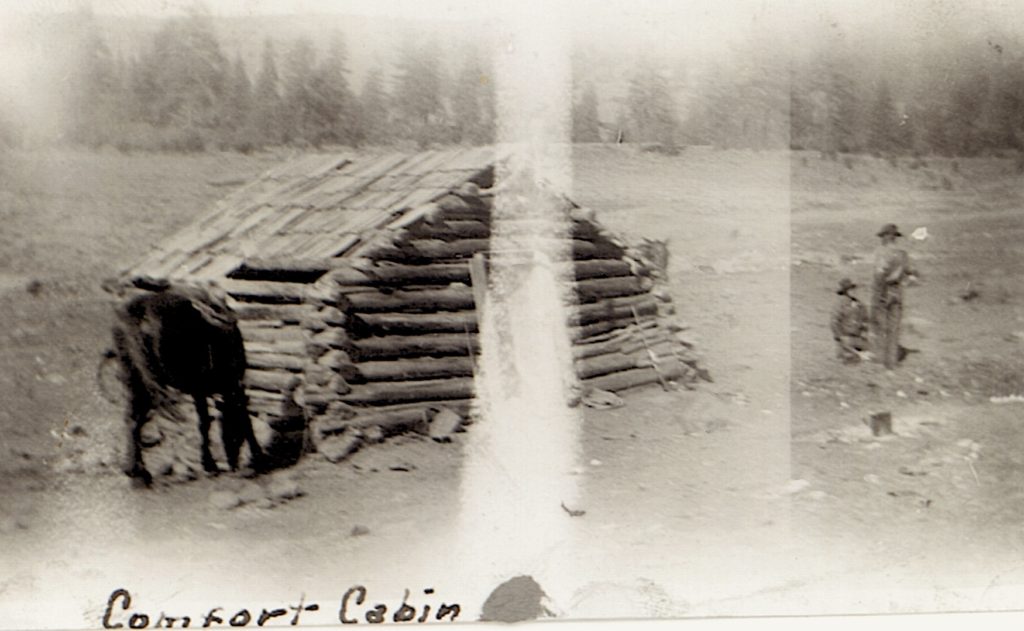
For some odd reason in the recesses of my mind, I thought there was a Comfort Cabin Spring. However, I have no record of such. In 2003, the late Pete Smelcer and I had a lively exchange about the landmark named Bosco Hill near Ash Valley. Pete had sent me some photographs of that area, including the one above. Personally, the cabin does not look that comfortable me, but I am sure there is an interesting story how it got its distinct name.
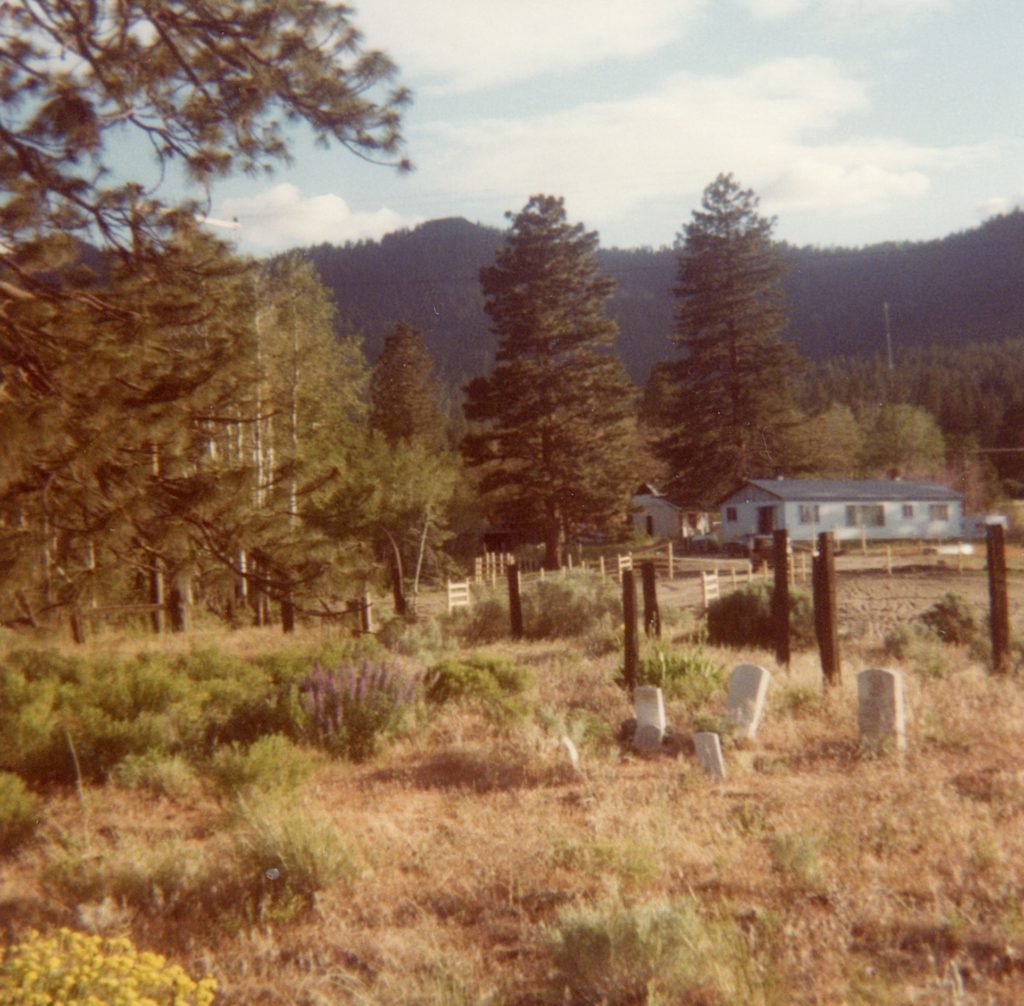
A reader wanted to know about the grave of Charles Crawford which inscribed on his tombstone “killed by Indians, May 21, 1858”. I will put together information about him and his gravesite, the Lake Cemetery, the oldest cemetery in Lassen County. Its my desire to go there a take current photographs, part of my recovery tour.
As to place names, I have done a lot on this topic. Alaska Canyon in the Madeline country has intrigued me as to why it was so named. In addition, its one place that I have never been to. Another Madeline Plains name is that of Skeleton Flat (Section 26, T 36 N R14 E, MDM). According to some, its origin were a result of the Pearson Massacre that occurred near Amedee in 1868. The Pearson Massacre was the last major Indian/White conflict in the region. It was followed by numerous campaigns by the settlers to exterminate any Indians associated with the Massacre. As the story is told, a posse encountered Indians there and killed them. The skeletons, and later scattered bones, could be seen for many years after the event.
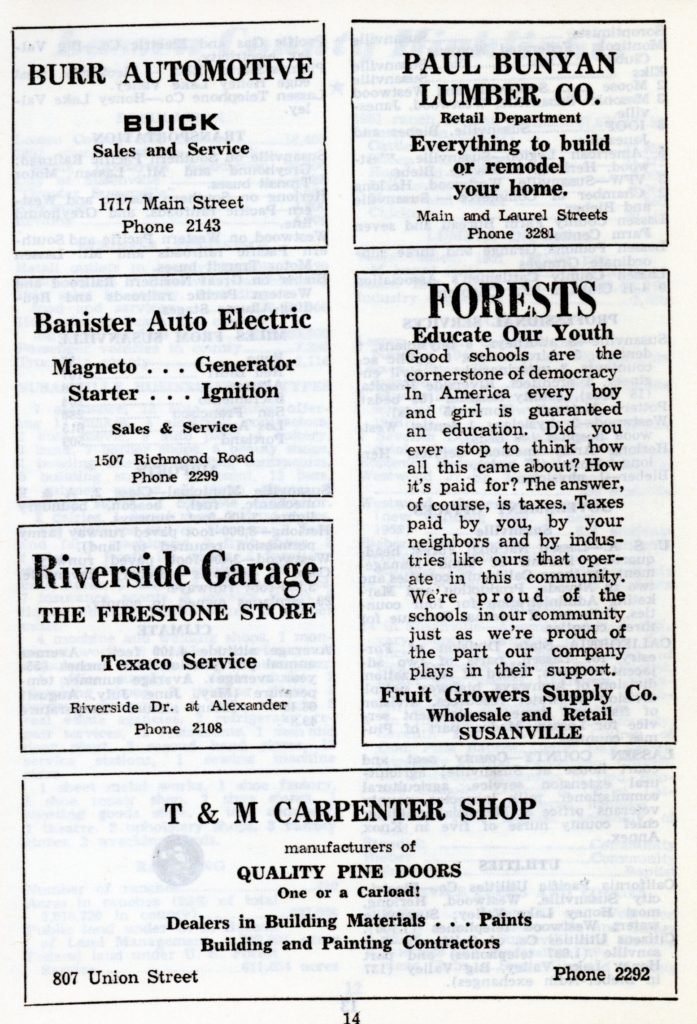
It should be noted that the free publication was financed by advertisements of local businesses. I thought some might enjoy seeing some of the advertisements that appeared. Of the fifty-four businesses that are featured, only one is still in operation—that being the Fruit Growers Supply Company. While Fruit Growers no longer maintains a business presence, i.e., a sawmill, it still owns timberland in Lassen County.
On a somewhat related note, from time to time, I have been approached to place advertisements on this site. My preference is to have a clean appearance, without distractions, as so many websites are cluttered with annoying ads. Some may think I crazy for turning down extra revenue, but if making money was my sole purpose in life I would have found a different line of work.
My, how time just marches on, and it was five years ago today since I inaugurated the daily post. With some 1800 plus stories, a tremendous amount of material has been covered and more to come. They are all archived on the site under Tim’s Blog. With that in mind, I am going to slow down a wee bit, and instead of seven days a week, I am going to scale back to six, since this will be my sixth year. So beginning this Tuesday, March 3, and subsequent Tuesdays you will not receive a daily notification. Tuesday it turns out is a very slow day for readership. However, Tuesdays cane be busy me— the first Tuesday I have Lassen County Planning Commission and the second Tuesday I have a Lassen College Board of Trustees meeting, but that could change by the end of the year.
The railroad giveth, and the railroad taketh away. That in one sense is a perfect epitaph for Amedee. After all, it was the NCO Railroad that created the town, and was pivotal in its demise. The first spike in the coffin, so to speak, came in 1917, when the NCO sold 64 miles of its line from Rayl (Herlong) to Reno to the Western Pacific Railroad. In 1922, the NCO abandoned sixteen miles of its track between Wendel and Rayl. On October 31, 1922 the last NCO train passed through Amedee. The town was slowly fading into existence, the only thing keeping it partially going were the hot springs. So it was on Leap Year Day, 1924 that the Amedee Post Office closed.
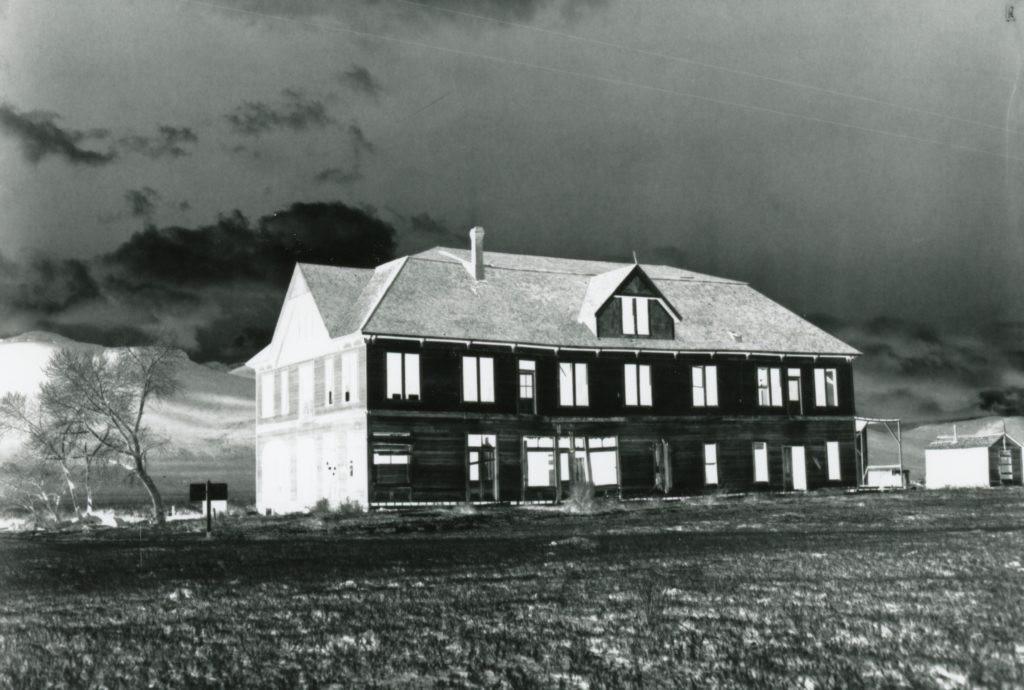
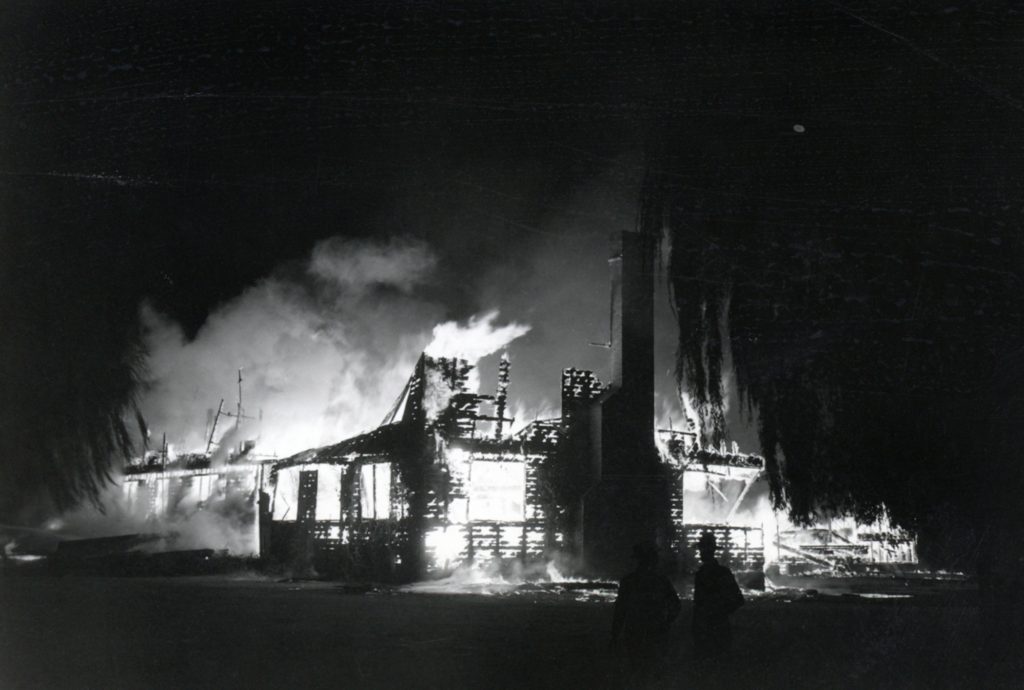
Fruit Growers Supply Company’s famed Story Club was quickly destroyed by fire in the early morning hours of August 14, 1944. By the time the fire alarm went off and the fire crews arrived on the scene the three-story structure was entirely engulfed in flames. The only thing that could be done was to prevent the fire from spreading. By sunrise the building was reduced to rubble. Fruit Growers valued the loss at $40,000. For Stanley Arnold who had leased the club since 1930 now found himself without a job.
Story Club, 1924. Courtesy of Lola L. Tanner
The Story Club built in 1922 was a recreational facility for the employees of Fruit Growers. It was, however, open to all and many local organizations held functions there. Today, the site is now Riverside Park.
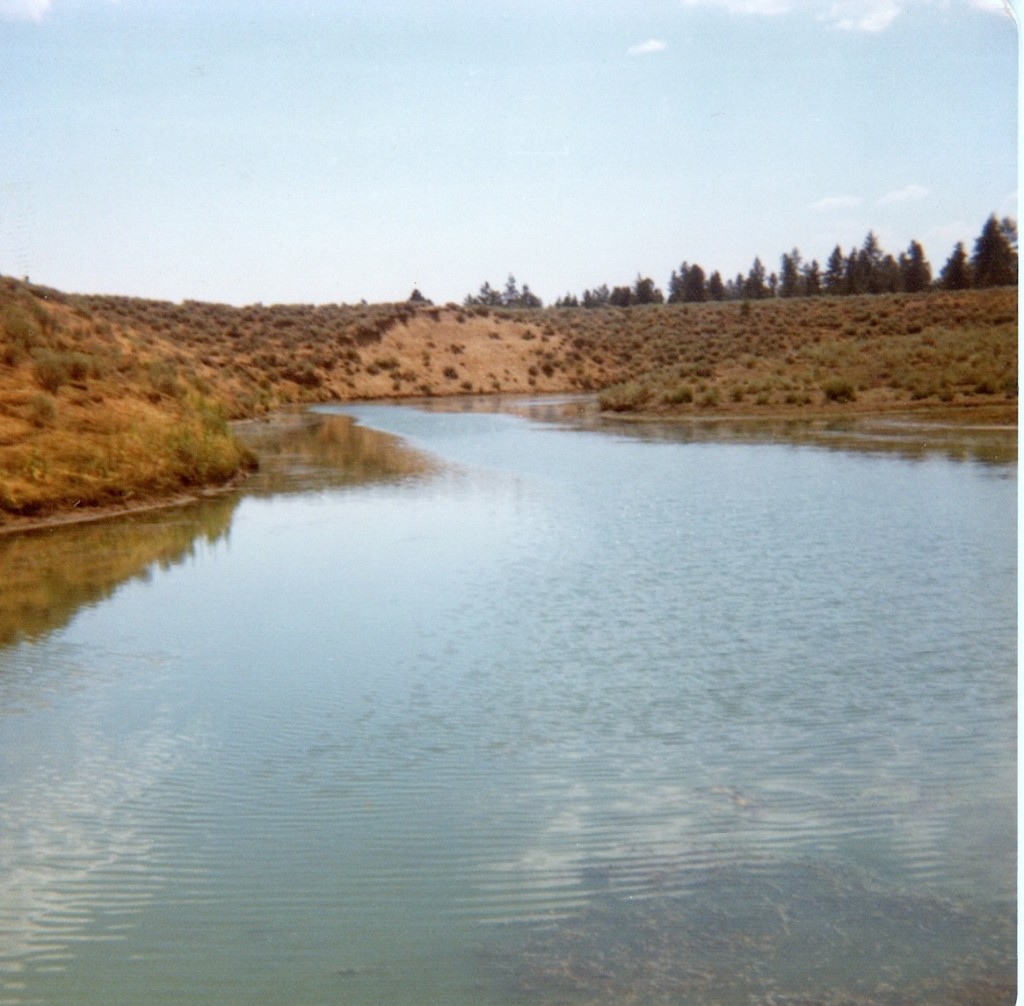
It is that time of year when Pine Creek usually starts flowing again into Eagle Lake, but with this dry winter, it may not be the case. While many people see the creek at the bridge before entering Spaulding Tract or at the nearby fish trap, it still has a way to go before it reaches the lake. Thus, today’s featured photograph provides a good illustration of that fact.
This is the final installment of Harold Gilliam’s publication Sierra Shangri-La concerning Lassen County.
“Susanville is justly proud of its Lassen Junior College. It has earned a national reputation for gunsmithing and forestry courses. The Lassen J.C. Gunsmithing course of four years is one of only three in the entire nation.
“The forestry department offers both a vocational course, preparing students for entering the lumber industry directly. Or it gives two years of accredited study, after which students may transfer to major universities to earn their bachelor degrees in two more years. The forestry course has the advantage of practical observation of the varied lumber industry of the area; the college has its own experimental forest of 160 acres and a small sawmill of its own.
“Blacks Mountain Experimental Forest in the Lassen National Forest draws students as well as industry leaders to inspect new methods being developed in both logging and forestry techniques.”