Old Orchards

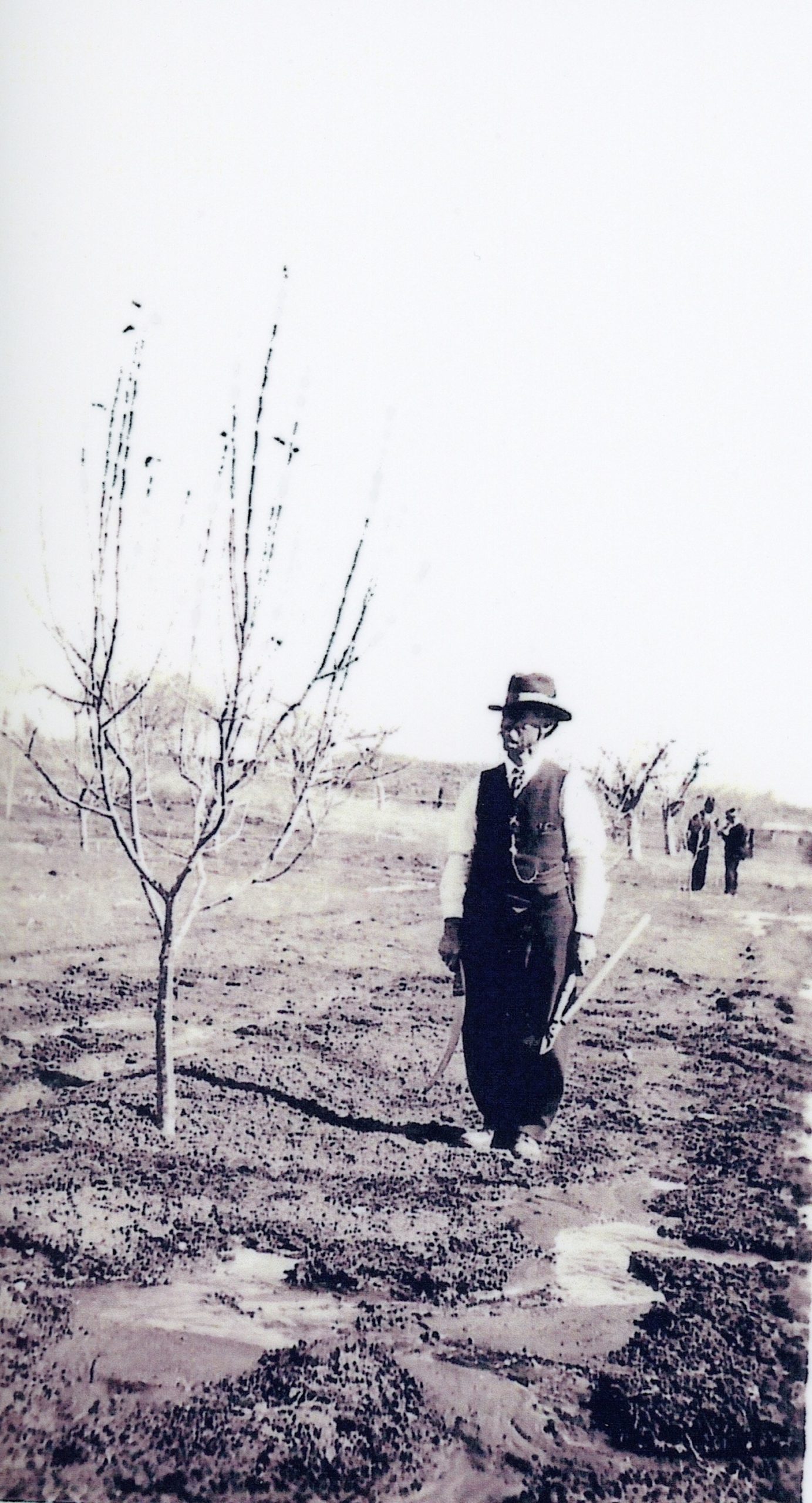
A.H. Taylor at his orchard on North Weatherlow Street, Susanville, circa 1914

Recently, a reader contacted me about a variety of subjects. Thus, I was alerted to the Felix Gillet Institute.  It is an interesting  organization propagating heirloom fruit and nut trees dating back to the Gold Rush era in Nevada, Placer and Yuba Counties by grafting stock from old orchards, abandoned homesteads, etc before they become obliterated.

In 1861, Zenus J. Brown is credited with the planting of the first apple and peach orchard in Susanville. It did not take long before the Honey Lake Valley was dotted with apple orchards. By the1880s, apples from the region were being sold in the Sacramento Valley. In 1906, Lassen County reported to the State of California that there were  10,000 fruit bearing apple trees in the county. The trees produced 770,000 pounds of apples valued at $8,000.

There are a lot knowledgable readers, some of whom might enlighten us as to what historic varieties of the fruit trees of the area, before they disappear. If I am correct, there was an old orchard near Janesville that was destroyed in the 2021 Dixie Fire.

Tim
Those Pesky Coyotes & Rabbits

A coyote scalp receipt

In 1891, California passed a bounty on coyotes at five dollars each. During that decade, in the Lassen region, that bounty was nearly successful in eradicating the coyote population. In turn, that created another problem—jack rabbits. These critters flourished, since the coyote was its primary predator. For the farmers the jack rabbits created more problems than the coyotes.

In 1920, the residents of the Madeline Plains requested aid from their Congressman John E. Raker, to help them with the jack rabbit problem. A study sent to Raker reported: “As son as the crops are up and making good progress the rabbits begin work on them. The heaviest damage is done in August. One rancher reported losing 100 acres of wheat last summer. They take this crop in preference to oats and rye. It was reported that 70 tons of rabbit meat [to make tamales] had been shipped to the San Francisco market. It appears that the animals cannot be killed fast enough in this region to furnish relief to the ranches.”

One method deployed to eradicate the rabbits—were rabbit drives. As the name infers volunteers were either clubs or guns would work a large swath of area killing thousands of rabbits. Rabbit drives in the region were common during the 1920s and 1930s. Even after the coyote bounty law repealed it took years before a balance in nature was corrected.

Support


The Lassen County Relief Committee

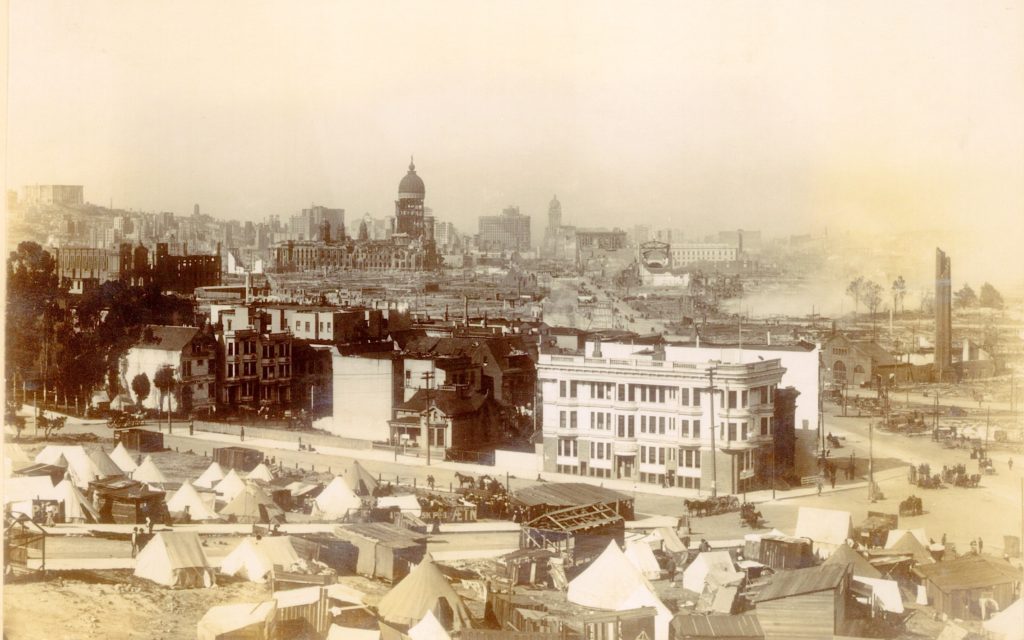
San Francisco, 1906—Margaret A. Purdy

On April 18, 1906, news of the great San Francisco Fire and Earthquake spread rapidly. In the Honey Lake Valley there were numerous concerns. First, at any given time there were usually a dozen of local residents visiting San Francisco and it came as a great sigh of relief when news reached those individuals were not harmed.

On April 20, 1906 a relief committee was formed to provide aid to all those in the bay area affected by the devastation. At the initial meeting held in Susanville, $600 was immediately raised. A clothing. drive was held and within three days wagon loads of clothes were hauled to the Hot Springs Station (Wendel) to be shipped on the NCO Railroad. The residents of Amedee raised $75, which many considered substantial, since the community’s saw sharp decline in population and now only had 16 registered voters. Initially, over a $1,000 was raised for the relief effort.

Tim

Easter Sunday

Methodist Church, 1905
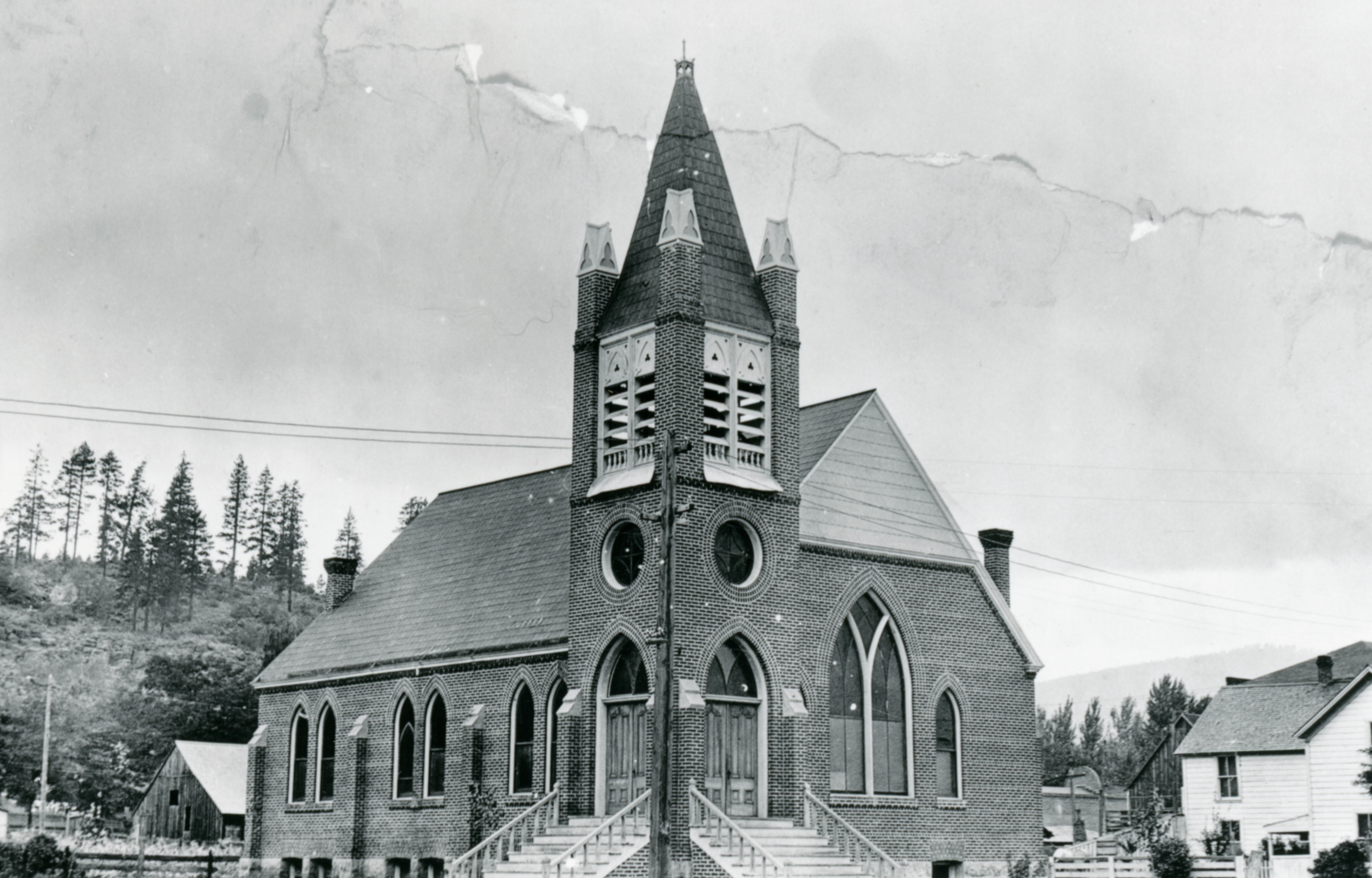
Susanville’s Methodist Church, 1905

It being Easter Sunday, I thought it would only be appropriate to provide some of the history of religion in our region. The Methodist Church had a profound influence on the Honey Lake Valley. In 1860, this church held their first service in Susanville. By 1905, there were Methodist Churches in Janesville, Johnstonville, Standish and, of course, Susanville, more than any other denomination.  Continue reading Easter Sunday

The Merrill Tunnel Inspection, 1920

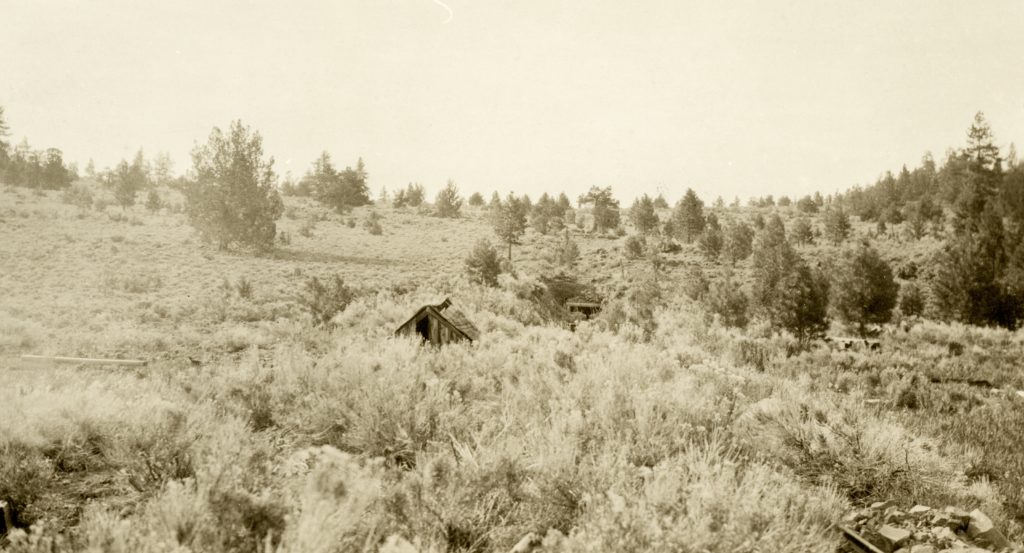
Merrill Tunnel, 1917. Courtesy of Betty Barry Deal

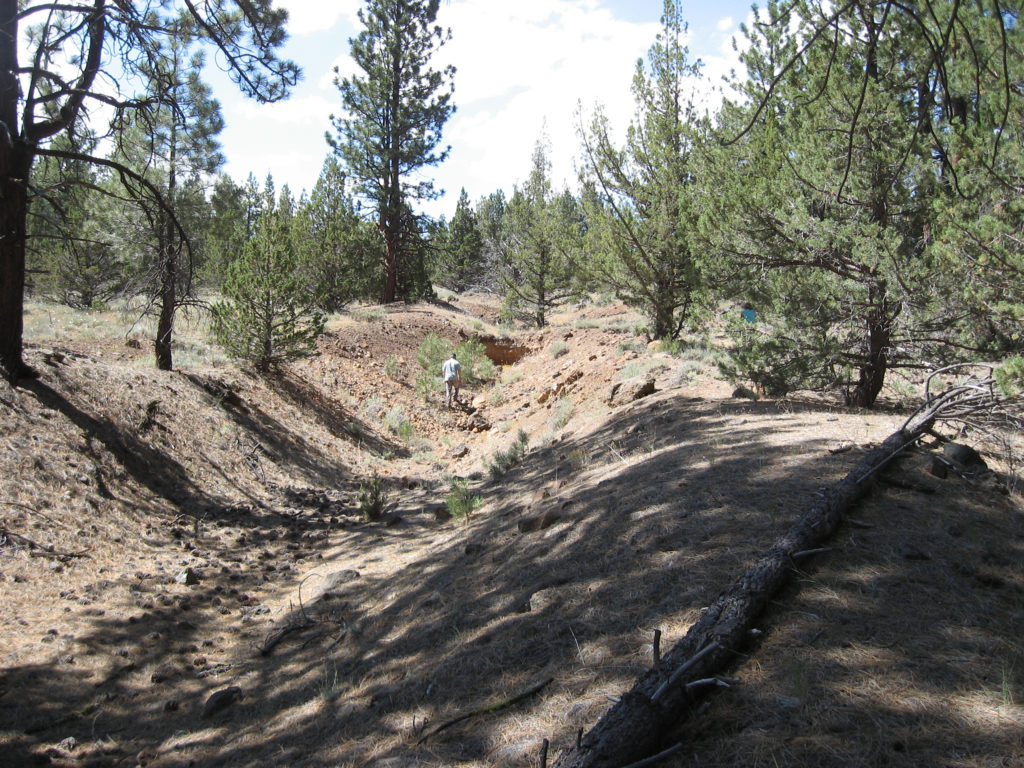
In the spring of 1920, W.G. Devereux, a consulting engineer was hired by a San Francisco construction firm, the latter was interested in submitting a bid for Leon Bly’s tunnel at Eagle Lake.  Not only did Devereux inspect the proposed tunnel, he examined Merrill’s old tunnel. This would prove somewhat beneficial of the geological formation. He stated that had Merrill’s tunnel been completed it would have been a complete failure, as it was so poorly planned.

Merrill Tunnel, July 7, 2016

As to the Bly Tunnel, Devereux wrote: “The proposition is feasible and while under the present high price of labor and material the work will be expensive.  It can be constructed within a reasonable time and the people interested in getting the water on their lands are very fortunate in being able to secure these proposed works at the price per acre agreed upon.”

His observation was a bit off. One it took a lot longer than expected to construct it, only to discover different geological features not found in the Merrill Tunnel.

Donate

Ask Tim

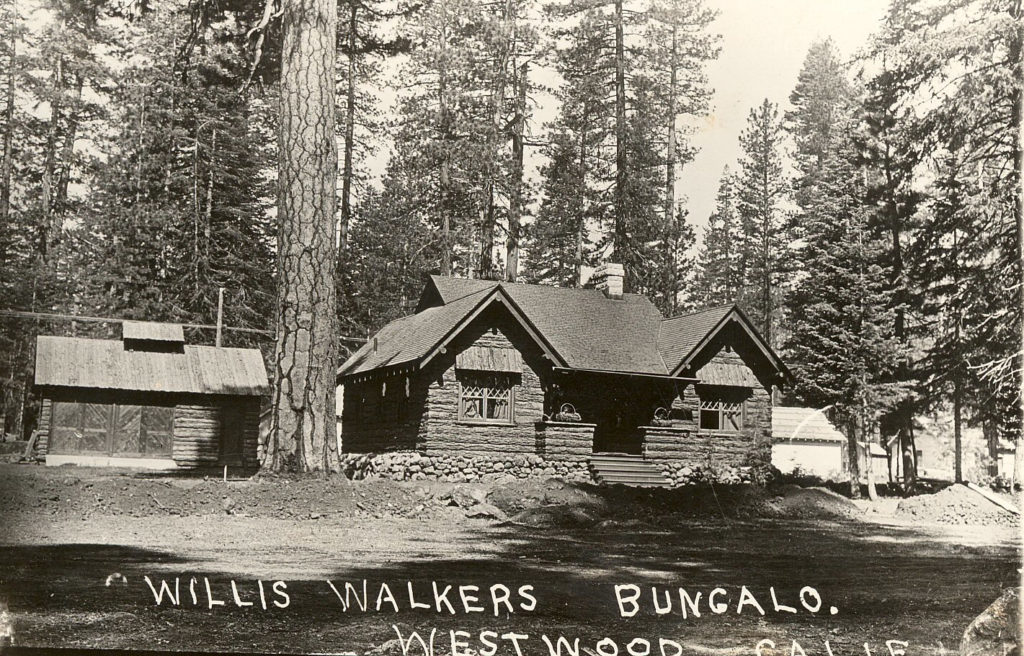
Willis Walker residence in Westwood has undergone many changes and is now Chuck’s Railroad Room.

On a quarterly basis, I ask you the reader, if there is something you would like to learn more about or maybe its something you heard, but question its validity. So here is an opportunity to participate. I will do my best to answer any questions. It should be noted, it may take awhile for the answer to appear as a post. The primary reason, many of the daily posts are done nearly a month in advance. So by the time you read this I am already working on posts for the middle of May, or at least I should be. Whatever the case may be, I look forward to hearing from you. Of course, it should be noted that paid subscribers requests receive priority. In addition, you can always send a request at any time.

Tim

Lassen County’s First Musem

Pullen Museum
The Pullen Museum, May 3, 2015

Granville Pullen first came to Lassen County in 1870 and worked at various jobs. In the 1880s he located to Sonoma County, but made frequent visits to Lassen County to see his sister, Susan Goumaz. In 1901, he moved back to Lassen County and bought a ranch near Janesville. In 1914, at the age of 76, he retired from ranching and bought a house in Janesville.

Pullen had been collecting various artifacts and curios for over forty years. Not to be idle he opened a small museum in Janesville to display his collection after he had sold his ranch. People fascinated by his collection began donating items to him. In 1920, Granville and his wife Mary, moved to Susanville and bought a home on South Roop Street. Next to his new home, he had a small concrete building built to house his museum. On June 18, 1921, he opened the museum to the public.  When he passed away in 1926,  his wife kept the museum open for awhile, but she did not have the same passion as her husband. Over the years, she donated a portion of the collection to Lassen County. The items were displayed for a number of years in the Veteran’s building, and over time slowly disappeared.

Support this site and Subscribe today!

Bogard Buttes, Lassen County

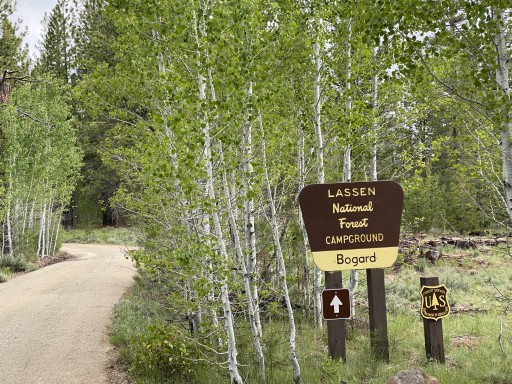
Bogard Campground

Traveling west on Highway 44, once you reached Pine Creek Valley, one cannot miss the Bogard Buttes. Located near the base is the Bogard Ranger Station and Rest Area. Nearby, is the hidden gem of the Bogard Campground.

So who was Bogard? Like so many natural features in western Lassen County, are named for Tehama County livestock operators, who used the region for summer grazing. John Jasper Bogard (1851-1895) was one of them. In the 1870s, Bogard had a camp at the base of the Buttes. On January 21, 1884 he sold this property to George Hoag for $600. On a final note, Bogard, while serving as Sheriff of Tehama County, died in a train robbery incident at Marysville, California in 1895.

Tim

Mountain Dining

Mrs. H.
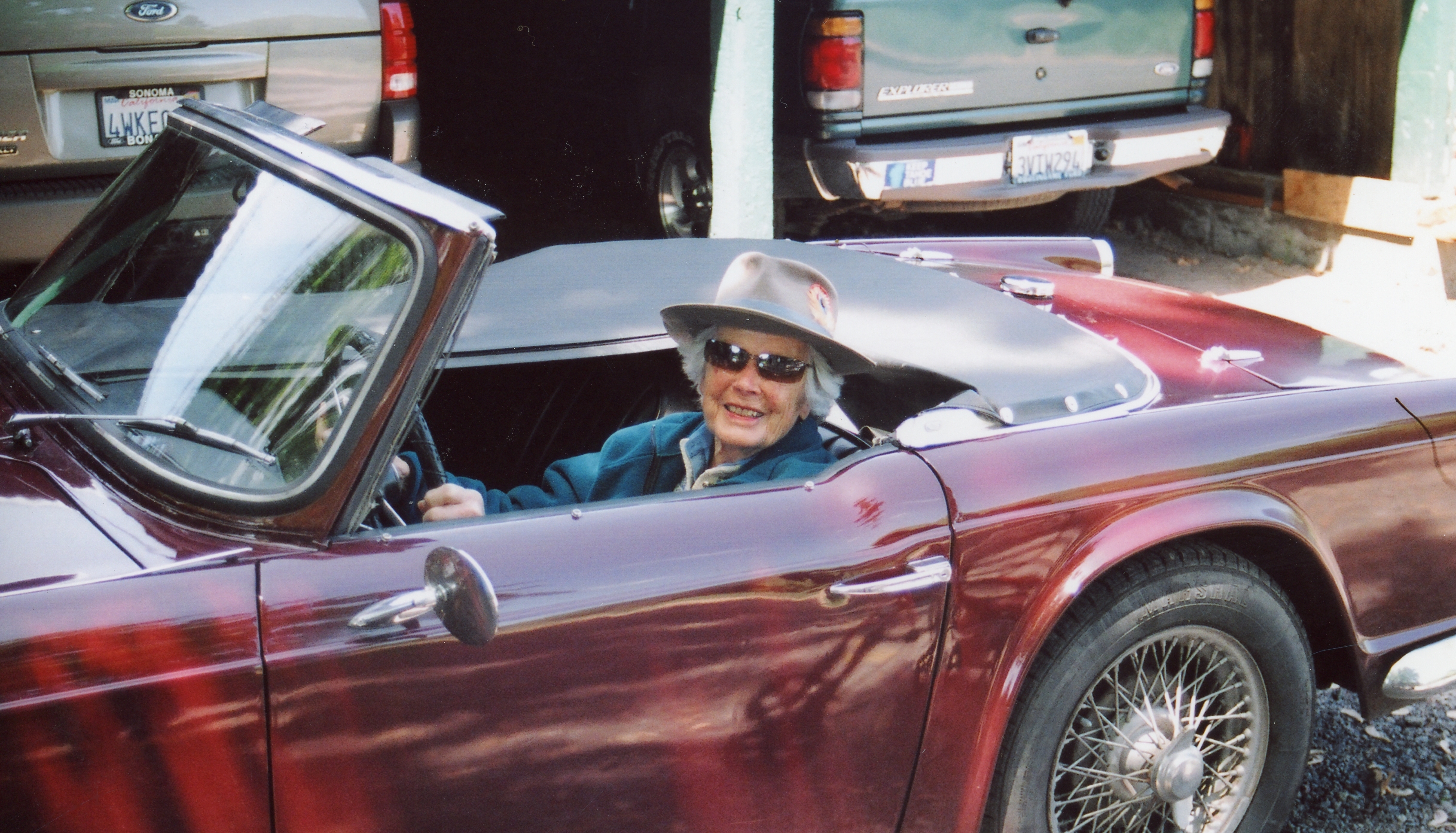
In 2003, on one of my visits to see Harriett, at her Rising River place, when she spotted my 1964 TR4 Triumph, she wanted to sit in the driver’s seat. After all, she was 100 then, so driving was not an option. Harriett, like her father, Clinton loved cars, and she had a special affinity for sports cars in her younger days.

Over the decades I have interviewed countless people on a plethora of topics. A lot of wonderful friendships were made along the way. During work on the Red River series, I enjoyed some wonderful lunches with Harriet Walker Henderson, daughter of Clinton and granddaughter of the founder of Red River, Thomas Barlow Walker, who preferred his initials, T.B.

Beginning in the late 1890s, Clinton and T.B. would spend years in California inspecting and purchasing timberlands. In 1909, the Walkers purchased 1,000 acres which included Clear Creek The crystal clear springs were a popular summer camping spot. Clinton Walker was also charmed by Clear Creek and routinely set up camp there while doing timber surveys of the region. Clinton’s daughter, Harriet, recalled many pleasant memories as a child camping there. Harriet stated at times they all got tired of eating fish caught from the springs. Then one day, her father surprised everyone when he returned to camp with a “mountain calf.” I was befuddled, after all I have spent my entire life in this country and part of an old ranching family and I had never heard of such creature. So I asked what was a mountain calf,  Harriett replied in a whisper “Bambi.”

Subscribe for as a little as $5.00 a month.

Exploring Lassen County's Past