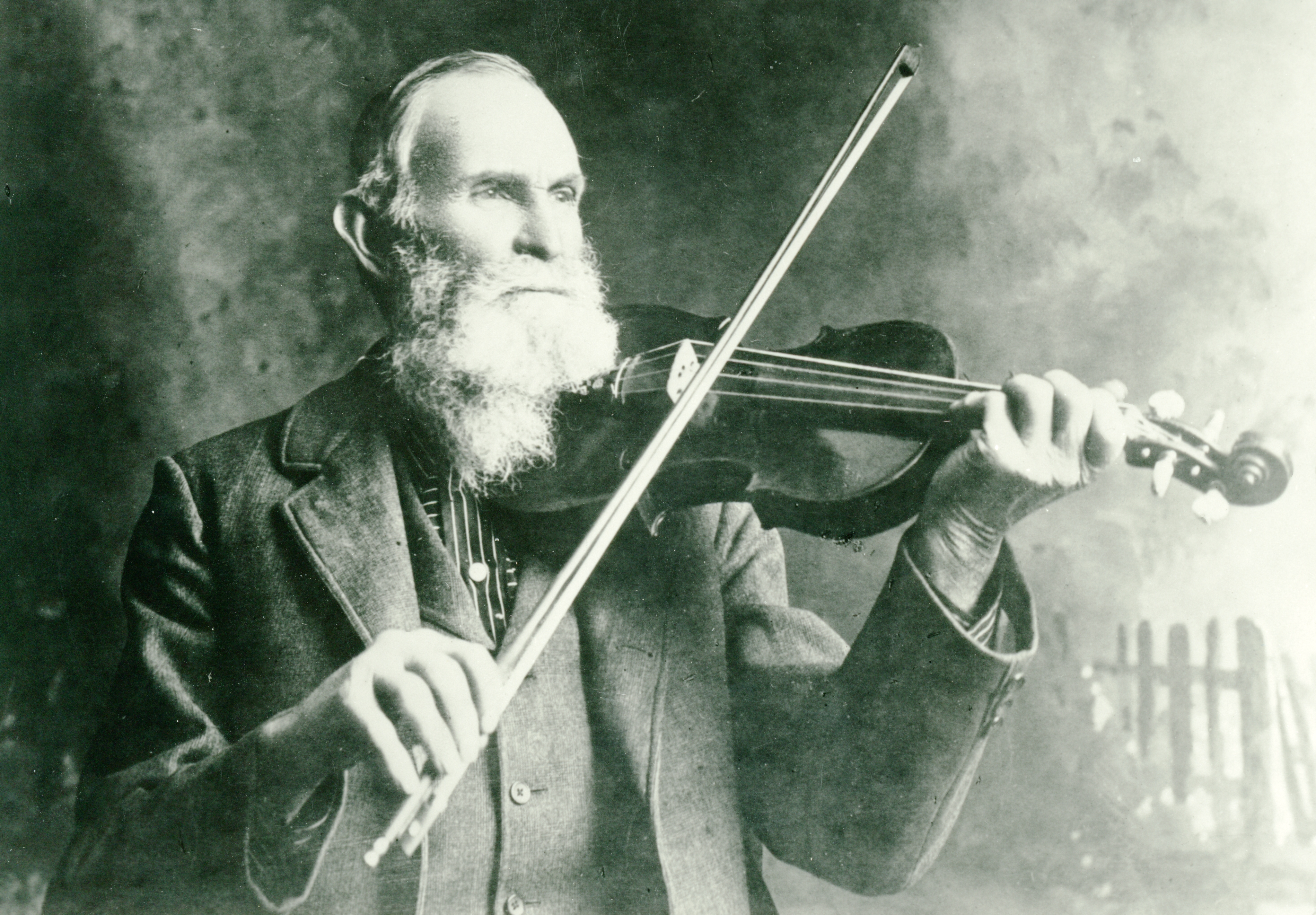
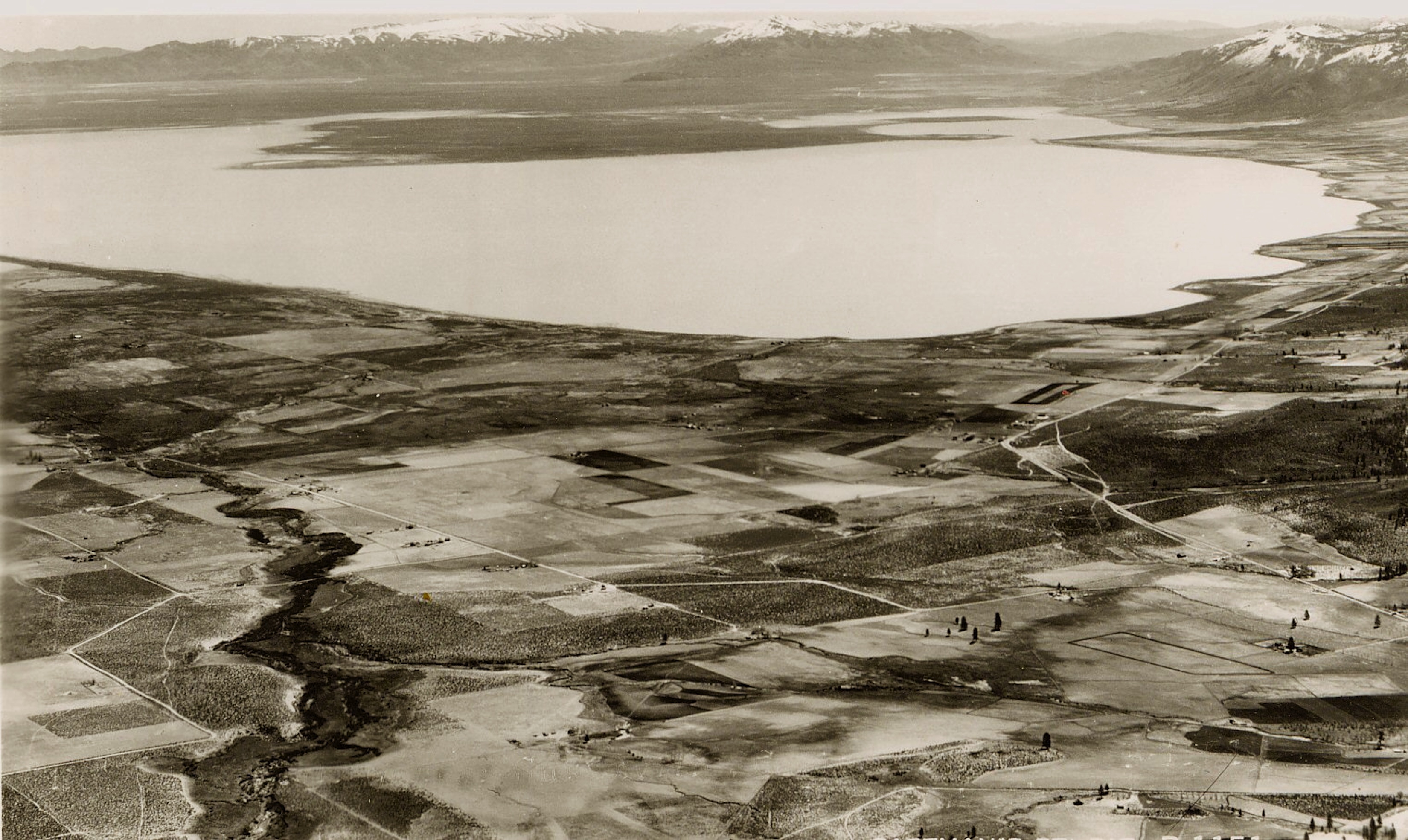
Long after the excitement of the gold rush, people were still lured to California. Numerous reports published back east extolled the health benefits of the golden state’s climate. In the spring of 1874, Iowa resident Sylvester Daniels ventured to the Honey Lake Valley to visit his sister, Polly Parks, and see if the change in climate might be beneficial to him. Like many in that era, Sylvester kept a journal. His journals were different in the sense, as he kept a record of his experiences so he could send them back to his fifteen-year-old daughter, Viroqua. Continue reading Sylvester Daniels→
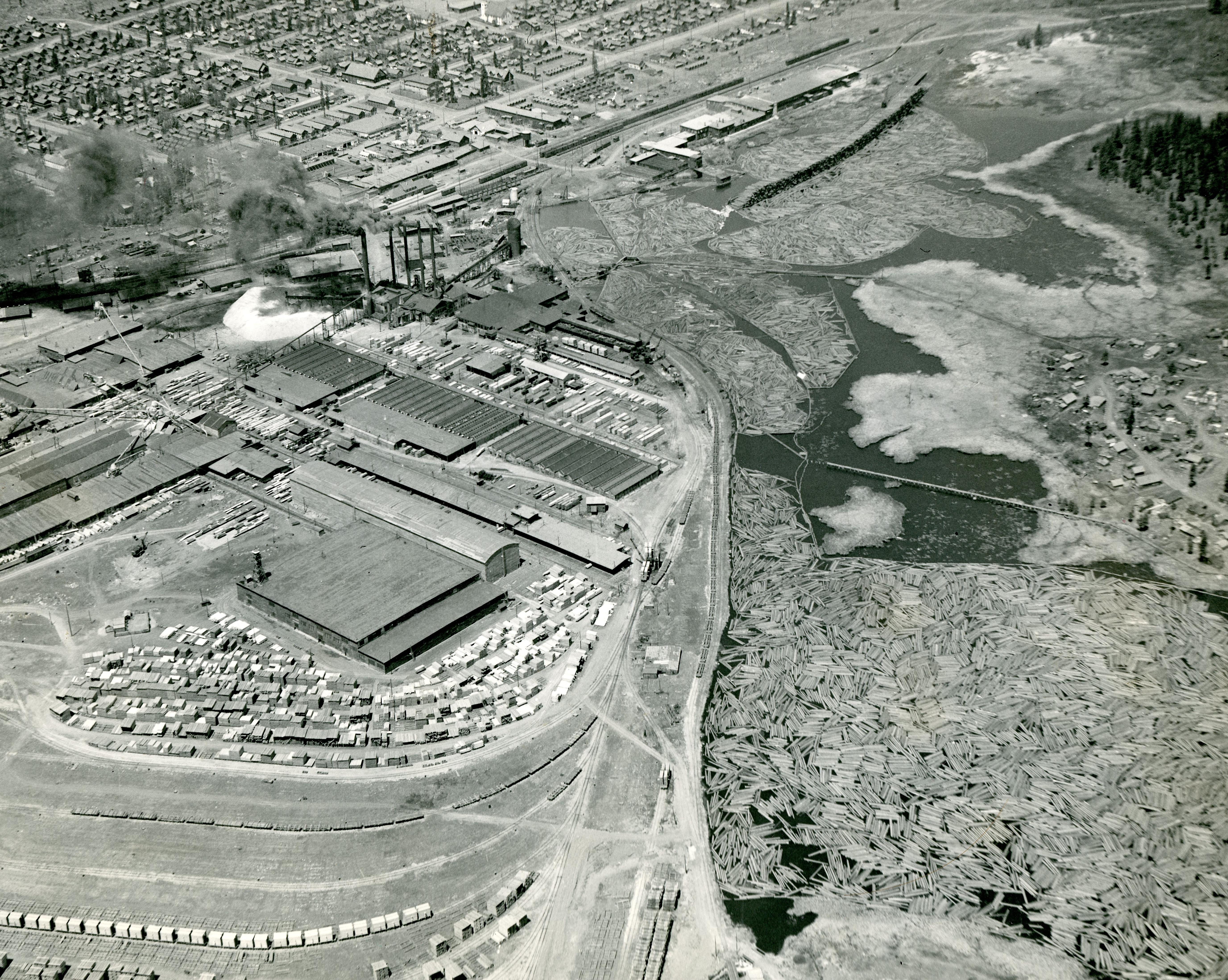
First of all, coming from a family logging heritage, its still hard to fathom, that lumber mills no longer exist in Lassen County.
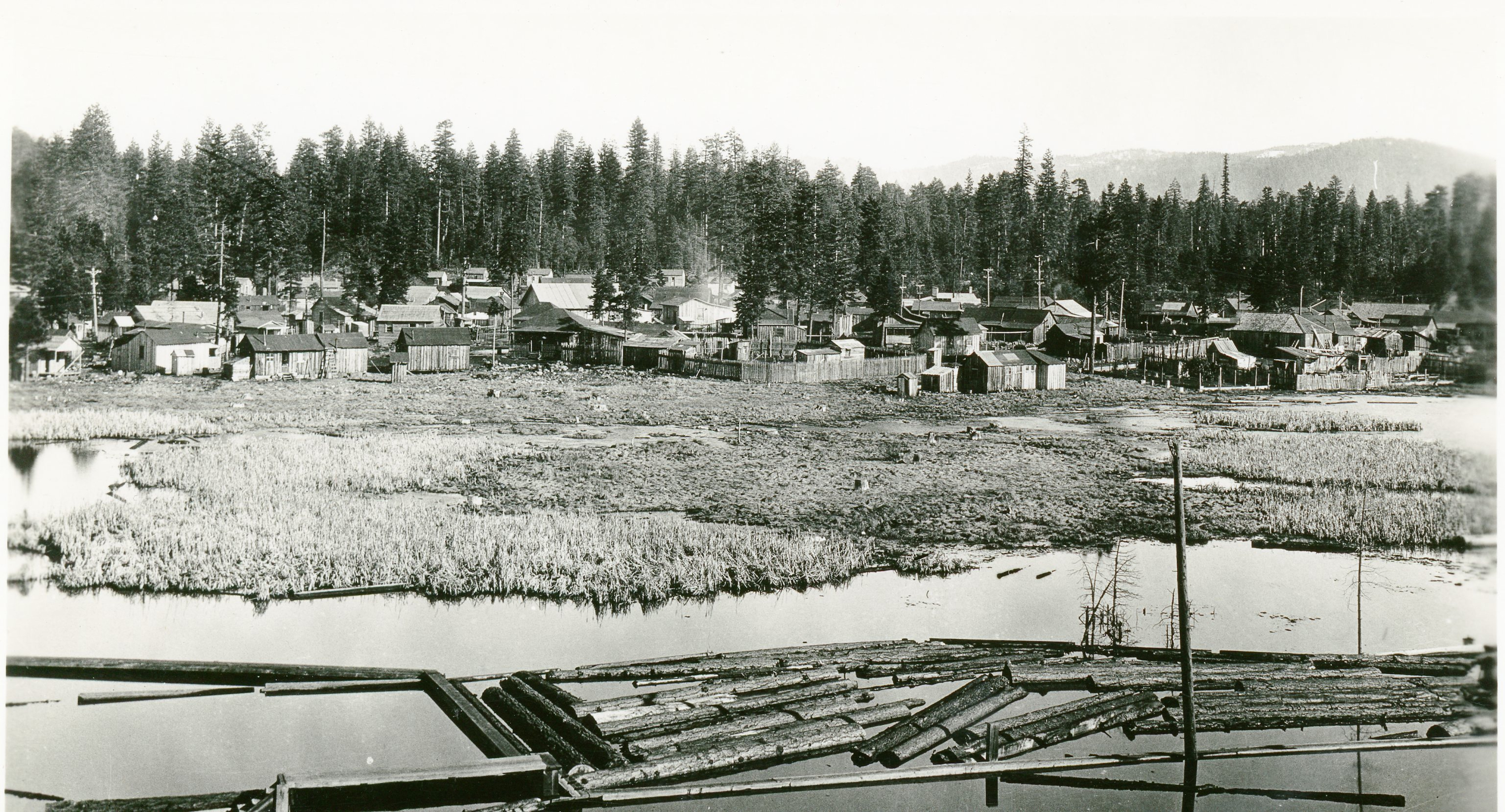
The two largest mills, Fruit Growers and Red River maintained two type of winter log decks. Usually, normal logging operations ceased in November. Yet, to keep the mills operating throughout the winter, required to have a substantial amount of harvested timber. There was the log deck at millpond, and then a second one out in the woods. The latter was not brought into the mill until spring, since the winter supply was nearly exhausted. The log decks in the woods provide enough ample supply during the transition, since it would take some time when the logging camps opened in the spring, to provide a steady supply to the mill.
During the late 1850s and early 1860s real cash at times was hard to come by for the new settlers. Of course, there were those who would barter for services. In 1857, it was discovered that rutabagas (turnips to some) thrived in the Honey Lake Valley and became a form of currency. In 1860 when the Richmond Times, the area’s first newspaper made its debut, they offered a subscription price of 200 pounds of rutabagas.
There is one Honey Lake Justice court case where rutabagas were accepted as legal tender. In 1866, when A. Dillon sued Antone Storff over the payment of labor and sundry supplies, Dillon accepted Storff’s partial payment in rutabagas.
It is never too late, subscribe today and enjoy tomorrow with daily notifications. You can also surprise someone with a gift subscription.
High Rock Ranch, circa 1910. Courtesy of Madelyn Mapes Dahlstrom
The High Rock Ranch in eastern Honey Lake adjoining the Nevada state line, owes a lot of its existence to the springs. Water in the desert makes a big difference.
Interesting enough, on February 7, 1862, U. Johnson Tutt laid claim to this remote outpost. Tutt made no improvements and abandoned his claim. In the late 1860s and 1870s, High Rock was a scene of rodeos, not quite the same as our modern day version. During this era, very few ranches had fences. It was customary, especially in the winter months to let their cattle and horses roam in search of feed. Each spring several localities were chosen for sites for round-ups and rodeos, and High Rock was one. Once the stray livestock were herded to a specific location, they were separated and branded. Continue reading High Rock Ranch→
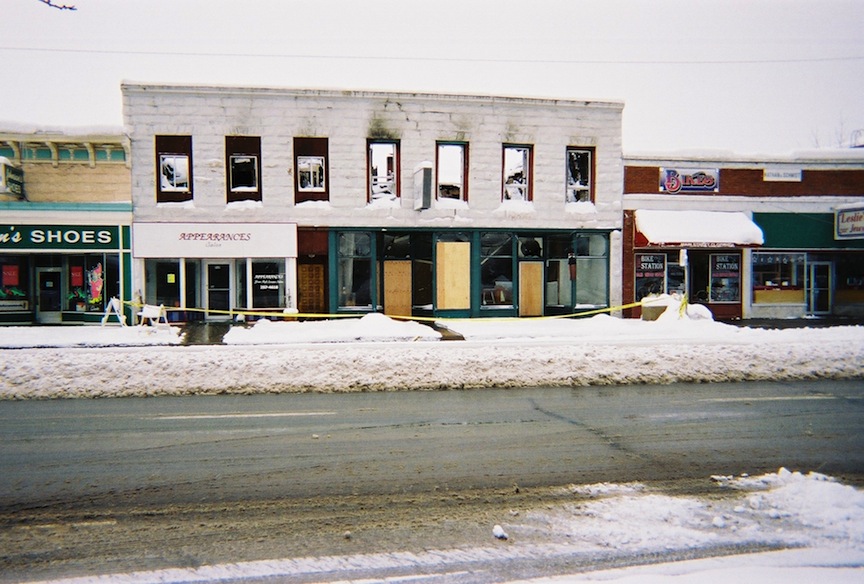
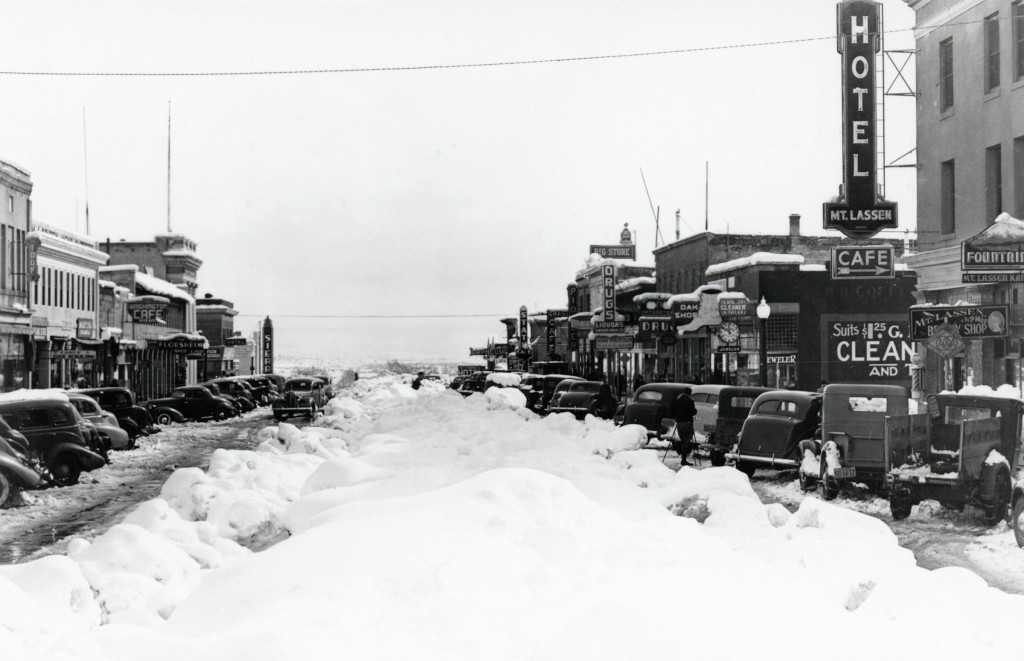
It is hard to believe how time quickly marches on. It was on this date, eleven years ago, that an iconic uptown Susanville landmark was destroyed by fire. Fortunately, for me, I had moved out of the second floor of the building only seven months before the fire.
The building was the home to the Spalding Drug Store for many years, from the time it was built in 1907, until it closed in 1967. Looks can be deceiving for it is actually two buildings. How everything came to be was accidental in nature, which we explore its origins in the near future.
In 1859 residents of the Honey Lake Valley experienced one of the most dreaded winter weather conditions, a pogonip—the Indians term for an ice fog. The term loosely translates into “white death,” for many Indians caught pneumonia and died. This fog settles in the mountain valleys. One can ascend a few hundred feet above the valley floor, bask in sunny temperatures and overlook a sea of clouds. Pogonips vary in severity. A mild one will consist of persistent endless fog with sub-freezing temperatures. The worst variety is when it turns into a literal ice fog, coating everything. The first day can be spectacular with ice crystal formations on everything. After several successive days of those bone chilling temperatures, it quickly loses its appeal. The pogonip of 1859 was one of severest on record. The heavy cold fog lasted six weeks. So much frost accumulated on the grasses that cattle could not eat it. In addition, since the first settlers had been accustomed to mild winters, very little hay was put up, and a great many cattle starved to death that winter.
The county wanted to oblige, but it had no funds. They deferred to take any action and turned the matter over to the federal immigration officials. J.C. Borden of the Immigration Bureau was brought in to investigate the situation. What he found on his arrival was that of the forty-five applicants only a handful were eligible to receive aid to pay for their return to Mexico. Yet, the issue was also moot, as Borden noted, because all the Mexicans had gone back to work. He informed the Board, should the issue arise again, that under a federal ruling any alien who had been in the United States for three years and becomes indigent can be returned to his native land with the cost borne by the federal government. Continue reading Westwood’s Deportation – Continued→
Westwood’s Old Town, home of many of its immigrant workforce. Courtesy of Hank Martinez
One of the more unusual annals in Red River’s history was deportation. Red River hired a large percentage of foreigners whether it be Scandinavians, Italians or Mexicans. With the downturn in the lumber market, the company was forced to layoff some of its workers. If they thought that the layoff was temporary, they allowed the affected worker to remain. By 1930, however, Red River sought alternatives, as they could no longer bear the financial burden. Continue reading Westwood’s Deportation of Immigrants→
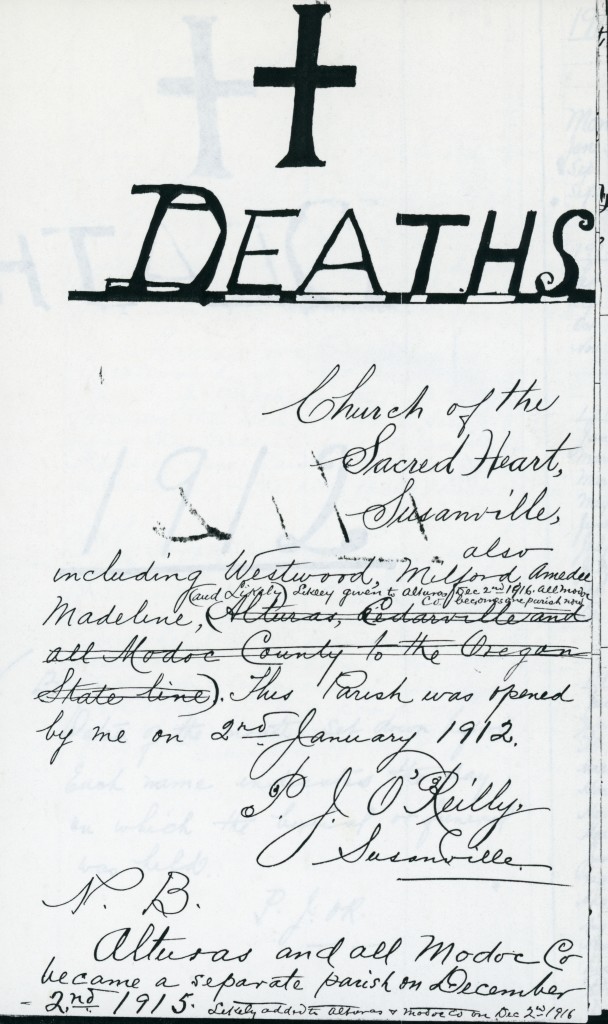
Parish Register front page with writings by Father P.J. O’Reilly
In the fall of 1911 the Sacramento Diocese created a new parish from the Truckee Parish to be known as Sacred Heart. It would encompass two counties—Lassen and Modoc—a region comprising some 8,500 square miles (equivalent to size of the State of Maryland).
Father Philip J. O’Reilly was the first priest assigned arriving from Marysville. Father O’Reilly first established residence at Alturas, were a parish briefly existed in the 1880s. On December 17, 1911, Father O’Reilly held his first Mass in Susanville, and brought welcomed news that Mass would be held in Susanville on the last Sunday of each month. It should be noted that prior to this, Mass was held maybe once or twice a year, with Father Thomas Horgan riding circuit over a five county area making a 600 mile round trip.
On January 2, 1912, Father O’Reilly chose the date to open the Parish of Sacred Heart. He marked the event when he inscribed it by writing in front of the Baptismal, Marriage and Death Registers. He would later write in each one, that on December 2, 1915, Modoc County became a separate parish, except for Likely, which was added to Modoc exactly a year later.