Category Archives: History

Amedee

Board of Equalization Assessment Map of Amedee

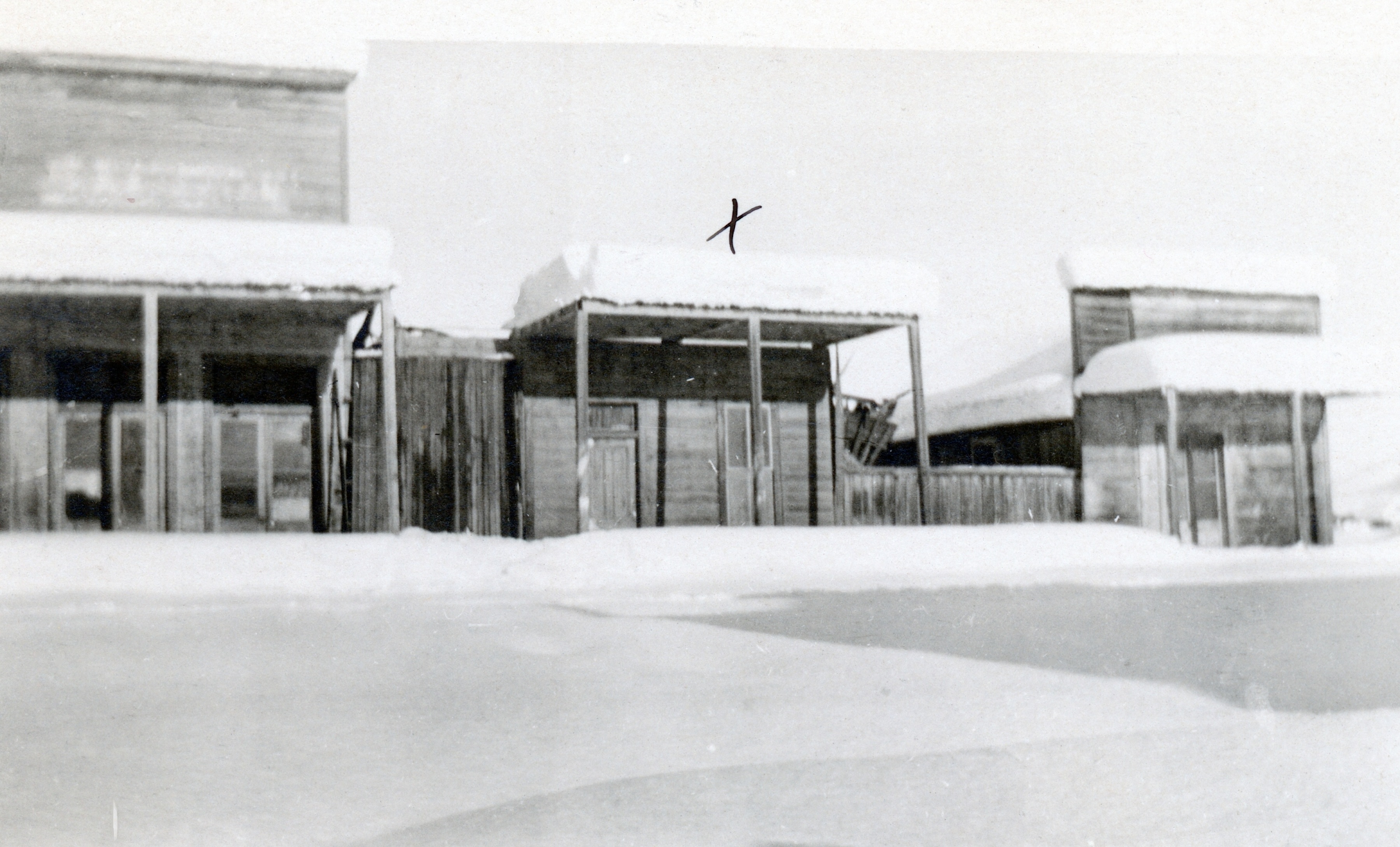
Amedee and Hayden Hill are two interesting Lassen County communities that no longer exist. Each one went through boom and bust cycles, for Amedee it was the railroads for Hayden Hill it was mining.

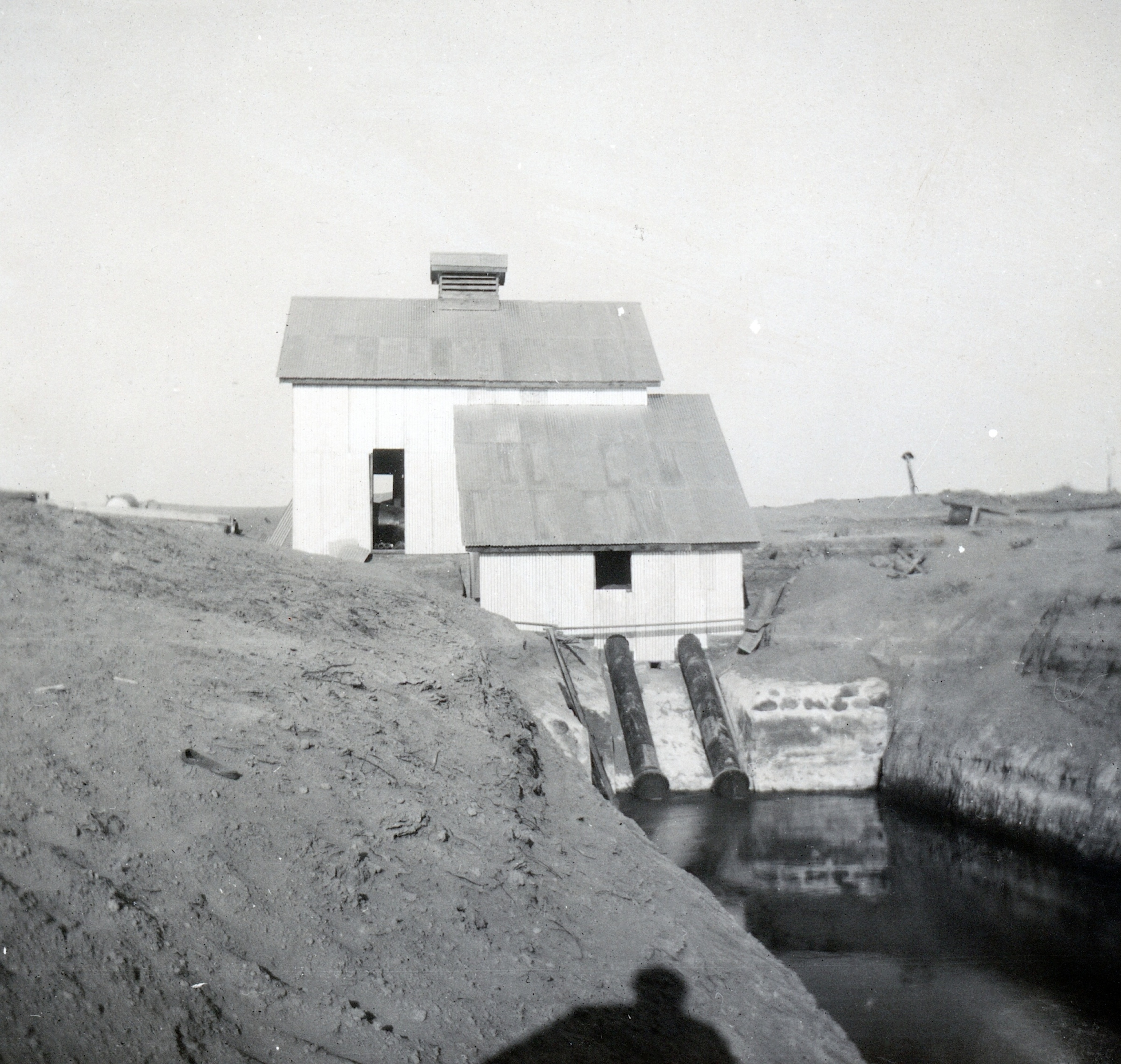
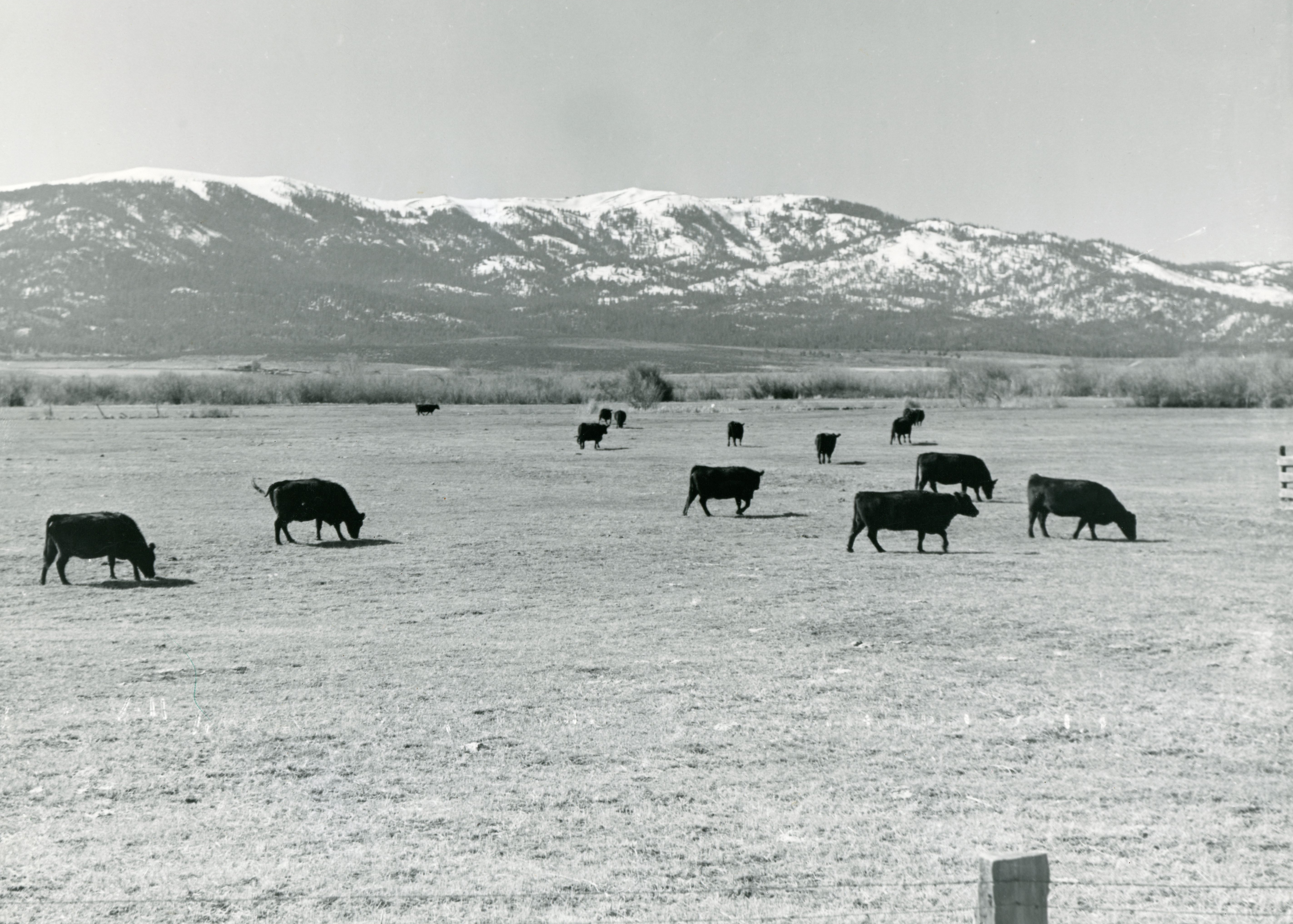
Amedee’s lifespan was brief. By 1892 its population was equal to that of Susanville. By the 1920s its population had dwindled to one or two, that being the caretakers of the McKissick Cattle Company who owned the majority of the town. The Nevada-California-Oregon Railroad that created the town, in certain aspect also killed the town. In between, however, with an agricultural boom and the Fernley & Lassen Railroad did briefly rejuvenate the community.  In the near future, we will explore the many facets of Amedee.

It is never too late, subscribe today and enjoy tomorrow with daily notifications. You can also surprise someone with a gift subscription.


Knoch Building Fire

The aftermath.
The aftermath.

On August 9, 1898, the Ladies’ Literary Society held a fundraiser on the courthouse lawn to benefit the Mountain Echo Band. The event was well attended, and was to be followed by midnight banquet at the Masonic Hall, which had recently been acquired by David Knoch. At around 10:30 p.m. the alarm of fire originated with the clanging of the fire bell three blocks to the north. At first, those gathered at the Courthouse thought it was a false alarm. They could not see any signs of smoke or flames. By the time when it was realized the Masonic Hall was on fire, everyone quickly dispersed. Continue reading Knoch Building Fire

Bieber

Bieber Nathan370

Originally known as Chalk Ford because of the chalky nature of the ground. The solid ground at this location on the Pitt River made it the easiest place, in the mid 1860s, for travelers to cross the river. In May 1873, Theodore Pleisch claimed 160 acres and built a cabin there. In 1874, development began slowly and the town’s first two houses were built by Anton & William Gerig. In 1876, Max Posner opened the Josephenson General Store, that town’s first store. In 1877, Nathan Bieber (1858-1922) arrived there to manage the Josephson General Store, owned by his uncle, Max Posner. Bieber had a natural talent as a merchant and made the store a success. Lafayette S. Barnes, editor of the Adin Hawkeye dubbed Bieber the “young prince merchant.” On November 17, 1877, Bieber purchased Pleisch’s property, where the town had slowly developed, for $600. The town continued to grow and on May 6, 1881, its first newspaper, the Mountain Tribune, made its debut—an effort to elevate the area from a mere frontier settlement to that of a town. However, the 1880 census tallied only 43 residents. In 1884, the town plat of Bieber was surveyed and recorded. In 1932, a revised townsite had been made to conform to the actual layout of the streets and houses versus that of the 1884 survey.

It is never too late, subscribe today and enjoy tomorrow with daily notifications. You can also surprise someone with a gift subscription.

Eagle Lake Biological Field Station

Eagle Biology372

At the October 2015 meeting of the Eagle Lake Interagency Board, the Bureau of Land Management reported that Chico State University was exploring avenues to close down the facility. At that time, the Bureau of Land Management reported that they would be willing to take back the property they donated to the University back in 1964. However, they stated in order to do so, the University would have to remove all improvements, i.e, buildings etc. At the moment, from my limited knowledge on the topic, it appears everything is at a standstill, as the University does not want to be burden with the costs of removal. It also appears the Bureau of Land Management is being a difficult, not allowing another institution to intervene.

The field station was the creation of biology instructor Doctor Vesta Holt. The first classes were taught at Spaulding Tract in 1945. In the early 1950s, with increased enrollment studies were moved to the south shore at the Eagle Lake Resort. After the Merrill Flat Fire of 1955, operations were moved to Susanville and Westwood and until a new home could be located. It was not until 1964, when a new home was located just north of the abandoned Bly Tunnel and in 1968 dedication ceremonies were held at the new facility.

It is never too late, subscribe today and enjoy tomorrow with daily notifications. You can also surprise someone with a gift subscription.

Constantia Established

The "White House" at Constantia, circa 1960
The “White House” at Constantia, circa 1960

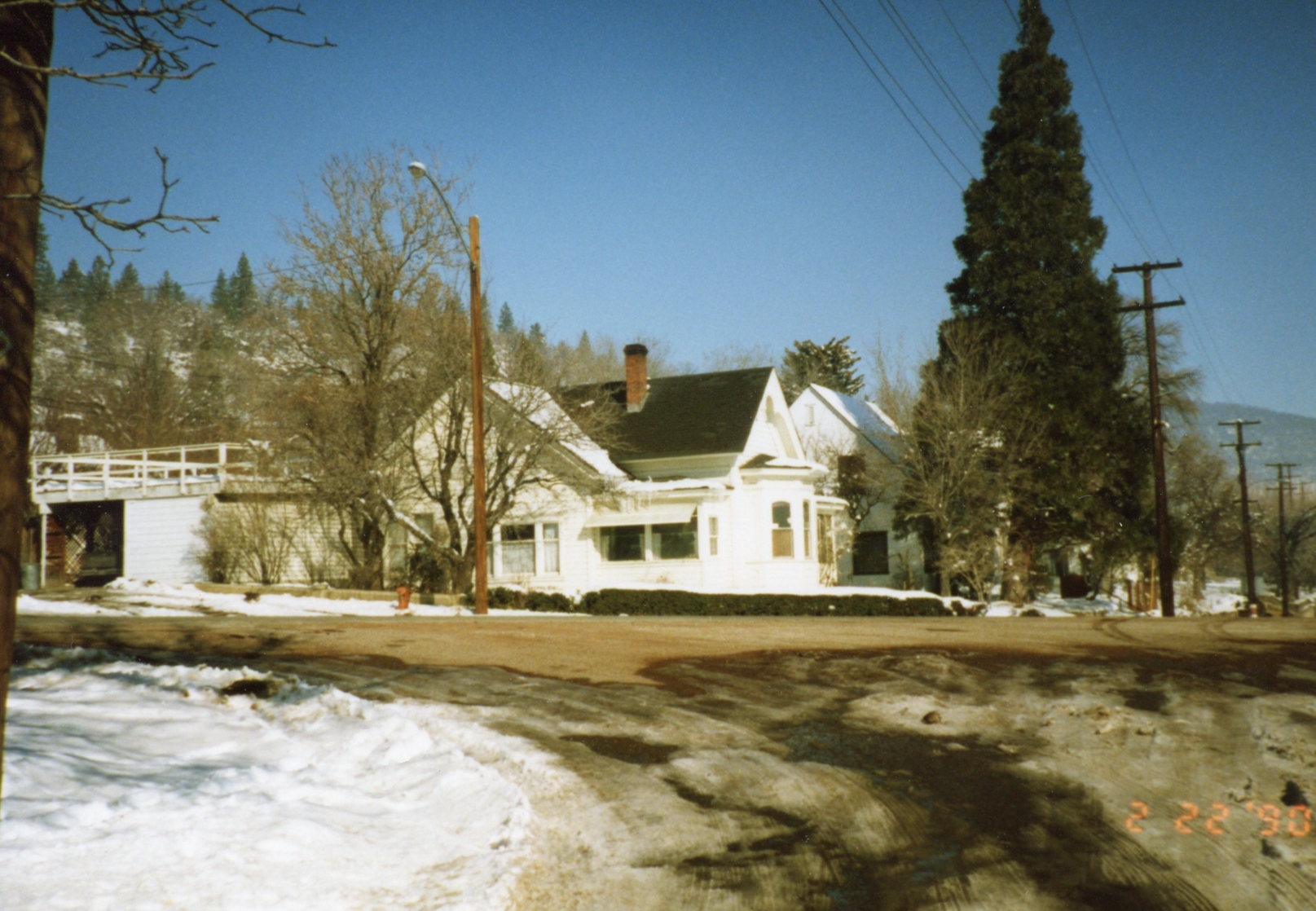
In 1898, Albert Ross sold his well known Long Valley Ranch to Henry Butters Constantia named. Henry Butters for $15,480.   Ross sold the property at a loss. In 1884, he constructed a 17-room mansion there at a cost of $14,000, that many referred to as the White House.*

Butters, then, was the president of the Northern Electric Railroad. It was Butters who christened the place Constantia, named for a city in South Africa noted for its vineyards. Butters transformed the ranch into a small village—complete with a general store, Wells Fargo Office, dwellings for the employees and he had a Catholic Church constructed, St. Mary’s Chapel.[1]

*One of the Ross descendants is none other than famed astronaut Buzz Aldrin.

It is never too late, subscribe today and enjoy tomorrow with daily notifications. You can also surprise someone with a gift subscription

Lassen County – Shinn Ranch

Shinn Ranch, 1987
Shinn Ranch, 1987

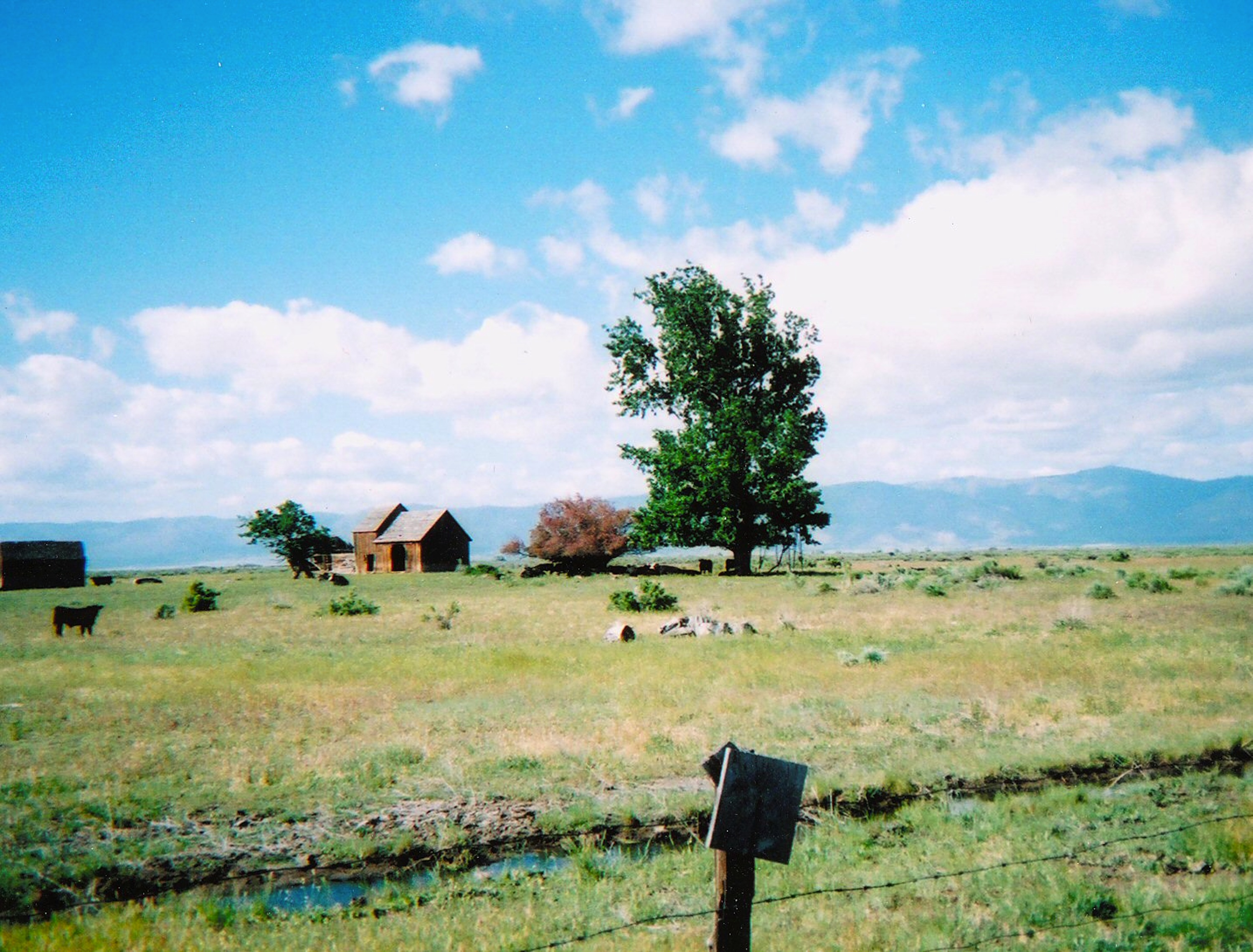
The Shinn Ranch in remote eastern Lassen County is not a place one just happens upon. It has been close to twenty years since I was last there with a film crew doing an episode of Off Road California. I have been curious as to what damage it sustained in the 2013 Rush Fire.

It was in 1870, when fifty-year old Oliver Shinn located there with his family of five children from Baker, Oregon. He remained there until his sudden death in 1883. According to his obituary, “Mr. Shinn was awakened from a sound sleep at about 10 o’clock Thursday night by coughing and upon getting out of bed, dropped dead on the floor. It seems that he troubled an aneurism of the pulmonary artery and in his efforts to clear his throat this was ruptured, causing instant death.” The following year, his widow, Louisa Shinn sold the 640-acre ranch to George D. Winters for at that time a substantial sum of $6,000. The Winters family had extensive holdings, which included the nearby Smoke Creek Ranch.

One of the interesting features found there was a grove of cottonwood trees that encompassed some fifteen acres. The trees were planted by Winters in 1889 in order to increase his property holdings there. On April 3, 1893, Winters was issued a 160-acre land patent that he filed under a section of the Timber Culture Act “to encourage growth of timber on the Western Prairie.”

While Oliver and Louisa Shinn kept a low profile, their children did not. More about that in the near future.

It is never too late, subscribe today and enjoy tomorrow with daily notifications. You can also surprise someone with a gift subscription

November Preview

Lassen County High School Basketball Team, 1914

This time around the posts for this month should appear as scheduled, since I do not have as many challenges getting around as I did in September and October.

The Gift of Local History 11/1/15
Shinn Ranch 11/2/15
Constantia Established 11/3/15
Eagle Lake Biological Field Station 11/4/15
Bieber 11/5/15
Going Places 11/6/15
Knoch Building – The Fire 11/7/15
Susanville – 200 S. Roop St. 11/8/15
Amedee 11/9/15
Desert Homesteaders 11/10/15
Bassett Hot Springs 11/11/15
Susanville Ranch Park, Part I 11/12/15
Susanville Ranch Park, Part II 11/13/15
Johnstonville 11/14/15
Sacco-Sergi Wedding 11/15/15
Soldier Bridge School Conclusion 11/16/15
Mark Haviland 11/17/15
Riverside Hospital 11/18/15
Something Special 11/19/15
Lassen County Cornish 11/20/15
The Other Susanville 11/21/15
Champs Flat 11/22/15
R.J. Scott 11/23/15
Hilt, California 11/24/15
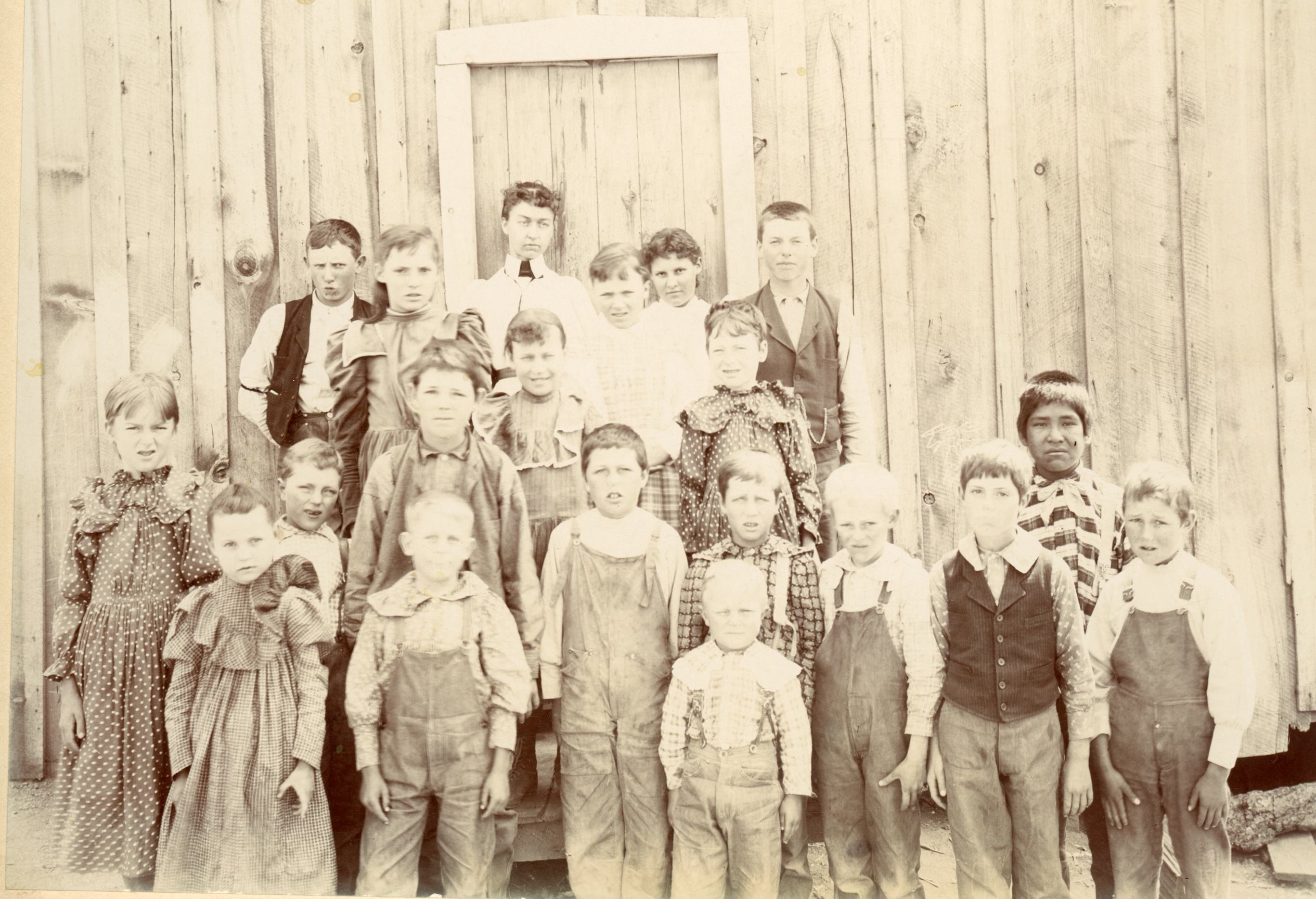
Amedee School 11/25/15
Folsom Ranch Thanksgiving 11/26/15
Susanville Bordellos 11/27/15
High Rock Ranch 11/28/15
Grand Café 11/29/15
December Preview 11/30/15

It is never too late, subscribe today and enjoy tomorrow with daily notifications. You can also surprise someone with a gift subscription

Freak Parties!

This 1931 gathering was held at the home of Blanche & Ike Knoch, frequent hosts of such events. Courtesy of Hank Martinez
This 1931 gathering was held at the home of Blanche & Ike Knoch, frequent hosts of such events. Be sure to click on the photograph for a larger image. Courtesy of Hank Martinez

Back in the 1920s and 1930s certain segments of Susanville’s Society entertained in a variety of formats. While there were numerous card groups to pass the time, others craved something a bit more exciting. These, of course, were costume parties and the themes as varied as the host/hostess.

It is interesting to note that these “freak parties,” as they were called, were quite popular during prohibition and less so afterwards. Whether alcohol refreshments were served, is anyone’s guess, but Susanville residents enjoyed their libations during prohibition.

In any event, maybe there is some creative type who might like to host a freak party in the near future. If you do,  be sure to send me an invite. It certainly appears to be enjoyable way to spend an evening versus other entertainment venues available.

It is never too late, subscribe today and enjoy tomorrow with daily notifications. You can also surprise someone with a gift subscription

Built When?

The J.A. Gilman Residence at 1913 Main Street was built in 1898. Today it is the office of Town & Country Real Estate.

Awhile back, when browsing through the Lassen County Times I noticed a local realtor’s display ad that stated the original First Baptist Church located on the corner of Nevada and South Gay Street was built in 1940. This ad appeared again in the October 27 issue, and now provides the correct date of construction of 1913-14.

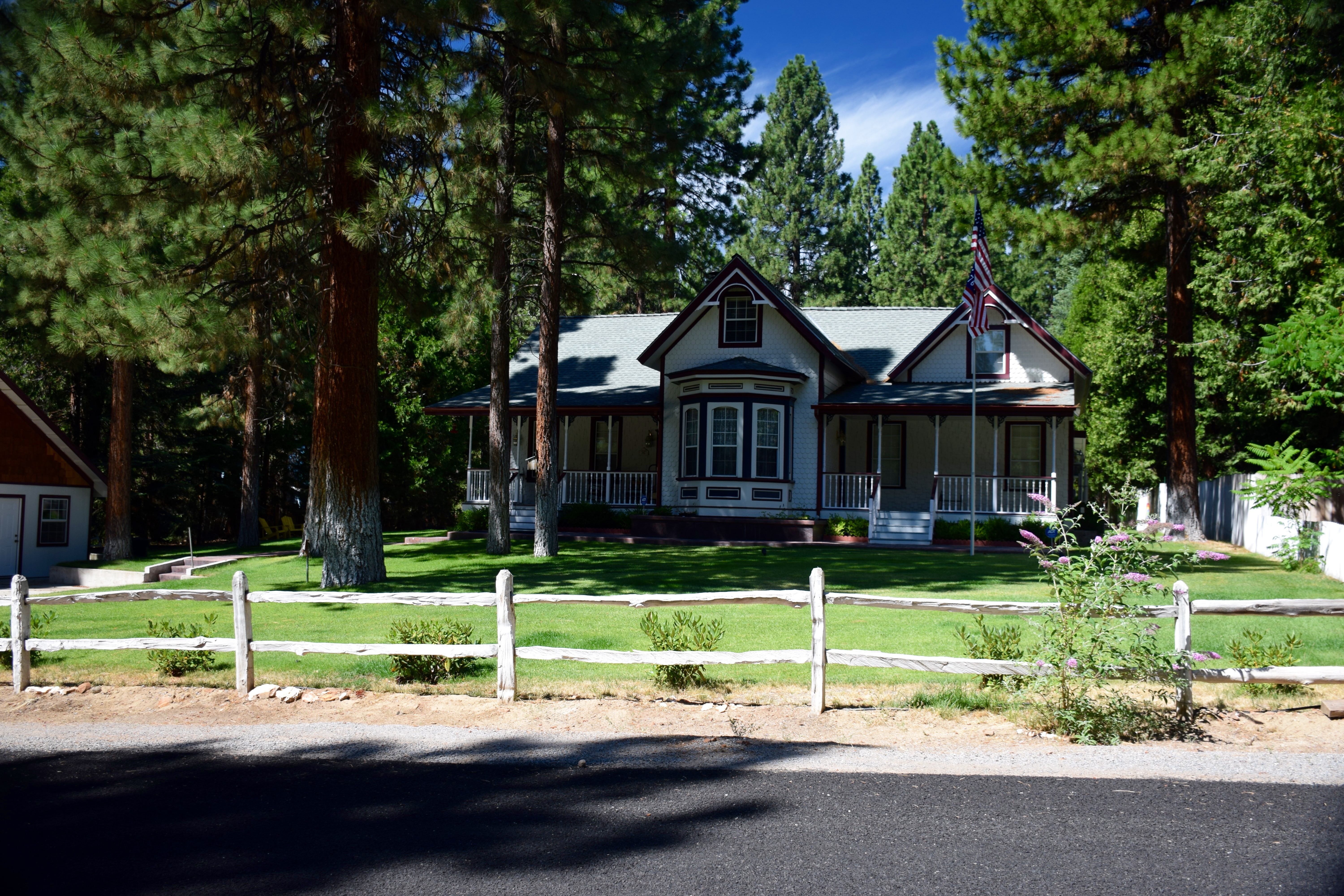
This got me interested in what other erroneous material realtors have in their listings.  According to the online listings 1940 was a banner year for both commercial and residential construction.  The listing for 506 Cottage Street, where the Carver family has resided for many decades the realtor states it was built in 1940. However, it was built in 1889 for A.E. DeForest. Further down Cottage at 705, the current home of Iron Horse Gym the realtor states it was built in 1965. For many a seasoned resident can clearly dispute that, as it was built in 1946 for Williams Furniture.

The list goes on and there are some real extreme ones out there. As the old saying goes, “buyer beware.”

It is never too late, subscribe today and enjoy tomorrow with daily notifications. You can also surprise someone with a gift subscription

Westwood Junction

Westwood Junction
Westwood Junction

As its name implies it was a real junction. The railroad constructed a spur to the south to Westwood. The Southern Pacific’s real goal was to extend the line north to Klamath Falls, Oregon. It was after all, the Red River Lumber Company’s intent to build several mills, the next one scheduled for near Lookout. By 1917, the Southern Pacific was anxious to extend the line north, but Red River was not ready. The mammoth mill at Westwood was more than it could handle. In the meantime, the Southern Pacific was nervous that its competitor the Western Pacific might extend a branch to Westwood and siphon off traffic, since Southern Pacific’s five-year all inclusive freight deal with Red River was about to expire.

Then came along World War I and that changed everyone’s plan. When the war ended, the nation went into a severe recession, so expansion was off the table for many.  Red River kept adding more divisions to its lumber manufacturing plant. In the meantime, the Southern Pacific focused on the troubled Nevada-California-Oregon Railroad, as an alternative route north of Oregon, which it eventually did.

The site, it should be noted,  also served as a junction for the railroad logging operations of the Fruit Growers Supply Company and the Lassen Lumber & Box Company.

It is never too late, subscribe today and enjoy tomorrow with daily notifications. You can also surprise someone with a gift subscription