Donate!
Donate!

Of course the building needed to be conveniently located. What better location than near the mill entrance and adjacent to the railroad depot. This store was dubbed the Big Store and during its evolution kept getting, bigger and bigger.
On Christmas Eve 1913, the Big Store opened its doors for business. The Plumas National provided the following description: “A complete butcher shop, a drug store, grocery department, men’s furnishings, women’s goods, hardware and shoe departments are all under special heads, each of whom is a specialist in his line. Nineteen men are employed in the store at the present time.”
In time, certain features in the original store would be relocated elsewhere such as offices, thus providing the Big Store with even more room to expand its merchandise. In February 1916, the Big Store got even bigger with another forty-foot addition. The facility could boast 73,125 square feet of retail space, with an additional 8,800 square feet utilized for offices and other purposes. It was the largest department store north of Sacramento.
Donate!
Subscribe!
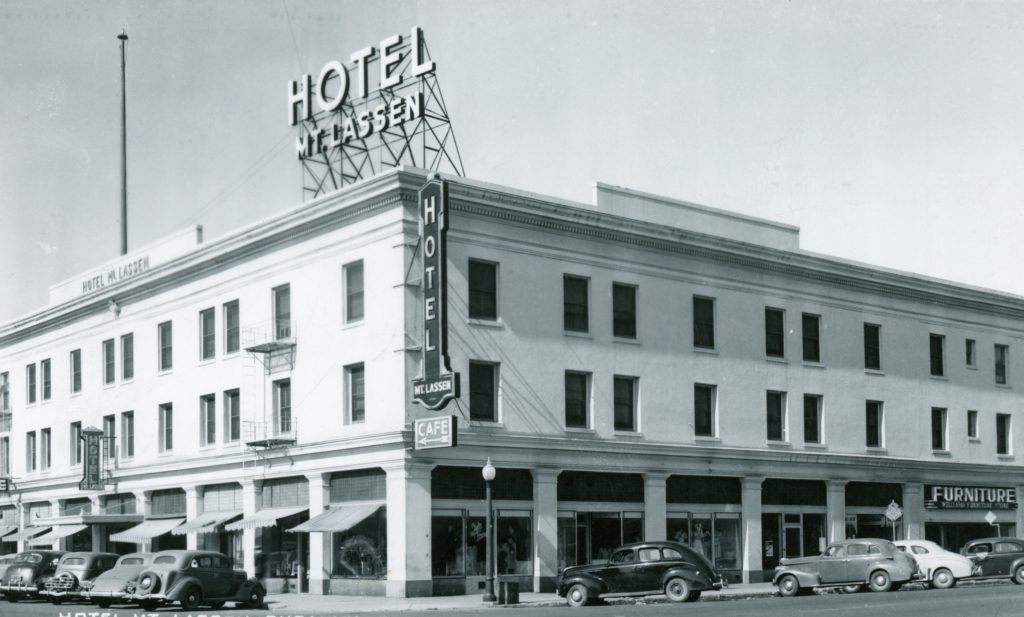
In the meantime, during construction a contest was held for a name of the new hotel, the winner to receive $25. To be creative, the names Susanville and Lassen were barred. On November 25, 1925 a name was selected. Frank Coffin, who had secured a ten year lease to operate the hotel, asked the Susanville Hotel Company that it be named “Hotel Mount Lassen.” Coffin told the board that the name had better advertising appeal. The board was reluctant, but adopted the request.
Subscribe!
Subscribe!
Subscribe!
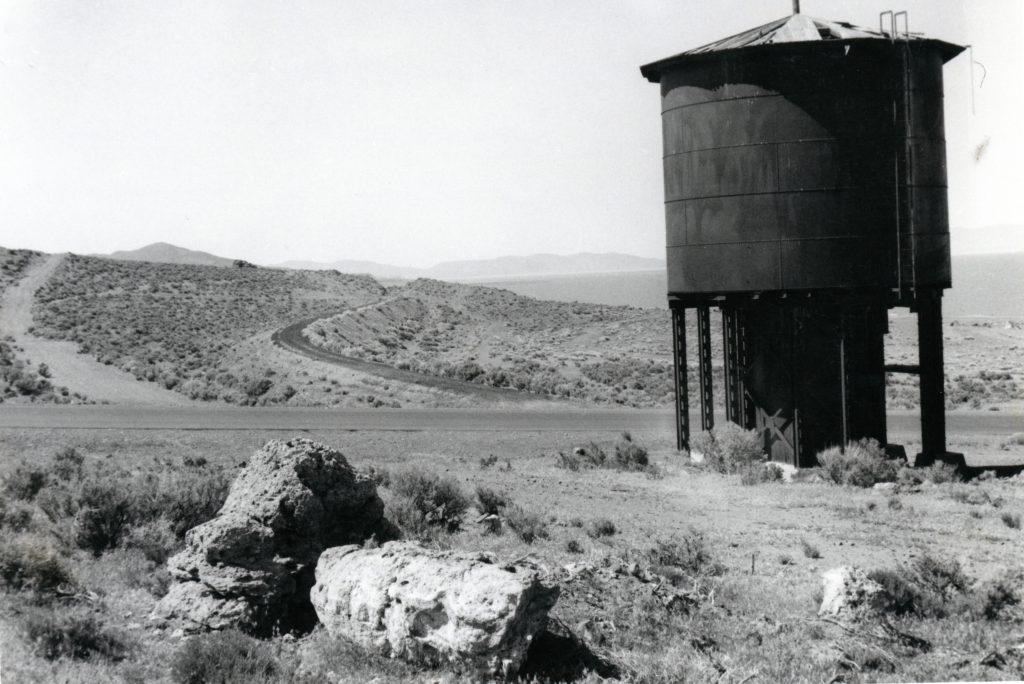
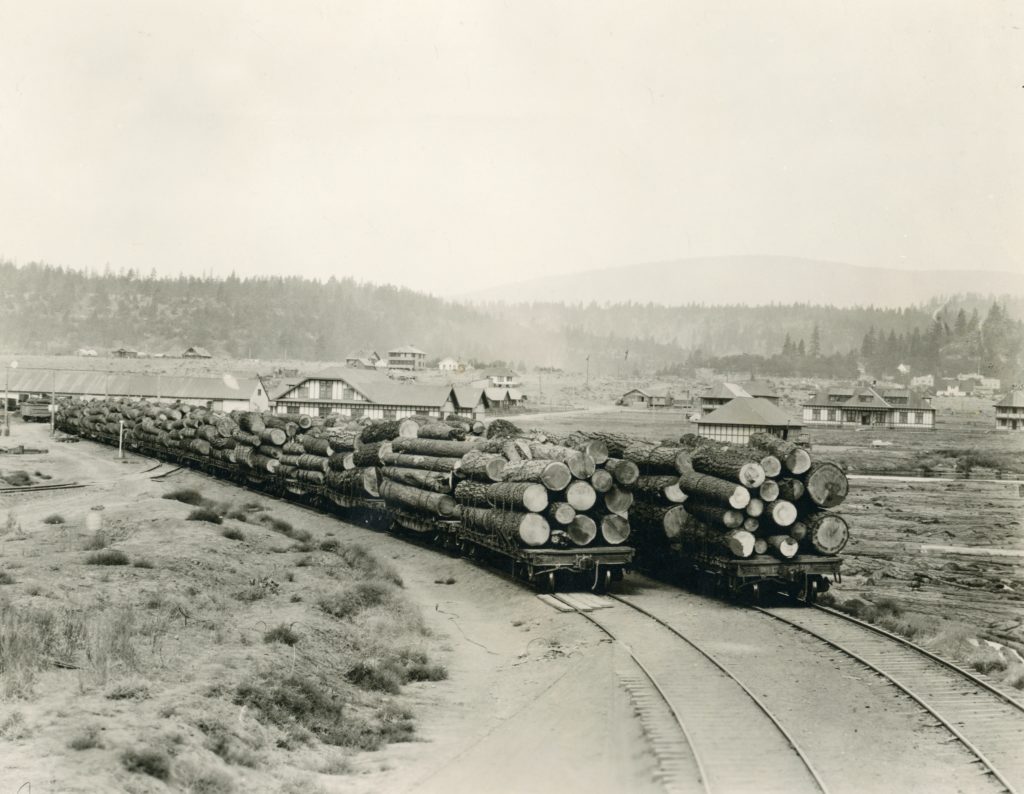
In 1912, when an agreement between the Southern Pacific Railroad and the Red River Lumber Company was reached to build the Fernley & Lassen Railroad from Fernley, Nevada to Westwood time was important consideration. The Southern Pacific had two years to construct the line.
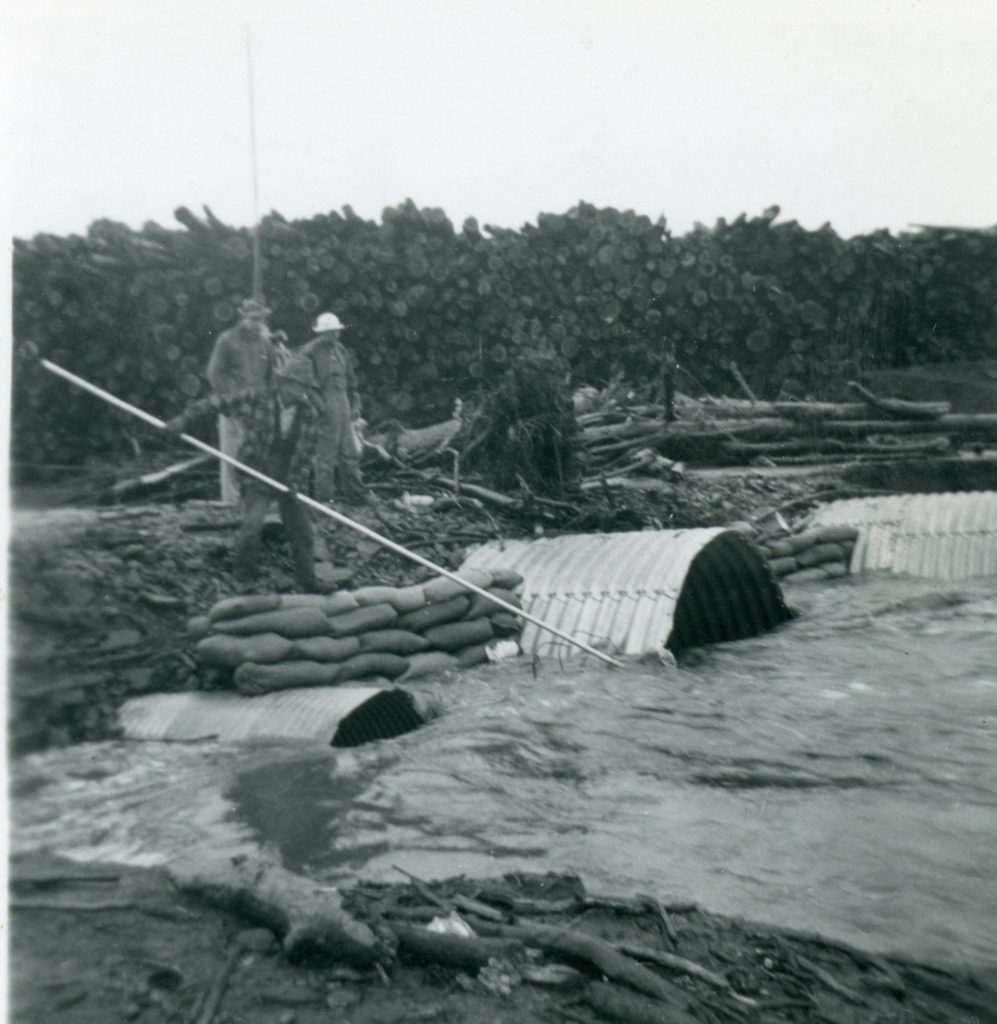
The demise of the railroad was a slow, lingering process. In 1963, a 60 mile segment from Fernley to Flanigan was abandoned. In 1978, the segment between Mason Station and Susanville experienced the same fate, though it would be rehabilitated into the Bizz Johnson Trail. It should be noted this segment had not been in use since 1955 due to extensive flood damage and the Westwood mill closure, Southern Pacific deemed it was not in its best interest to make costly repairs. In 2006, the tracks between Susanville and Wendel were removed.
Subscribe!
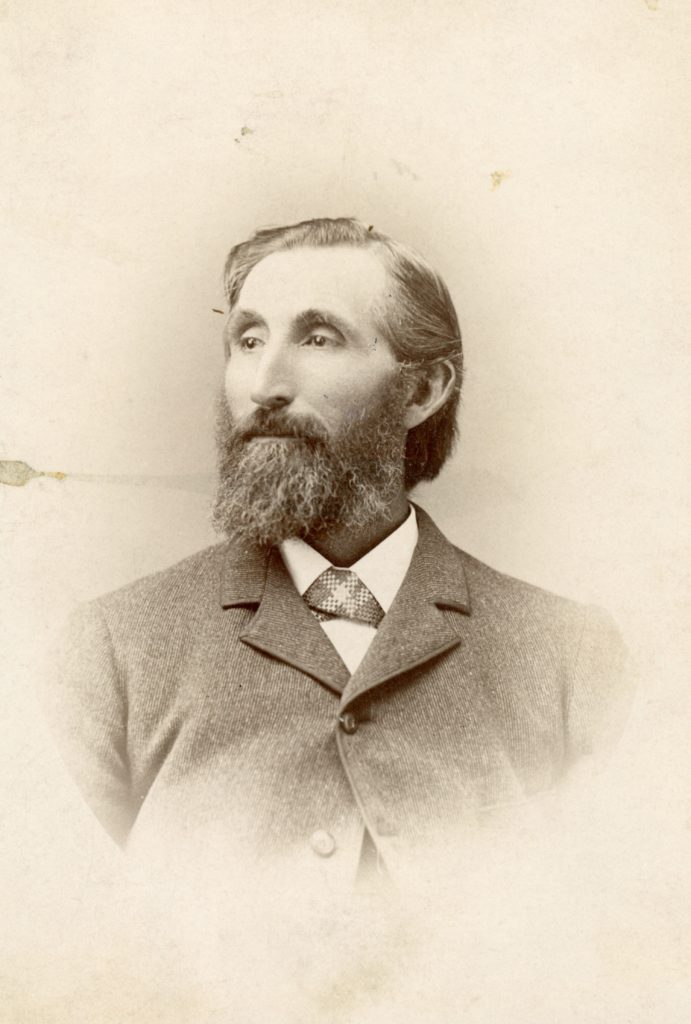
One of the sons, Fletcher Walker, was the resident manager of Westwood and had more or less full control of the operations. However, it was necessary for Fletcher to keep his father and brothers informed of the company’s activities, especially since it cost $3,5 million to construct the company town of Westwood during the 1912-1914 era. In addition, another $3.7 million was spent on the purchase of 800,000 acres of timberland in Northern California.
One of the many early family disputes was where to locate the company’s first mill, (there were plans for several small mills throughout Northern California) which would eventually be the location of Westwood. One of the biggest concerns of the Westwood site was that it was located in a snow-belt region. This would have a ripple effect on operations because more kilns would be needed to dry the lumber to hindering logging operations.
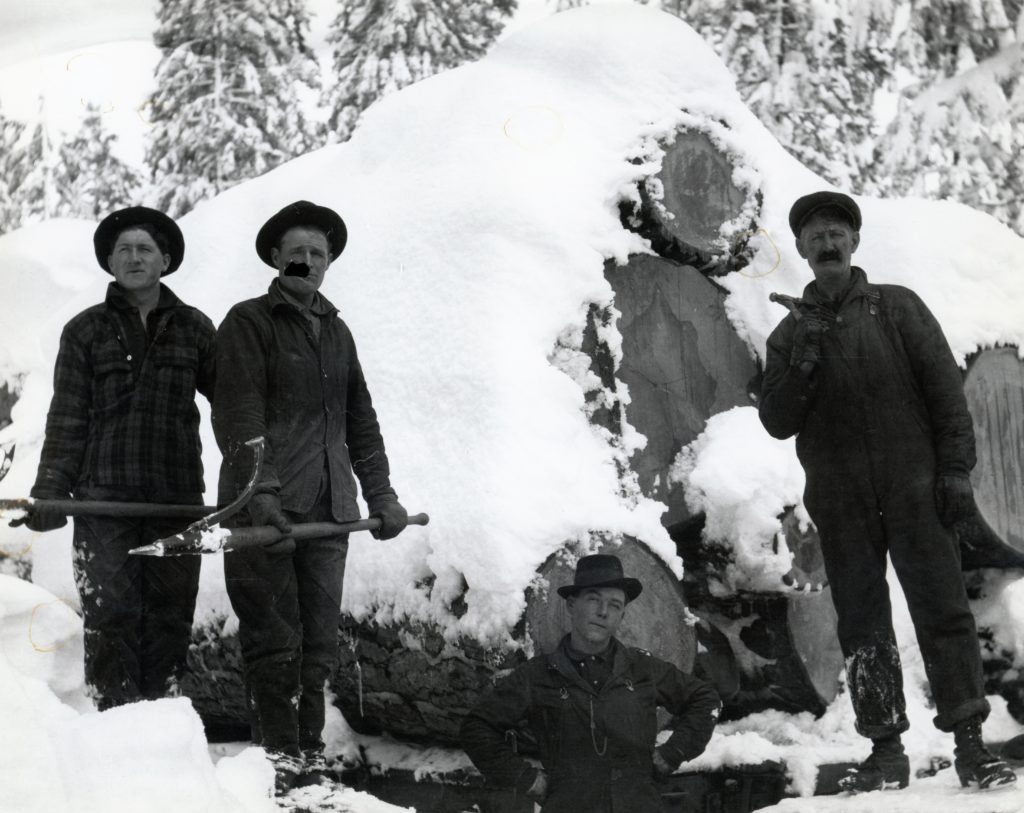
Whatever the case may be, it was Fletcher’s goal to operate Red River year round, much to the chagrin of his father. On February 25, 1915, T.B. wrote to Fletcher criticizing him for running the mill during winter storms, and that he should just shut it down. T.B. commented: “I have never expected that we could run all year in the mountains of California. I had in mind when I was securing the millsite where you built, that this would likely be about a nine or ten month’s milling job.” T.B. then chastised Fletcher’s decision to cut white fir and second-class pine trees. Again, T.B. commented, “If we get a mixed lot of lumber cut, considerable of which will pay us no more than the milling and marketing will cost, it will leave us behind in meeting our obligations. I have never figured on cutting timber in California, clean.” T.B. continued to stress in only cutting the best timber to turn it into money to meet its many obligations, especially taxes and bond payments. In addition, Fletcher stated he needed at least a half million dollars to finish the plant. In conclusion, T.B. was sympathetic when he wrote, “I realize the disadvantages and drawbacks that you work under in trying to build a milling plant out in the open woods, with everything to contend with, and where logging, sawing, handling, cutting up and shipping are all at a serious disadvantage, and where you have more or less bad weather, in the winter at least, that naturally makes it an up-hill battle.”
Finally, Fletcher questioned his father’s judgment on the ease of operating a winter mill in Minnesota, and remarked, “I never discovered that it was an easy operation to get through four months of cold and snow.”
The following year T.B. again requested Fletcher to shut down the logging operations in the winter as it was just plain too costly. Fletcher agreed the winter operations operated at a loss. However, his justification was that outfits such as McCloud River Lumber Company that called it “quits” in the sawmill operation on November 1 placed Red River at an advantage by having a ready supply of lumber. In summation, Fletcher wrote, “In place of our figuring from this end on closing down, we have been figuring carefully the pros and cons of taking advantage of the bulging market to produce a bunch of timber of lumber this summer and make a real killing.”
Whatever the case may be, it was a lesson learned and not repeated, so in 1918 Red River discontinued its attempt at year-round logging. One practice that Red River implemented like other large lumber concerns of Northern California of the era was to harvest addition logs during the fair weather season, to have a stockpile to keep the sawmill in operation during the winter months.
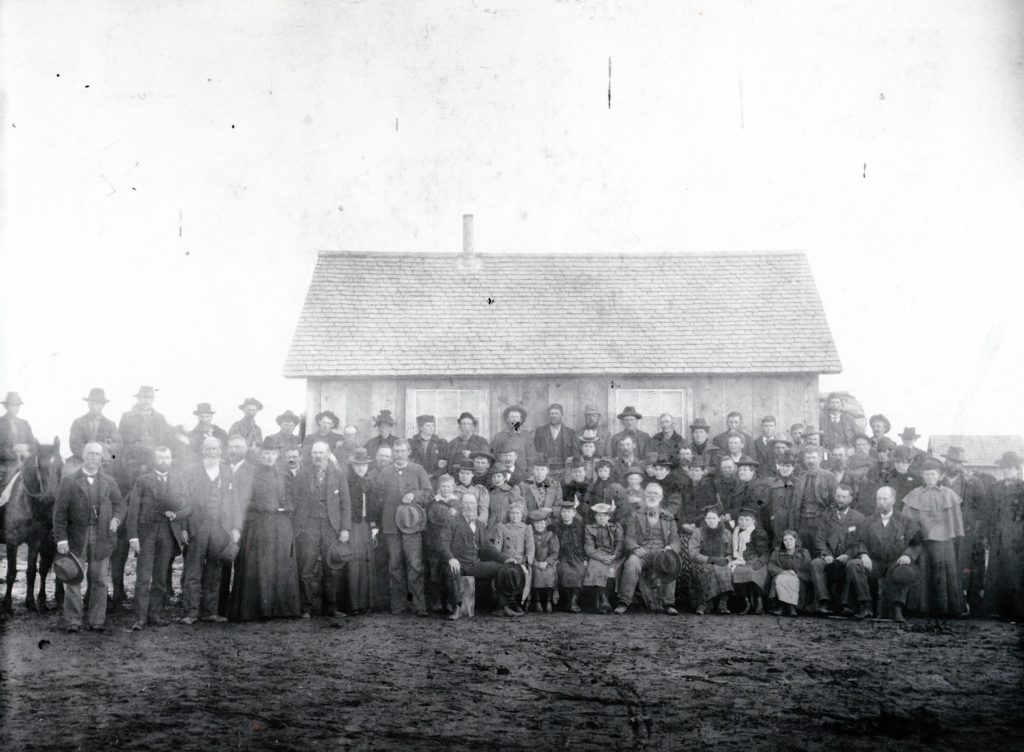
During 1897/1898 the Honey Lake Valley Colonial Club held their meetings in the original Honey Lake School located at Datura to formulate the plans for their utopian community of Standish. On April 21, 1899, the Datura Post Office closed and its operations moved to Standish. As Standish developed, Datura slipped into oblivion.
Subscribe!
Subscribe!