Category Archives: History

Headwaters of Willow Creek

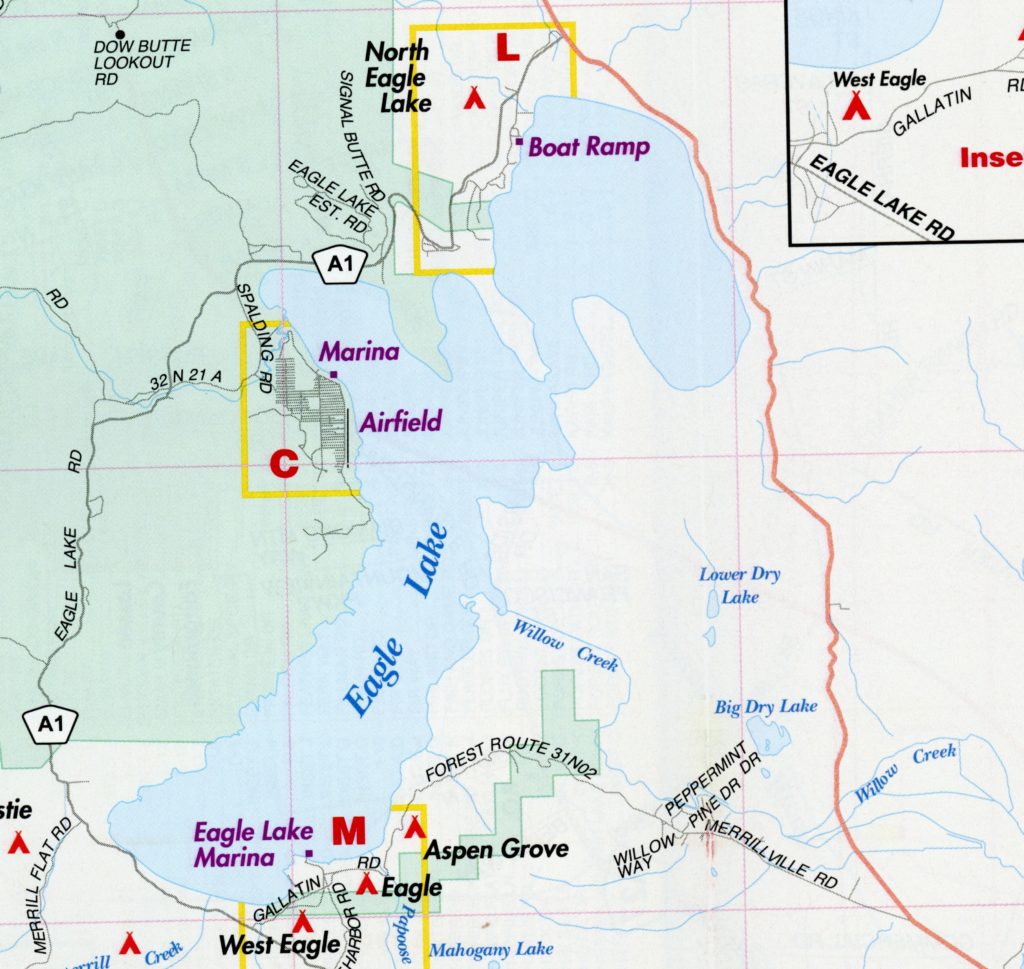
It is amazing by doing these daily posts, I am always learning something new. New discoveries sometimes arrive in mysterious ways. In a discussion about future walks and hikes I was provided the latest map of the region distributed by the Lassen County Chamber of Commerce. It should be noted I am map affeciando, so no GPS stuff for me. Anyhow, back to the story at hand. According to this, which you can see from the above illustration, that Willow Creek’s origins is Eagle Lake, and not from the springs at Murrer’s Upper Ranch.

In a discussion with USGS in 2017, that prior to some 125,000 years ago, Pine Creek and Willow Creek were probably just the same stream. Once the Brockman Flat Lava Beds occured it blocked the flow of Pine Creek to Willow Creek. In doing so, it helped create the Eagle Lake that we know today.
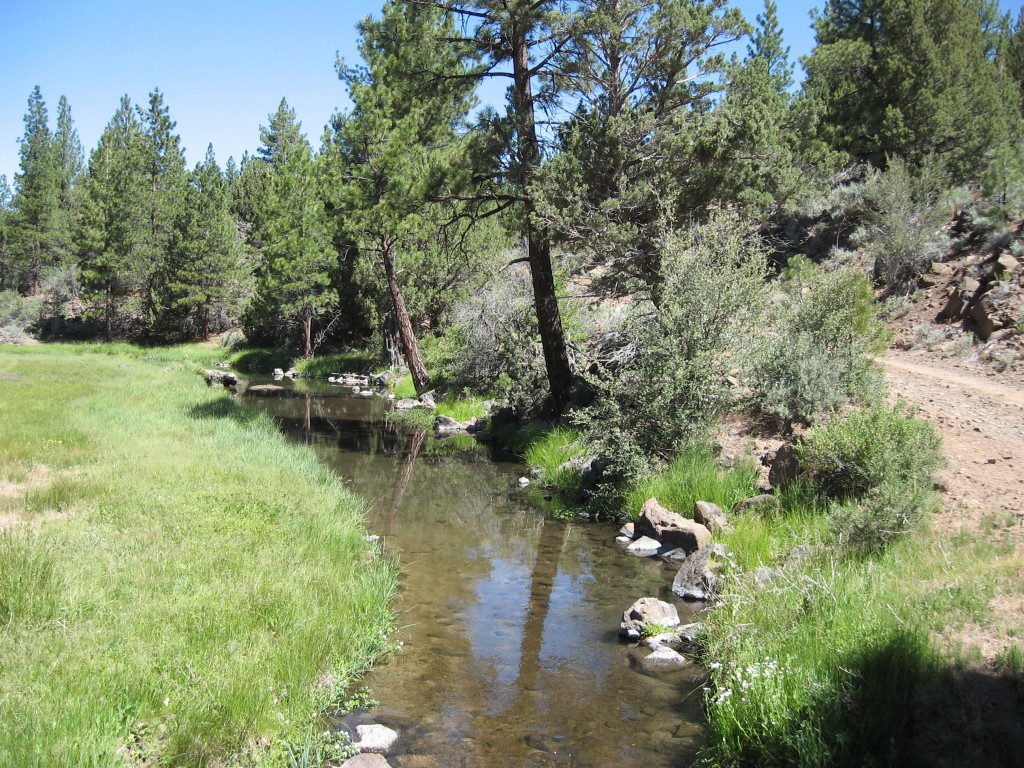
Upper Willow Creek, 2013. It was this creek that the various promoters of the  Eagle Lake project that  used the natural channel to deliver water to the Honey Lake Valley.

Subscribe

Petroglyph Humor?

Sunrise Chamber, 2015, at Belfast

While sifting through papers in search of something, I came across this interesting tid bit from the Lassen Mail of March 13, 1936.

”CCC workers in the Secret Valley camp are wondering this week if they have discovered ancient Indian inscriptions or merely run across the work of some amateur cartoonist who was whiling away his time with little stone hatchet.

”An aged Indian revealed several inscriptions to camp workers, carved in rocks in the vicinity of the CCC camp claiming that said marks are relics of the dim and distant past. Photographs were taken of the inscriptions and are now in the possession of the foreman of the camp.

”If the negatives turn out to be replicas of Mickey Mouse, it is generally believed that the ancient Indian’s stock will drop several points.”

P.S. – Those interested in petroglyphs will not want to miss out the annual Summer Solstice Sunrise Tour.

Subscribe

Camp Lasco Train Wreck

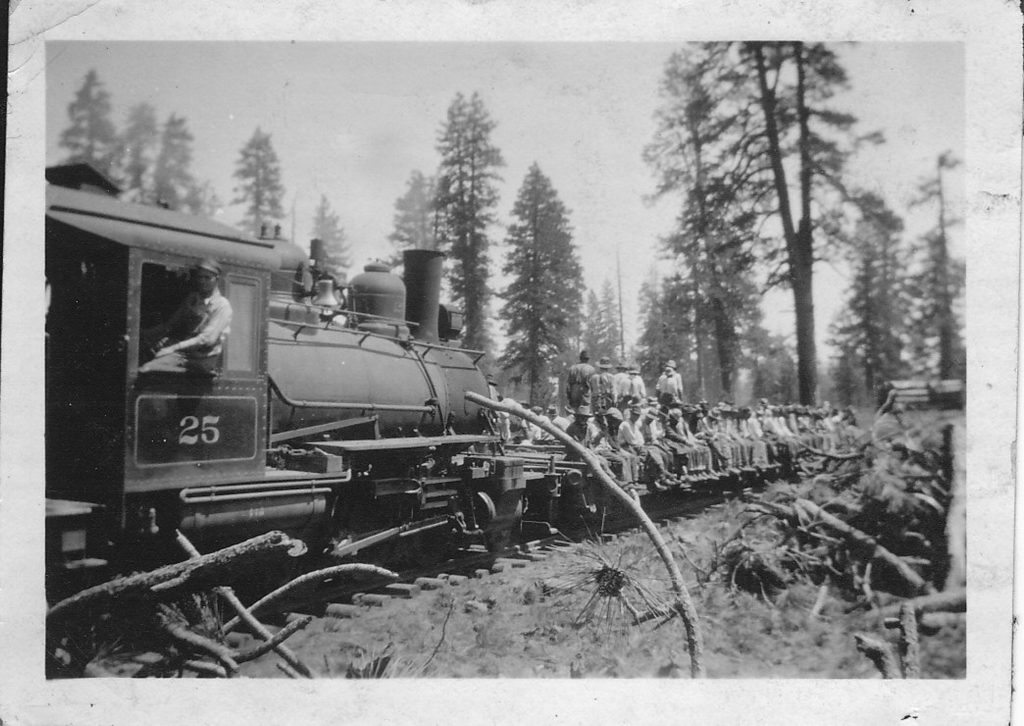
The Camp Lasco commute train. Courtesy of Ron Linebarger

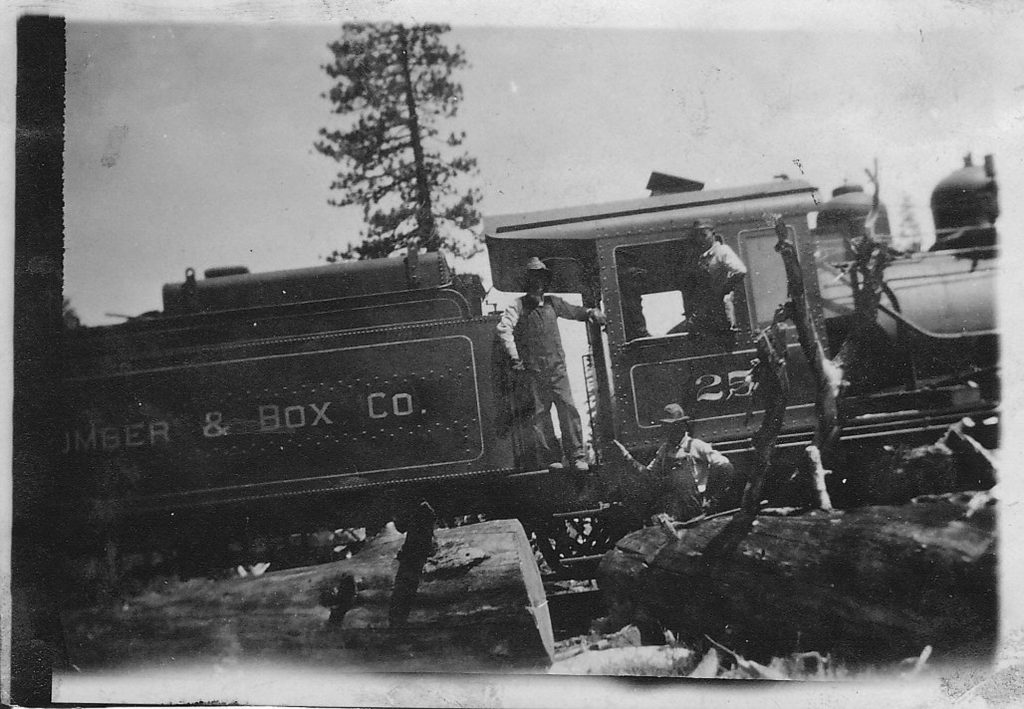
In July 1925, one of the more unusual railroad logging accidents occurred near Lassen Lumber & Box Company’s Camp Lasco (located on the north side of Peg Leg Mountain). A railroad tracklaying machine had just departed camp when it jumped the tracks, turning over and spreading rails in its path. Eight men were injured, all of whom were transported to Susanville’s Riverside Hospital for treatment.

Another shot of the No. 25. Courtesy of Ron Linebarger

Subscribe

Butt Lake Donkey

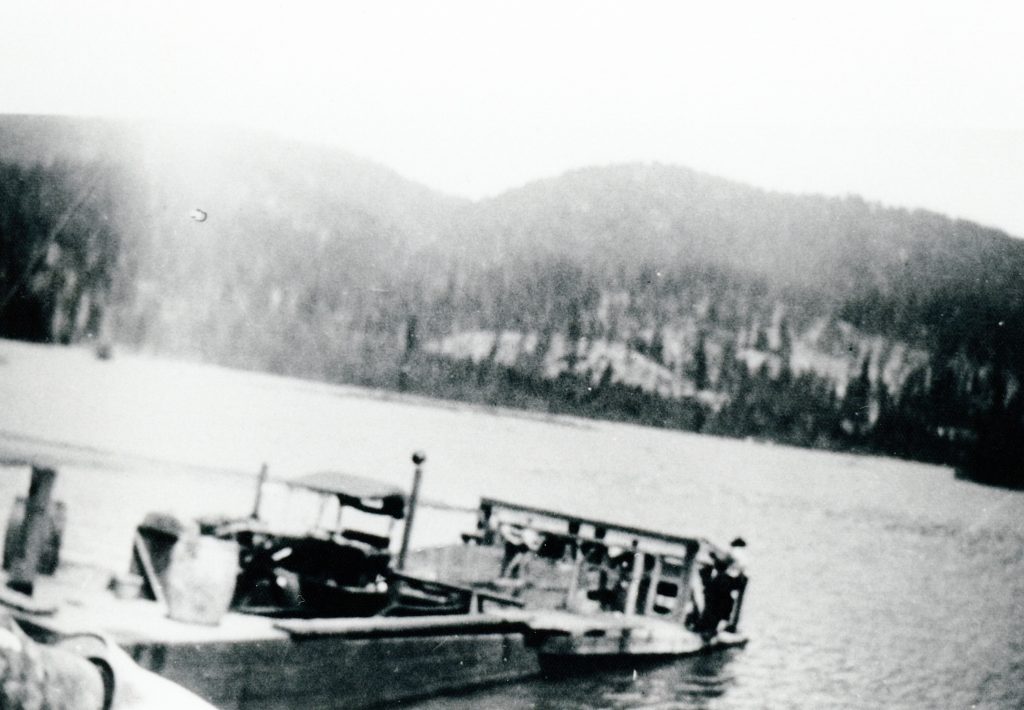
Not sure what kind of water craft this was on Butt Lake in the 1920s, when Roy Rea, a Red River employee, who took the picture.

Cheers to those creative types who who think outside of the proverbial box. In 1925-26, the Great Western Power Company, forerunner to PG&E constructed a reservoir at Butt Valley to the west of Lake Almanor, expanding its hydroelectric system. When Great Western constructed Lake Almanor in 1914, it had entered into a contract with the Red River Lumber Company to log and remove trees from the reservoir site. A similar arrangement was done for Butt Valley.

Red River abandoned its traditional logging methods for this project. By January 1926 Red River had felled 16 million board feet of timber in Butt Valley, and now waited for the spring run off to fill the newly created reservoir. To retrieve the logs, Red River built a huge raft to float a steam donkey engine to do the job. As an observer remarked of the “ocean liner,”  that contained 61,000 board feet of logs bound together by cables, that after it served its usefulness, it was dismantled and the logs milled.

Subscribe

The Maryland Hotel

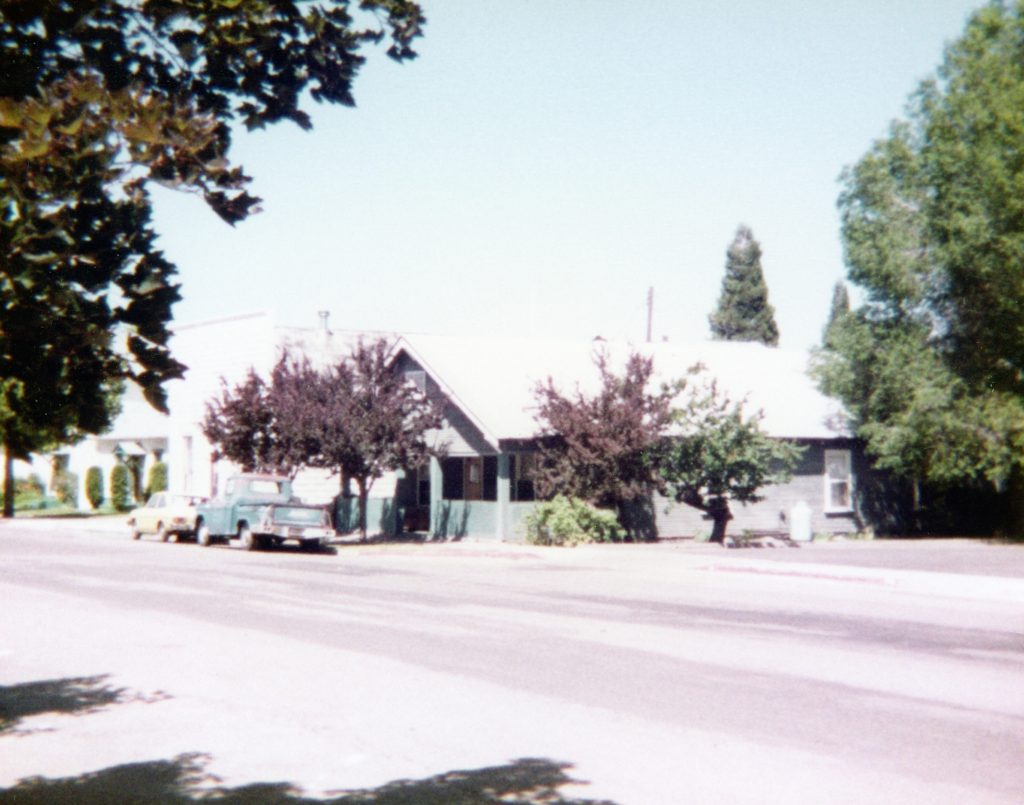
Maryland Hotel, July 10, 1983

This topic falls along the same line as that of the Gables.  Unlike the Gables, the Maryland Hotel is a thing of the past. The Maryland was located at 135 South Lassen Street. Its name rather misleading, not quite a hotel, but not quite a boarding house either. However, during its tenure it served the community well. When the lumber mills were the predominate industry in Susanville, a large number of single men, either worked in the mills or in the woods. It should be noted the lumber companies sought to hire married men with families, as it was deemed they were more stable, unlike single men who went from one operation to another seeking the proverbial greener pastures. Of note, the Maryland had a maximum double occupancy of 60. In 1983, the property was acquired by the nearby mortuary who tore down structure to make additional parking.

Subscribe

Lassen Boulevard

Highway 395 south of Doyle

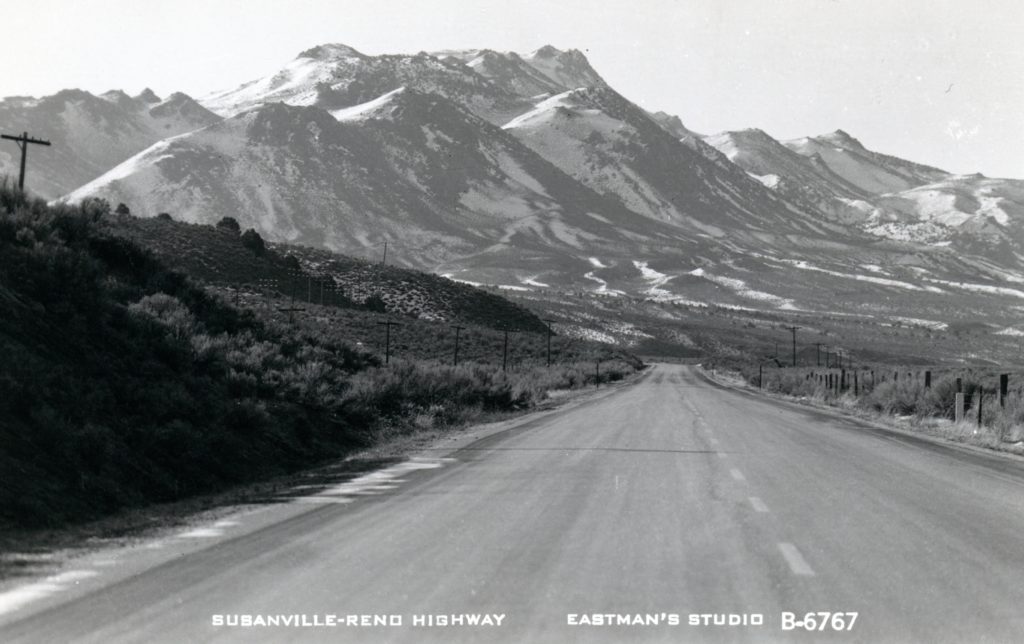
While you may have never heard of it, many has traveled it. Created in 1919, it was the forerunner of Highway 395 from Susanville to the Nevada Stateline. Sometimes it was referred to as the Purdy Highway, named for little outpost, known today as Bordertown.* Lassen County estimated it would cost $360,000 and sent their report to the California Highway Commission.  The County agreed to pay for the survey, in return the State issued a $40,000 bond for the construction of this route, to be a State Highway. In the 1920s, its official designation was Route 29. Just as Highway 36 between Red Bluff and Susanville was constructed in segments, this too would be subjected to the same.

*Named for Solomon Purdy an early day resident of eastern Sierra County, and no relation of mine.

Subscribe

Camp Johns

Gay Street, Susanville, looking north, 1864. Courtesy of Gilbert Morrill

While of late, I have had made references to logging camps, there were numerous military camps throughout the region in the 1860s. One of these was Camp Johns established near Susanville in June 1864, by Company D, 1st Nevada Territorial Cavalry from Fort Churchill, Nevada. In command was Captain Almond D. Wells. This was a mobile military unit that traveled the territory of Northeastern California and Northwestern Nevada in search of hostile Indians. On August 28, 1864, the camp closed, and the troops returned to Fort Churchill. The camp was named for Thomas Denton Johns, a Pennsylvanian who attended West Point. Johns served as commanding Captain of the Utah Brigade at Virginia City, Nevada in 1860. Camp Johns would be replaced with Camp Susan.

Deer Hunting, 1959

A typical deer hunting postcard of the era

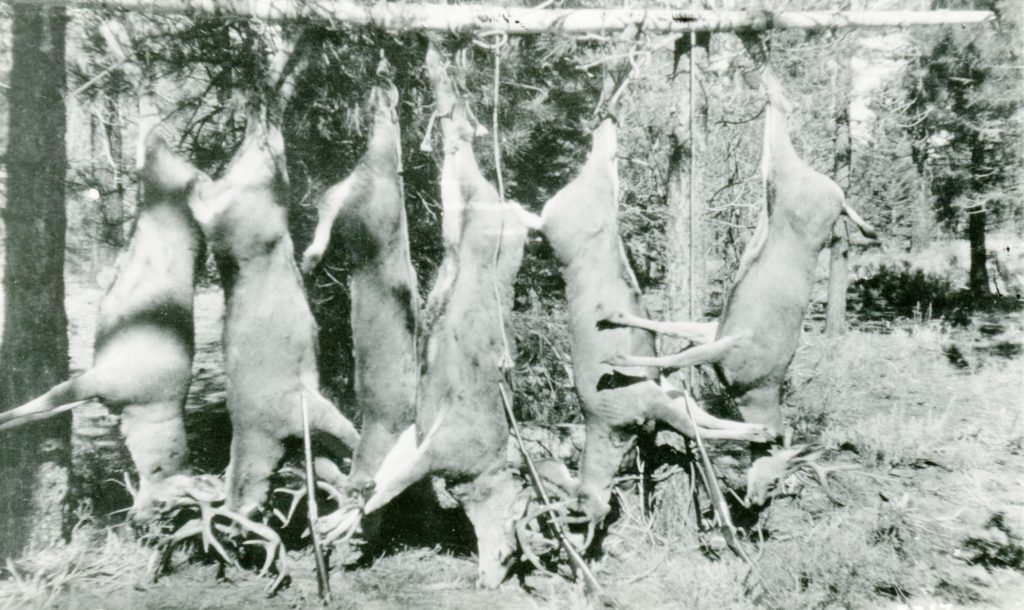
While outdoor recreation of this region has been promoted from nearly time immemorial, the kinds of activities has evolved over the years.  One of those aspects highlighted was hunting—especially deer. This was after all prior to the late 1970s when the California Department of Fish & Game overhauled the hunting seasons, limits and zones. In a 1961, Lassen County pamphlet with the lead in “Lassen County – Where your vacation begins, but never ends.” One of the first sentences: “Hunting is a paradise in Lassen County, where a total of 5,348 deer were taken in 1959, more than any other county in the state.”

In a sign of changing times, while several decades ago it was a rarity to see deer inside the Susanville City Limits. Today, one sees more deer inside the City of Susanville, than to be found in the country side.

Subscribe

Exploring All Angles

Known today as the Susanville Ranch Park, for many years it was the John T. Long Ranch.

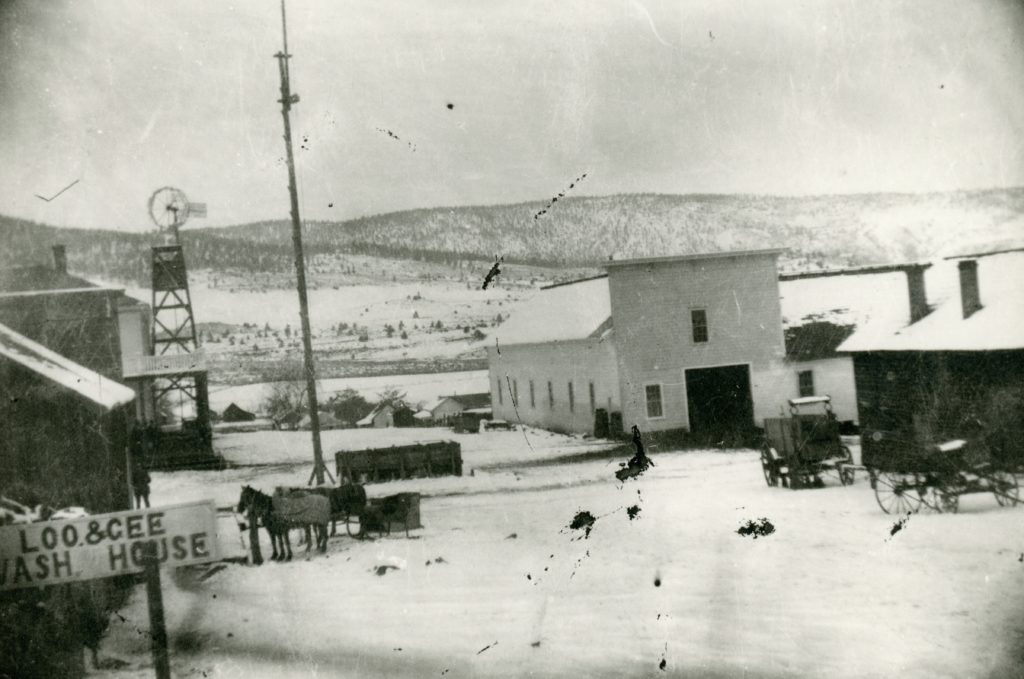
In the spring of 1913 when the Red River Lumber Company was busy constructing the company town of Westwood, there was a lot of resistance to its location. As a matter of fact, Fletcher Walker was the only person that liked that site.

This, of course, greatly disturbed T.B. Walker, the family patriarch. After all, the California operation, was designed with the intent that it would be completely operated by his sons. In attempt to keep harmony in the family, T.B even scouted out several different locations while construction of Westwood was in full swing. One site in particular that caught his attention was the John T. Long Ranch just northwest of Susanville—known today as Susanville Ranch Park. One of the key componets for the site, was that it have an ample water supply.  T.B was not sure if Piute Creek and nearby Bagwell Springs would be sufficient. With that in mind, in a memo dated March 17, 1913 T.B wrote: “Water could be pumped from Gold Run, a distance of probably not more than three or four milles to reach our mill site. This was can be piped underground in wooden pipes banded with steel bands, that costs much less than iron pipes and stand a still greater pressure.”

Subscribe

A Susanville Jewish Stroll?

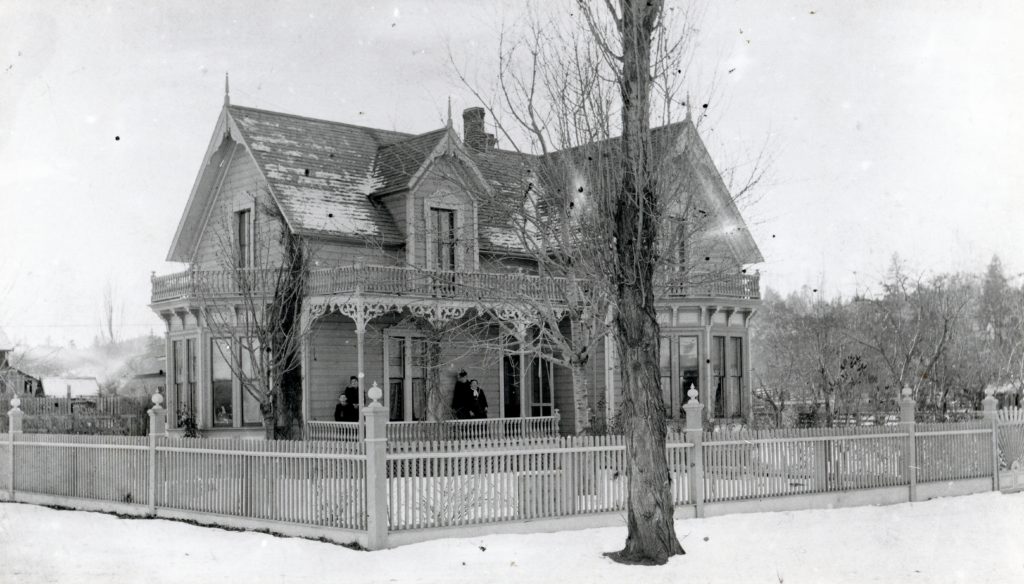
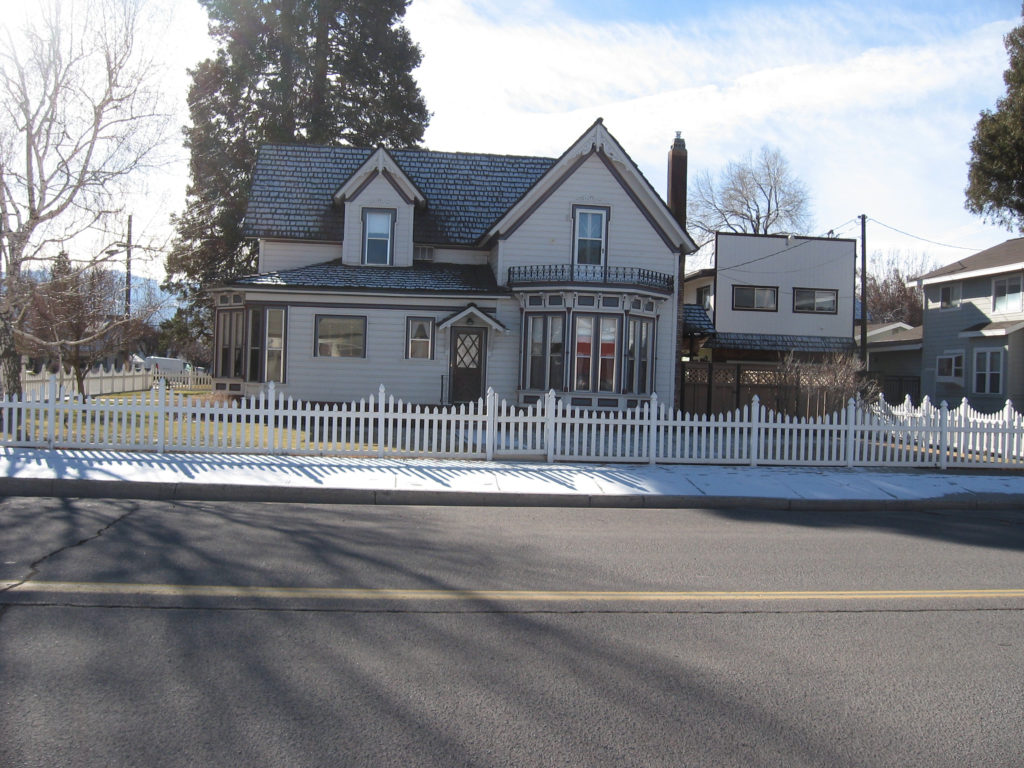
The William Greehn residence on Cottage Street, 1886.

It should be duly noted, that my perspective at times tend to be off the beaten path.  Anyhow, prior to 1915, Susanville had a substantial Jewish population. They had a major influence on the community, since prior to 1900, nearly seventy percent of Susanville’s businesses were owned by members of the Jewish faith. A number of their homes and business buildings still exist. While this might one of the shorter strolls, it is nevertheless an interesting one. One of the stops will be the residence of Morris Asher on North Lassen Street that was built in 1885 (some may know this as the former home of Finn and Edith Barry). Morris Asher’s only child, Ephraim was born there in 1887. “Ephie” and his descendants have had a major influence in Hollywood. Ephie’s son, William Asher, as movie producer and television director, too, is an interesting case study. If you have a spare moment, you might want to do an internet search.

December 25, 2016

It should be noted, that William Greehn was a pioneer Jewish merchant who came to Susanville in 1864. His daughter, Fannie, married Morris Asher.

Subscribe