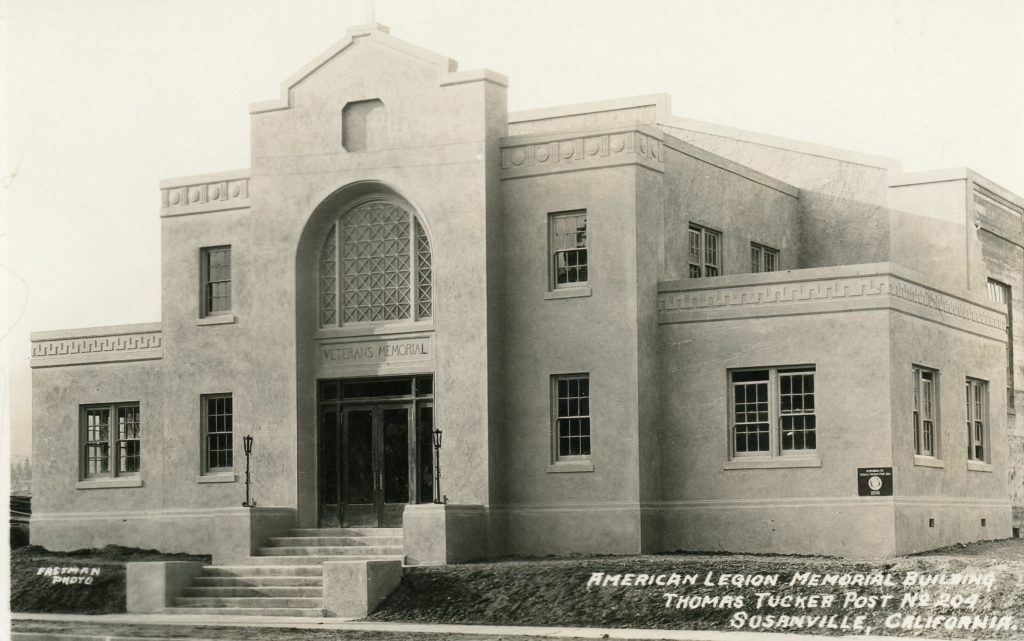
The American Legion building also known as the Veterans Memorial Hall marks its cenentinial today. The $30,000 strucuture was designed by local architect Ralph Taylor. The contractor was T.J. Rees of Fallon, Nevada who was in Susanville constructing the Hotel Mt. Lassen.
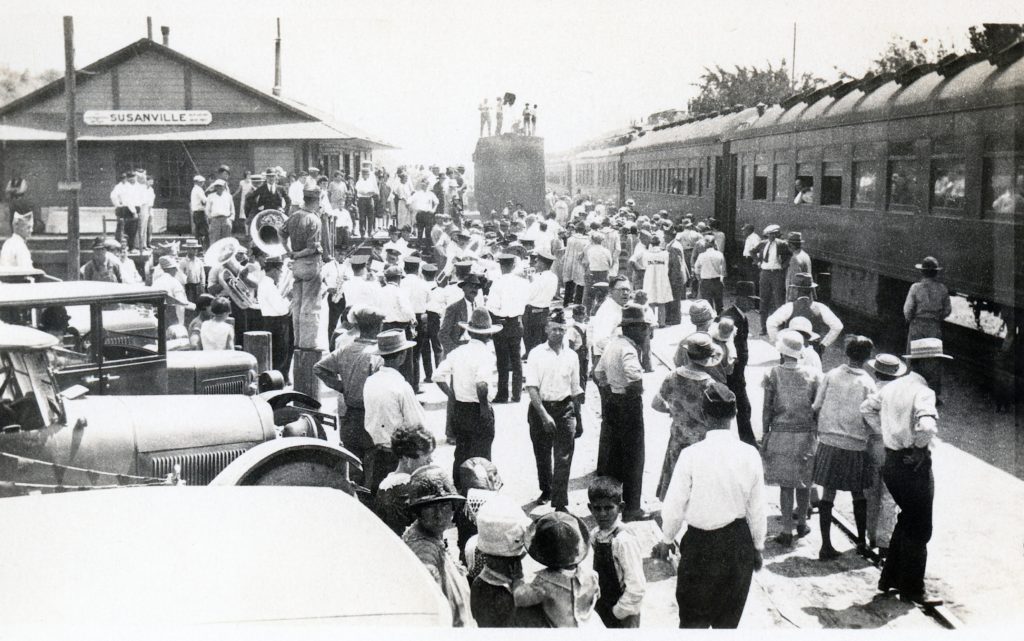
1926 American Legion Convention delegates arriving at the Susanville Depot. Courtesy of Nellygrace Stoll.
The dedication was a spectacular event. The local American Legion Post, Thomas Tucker Post 204 was hosting the California American Legion Convention. A truly amazing feat that drew 2,700 visitors to Susanville.
In 1891, the Eagle Lake Land & Irrigation Company became the latest entity to tap Eagle Lake to irrigate the sagebrush lands near Amedee. They had two propositions to do this. The long term was to finish Merrill’s tunnel. The second one involved a pumping plant to deliver the water. Like the predecessors they would utilize the channel of Willow Creek. At Belfast where Willow Creek enters the Honey Lake Valley the company constructed a twenty-one mile ditch to Amedee. In October 1892, with everything in place, water flowed from Eagle Lake to Amedee. Water would briefly flow the following year. However, the company plagued with financial problems filed for bankruptcy. The pumping plant was dismantled in 1903.
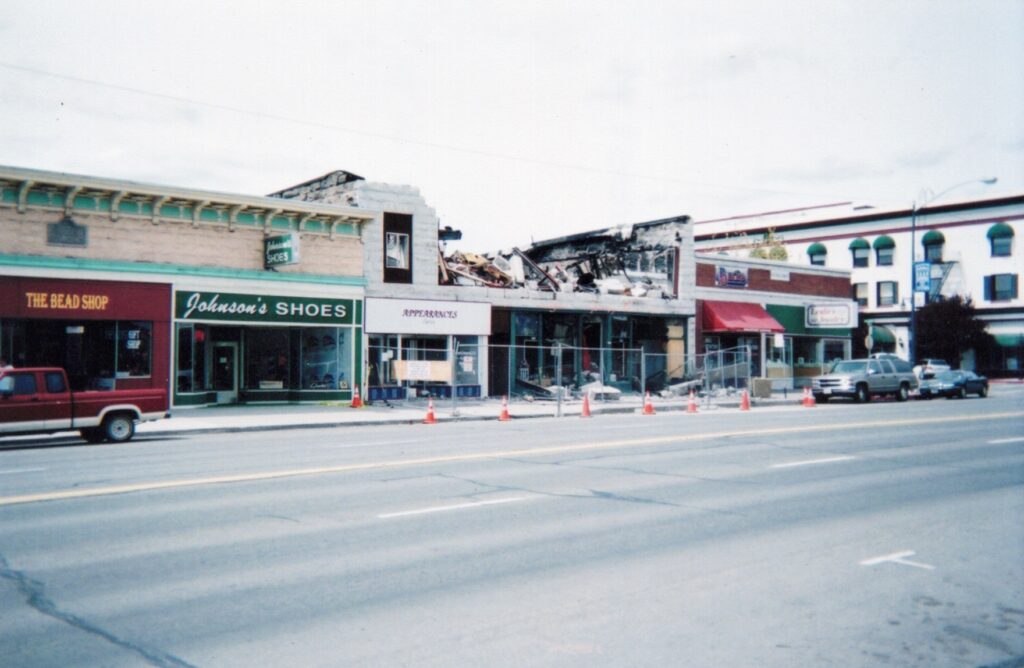
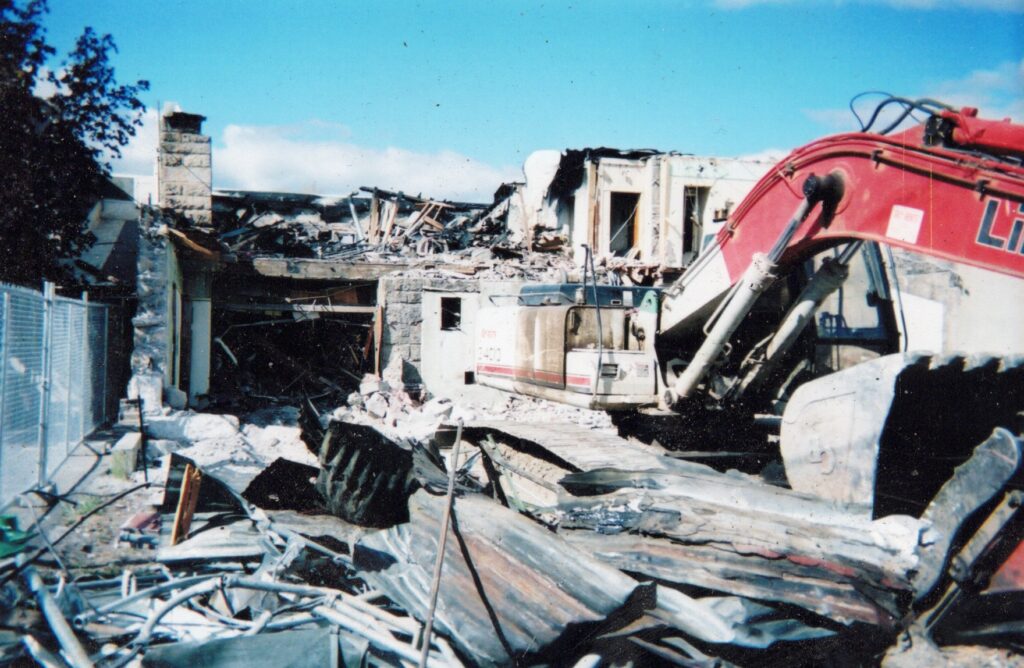
Seasoned residents will remember this as the old Spalding Drug Building. In its later years it was known as The Bootery. It was destroyed by fire on January 5, 2005. In the spring of that year the building’s remnants was bulldozed.
Since that time it has remained a vacant lot. From time to time there has been discussions as to what to do with it, but that has been the extent of it.
George Moore digging out a speeder at Camp 10, January 10, 1952.
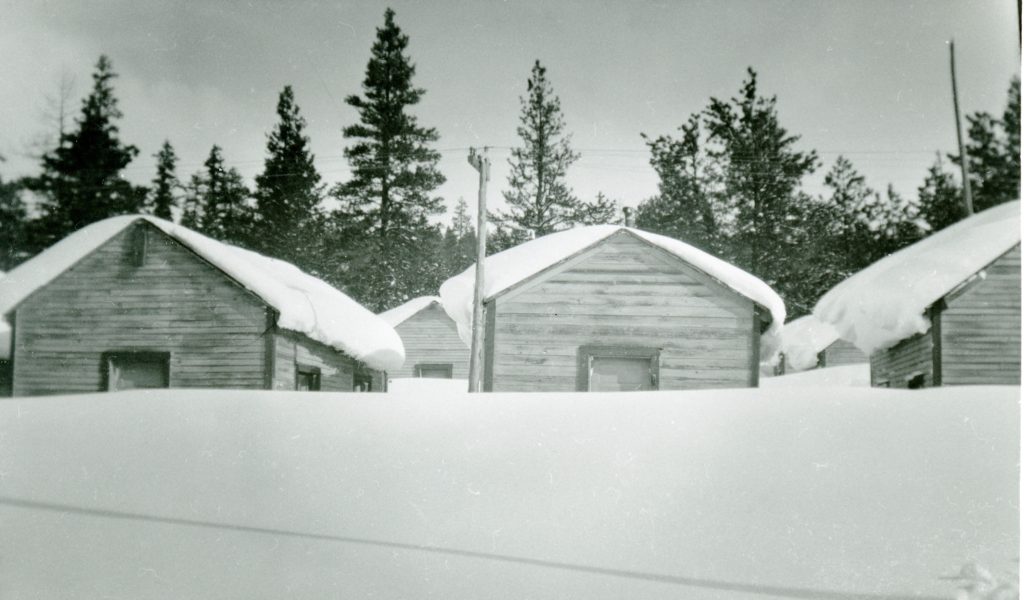
Fruit Growers Supply Company’s Camp 10, located in Pine Creek Valley, west of Eagle Lake was a lively outpost from spring through fall, where over 200 people called it home. For a time it could even boast its own voting precinct. Yet, when the logging season ended, Camp 10 was de-populated, except for one lone soul. A caretaker was hired to keep an eye on everything. In the winter of 1951-52, George Moore was Camp 10 sole resident. The position would soon be eliminated as at the end of the 1952 logging season Camp 10 closed for good.
Since the 1870s there has been a lot organizations formed to promote California. Some were regional and others statewide. One in the 1890s named Made in California. It was replaced by the California Development Board which came into prominence during the Panama Pacific Exposition held in San Francisco in 1915. It was headquartered in that city’s Ferry Building, a landmark that I have never been to. In other news. the unpacking and sorting the archives from the move is a slow process and I have tortured with most difficult boxes of loose documents and photographs.
On August 12, 1912, Jules Alexander, Ike Knoch, J.A. Pardeeand J.E. Pardee formed the Lassen Townsite Company aka Greater Susanville.* With the arrival of the railroad boom times lied ahead. This was no ordinary subdivision, but the town’s largest ever since. It encompassed an area four times of the original incorporated city limits. The subdivision included all the territory east of Richmond Road and south of Susan River to Johnstonville Road, near present Eagle Post Office, and for a southern boundary, the agricultural lands of Sierra StreetThe Lassen Townsite kept the price of their lots at $100 each, with a minimal down payment and am easy installment plan. Asan extra incentive for buyers, they would not responsible for their property taxes until they had paid for their lots.
An added bonus for Lassen Townsite they prevented speculators from developing d tlwnsite along the railroad corridor that would be detrimental to the Susanville business district. Some examples are Standish and Litchfiled Bieber and NuBieber. I hope in further installments to scan images the company’s brochure.
Tim
*It should be noted these gentlemen a year prior attempted to rename Susanville to Lassen.
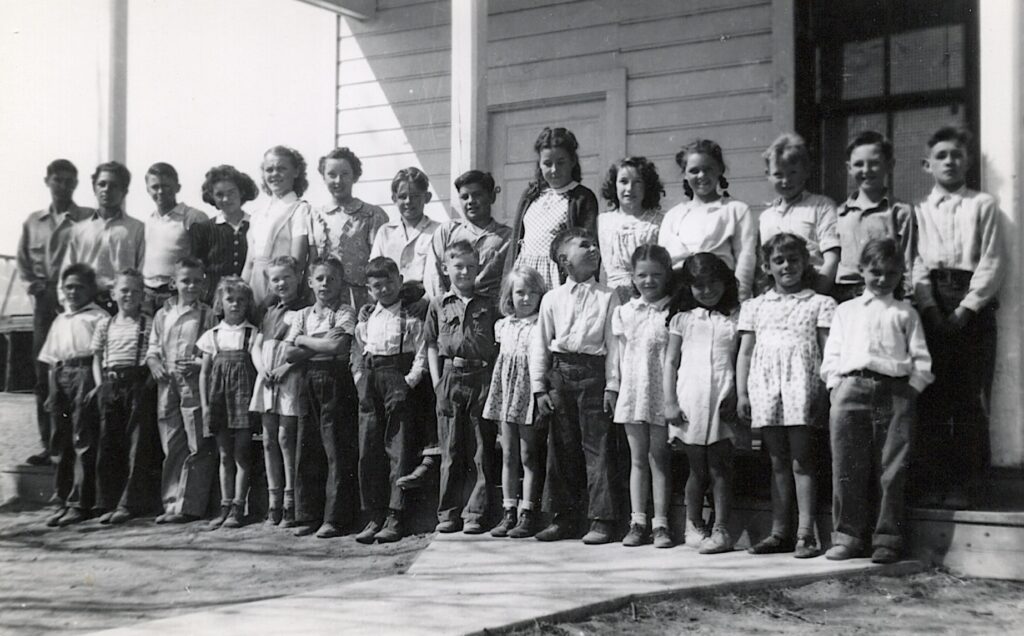
For me it is still hard to fathom that it is back to school in the middle of August. First day for Lassen High is August 13 and Susanville Elementary is August 20. So much for summer break. After all, it does not seem that long ago that the school year did not begin until after Labor Day.
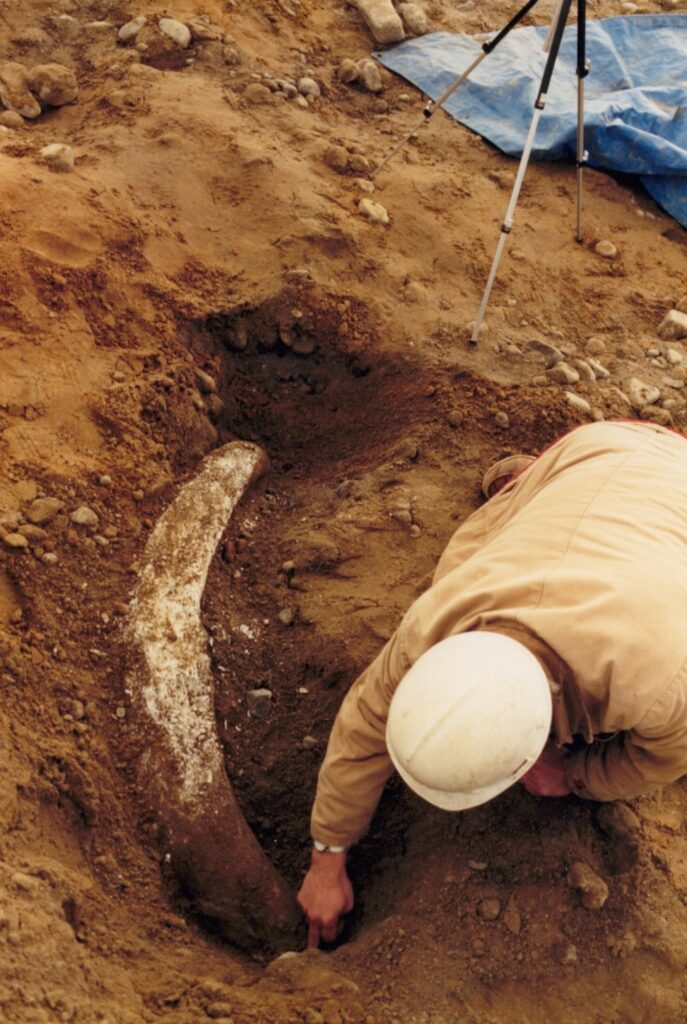
In the Honey Lake Valley area of Belfast, Standish to the State Wildlife Refuges to Wendel are known for the discovery of prehistoric bones. Secret Valley and the eastern Madeline Plains are noted for their finds. The late Francis Riddell confided to me of the “Dinosaur Playground” a site that remains undisturbed. For all I know I may be last person living that knows of its existence.
The Standish Pit of the Lassen County Road Department has unearthed a lot of remains. The late J.R. “Dick” Uptegrove of the Public Works/Road Department would on occasion send the specimens to the University of California, Berkeley for analysis. One of those specimens found near Wendel was the remains of a Camelops of the Pleistocene era. Fast forward the original Lassen College mascot was a Camel, so it was not far fetched, since the camels ancestors roamed this region.
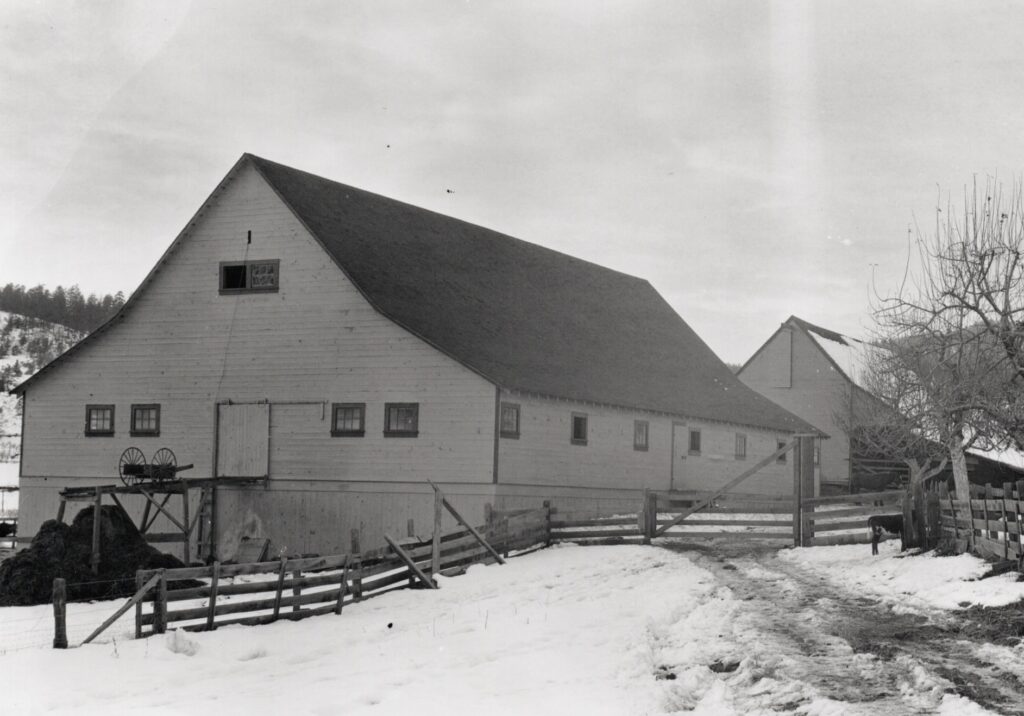
In 1919, the Fruit GrowersSupply Company purchased the Long Ranch just north of Susanville for a sawmill site. Things dramatically changed and Fruit Growers considered using it a winter horse pasture and dairy. Ultimately, the property was leased to Frank O’Kelly who founded Lassen Dairy. The property is now Susanville Ranch Park.
While I do not know the complete history of Lassen Dairy,, while searching through Fruit Growers archives I did find this memo dated: December12, 1934:
“For some time there had been considered a revision of the lease under which the Lassen ranch is operated by Frank O’Kelly. Due to reduced income from dairy products he has been unable to meet the annual $2400.00 annual rental and the Company accepted for 1933, $1800.00 which at least offset taxes and expenses. The Operating Committee had approved the Manager’s recommendation, that rental charged for 1934 be $1600.00, and that a new lease be made with Mr. O’Kelly for five years at an annual rate of $1600.00, such rental to be increased to $1800.00 annually should the retail .price of milk advance to 10 cents a quart.”
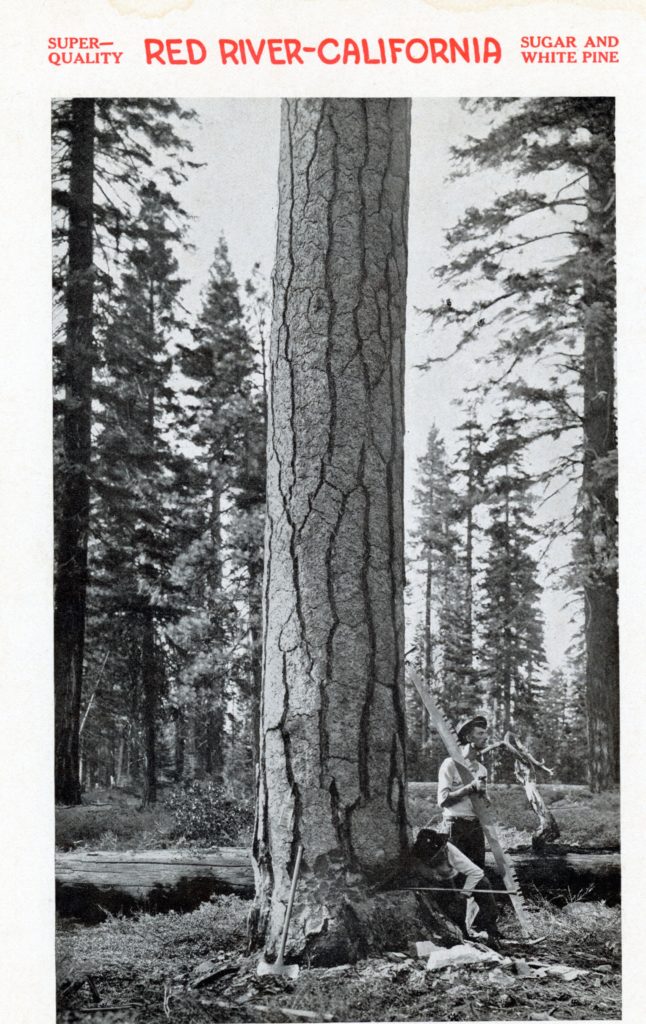
A Red River timber faller preparing to do his job 1915.
Awhile back, I received this message: “I was born in Susanville. I am related to the Peconom family, Joaquins, Dixons. I was just reading about the vast land owned by the Red River Lumber Company (800,000 acres). No where do I see how many of these acres were manipulatively stolen from the Indians. I have checked the government land records for the 160 acre parcels that many of my ancestors owned. They were quickly sold for $200, an old pickup truck, or maybe shack somewhere. I think you need to be honest about the real history of Lassen/Plumas counties.”
For starters it is complex story how Red River and other large timber companies like Collins and Weyerhauser acquired their lands.These include the 1897 Forest Lieu Exchange Act and the Timber and Stone Act of 1878. As to writer’s statement, some background is needed. In 1887, Congress passed the General Allotment Act also known as the Dawes Act. It is a complicated story, however, for Indians not on tribal reservations they were entitled land allotments up to 160 acres. Locally, a majority of these Indian allotments were timberlands. In 1914, two years after Red River established Westwood, the Bureau of Indian Affairs held a public auction of lands the writer referred to. Red River purchased those lands that were located in Mountain Meadows.

 Since that time it has remained a vacant lot. From time to time there has been discussions as to what to do with it, but that has been the extent of it.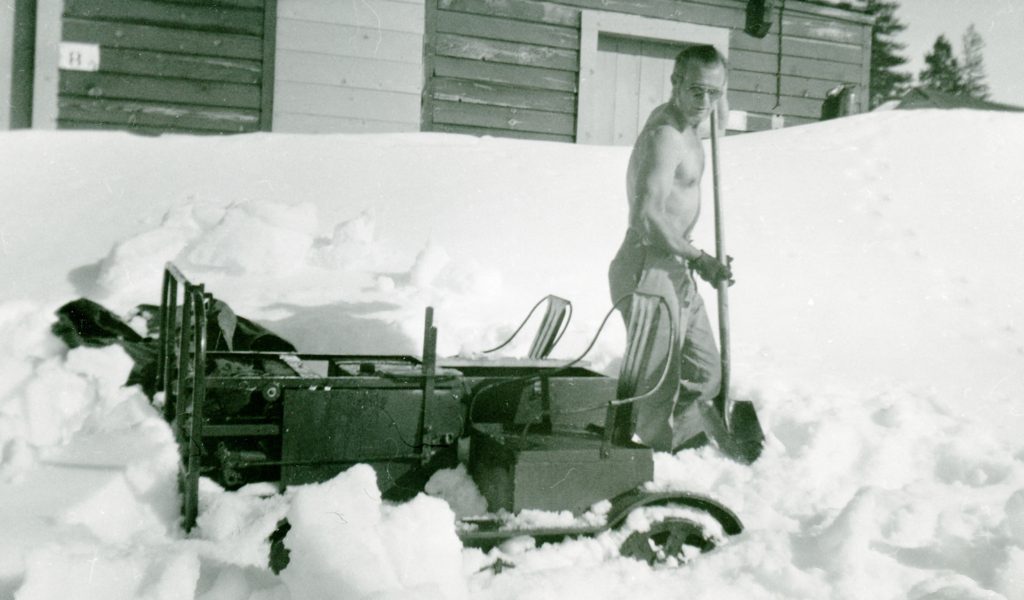
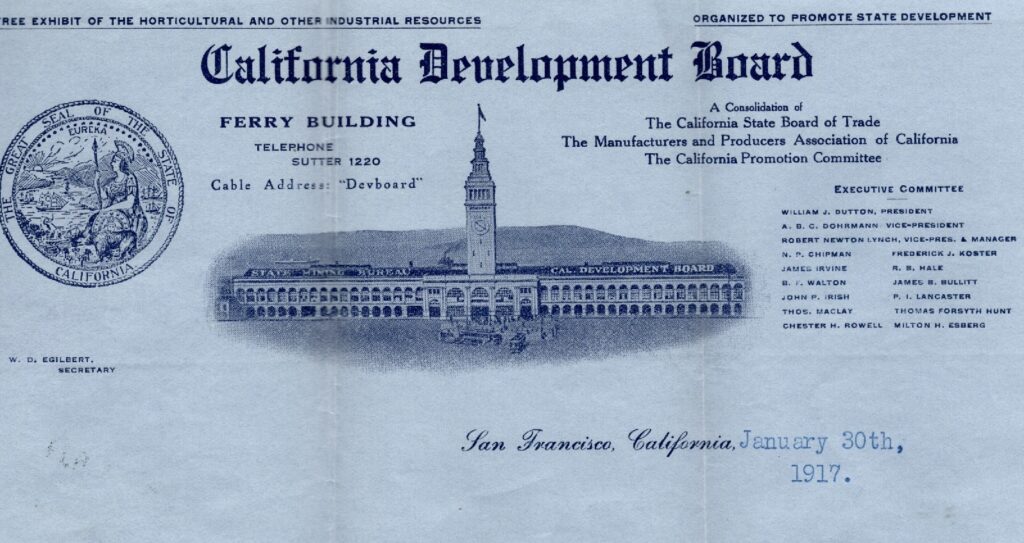 Since the 1870s there has been a lot organizations formed to promote California. Some were regional and others statewide. One in the 1890s named Made in California. It was replaced by the California Development Board which came into prominence during the Panama Pacific Exposition held in San Francisco in 1915. It was headquartered in that city’s Ferry Building, a landmark that I have never been to. In other news. the unpacking and sorting the archives from the move is a slow process and I have tortured with most difficult boxes of loose documents and photographs.
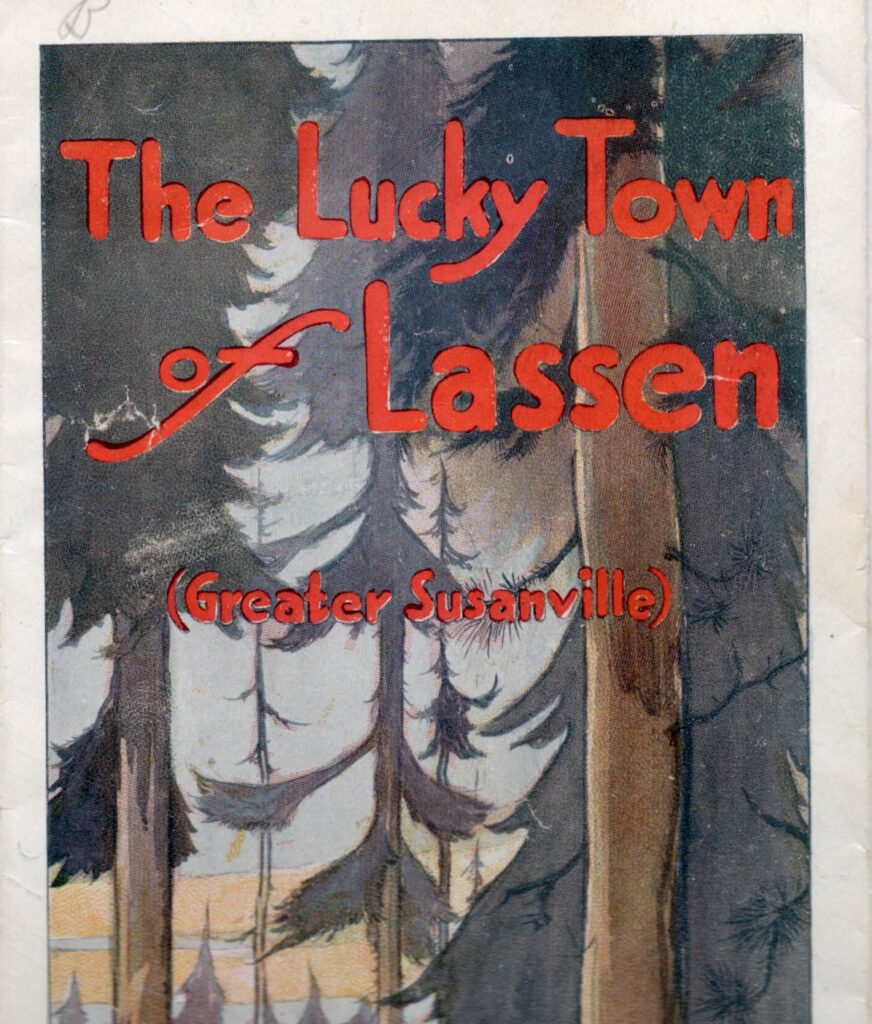 On August 12, 1912, Jules Alexander, Ike Knoch, J.A. Pardeeand J.E. Pardee formed the Lassen Townsite Company aka Greater Susanville.* With the arrival of the railroad boom times lied ahead. This was no ordinary subdivision, but the town’s largest ever since. It encompassed an area four times of the original incorporated city limits. The subdivision included all the territory east of Richmond Road and south of Susan River to Johnstonville Road, near present Eagle Post Office, and for a southern boundary, the agricultural lands of Sierra StreetThe Lassen Townsite kept the price of their lots at $100 each, with a minimal down payment and am easy installment plan. Asan extra incentive for buyers, they would not responsible for their property taxes until they had paid for their lots.