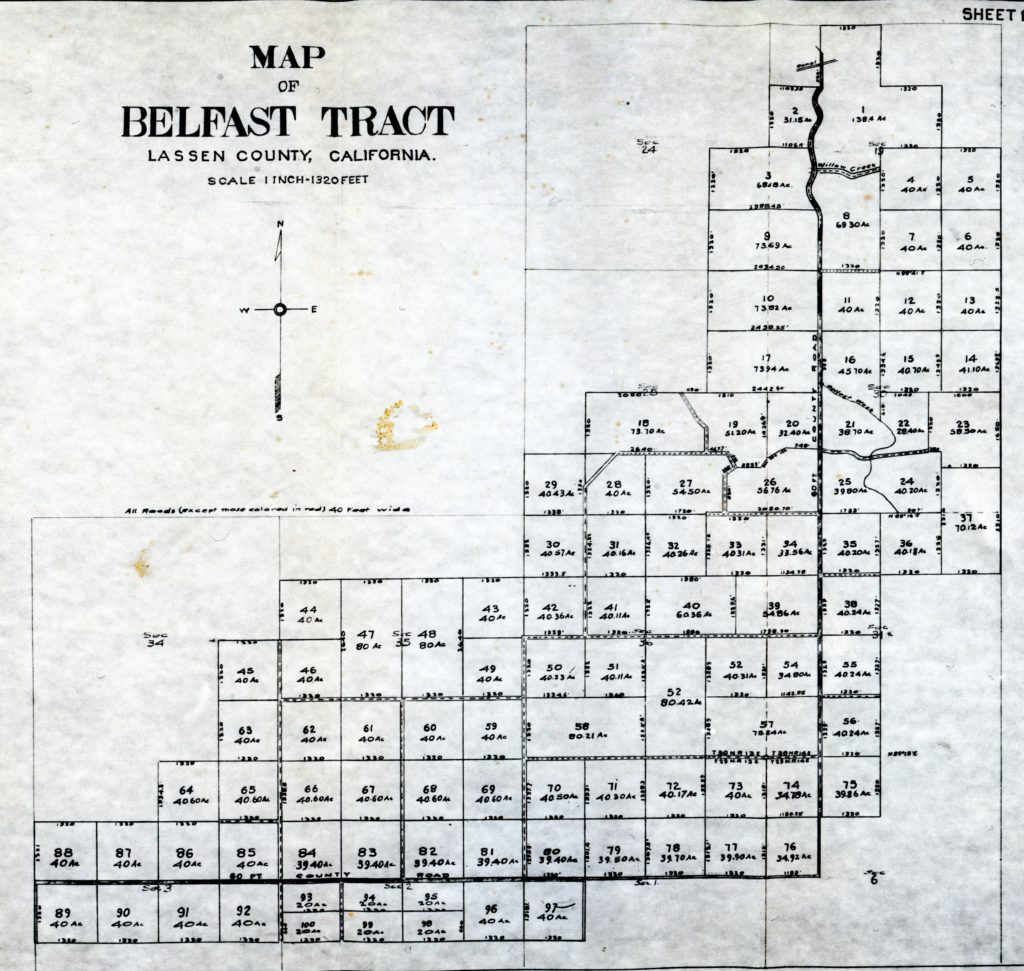
In the spring of 1922, with the anticipation of the completion of the Bly Tunnel brought Belfast to the forefront. Captain C.A. Merrill one of the original instigators of the tapping of Eagle Lake spent twenty-five years on the project that in hopes one day it would be transformed into a major agricultural center. Charles Emerson and D.G. Beale plan to resurrect Merrill’s dream by acquiring 4,360 acres at Belfast from the B.F. Porter Estate. It was their intention to form a “colony” and sell 40-acre tracts. The two men formed the Belfast Land Company to orchestrate their goal. The major obstacle, of course, was financing. The Porter Estate wanted $100,000 for the property and the Belfast Land Company could not arrange financial backing.
This is an update of the situations that began in the spring. My leg injury is slow but sure, but it takes time. As I have been told, to be patient, since I am not twenty! My goal is to become mobile enough that I am able to go to grocery store by myself by Labor Day. Ultimately, time will tell.
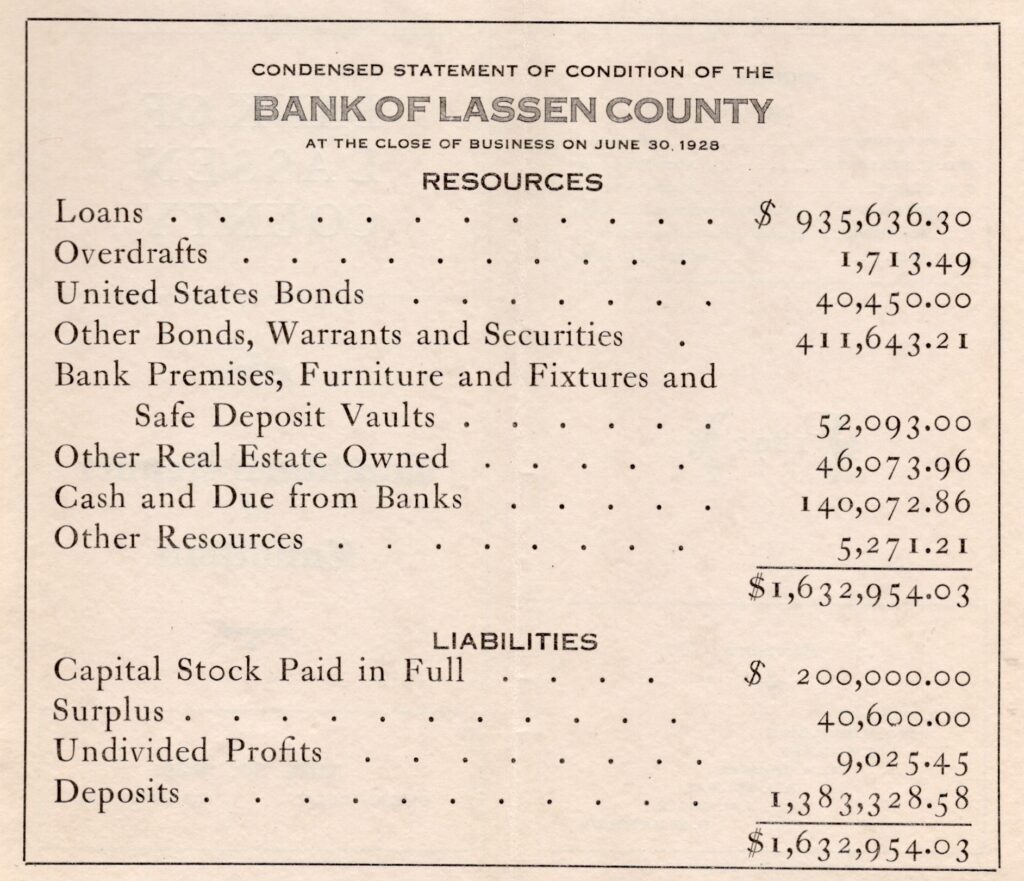
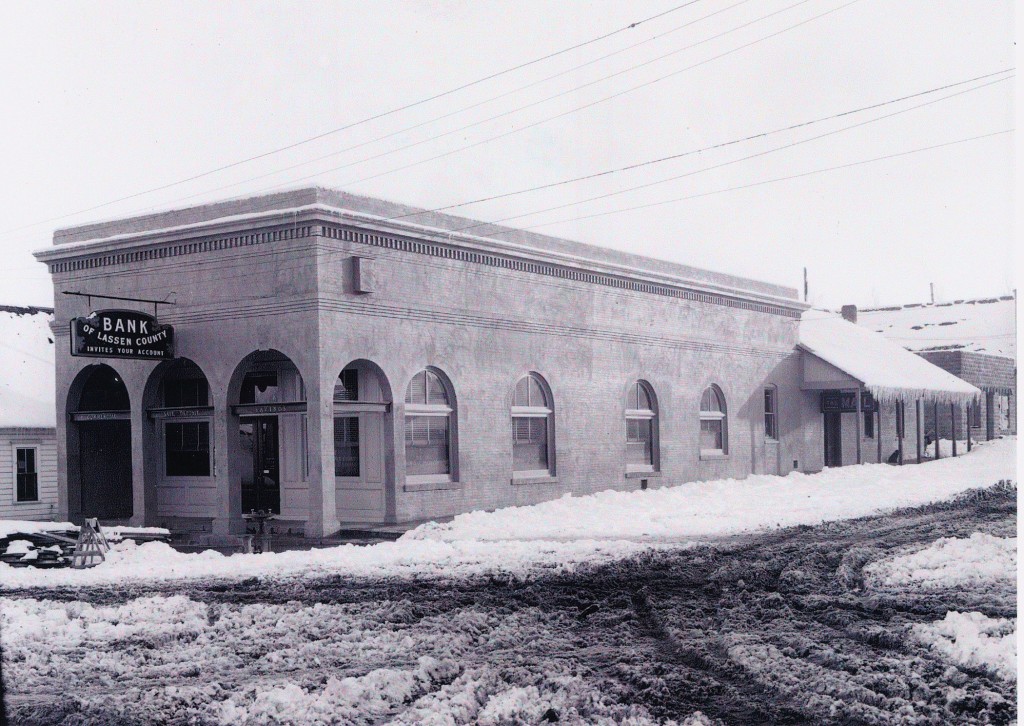
Bank of Lassen County at Main and Gay Streets
While I am moved in, I am not unpacked. There are various boxes in the spare bedroom upstairs, a lot it archives for future columns, that I need downstairs. So, I am search of a local volunteer or two, to bring down a box or two a week, to assist me me that I can resume in time to have a normal life. Just frustrating. I, thank you for your patience, and tomorrow a regular feature.
Tim
Last Saturday someone brought down two boxes. I am sifting through the Zimmerman collection, Elledge papers, Tanner Ranch and Trails West archives. Lo and behold a small box of glass plate negatives that I need to examine.
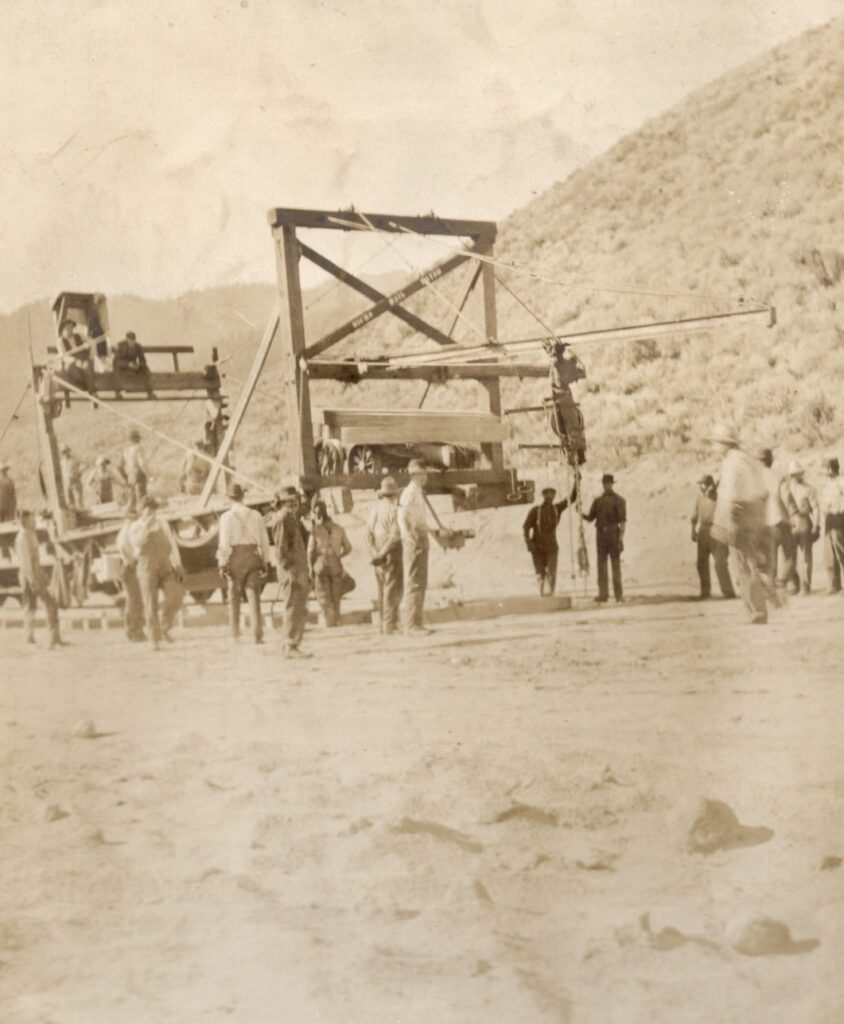
Western Pacific Railroad construction near Constantia, 1908
With September approaching, one of my projects is for the 2027 calendar. The photograph selection is near completion, which is one hurdle. The August 2026 photograph, since many have not seen it, is track laying of the Western Pacific Railroad near Constantia. It is interesting to note that many of the workforce of this particular segment of railroad were Greeks.
Tim
Note: It appears that print calendars are becoming a relic of the past, and the 2027 calendar is very limited, so may want to reserve yours now.
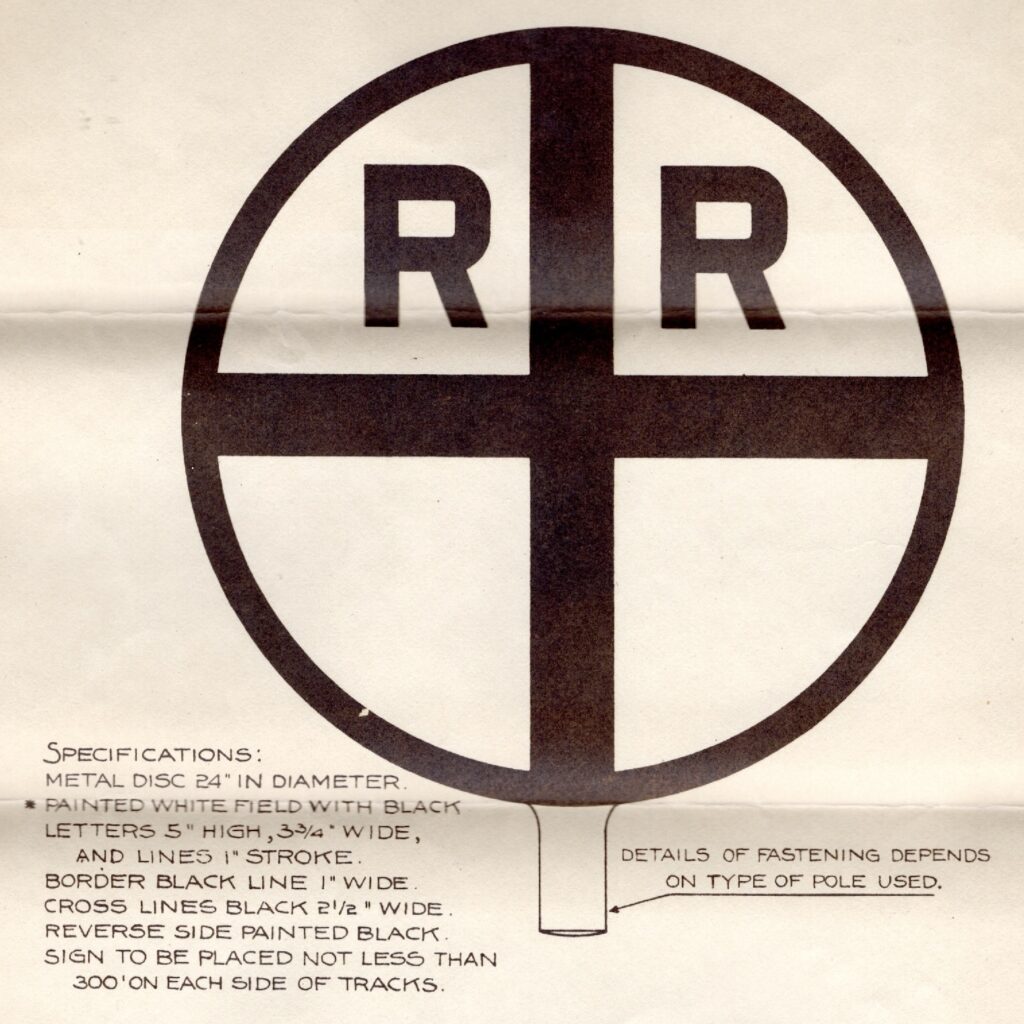
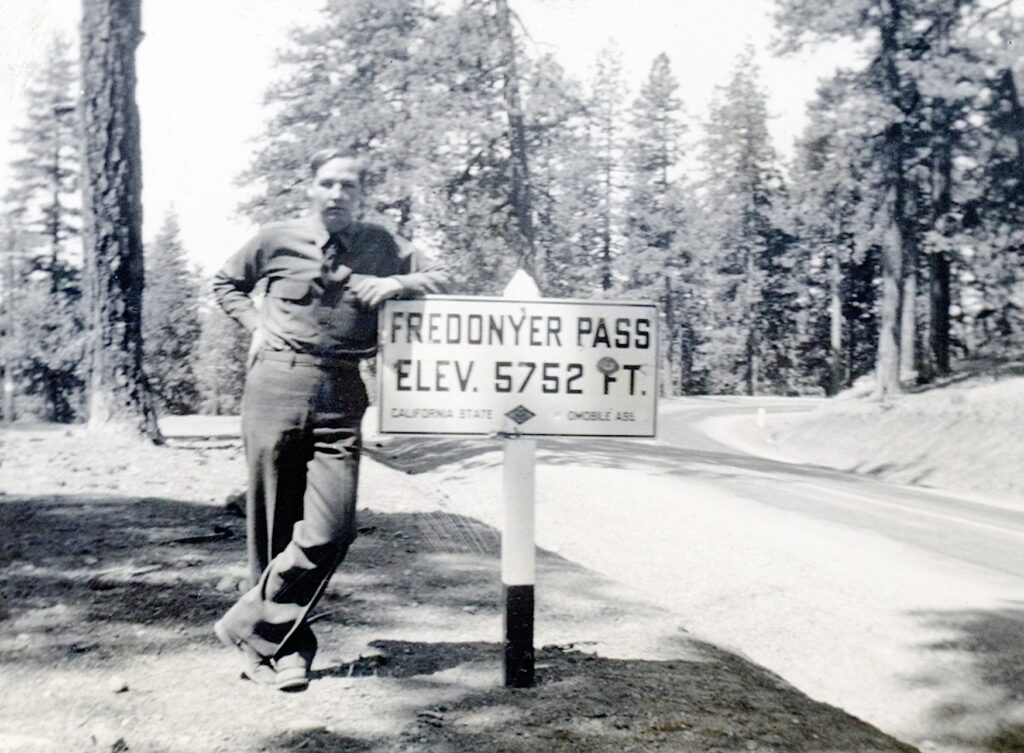
By 1916, California voters overwhelmingly passed bond measure to initially construct a state highway system. Prior that the California Railroad Commission had enacted legislation for the adoption of the railroad crossing signs. In 1917, they adopted a standard signage. Similar to that AAA road signs with a white enamel bordered black lettering.
Fredonyer Pass, 1936-C.H. Bennett Collection
It should be noted the speed limit was fifteen miles per hour when approaching a railroad crossing.
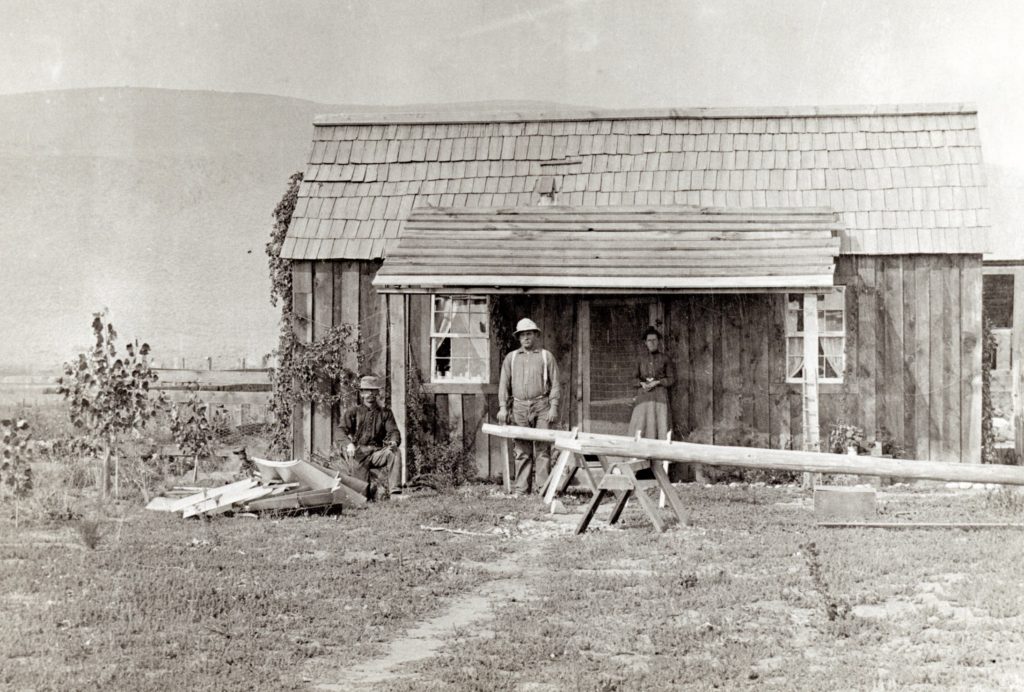
Robert & Mabel homestead near Standish, 1903—Helen Rice
In California you can file a Homestead declaration for your primary residence. This should not be confused in the pioneer era where one settled on federal land, make improvements as such as a cabin which one conjures as a homestead. Once that individuaL met required improvements and paid a nominal fee they were issued a federal land patent and became owners of that land.
A California homestead is an entirely different document. The owner records a declaration with the county recorder. Usually one does it because pending litigation to protect their residence from creditors. It is my understating should claim/verdict or court judgement is awarded against you ,you retain the right to still reside on the property. A lien will be filed. and once you sell, the lien holder is paid first for the sum owed.
I am still sorting through varied loose documents as it is a time consuming task.. Some of them I will cover. These include a Gentlemen’s Agreement between Fruit Growers and the Susanville business community, an explanation between a California homestead and a federal one, the 1937 inspection of the Westwood Jail (which does anyone have photograph of it that was next the fire hall) and a assortment of other topics.
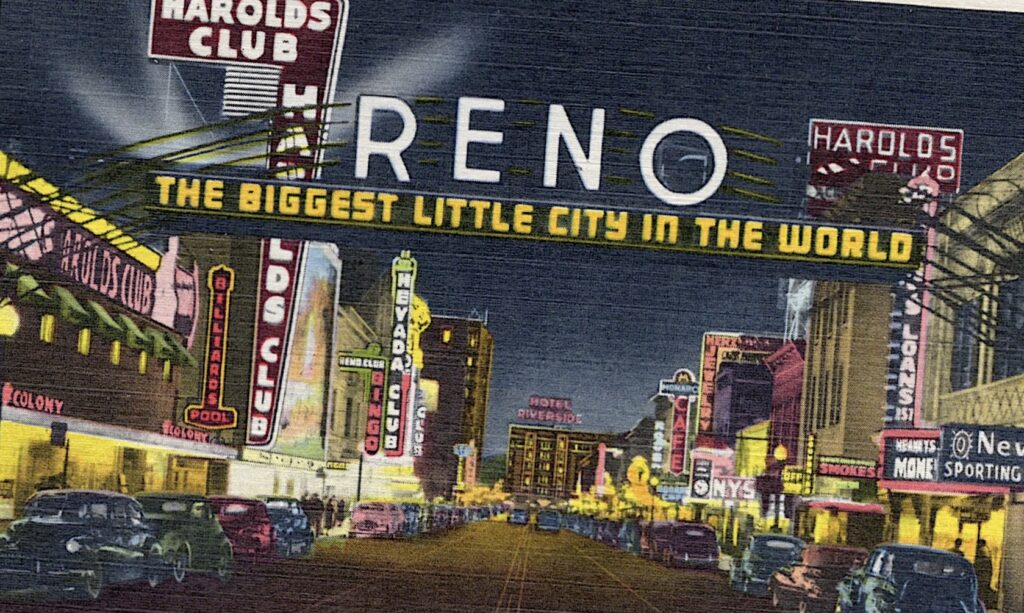
I have two newspaper articles from the 1980s, One is from Reno Gazette Journal about Franklyn Jeans and his Fish Springs ranch to pump water from eastern side of Honey Lake Valley to Reno. The other is an article that appeared in the Sacramento Bee about the infamous Madeline rancher, John Jay Casey. Let me know if you would like to pursue those, otherwise I will place in their respective files.
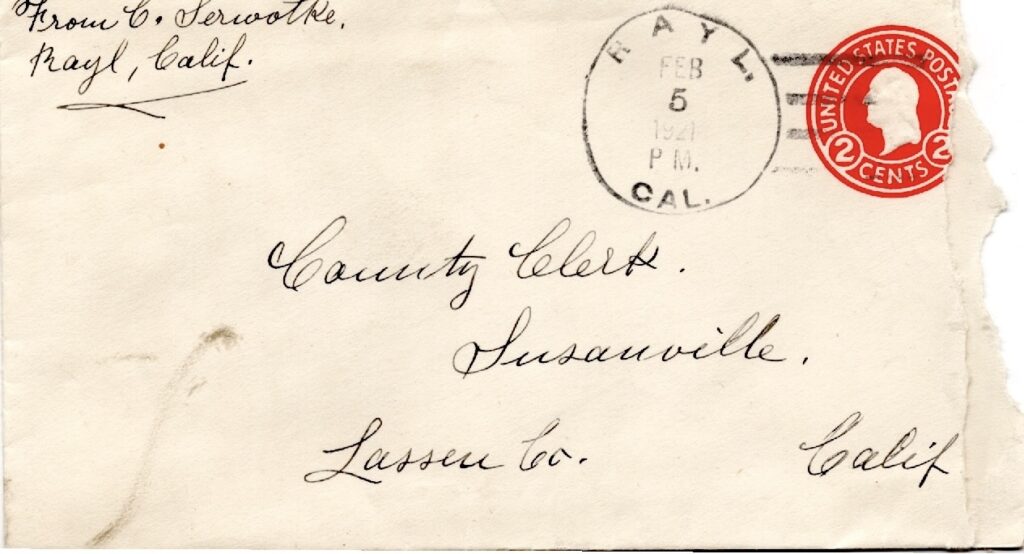
Serwoke’s cover envelope with a rare Rayl postal cancel, 1921
There were some hardy souls that were lured to eastern Honey Lake Valley with the promise that irrigation companies of plentiful water would transform the sagebrush lands into a verdant wonderland. Countless companies formed and later went, but some individuals remained. For those who remained they did not have many options and remained, at least they owned land. One of those was a man by name of Carl Serwotke who arrived in the early 1890s.
Upon his arrival, while the reclamation companies failed deliver water at least Mother Nature was cooperative. It was during this period until1917 the region experienced one its ever recorded wet cycles. While the desert homesteaders met with a lot struggles the above normal precipitation made things some what bearable.
1917 the region’s twenty year drought began. Many a desert homesteader abandoned their homesteads and sought a new life elsewhere. Serwotke was not one them. However, in 1921 he appealed to the Lassen County Board of Supervisors for property tax relief. Serwotke wrote:
“I beg pardon-I see you try to tax the dry land much higher now when their sagebrush land in this for ability is worth to tax 2 and 3 dollars per acre, then that land, where they have water and are able to to grow everything on, ought to be tax from 75 to100 per acre. Last year, I sowed 1 ton of rye for hay for my horses, but didn’t get anything and had buy $150 worth of hay, and paid about 25 dollars taxes. And this year I sowed the same amount of rye and got nothing neither, so have buy hay again. When a person can’t sell anything from the dry land to pay the present taxes with, then how can he be able to pay more. ”
From then on it was exercise in futility. He died in 1929 and is buried in the Honey Lake Cemetery (Stacy). There is no marker for his grave.
The abandoned Milford Flour Mill as it appeared in 1901. Courtesy of the A.J. Mathews family
Yesterday, we explored the origins of Honey Lake feed. There were three other flour mills in the Honey Lake Valley. The first one was built in 1861 at Milford. Since the village boasted a sawmill, and a flour mill, it was decided to name place Milford.
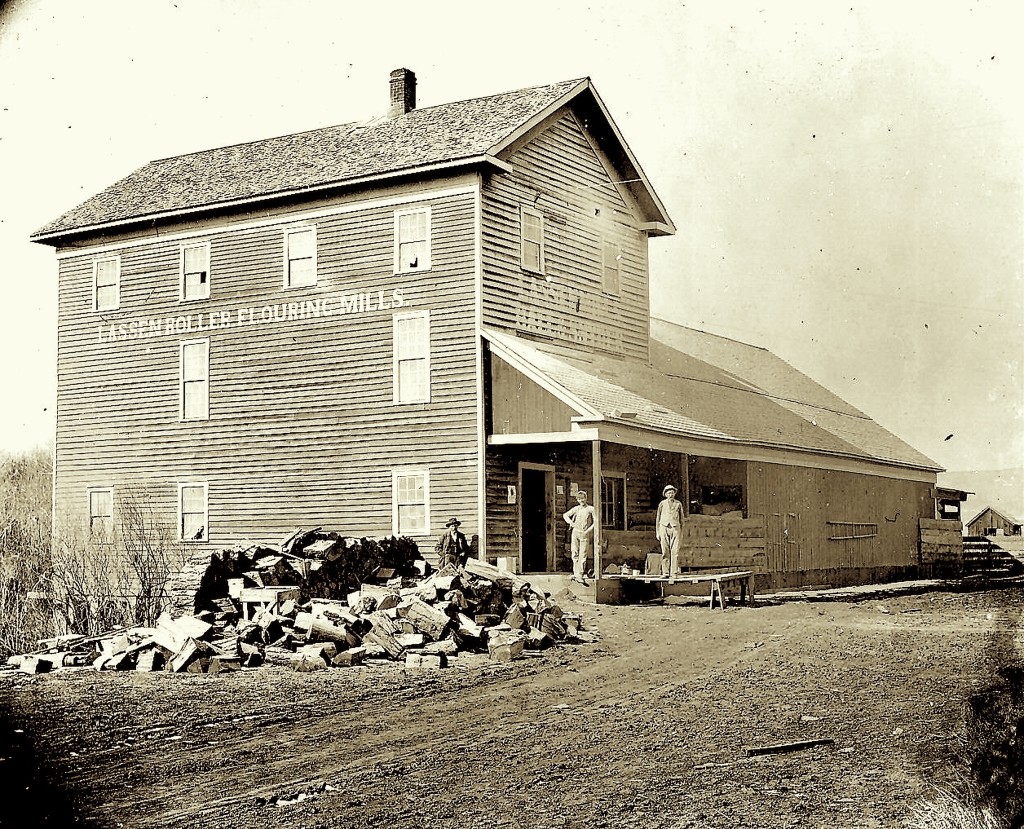
The Lassen Flouring Mill, 1901. Courtesy of the A.J. Mathews family.
The second mill was built in 1864 at Johnstonville near the location of the former Gables. For nearly its entire operation it was owned Hall & Snyder and closed by 1908.
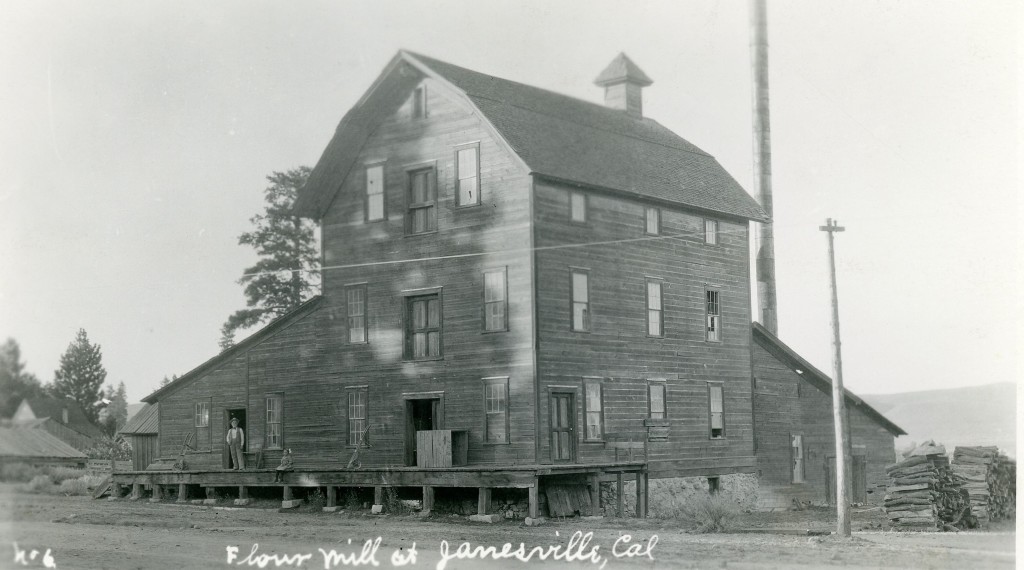
Janesville Flour Mill, 1913.
In 1882, H.H. Dakin owner of the Milford Mill wanted to expand and build a new mill. He chose Janesville. That mill was shuttered in 1918.
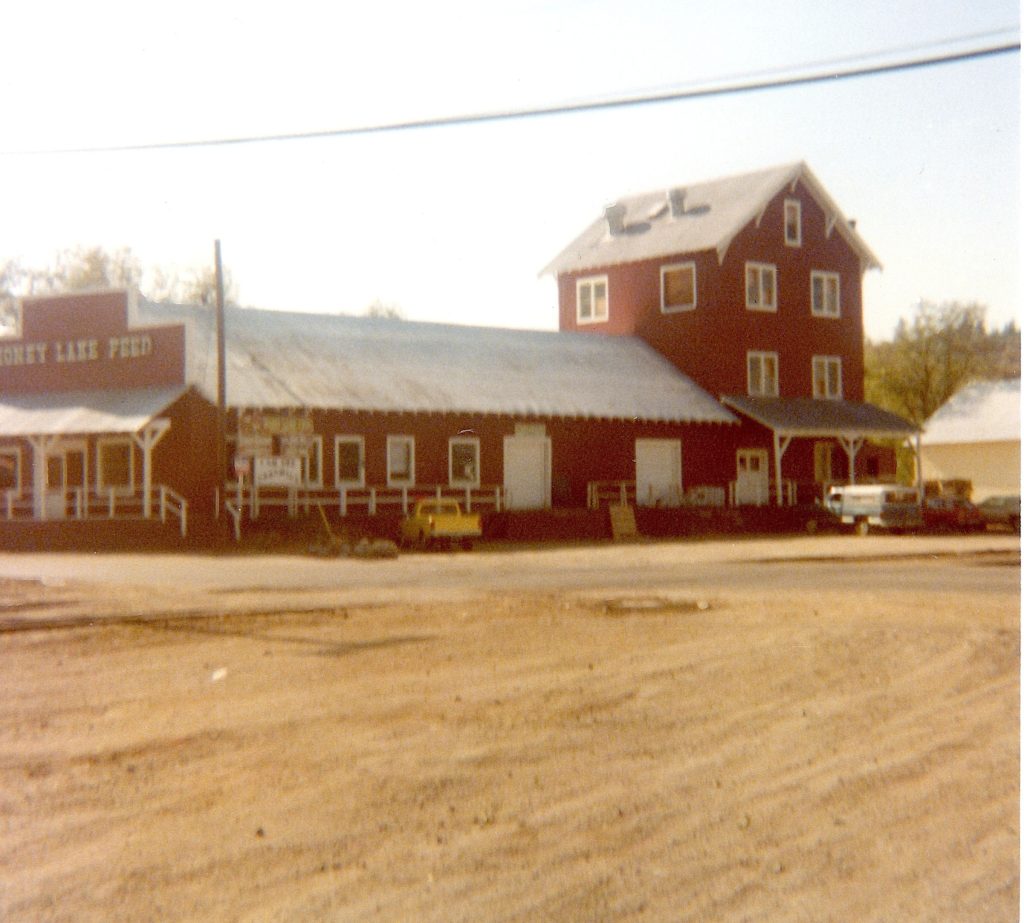
For seasoned residents this building may be familiar. It was Bronson & Doyle’s Honey Lake Feed located on Richmond Road. Susanville. It is now a vacant lot.
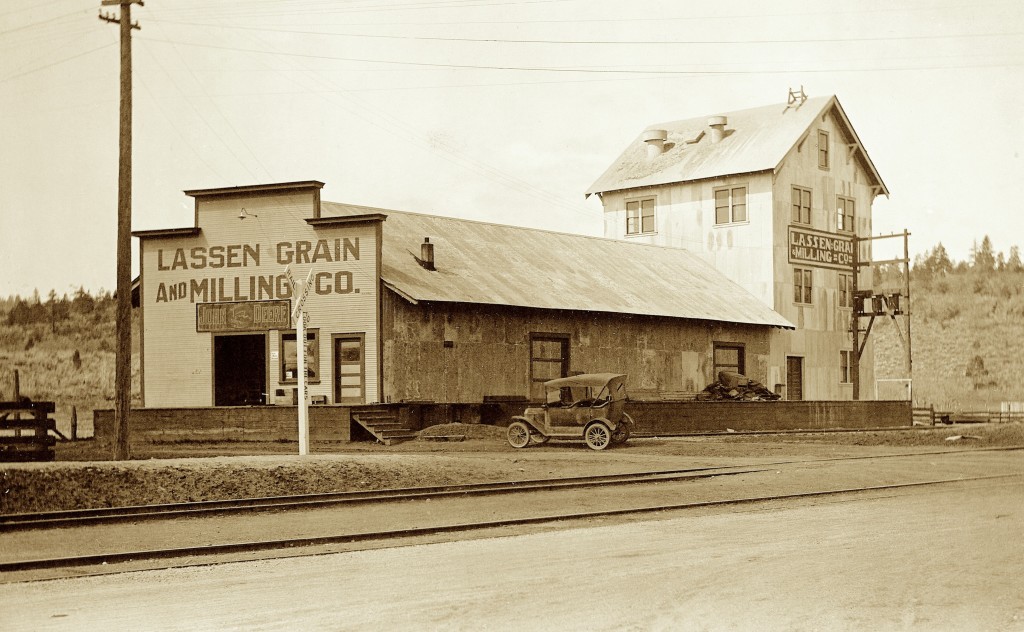
Lassen Grain & Milling Company, circa 1918. Courtesy of Dick & Helen Harrison
By 1912, with the arrival of the railroad and increased population growth, locally there was a flour drought. The Johnstonville mill had closed and the in Janesville the mill was operating at half capacity at the harvest season. In February 1917, Fred Begin organized a new company, the Lassen Grain & Milling Company to rectify the situation. When the news broke, it made the grain growers of the Honey Lake Valley rejoice.
The site selected was on Richmond Road across from the Susanville Depot. Excavation began in April with the goal of being in operation by June. However, with President Wilson’s declaration of war, changed everything. Building supplies and especially machinery was difficult to come by, and the war effort took priority. It was not until mid-November when it was placed into operation. The company’s brand name was Honey Lake Family Flour.
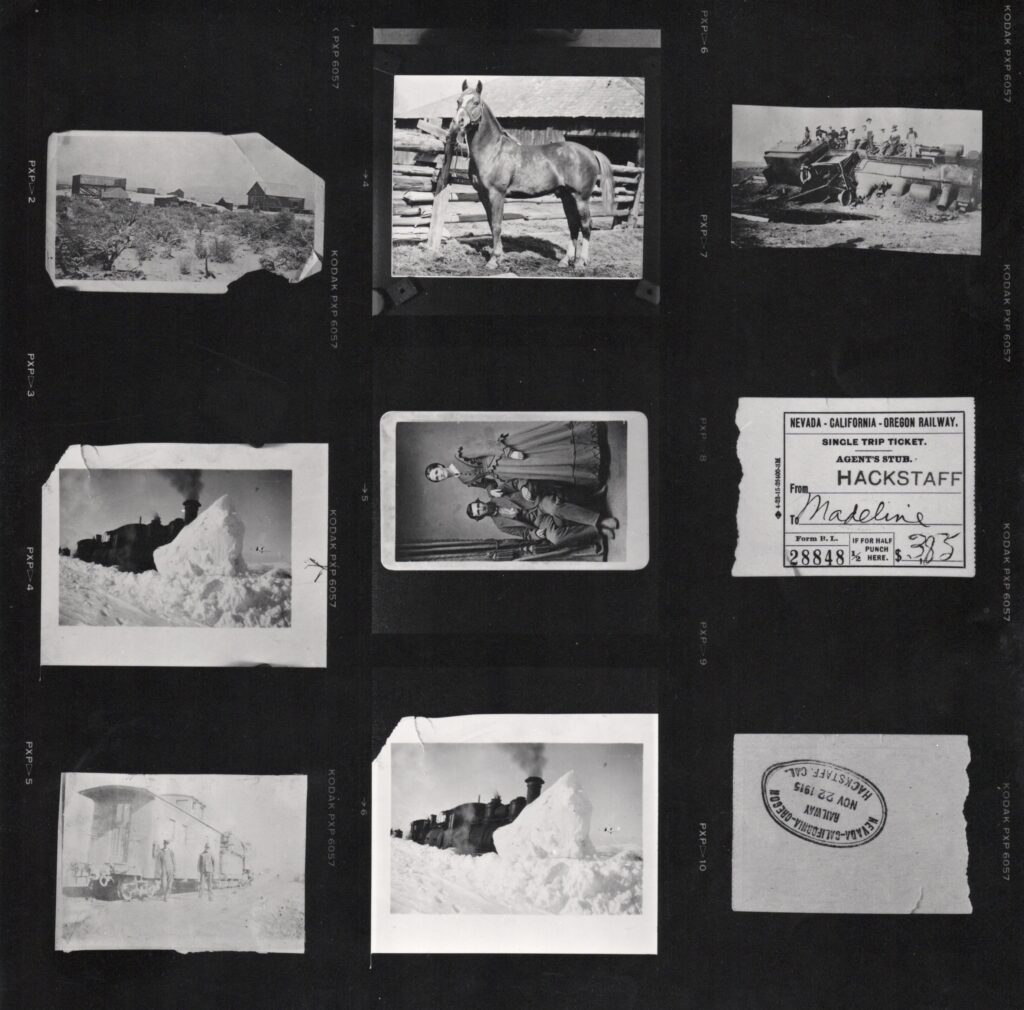
When I first started research in the 1970s, I had a heavy cast iron Remington/Rand typewriter. When I came across vintage photographs that was problematic. I would at least zero copy of them, and when I had funds, have a copy negative made. A pricey cost. In early 1980s, Tony Mindling, a photographer, moved to Susanville. One of his clients was the Nevada Historical Society, which he made reproductions. Since Tony’s copy negatives were 2 1/4 x 2 1/4 format, it was less expensive then Eastman’s 4 x 5. When I would have a large batch of work for Tony he would provide with a contact sheet shown above. It should be noted, there were two prints above, that were not NCO related–George Bangham and Frank White’s horse.