Paul Bunyan Trademark

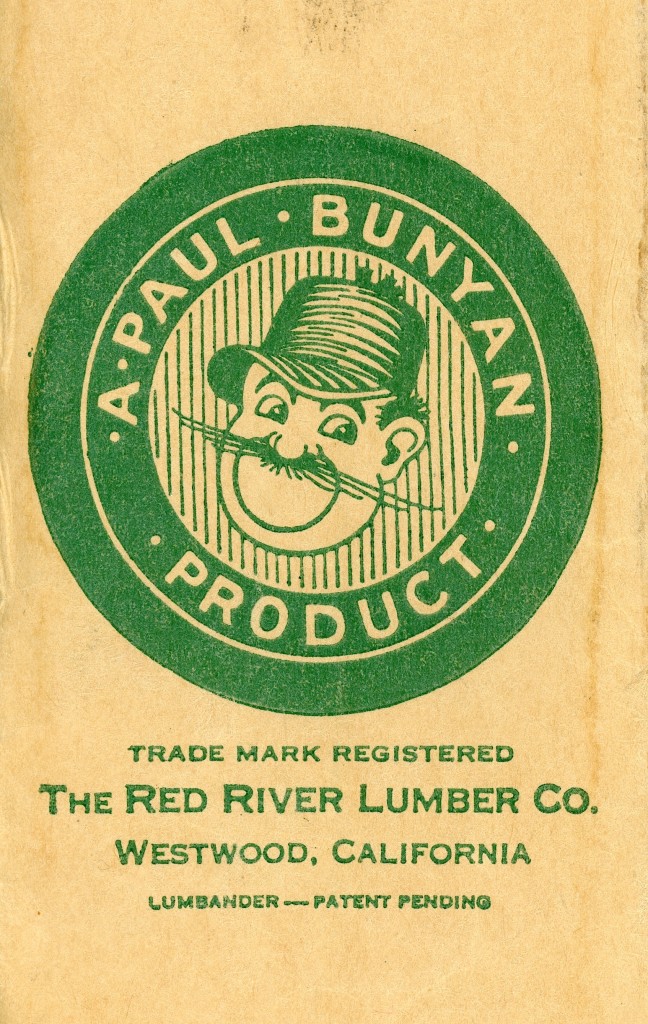
Packaging tape with the Paul Bunyan trademark.
Packaging tape with the Paul Bunyan trademark.Courtesy of John Webb

In the logging camps in Canada and Northeastern United States as folklore would have it, tales of the mythical Paul Bunyan was born. Stories were passed around in the camps, no written account.

In 1900, W. B. “Bill” Laughead, a cousin to T.B. Walker, went to work in Red River Lumber Company’s logging camps at Akeley, Minnesota.  There he undertook many jobs starting as a camp chore-cook and ending as a construction engineer. After eight years of working in the woods, he decided to move to Minneapolis working odd jobs and experimented with free-lance advertising work. It was at this time, Laughead drew the first known character drawing of Paul Bunyan, in part of an advertising campaign for Red River’s new California operation.   Laughead created the company logo, of a circular design, with his Paul Bunyan’s face, accompanied on the outside with the words Paul Bunyan’s Pine and it became Red River’s registered trademark. The logo was placed on many products and even on its logging trucks. For a short time, Red River even bottled their own soda beverage, with the embossed bottles displaying the trademark. When the company expanded into other operations, they changed it to a Paul Bunyan Product.

In the 1940s, during the dissolution process of Red River, Kenneth Walker continued in the lumber business. In doing so, the trademark was transferred to him, since his own enterprise was the Paul Bunyan Lumber Company.
Never miss a story, click here.

McKissick Ranch – Then and Now

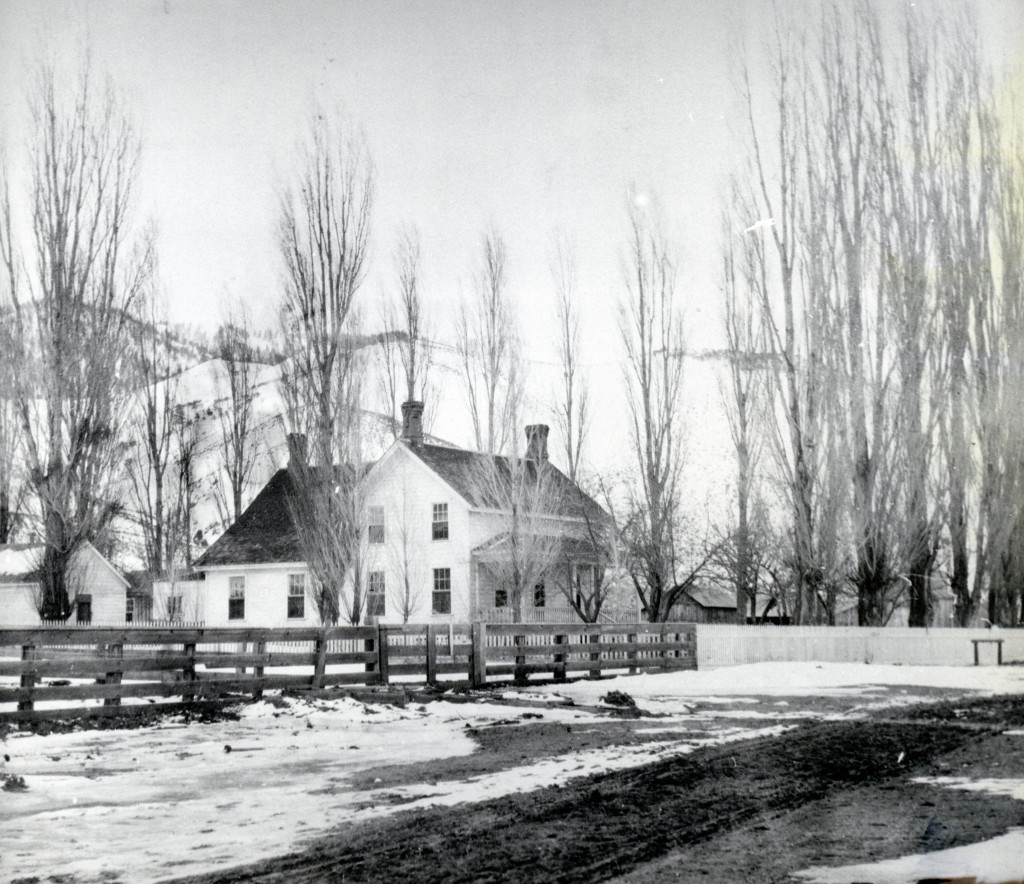
McKissick Ranch, 1903. Courtesy of PhilipS. Hall

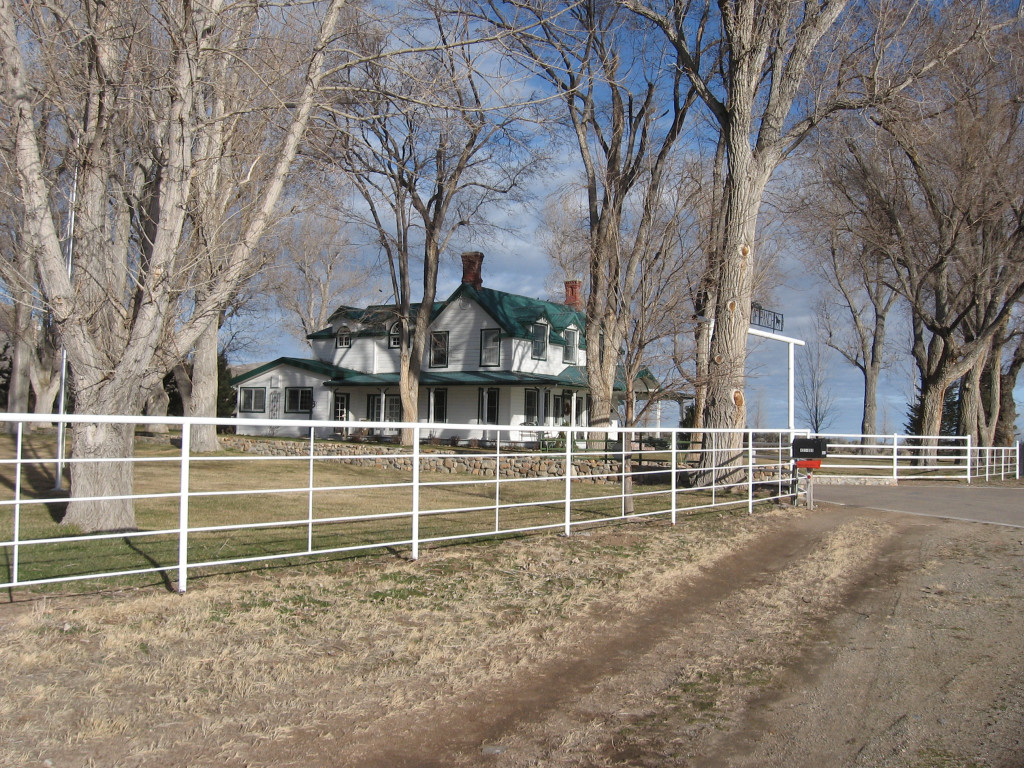
In 1859, Jacob “Uncle Jake” McKissick located in Long Valley in a short distance of what would be later the town of Doyle. In the summer of 1877 he had this ranch house constructed, a rather large home for a bachelor.

The house as it appeared on February 24, 2016.

Never miss a story, click here.

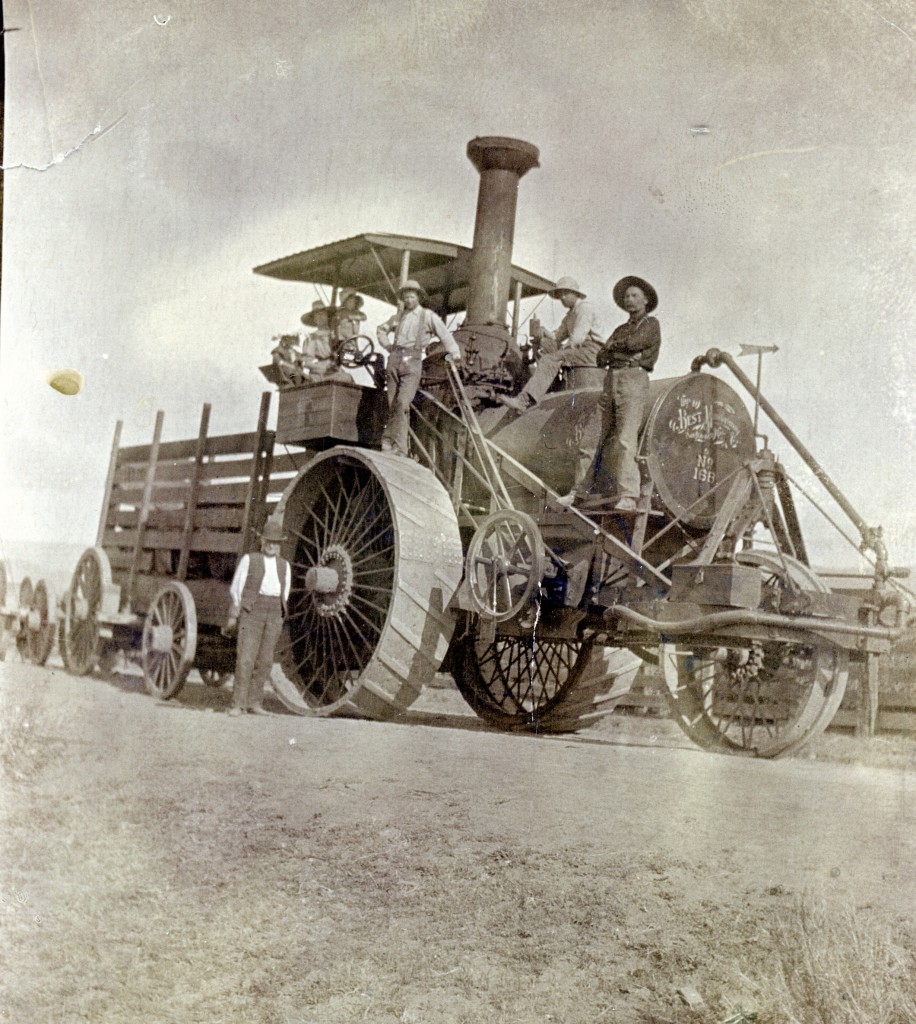
Harrison’s Traction Engine

Harrison's "might beast." Courtesy of Lola L. Tanner
Harrison’s “mighty beast.” Courtesy of Lola L. Tanner

1907 was a a most interesting one  in certain circles. There was a national financial crisis, but California and Nevada were experiencing a building boom. For the Golden State it was still in the midst of rebuilding the San Francisco Bay region from the previous year’s earthquake. For the Silver State, a mining bonanza it had not experienced since the discovery of the Comstock.  These two episodes created a lumber shortage. Lassen County’s timber resources had basically remained untapped due to the lack of a railroad infrastructure to develop it. Continue reading Harrison’s Traction Engine

Lassen County – Wendel

Wendel Depot. Courtesy of Aldah Riesenman

Yesterday, I came across an article in the New York Times about the Wendel family. However, while quite interesting, it was not the same Wendel clan for the railroad town of the same name.  The Nevada-California-Oregon Railroad (NCO) named it after German investor Charles de Wendel. Some twenty-five years ago, Armin Wendel a family descendant contacted me about this town, which he thought was a major U.S. city. He assigned an assistant to make arrangements for a visit. That person contacted me about the Wendel International Airport, and was there a Holiday Day Inn where her boss could stay among many other inquiries. Needless to say Armin was disappointed when I relayed the conditions of the town along with photographs and he never made the journey.

It should be noted, there were two Wendels on the Nevada-California-Oregon Railroad (NCO). The first Wendel Station was established in 1913 in Lake County, Oregon and its existence was brief. In October 1914, the Lassen Advocate reported that the NCO and Southern Pacific (SP) Junction name was to be changed from Caloreta to Wendel. In addition, the post office located there was known as Purser, and that name would also be changed to Wendel. While the NCO adopted the name change, the SP did not change it to Wendel until 1917.

Never miss a story, subscribe and support by clicking here.


Lassen County Brand Index

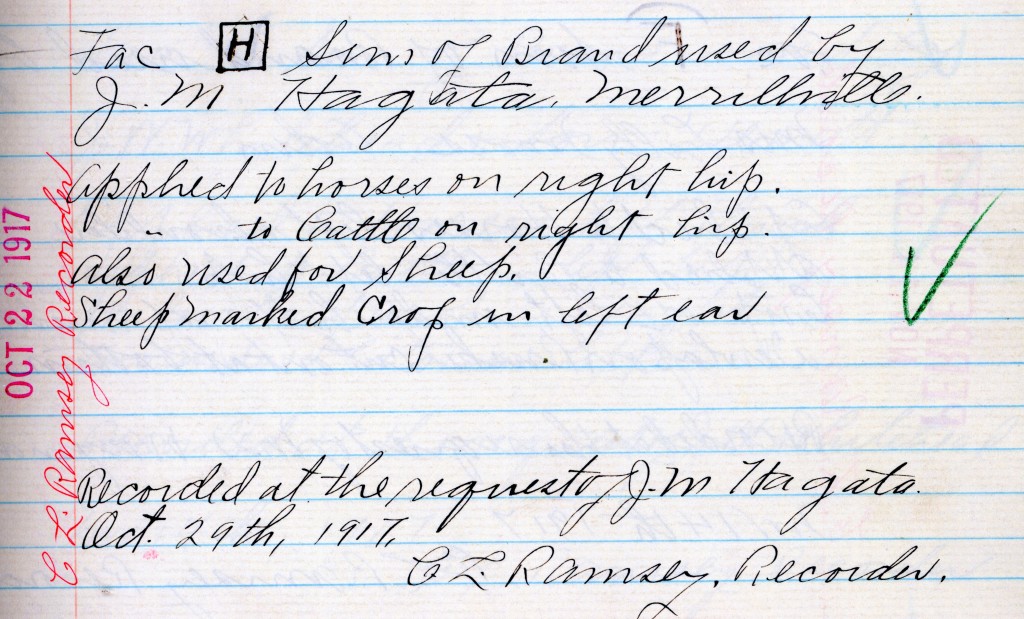
Recorded brand of J.M. Hagata

I am pleased to announce that the index of Book A, of Lassen County Brands is now online. This covers the period from October 20, 1864 when Thomas Watson was the first person to record a livestock brand to February 13, 1918, when the last brand recorded was for F. Lanigar & Son.

The index is quite interesting, especially who recorded their brand and who did not want. Take for instance the Hagata brand appears, but not the Wood brand or Wemple. Of some trivia, in 1875, Sarah Sornberger of Big Valley was the first woman to record a brand. In 1876, Charles Willard registered the first brand designated for sheep. While many associate sheep with the Basques, it was not until 1907 when Baptiste Alsaga became the first Basque in Lassen County to register a brand.

Click here to examine the brand index.

Susanville’s First Golf Course

A view looking at the former Ridenour property with the Sella dairy in the foreground, 1950s. Courtesy of Wendell V. Loughead

After World War I, a new sport captured the nation and Lassen County got swept up in that craze. Golf. It was A.G. Breitwieser of the Lassen Lumber & Box Company, C.W. Hallowell of the local hardware store and James Christie of the furniture store that became the main instigators.

In the spring of 1924 they negotiated a lease with S.D. Ridenour for a portion of his ranch three miles south of Susanville for a 9-hole golf course.  In a short time, their group became formerly known as the Susanville Country Club.

On May 11, 1924, the golf course was opened, hours sunrise to sunset. The fee 75 cents a day.

It is never too late, subscribe today and enjoy tomorrow with daily notifications. You can also surprise someone with a gift subscription

Eagle Lake Water Levels

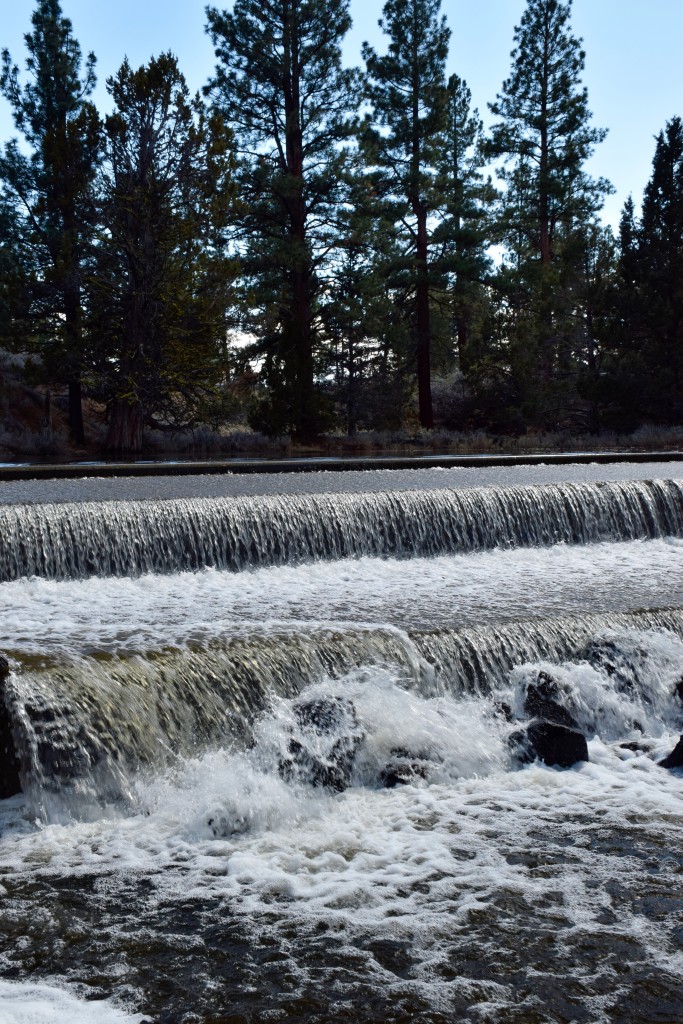
Pine Creek, April 2, 2016. Courtesy of Annie Henriques Blank

Remember last fall how the weather gurus were predicting a “Godzilla” like El Nino? While the water flows into Shasta and Oroville lakes have been spectacular, the same does not hold true Eagle Lake. You may recall, last October I attended the Eagle Lake Interagency Board meeting, and of course, water levels were discussed. You can review that post here. While the water flow in Pine Creek has been impressive, the lake level has not risen that much. The current lake level as of April 1, 2016 stood at 5092.56. When it reached its historic low last October the level was 5090.60. There you have it the level of the lake so far has only risen two feet.

Never miss a story, click here to subscribe and support.

Shirley’s

Shirley's, Hall Street, Susanville. Courtesy of Hank Martinez
Shirley’s, Hall Street, Susanville. Courtesy of Hank Martinez

Shirley’s was a bar on the north end of Hall Street, the current site of the Juniper Apartments.  Established in the 1930s after the repeal of prohibition, by Jean “Shirley” Tilton, and its distance from town on a road heading to points northward was similar to the roadhouses between Susanville and Westwood. *

It was quite the interesting watering hole,  “Shirley”  a former nurse, was confined to a wheel chair, but remembered for her generosity. She was also a madam, and cabins behind her establishment took care of certain needs of her clientele. Then there was her friend, gay piano man, and member of Sacred Heart Church’s choir, that assisted her, until he committed suicide in 1938. When she died in 1954, Gene Garayoa and Steve Arainty transformed it into the Juniper Inn.

*Ash Street, was not in existence.

Never miss a story, click here.

Another Milestone

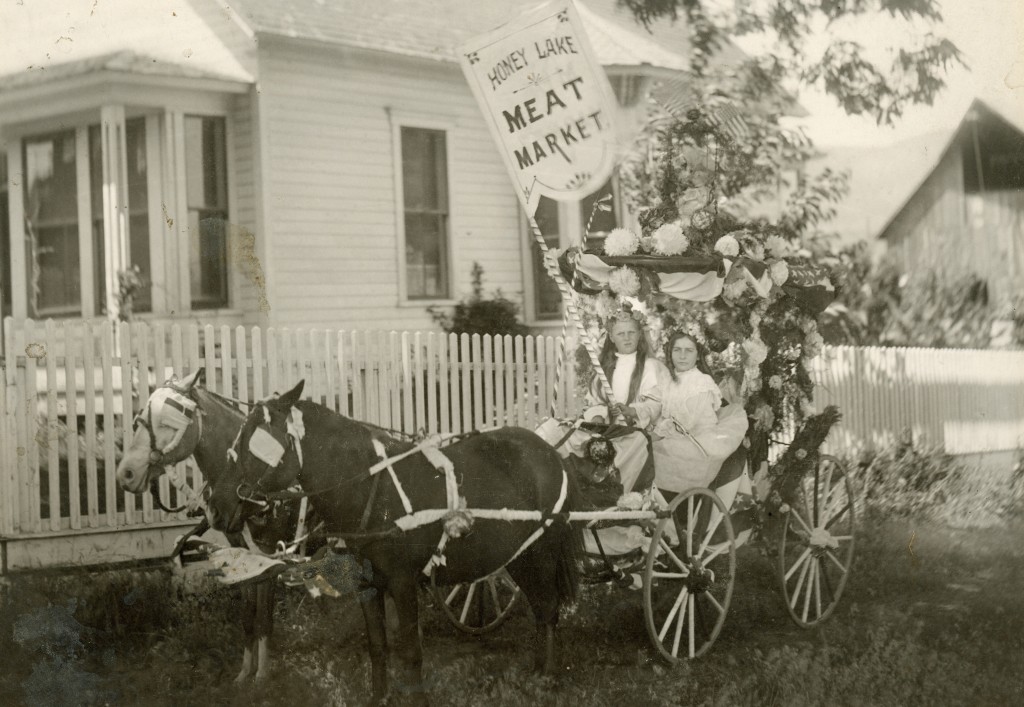
Honey Lake Meat Market's 1906 parade entry featuring Leona Jackson and Mary Fern Long. It was taken at the corner of Union and Cottage Streets. The barn in the background was torn down and replaced with the St. Francis Hotel. Courtesy of Leona Byars
Honey Lake Meat Market’s 1906 parade entry featuring Leona Jackson and Mary Fern Long. It was taken at the corner of Union and Cottage Streets. The barn in the background was torn down and replaced with the St. Francis Hotel. Courtesy of Leona Byars

It was at this time a year ago I included the subscription feature. The site as you know is free, and no pay wall, or blocked material. However, I experience various costs, let alone the time to provide a daily post. So, first of all I appreciate those who support this effort, though less than 75 people are paid subscribers, yet over 10,000 people visit the site each month.

As an enticement for you to subscribe is one of the offering of tours to subscribers. We recently did a Saint Patrick’s Cemetery Tour and up next an Inspiration Point Tour. It should be noted, that those that either reside out of the area or cannot make it, still receive the text of the tour. In addition, paid subscribers receive priority on their request for future topics.

So I have some faith that there are those who have been enjoying the content for free, sign up at five dollars month to subscribe.  After all what better way to start you day with latest historical post.  Its all just a click away,  here. 

Exploring Lassen County's Past