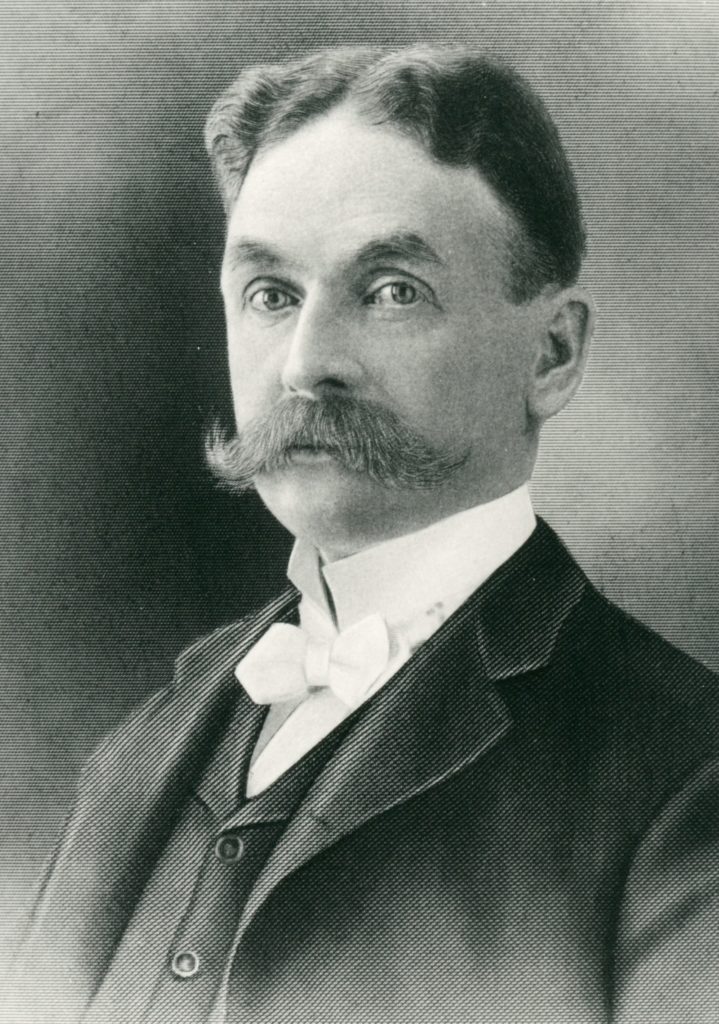
Who was Patrick Flanigan?

Patrick Flanigan — Wren’s History

Patrick L. Flanigan was one of those rags to riches to rags stories. He was a member of the Nevada State Assembly and also Senate during the 1890s. Of course, many in this region were aware there was an a railroad town in eastern Honey Lake Valley named for him.

His story began In 1877, when at the age of 17, Flanigan came west to Reno where he found employment milking cows. Five years later he obtained a loan from the Washoe County Bank to purchase 1500 sheep. Thus, like many before and after him became an itinerant aka ‘tramp” sheep man and moved his sheep from place to place where ever he could find feed and water. (When the Taylor Grazing Act came into effect in 1934, put an end to this practice.) Flanigan, like so many others, lost over 50% of sheep during the harsh winter of 1889-90. Continue reading Who was Patrick Flanigan? →
Bly Tunnel & The RFC

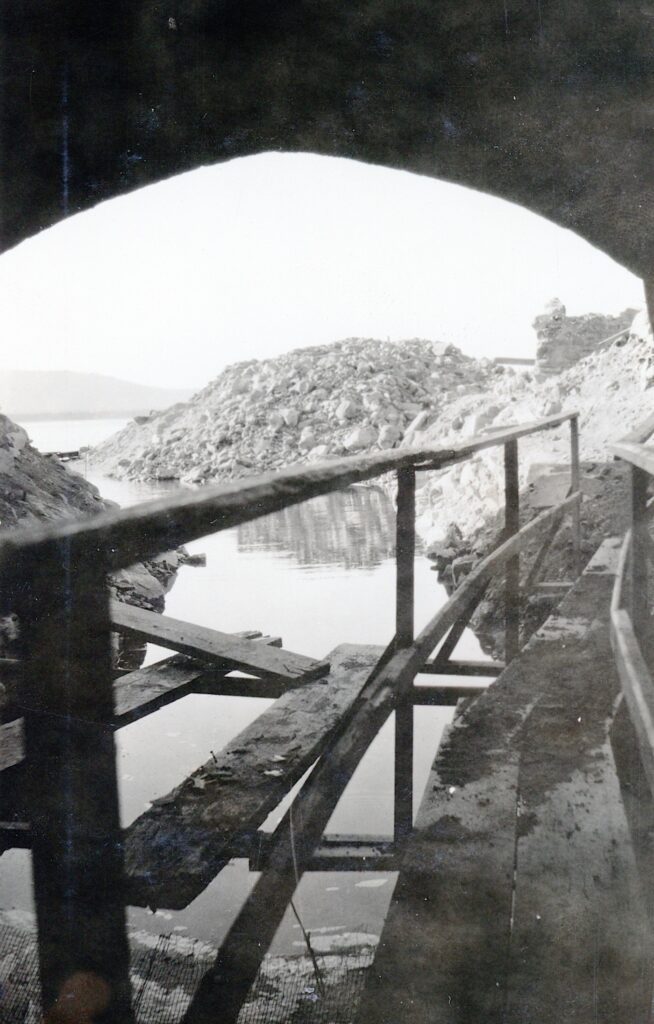
Bly Tunnel Inlet, 1925—Lola L. Tanner

1935 was a pivotal year for the Tule & Baxter Creek Irrigation Districts concerning the Bly Tunnel. Not only had they exhausted what limited funds on the annual extension of the inlet, but the level of the lake continued to go lower. The district’s engineer, Harry S. Riddell came up with last minute plan.

In 1932, President Herbert Hoover’s administration established the Reconstruction Finance Corporation (RFC). This agency was designed to facilitate economic recovery during the Great Depression.  In 1935, Riddell, submitted an application on behalf of the districts for $1,465,000.

Riddell’s plan was two-fold. The bulk of the loan would be used to reach a settlement with the bondholders for fifty cents on the dollar.  The second portion was to get the irrigation system in operation.  Instead of proceeding with the costly work of continual digging to extend the intake channel, he proposed a pumping plant. Riddell estimated the cost of a plant at $45,000.

The application to the RFC was denied. With no solution at hand, Riddell resigned and moved to Sacramento. In the 1940s, W. Coburn Cook resurrected the project, but that is another story.

Support by subscribing.

An Experiment

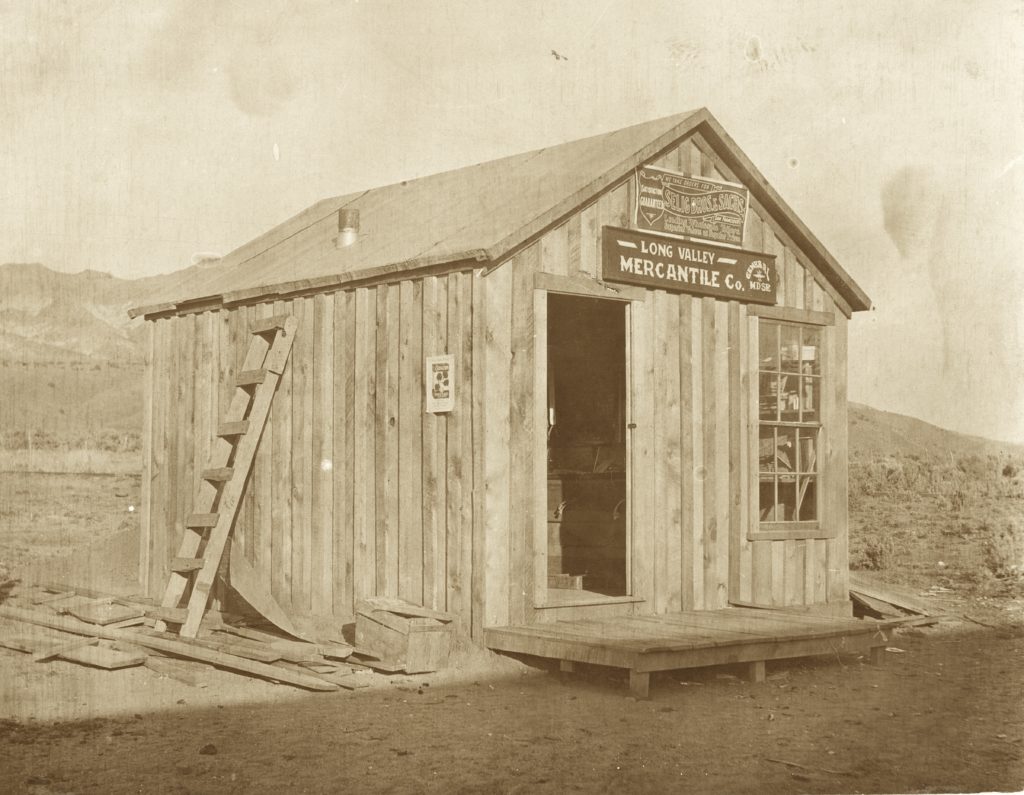
Long Valley Mercantile Company, Constantia, 1905. Courtesy of Marie H. Gould

Among other technical issues, is the photograph sizing. I may or my not have found a solution. So from time to time, I may sending out some experimental post to correct the issue. Thank you for your understanding.

Tim

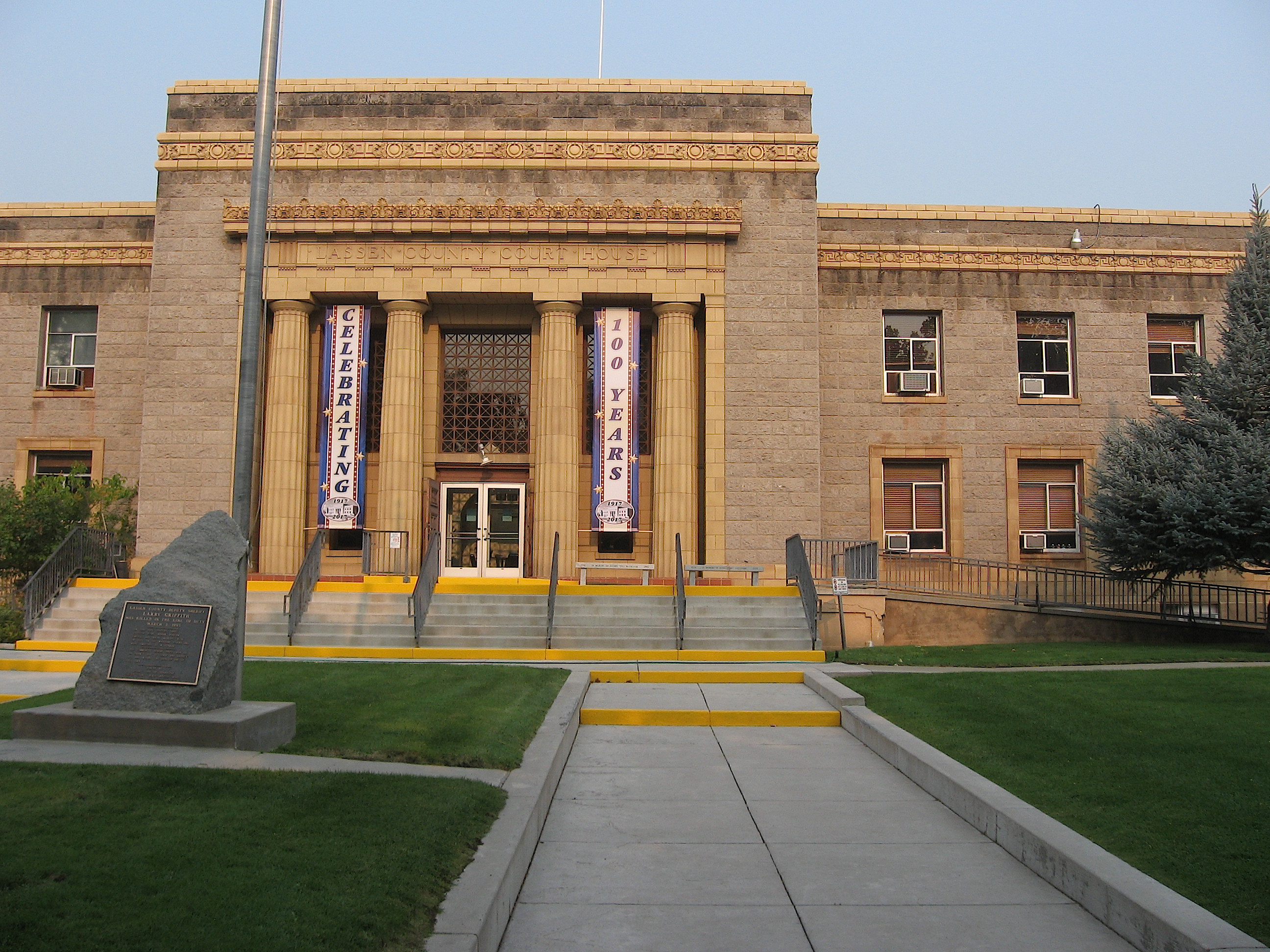
Lassen County Courthouse Renovation Update

September 4, 2017

In the summer of 2019, the offices inside the courthouse were relocated. Initial work began with Phase I and later II. At the Lassen County Board of Supervisors’ meeting of March 28, 2023 a contract was awarded for the final phase. It has been relayed to me, that if all goes well the project should be completed by the end of the year, with the offices moved back in the building.

Tim

Susanville Library Association

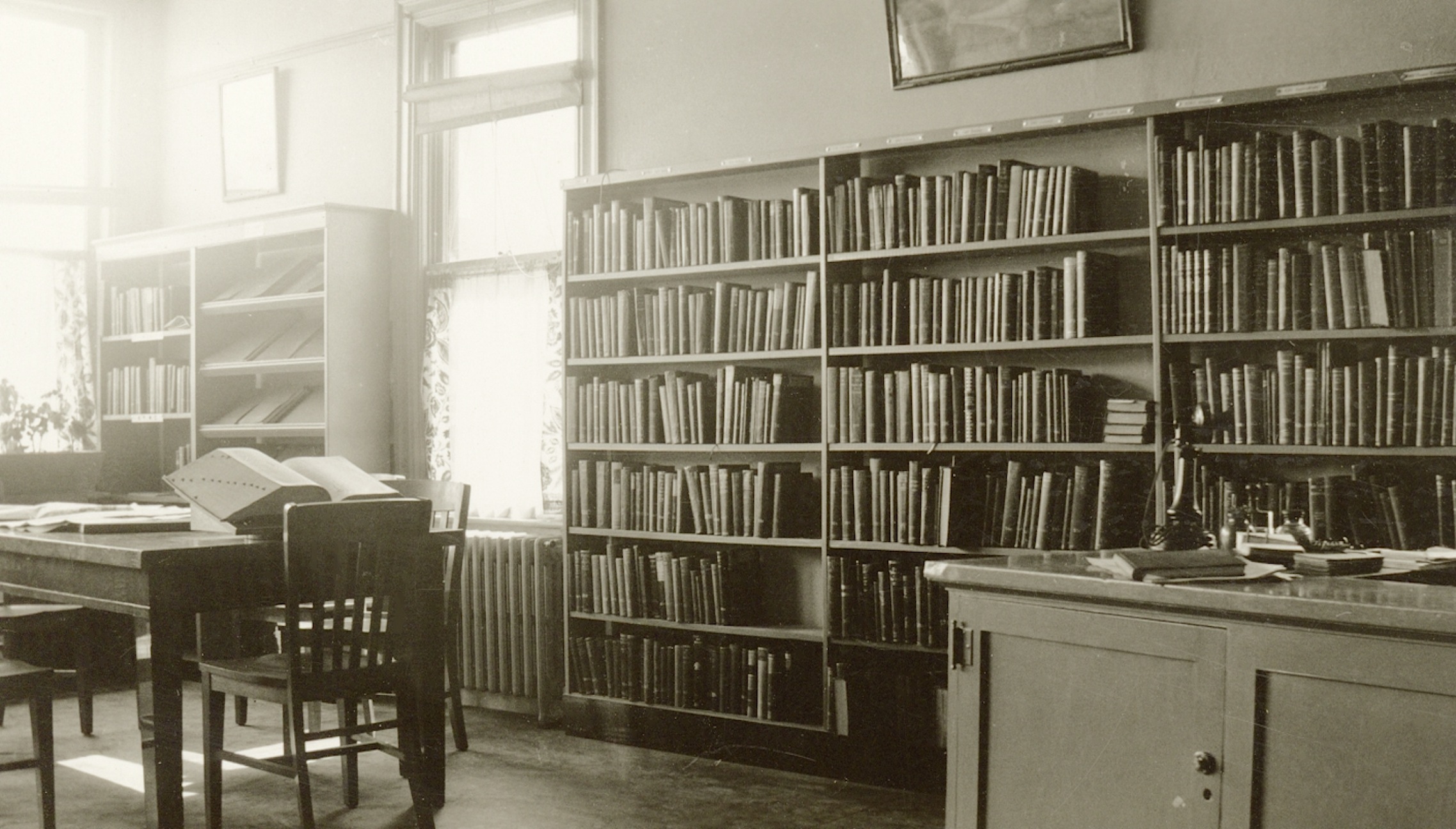
Susanville Branch, Lassen County Free Library,1920

The establishment of a library was a slow, tedious process. In 1906, one of the earliest attempts to form a library came about when some civic minded people formed the Susanville Library Association. Their initial goal was to establish a Reading Room.  Through the generosity of Charles Emerson he donated a room in his hotel for this worthy enterprise. However, the organization struggled and by 1908 it had been disbanded.

There was hope on the horizon when in 1912 a group of civic minded women formed the Monticola Club. In the fall of 1914, Lottie Cahlan of the Monticola Club reported that preparations were being made for. Reading Room in the newly constructed Del Mar building on the corner of Main & Roop Streets. They would have the expense of rent at $40 per month, in addition to lighting costs. The city agreed to assist with some of the expenditures. Members donated furniture and books. Each member donated one day a month to volunteer in the Reading Room to assist patrons, who could examine a newspaper, magazines or books. The Monticola was not finished. With their momentum by the fall of 1915 they had convinced the Lassen County Board of Supervisors to form the Lassen County Free Library.

Support by subscribing.

Eagle’s Peak Ski Area Revisited

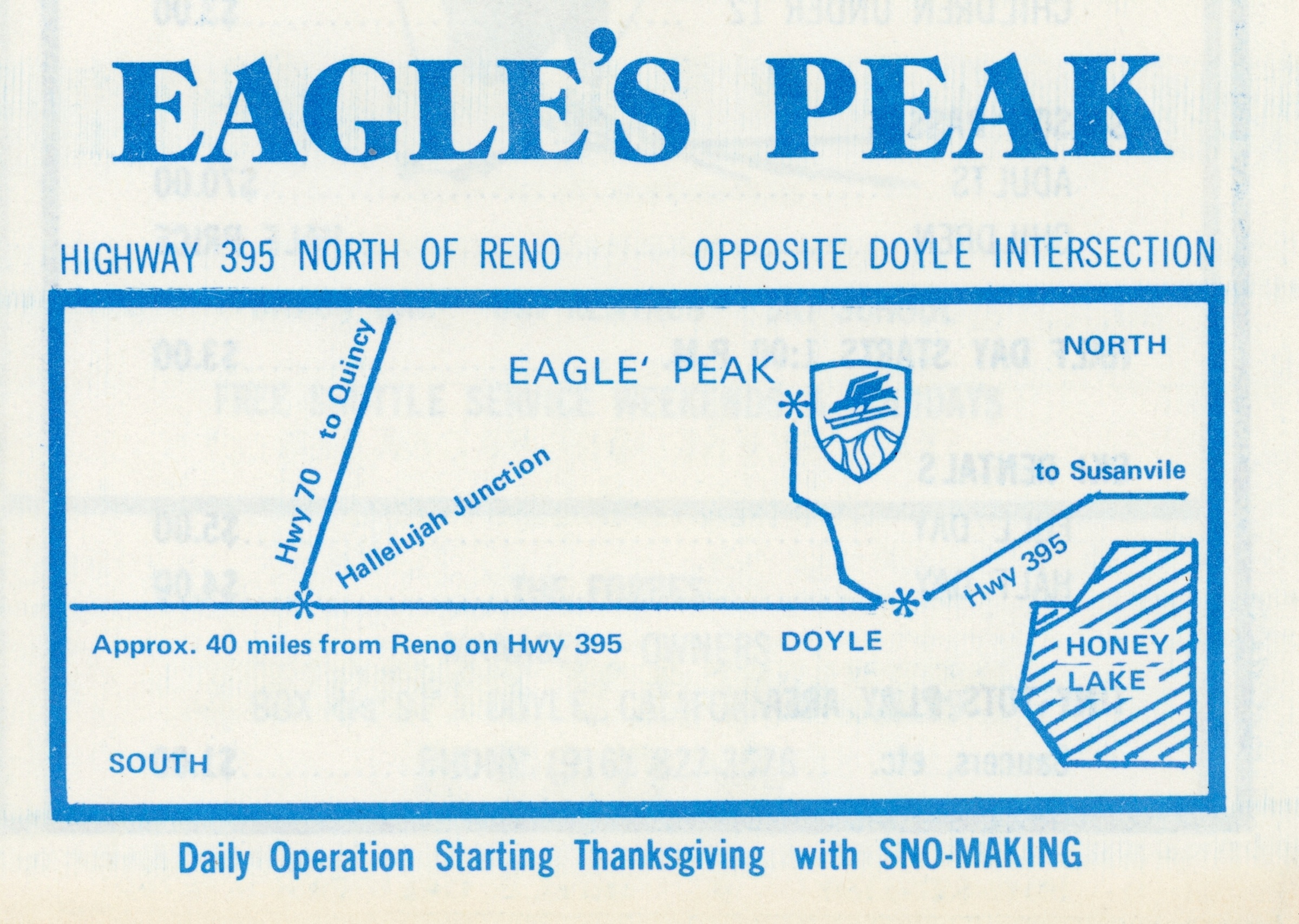
A portion of the resort’s brochure.

Note: This originally appeared on June 28, 2019. There are several new subscribers who would be quite interested on this topic. Also, unfortunately I have not located any additional information.

This short-lived ski resort was the brain child of Ernest “Ernie” Forbes, an Austrian skier. Forbes established Eagle’s Peak in 1971, in one of the more peculiar places, near Doyle. As the late Paul Herman informed me that Forbes always wanted his own ski hill. In a 1972 interview Forbes stated “Started a dream that is becoming more and more a reality everday.” He designed the entire operation with the first slope for beginner and intermediate skiers that according to Forbes to accommodate 150-200 skiers at a time. Of course, Forbes offered skiing lessons, since he had been a ski instructor at various resorts in the west. Other amenities included a snack bar, ski rentals and even a free shuttle service on weekends and holidays. Of course, Forbes had grandiose plans of a modern lodge, advanced ski runs and so forth, none ever materialized. Records are rather sketchy but it remained in operation until the early 1980s.

Support by subscribing.

Some Geographic Trivia

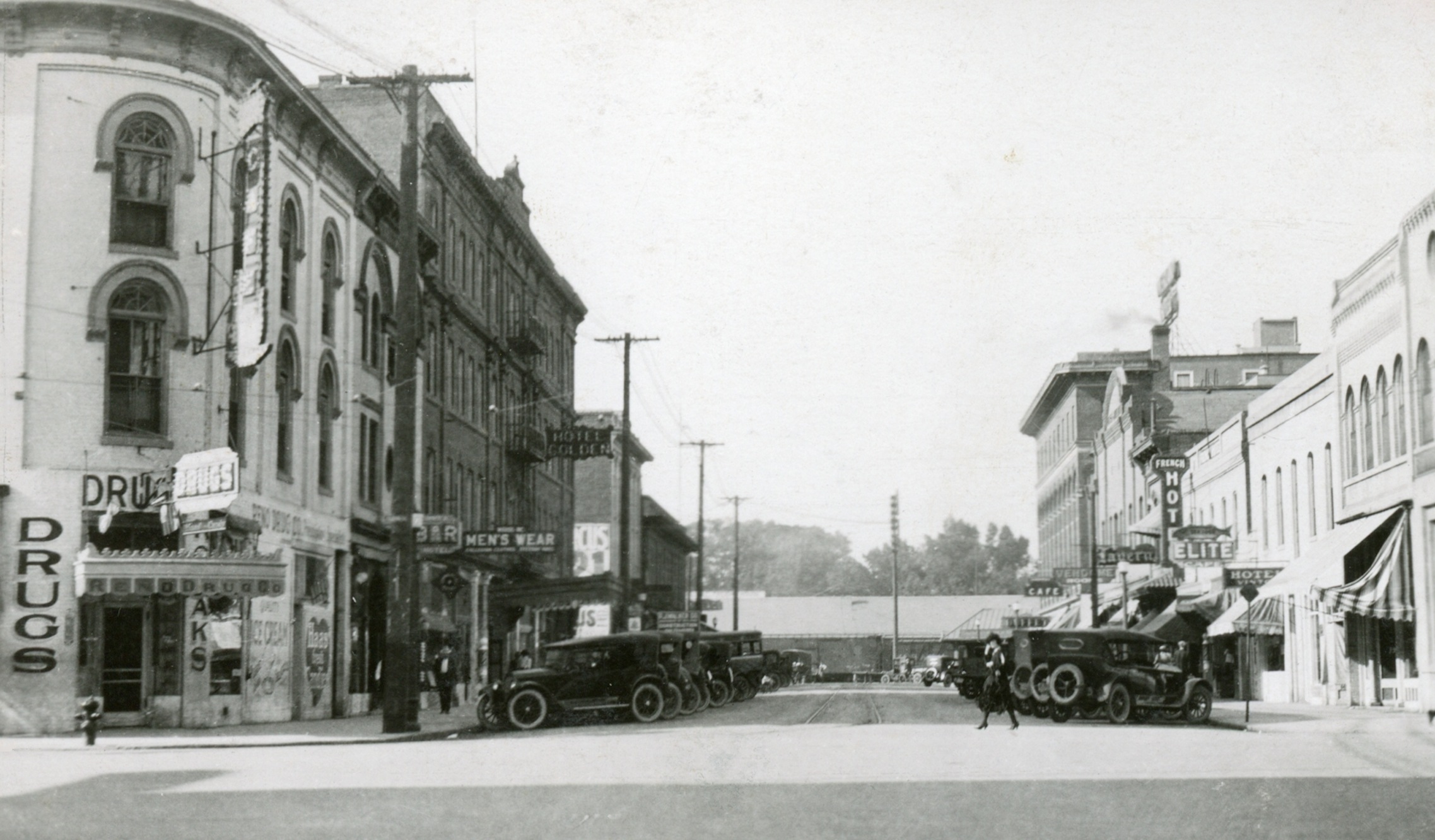
Center Street, Reno, 1925—Lola L. Tanner

Since it is April Fool’s Day, I thought I would pass on an interesting piece of geographic trivia—one I had won many bets. Years ago, there a a syndicated newspaper columnist, L.M. Boyd, whose columns were filled with all kinds of interesting trivia. One of these caught my attention, since it was somewhat local in nature. Boyd dutifully noted that Reno, Nevada was west of Los Angeles, California. It does sound strange, but when one examines the curvature of the California coastline it becomes apparent. Or more scientifically, Reno’s Longitude is 119.29725 West and Los Angeles is 118.29122 West.

Tim

Lassen Boulevard aka Purdy Highway

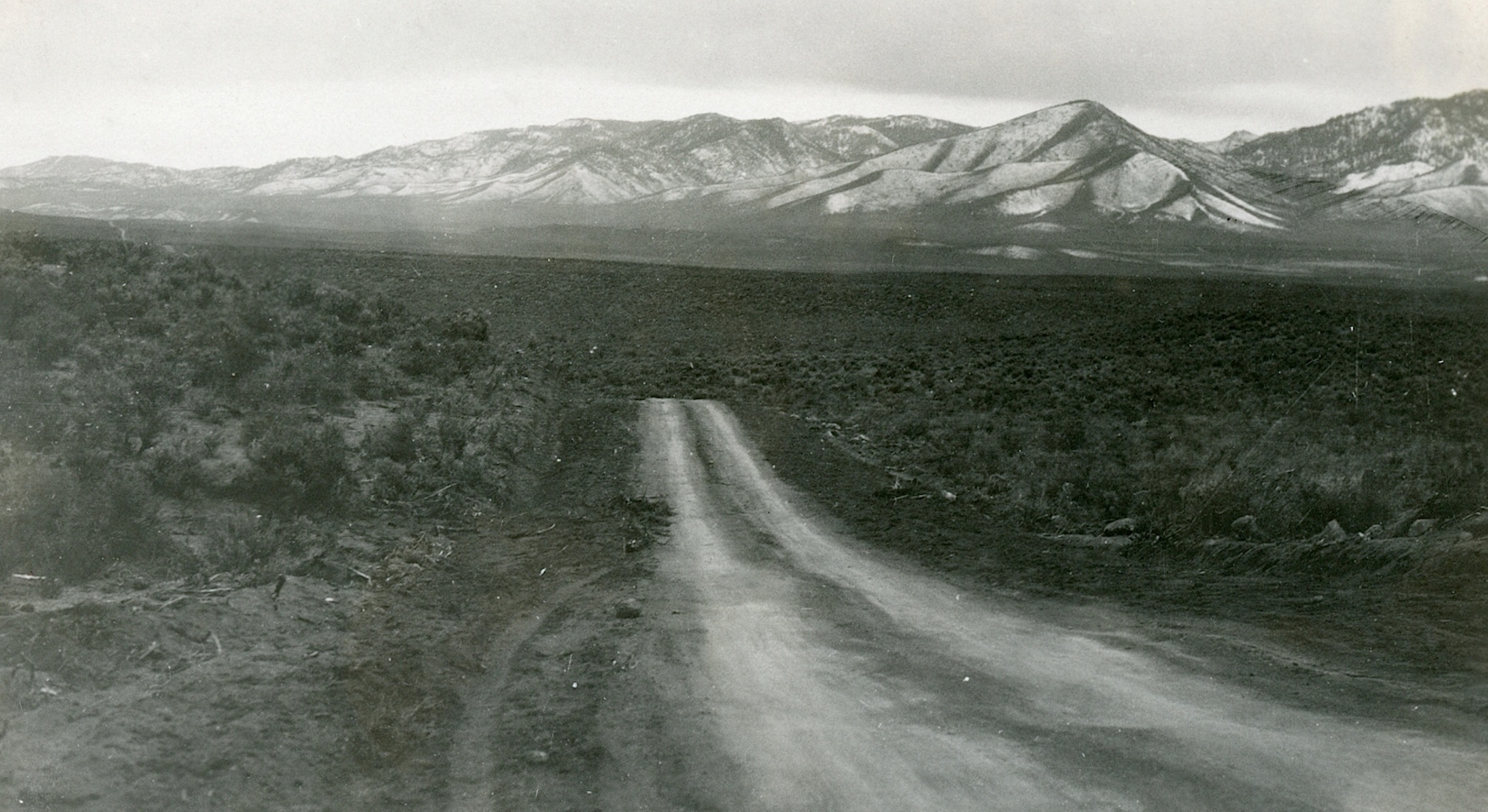
The road to Reno through Long Valley, 1925—-Lola Tanner

In 1919, California approved yet another large highway construction bond for $40 million.  For Lassen County, the next highway project was from Susanville to the Nevada State Line—the forerunner of Highway 395. The Lassen Boulevard District was created to carry out the goal. The terminus location in Nevada at that time was known as Purdy (no relation) and is known today as Bordertown. Throughout the 1920s, the route was referred to as the Purdy Highway.

Of course, there were issues between Lassen County  officials and the State Highway Department. In the fall of 1919, Lassen asked for an appropriation of $360,000–the amount needed for grading, draining and surfacing with gravel for the entire length of the road. The State, on the other hand, thought it would be better to do it 20 mile increments of grading and paving. The State was victor and the highway was built in segments.

Subscribe

Early Day Forest Fires

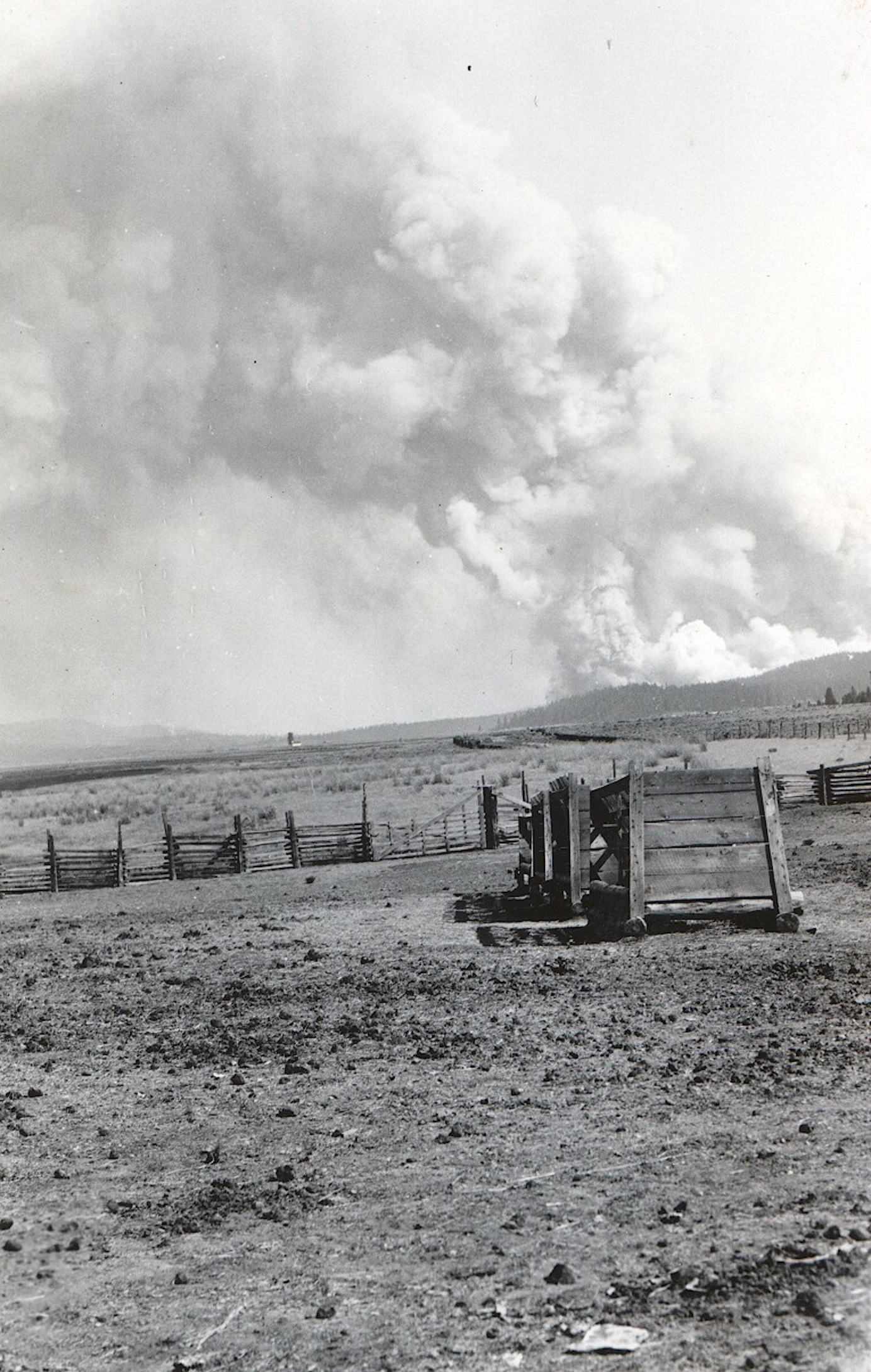
The 1926 Antelope Fire as seen from Willow Creek Valley. Courtesy of Lola L. Tanner

In the late 1800s and early 1900s forest fires did not cause a great deal of alarm or concern.  Most of the fires were small in size—twenty acres or less. Some times they were fought and most often left to burn to extinguish themselves. The following is an interesting example from the Lassen Advocate of July 26, 1907:

“The forest fires are late in starting this season. There was a blaze up the river, west of Susanville Thursday and smoke and resinous odor of burning pine were very percipible. Whether extinguished or burnt out, the atmosphere is clear and smokeless today.”

What happened. Locally, saw the establishment of large timber companies and their subsequent sawmills. This produced industrial l scale logging, unknown to the region. Some of the mechanical equipment were known to spark fires, and in some cases large fires were created in logged off areas. At the same time, the national forest service gained prominence and one of its main objectives was fire prevention. Another consideration—weather. From 1860-1916 was an extremely wet weather cycle, followed by a twenty year dry cycle.

Tim

Bly Tunnel Makeover—Mixed Results

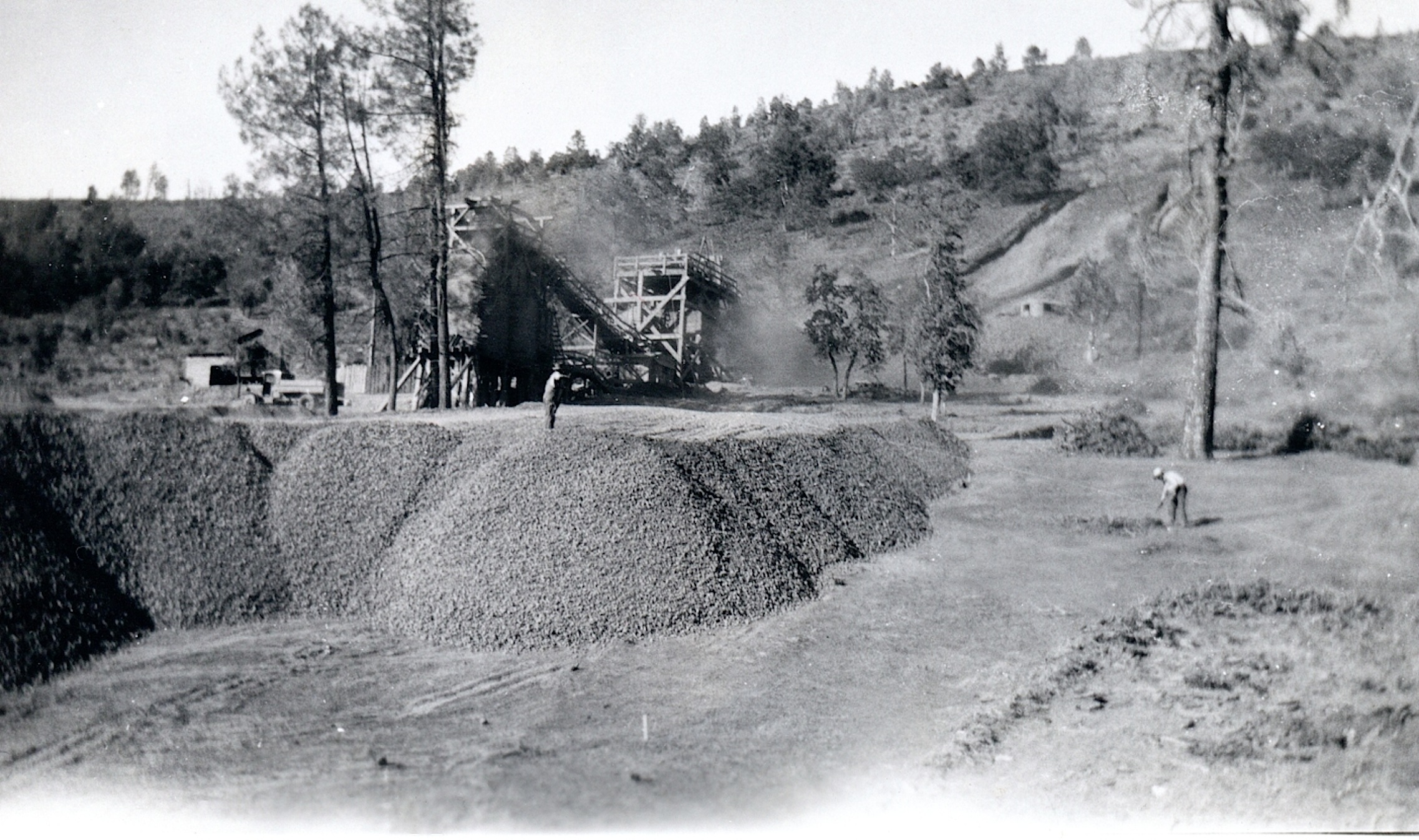
One of the many tailing piles of Bly Tunnel

With all the effort put in during 1928 with work on the Bly Tunnel inlet, it did not make that much difference during the 1929 irrigation season. As a matter of fact to make things worse the districts doubled their rates for water from $2 to $4 per acre-foot.

For the next few years, the districts hired C.F. Staheli, a contractor to deepen the cuts and extend the inlet. It was an exercise in futility.  Compounding matters was the lake in 1932, had dropped twenty-four feet since the tunnel had opened. Another tragic part of the story, the system was designed to irrigate 25,000 acres, when in reality in a good year only provided water for 5,000 acres. At the conclusion of 1934, that the project be abandoned. However, the districts engineer Harry Riddell came up with a last ditch effort to salvage the operation and account on that next week.

Support by subscribing.

Exploring Lassen County's Past