While some may consider it an out-of-way destination, it has not prevented two educational facilities to locate there.
Tim
On a quarterly basis, I ask you the reader, if there is something you would like to learn more about or maybe its something you heard, but question its validity. So here is an opportunity to participate. I will do my best to answer any questions. It should be noted, it may take awhile for the answer to appear as a post. The primary reason, many of the daily posts are done nearly a month in advance. So by the time you read this I am already working on posts for the middle of May, or at least I should be. Whatever the case may be, I look forward to hearing from you. Of course, it should be noted that paid subscribers requests receive priority. In addition, you can always send a request at any time.
Tim
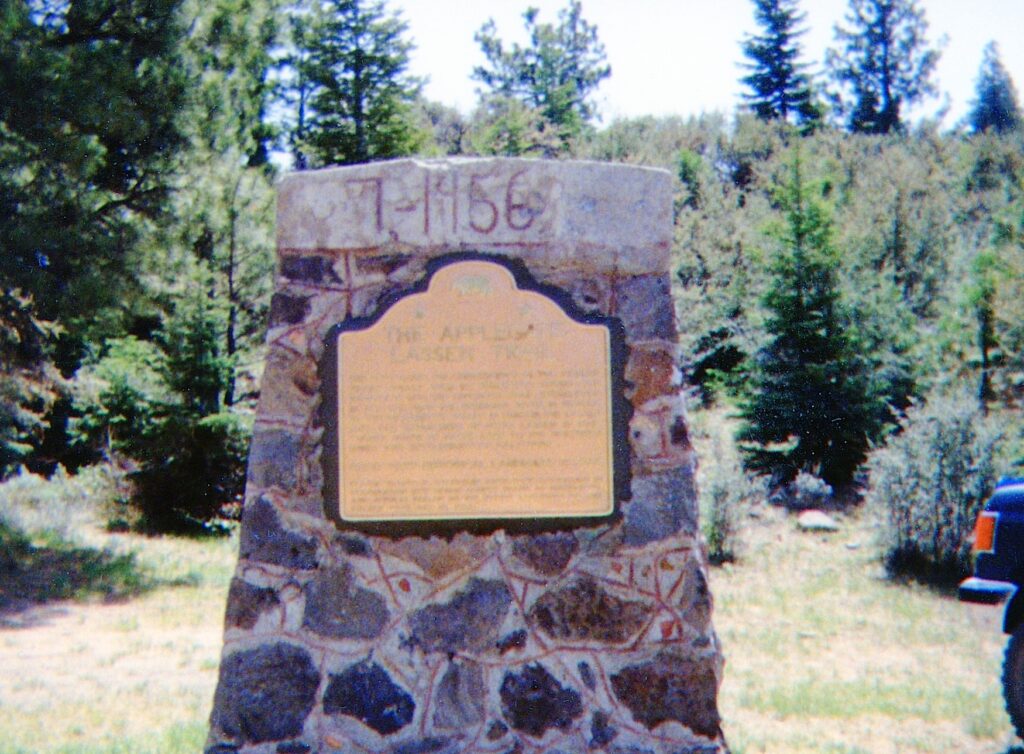
Back in December/January I was for the most part a shut-in due to snow and ice. While at times in nearly drove me “batty” I did use the time to sift through more archival boxes in storage. Thus, one of the finds was this photograph taken in 1992 of the restored Applegate Lassen Trail marker at Fandango Pass in the Warner Mountains of Modoc County.
First lets begin with the Applegate Trail established in 1846 by Levi Scott and the Applegate brothers. A portion of their route ventured from the Block Rock Desert going in a northwest direction to Surprise Valley and crossing over the Warner Mountains. At Goose Lake the trail proceeded to Oregon. In 1848, Peter Lassen used a portion of the same route, but at Goose Lake his route went south to the Sacramento Valley. For a number of years the pass was also known as Lassen’s Pass, but eventually became known as Fandango.
There are several variations as to the origin of the name of Fandango—which was the name of a lively Spanish dance. A common theme of various stories has to deal with cold temperatures. Most historians agree that a group of emigrants burned some of their wagons for warmth and reportedly one observer stated it was so cold that “the men had to dance to keep warm” and they named their camp Fandango Valley., that was located near the pass.
Today, one can participate in Fandango Days held in Alturas during the Fourth of July.

In February, 1928, Susanville’s Lassen Mail newspaper reported that the population of Secret Valley consisted of fifteen people. An angry resident of the valley wrote the newspaper for a retraction. This person asserted there were thirty people living there, and this was not including the section crew residing at Karlo working for the Southern Pacific Railroad.
Tim
P.S.. When the Secret Valley CCC camp was established in 1935, the population soared with an additional 176 residents.
Long before Chester came into existence, and Lake Almanor, too, there was the community of Prattville. In the early 1900s changes were on the horizon when the Great Western Power Company, known today as Pacific Gas & Electric Company, began buying property in the region then known as Big Meadows, for a reservoir site. One of the problematic properties for Great Western Power was the town of Prattville.
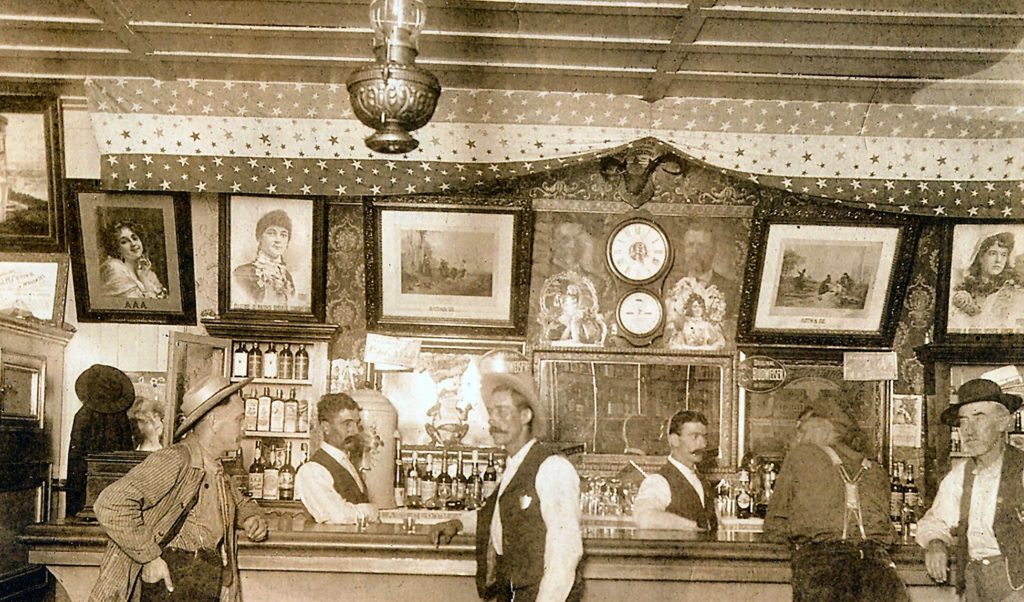
In 1909, there was a suspicious fire that wiped out the majority of the town of Prattville, though it still hung on barely, much to the dismay of Great Western Power. Frank Sorsoli lost his brand new two-story hotel, along with a saloon. Despite his severe loss, Sorsoli decided to rebuild his saloon. The only other business in town was Timothy Lucy’s general merchandise store, which also housed the Prattville Post Office. On December 23, 1911 Sorsoli sold his saloon and five town lots to Great Western Power and moved to Susanville and spent the remainder of his life there. Lucy carried on, but with the flooding of Big Meadows to create Lake Almanor in early 1914, he saw the proverbial writing on the wall and closed his store on March 31, 1914, and at that time the Prattville Post Office was discontinued.
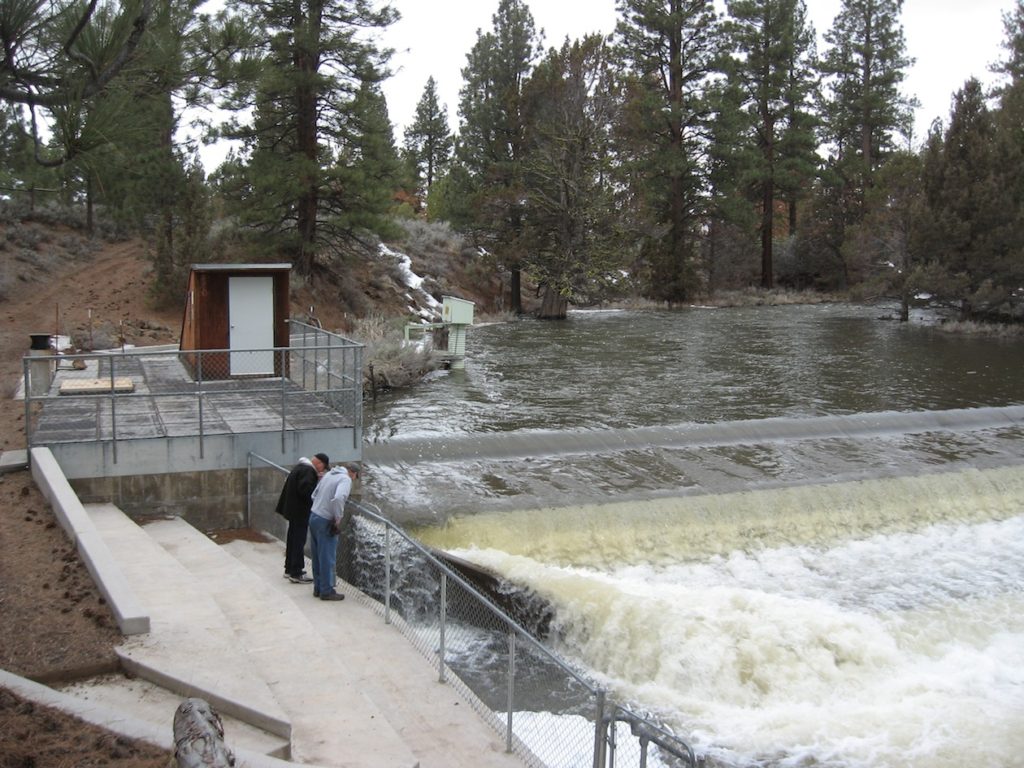
I want to thank Larry Doss of Spaulding Tract to alert me that as of yesterday evening, Pine Creek has finally thawed out and is now flowing. For those not familiar, Pine Creek is the main tributary to Eagle Lake, California’s second largest natural lake. While Lake Tahoe is larger than Clear and Eagle, it spreads across the California and Nevada border. The spring thaw has finally begun.
Tim
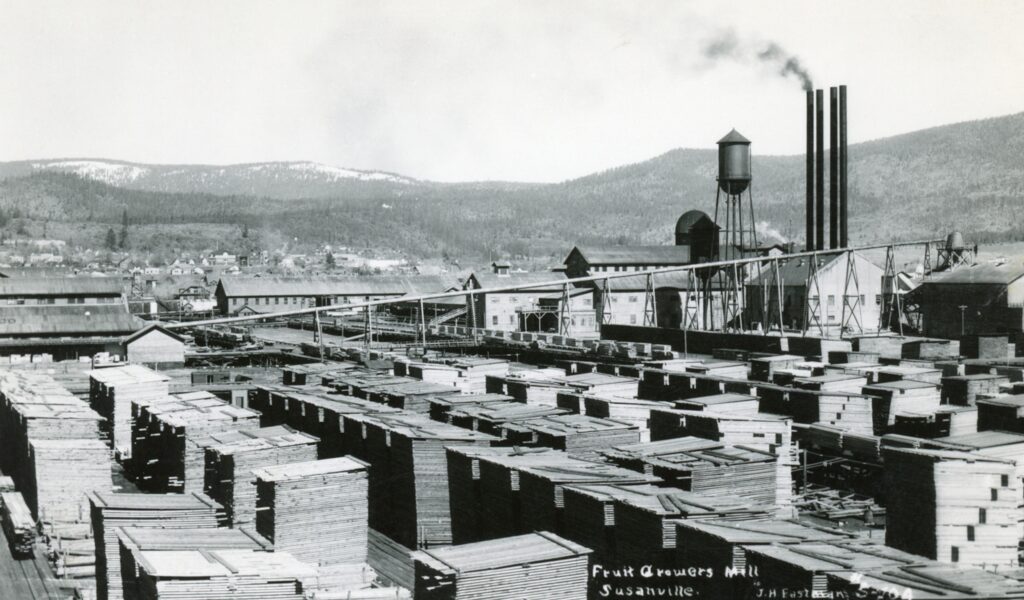
After a few years after Fruit Growers Supply Company took over a lumber mill at Hilt, it had turned into a wise investment for the citrus growers to meet the demands for wooden boxes to ship citrus. In 1919, after extensive research Fruit Growers decided to embark on a second mill at Susanville.
To finance the purchase of timberland as well as the cost associated to build a sawmill was not a cheap proposition. To purchase the Collins Tract of timber would cost $1,102,493 and to build a mill and related facilities was priced at $2,331.249. To raise the capitol its was deemed to sell $4 million in bonds.
One half the bonds were sold privately and the other half publicly. The private issue was immediately oversubscribed. Sold in denominations of $500 or $1,000, the bonds yielded 6 1/12 per cent interest payable semi-annually.
To pay for the bonds the growers agreed to assess themselves two cents per box. In addition to the assessment, for every 1,000 board feet of lumber sold, four dollars was budgeted to pay off the bonds generating $300,000 annually. In 1934, Fruit Growers paid off the bonds in record time and the Susanville operation was debt free.
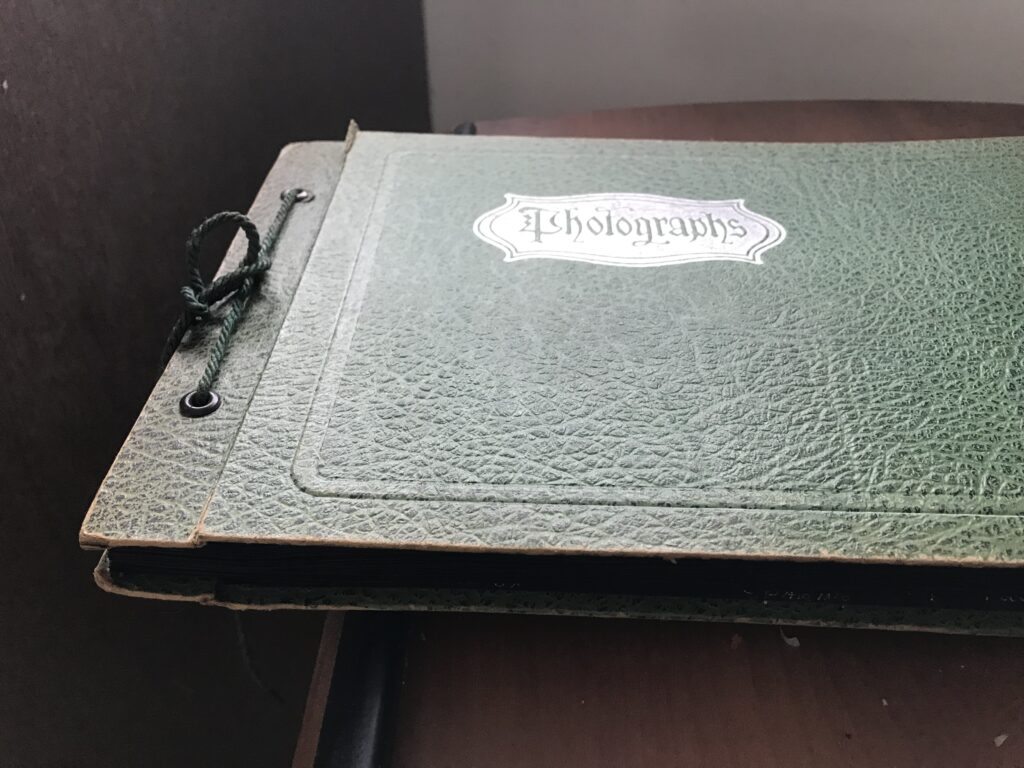
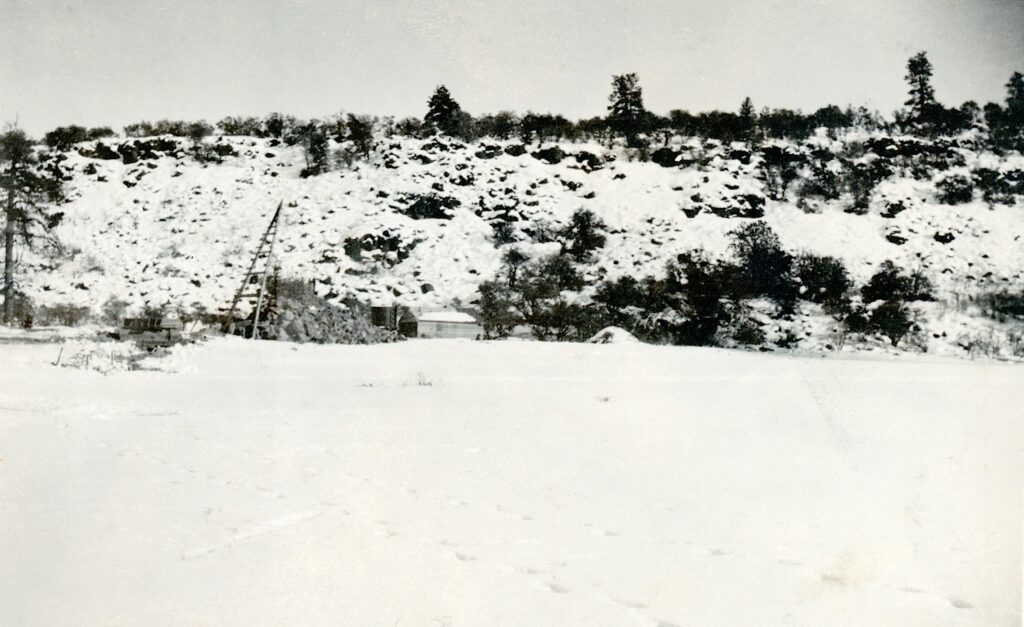
On March 22, 2023, I received an email from Kathy Seitrich of Missouri concerning her father’s, Charles H. Bennett’s photographs. Bennett as she relayed to me was stationed at the Secret Valley CCC camp from January 1936 to January 1938. Of course, I was very interested, especially since one does not come across old photographs of Secret Valley. Some ten days later I received a package containing three photograph albums.
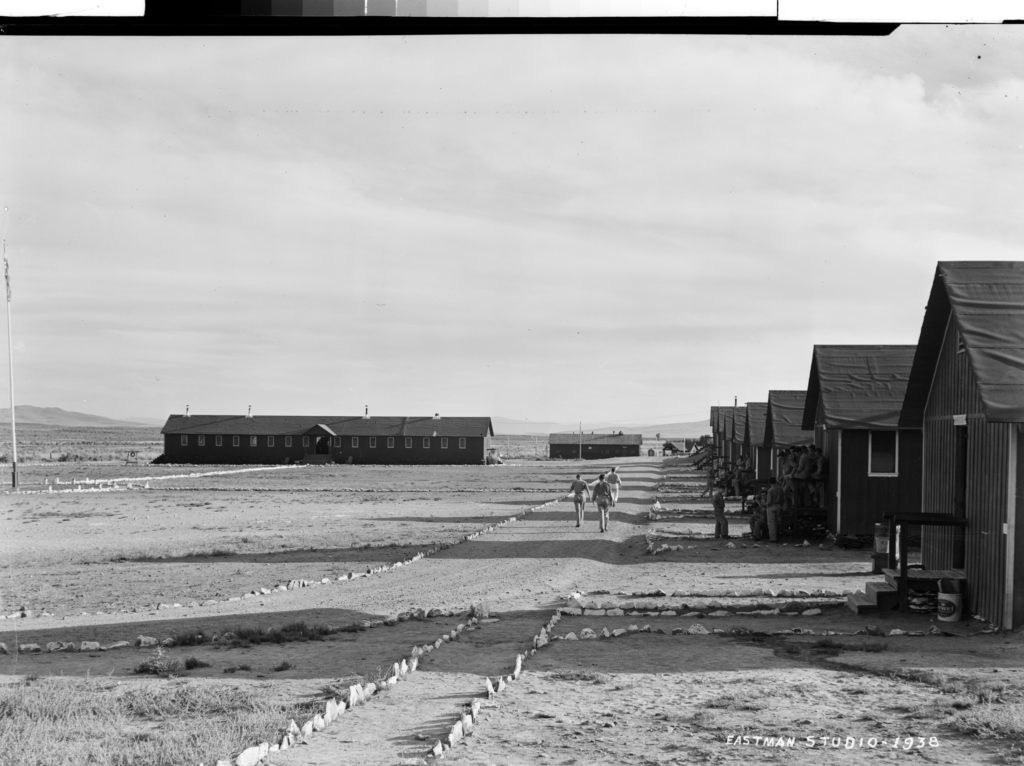
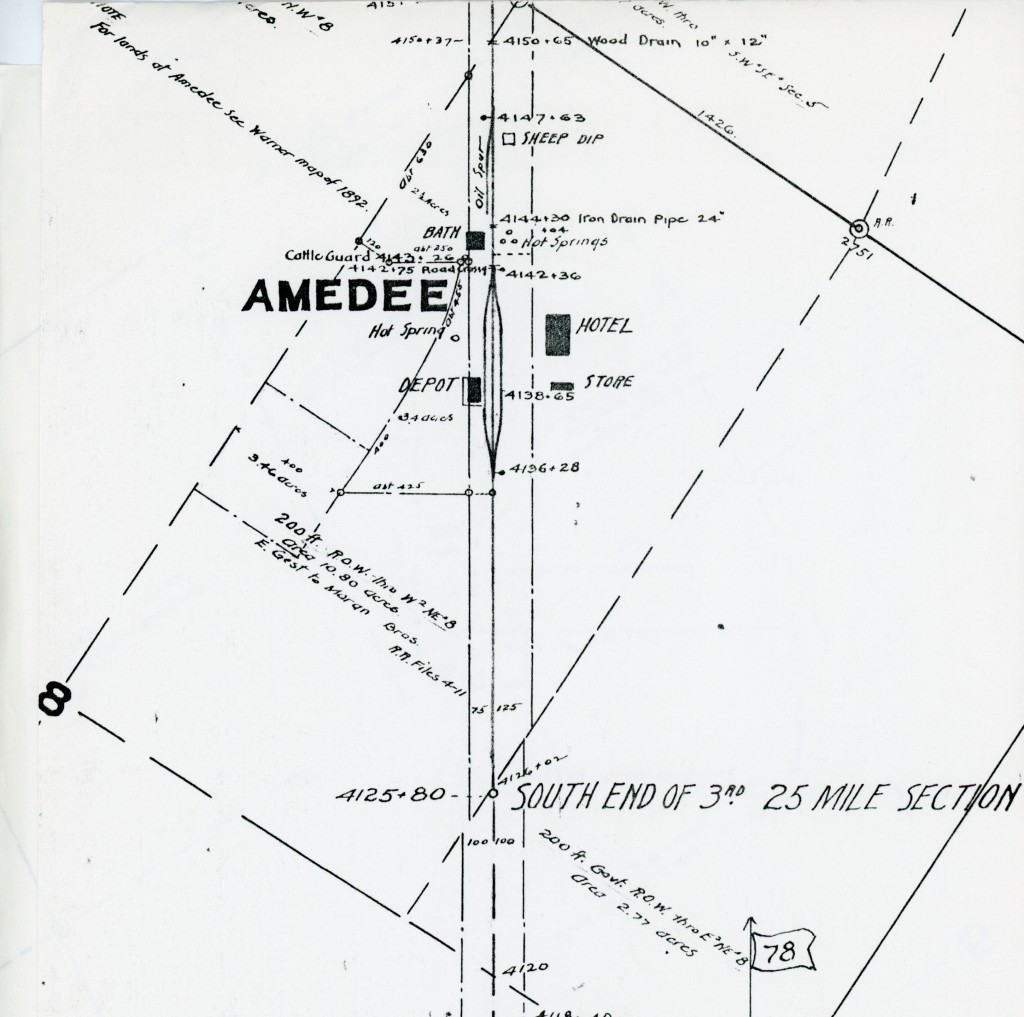
The photographs are a treasure trove, not only of the scenes of the CCC camp, but Bennett’s various outings around the area. One such outing was to Litchfield, Wendel and Amedee. There are photographs of the repair work of the Eagle Lake siphon, as well as some scenes of Eagle Lake, which it should be noted the Lassen County Board of Supervisors lobbied for a CCC camp there, but was denied. Also what makes this collection special, is Bennett did a great job of labeling and dating the photographs. Now, I just need to overcome the technical difficulties with the computer/scanner issue, but progress is in the making. Stay tuned.
Tim
P..S. There are some photographs of the Oakland Bay Bridge under construction, which I could include in a Tuesday Tidbit, if any one is interested.

Approximately some 40 miles north of Susanville, along Highway 139, there lies a small, non-descript place known as Said Valley, or when there is water Said Valley Reservoir, the latter is actually good fishing when it retains water.
It was named for Bartlett Said, somewhat of a free spirit in his day. Born 1813 in Kentucky, Said with his family migrated to Placerville, California in 1850. From there they moved to Rich Bar, Plumas County. His wife, Mary, not fond of her husband, disposed of him. Bartlett, then took solace with his daughter’s family Nancy Jones, who operated Summit House in eastern Plumas County.
One of the reasons for Said’s wonderlust was mining. When news circulated about the discovery of gold in northern Lassen County, Said went to check it out. He located in the northern extreme of Grasshopper Valley, that in time became known as Said Valley. After several years, he ventured over to Horse Lake. From there his prospecting adventures took him to Long Valley, in Lassen County, where various relations resided.
Said, like so many others, struggled to make a living at mining. In 1896, the family had placed the elderly patriarch in the Lassen County Hospital, which also served as a poor/old folks home. He died there in 1904, and lies buried in the Susanville Cemetery in an unmarked grave.
I am always learning something new, which I suppose is a good thing. I never knew the word “run” can be construed as a small creek or stream, as in the case locally Gold Run. It happens to be more common term in the Eastern United States. If you were like me, and been in the dark all this time, you have been enlightened, too.
Tim