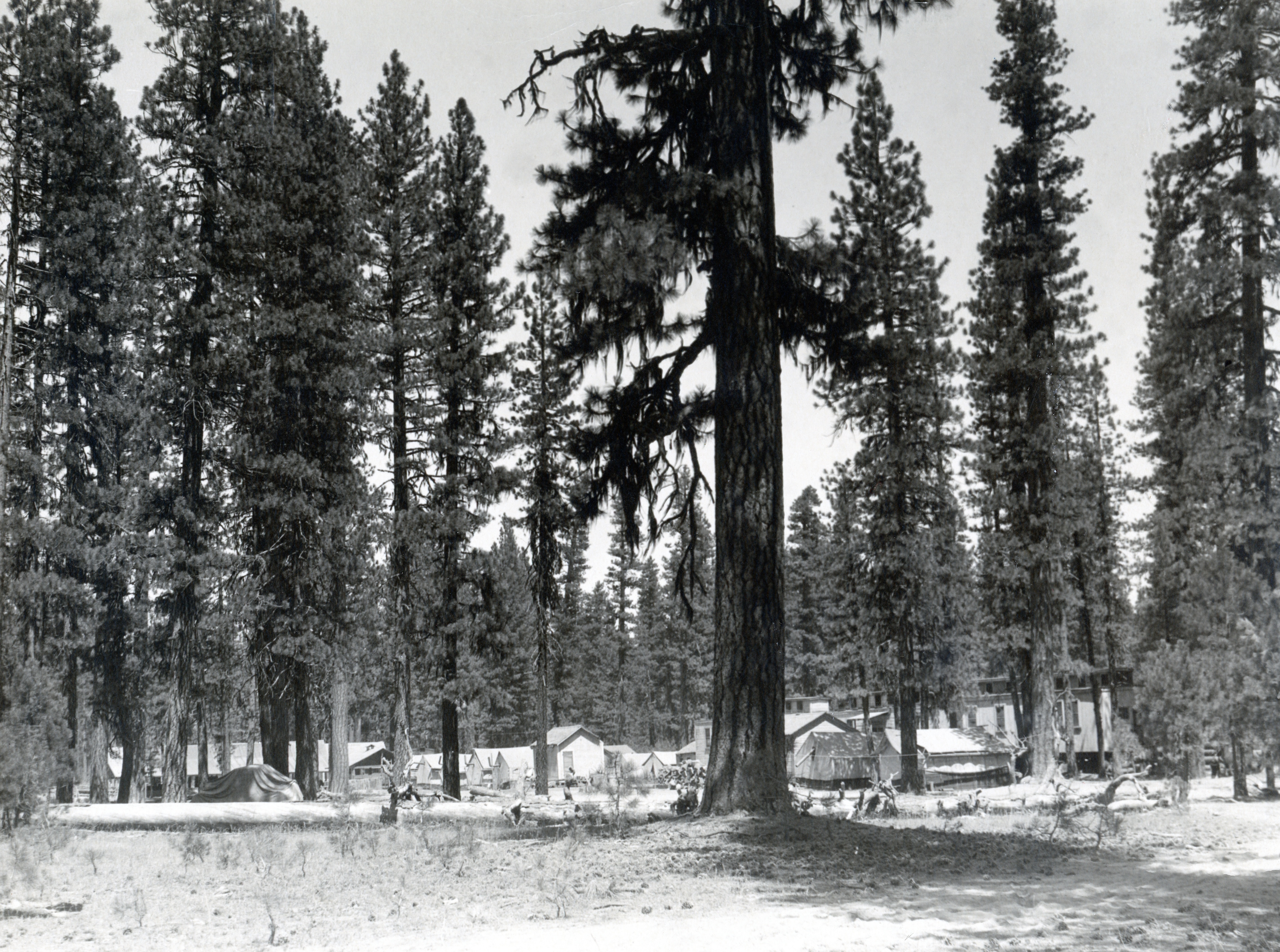
Camp 38, Red River Lumber Company, 1922. Courtesy of R.S. Pershing
Due to a variety of issues, such as the Dodge fire, the proposed listing for August has undergone numerous changes. First and foremost, the paid subscribers requests receive priority. As soon as I finish those topics such as Susanville’s Bordellos, the R.J. Scott affair, Susanville Coca Cola Bottling Works and the Secret Valley Paiutes, I will take care of the other requests, such as McClelland Ranch which has been moved from August 21 to September 29. In the meantime, enjoy the surprises.
Subscribe and support this site for $5.00 a month, what a bargain. How many spend that much at Starbucks on any given day, or other indulgences?
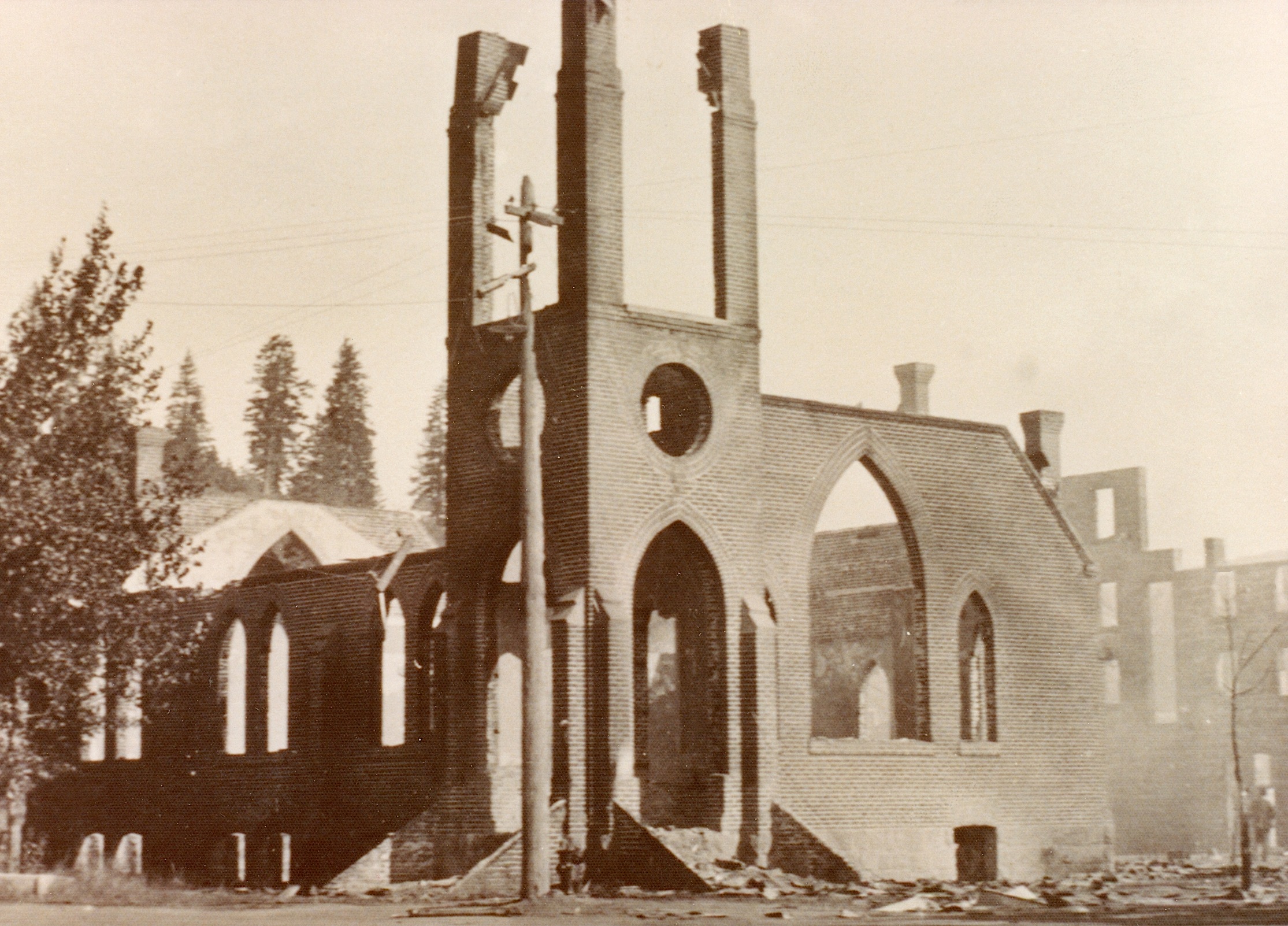
On August 5, 1915 a devastating fire wiped out the majority of the block between Cottage and Main Street. That fire is a topic for another day. One of buildings destroyed was that of the Methodist Church. Continue reading Susanville-Methodist Church→
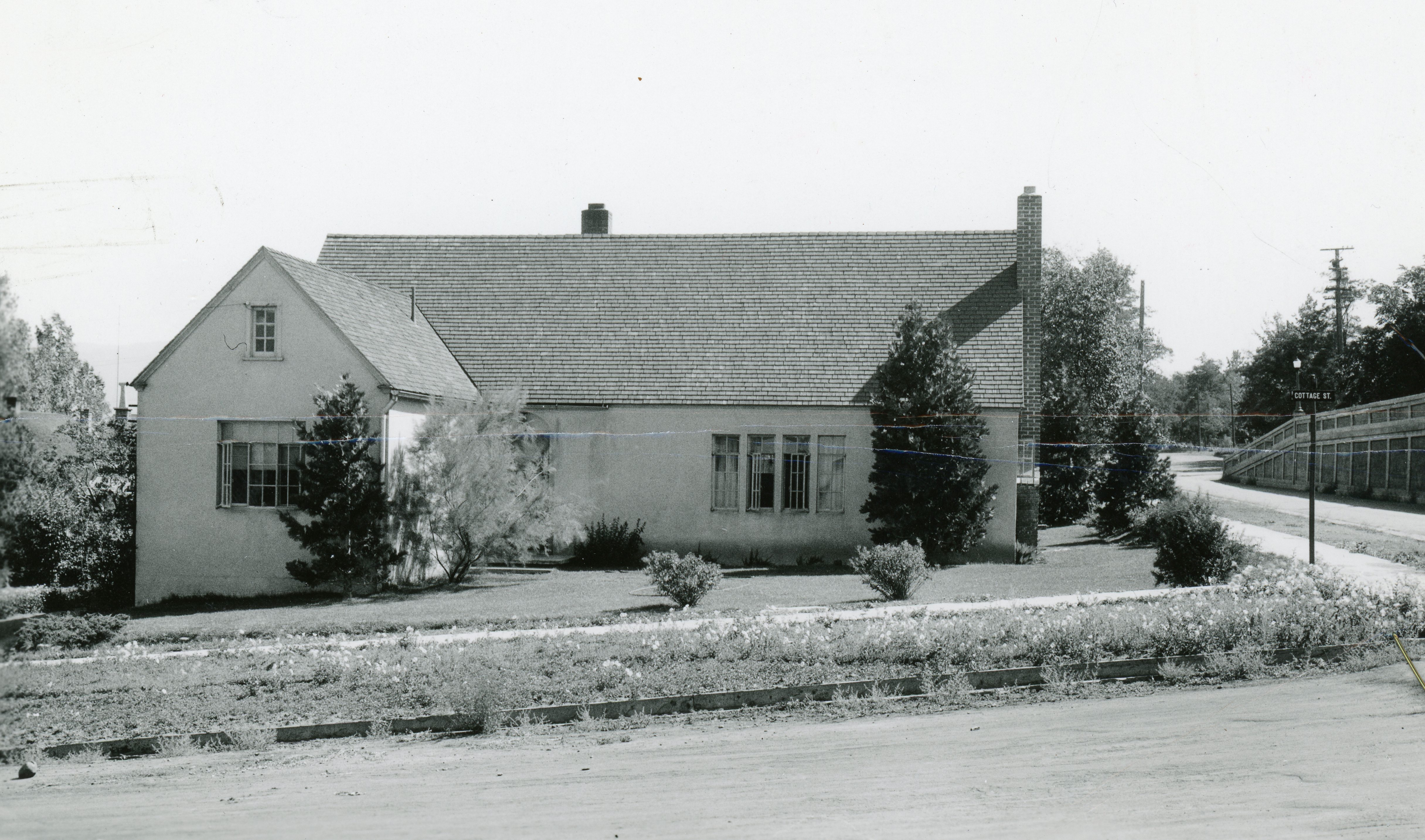
Built in 1929 for Wes Emerson and in 1934, he refinanced it for $3,000.
My parents bought 500 Cottage Street in 1956, and my Mother has lived there ever since. A portion of this story is at her request. My Mom is in the process of downsizing, not an easy task since she has lived there for nearly sixty years. She has among other things a “cow jumping over the moon cooking jar,” which she is looking for a good home for it. Let me know if you are interested. Continue reading Susanville – 500 Cottage Street→
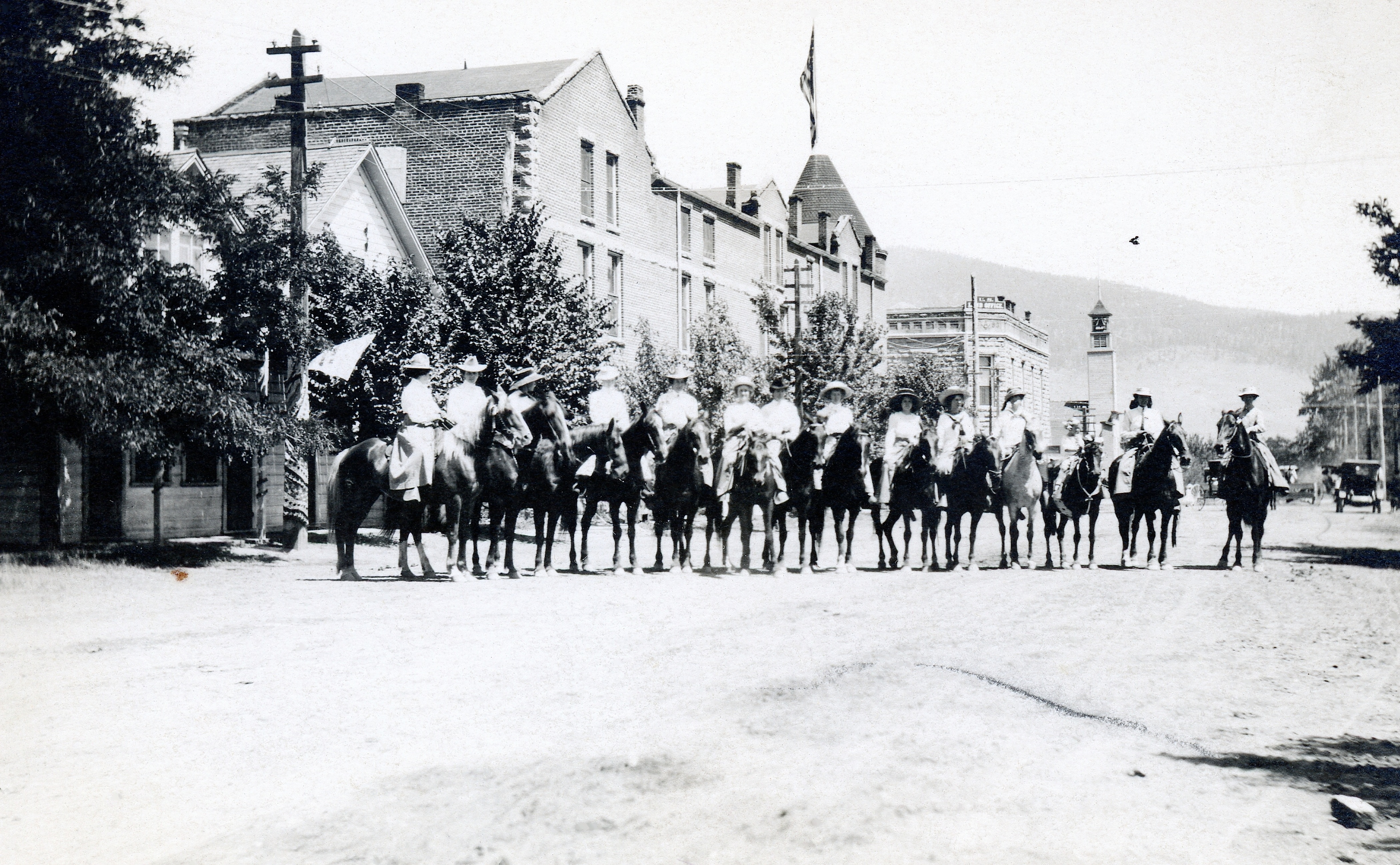
South Lassen Street, circa 1911, Courtesy of Leona F. Byars
I just cataloged this photograph the other day. One reader asked for pictures of the Emerson Hotel, which is the prominent building featured in this photograph. To the left, was a two-story wooden frame building known as the Hyer House, a boarding house. Further down the street, is the Knoch Building, before the third story was added in 1914. In the far background is the old fire house, which is now the current site of Susanville’s City Hall. It was destroyed in a 1921 fire. The Hyer and Emerson were destroyed by fire in 1915. Continue reading South Lassen Street→
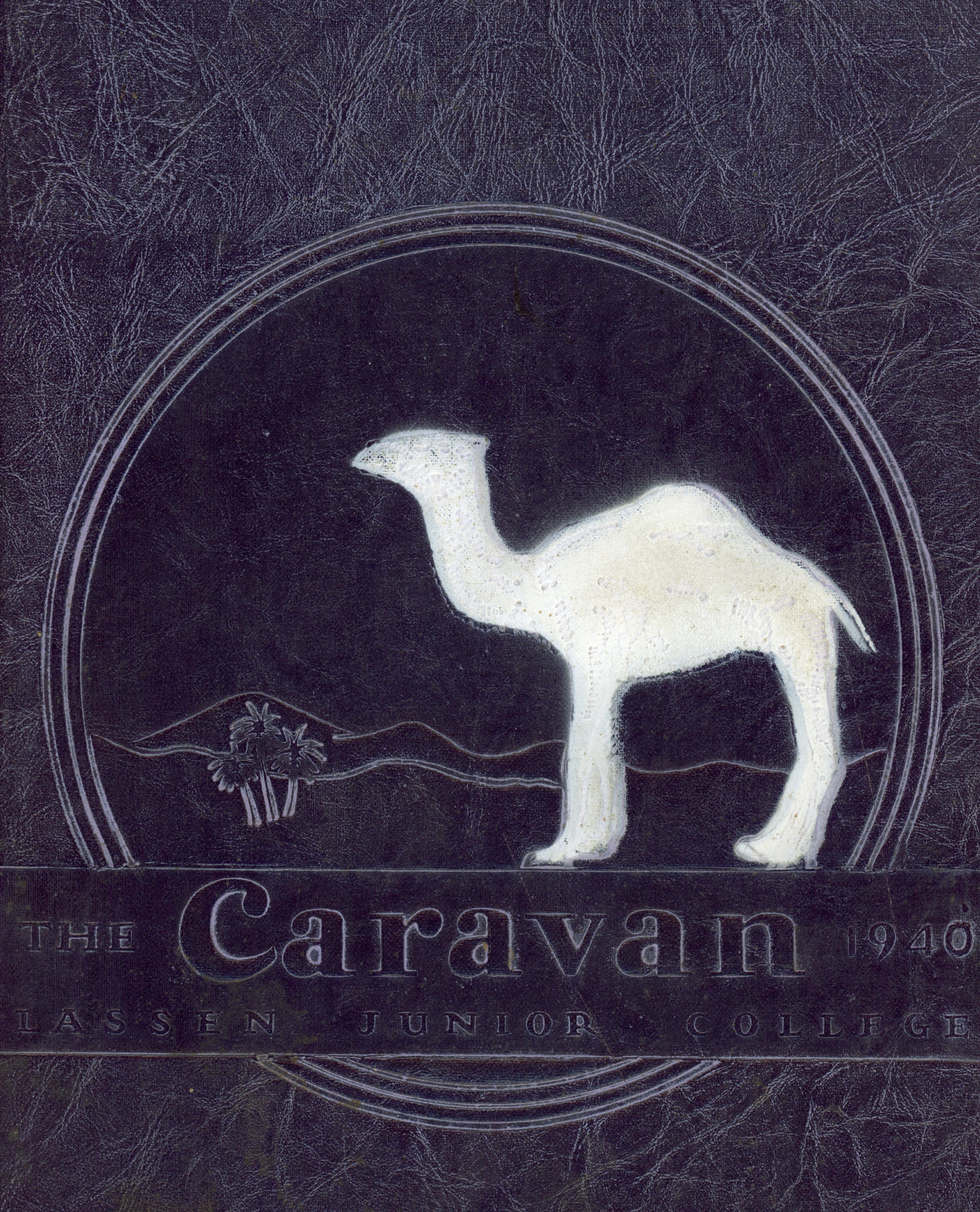
The following account is by Neil Wemple, who graduated from Lassen Junior College in 1938: “The story of the camel as mascot for Lassen Junior College is a bit unlikely and interesting and its goes like this. I had thought the selection of the camel had been the work of some of the “old grads” back in the late twenties. Someone had told me this, but it was not so. So I was determined that it was so and when I came upon the truth I could scarcely believe the results of my own research efforts. I wrote many letters, made many phone calls, studied many LUHS and LJC publications and was very embarrassed to discover that the evolution and adoption of the camel came about in my first year at Lassen Junior College in 1937! The advice and efforts of Bud and Don Cady, Adelene and Abe Jensen and my sister Deese Theodore lead me to Frank Rice and Phil Hall, former Lassen Junior College Forestry students who knew the answer. I was finally able to find some old publications which made the first mention of the camel in March of 1938. Frank Rice states that the camel began in 1937, and I know when I entered Lassen Junior College in the 1936-37 year we were called the camels. Continue reading Lassen College Camels→
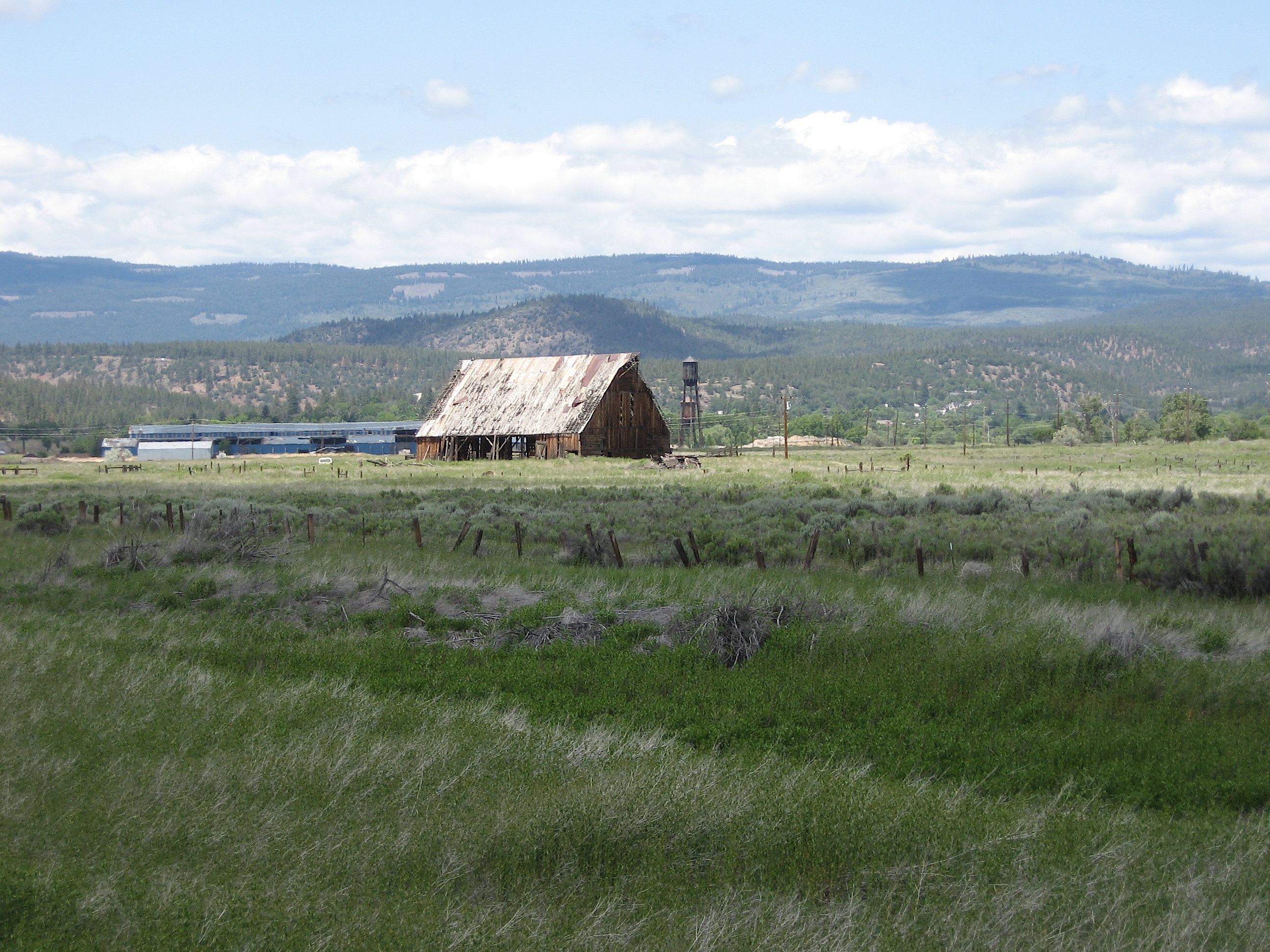
The barn was destroyed by fire the night of June 16, 2015. A transient caused the fire from a cigarette, thought to be extinguished, but that was not the case.
Routinely, when I am out and about someone will ask me a question about this or that. In many instances, I am able to provide an answer. Every now and then I get stumped with a doozey. In this particular instant, it was the old barn at the east end of Susanville, just past McDonald’s.
The barn sits like a lone sentinal these days. There used to be a small white painted caretaker’s house there, occupied for a number of years by Grant and Lena Trumbull. One of the oddities about the barn is it is far removed from any ranch. After extensive sleuthing it was built in 1920/21 for the Fruit Growers Supply Company, who were in the midst of constructing their new sawmill/box factory nearby. Continue reading That Old Barn Update→
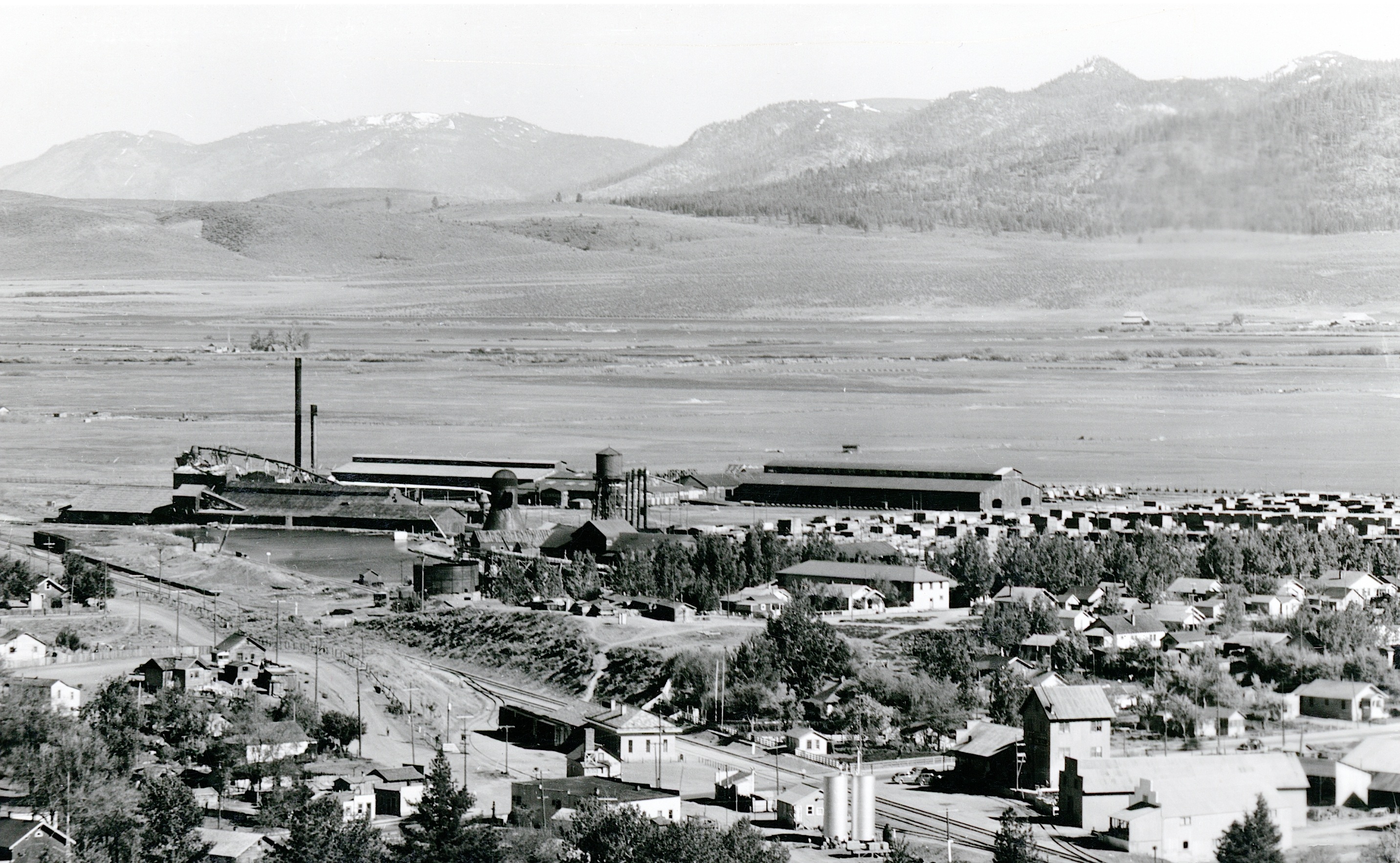
While I have wrote about Fruit Growers Supply Company and Red River Lumber Company and their operations, its time to include another major lumber mill, Lassen Lumber & Box Company Continue reading Lassen Lumber & Box Company→
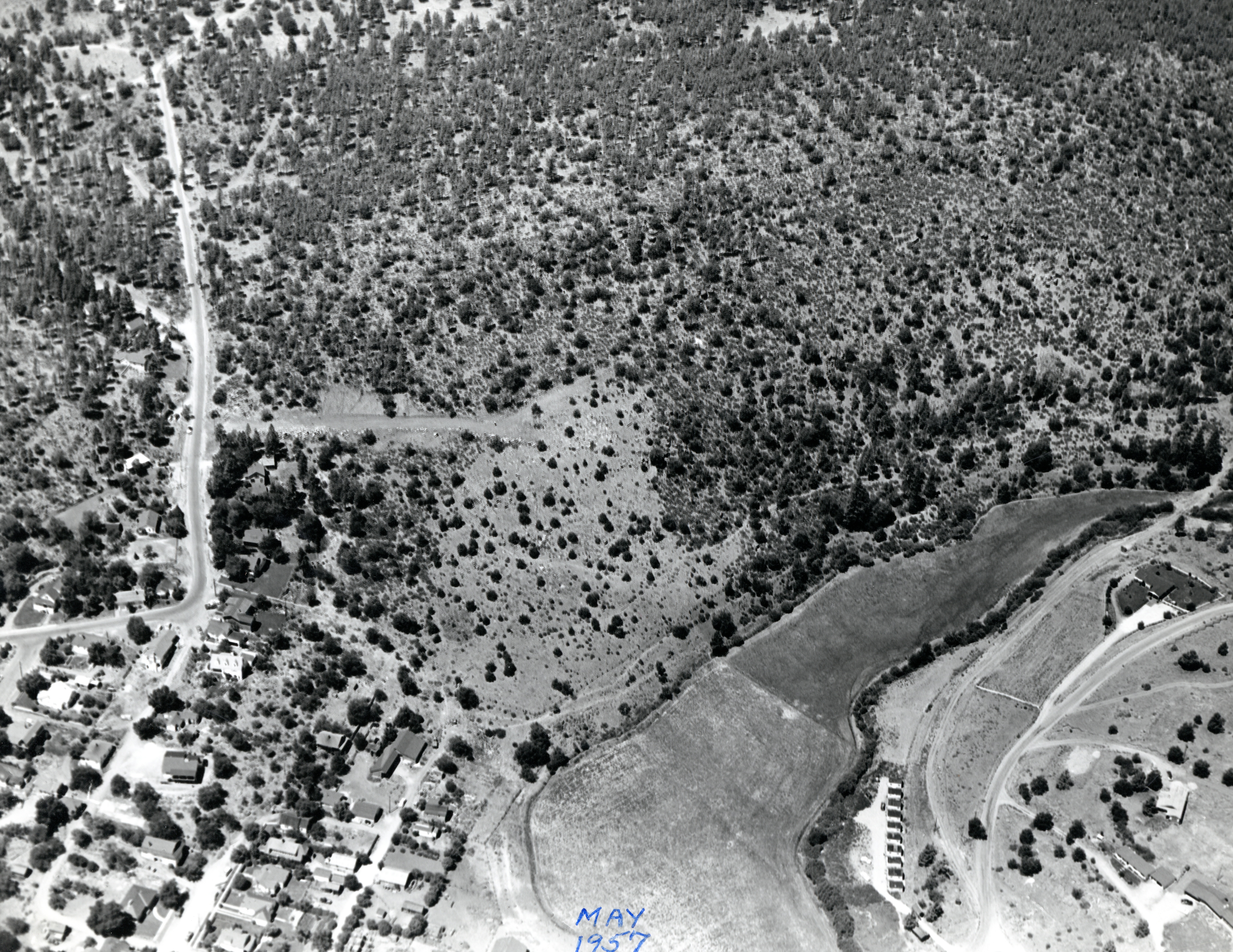
With the pending arrival of the railroad to Susanville in 1912, it started a frenzy of housing subdivisions. The first was Hill Long’s Long Addition. It was unique in many ways, it being one of the smallest and at that it was located inside the city limits. Continue reading Long’s Addition→
The Church was located on the corner of Main and North McDow.
In 1911, two missionaries, Elders Harry Janson and L.R. Halverson arrived in Susanville, though it appears their stay was brief. It was not until 1922, that the members of this church organized in Susanville. The initial families included those of Frederick Johnson, W.K. Davis, William Mortimer, Afton White, James C. White, John Heath and Peter F. Olsen.
Initial services were held in member’s homes. By 1924, their numbers had grown and they the hall in the Knoch Building for $2.50 a week. From there they moved to the Orpheum Theater and later to the OddFellows Hall.
On November 13, 1927, discussions were held to build a chapel. The site chosen was the northeast corner of Main and McDow Streets. On November 10, 1929, the church was dedicated by Heber J. Grant, President of the Church of Jesus Christ of Latter Day Saints
Thirty years later the members had outgrown the church. They selected a new site on Richmond Road. On November 5, 1961, groundbreaking ceremonies were held for the $300,000 chapel.
Subscribe and support this site for as little as $4.17 a month.
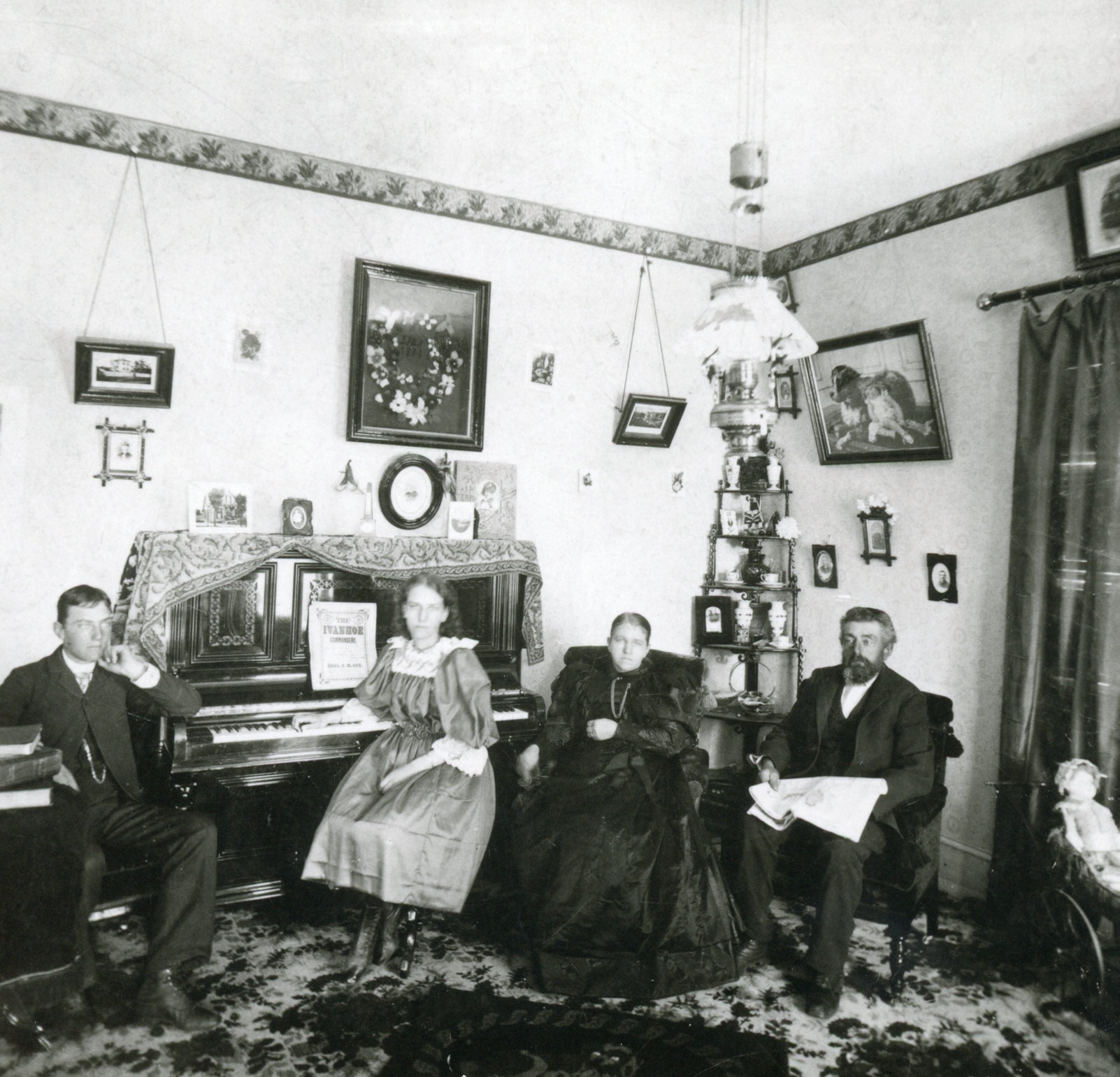
Jurgen Jensen family: Left to right: A.R. “Bert”, Delia, Effie and Jurgen, 1902. Courtesy of Abe Jensen
This being fair week, it is only fitting we salute the Jensen family. Two generations of Jensen’s had a major impact on the Lassen County Fair.
In the summer of 1922, A.R. “Bert” Jensen pushed the resurrection of a fair, the last one held was in 1902. Jensen recruited Russell Brownell, C.E. Lawson, L.E. DeForest and H.H. Ridells and formed the Lassen County Fair Association. Jensen offered the Association 20 acres of his ranch for a fairgrounds at a cost $2,750, though the group could pay him later—this is still the home of the Lassen County Fairgrounds. Continue reading Jurgen Jensen Family→