Tag Archives: Susanville

Susanville’s Piute Creek

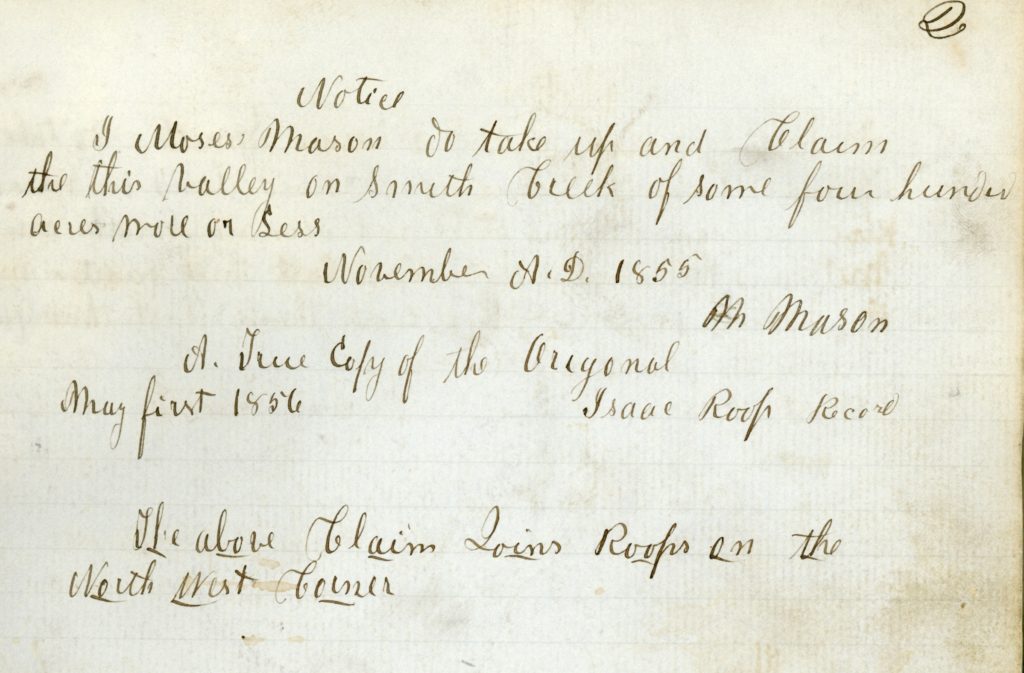
M. Moses was the second claim recorded in Roop’s Land Register. He settled on present day Susanville Ranch Park and referred to Piute Creek as Smith’s Creek.

This small stream a tributary to Susan River is approximately ten miles in length. For a brief period it was originally known as Smith’s Creek, who and why it was so named such we may never be known.

Another peculiarity is the spelling of Piute. Back in the 1850s and 1860s that was how the Anglo settlers of the western Great Basin spelt the name for the Native American tribe now referred to as Paiute.

Piute Creek was also the source for the original water supply for Susanville. It would be replaced with what is now known as Cady Springs in the Susan River Canyon.

Flood waters from breached earthen fill trestle, April 1938. Courtesy of Betty B. Deal

In 1935, the Red River Lumber Company completed its railroad logging line known as the Piute that traversed a portion of the canyon the creek flows through.  Just above Desmond Meadows, the Piute line crossed Piute Creek. In an effort to save money, Red River decided to forgo a wooden trestle, and substitute an earthen fill. It was a rather substantial one at that, being over twenty-five feet tall. The winter of 1937-38, was one for the record books. By the end of March, 1938, the spring run-off was in earnest. The earthen fill at Desmond Meadows was equipped with a culvert to handle the stream flow. It was no match for this type of heavy water flow and then the culvert became blocked with debris, creating a substantial reservoir. As one eyewitness observed, this newly created lake extended back 300 feet from the fill with an estimated depth over twenty feet. On April 9, the fill breached, sending a wall of water downstream creating havoc in its path and washing away segments of the Piute railroad tracks into the fields of its dairy property now known as Susanville Ranch Park. In the aftermath, Red River decided not to repair the destroyed trackage. Red River took its time salvaging the line, since the company had given consideration to abandon railroad logging. In the 1940s, the abandoned railroad grade was converted into the Paul Bunyan Logging road.
Support by subscribing.

Have $4.7 Million to Spare?

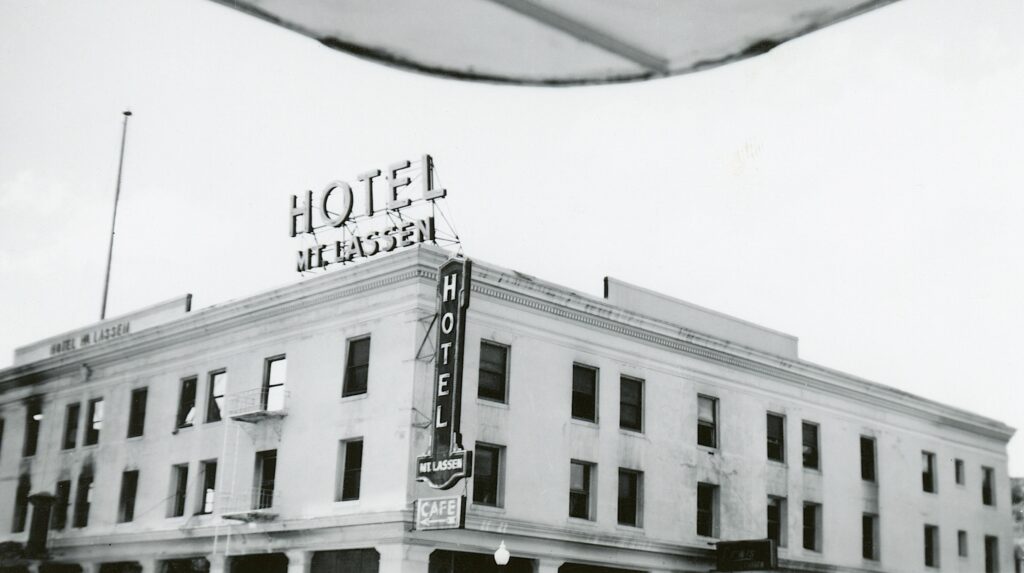
Hotel Mt. Lassen, 1947

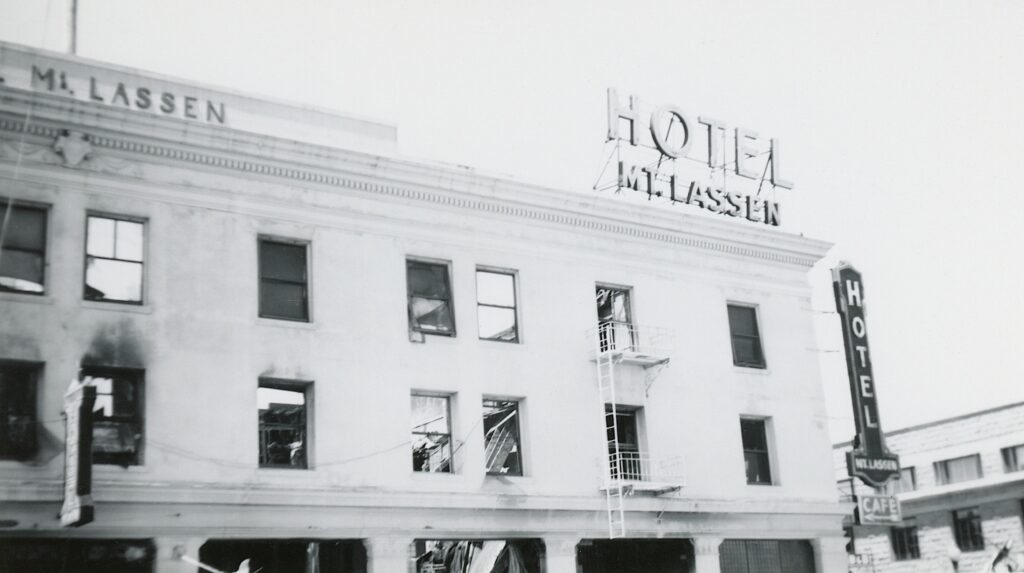
During the winter months, I spend some time cataloging documents and photographs. A tedious chore, but one that has to be done. With that in mind, I came across two 1947 photographs of the aftermath of the fire that destroyed Susanville’s Hotel Mt. Lassen. Since the cement walls were structurally sound, the hotel was rebuilt.

Hotel Mt. Lassen, 1947

The Hotel Mt. Lassen has now been closed for well over a decade. The current realtor has a firm asking price of $1.7 million. Last summer, I happen to had a discussion with a building contractor who inspected the hotel on the urging of the realtor. It was the contractor’s opinion that it would cost at least $3 million to put in back into operation. With inflation since then, the cost is probably higher. It appears the hotel will sit vacant for a long, long time.

Tim

Susanville’s Orpheum Theater

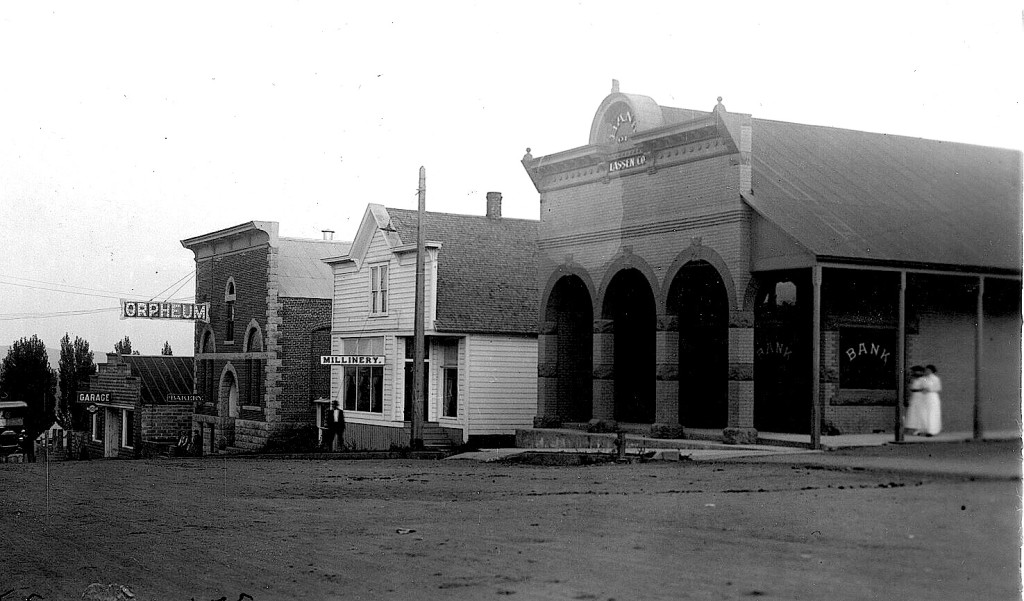
The Orpheum., circa 1913.

The name Orpheum was practically a generic name for theaters across the country, and Susanville was of no exception. The Orpheum located at 804 Main Street was constructed in 1913. It was a multi-functional building and when  completed housed the town’s first movie theater.  It should be noted that the first movies to be shown in Susanville occurred in 1907. When the Orpheum first opened, movies were shown usually two to three nights a week. Besides showing movies, the building was the scene of numerous dances and other activities.  Whatever the case may be, it became one of the most popular social hubs in town. It should also be noted, that the basement of the Orpheum housed a bakery.

In 1921, the Orpheum had competition when the Liberty Theater opened at the present site of Sierra Theater. The Orpheum adapted and at times had a skating rink and bowling alley. Many a civic organization held meetings and social fundraisers there.

However, times were changing and fifty years later the Orpheum had outlived its original purpose. On May 16, 1963, Paul Langslet had the building demolished for a used car lot.

Support by subscribing.

310 North Roop Street, Susanville

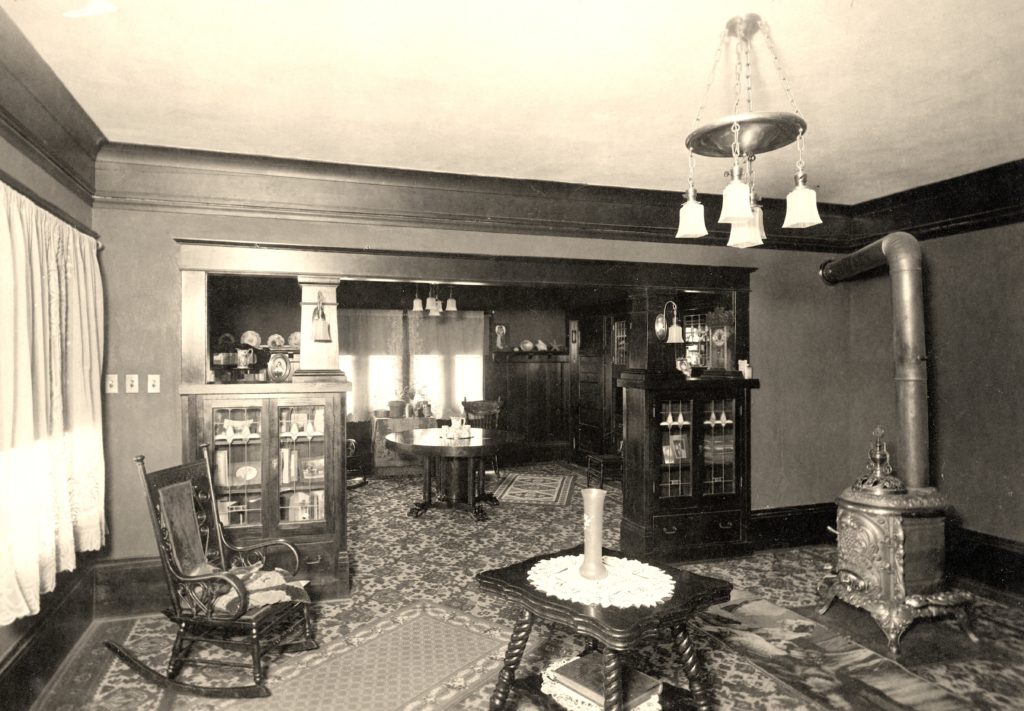
The B.R. Zimmerman residence, 310 N. Roop St., Susanville.

1912 was an exciting time in Susanville with the anticipation of the arrival of the railroad. There was a housing building boom. There were more houses constructed in Susanville in 1912, than the previous eleven years combined! It also ushered in a new architectural style, the bungalow, and the days of the Queen Anne were over.

Interior of the Zimmerman residence. Both photographs courtesy of the B.R. Zimmerman Collection

Another unique change was financing, as was with the case of the B.R.Zimmerman residence at 310 North Roop Street, Susanville. Built in 1913. Instead of using a traditional bank Zimmerman financed the residence through a local home building and savings loan company.

Support!

North Street, Susanville

Did you ever notice that North Street runs in an east-west direction? It does not make sense, until you go way back when Susanville was first surveyed. There you find the answer to this perplexing issue. You see, North Street was most northern street in the town. The same thing happened in the 1920s with an adjoining subdivision to the south, in which South Street became the most southern street.

North Street, Susanville
Looking east on North Street from Weatherlow during the 1938 flood. Courtesy of Betty Barry Deal

In addition, when North Street was laid out, it ended at Weatherlow Street. It was not until 1910 when it was extended to connect with Halltown to the east.

Tim

P.S. – This is an old post from March 2015. This morning’s post appeared, I did not receive a notification. So I am doing a test this afternoon, to if it is functioning or not.

Railroad Fever Strikes

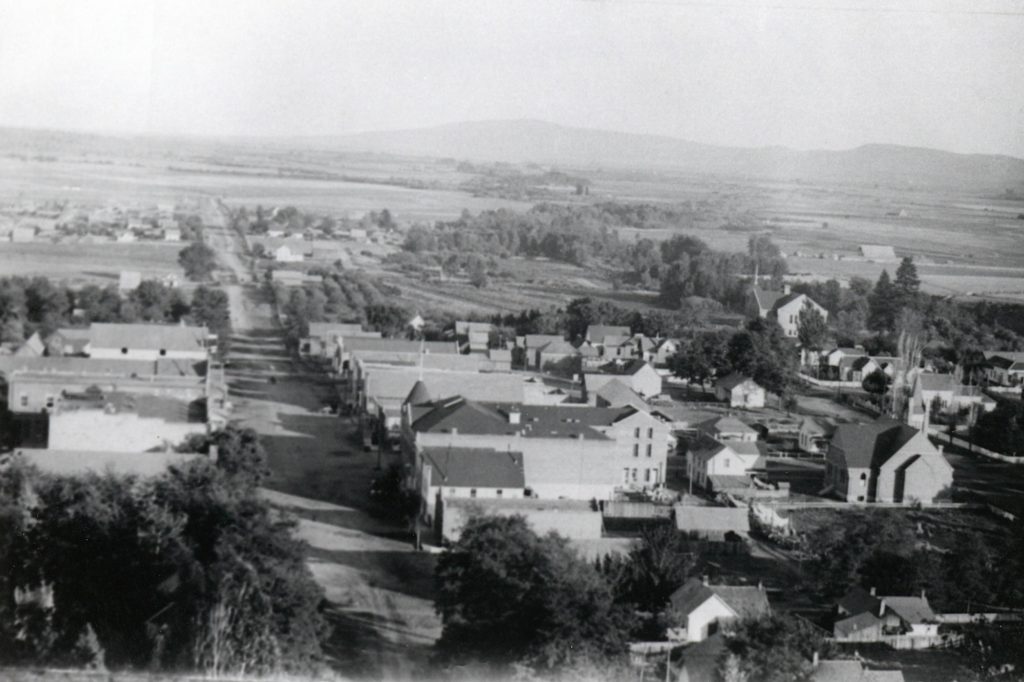
Susanville, 1905. Courtesy of Dick & Helen Harrison

In 1910, with no substantial proof that a railroad was coming to Susanville, some of the powers to be thought the town could use a makeover. In February, the Lassen County Chamber of Commerce thought the town had a image problem. In their opinion, the town’s name should be changed with something of a more cosmopolitan flair. This was, of course, a delicate maneuver, since the town’s matriarch and namesake, Susan Roop Arnold, was still a resident of the community and had been for forty-six years. The Chamber advised her that it did not mean to be disrespectful, but felt changing the City’s name would be in the best interest of the community. The Chamber believed the town was destined to become an important city and that with name of with suffix “ville” carried a stigma, as being associated with a hamlet or village.

The City Trustees listened to Chamber’s proposal. They decided to postpone it until the March meeting. The Trustee’s appointed a committee to provide a propose name change. The group were not very creative and the best they could come up was Lassen. They cited that if the Lassen name was adopted, very few changes would have to be made. Numerous businesses and organizations had already incorporated the name into their respective establishments. The City said no, end of story.

Donate

Taking Care of Business—The Story Club

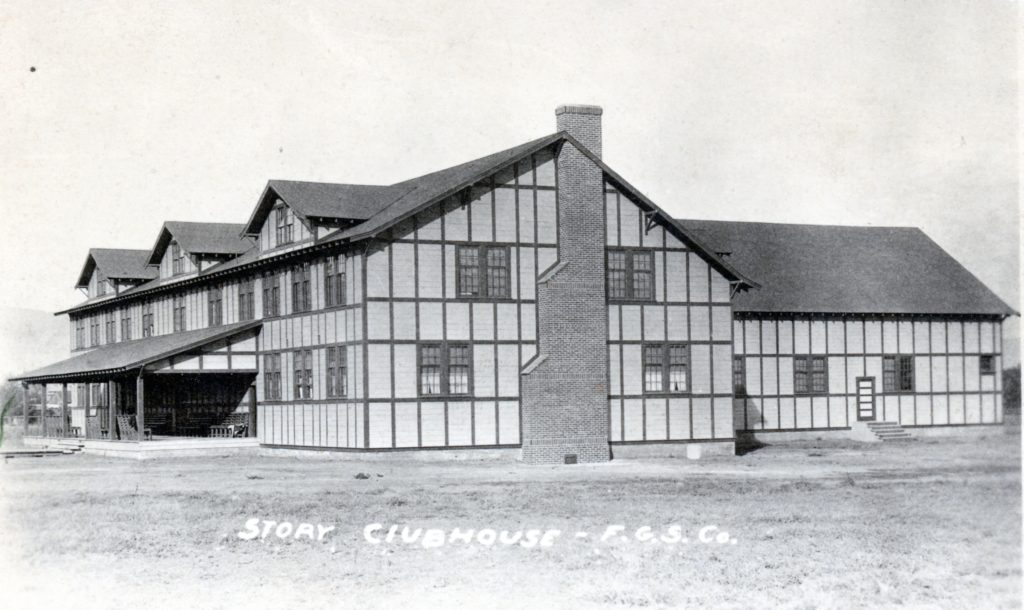
Story Club, 1924. Courtesy of Lola L. Tanner

Fruit Growers Supply Company is a non-profit purchasing agent co-operative of Sunkist. The latter is a marketing co-operative of citrus growers. There was a time when fruit and vegetables were shipped in wooden boxes, that is another story. Fruit Growers, as it is known entered the lumber business reluctantly to manufacture wooden boxes for their member owned citrus growers.

One of Fruit Growers earliest lessons learned was the value of employees. To retain a reliable/skilled workforce amenities were provided to prevent labor turnover. When Fruit Growers mill opened its Susanville mill in 1921, they were in hopes the town would provide such. Susanville had been so overwhelmed by its short term growth, that it was just too much.

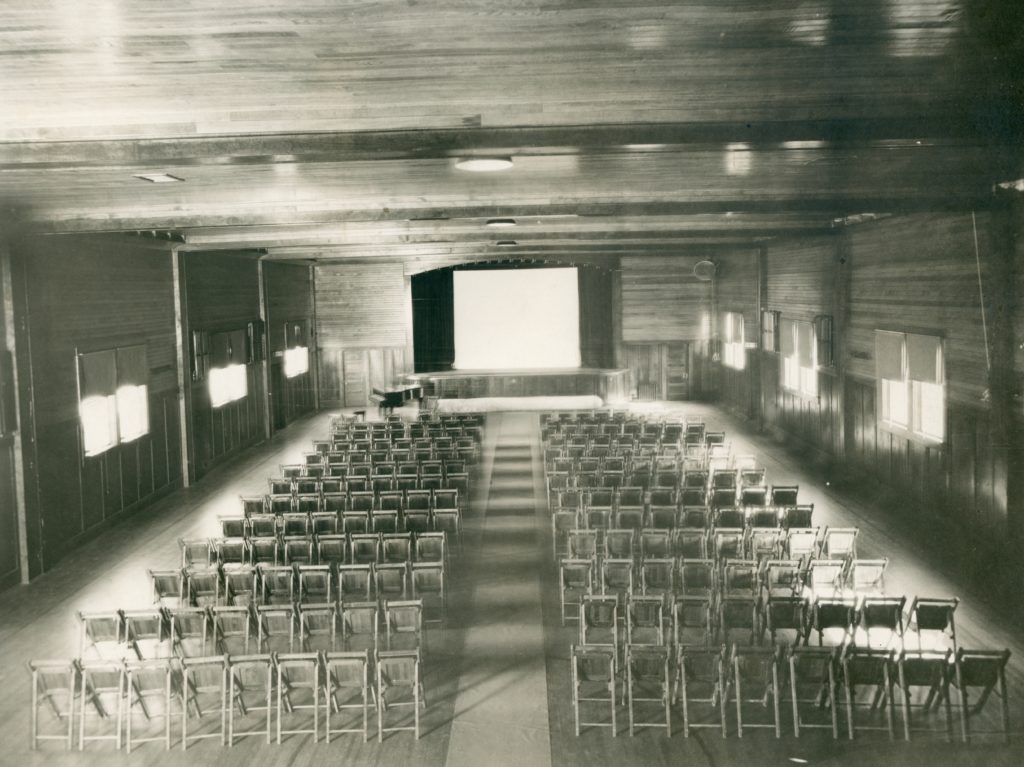
The movie theater in the Story Club, 1923. It was used by many religious denominations for services. Courtesy of Fruit Growers Supply Company.

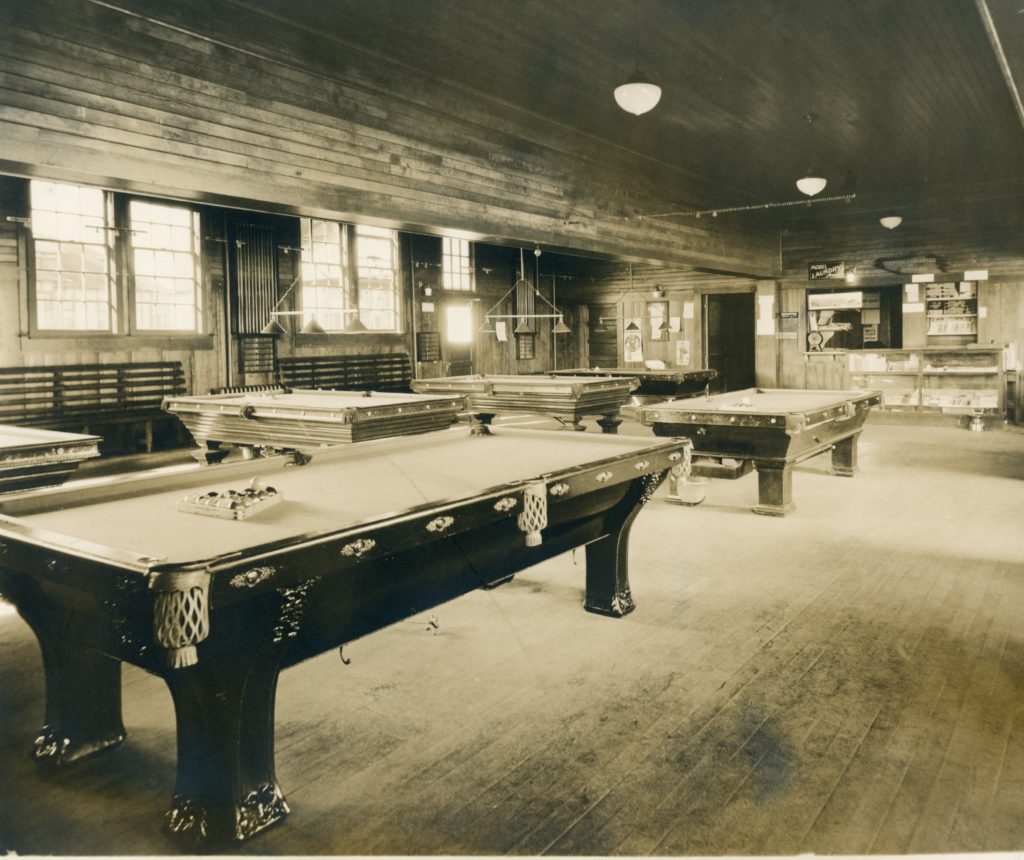
While Fruit Growers would provide housing and a hospital, that was not enough. In 1922, they had a three-story recreational building constructed on their premises. Susanville had never experienced a facility like this. Of the many attractions inside the building was a theater that could seat 450 people. It was a multi-purpose room that served as a ballroom and other forms of entertainment—including indoor baseball which I do not know how that operated. The place boasted a billiard room, a restaurant, soda fountain, and a library. The place was named the Story Club, after an influential member of Sunkist who donated the initial stock for the library.

The billiard room, Story Club, Susanville, 1923. Courtesy of the Fruit Growers Supply Company

On the north side of the building there was a children’s playground. The Story Club was destroyed by fire in 1944. Times had changed, and Fruit Growers converted the site into a park known as Riverside.

Support by subscribing

Desmond Meadows, Lassen County

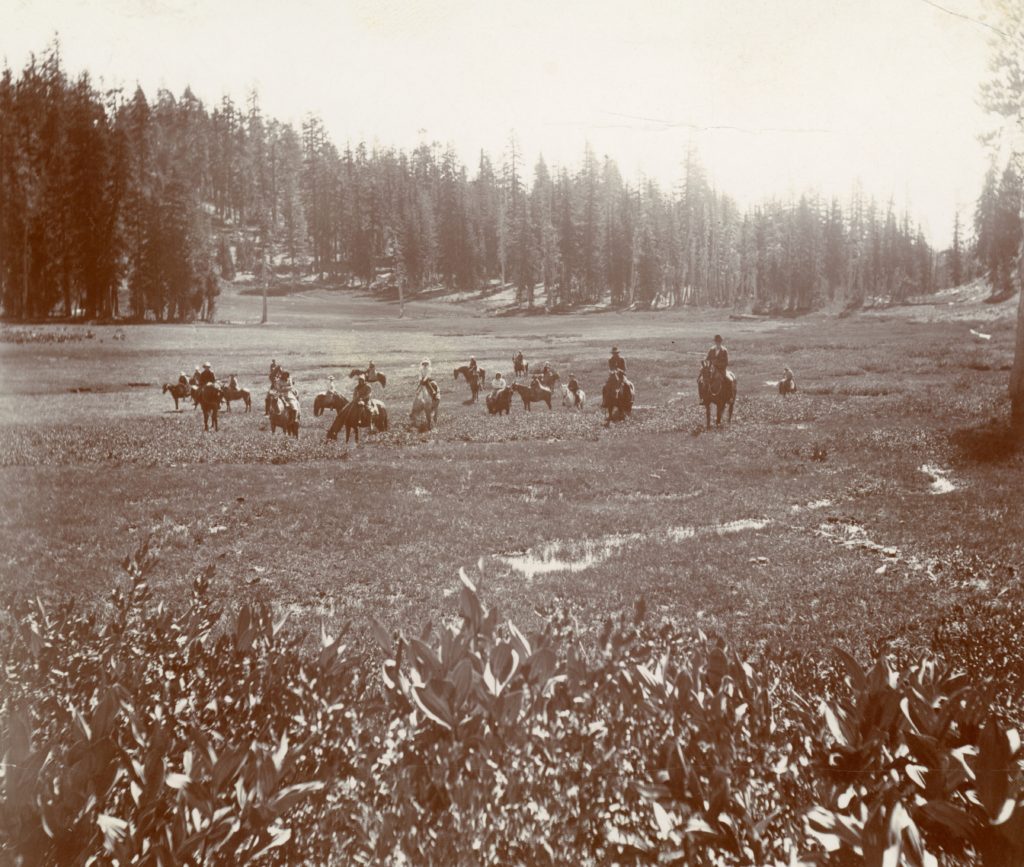
Desmond Meadows, 1906. Courtesy of Betty Barry Deal

On January 22, 1859, Malcolm S. Scott claimed the meadows along Piute Creek, west of Susanville, that he named Spring Valley. Scott later abandoned his claim and the claim was taken over by Emanuel Brannon during the following year. Interest in the meadows fell by the wayside until 1873, when Robert M. Bean took possession of the meadows. Somewhere along the banks of Piute Creek, between Desmond Meadows and Susanville, Bean established the first brick kiln yard in Lassen County. In the year 1878, Bean manufactured 130,000 bricks. Hard times quickly fell upon him. Because of his creditors and the death of his wife, Alice, Bean sold the meadows to Jonathon Lovell, a Susanville blacksmith. Ownership of the meadows changed hands numerous times during the early 1880s. In 1886, it was purchased by John and Hannah Desmond from M. C. Bishop for $1,500. Married life for the Desmonds was not pleasant. In 1890, the couple separated and Hannah remained at the meadows. For the next ten years, to support herself and her family, Hannah operated a firewood business. The County of Lassen was one of her major customers, purchasing eighty cords annually at a $1.50 per cord. On November 19, 1900, Desmond sold the meadows to Anton Bantly for $2,000.

Support

Twenty Years Ago—The Last Mill Closure

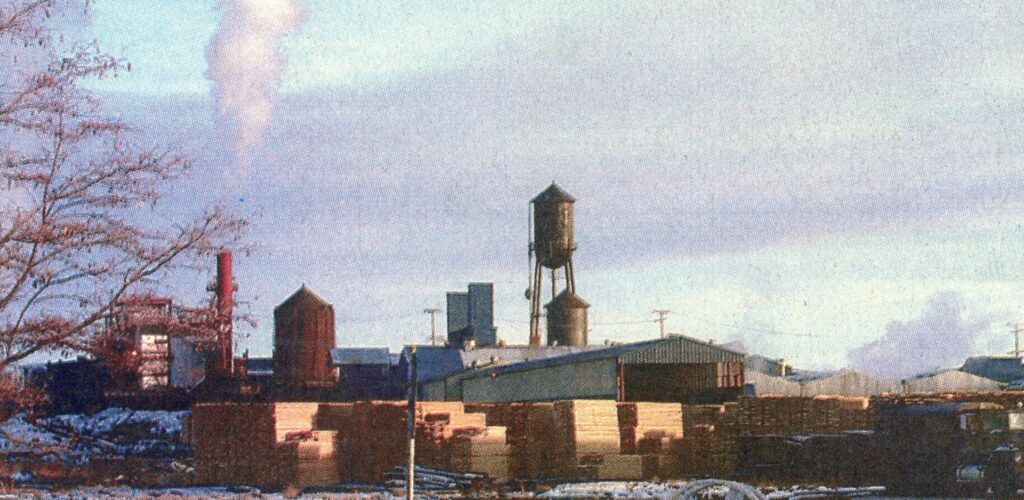
Sierra Pacific Mill—Lassen County Times, December 18, 2003.

On December 11, 2003, Ed Bond, spokesman for the Sierra Pacific Industries announced the Susanville mill would close some time in early 2004. Bond stated a number of issues that led to the closure. One, of course, was a lack of available timber. It was noted that in 1990 the Lassen National Forest sold 108 million board feet of timber and by 2002 that number had dropped to 17.9 million board feet. Those who have an affiliation in this industry, were not surprised by the closure. Actually, many and my self included were amazed that it had not happened years earlier.

The community reaction was all doom and gloom. Fast forward nearly twenty years later, with the closure of the California Correctional Center and the commentary is the same. Guess what, the town has not shriveled up and blown away.

Tim

Note for the record: The mill closed down on May 3, 2004  and portions of the mill dismantled. One of the features that still remain is the water tower, which found a new life as a cell tower.