Tag Archives: Logging

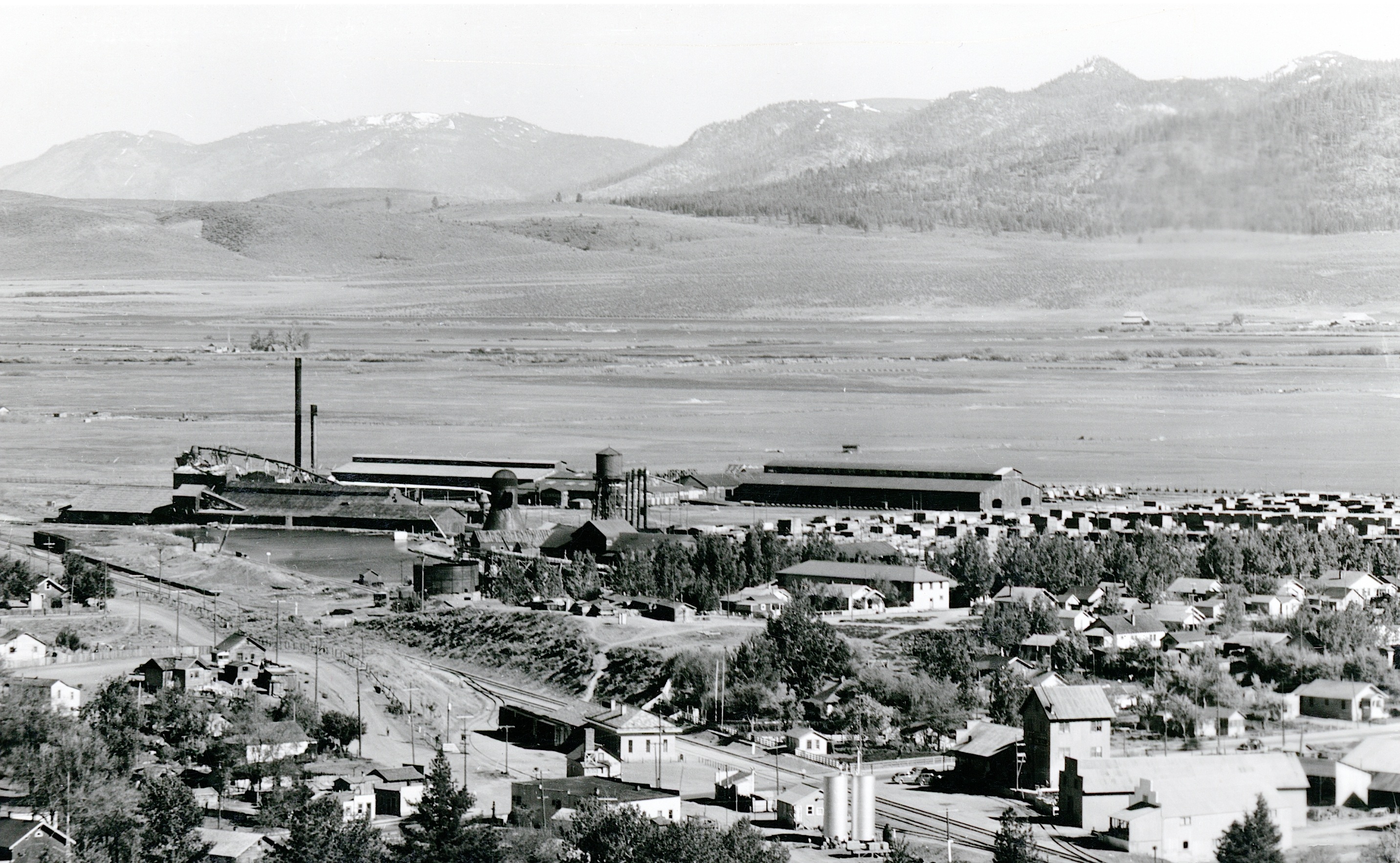
Building Westwood

One of the nice features using this forum, instead of traditional print, some photographs will not print well. The above is a perfect example, yet it is an interesting photograph. This is at 501 Main Street, now Uptown Cinemas. This caravan of equipment is headed to Westwood while the first sawmill was under construction. Courtesy of Marcella Mathews Searles.

When the Red River Lumber Company finally decided, or actually more to the point Fletcher Walker demanded the Mountain Meadows location or otherwise he was going to quit, there were numerous hurdles to overcome.

During the initial construction phase of 1912-13, everything would have to be freighted in, while the railroad was under construction, and it would not be completed to Westwood until February 1914.

Highway 36 Fredonyer
The road over Fredonyer as it appeared in 1914.

The bulk of the machinery was shipped by rail on the Western Pacific to Doyle. Smaller shipments also went by the Western Pacific to Keddie. In either instance, that is still a long haul for all the machinery to build one of the largest electric sawmills. In addition, all the auxiliary items needed to build a company town. This is before paved highways no less, and the truck traffic certainly made its imprint on the roads, though not in a favorable way.

Hopefully, bringing you this information, it might give you a tiny incentive to part with five dollars a month to keep things running.

Lunch Time

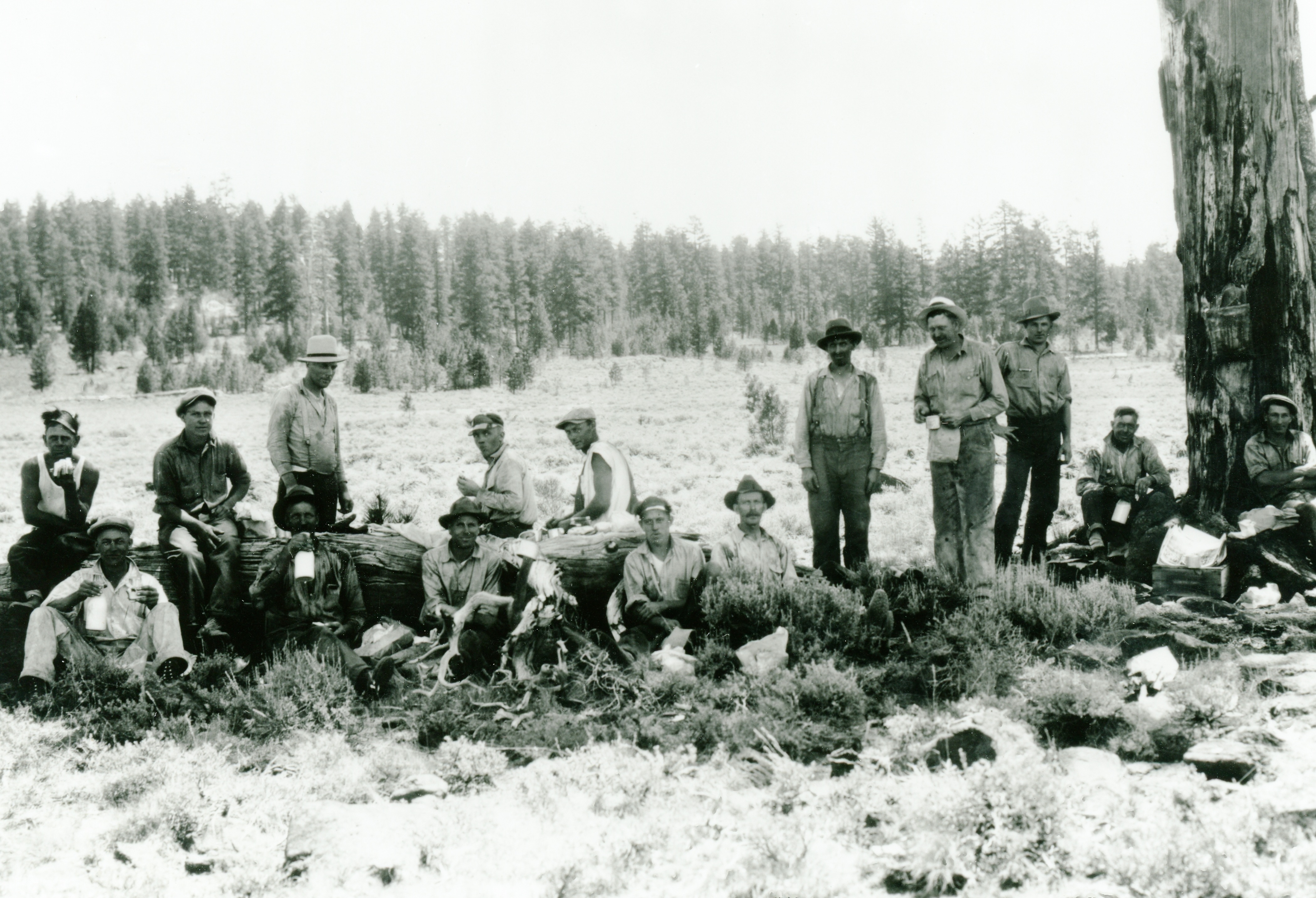
Lunch time
Loggers having lunch. Courtesy of the Fruit Growers Supply Company

I know hardly anything about this photograph, however, for reasons unknown I just like it. It is a woods crew of Fruit Growers Supply Company working from Camp Ten in 1932. Notice the two men on the far left with quart bottles of milk. Does anyone know how the milk was kept somewhat cool?

Subscribe and support this site for as little as $5.00 a month

Prattville Burn

1925
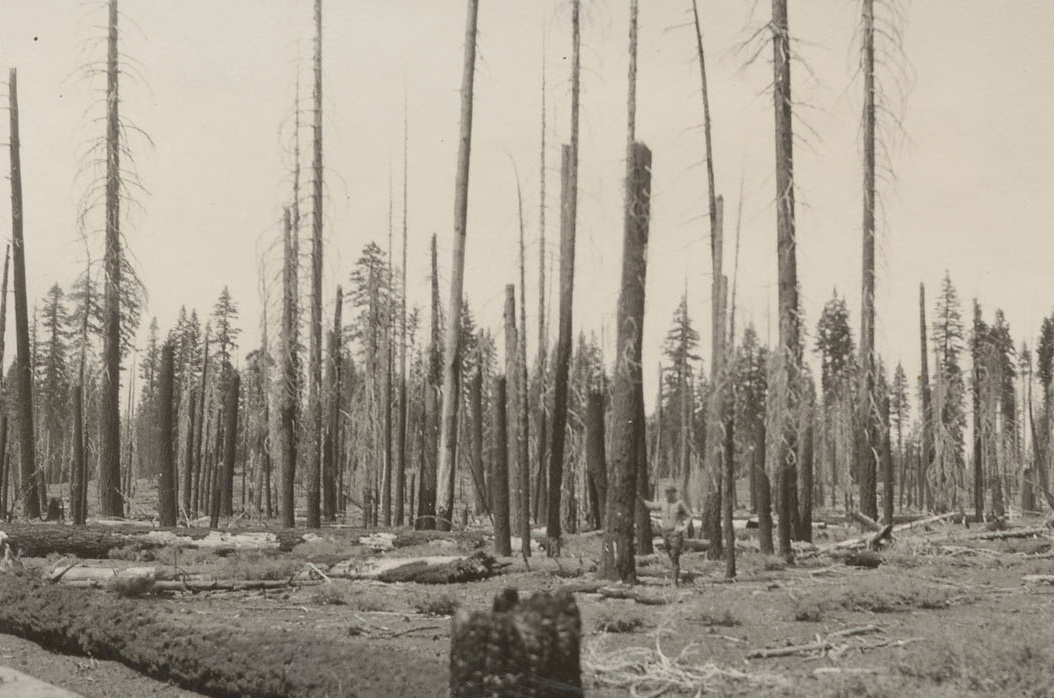
Prattville burn, 1926.

It was not until the 1920s that the Red River Lumber Company experienced problems with forest fires. Some time back I wrote about that company’s fire train. On July 27, 1926, a fire started at Butt Valley where Red River was logging. This was one instant that while the fire train was dispatched it was no match for the inferno. Continue reading Prattville Burn

Control Burns

Bunnell's
Bunnell’s Resort, Big Meadows. Courtesy of Philip S. Hall

While my Red River series covers a tremendous amount of material on the Red River Lumber Company, there were some topics were not addressed. In 1938, the topic of controlled burns was being discussed, as the company had done it in its earliest years until Clinton Walker’s departure in 1913. Below is an excerpt of a 1938 memo Clinton wrote to the Board and the experience of a control burn at Lake Almanor. Continue reading Control Burns

Richmond, 1878

LM
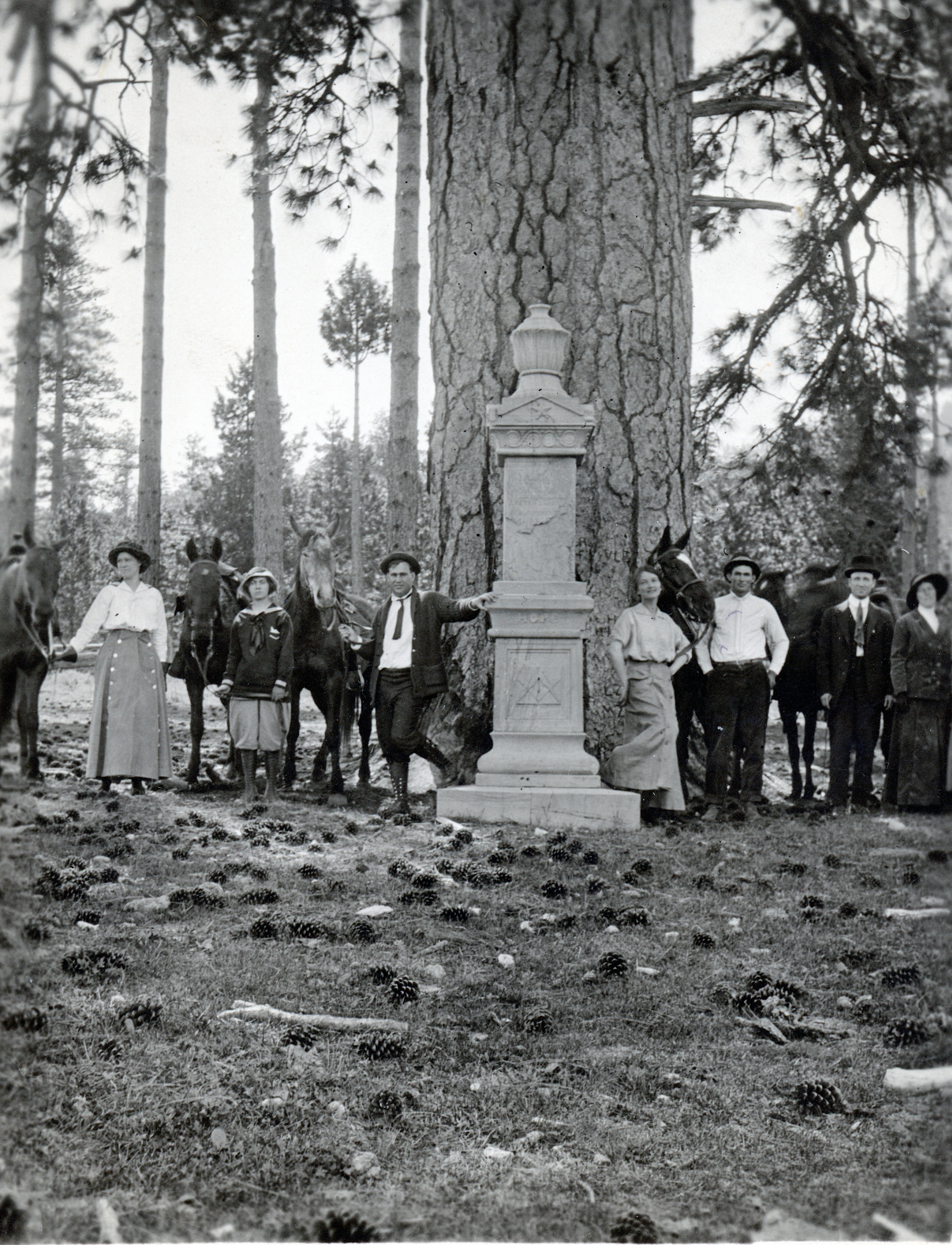
Lassen’s Monument, 1915.

In 1878, Edward Weed took over as editor and publisher of the Lassen Advocate. He brought a lot of life to the newspaper. From time to time he would make excursions and write about those experiences. This is one of them. The reader will note the sawmill on Diamond Mountain. At any given time there were two to as many four mills along the mountain range between Gold Run and Janesville. Continue reading Richmond, 1878

That Old Barn Update

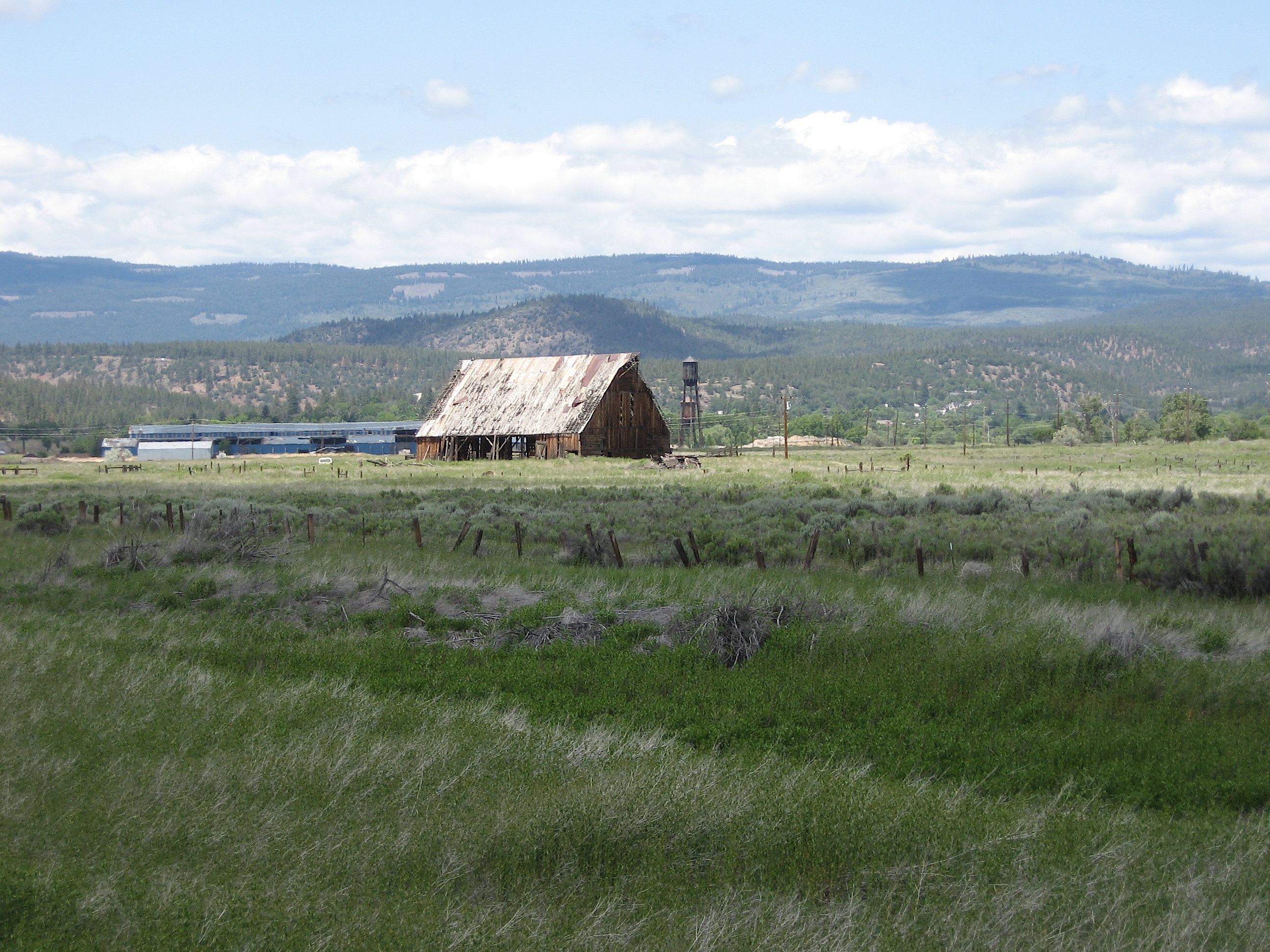
FGS barn
The old Fruit Growers barn, June 2, 2015

The barn was destroyed by fire the night of June 16, 2015.  A transient caused the fire from a cigarette, thought to be extinguished, but that was not the case.

Routinely, when I am out and about someone will ask me a question about this or that. In many instances, I am able to provide an answer. Every now and then I get stumped with a doozey. In this particular instant, it was the old barn at the east end of Susanville, just past McDonald’s.

The barn sits like a lone sentinal these days. There used to be a small white painted caretaker’s house there, occupied for a number of years by Grant and Lena Trumbull. One of the oddities about the barn is it is far removed from any ranch. After extensive sleuthing it was built in 1920/21 for the Fruit Growers Supply Company, who were in the midst of constructing their new sawmill/box factory nearby. Continue reading That Old Barn Update

Lassen’s Most Influential Person

railroad
The Fernley & Lassen Railroad under construction, February 1914.

On January 29, 1912 a contract was signed in San Francisco that would forever change Lassen County. On that historic date, T.B. Walker signed an agreement with the Southern Pacific for the construction of the Fernley & Lassen Railroad.

T.B. Walker with his need for a railroad transformed Lassen County in countless ways. It brought an era prosperity that has seen before or since. The huge influx of population provided a huge market for the local farmers and ranchers. Take for instance, there was not a single dairy, by 1920 there fifteen.

Of course, if opened the door to the timber industry, and transformed Susanville in a major lumber manufacturing center. What was thought with sustained yield and other forestry practices it was believed that it would remain the dominant industry for well over a hundred years if not more. Within fifty years, the writing was on the wall, and Lassen County’s citizens sought a new industry—prisons.

In future posts we will explore those exciting times, as well as T.B. Walker.

Support this site, Subscribe today!

Roop’s Sawmill

Roop's Mill
Roop’s mill taken in the early 1860s

In the spring of 1857, Ephraim Roop, Isaac Roop, and William McNaull constructed the first sawmill in Lassen County, along the Susan River at a place that would later become known as Hobo Camp. In November 1860, Perry Craig fell out of a boat at the millpond and drowned. Craig was buried on top of the hillside near the river, and from that episode the Susanville Cemetery was created. On August 18, 1862, Roop & Company sold the mill to Luther Spencer for $200. Spencer operated the mill until it was destroyed by fire in the spring of 1868.