Category Archives: History

Susanville Roundhouse

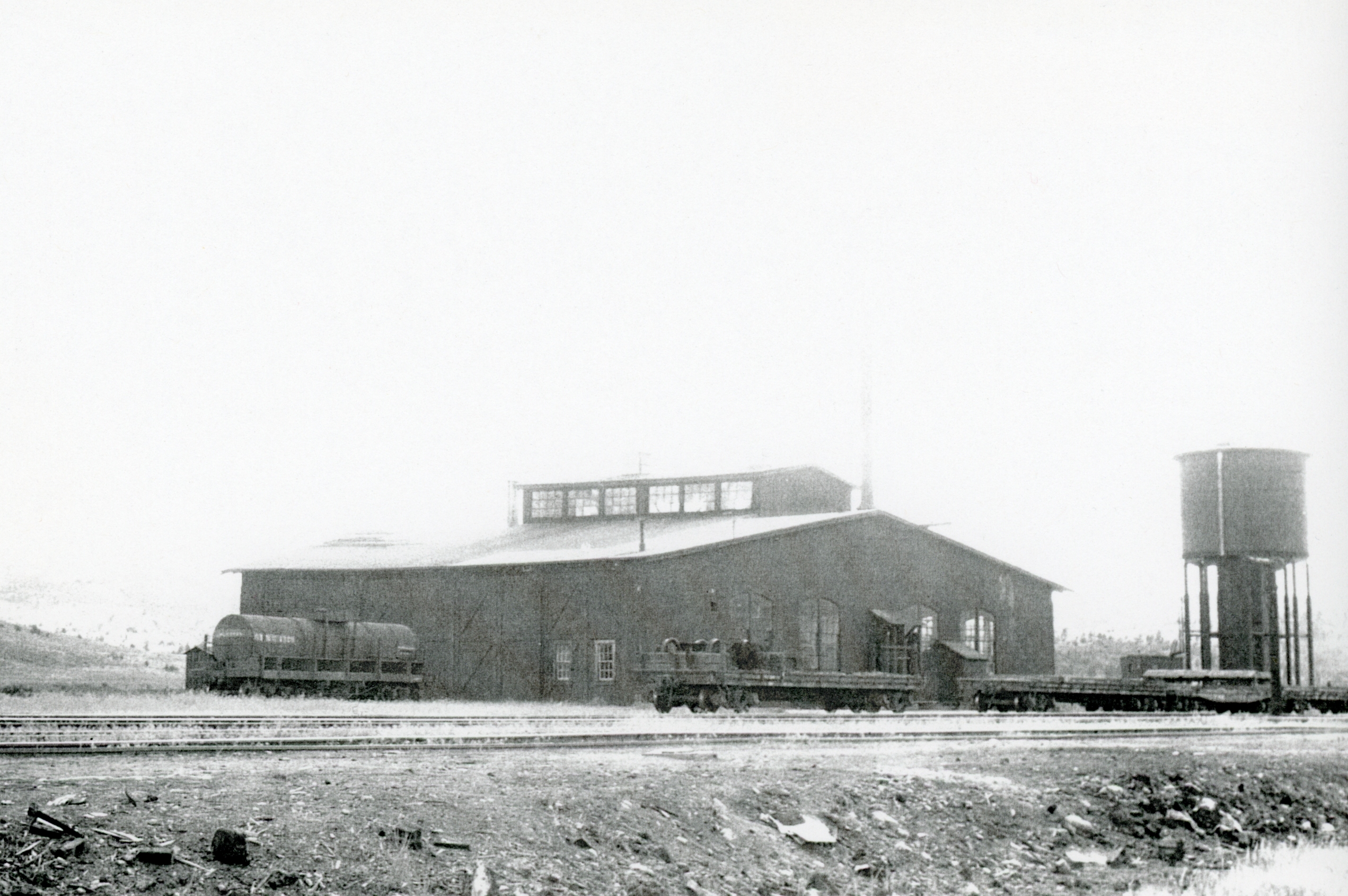
The Southern Pacific Roundhouse, Susanville, 1947. G. Dunscomb Collection

Yes, I must confess my ignorance on this topic. This railroad’s roundhouse is unique in the sense it was isolated.  It was not something a person would drive by, and it went relatively unnoticed unless you worked for the railroad or was involved with the nearby lumber mills.

Equally, puzzling is the rarity of photographs of trains along the Fernley & Lassen line. What makes that peculiar when one takes into consideration the large amount of tonnage shipped. During its existence, I would safely estimate some three billion board feet of manufactured lumber was shipped across these rails, that with the exception of the rails left at the Susanville Depot are all gone.

If anyone has information that they would like to share about the roundhouse, it would be greatly appeciated.
It is never too late, subscribe today and enjoy tomorrow with daily notifications. You can also surprise someone with a gift subscription.

Swamp Angel

Murphy Field, November 19, 2015

No this has nothing to done with some foul, slimy creature crawling out of a lagoon. There are a lot of  localized place names that over the years have been forgotten and abandoned. One example is Murphy field, where Bob Murphy and Finn Barry after graduating from college tried their hand at farming in 1916.  It did not take long for Finn to give up the farm and went on to become an attorney. Continue reading Swamp Angel

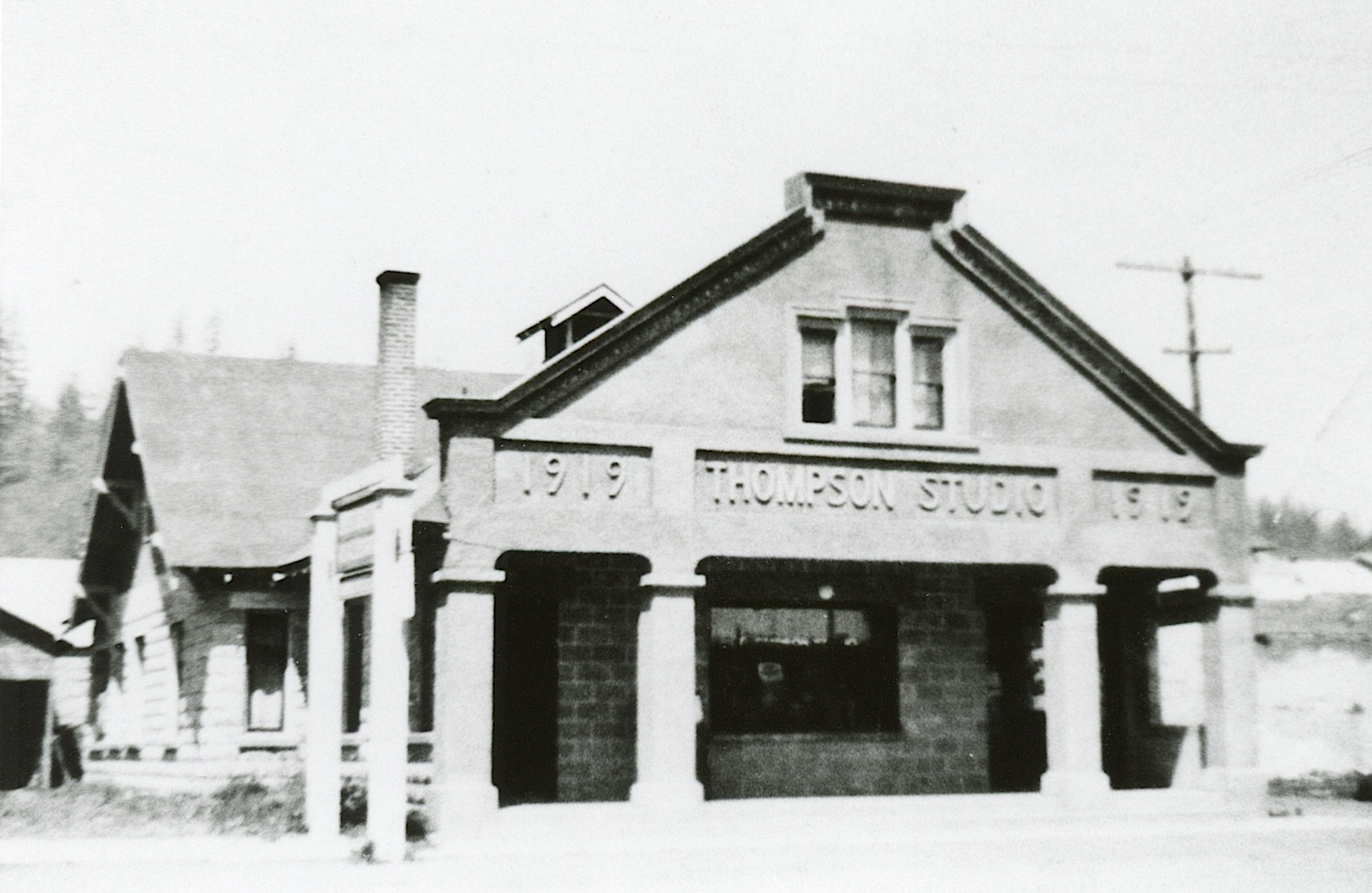
Susanville’s Thompson’s Photography Studio

Courtesy of Frances Wier
Thompson Studio, 1921. Courtesy of Frances Wier

It has been awhile since I wrote about the professional photographers of the area who left a valuable historical record behind.

In September 1912, Peter Julian “Jack” Thompson announced he was going to relocate his photography studio from Loyalton, which had been in operation there for ten years, to Susanville. However, due to some delays he did not open for business here until February 1913. Continue reading Susanville’s Thompson’s Photography Studio

Paradise City – Lassen County

Hayden Hill, 1909. Courtesy of Dallas & Joyce Snider

Paradise City was one of the earliest mining camps adjacent to Hayden Hill. In 1872-73, according to the Lassen County Assessment Rolls, Joseph Miles owned a house and lot in Paradise City—though no records of any subdivision is known for that place or for Hayden Hill. Paradise City was also the location of the Providence Mining Company’s quartz mill. It was the first quartz mill constructed at Hayden Hill. This mill would crush the rock so that the gold could be extracted. Incidentally, that mill was hauled to the Hill from its original location at Hardin City in the Black Rock Desert.

It is never too late, subscribe today and enjoy tomorrow with daily notifications. You can also surprise someone with a gift subscription.

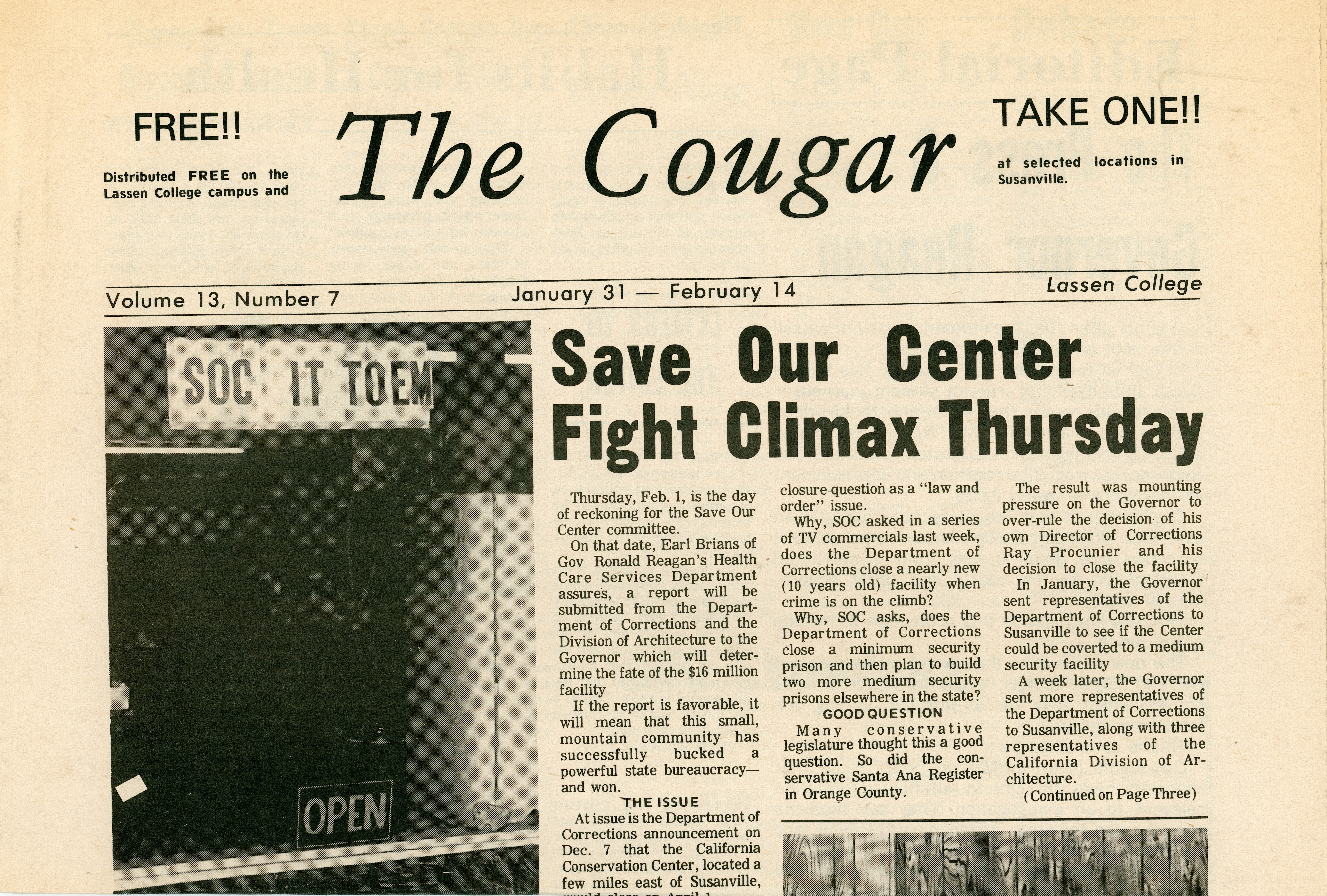
Save Our Center

soc campaing
It was headline news everywhere.

Less than 10 years after it opened, it was disclosed that the State of California had plans to shut down the California Conservation Center at Susanville. Of course, the community fought to keep it and on December 13, 1972 the Save Our Center campaign was launched.  State Director of Corrections Ray Procunier stated that the California Conservation Center near Susanville was to be closed effective April 1, 1973. Procunier cited a decline of the inmate population by 4,000. In doing so it would eliminate 270 jobs. Procunier stated, “The cutting off of that payroll is to have an impact of the economy of that community, but Susanville is not the best location in the world for a correctional institution because of its remoteness.”

Subscribe and support this site for as little as $5.00 a month.

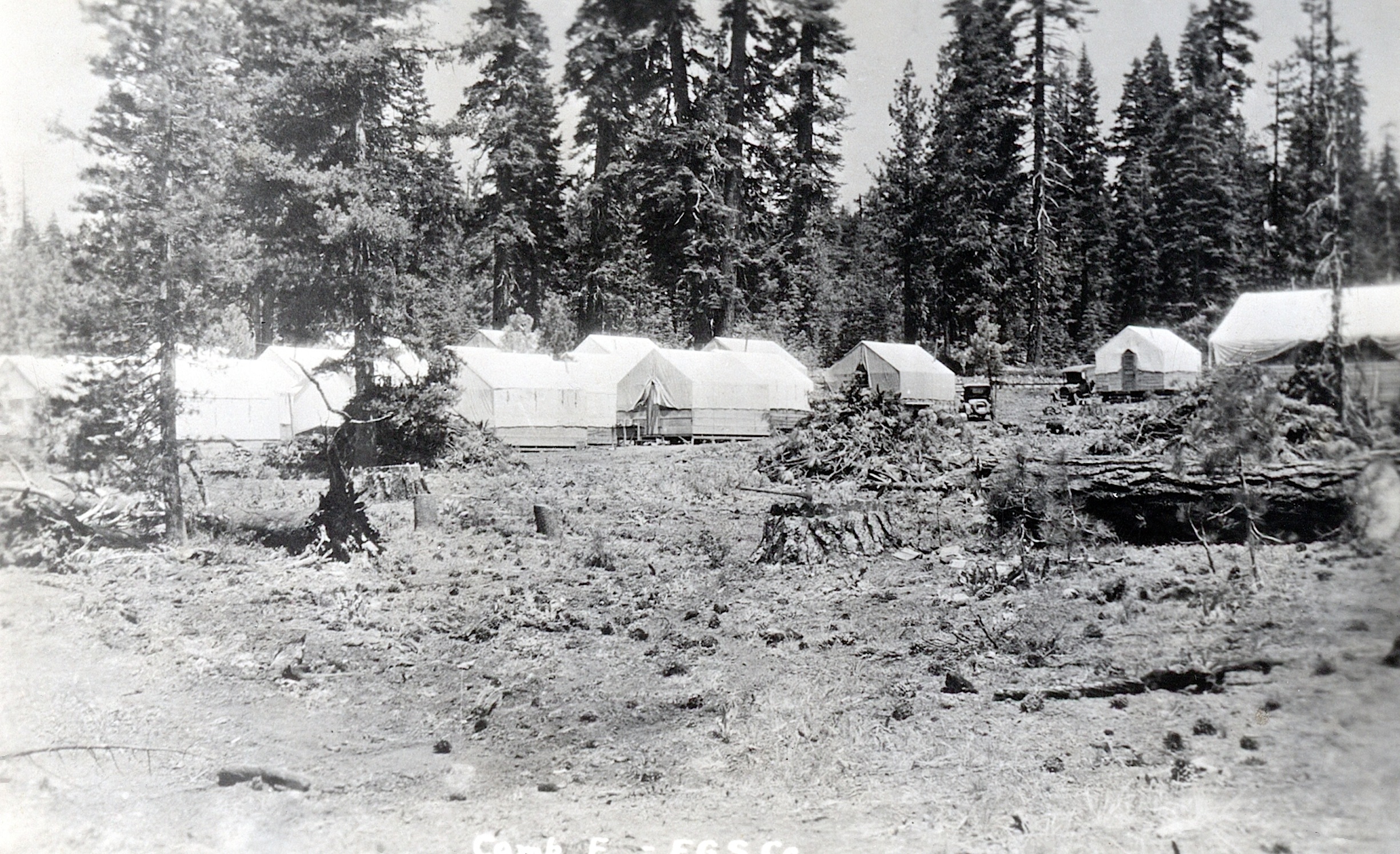
FGS Logging Camps E, Y & 9

Camp E395
Camp E, Fruit Growers Supply Company. Courtesy of Lola L. Tanner

Fruit Growers Supply Company had a total of eleven railroad logging camps. Technically, the longest operating, Camp 10, should have been named Camp 11.

Of these camps, three were quite small and operated for only one logging season during the 1920s. The first was Camp E at Merrill Flat. It was followed by tiny and peculiar Camp Y. Then there was Camp 9, which from most accounts only housed timber fallers. Unlike the other camps that had portable wooden buildings these camps had canvas-wooden tents.

Become a supporter for just $5 a month to ensure quality history available to all. Click here.

Eastern Honey Lake Valley

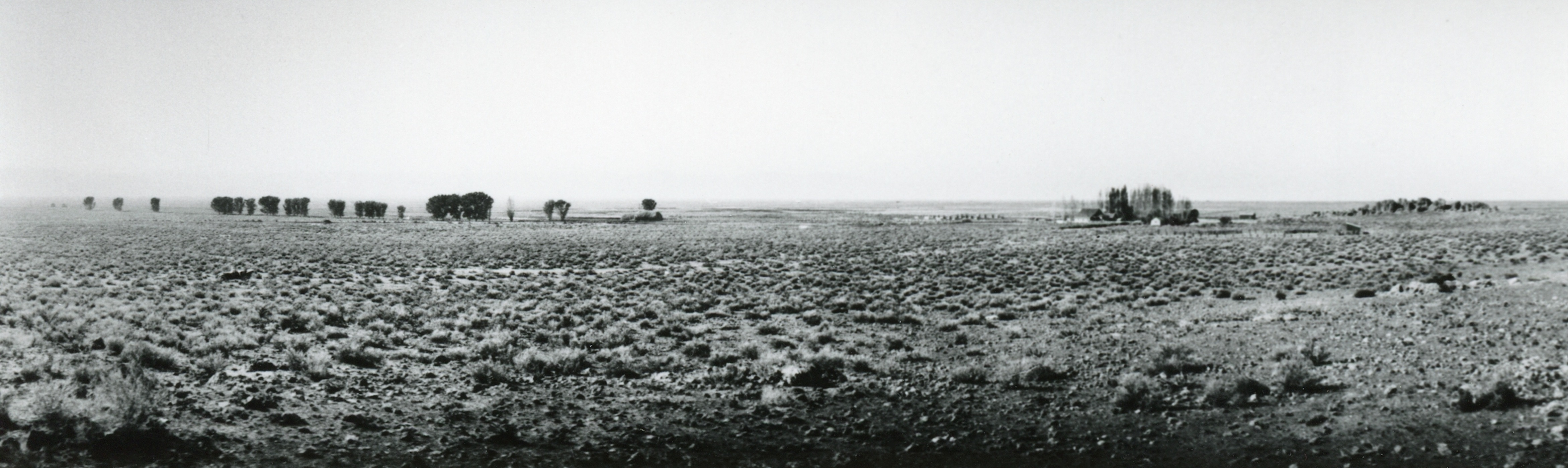
Eastern Honey Lake Valley, near High Rock Ranch, 1916. Courtesy of Betty Barry Deal

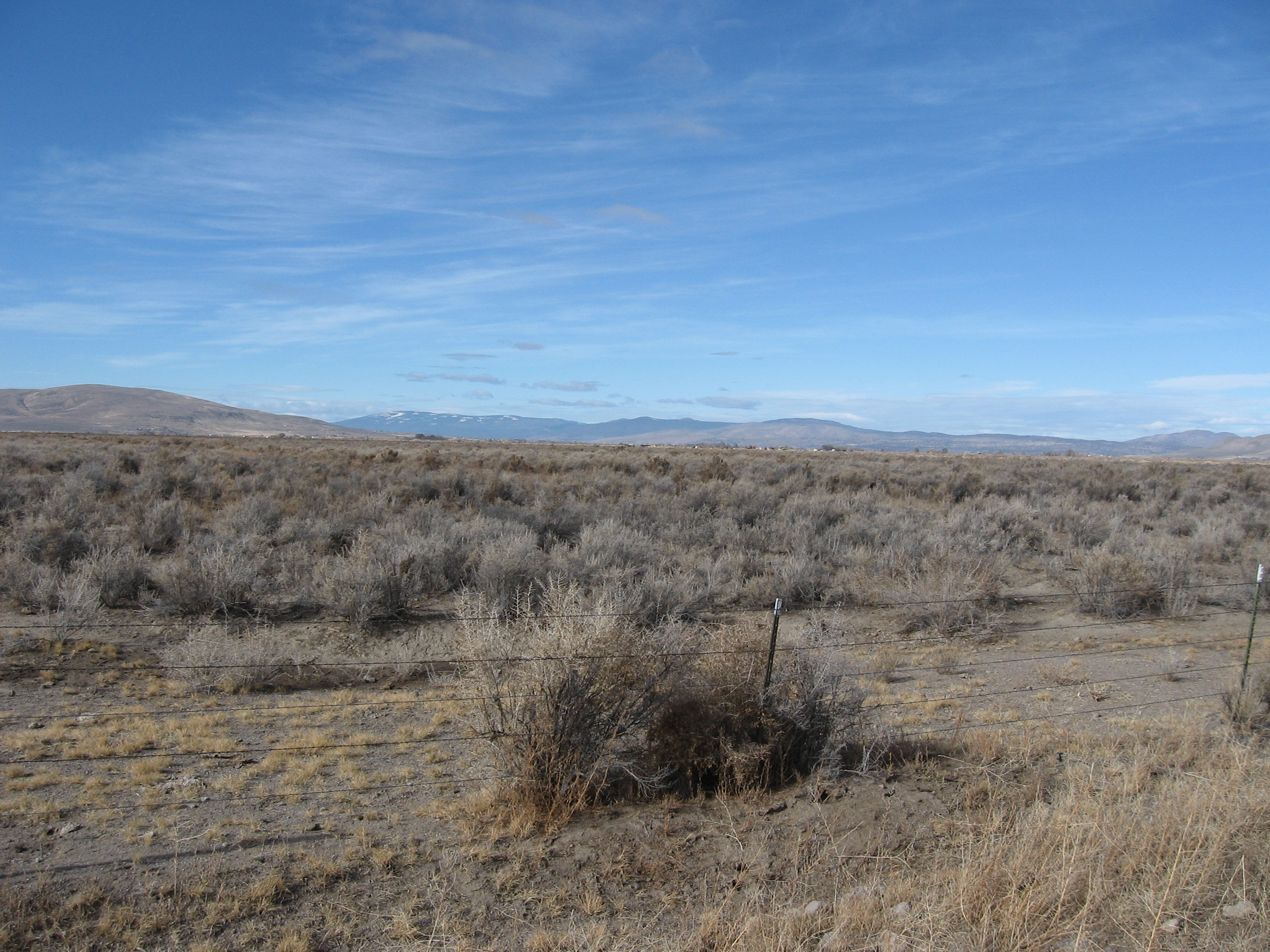
In the 1800s and early 1900s there were a lot of dreamers and schemers whose desire to transform the sagebrush lands of eastern Honey Lake Valley into productive farm lands. It first began with Capt. Charles A. Merrill, who in 1878, proposed to use water from Honey Lake to irrigate the same. It should be noted that this is the same Merrill who worked relentlessly for twenty-five years to tap Eagle Lake for irrigation of the Honey Lake Valley. By 1891, there were so many reclamation projects underway, it was remarked that the Eagle Lake water would not be needed for irrigation, but it could be used to keep Honey Lake full for the pleasure of the members of the Amedee Yacht Club, among others.

In the future, we will explore a number of these projects such as Lake Greeno, Skedaddle Dam and the Standish Water Company’s Honey Lake pumping plant.

Never miss a story, click here.

St. Francis Hotel

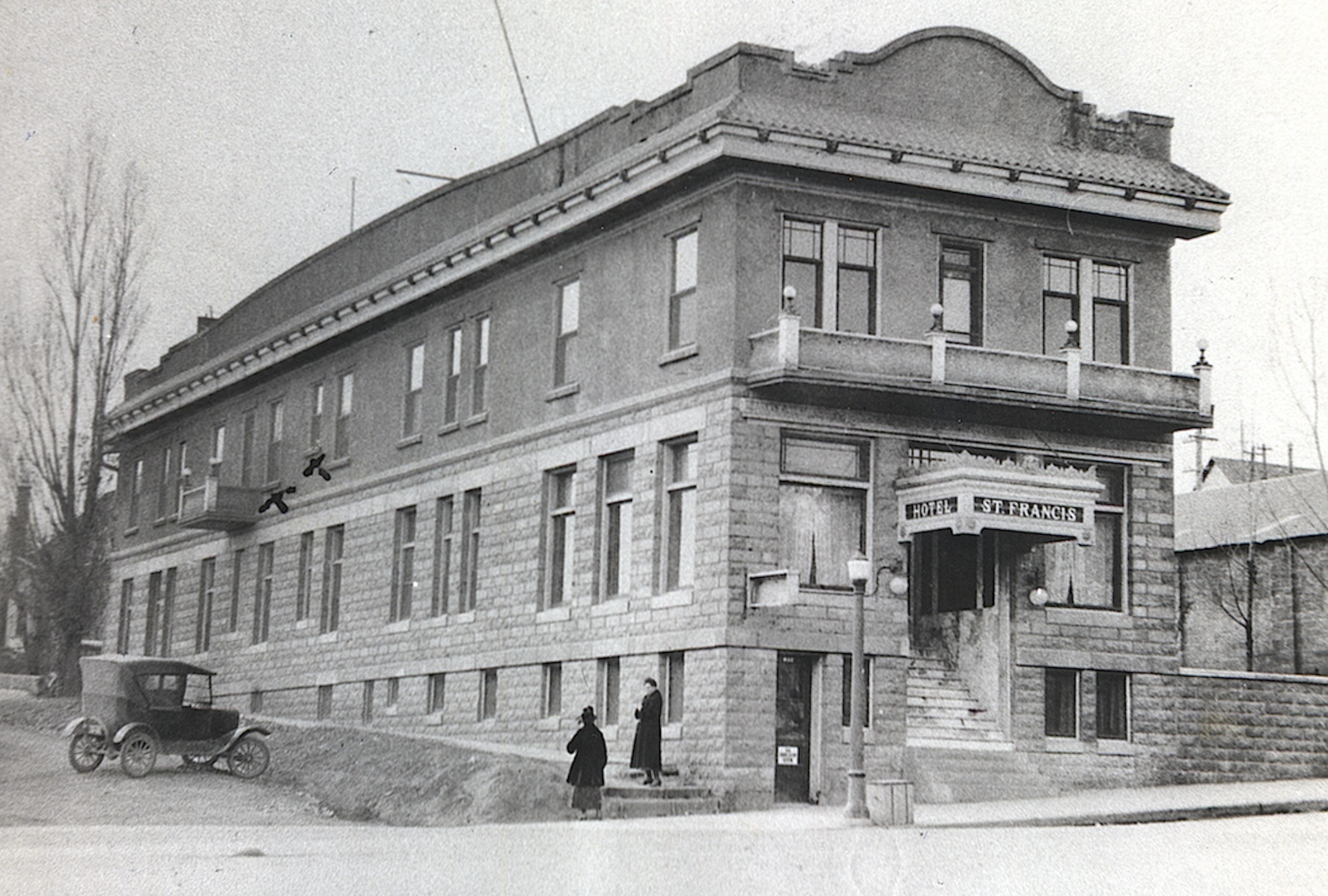
St. Francis Hotel, circa 1919. Courtesy of Art Almeda

In 1907, Franceska Murrer Neuhaus, with her husband, Ben, retired from their Willow Creek Valley ranch and moved to Susanville. Not to be idle, she  kept busy investing in several commercial enterprises. In 1913, flush with money from the sale of the ranch, to her son, Edward Murrer, she had one more venture to undertake.  At this time, she hired Nevada architect Frederick deLongchamps to design a hotel at corner of Main and Union Streets.* She named her new enterprise the St. Francis Hotel.  Franceska was well versed in the innkeeping business. For years, the Neuhaus home in Willow Creek was well known for its hospitality to accommodate travelers. Her daughter, Rose Bagin, operated hotels at Hayden Hill and Susanville. Rose’s home in Susanville happened to be conveniently located behind the St. Francis, and her elaborate flower garden complimented the hotel. When the St. Francis opened its doors in 1914, Franceska’s son and daughter-in-law, Bill and Flora Neuhaus managed it.

*deLongchamps first Susanville building was the Lassen County Jail completed in 1911.

Become a supporter for just $5 a month to ensure quality history continues. Click here. After all you do not want to miss the second installment on the St. Francis.

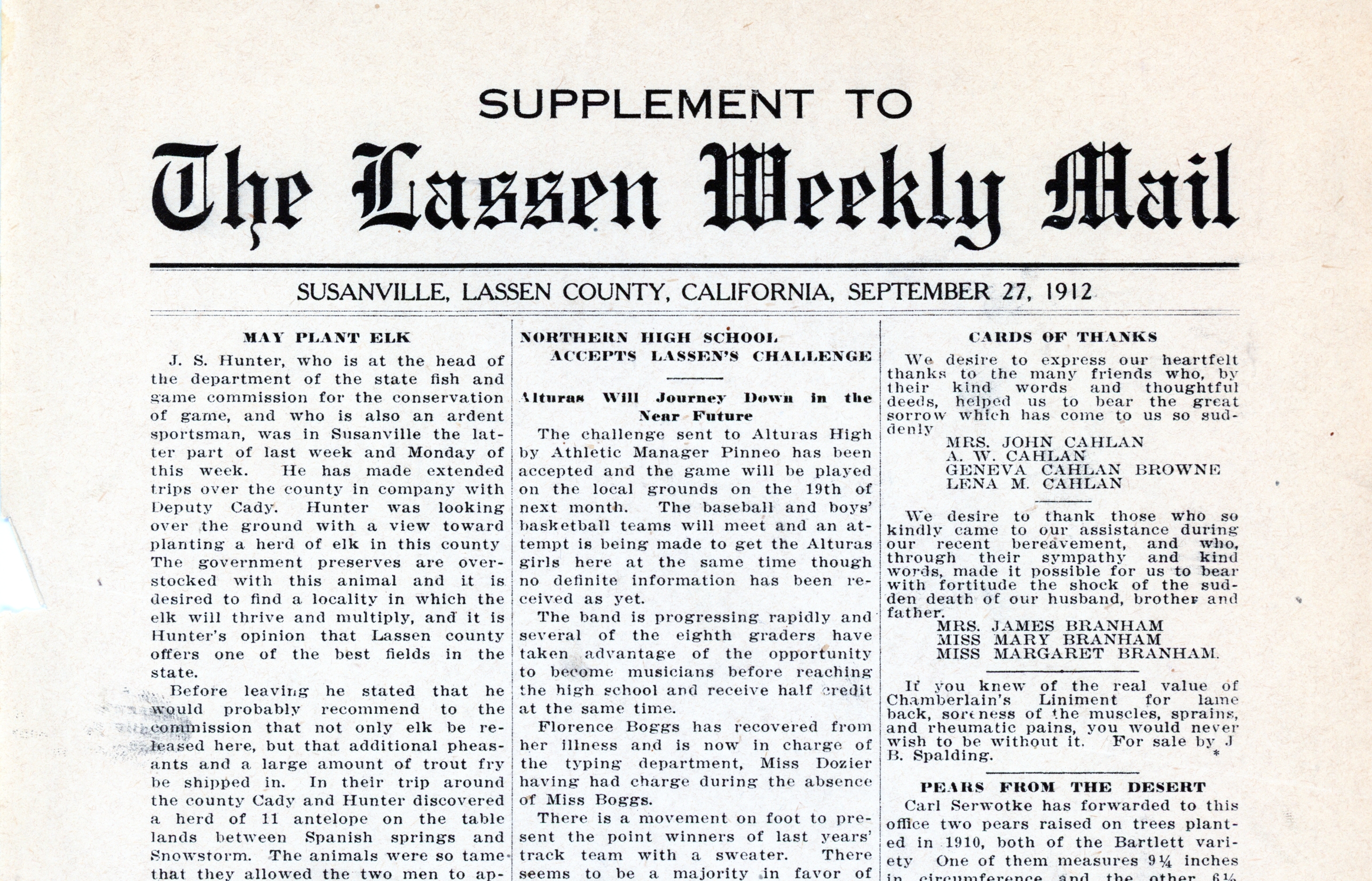
Lassen Weekly Mail

Lassen Mail391
Click to enlarge

For over a fifty year stretch Susanville was home to two newspapers the Lassen Advocate and the Lassen Weekly Mail. 

On October 25, 1886, the Mail made its debut on the streets of Susanville with Nevada newspaperman Benjamin M. Barney at its helm.  Barney, however, lacked capital for his new enterprise and made M.B. Bransford, a partner. In addition, he borrowed $1,088.38 from Robert Tremain to purchased a new printing press.  In 1891, Bransford became sole proprietor and  moved the printing office into the Masonic Building.

In 1893, the Masonic Building and much of Susanville’s business district was destroyed by fire. Bransford abandoned the newspaper, and Tremain who was still owed money for the printing press, took over the paper. Tremain’s son, Joseph Mellow operated the paper and eventually purchased his parent’s interest.

Tremain had newspaper experience, and even worked at a time as foreman of the Lassen Advocate. Tremain’s journalistic endeavors bordered on the mundane, with the exception of one big topic, the Red River Lumber Company. Tremain and Red River’s owners, the Walkers became real cozy. This paid big dividends, and the Mail published the inside scoop on all of Red River’s proposed activities.

In 1911, when Susanville was on the verge of tremendous growth, Tremain sold the newspaper, and soon ushered in the era of the Cook family, more about that later.

Become a supporter for just $5 a month to ensure quality history available to all. Click here.

Tule Confederacy

Theodore Ranch
Theodore Ranch, 1891. Courtesy of John H. Theodore

The Tule District of the Honey Lake Valley is the very lower end of the Susan River, where the river splits up into various sloughs.

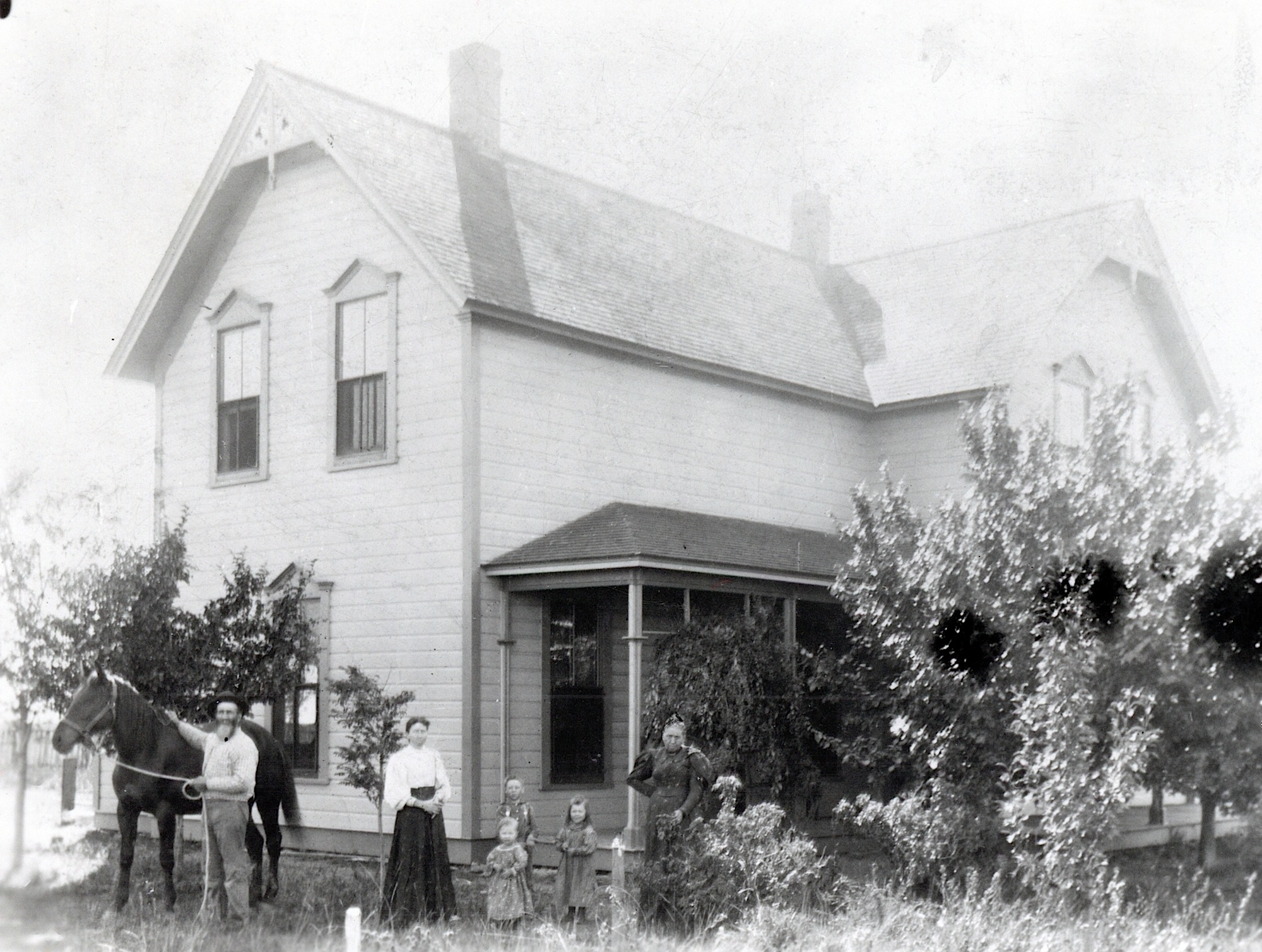
In 1859, John Kelley of Missouri settled in this region. All was fine until 1863 when the United States Government surveyed the region. Under federal law, the most a person could file was 160 acres. Kelley had already claimed nearly 1,000 acres. Kelley concerned that he could lose his holdings wrote back home and encouraged fellow southerners to come out and join and settle on property he had claimed. Those who initially did were William Brashear, Robert Briggs, Chappell Kelley and John Saling.  In 1864, when Lassen County Surveyor E.R. Nichols who was doing work in the region, noted a number of residents had served in the Confederate Army and he dubbed the district the Tule Confederacy.

Not all the residents were southerners and there were conflicts between the neighbors. In the spring of 1864, John Purcell set fire to DeWitt Chandler’s house and claimed it a victory for Confederate States.

It is never too late, subscribe today and enjoy tomorrow with daily notifications. You can also surprise someone with a gift subscription.