
For all practical purposes I thought some might enjoy a map of Lassen County as it appeared in 1907. This, of course, not only pre-Westwood time, but many the places noted on the map no longer exist.

In Susanville’s early years as an incorporated city, it was remarkable what the council did. One of their actions, I still support today, and that is the prohibition of fireworks. The first time they banned fireworks was in 1906, following the aftermath of the San Francisco earthquake and fire. It was also a nod to the insurance companies who suffered tremendous loss from that event. It was their belief, as well as many other communities, that this preventive measure would reduce the risk of fires. Continue reading Susanville Bans Fireworks
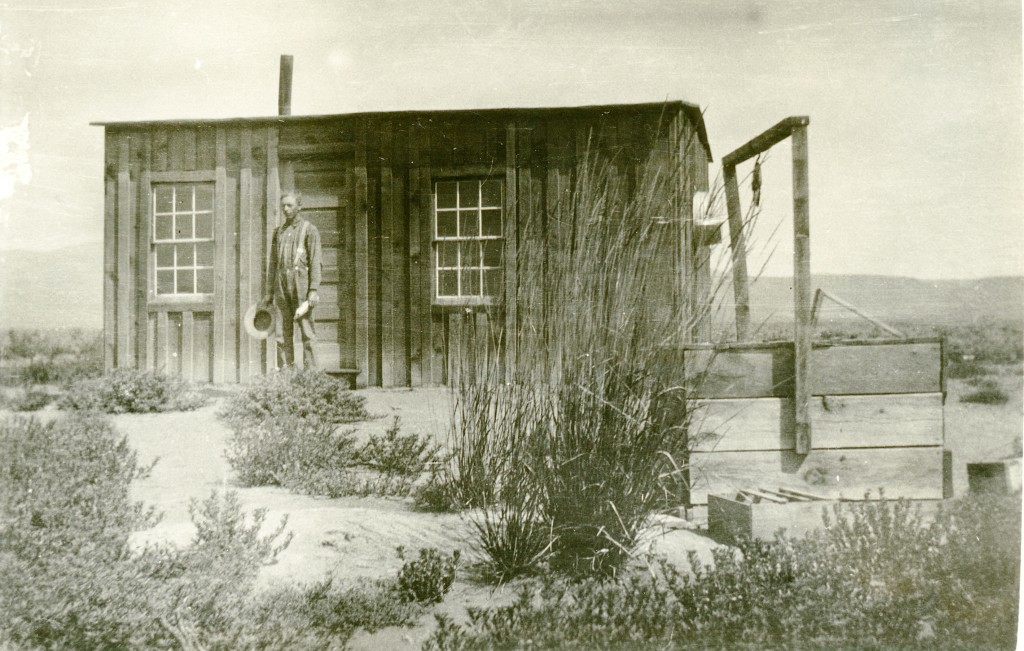
Reclamation of the arid American west is certainly an interesting chapter in the nation’s history. Some of these projects were fraudulent, and others not.
Numerous individuals saw huge potential to reclaim the sagebrush lands of the eastern segment of the Honey Lake Valley. Some of these developers were passionate about their projects and would devote their entire lives and resources in hopes to see it come to fruition, but in many cases the projects never succeeded, for one reason or another. A perfect example was that of Capt. C.A. Merrill who saw the potential of Eagle Lake to reclaim the sagebrush plain of eastern Honey Lake Valley. He began his quest in 1875, and continued until his death 1901. Twenty-two years later, Leon Bly completed Merrill’s dream, only to see it end in dismal failure.
Promotion to entice settlers was a key component as providing an adequate and reliable water supply. When the Nevada-California-Oregon Railroad finally entered the Honey Lake Valley in 1888, it brought awareness of the possibilities. A second wave of publicity occurred during the 1906-1912 era with the construction of Fernley & Lassen and Western Pacific railroads through the region. This also just happened to occur during the dry farming movement, which was successful for a time locally with a string of ten years of higher than normal precipitation.
Of course, people from the eastern United States and Europe, as well, were easily lured with the thought of owning land at bargain prices. People from all walks of life arrived, some like Carl Caudle, a civil engineer, would spent the rest of their lives there and others after a couple years of a hardscrabble existence moved on.
Sometime around 1915, Minnesota resident, Ferdinand Zarbock arrived in the eastern Honey Lake Valley and filed a desert homestead 160 acre claim adjacent to the railroad town of Stacy. He was joined for a brief time by his brother, Fred. In the spring of 1916, it was reported that Ferdinand had received a shipment of seed potatoes from Colorado to plant on his property. At this time, we do not know much about his activities there. In 1917, he did receive a federal land property for the property. However, there was something looming larger on the horizon, that had a major impact on the lives of so many. In 1918, Ferdinand was drafted in World War I. At that time, he deeded over his property to his brother Fred who had returned to Minnesota. After the conclusion of the war, his brother then re-deeded the property back to Ferdinand, who had returned to Minnesota instead of the Honey Lake Valley. This was a common practice for many individuals. Places like eastern Honey Lake Valley and the Madeline Plains were depopulated during the war, and those residents never returned, leaving abandoned homesteads scattered throughout the country. On a bright note for Zarbock, in 1920, he sold his homestead to W.R. Tait for $500. Many were not as fortunate and their abandoned properties were later sold for delinquent taxes.
In a related matter, I highly recommend Sarah Old’s homestead experiences adjacent to the Honey Lake Valley which her memoirs were published in a book entitled Twenty Miles from a Match. In Susanville, you can purchase it at Margie’s Book Nook.
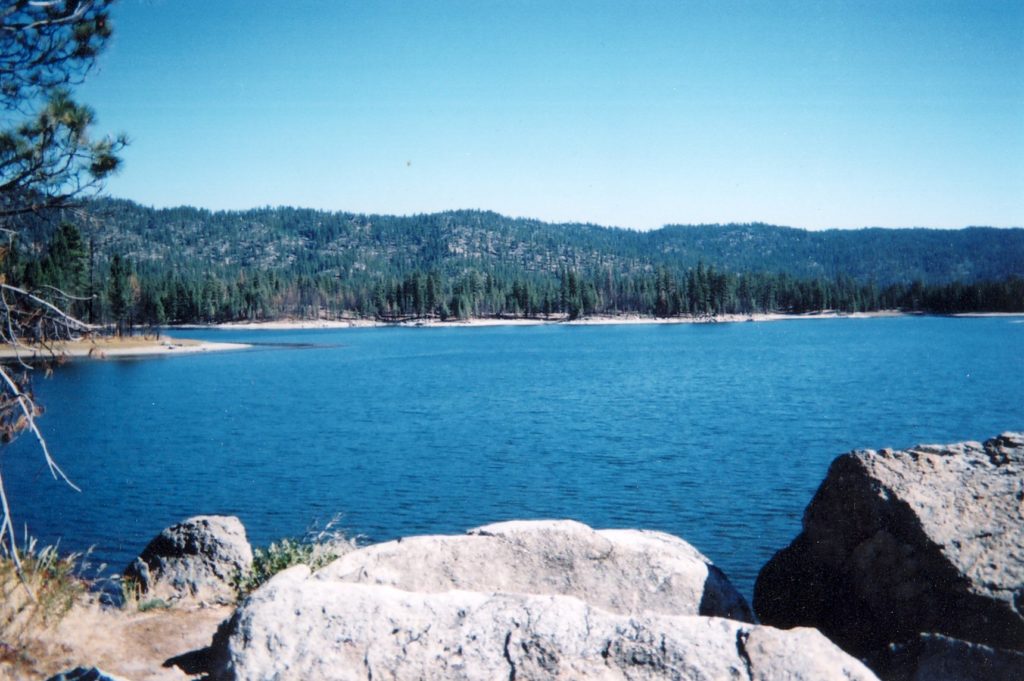
Antelope Lake in Plumas County is a popular recreational spot for a number of Honey Lake residents. It is part of the State Water Project of the California Department of Water Resources. The projects original intent was to provide water to Southern California to augment that of the Colorado River. Created in 1960, it has 21 dams and over 700 miles of canals, pipelines and tunnels.
Antelope Lake is part of the project. The 113 foot tall earthen dam was constructed in 1964. It has a surface area of 931 acres with a maximum capacity of 47,466 acre feet.
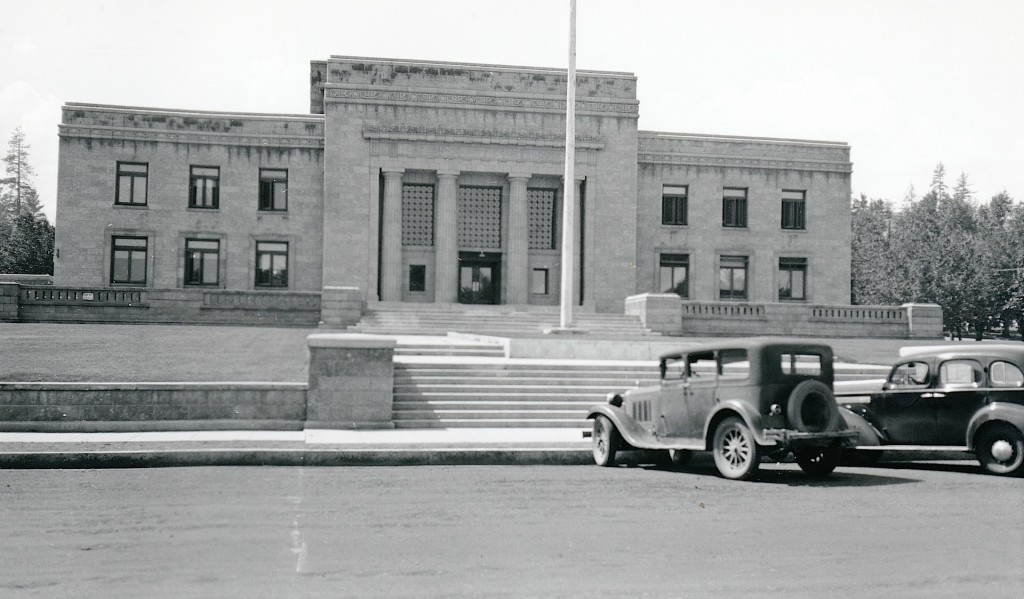
On June 18, 1864, the County of Lassen purchased its first piece of real estate. On that date, the county purchased the entire Block 22, in the town of Susanville from Isaac Roop for $100.* It should be noted that the majority of the blocks in the original plot had not been been subdivided, mainly those with Main Street frontage. The property, of course, was to be utilized as a courthouse. However, due to the county’s finances, it was not until 1867, when the first courthouse was constructed on this site.
*It should be noted that a covenant was included in the deed that should the county abandon the property it would revoke back to Roop or his heirs. This was a common practice in the era, a number of rural schools received property in that fashion with the stipulation should the property no longer be used for its intended use the property would revert back to the original landowner or that person’s heirs, two examples being the Lake School and the Willow Creek Valley School.
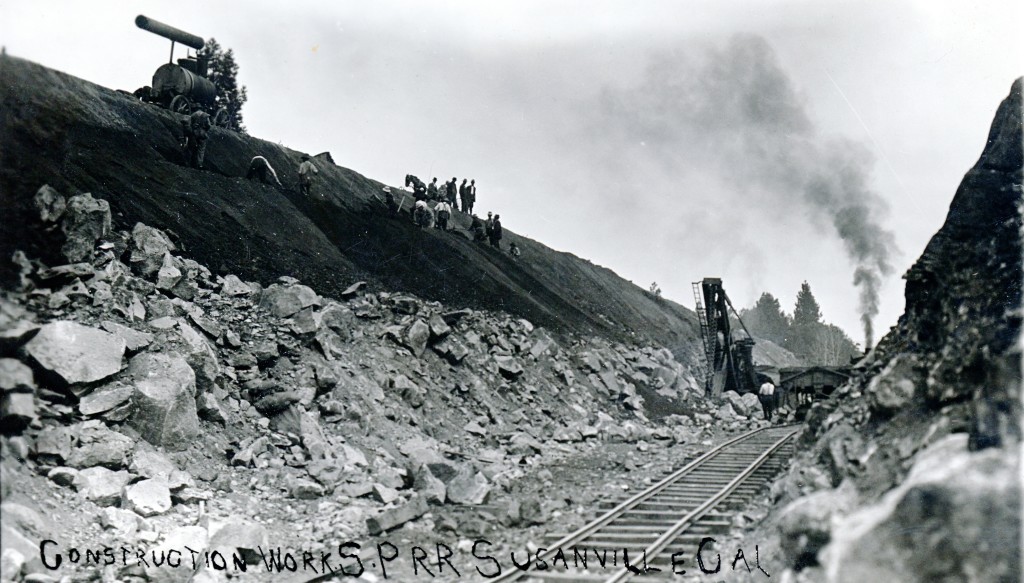
Daily life got crazy in Susanville when the railroad arrived. Numerous discussions were held to make the town “dry.” It was the belief of some that if there was a ban on alcohol, that it would rid the town of certain elements. The City was not so keen on the other hand, as it received most of its operating revenue from liquor licenses. Continue reading Those Rowdy Camp Followers

Well, can you believe it, it has been one year to the date that the old barn at the east entrance to Susanville was destroyed by a fire. It was built in 1920/21 for the Fruit Growers Supply Company, who were in the midst of constructing their new sawmill/box factory nearby. Continue reading That old barn
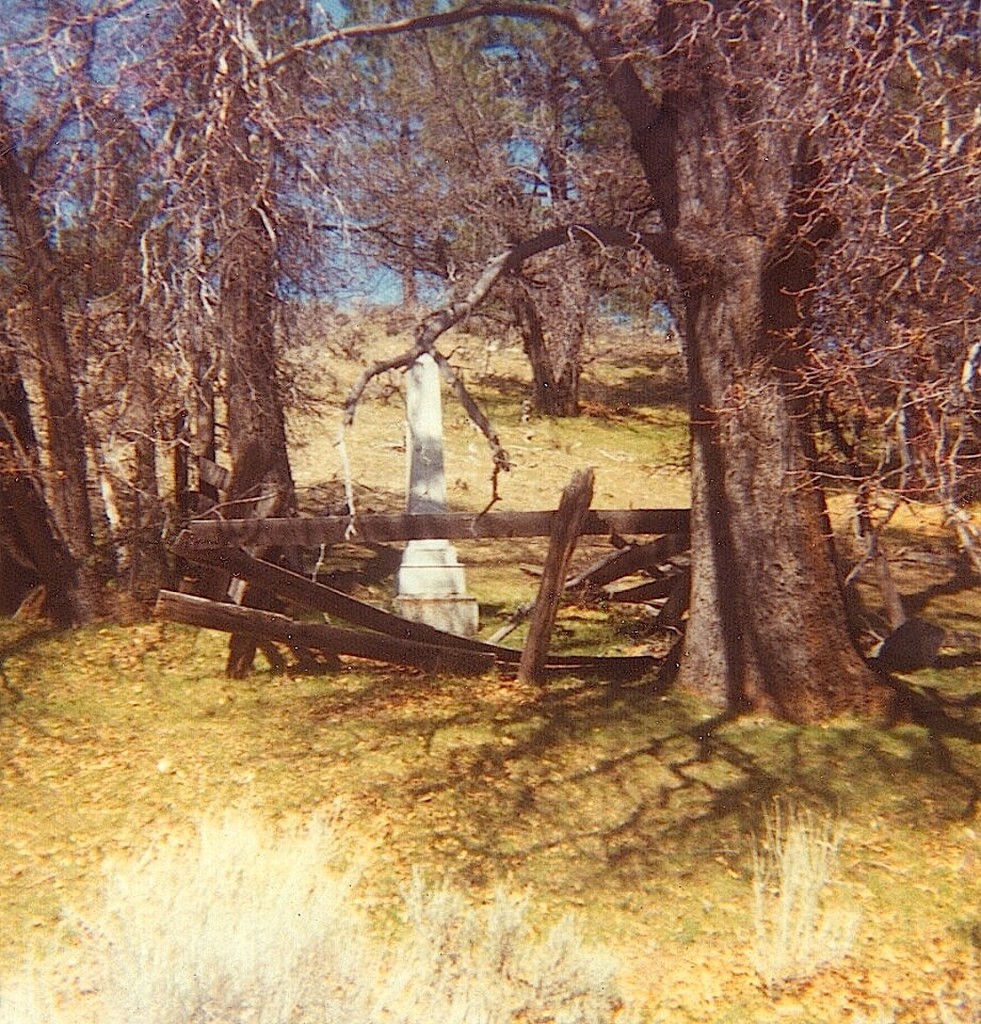
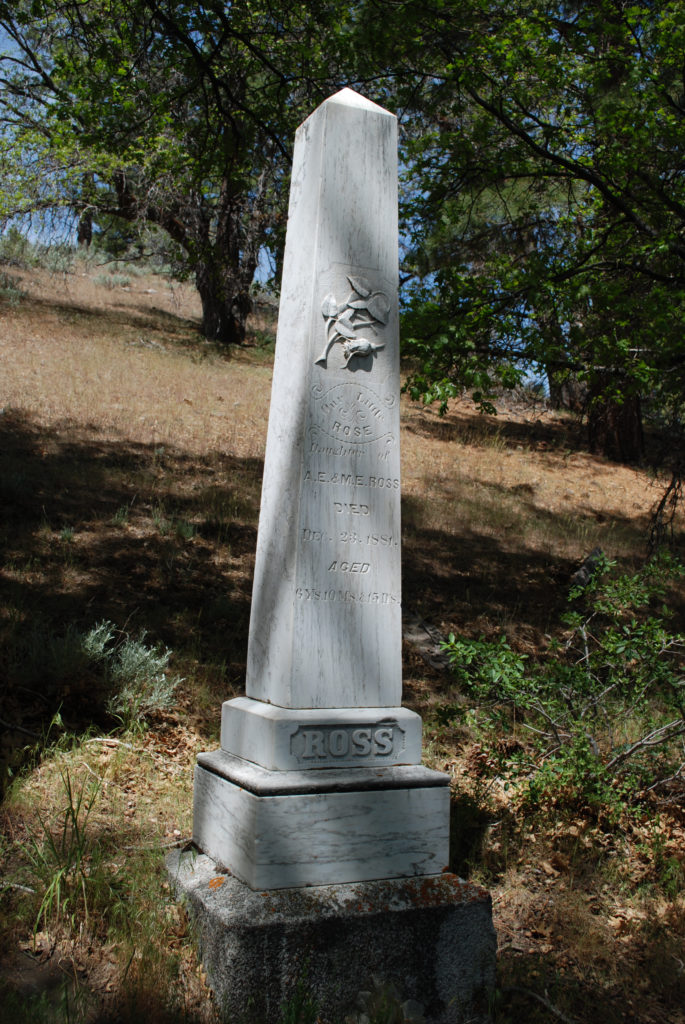
Rosie Arrowsmith Ross was born February 8, 1875 at Long Valley, Lassen County, the third child of Albert and Mary Ross. She died at the age of six on December 23, 1881. Her parent’s ranch would later become known as Constantia. Her death announcement included the following statement: “Rosie the bright flower of the flock is gone. She died of the dread disease typhoid pneumonia. She was buried near her home on Christmas day, in a shady nook of oak trees overlooking the valley, where a mother’s hand will care for it. Many kind friends assisted and attended the funeral.”
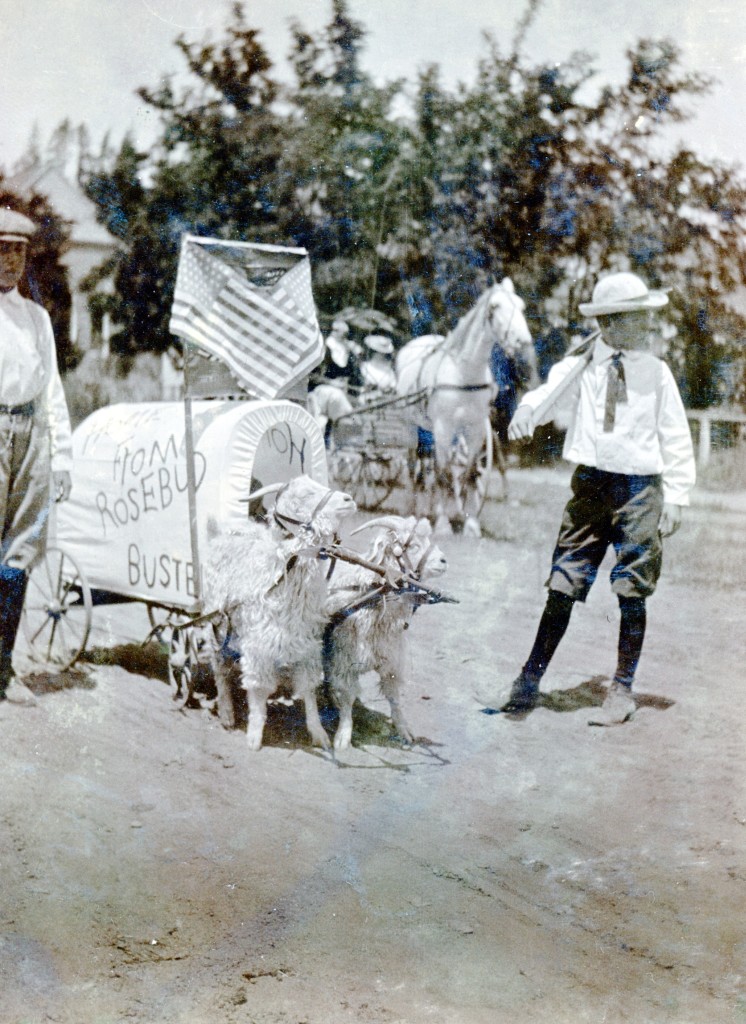
In 1906, for the first time since the 1860s, Honey Lakers were excited about mining in Nevada. Of course, one Honey Laker, E.C. Brown had done very well in Goldfield. It was not the new mining discoveries of Goldfield and Tonopah, but one due east of the Honey Lake Valley on the eastern edge of the Black Rock Desert–Rosebud, in Pershing County.
It all began in August 1906 when three prospectors from Goldfield, Nevada discovered a gold vein in the Kamma Mountains that purportedly assays ranged from $1,500 to $30, 000 per ton. A mineral report issued from Humboldt County would later state: “This was followed by a senseless boom, in which, as usual, folly played eagerly into the hands of fraud.” Continue reading Rosebud, Nevada
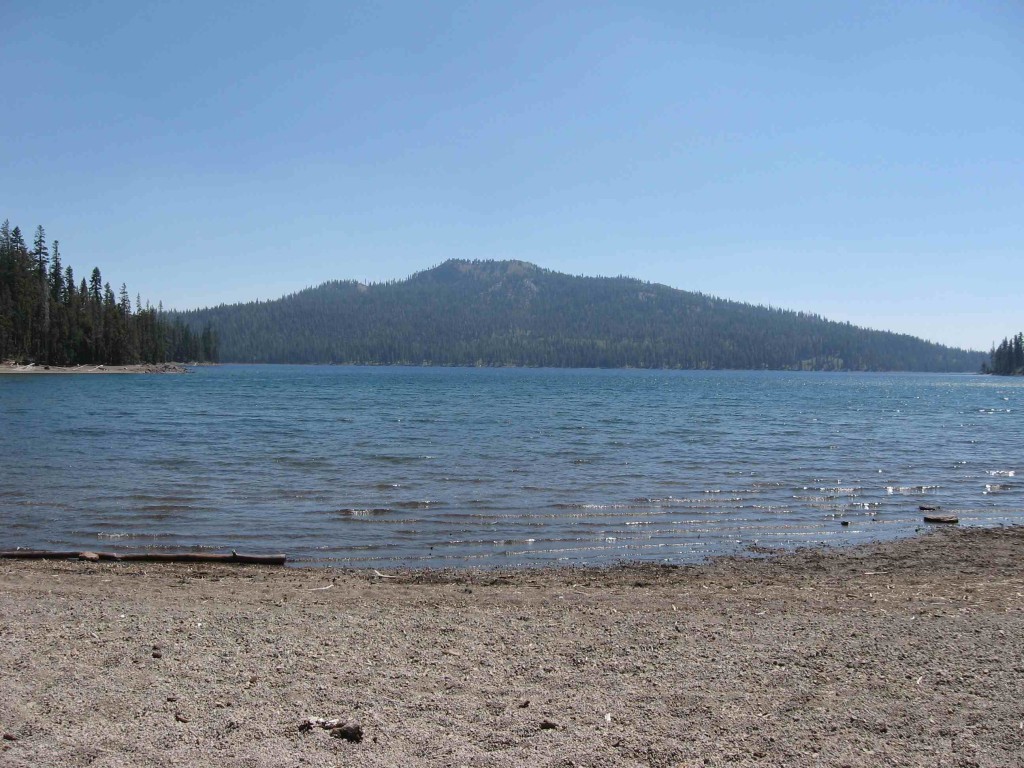
Juniper Lake, at an elevation of 6,753 feet, covers an area of some 592 acres, making it the largest lake in Lassen Volcanic National Park. Interestingly the lake has a maximum depth of 234 feet. In the 1870s, the California State Geological Survey named it Lake Louise, but others had applied Juniper to it, and the latter won out.
Early day visitors to the lake were few. Its remoteness, along with its heavy winter snowfalls, usually did not make it accessible until June. By October, as a general rule, the snow returned, again making the place inhospitable. Continue reading Juniper Lake