Elk, with the Wingfield residence in the background. Courtesy of Alphozene Terrill
In 1910, George Wingfield established a summer residence south of Susanville, and more about that in a future article. He had a special interest in wildlife and established his own little preserve. That fall, he fenced off eighty acres for an elk and deer park. In 1914, he added four buffalo to his collection. This became a major attraction to local residents to view these creatures.
Wingfield also brought in such “exotic” species as peacocks and mammoth size frogs imported from New Orleans. He had two small lakes constructed on the property to plant with a wide variety of fish.
Where the buffalo and elk roam at Wingfield Ranch. Courtesy of Lola L. Tanner
In 1923 Wingfield sold the property to the Lassen Lumber & Box Company who were primarily interested in the timberland he owned there. The buffalo were shipped to Wingfield Park in Reno where they were on display for many years. The fenced enclosure to keep the elk in was no longer maintained and the animals began to roam the region, with spottings from nearby Bald Mountain to Willow Creek Valley. The elk were poached by hunters over the years, and were wiped out by the early 1940s.
Never miss a story and support this site, click here.
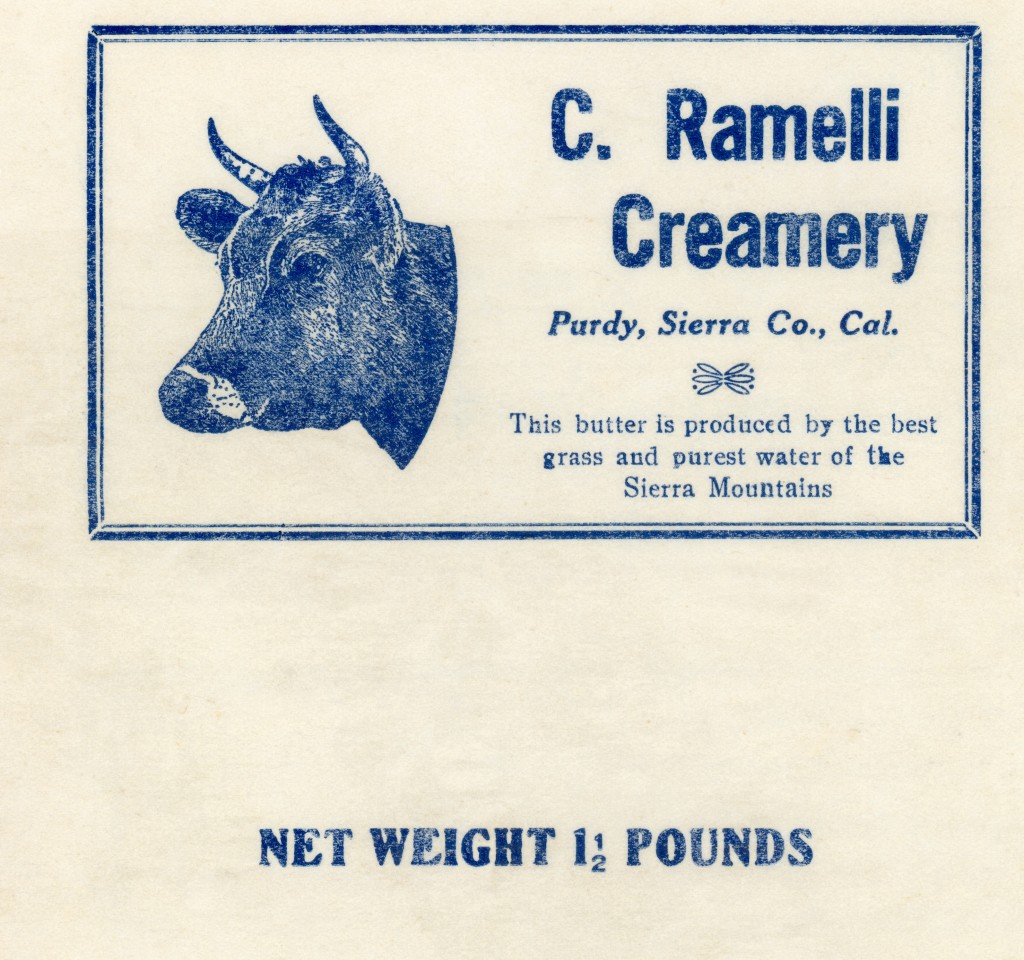
In 1887, Cesar A. Ramelli emigrated from Switzerland to the United States where he eventually located at Purdy, Long Valley, California. The area is best known to many as the region behind present day Bordertown. There, and later, with another location the Bella Vista in the Truckee Meadows, he along with his three sons, had seventy-five cows. From that herd, butter and cheese were made. The cheese was made into blocks of 10, 20 to 25 pounds which was sold in the Reno stores.
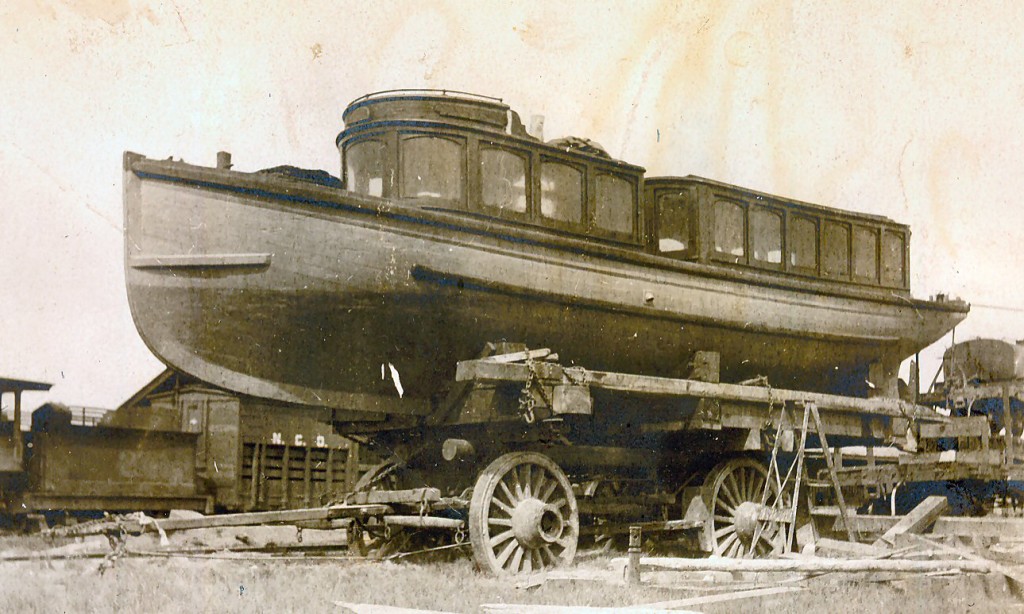
Lassen Mill & Lumber Company’s tugboat at Amedee, just before launching on Honey Lake, 1907. Courtesy of Marie Herring Gould
Well, it seems only fitting on the eve of the first anniversary of this web site, that a book of the month is featured. After all proceeds from book sales not only help support operations, but help finance future publications.
Sagebrush Reflections: The History of Amedee & Honey Lake my first book which made its debut back way back when in 1983, is remarkably still in print, barely. There were two boxes tucked away storage, but now down to one box, so about 60 copies are still available. This is the only concise work on the infamous Nevada-California-Oregon Railroad boomtown of Amedee located on the east shore of Honey Lake, but all the trappings of Honey Lake. A lot of things happened on Honey Lake, whether it contained water or not. So for a mere $12.00 you can buy this classic, before it goes out of print, and on Bookfinder.com they have a used copies for sale with price ranging from $20 to $3,000.
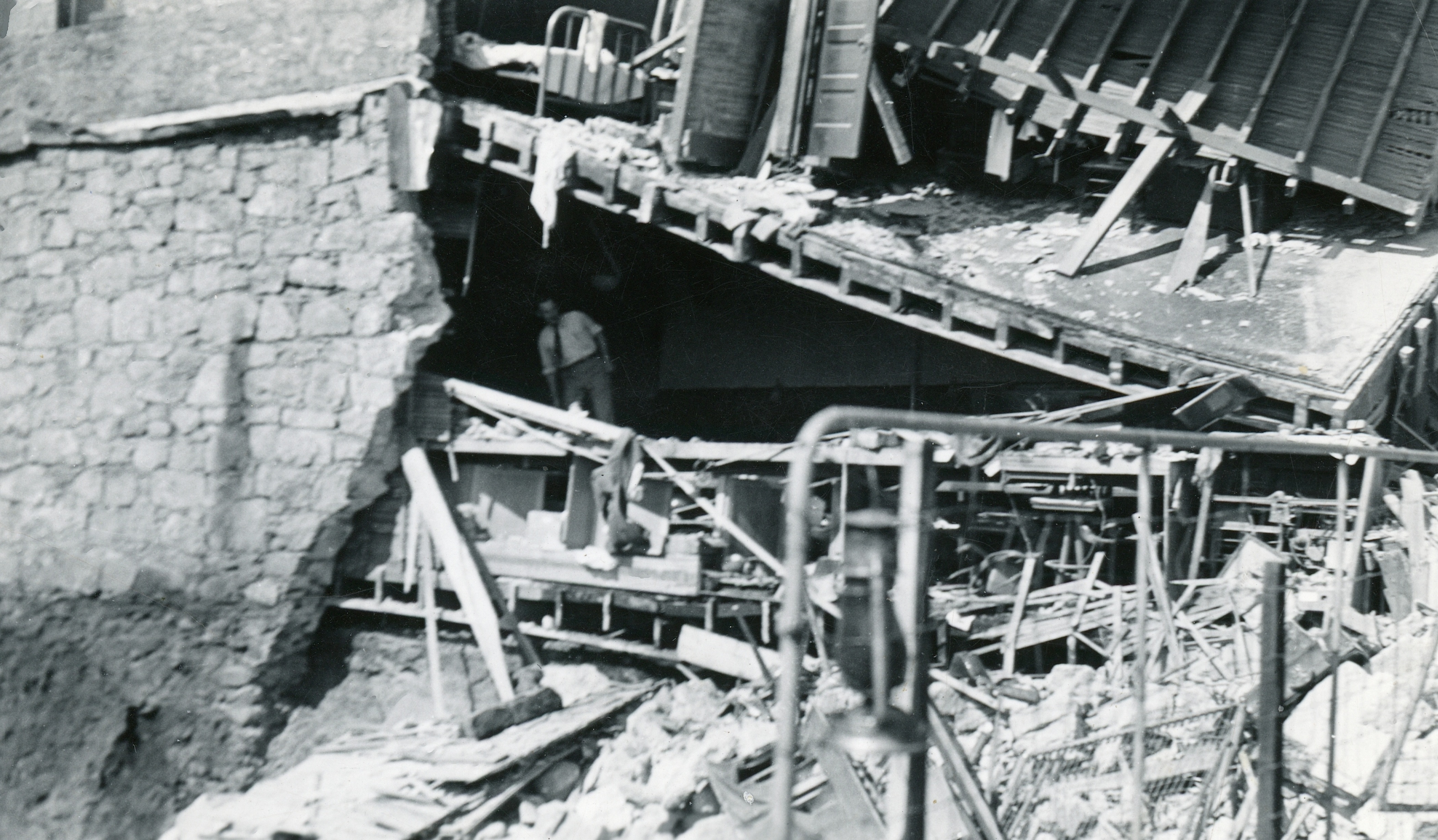
The partially collapsed Grand Cafe. Courtesy of Helen Sargent
The restaurant business is a tough one that requires shear amount of work and dedication. When the Grand Cafe was first established in 1909, it would go through several owners during the next twelve years until it found some stability with the duo of Sam Vucanovich and Steve Sargent, former operators of the New Brunswick Cafe. In 1928, saw the addition of Helen Zalac, Steve’s new bride, and who became an iconic fixture of the Grand for over a half century. Continue reading The Grand Cafe & The Sargents→
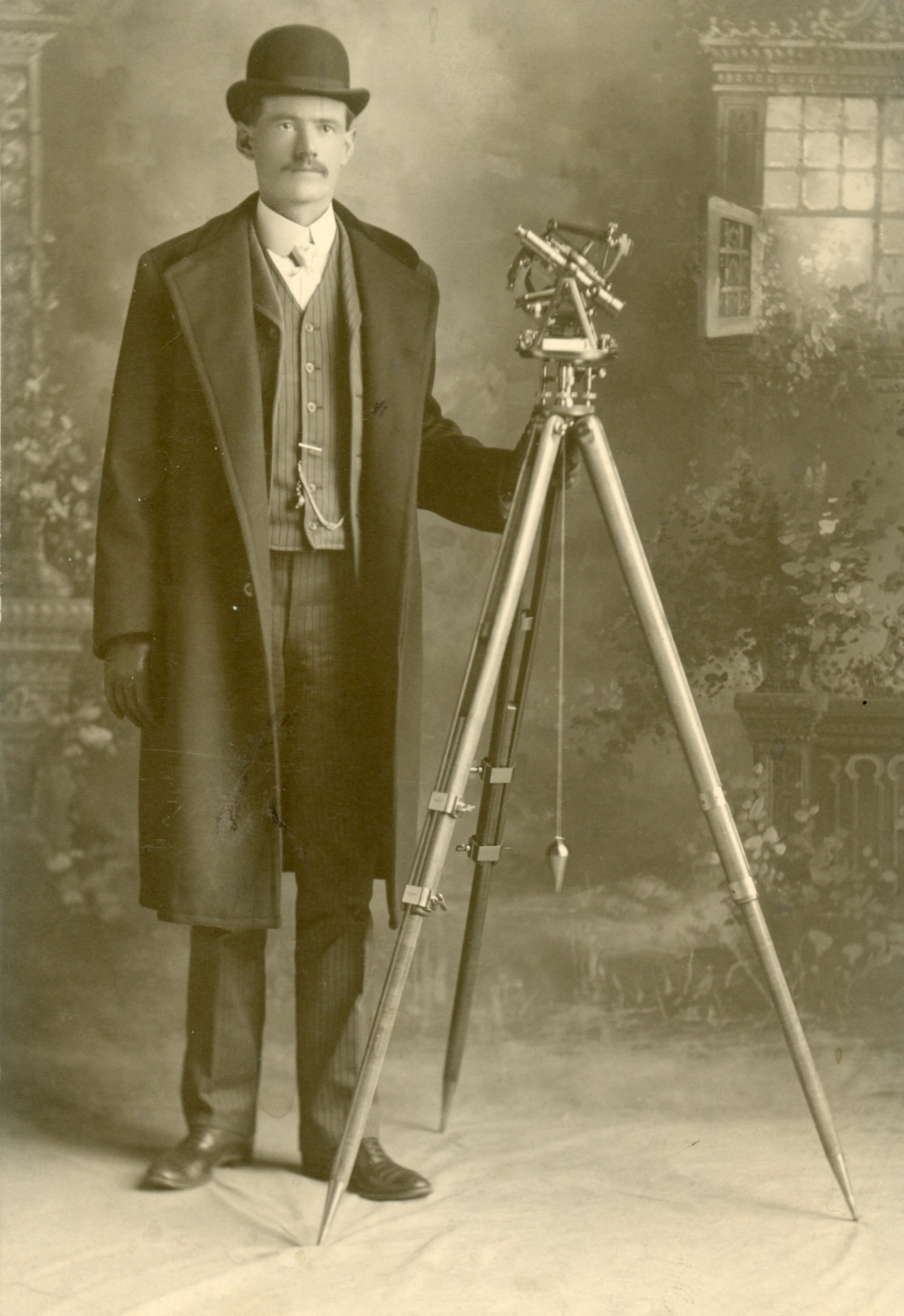
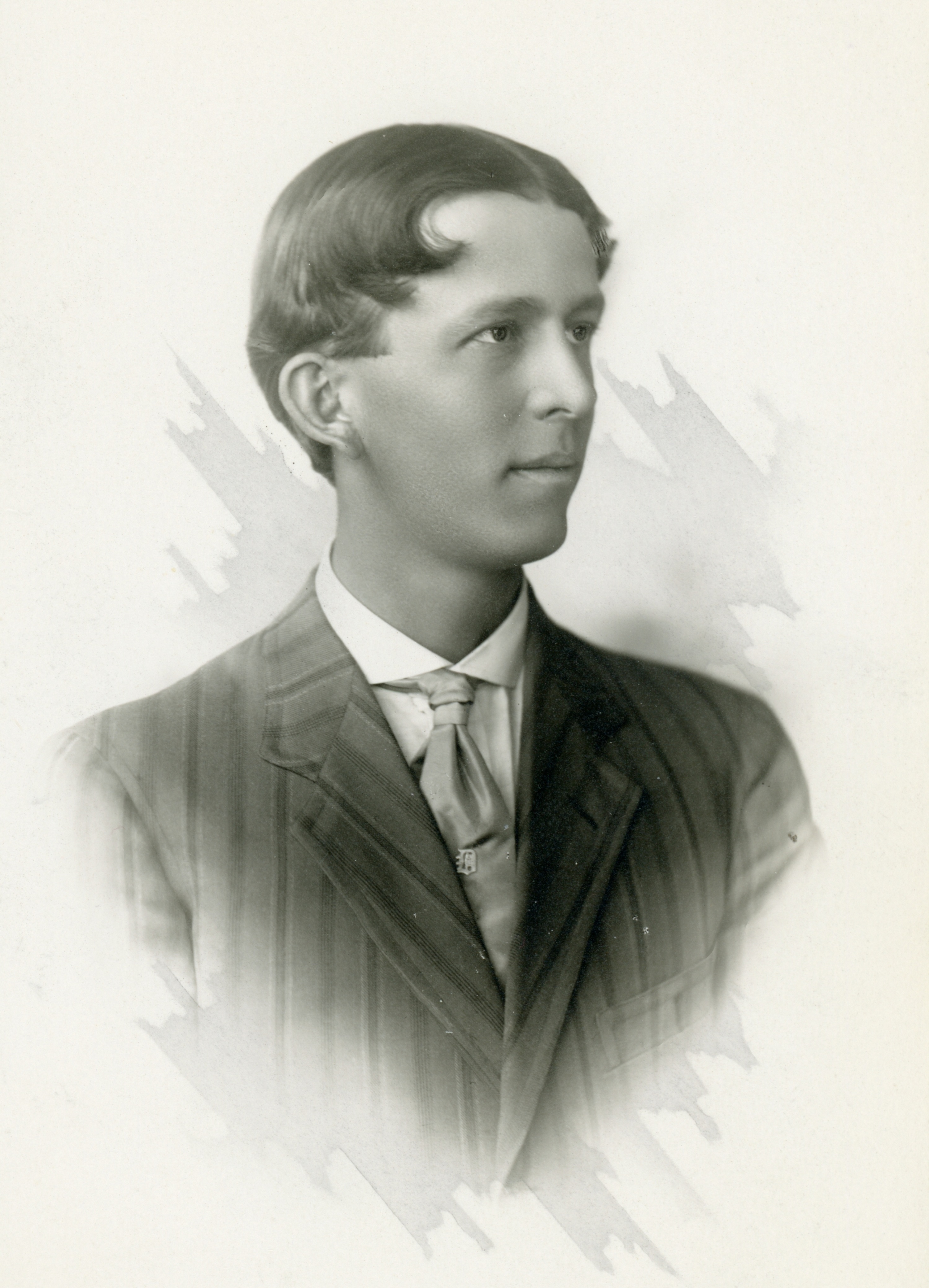
Personally, this east side Honey Lake Valley resident, is a fascinating figure and I relate to him in on many levels. He began his career first working for U.S.G.S. He did extensive travel in the western United States with that agency. In 1905, he was part of the survey team to survey the boundaries of Crater Lake National Park. He put together four albums of his work there, with detailed notes.* During this same time, his brother, Marvin, was lured to the sagebrush plain of eastern Honey Lake Valley, and took up a homestead that would later become the nucleus of the town of Stacy.
In time, Marvin convinced Carl to join him the reclamation enterprise there. Their first endeavor was a well-drilling business, since the new homesteaders arriving in the region would need wells for domestic purposes. Carl kept well logs, that information nearly a century is an important resource. In addition, he monitored the flow of High Rock Springs to see how the wells affected its flows.
The big project in the region was the establishment of the Standish Water Company and their intent to build a pumping plant to use the water of Honey Lake to reclaim the sagebrush lands. The company recruited Carl, as its engineer. Not only, did Carl oblige, he and his brother invested $20,000 towards the project. The project went bust, see Standish Water Company posts for details.
The one bright side, during these bleak times, was they had a great well, that not only provided their domestic needs, but irrigation, too. The family carried on. During the height of the homestead era, Carl was busy as a surveyor to plot out each land claim. By 1920, the area was deserted and services as a engineer or surveyor were no longer needed. Nevertheless, Carl persevered. In the 1930s, the United States Army contacted Caudle for information on this portion of the Honey Lake Valley. Caudle’s knowledge not only paid off for him, but for the region as a whole. It was with his information and lobbying efforts that the government established the Sierra Army Depot in 1942. He never saw its complete development, or that of the community of Herlong for he died in his sleep at his Stacy home on August 4, 1942. He is buried in the nearby Honey Lake Cemetery, with other family members.
*The albums have been donated to Crater Lake National Park.
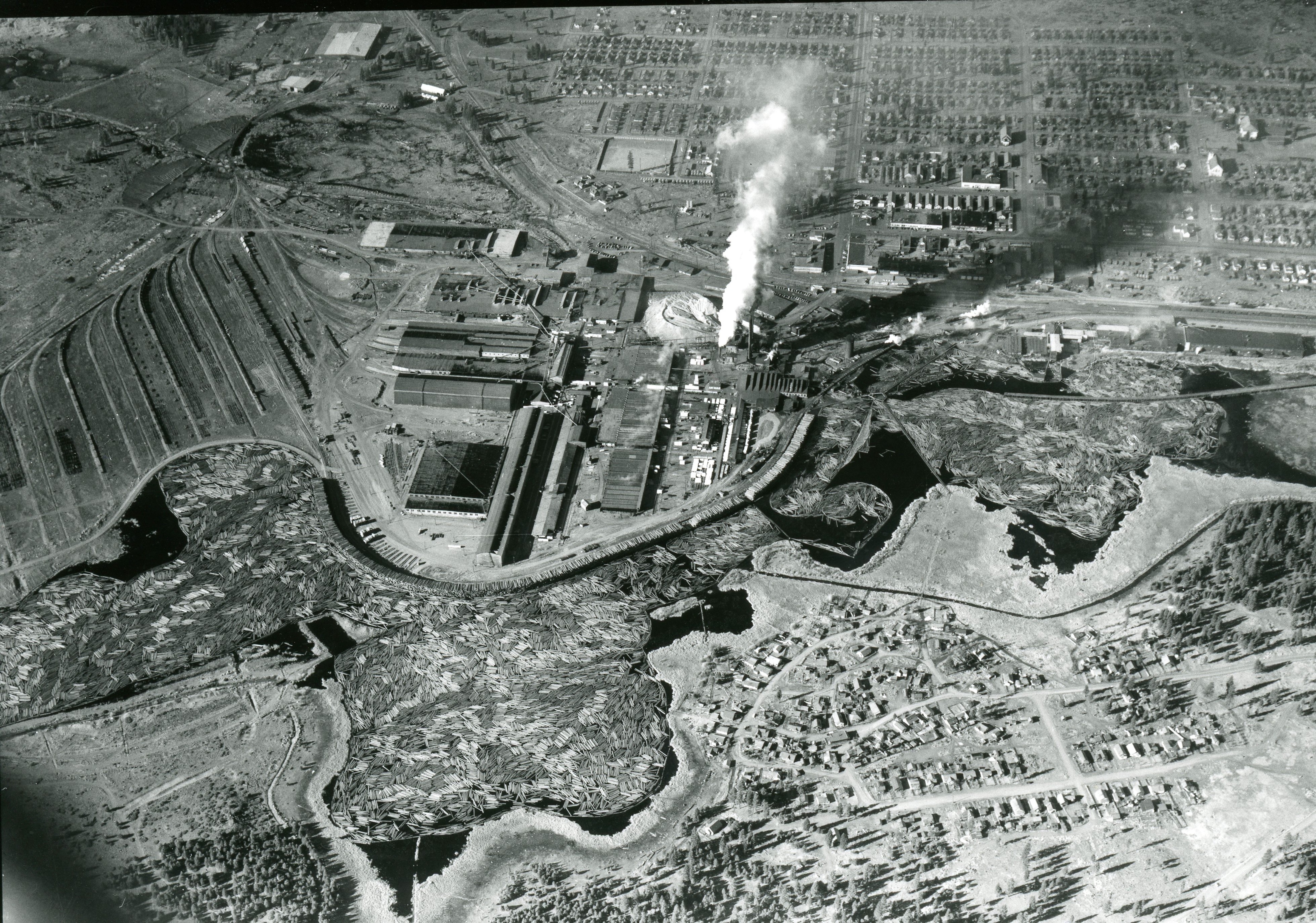
Yesterday’s photograph featured the dynamiting of the Westwood millpond and the freeze of 1949. There was a side affect of that freeze. The freeze reduced California’s citrus crop, and in turn reduced the need of wooden boxes and Fruit Growers box factories in Susanville and Westwood were temporarily closed. In May when the Westwood box factory re-opened, it was only with one shift. Continue reading Westwood’s Rumor Mill→
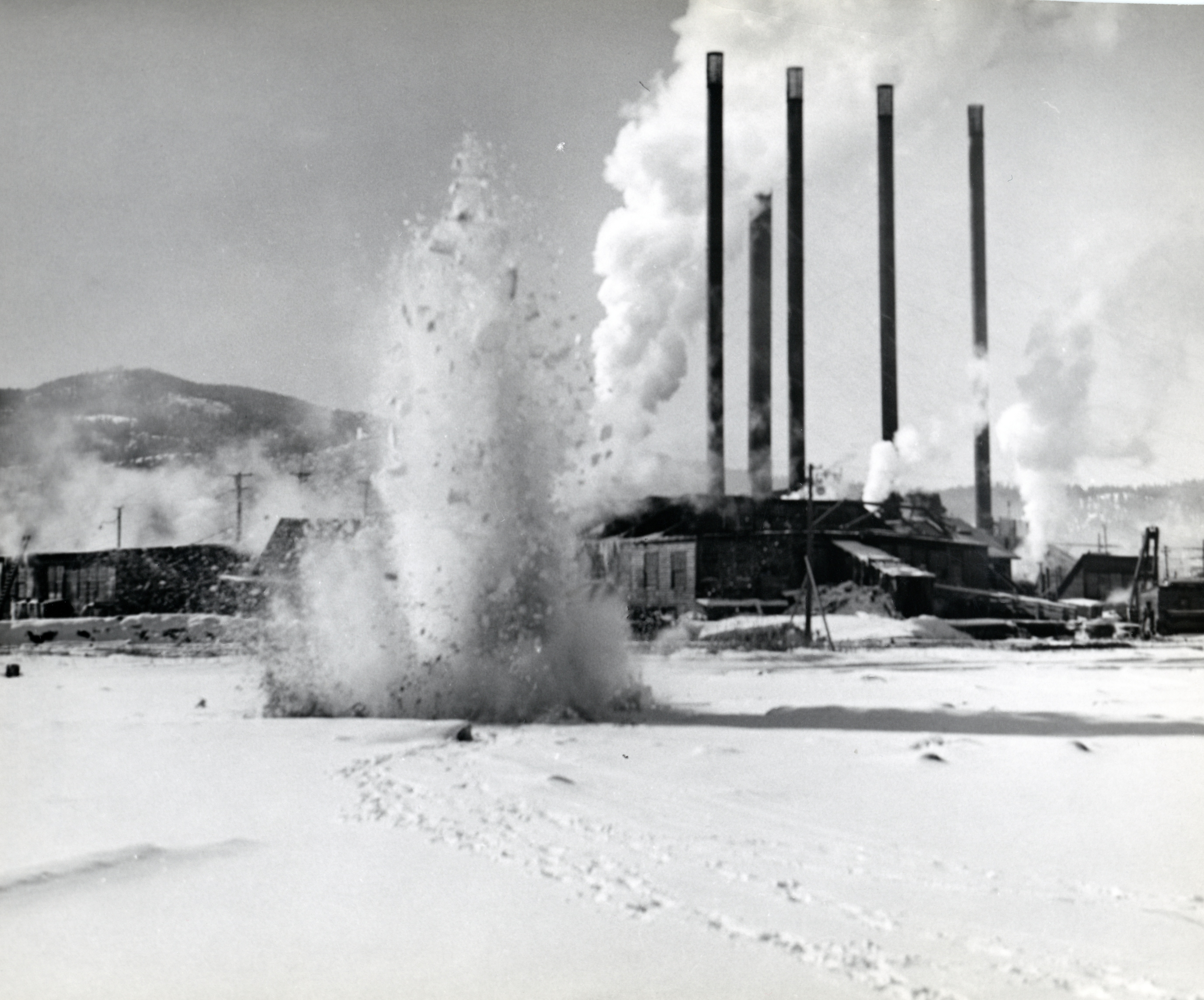
Dynamiting the Westwood millpond, January 27, 1949. Courtesy of Fruit Growers Supply Company
In January 1949, the temperatures plummeted to nearly thirty degrees below zero. The millpond froze. When Red River designed the facility, they placed piping from the powerhouse that forced steam air directly into the millpond near the sawmill. This system was no match for Mother Nature. To keep the mill operating it was necessary to use dynamite to blast loose the logs in the millpond. Continue reading Westwood’s Frozen Millpond→
During the 1860s, a state of uneasiness existed between the Indians and the new settlers. Because of the hostilities, the settlers were suspicious of unusual Indian activities. In June 1866, Joe Hale, who had been hunting in the mountains, returned to Susanville and stated that he had seen some Indians who might be selling ammunition to another group of renegade Indians. The latter group, purportedly, were planning a possible attack in the Summit Lake country of Nevada. The following day, a party of men from Susanville consisting of Joe Hale, Byron B. Gray, Charlie Drum and E.V. Spencer went to investigate Hale’s observation. On the return trip from the rendezvous they stopped at Papoose Meadows where they found a group of Indians camped. Continue reading Papoose Meadows Conflict→
It was an ice skating accident which resulted in the last drowning in Honey Lake. On January 24, 1915, a skating party was held on the northwest shore with approximately 175 people in attendance. Continue reading A Honey Lake Drowning→
This large mountain valley encompasses some 200,000 acres at an elevation of 5,200’. According to Gudde’s California Place Names, Gudde attributed the name to an emigrant girl, named Madeline, who was murdered by the Indians in the 1850s. Gudde’s source was that of H.T. Risdon who established a sawmill on Bayley Creek in 1912. What is rather peculiar is that the thoroughly researched historical works of Davis and Fairfield have no references to this murder. What is also interesting is that the name does not appear until 1854. In that year, Lt. E.G. Beckwith traversed the plains while exploring for a transcontinental railroad route. Beckwith entered the Madeline Plains via Smoke Creek Canyon and the east side of Observation Mountain. He named this the Madeline Pass. In all probability, Beckwith named the place for his daughter, Madeline Julia Beckwith, born January 25, 1853 at New London, Connecticut.
For further information on this historic account see the latest issue of the Northern California Traveler.
Become a supporter for just $5 a month to ensure quality history continues. Click here.