Category Archives: History

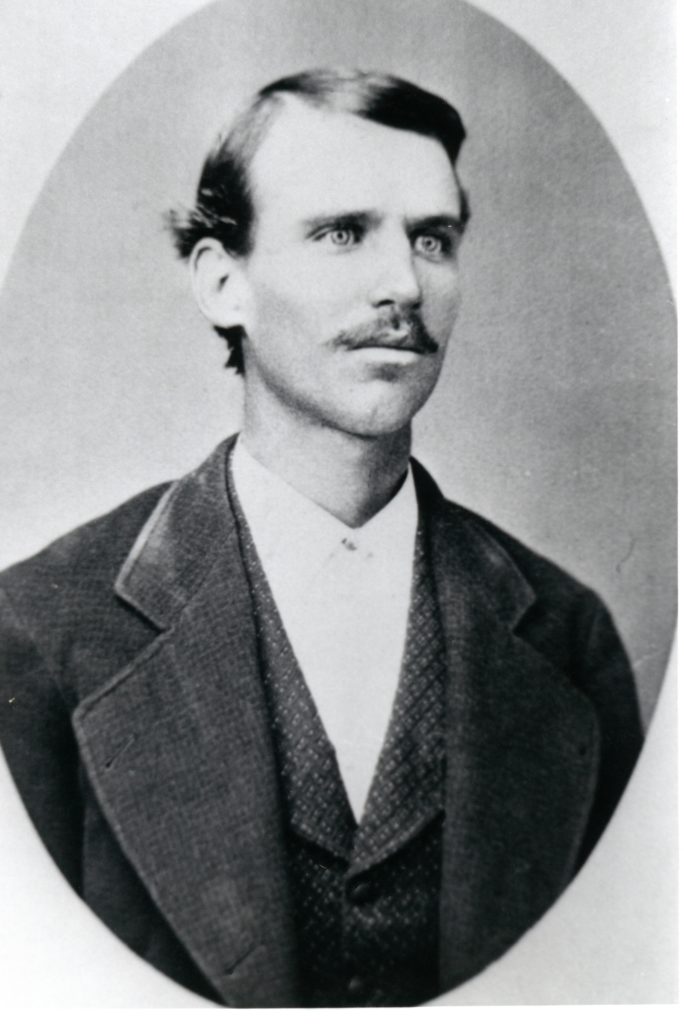
Thomas Abner Ramsey

Ramsey Thomas479
Thomas Abner Ramsey. Courtesy of Elberta Fraley

In 1877, Thomas Abner  “Ab” Ramsey arrived in Janesville from his native Iowa. In Janesville, he had numerous relatives, as his mother was a McMurphy. In February 1882, he went into partnership with John T. Masten to purchase the Benjamin Wood ranch in the Tule District of the Honey Lake Valley, each paying $2,000 for the 400-acre ranch. It should be noted that Masten had been a resident of this district since 1872, who had purchased the adjoining John M. Kelley  ranch (now Tanner 2016). Within two years, it was no longer just a business proposition, but a family affair when Ab Ramsey married Masten’s daughter, Minnie, on Christmas Eve, 1884.

More changes were on the horizon when in 1886, they sold the ranch to the Dotta Brothers. (Seasoned residents will know this property as the old Bailey Ranch, now owned by Jay Dow). In the meantime, Masten purchased a 640-acre just south of Susanville on Richmond Road from David Knoch for $12,000. The two families relocated to their new home.

In 1892, Ab Ramsey purchased the Marc Bantley place on Johnstonville, about halfway between Susanville and Johnstonville. It should be noted that at all three ranches they had dairy cows.

In 1907, John Masten and his wife Amelia decided it was time to retire, after all he was now 74 years old. Ab Ramsey purchased Masten’s ranch and the Masten’s opted to retire at Pacific Grove, commonly referred to as Honey Lake Heaven. A little over ten years later, Ab and Minnie Ramsey would follow suit. In 1919, his sons, Frank and Roy took over the Richmond Road property, and another son, Masten the Johnstonville Road property.

In 1940, Masten sold the Johstonville Road property to Millard Ulch and moved to Likely. The Richmond Road property was a different story. Frank Ramsey died suddenly in 1921, and his wife Grace continued with the ranch later marrying John Millsap. Over the years, they eventually purchased Roy Ramsey’s interest. In 1960, Grace Millsap sold the ranch to Les and Lyn Allen.

Never miss a story, click here to subscribe.
 

Elbern Kelley, A Honey Lake Tragedy

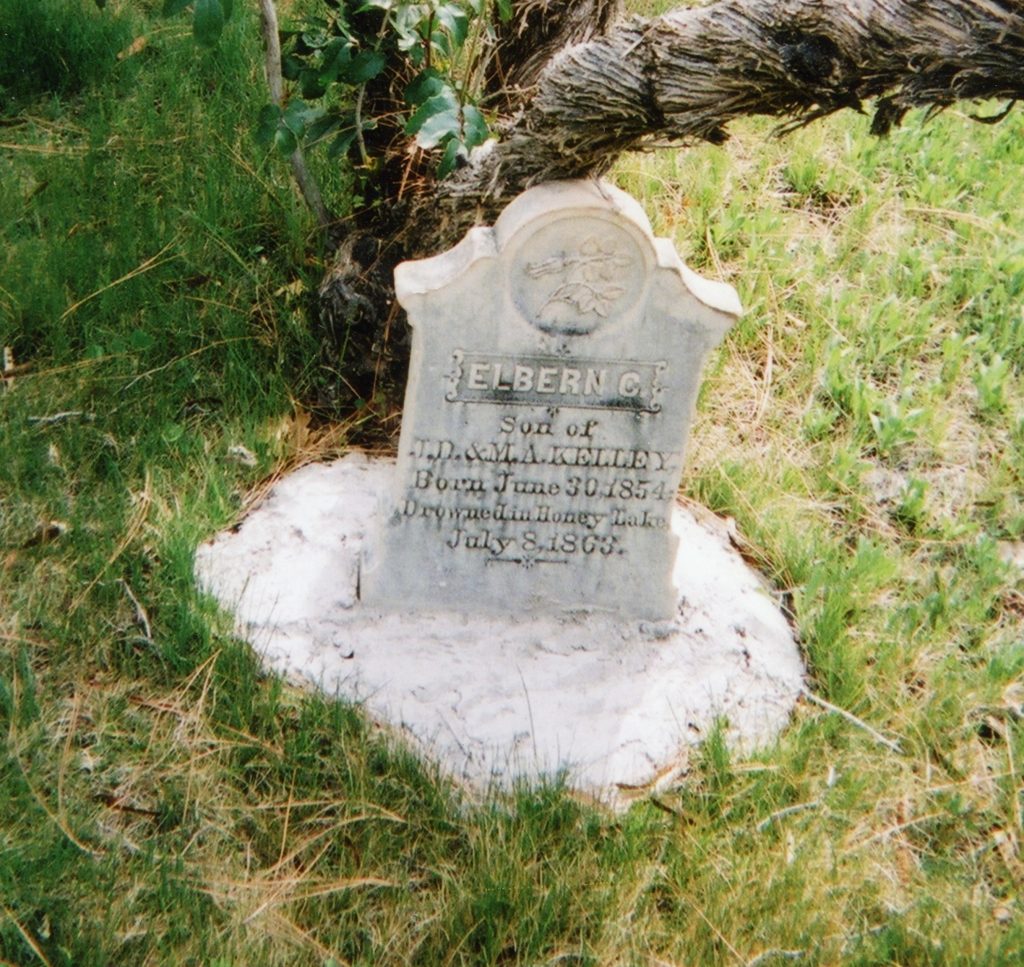
Elbern Kelley's grave, Susanville Cemetery, 2002.
Elbern Kelley’s grave, Susanville Cemetery, 2002.

In 1862, the John D. Kelley family arrived in Susanville from Washoe Valley, Nevada. The following year they located in the Tule District of the Honey Lake Valley. The property was known for many years as the Dill Ranch, now owned by Jay Dow.

On July 8, 1863, the family went over to Milford for a social visit. Kelley’s nine-year-old son, Elbern and Joshua Bristo Rice, then eleven, went down to play along the shore of Honey Lake. They then ventured out into the lake on a sand bar. Kelley went even further and got into deep water and did not know how to swim. Rice did not know how to swim either, and rushed to get help. By the time Rice returned it was too late, and Kelley had drowned. It was the first death at Milford and the second drowning in Honey Lake.

Never miss a story, click here to support and subscribe.

William R. Harrison, Esquire

Harrison WR422
W.R. Harrison. Courtesy of Dick & Helen Harrison

A native of North Carolina and born on 29 April 1813, is in many ways considered the original dean of Lassen County’s legal community.  Like so many, he slowly worked his way west. His first stop Montgomery County, Indiana where his four children were born. Then it was to Iowa for a brief spell. In 1849, Harrison set out for the gold fields of California and like so many others, had never mined before.

Fortunately, when he arrived in Shasta County he was able to fall back on his original profession as an attorney. He served two different terms as county judge in Shasta, and then moved to Red Bluff. There he served a term as Tehama County District Attorney. In 1862 he was lured to the mines of Unionville, Nevada. Again, he fell back on his previous profession and passed the Nevada bar exam.

In 1863 he returned to Red Bluff to spend the winter and the following spring moved his family to Susanville. On October 18, 1865 he was elected county judge of Lassen County.  After his two year term expired, he continued with his mining interest.  In June 1868, he was appointed to the position of Lassen County District Attorney, as Isaac Roop failed to qualify for that job. He remained in that position until his death on April 24, 1870. It should be duly noted that some of his descendants still reside in Lassen County.

Never miss a story, click here.

Roop’s Fort Revisited

Roop's Fort. Courtesy of Keston Ramsey
Roop’s Fort. Courtesy of Keston Ramsey

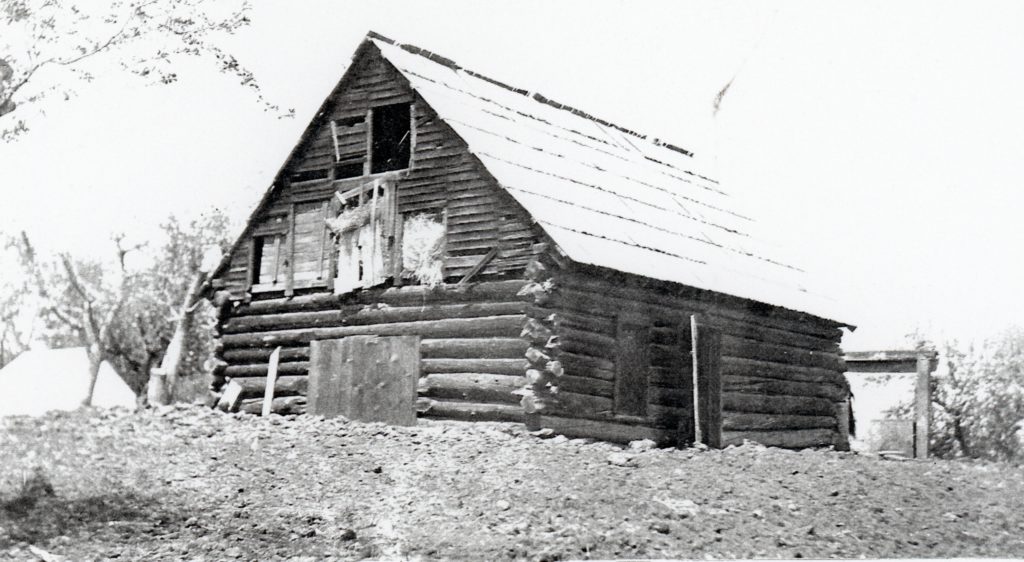
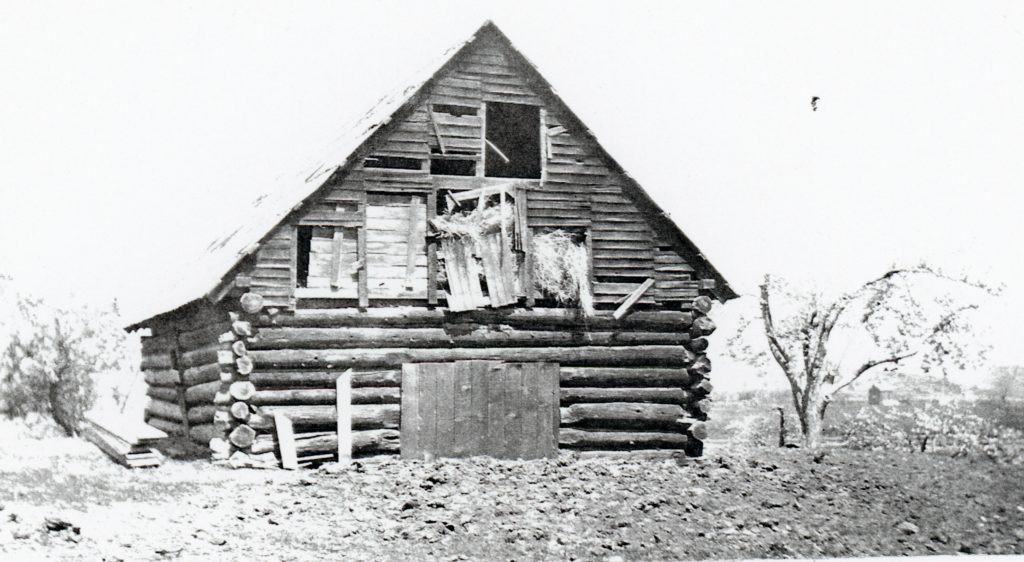
While working on an article about the Ramsey family and ranch operations, I came across the above photograph in the Ramsey file that I had forgotten about. About fifteen years, or so ago, I went to Reno visit with Keston Ramsey. Keston was born in Susanville on August 1, 1908, the son of Max and Lola Hunsinger Ramsey. It should be noted among Keston’s many activities was that in 1945 he built and opened the Sky Tavern, the first ski resort on Mount Rose. He was also a co-cofounder of the Reno Junior Ski Program.

Roop's Fort. Courtesy of Keston Ramsey
Roop’s Fort. Courtesy of Keston Ramsey

Anyhow, back to the topic at hand. Some of the photographs Keston shared with me was that of Roop’s Fort. Keston always referred to it as the old apple house. In should be noted that in 1863, Isaac Roop gave the property to his three children which he referred to it in the deed as the old Homestead place.

I thought some people might be interested in these two views, in light of the recent completion of Roop’s Fort Restoration program. It should also be noted, the original structure did not have a high pitched roof. It was modified by the Arnold family for the storage of apples and hay.

Never miss a story, click here to support and subscribe.

Eagle Lake’s Gallatin Beach

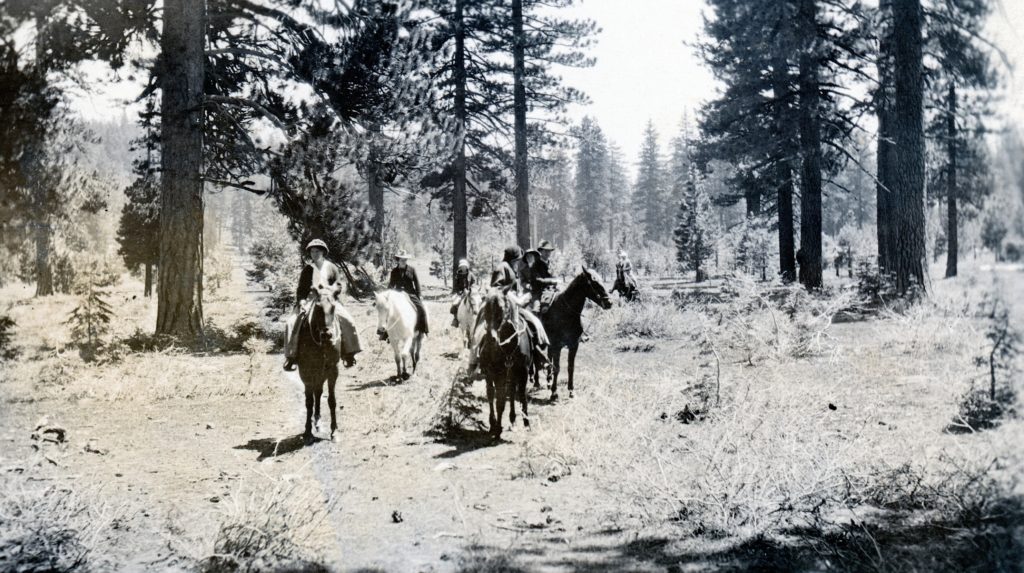
Eagle Lake trail to Gallatin Beach, 1914. Courtesy of Dolores Gasperoni

Gallatin Beach has been one of the lake’s popular spots. Visitors were fortunate in the aspect that Malvena Gallatin not only allowed public access, but there were no fees or any other restrictions. Another property owner, especially if it was a timber company, would not have been so gracious. After all, others would have been concerned about fire danger. Fortunately, no problems were encountered.

Eagle Lake fishing
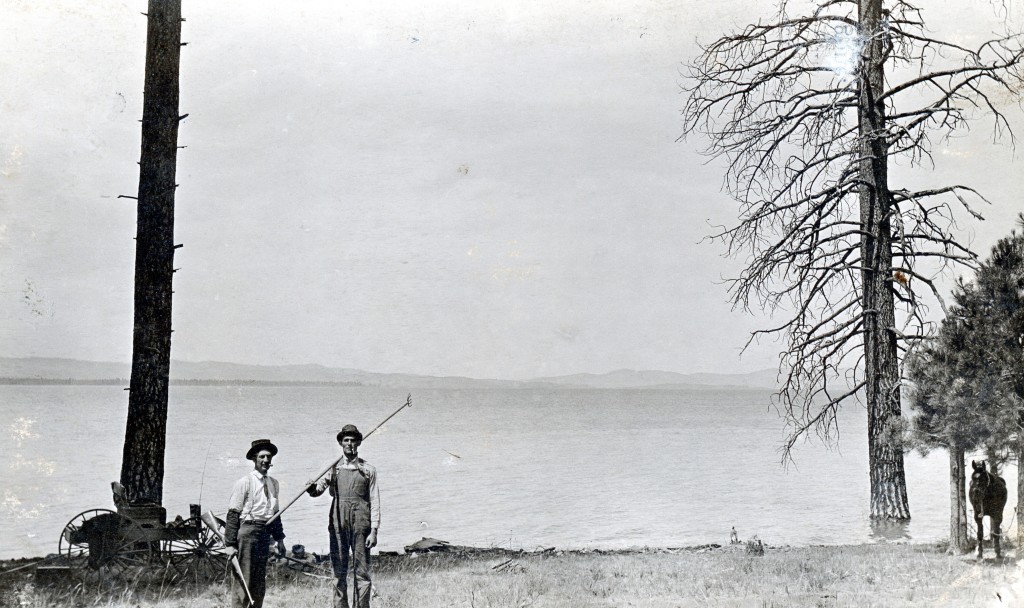
Bass fishermen at the south shore of Eagle Lake, 1914. Courtesy of Dolores Gasperoni

It should be noted that Malvena Gallatin owned over forty miles of Eagle Lake’s 100-mile shoreline. In 1944, Malvena’s only grandchild passed away and Eagle Lake lost its special appeal as a family summer retreat. In 1946, she sold all of her Eagle Lake property to the Lassen Lumber & Box Company for $100,000, though she retained a small parcel that contained the summer home. The future of public access looked bleak. Lassen Lumber was only interested in the timber. Later in 1946, the Lassen National Forest reached a deal with Lassen Lumber to exchange timberlands elsewhere in exchange for the Gallatin property. The two agreed, and that is how Gallatin Beach became a public beach on public property.

Never miss a story, click here to support and subscribe.

Janesville Renamed Lassen

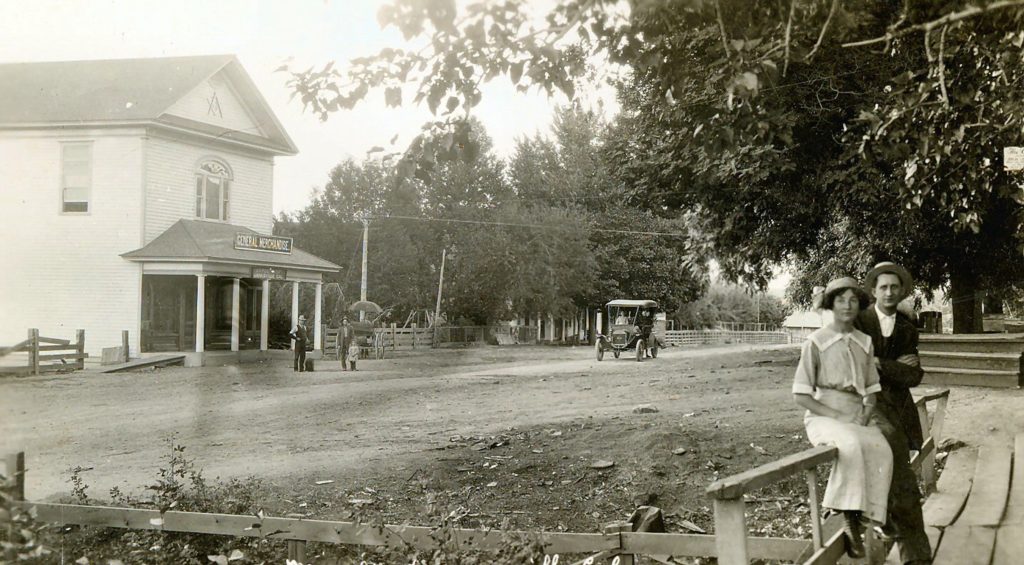
Main Street, Janesville, 1911. Courtesy of Betty Barry Deal

On July 2, 1914, Janesville was renamed Lassen. A  group of local developers petitioned the United States Postal Service to change the name from Janesville to Lassen. They were successful. It was their goal to rid the region of towns that ended with the suffix of “ville.” They felt the suffix carried a stigma of a small village, or worse yet, brought about the connotation of Hicksville.

Many of residents were not pleased with the new name. In December 1914, over 100 residents signed a petition to restore the post office’s name back to Janesville. The Postmaster General denied it. The area suffered an identity crisis, a place with two names—Janesville and Lassen. In 1918, the Lassen Mail wrote: “Janesville or Lassen, which shall it be? It isn’t a question of which it shall be but which it is. The post office is Lassen and the rest of the town is Janesville and it would require a special act of the California Legislature to make it anything else.” The editor did exaggerate a bit on the procedure. In 1923, the town’s residents petitioned the Postal Service and requested the name of Janesville be restored and this time the request was granted on September 22, 1923.

Never miss a story, click here to subscribe and/or donate.

Fruit Growers Supply Company

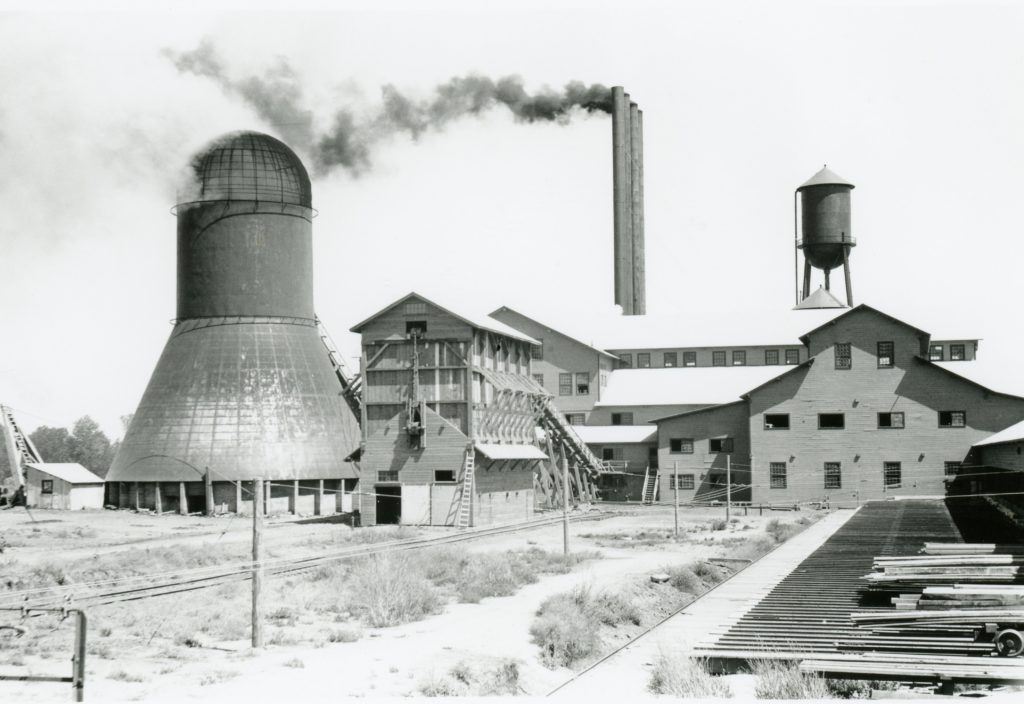
The Susanville plant, 1921. Courtesy of Ed Standard

In February, I inaugurated  a book-of-the-month, that featured Sagebrush Reflections. After all proceeds from book sales not only help support operations, but help finance future publications, in this case the stories behind the brands of the Pioneer.

It was not that long ago when one of the main components of the lumber industry was the manufacturing of wooden boxes to ship the nation’s vegetables and fruits. The Fruit Growers Supply Company was not your ordinary lumber company. Established in 1907, it is the co-operative purchasing arm of Sunkist. To protect the citrus grower’s interest in securing a supply of woodden boxes at a reasonable price, they went into the lumber business by accident at Hilt, Siskiyou County.  With increased citrus production, in 1920 the company expanded and built a mill at Susanville. The demand continued and in 1944 Fruit Growers purchased Red River Lumber Company’s mill at Westwood along with the Burney Tract. Ten years later, the wooden box went by the wayside and the grower’s converted to cardboard.

To learn more about this book and to order simply click here.

Sorsoli Hotel

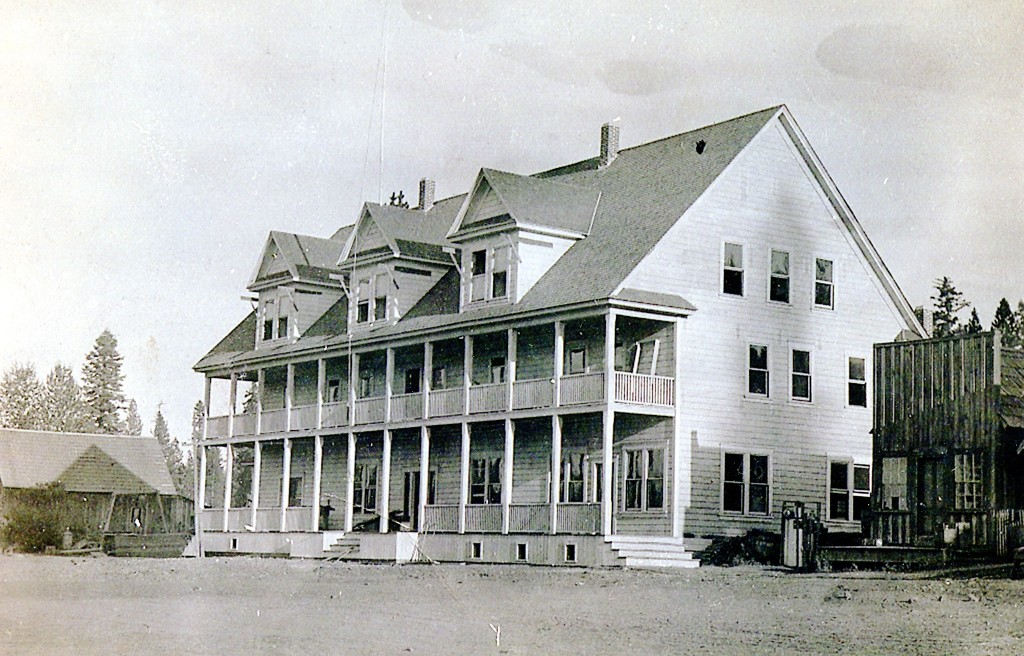
Sorsoli Hotel, 1908. Courtesy of Jo-Al Smith

The defunct town of Prattville was quite the place prior to being displaced by Lake Almanor. Prior to Lake Almanor, it was known as Big Meadows, and a popular summer hang out, especially those from the Sacramento Valley, escaping the heat, after all this is pre-air conditioning days.

In 1898, Frank Sorsoli purchased Baccala’s Prattville Saloon.  Business was good. There being a lack of hotel accommodations, Sorsoli decided to build one. In May 1908, construction began on Sorsoli’s $10,000 twenty-eight guest room hotel.  But the operation was short-lived. A fire of suspicious origin on July 3, 1909 wiped out most of the town of Prattville, the Sorsoli Hotel was a casualty.

Never miss a story, click here.

Susanville – Sunkist Street

Sunkist Street, 1921. Courtesy of Ed Standard

In 1919, when the Fruit Growers Supply Company decided to locate its second lumber mill at Susanville, they thought that community would come forth to provide housing for its workforce.  It kind of happen. Yet, Fruit Growers with over 1,000 employees for its Susanville operation, was too much for the community to handle. To be able to attract a stable workforce, Fruit Growers only option was to develop its own residential district next to the mill. Those streets all have names associated with the citrus industry, such as Sunkist.

For those not familiar with Fruit Growers, it is a purchasing agent for co-operative then known as the California Fruit Growers Exchange comprised of citrus growers. In 1907, the Exchange coined the brand Sunkist and in 1952, they renamed the Exchange to Sunkist.

Never miss a story, click here to support and subscribe.