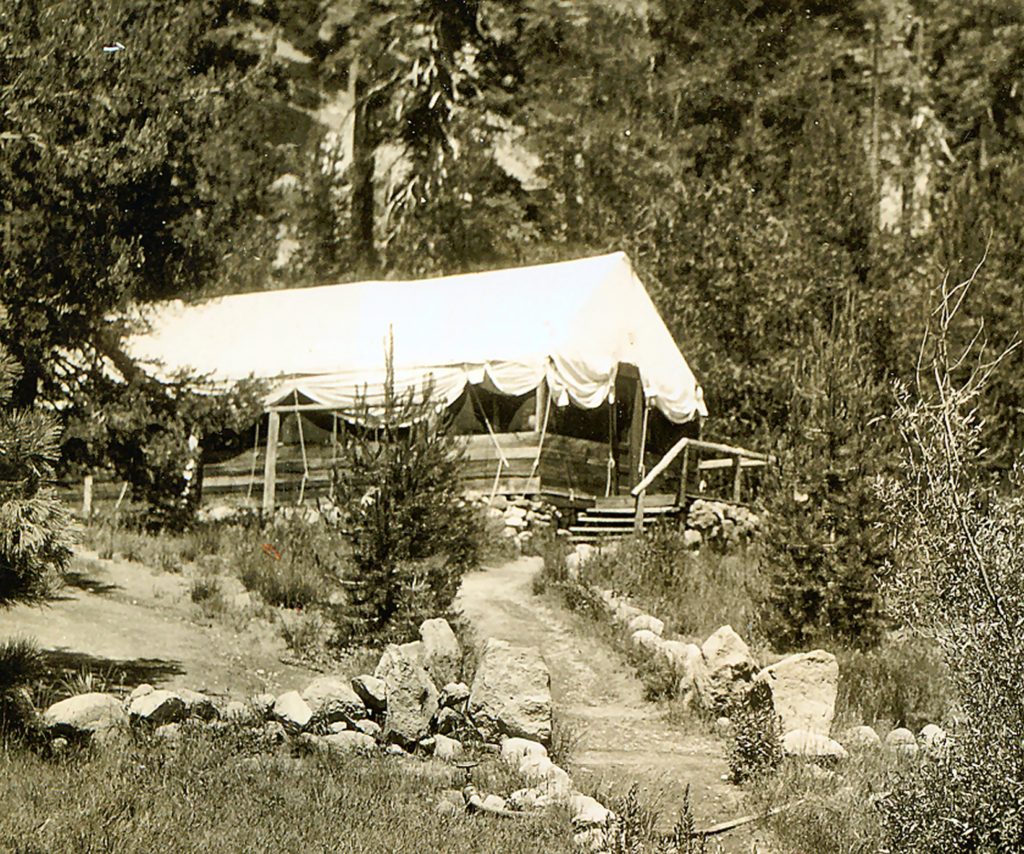
The original dining hall at Drakesbad. Courtesy of the Sifford Collection
In keeping with the Go Exploring theme, a trip to the Drakesbad Guest Ranch in Lassen Volcanic National Park, should be on your list. People have been going to this place since the 1870s, and there is plenty of hydra-thermal sites nearby such as Boiling Springs Lake and Devils Kitchen. If you want to dine there, you will need to call ahead, and they even make sack lunches for your hiking pleasure.
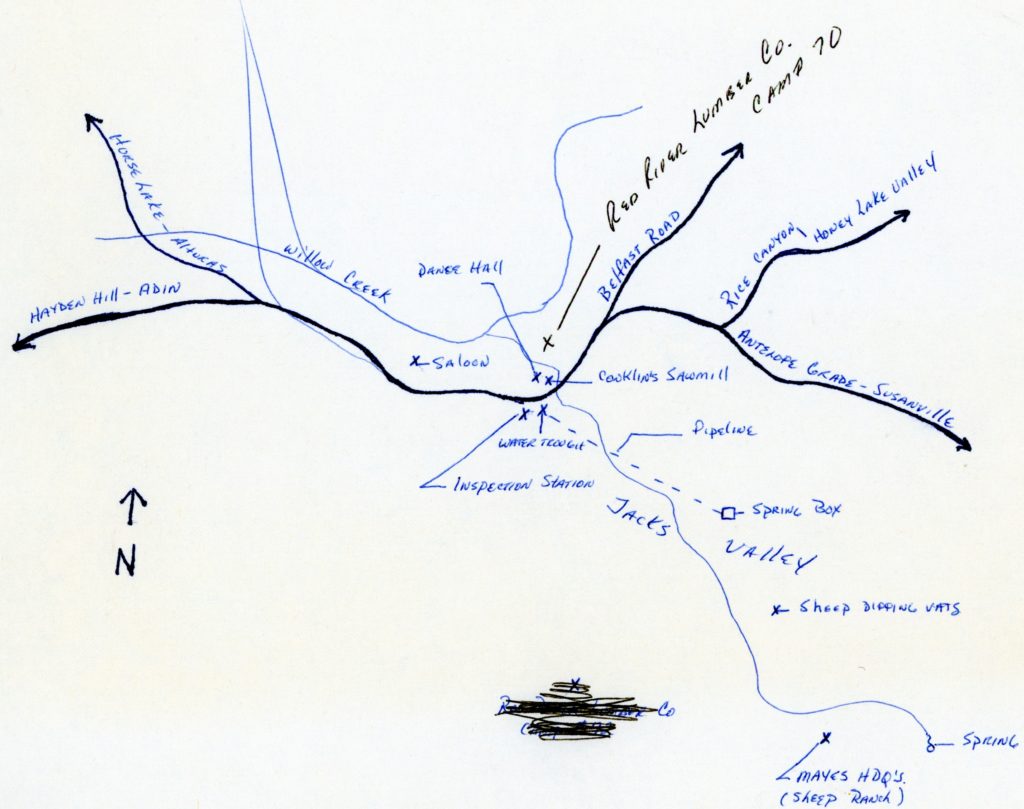
Someone inquired recently about the various sites at JacksValley. After all over a sixty year span a lot of diverse activities took place: a saloon an agricultural inspection station, dancehall, sawmill and a truck logging camp of the Red River Lumber Company. Of course, lest I forget the cement water trough along Highway 139. In the back of my mind, I recalled doing a sketch map, and lo and behold it was in my file where it should be.
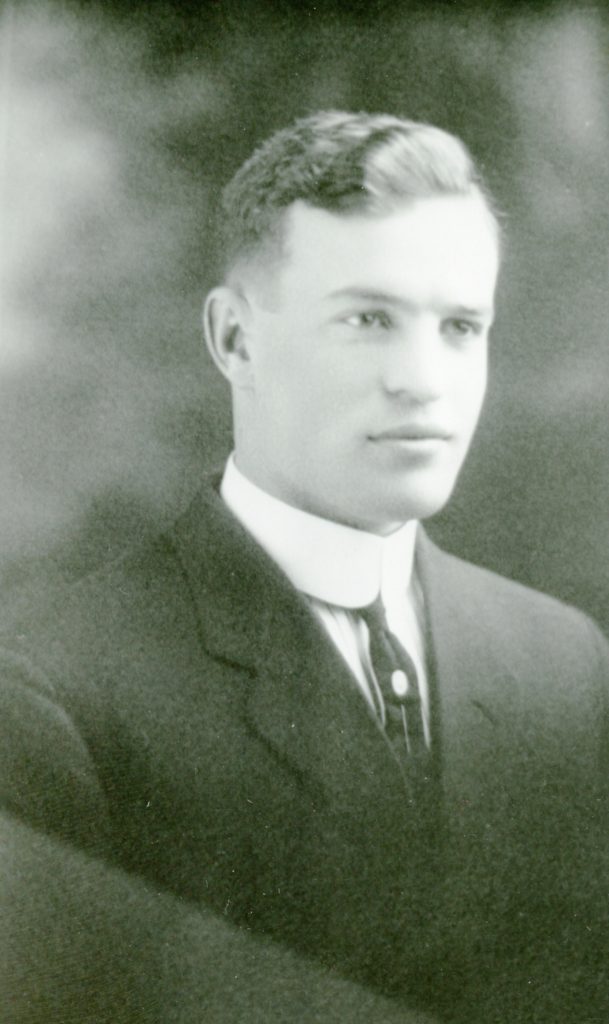
Hardin “Finn” Barry was born March 26, 1891 in Susanville. In 1912, after he graduated from Santa Clara College, and he went to play Major League Baseball with the Philadelphia Athletics for one season. In the spring of 1913, he and his college friend Robert Murphy purchased a ranch in the Tule District of the Honey Lake Valley It was a disaster. In 1920 Finn abandoned the ranch and moved to Reno to study law. In 1921, he was admitted to the Nevada Bar and in December opened a law office in the Knoch Building in Susanville which he maintained the rest of his life. Continue reading Finn Barry’s Colony Ranch→
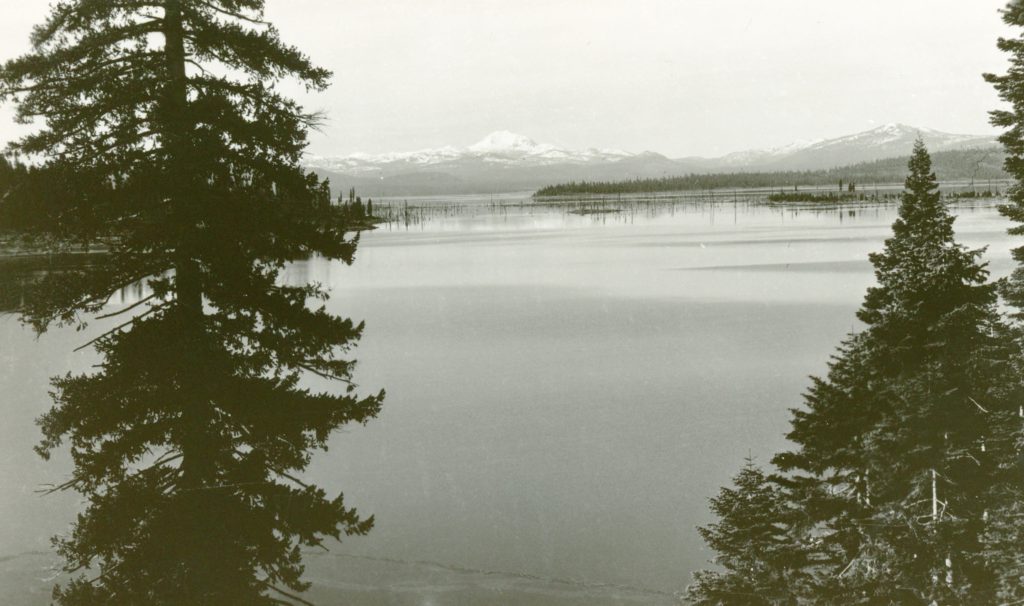
The 1902 plans for a reservoir to flood Big Meadows, now Lake Almanor gave it a designation as Lake Earl, after one of the investors of the Great Western Power Company. Over the years, the name was abandoned. When newly created reservoir began to fill up it was christened Lake Almanor, after Guy Earl’s three daughters. One of the daughters, Alice Wilder recalled the origin of the name: “Mr. Julius Howells [the engineer] was a welcome guest in our home who said children call me Uncle Julius. He asked my father to name the new lake. My father and mother spent many hours finding a name they liked. It had to have a name pleasing to the ear, it had to be readily pronounced, spelled and easily read. They did not want a foreign name and were not fond of surnames. They wanted to name it after their four children. Alice, Martha, Elsinore and Guy. Many combinations to these names were attempted. It was hard to get Guy in. Finally my father settled for a name that was simple and musical and of which three of the four children would be part-and also in the right order-eldest, next eldest and youngest. The lake was named Almanor. The AL for Alice, MA forth Martha and The NOR for Elsinore.”
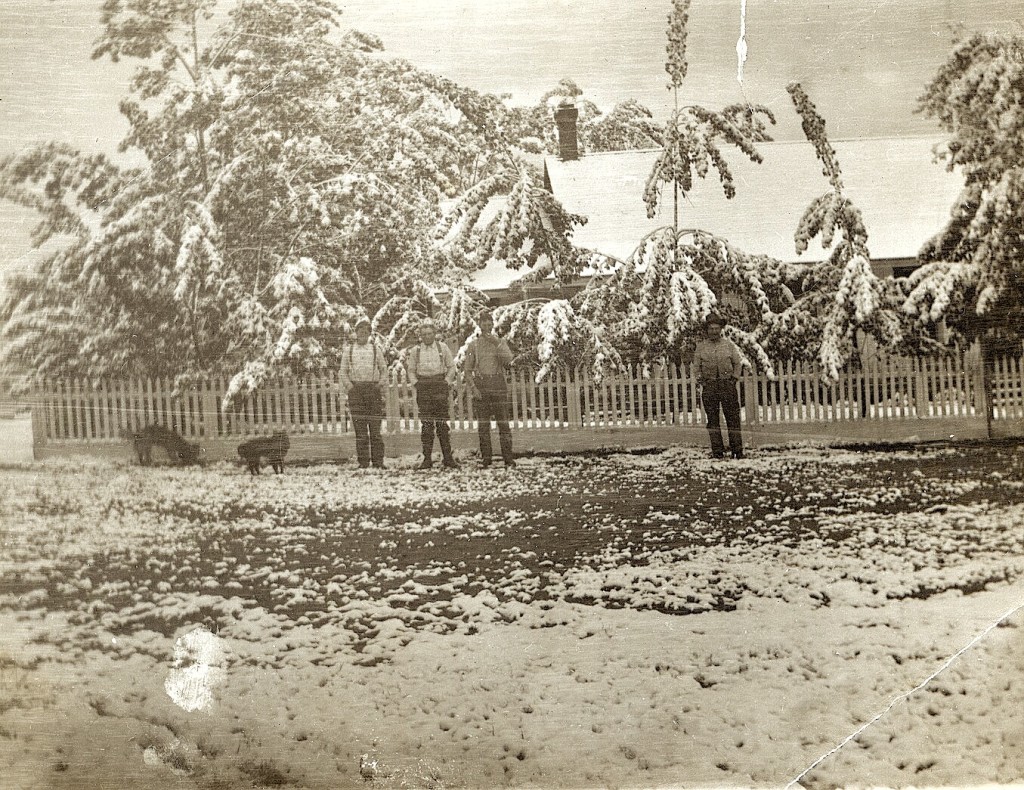
For the first day of summer, I thought I would share this picture of Constantia taken on June 21, 1907. Unfortunately, I do not possess any other documentation and no reference made in the newspaper, other that it was unseasonably cold. I went through my various notes of Phil Hall, who provided me with the photograph. His parents at that time resided at Constantia. However, anyone who has resided around these parts, have experienced numerous strange weather events. In a related matter, Claude Wemple told me in a 1978 interview that Milford received four inches of snow on July 4, 1902.
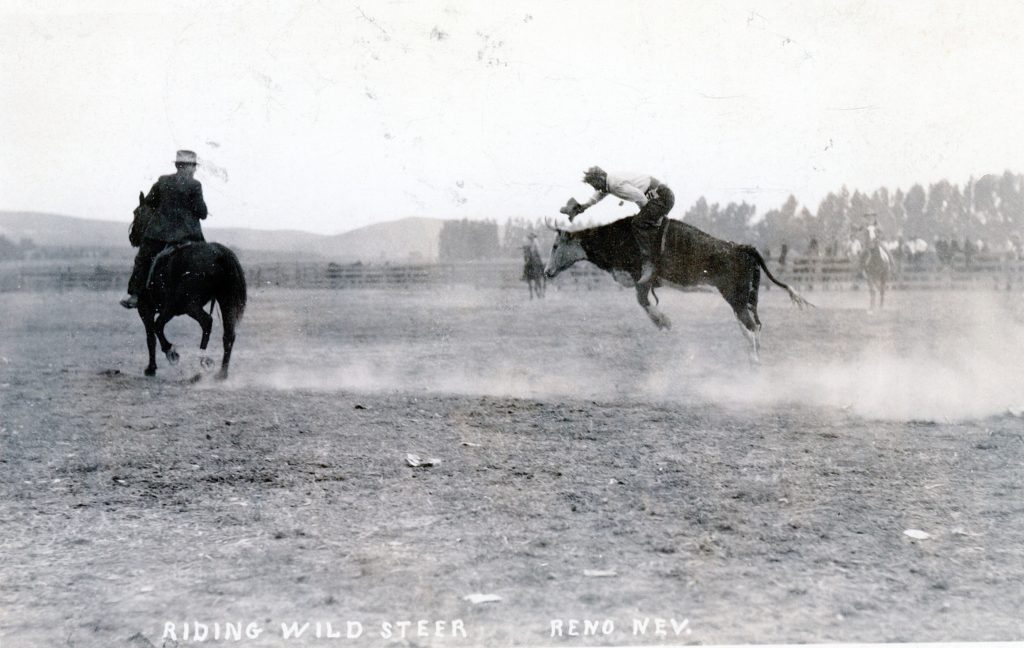
In 1926, my grandfather, Ira Purdy, sent the above post card to his wife, Margaret, and son, James, who was only a year old. He described the Reno Rodeo as a wild bunch of folks. He continued that he was on his way to Susanville to find a job. With the lumber mills in full swing this was not a difficult task. He found employment at Doyle & Hunsinger Ford, as a mechanic, many folks would know as the former Doyle Motors. Shortly thereafter me moved his family to Susanville, where they resided ever since. Some times it is interesting how much information one can glean from the back of a postcard.
The view from the approach of Lakview Terrace Estates, February 13, 2018
This was a dubious land subdivision that was laid out northeast of Amedee in February 1893. It was promoted to investors outside the area and for a good reason. The prospective buyer was presented with maps and photographs of the prosperous new town of Amedee. They were informed the new addition was on ground slightly higher that of the town, thus with its views made it desirable residential property. When buyers actually inspected lots they purchased, they were in for a real surprise. As the Amedee Geyser reported: “Truly the view from the terrace is a magnificent one, but the suburban resident to reach his home with the assistance of a fifty foot ladder will lose enthusiasm over the scenery.”
In the fall of 1893, a warrant for H.B. Griffith’s arrest was issued , who was the promoter of the subdivision, on the grounds for selling property under fraudulent pretenses. Griffith caught wind and fled the state, thus avoiding criminal charges.
Some readers knew my father Leroy W. Purdy, who was quite the character in his own right. For nearly fifteen years, he, along with his brother James, operated Purdy Brothers Logging. While today is Father’s Day, I think of dear old Dad often. While I spent a lot of time with him, and asked lots of questions, there are times when something arises that I wish I could ask him. While sorting through my parent’s house last year, I found the above photograph. I wish I knew the story behind this episode, I am sure it was an amusing and entertaining one.
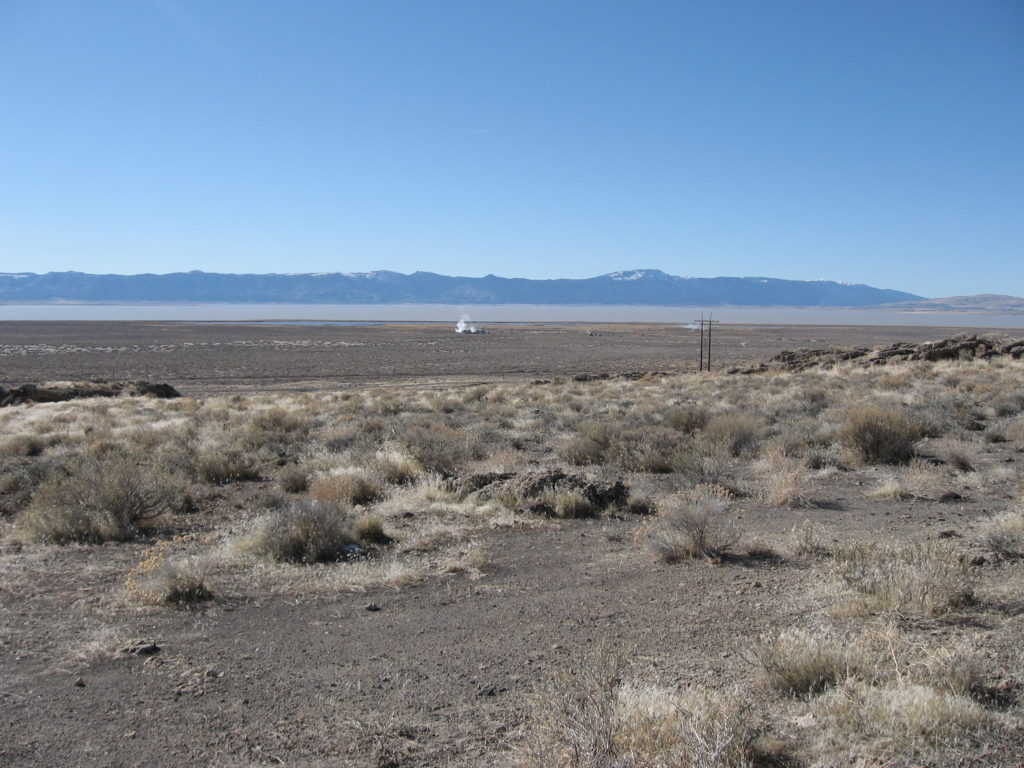
Located at the southern end of the Smoke Creek Desert, it was a tiny outpost on the Western Pacific Railroad that for a brief time even had its own post office that operated from 1911-1916.. Some of the old buildings remain in a dilapidated state, the railroad had abandoned it years ago. The most striking feature is the huge gravel pit the railroad used for its ballast.
It makes for an interesting stop, just to view the shear expanse of the Smoke Creek Desert and ponder where you might head to. If you continue along the main road, the next stop is the abandoned Bonham Ranch. Continue further, you can take a left turn on Smoke Creek Road and make an entire loop of the country, as it will take to near Viewland on Highway 395.
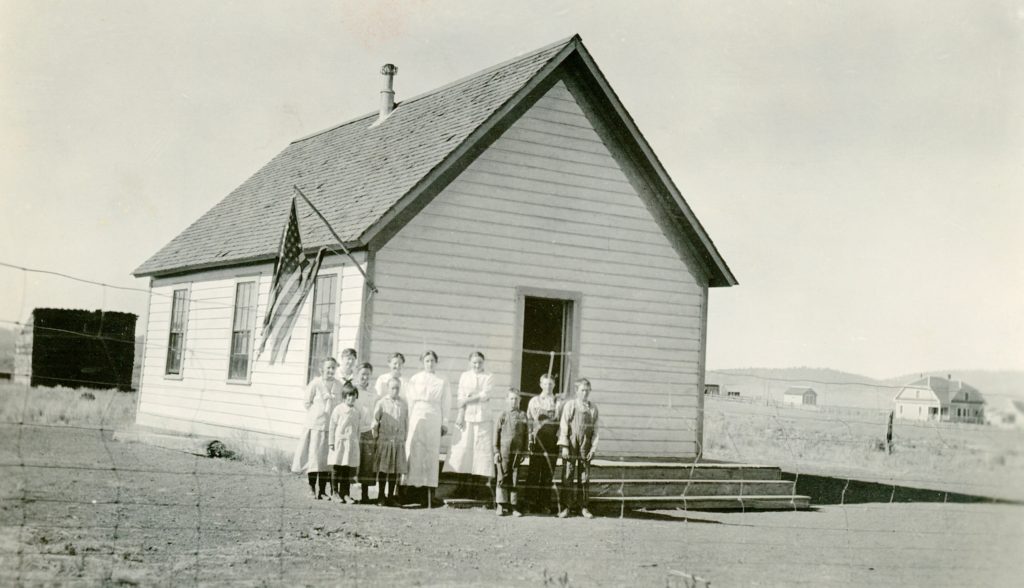
Ash Valley is one of those hidden gems tucked away between the communities of Adin and Madeline. When it was settled in the early 1870s the majority of its population consisted of old bachelors. Changes were on the horizon, new settlers with families began to arrive. In 1876, the Lassen County Board of Supervisors approved the Ash Valley School District, there being some fifteen plus school age children there. Shortly thereafter the residents built a school house.
World War I had a major impact on the rural areas of Lassen County and this was readily apparent in Ash Valley, as the school closed its doors in 1919 for a luck of students. It would go through several openings and closures over the next twenty years. In 1938, John Bath and Martha Bath were the last students to graduate. In 1941, the school closed for good.