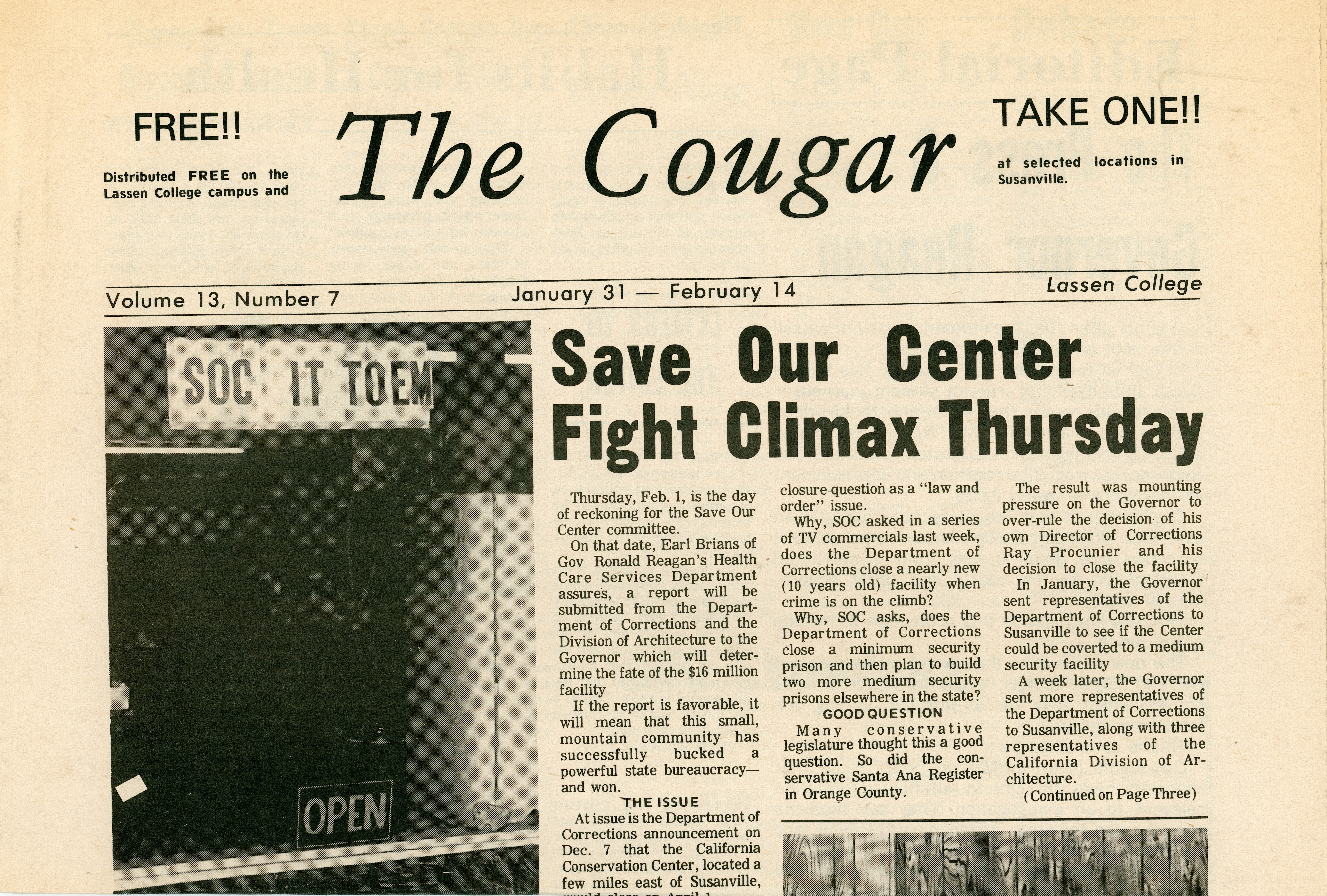
Less than 10 years after it opened, it was disclosed that the State of California had plans to shut down the California Conservation Center at Susanville. Of course, the community fought to keep it and on December 13, 1972 the Save Our Center campaign was launched. State Director of Corrections Ray Procunier stated that the California Conservation Center near Susanville was to be closed effective April 1, 1973. Procunier cited a decline of the inmate population by 4,000. In doing so it would eliminate 270 jobs. Procunier stated, “The cutting off of that payroll is to have an impact of the economy of that community, but Susanville is not the best location in the world for a correctional institution because of its remoteness.”
Subscribe and support this site for as little as $5.00 a month.
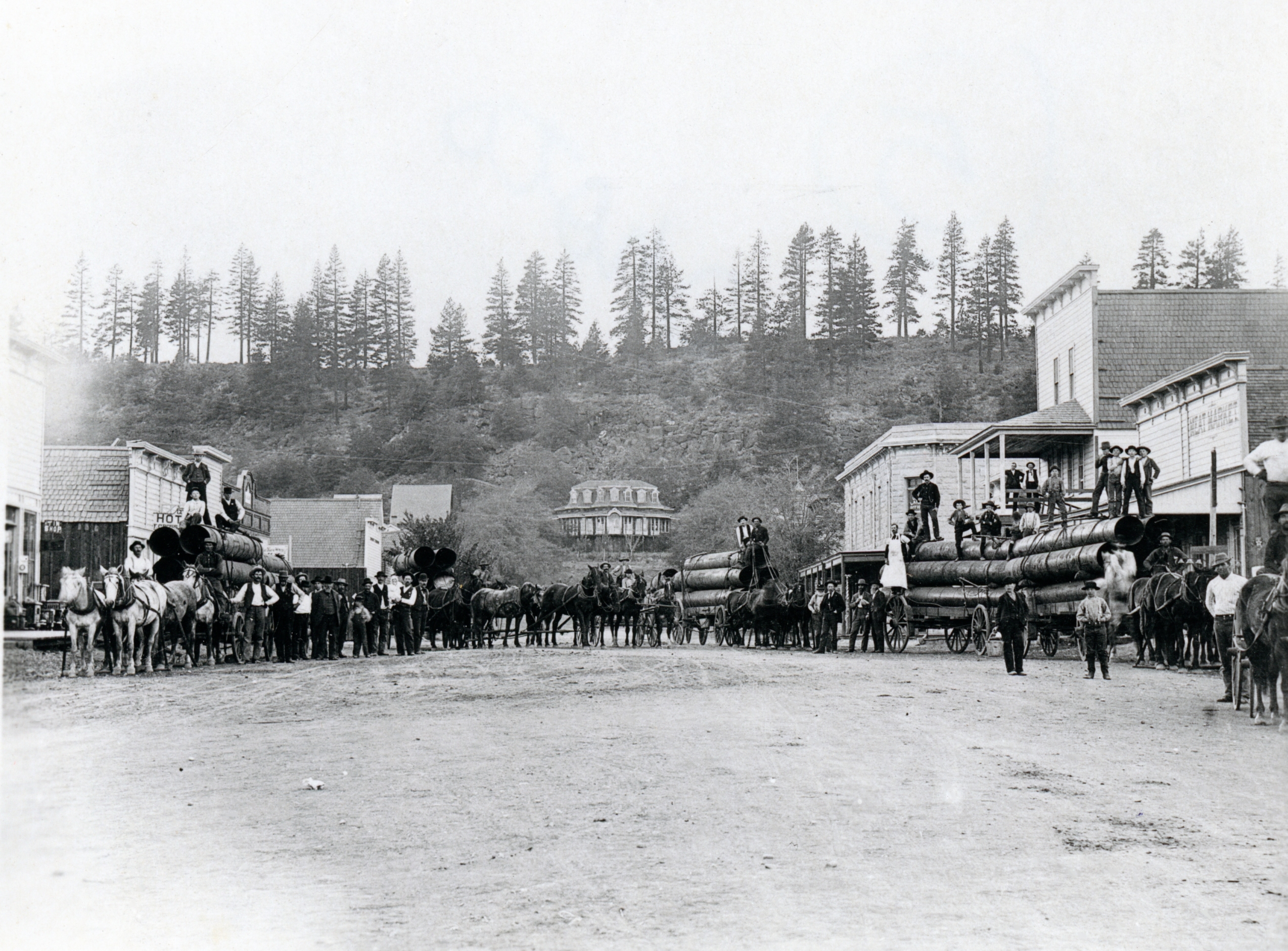
Main Street, Susanville, 1894. Courtesy of Ivor Lanigar.
Not sure what to give that special someone, but want to keep the budget balanced too? Why not a gift subscription to tipurdy.org. At five dollars a month it is a bargain. You can decided whether for a month, quarter or even splurge for a year.
The recipient not only receives a daily email notification of the latest topic, but is entitled to hard to find papers on the Eagle Lake Ice Caves, too. On top of that they can partake in members only tours such as a summer solstice observance at an ancient solar observatory. Those that can’t attend tours, or live too far away, as there are supporters not just across the United States, but Canada, England and New Zealand, receive material concerning the field trips.
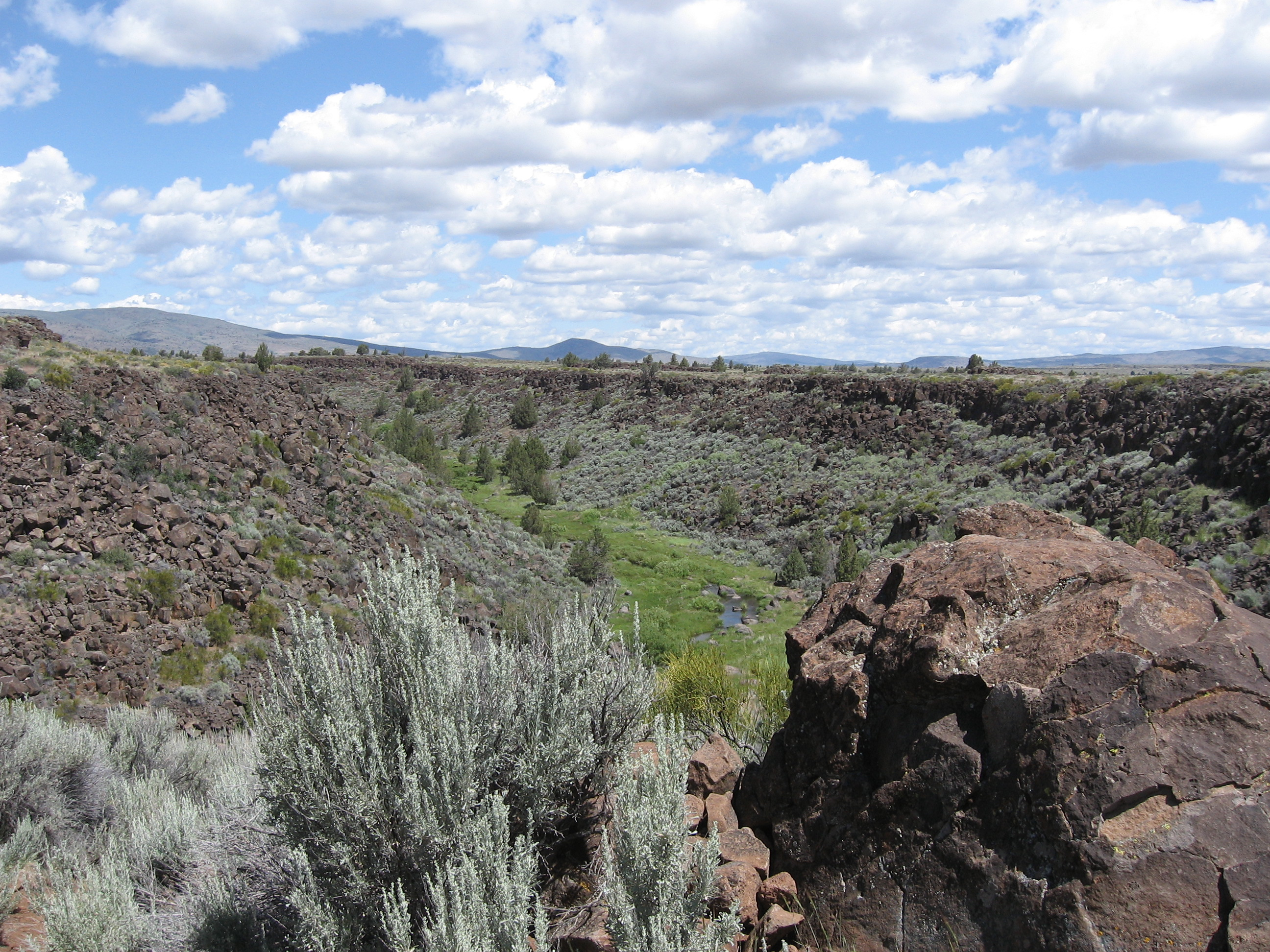
A view from the ancient solar observatory, June 2015.
Information on subscriptions is found right here. Have a question drop me a line at tim@tipurdy.org.
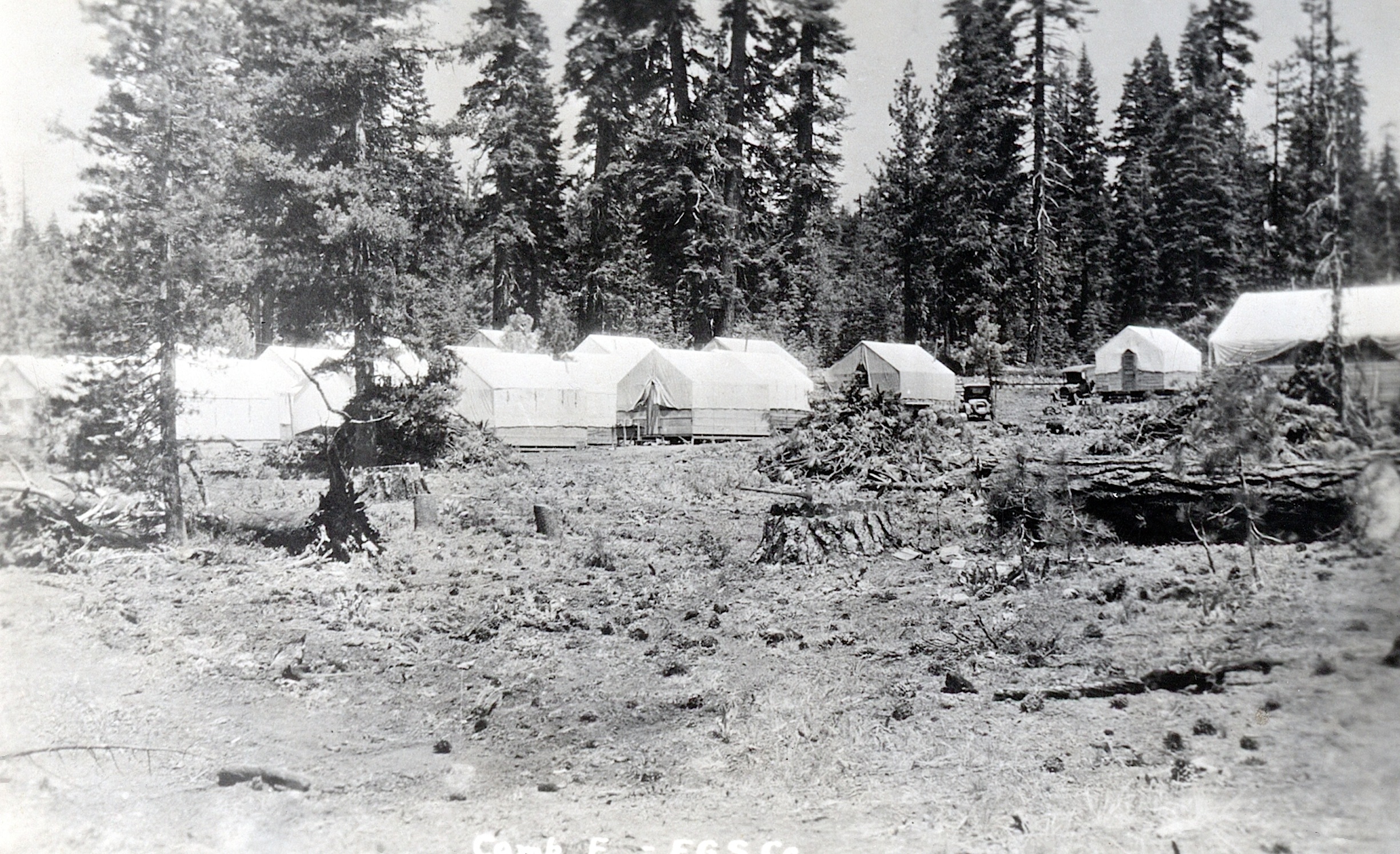
Camp E, Fruit Growers Supply Company. Courtesy of Lola L. Tanner
Fruit Growers Supply Company had a total of eleven railroad logging camps. Technically, the longest operating, Camp 10, should have been named Camp 11.
Of these camps, three were quite small and operated for only one logging season during the 1920s. The first was Camp E at Merrill Flat. It was followed by tiny and peculiar Camp Y. Then there was Camp 9, which from most accounts only housed timber fallers. Unlike the other camps that had portable wooden buildings these camps had canvas-wooden tents.
Become a supporter for just $5 a month to ensure quality history available to all. Click here.
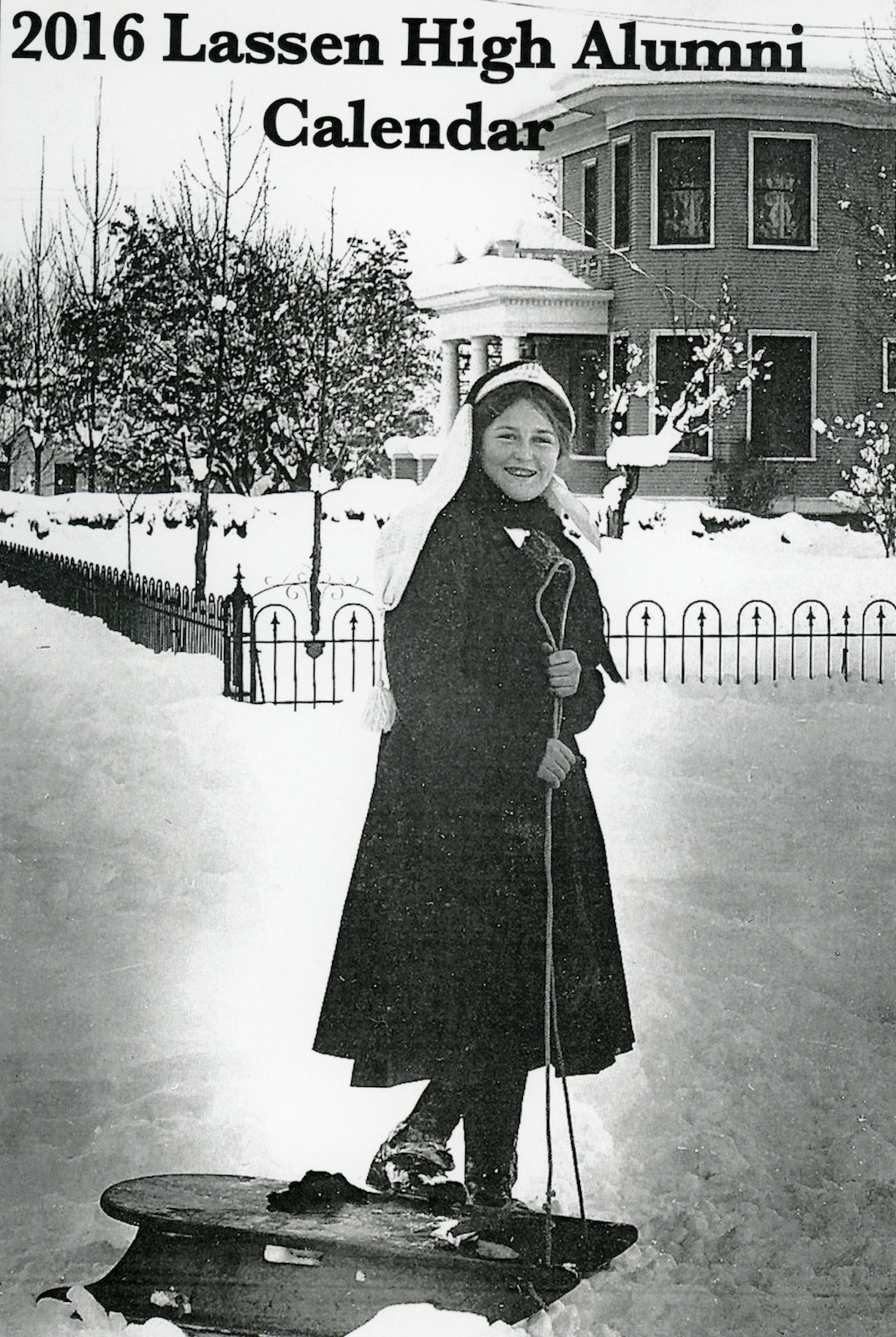
Leona Jackson, Class of 1913, Mill Street, Susanville
It is that time year, and I am pleased to announce that the Lassen High Alumni Association 2016 calendars are now available. The calendar, for those new to the Association, is the resurrection of Lassen High School’s Graphics Art Class that produced calendars from 1977 to 2000. Those calendars contained vintage photographs of the region.
Again, like the 2015 calendar, the 2016 is in a portrait format versus the previous landscape. So the calendars are narrower and longer. However, the calendar still contains a great selection of historic photographs. Some of the scenes depicted include: Eagle Lake high water mark, 1916; Susanville, 1947; Lassen Peak eruption, 1917; Methodist Church, 1950, Westwood, 1916.
For the first time, you can order your calendars right here. In addition, they are available in Susanville, at Margie’s Book Nook. During the months of November and December the calendars can be purchased at Doyle’s Gift Shop, Milford. For mail orders, send $13.00, plus $2.50 for shipping to Lassen High Alumni Association, P.O. Box 471, Susanville, CA 96130.
It is never too late, subscribe today and enjoy tomorrow with daily notifications. You can also surprise someone with a gift subscription.
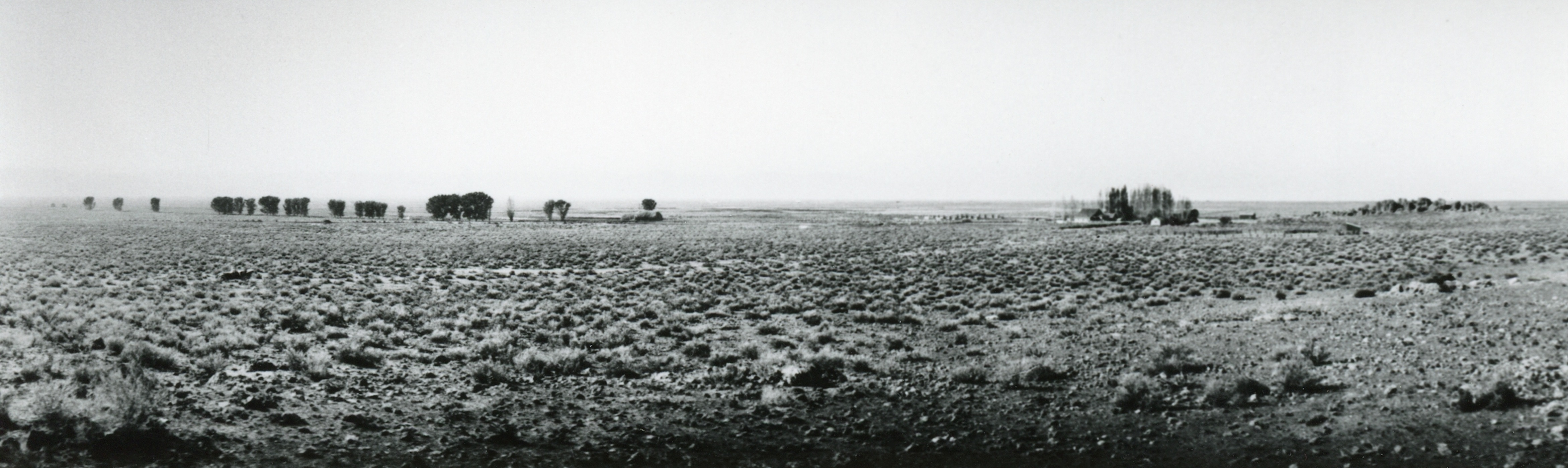
Eastern Honey Lake Valley, near High Rock Ranch, 1916. Courtesy of Betty Barry Deal
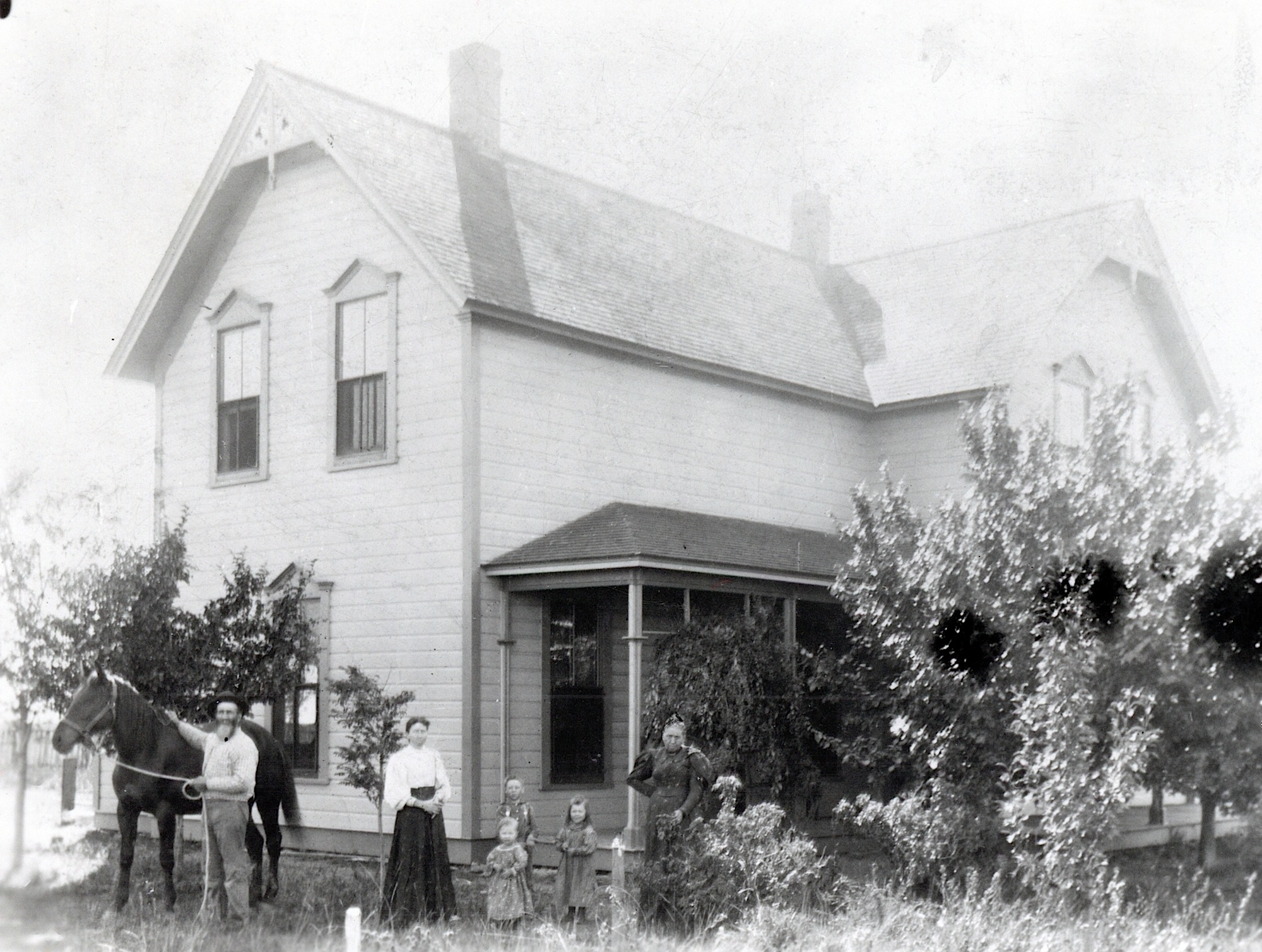
In the 1800s and early 1900s there were a lot of dreamers and schemers whose desire to transform the sagebrush lands of eastern Honey Lake Valley into productive farm lands. It first began with Capt. Charles A. Merrill, who in 1878, proposed to use water from Honey Lake to irrigate the same. It should be noted that this is the same Merrill who worked relentlessly for twenty-five years to tap Eagle Lake for irrigation of the Honey Lake Valley. By 1891, there were so many reclamation projects underway, it was remarked that the Eagle Lake water would not be needed for irrigation, but it could be used to keep Honey Lake full for the pleasure of the members of the Amedee Yacht Club, among others.
In the future, we will explore a number of these projects such as Lake Greeno, Skedaddle Dam and the Standish Water Company’s Honey Lake pumping plant.
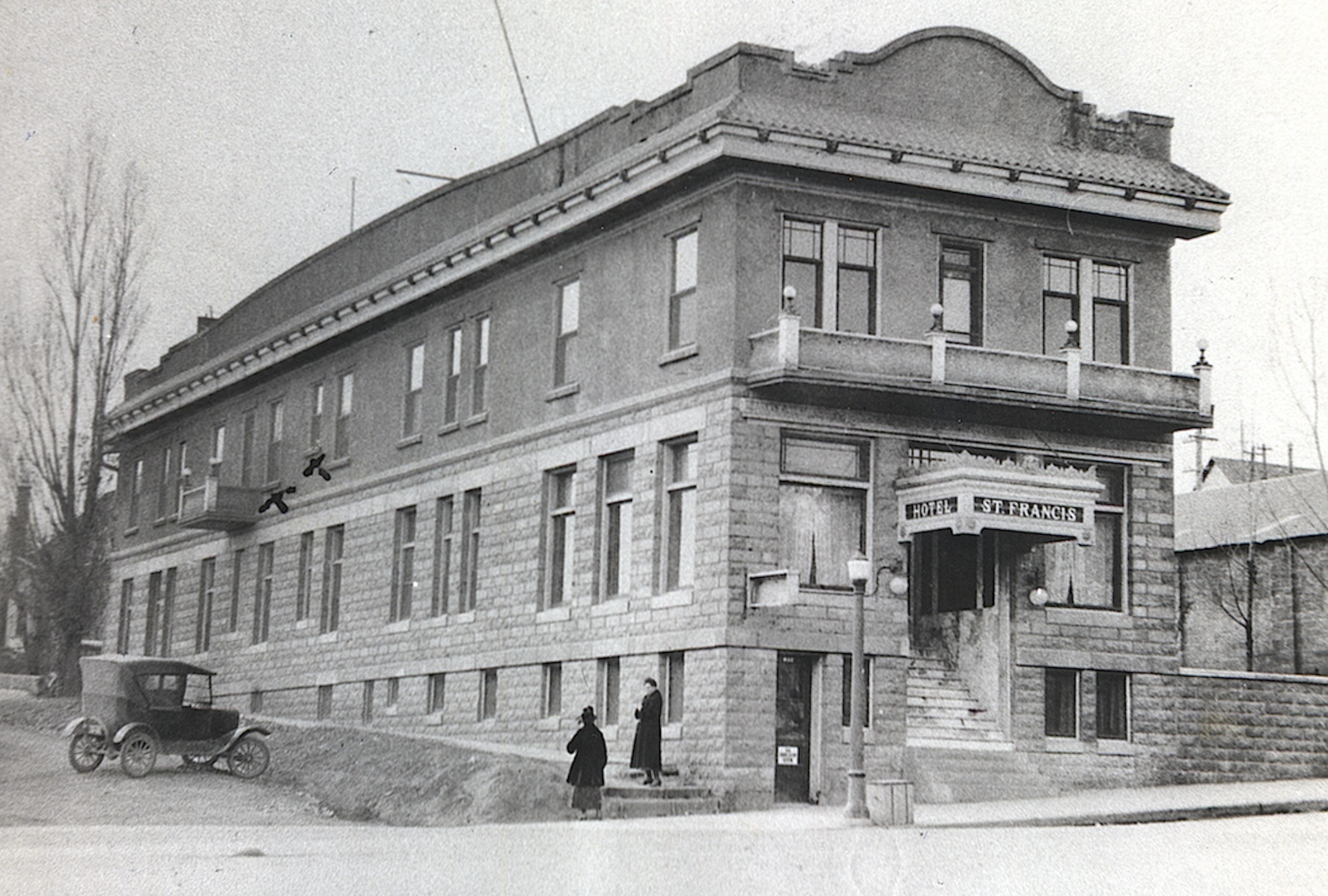
St. Francis Hotel, circa 1919. Courtesy of Art Almeda
In 1907, Franceska Murrer Neuhaus, with her husband, Ben, retired from their Willow Creek Valley ranch and moved to Susanville. Not to be idle, she kept busy investing in several commercial enterprises. In 1913, flush with money from the sale of the ranch, to her son, Edward Murrer, she had one more venture to undertake. At this time, she hired Nevada architect Frederick deLongchamps to design a hotel at corner of Main and Union Streets.* She named her new enterprise the St. Francis Hotel. Franceska was well versed in the innkeeping business. For years, the Neuhaus home in Willow Creek was well known for its hospitality to accommodate travelers. Her daughter, Rose Bagin, operated hotels at Hayden Hill and Susanville. Rose’s home in Susanville happened to be conveniently located behind the St. Francis, and her elaborate flower garden complimented the hotel. When the St. Francis opened its doors in 1914, Franceska’s son and daughter-in-law, Bill and Flora Neuhaus managed it.
*deLongchamps first Susanville building was the Lassen County Jail completed in 1911.
Become a supporter for just $5 a month to ensure quality history continues. Click here. After all you do not want to miss the second installment on the St. Francis.
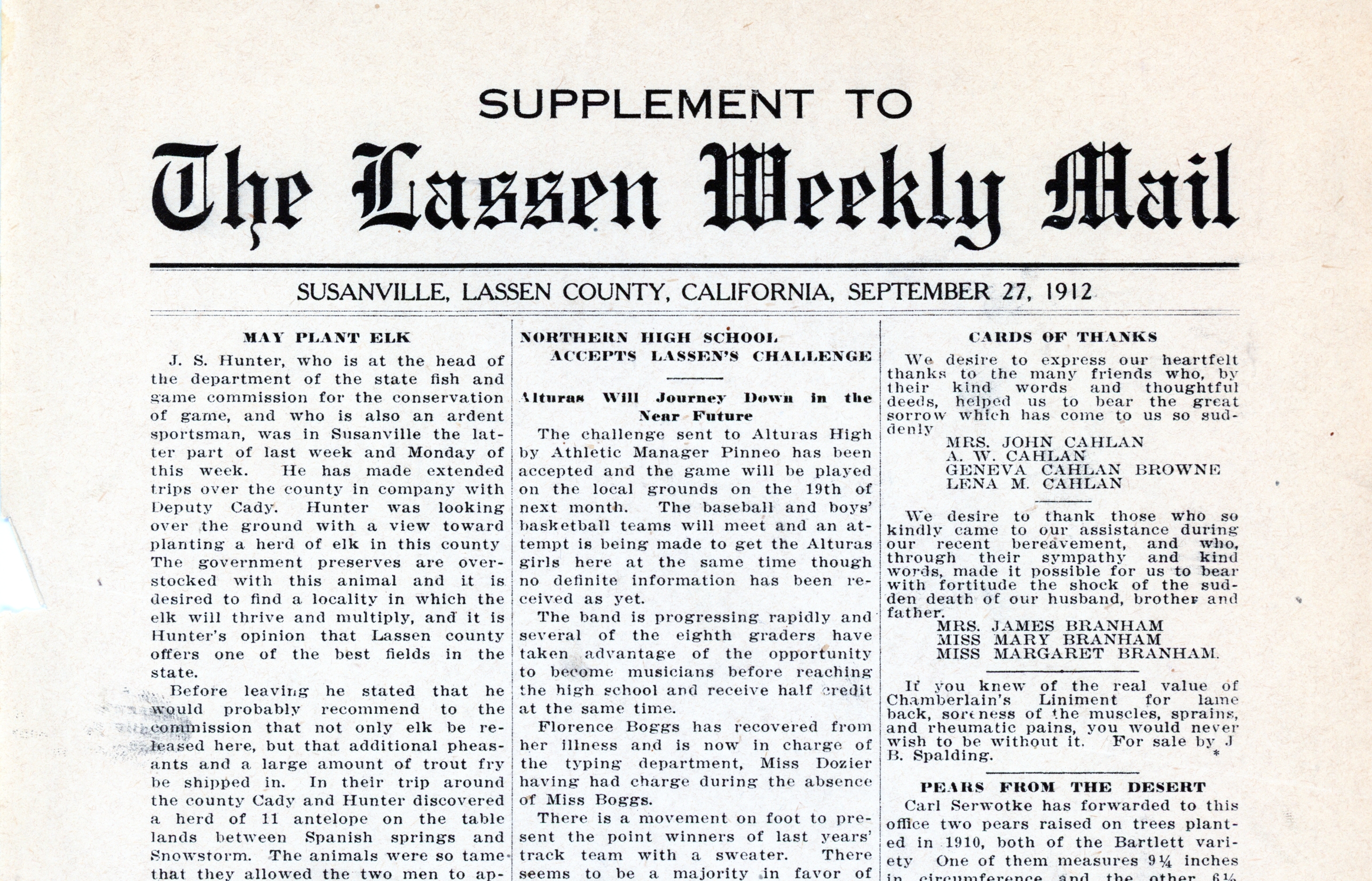
For over a fifty year stretch Susanville was home to two newspapers the Lassen Advocate and the Lassen Weekly Mail.
On October 25, 1886, the Mail made its debut on the streets of Susanville with Nevada newspaperman Benjamin M. Barney at its helm. Barney, however, lacked capital for his new enterprise and made M.B. Bransford, a partner. In addition, he borrowed $1,088.38 from Robert Tremain to purchased a new printing press. In 1891, Bransford became sole proprietor and moved the printing office into the Masonic Building.
In 1893, the Masonic Building and much of Susanville’s business district was destroyed by fire. Bransford abandoned the newspaper, and Tremain who was still owed money for the printing press, took over the paper. Tremain’s son, Joseph Mellow operated the paper and eventually purchased his parent’s interest.
Tremain had newspaper experience, and even worked at a time as foreman of the Lassen Advocate. Tremain’s journalistic endeavors bordered on the mundane, with the exception of one big topic, the Red River Lumber Company. Tremain and Red River’s owners, the Walkers became real cozy. This paid big dividends, and the Mail published the inside scoop on all of Red River’s proposed activities.
In 1911, when Susanville was on the verge of tremendous growth, Tremain sold the newspaper, and soon ushered in the era of the Cook family, more about that later.
Become a supporter for just $5 a month to ensure quality history available to all. Click here.
Theodore Ranch, 1891. Courtesy of John H. Theodore
The Tule District of the Honey Lake Valley is the very lower end of the Susan River, where the river splits up into various sloughs.
In 1859, John Kelley of Missouri settled in this region. All was fine until 1863 when the United States Government surveyed the region. Under federal law, the most a person could file was 160 acres. Kelley had already claimed nearly 1,000 acres. Kelley concerned that he could lose his holdings wrote back home and encouraged fellow southerners to come out and join and settle on property he had claimed. Those who initially did were William Brashear, Robert Briggs, Chappell Kelley and John Saling. In 1864, when Lassen County Surveyor E.R. Nichols who was doing work in the region, noted a number of residents had served in the Confederate Army and he dubbed the district the Tule Confederacy.
Not all the residents were southerners and there were conflicts between the neighbors. In the spring of 1864, John Purcell set fire to DeWitt Chandler’s house and claimed it a victory for Confederate States.
It is never too late, subscribe today and enjoy tomorrow with daily notifications. You can also surprise someone with a gift subscription.
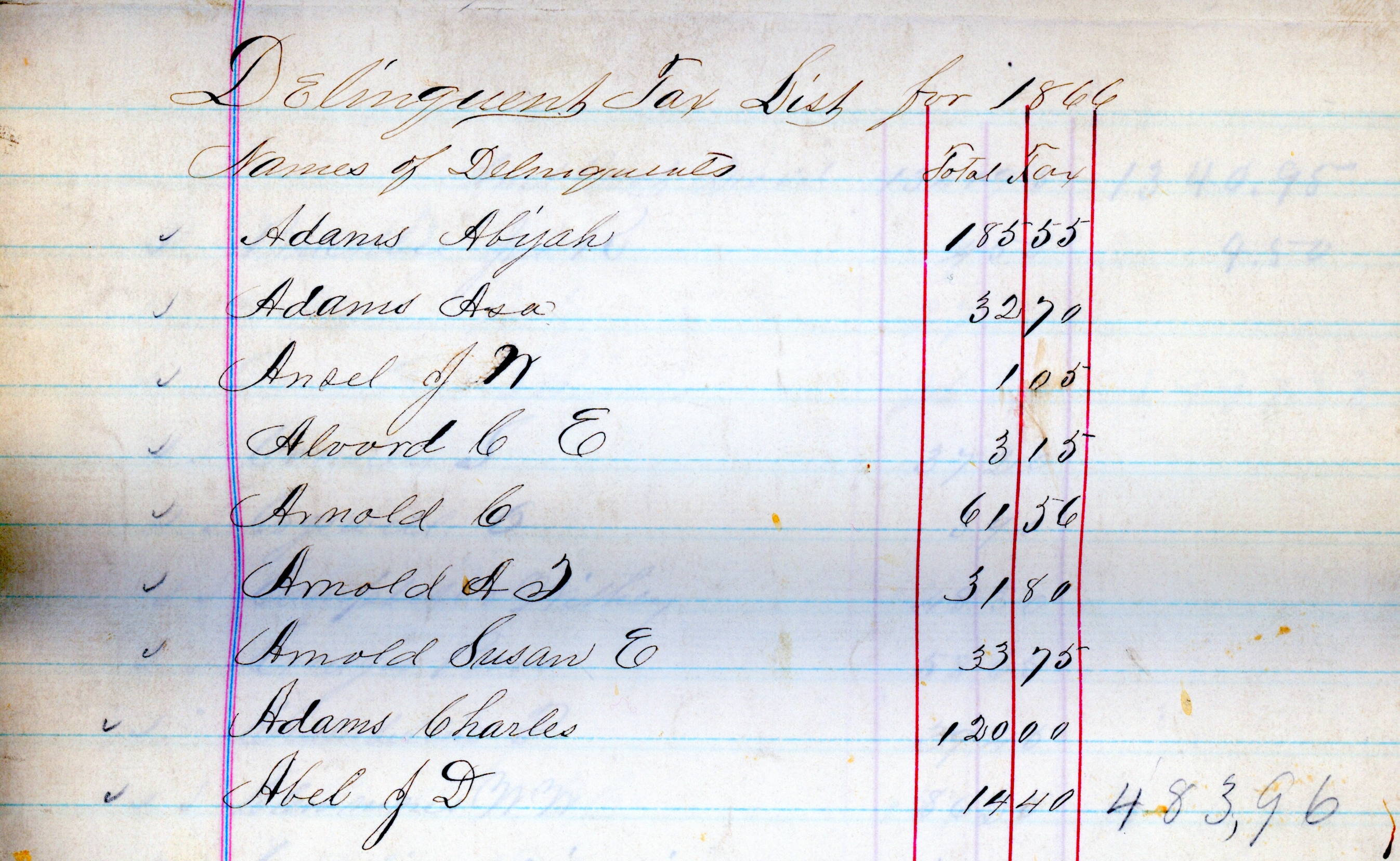
With the first installment of county property taxes due, let’s take a look back in time. In the first year of the County’s operation, 1864-65, there was a total assessed valuation of $239,558 in land improvements and $439,301 in personal property. The County had an original tax rate of $1.25 on each $100 assessed value for County purposes, plus collected another $1.25 on each assessed value for State purposes. The total collection in taxes amounted to $16, 971.47 of which the County received $8,485.57.
In the County’s first year of operation, the District Attorney attempted to collect $958.95 in back taxes, which represented nearly eleven percent of the County’s budget. The District Attorney filed lawsuits ranging from A.H. Hardin who owed 90 cents in a special assessment levied by the Janesville School District to $164.40, which Isaac Roop owed on his municipal Piute Creek water system.
In one of these tax law suits a unique situation occurred when Constable E.R. Nichols sought to serve William Weatherlow with a summons for $46.30 in back taxes. Nichols noted on his summon as of his attempted service of February 7, 1865 that he was unable to serve Weatherlow as he “. . . cannot be found in the county.” If only Nichols who doubled as County Surveyor, had toured the Susanville Cemetery, he would have located Weatherlow’s grave who died on July 22, 1864 and thereby became a permanent resident of Lassen County. It was not as though Nichols was unaware of who Weatherlow was, as Nichols sued him in 1861 over a mining claim in the Black Rock Desert.
It is never too late, subscribe today and enjoy tomorrow with daily notifications. You can also surprise someone with a gift subscription.
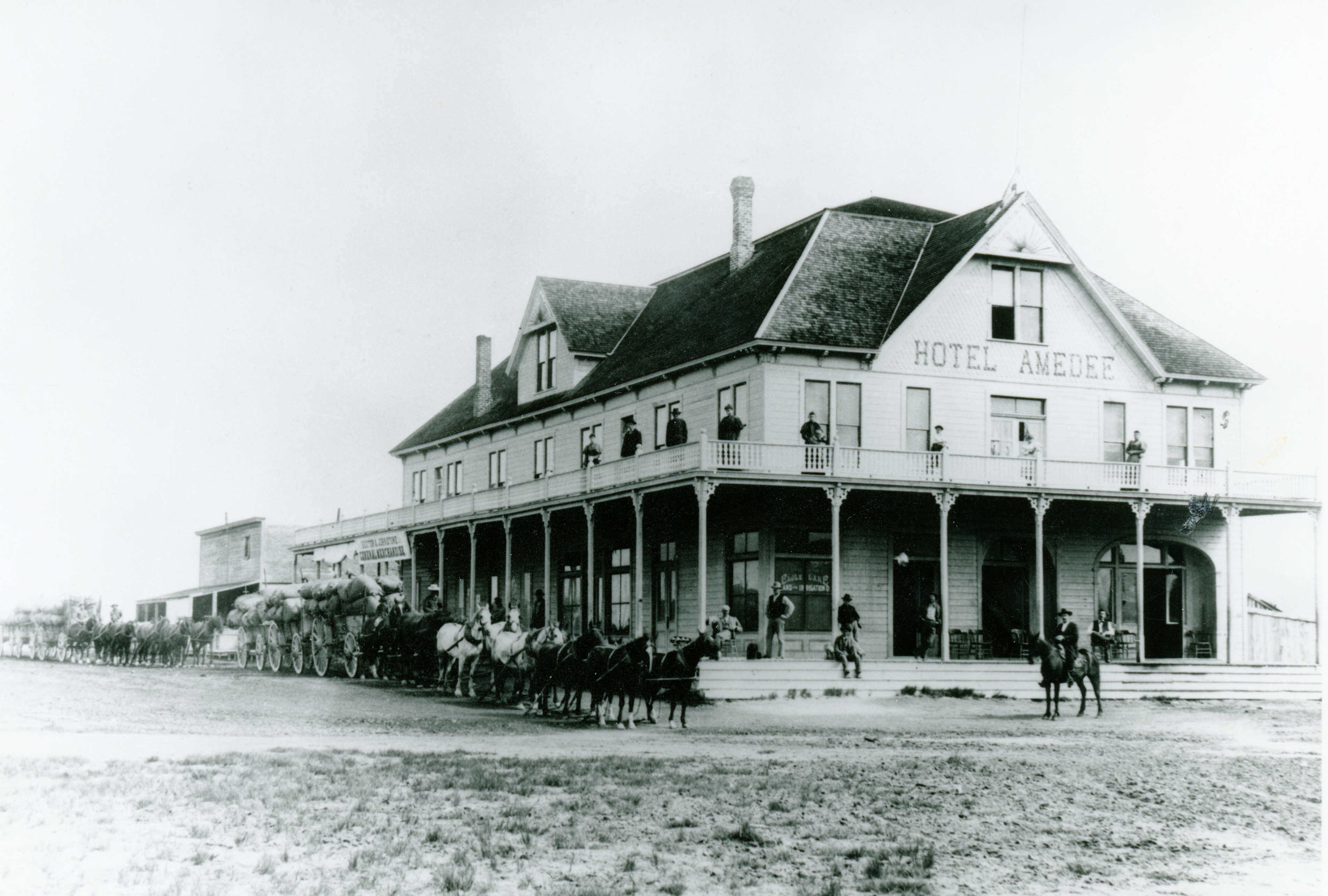
Amedee during its heydays in the early 1890s. Courtesy of Grant and Lena Trumbull
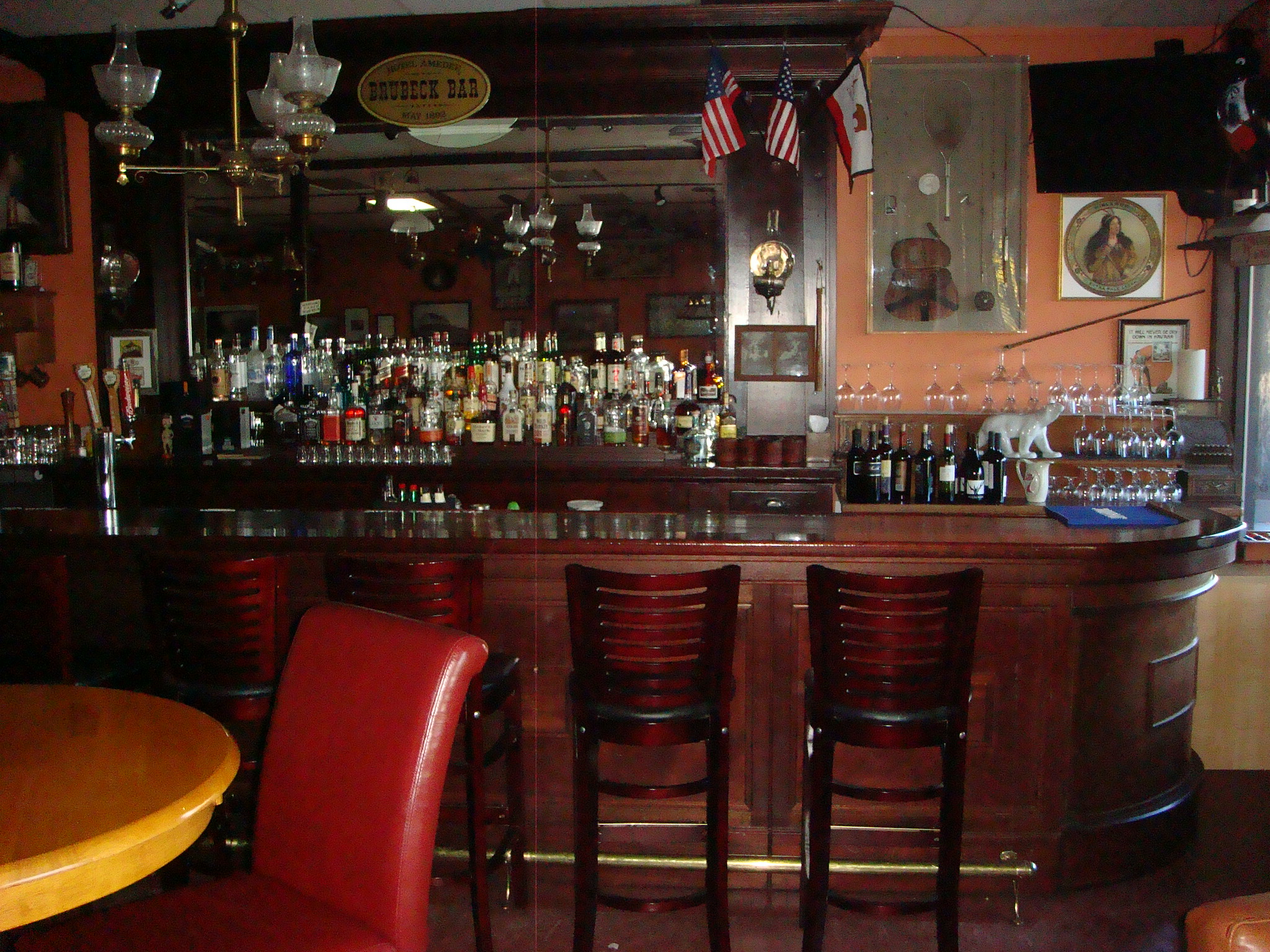
For nearly seventy years, Marion’s Bar on South Weatherlow Street, Susanville was a favorite gathering places for many. Numerous patrons of that former establishment may not be aware of the history of the back bar. The bar was originally in the Amedee Hotel, first operated by the Brubeck family.
In 1925, Jim Humphrey became the sole-owner of the Amedee Hotel and most of the Amedee properties. Amedee’s heyday had been gone for a long time. However, people would still go there to soak in the hot springs. Humphrey, of course, by necessity hired a caretaker to oversee the properties. One could spend a night in the hotel if so desired, though the building was showing its age. The third story had been closed, and the second story balcony removed.
In June 1931, a strange thing happened, the bar from the hotel was stolen. Of course, law enforcement officials were intrigued with this development, it being prohibition. A month later, the bar appeared in Chester, Plumas County. Chester resident, O.D. Irwin, had plans to use the wood from the bar to make furniture. He was charged with a misdemeanor, paid a $50 fine and was ordered to return the bar to Jim Humphrey. When the story made news, Marion Larrea who at the time was operating a pool hall in Susanville, contacted Humphrey, purchased the bar and put in his establishment.
The bar at its Chester location.
In the either 1996 or ’97 Marion’s closed and the building eventually sold.* In 2001, the bar was removed from the building and made the journey back to Chester where it was restored. The bar is in peril and needs a new home by the end of the year.
*If anyone knows when it closed, please let me know, so I can update this.