Herlong

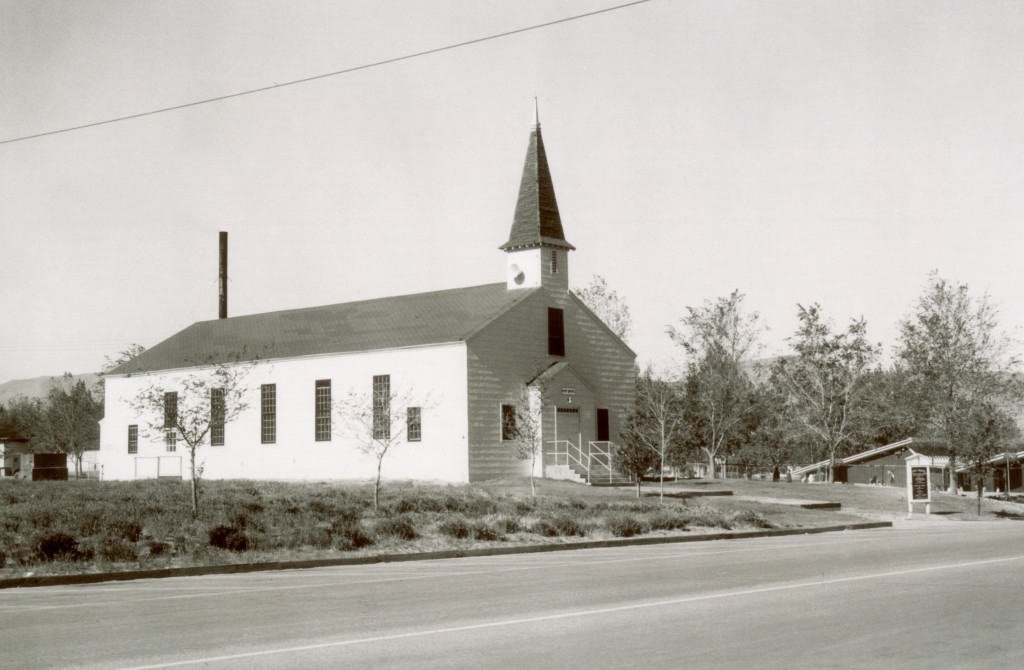
Herlong Post Chapel. Courtesy of Cindy LoBuglio

My knowledge of the history of Herlong is rather slim. On the other hand I know the history of its predecessors, such as Honey Lake City, Cromwell, Rayl and Hackstaff. If anyone has stories of Herlong they would like to share, by all means you are welcome.

Herlong came into existence on February 5, 1942, when General George Catlett Marshall, Chief of Staff, signed War Department General Order No. 9 that established the Sierra Ordnance Depot. Construction of the Depot began the following month. The community there was named for Captain Henry W. Herlong, the first Ordnance Officer killed in World War II. On November 18, 1942, the Herlong Post Office was established.

Jo Iland put together a good history of the early days of the construction of Herlong. It was published in bulletin No. 16 of the Lassen County Historical Society in 1966. However, I have no idea if it is still available.
Never miss a story, click here.

A Westwood Reader Laments

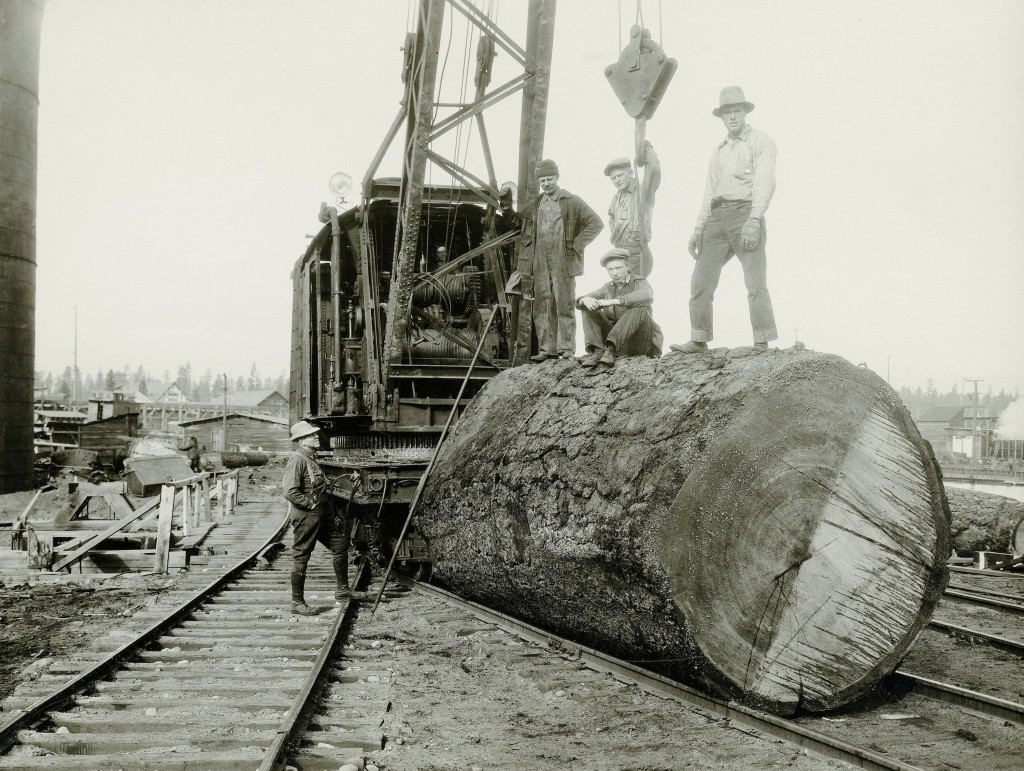
A sinker log pulled from the Westwood log pond. Courtesy of Doug Luff

A reader wrote : “Hi. Tim! I know there are much more positive aspects about the history of Westwood that people would find interesting. It seems to me that using “Westwood Rumor Mill” and “Westwood’s Deportation of Immigrants”  as the titles puts negative thoughts about our town in the reader’s mind right from the get go.  Have you posted any other articles about Westwood that can show me that I have jumped to the wrong conclusion here? I sincerely hope so, as I truly enjoy your other work. You are an amazing historian! Hoping to hear from you.”
Continue reading A Westwood Reader Laments

Tufa Formations

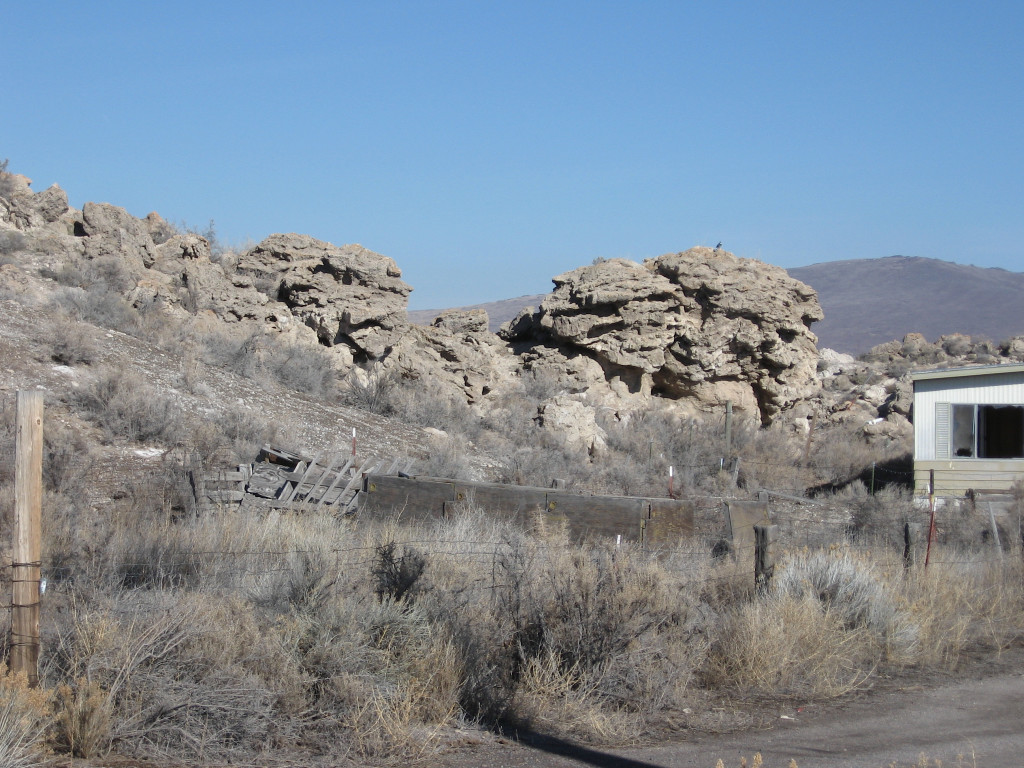
Tufa formations, Wendel Hot Springs, February 7, 2016

When you start exploring the countryside from Wendel and beyond, one can see a lot of interesting objects. One of the more interesting items are tufa formations. Actually, the Pyramid Lake region has some most spectacular tufa deposits to be found anywhere.

The tufa is composed of calcium carbonate that accumulates from a underwater spring, for an extended period of time. In this case, it was the ancient Lake Lahontan that allowed for the perfect condition for the tufa to form. When the lake receded, then the deposits were revealed.

Never miss a story, click here, and support this site.

Riverside Hospital

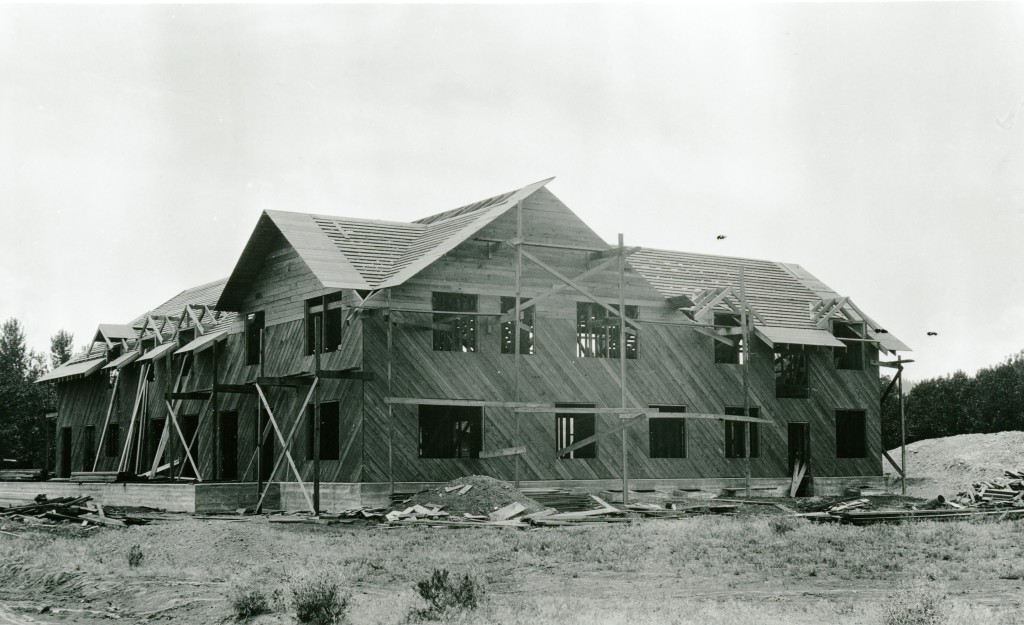
Construction of Riverside Hospital, 1920. Courtesy of Ed Standard

When Fruit Growers decided to establish a mill at Susanville, there were a number of factors to be considered. Due to its size, they had to meet the 1913 Workmen’s Compensation Insurance and Safety Act. At Hilt, Fruit Growers had to establish a hospital and since Lassen County had  built a new hospital in 1916, it was initially thought it could handle their needs. However, that was not the case. Continue reading Riverside Hospital

Updates

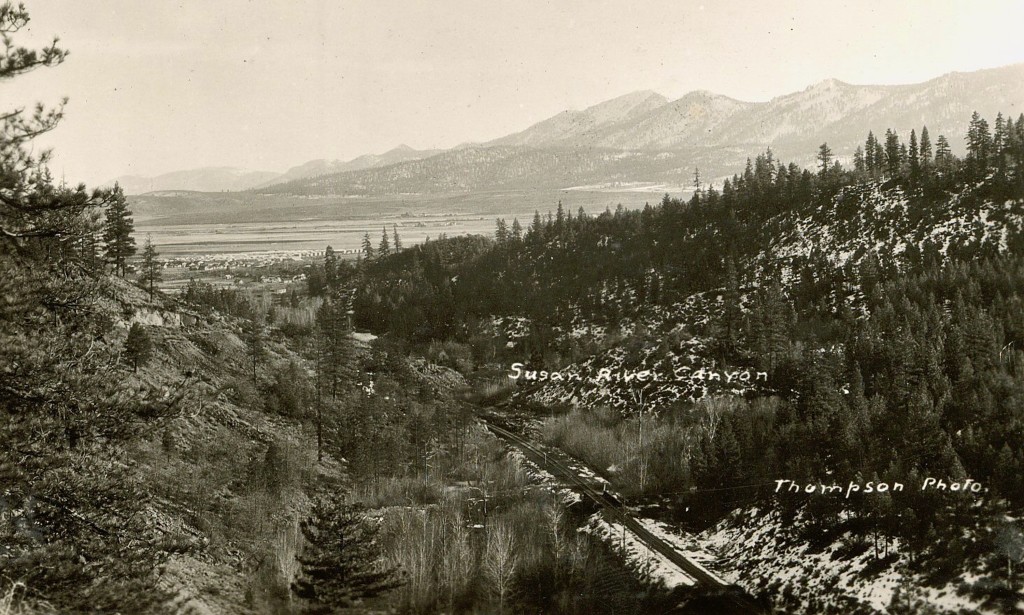
Susan River Canyon, 1920. Courtesy of Lola L. Tanner

First and foremost today marks my six month anniversary from my fall from grace and the broken hip. Progress is made every week, and I am now walking on my own,  without the aid of a cane or any other apparatus.  However, I am not ready for prime time just yet.

The St. Patrick’s Cemetery Tour is a go. Working on some of the details, so stay tuned.

One subscriber had a request for the brochure on the markers along the Bizz Johnson Trail. I hope to get that scanned and placed online as a PDF file.  This got me to pondering about doing a walking tour from South Lassen Street to Trestle 3. There was a lot of activity in that short stretch from the jungles, Arnold Ditch, first hospital and so forth. If you are interested you can always drop me a line or post a comment.

Never miss a story, click here.


Standish Water Company – Part II

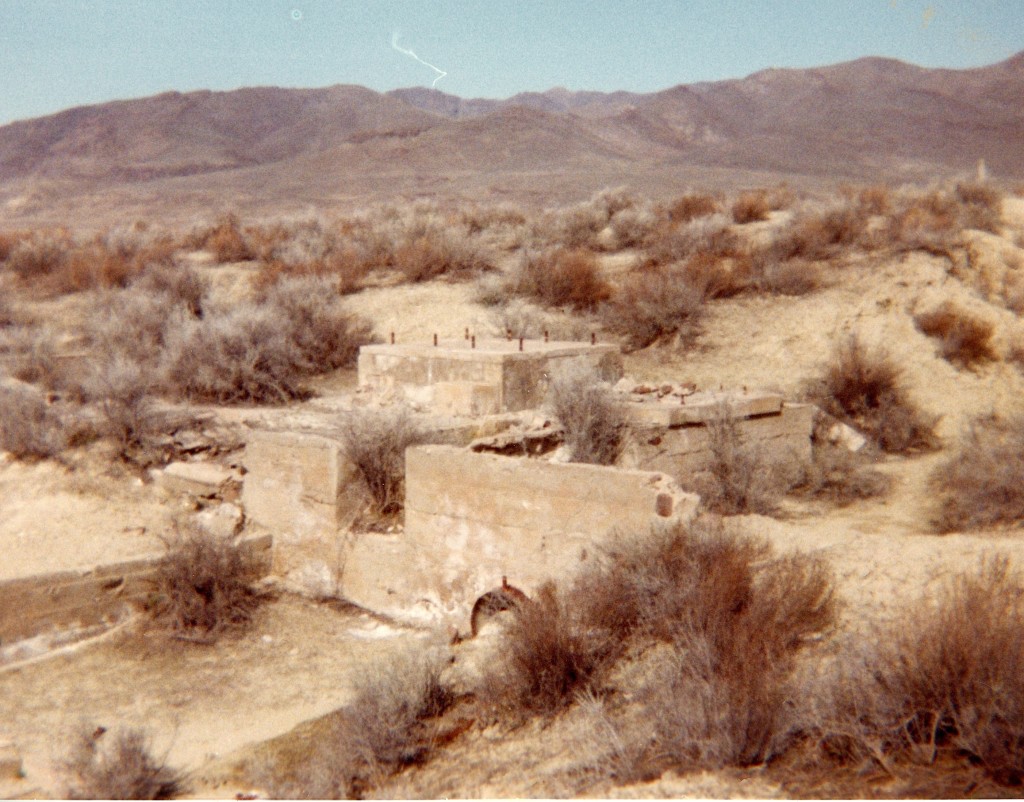
Foundation remains, 1984.

In 1913 the United States Government Land Office (GLO) intervened. California was on a major verge to overhaul water rights, yet that was of little concern to the GLO. At issue, at least with the GLO, was the State’s law was vague and failed to state whether water from a lake with no outlet could be appropriated. Until that issue was resolved, the GLO had no choice but to revoke Standish Water Company’s rights-of-way of its canals across federal lands. In essence the Company was forced to cease and desist, thereby forfieting revenue from water sales to recover its initial investment. This issue with the State was not to be resolved in a timely manner. In November 1914, the voters of California were presented with an initiative to overhaul the State’s water right system. It was approved and the Department of Water Resources was created. This new agency had complete control over the issuance of water appropriations, which previously was done at the county level. It was necessary reform, since the counties recorded water right claims but had no authority to determine concerning multiple applicants over a single water source. Continue reading Standish Water Company – Part II

Isaac N. Roop’s Grave

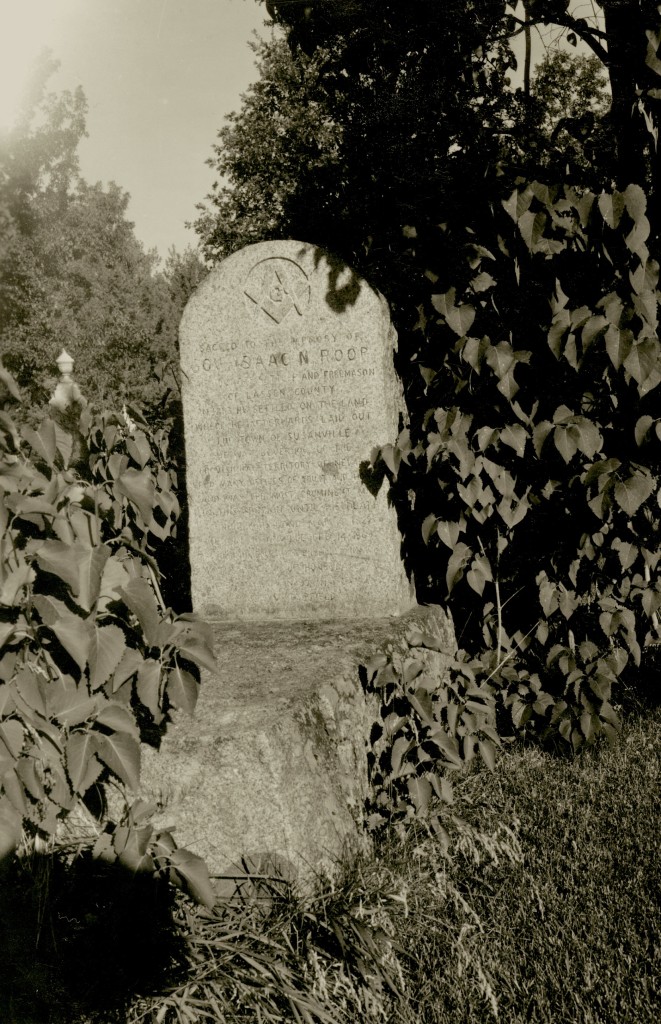
Susanville Cemetery, circa 1966.

On this date, in 1869, Susanville’s founder, Isaac N. Roop passed away at the age of 47 from pneumonia. He was buried at the Susanville Cemetery. His daughter, Susan Arnold had made arrangements for the placement of a headstone, but it was destroyed in a fire at Marysville and that was the extent.

There are, of course, numerous unmarked graves in the Susanville Cemetery due to a variety reasons. However, nearly five decades later it bothered Lassen County historian, Asa M. Fairfield, that Roop’s grave remained unmarked. Fairfield recruited the Masonic lodges of Janesville and Susanville and the Lassen Parlor of the Native Sons of the Golden West to rectify the situation. A large granite monument was placed at Roop’s grave.  On California’s Admission Day, 1914 witnessed the unveiling of the Roop Monument. Fairfield was disappointed that only about 70 people attended the ceremony.

Never miss a story, subscribe by clicking here.

Lassen College Gunsmithing Program

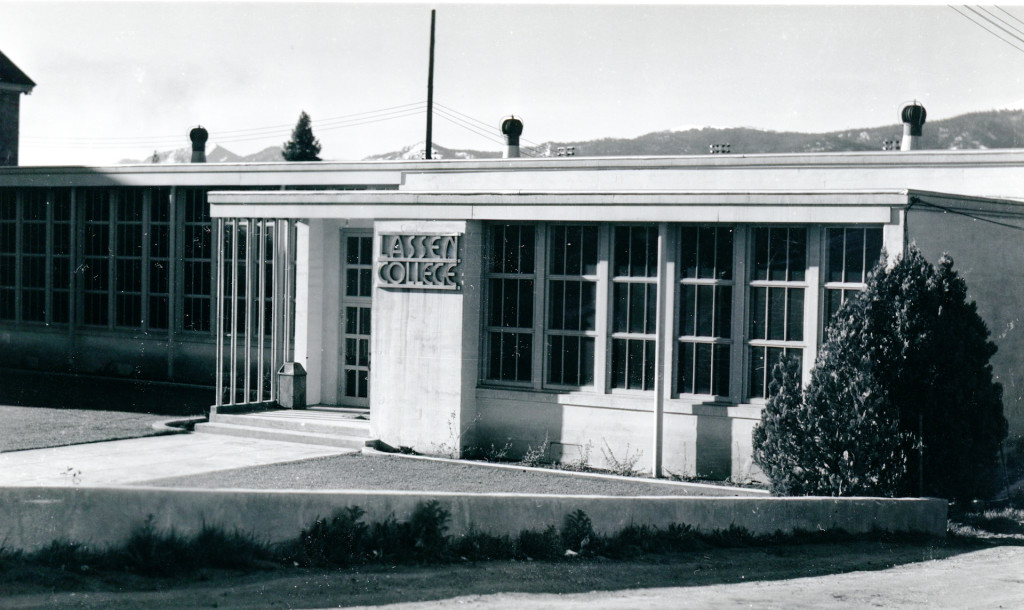
Lassen College
Lassen College on the Lassen Union High School campus.

Lassen Community College’s Gunsmithing Program will observe its 70th anniversary this year. It is the oldest program of its kind in the nation. Currently, I am seeking additional historical material. If you happen to possess and/or know someone who can assist, please let me know.

The following is from the Lassen Advocate of 5 September 1946 providing a glimpse of the humble origins of the program.

The only gunsmithing course being offered in a college or trade school in the United States is being given this year at Lassen Junior College. Continue reading Lassen College Gunsmithing Program

Adin Revisited

Adin 1879
Adin, 1879

After two months of online tutorials from Lynda.com on this date a year ago, was my first posting.  So it was only fitting to take a gander, and update it.

The above photograph was taken by Herman Brince  a professional photographer in Lassen, Modoc and Plumas counties during 1878-79.  I have always been impressed with his work, though only dozen or so are known to be existence. Whatever, became of his negatives is unknown, but we do know that he died in New Zealand in 1882. However, in 2003, one of his photographs, an 1879 picture of Susanville’s Masonic Lodge surfaced on Ebay, which I purchased, but that is another story.

Adin’s humble beginning date back to 1869, when its namesake Adin Gainey McDowell, settled there.   Adin flourished during the 1870s because of its close proximity to the mining town of Hayden Hill. As a matter of fact, it was Modoc County’s largest town for awhile.

Beginning this year, I now have a column in the Northern California Traveller. In a forthcoming issue will be a lively account of Adin’s history.

Never miss a story, subscribe today.


Wendel Then and Now

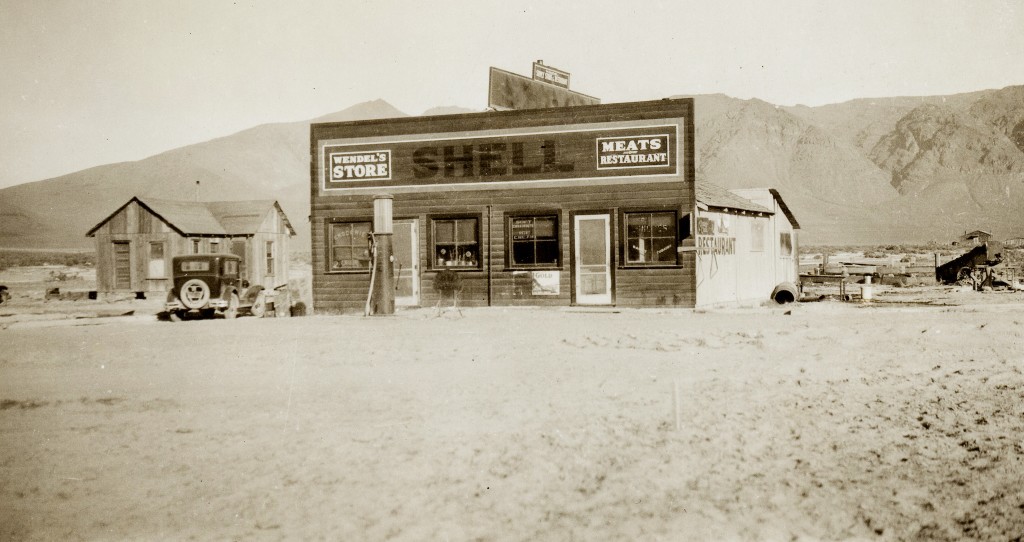
Wendel Store, circa 1925. Courtesy of Alda Riesenman

Occasionally, for fun, I thought I would do some now and then photograph studies.  The railroad community of Wendel went through some epic boom times, especially when the Southern Pacific took over the NCO Railroad and broad gauged the tracks, from the previous narrow gauge. The Wendel Store and Station burned down in 1936.

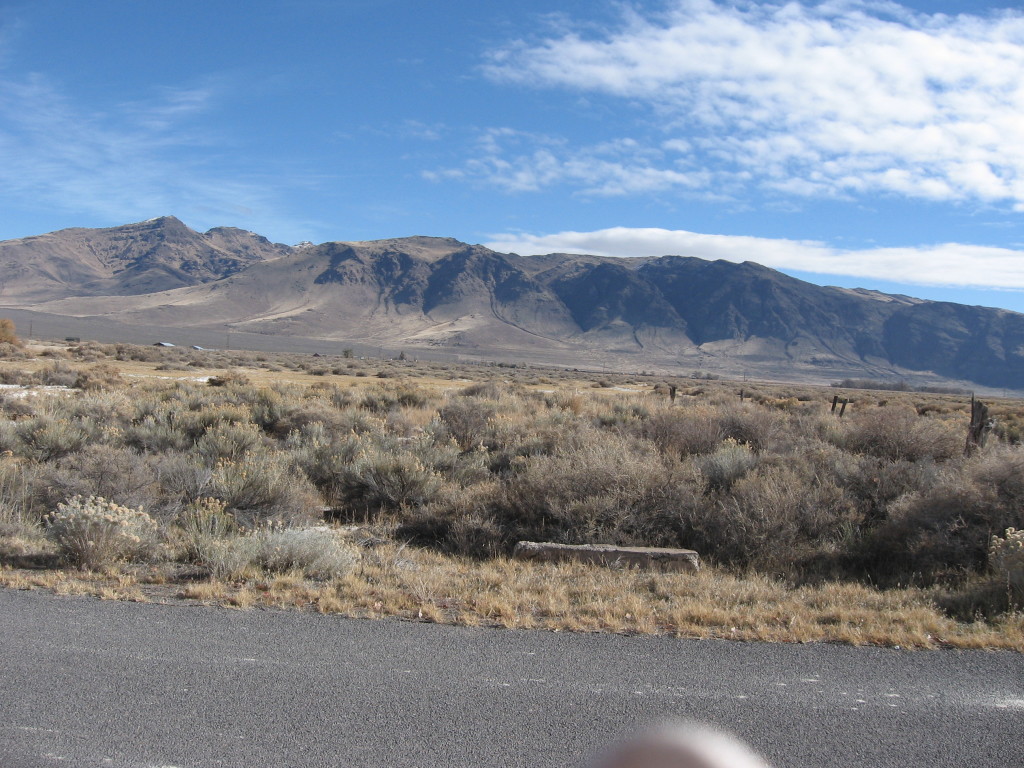
This is how it appeared on November 19, 2015.

Never miss a story, click here.


Exploring Lassen County's Past