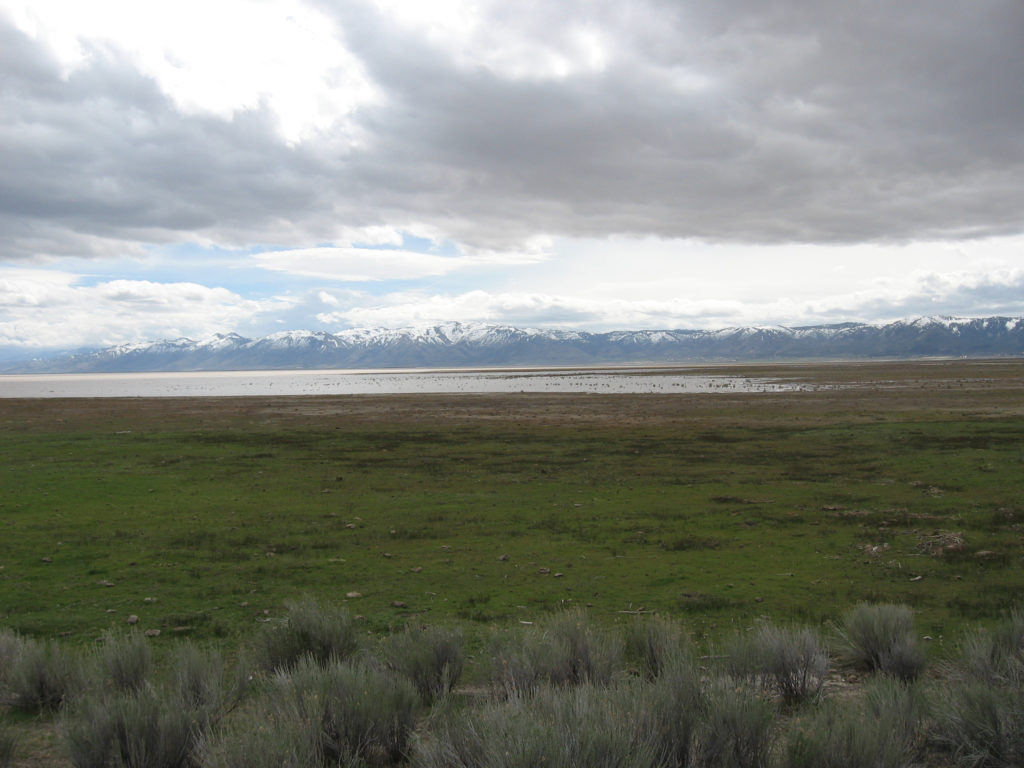
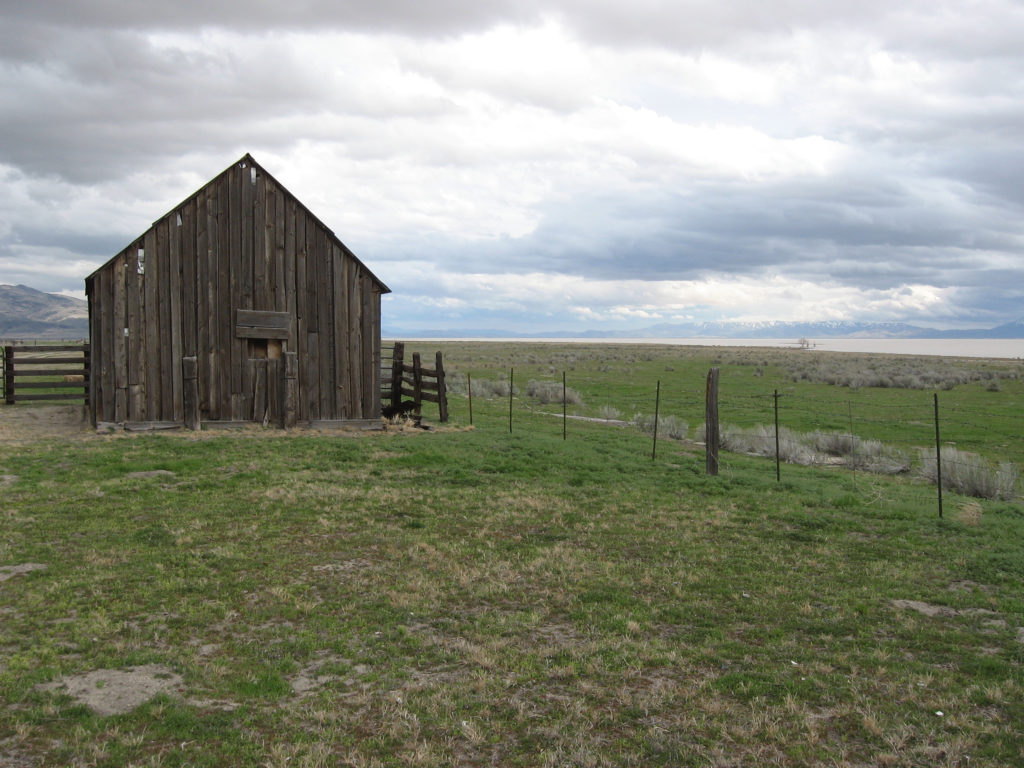
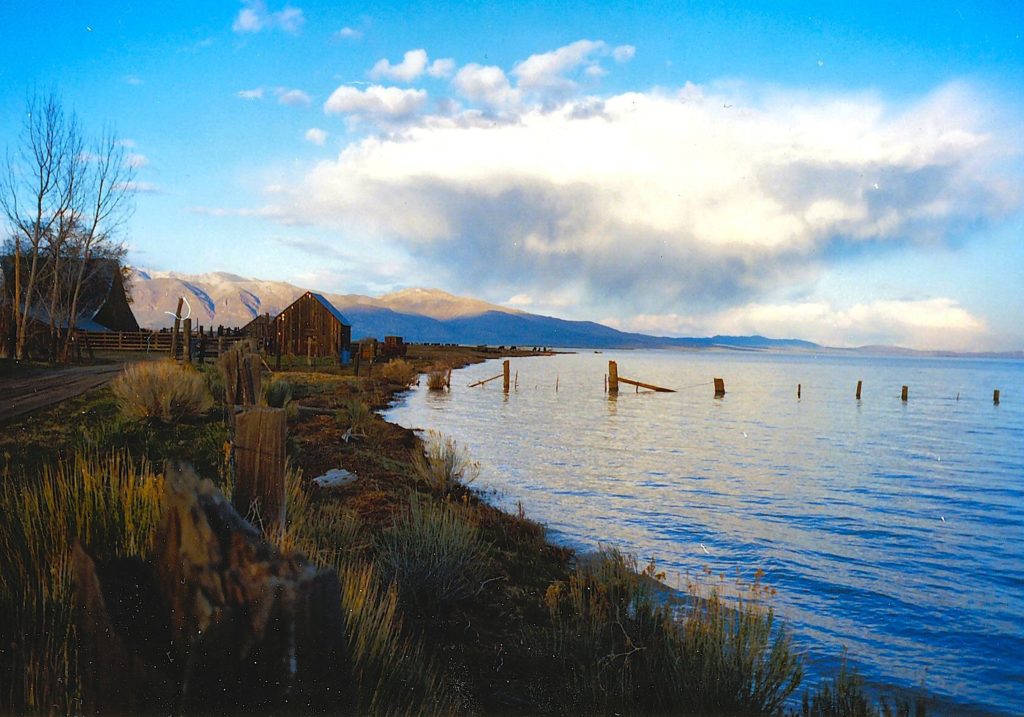
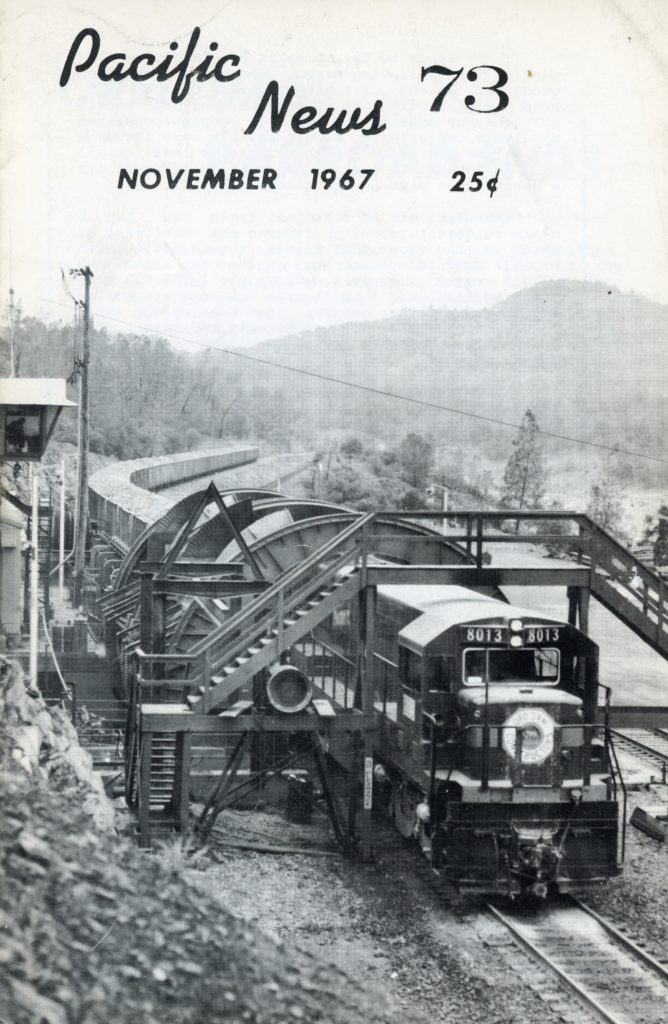
The historic photographs in the calendar are always popular and a bargain at $13.00
Just want to surprise someone with an inexpensive gift. The 2017 calendar, is one of many items available on this site, and also locally at Margie’s Book Nook and at Doyle’s Gift Shop. Of course, I have a wide variety of books, too.
Groundbreaking ceremony at Sacred Heart. Courtesy of Mario and Pauline Vial
As mentioned in a previous post concerning Father Moran’s quest for a new Catholic church in 1939, had some major obstacles to over come. First and foremost, was his crusade would coincide with World War II, the latter overshadowed much the daily life of the parishioners and the community as a whole. Continue reading A New Sacred Heart Church→
It was one of those days, that I had a lapse of better judgment should have, but did not take a picture of Shay’s Hole. However, about a mile down the road, we stopped to take pictures of these old railroad ties still in place. August 18, 2016.
Back in August on one of several excursions, it was the intent to check out Camp Harvey east of Poison Lake. Well, we did not quite make it there and found ourselves first traveling through Pine Creek Valley and onwards to Champs Flat. At Champs it was decided to follow a particular road, to see whether it would take us north towards Camp Harvey.
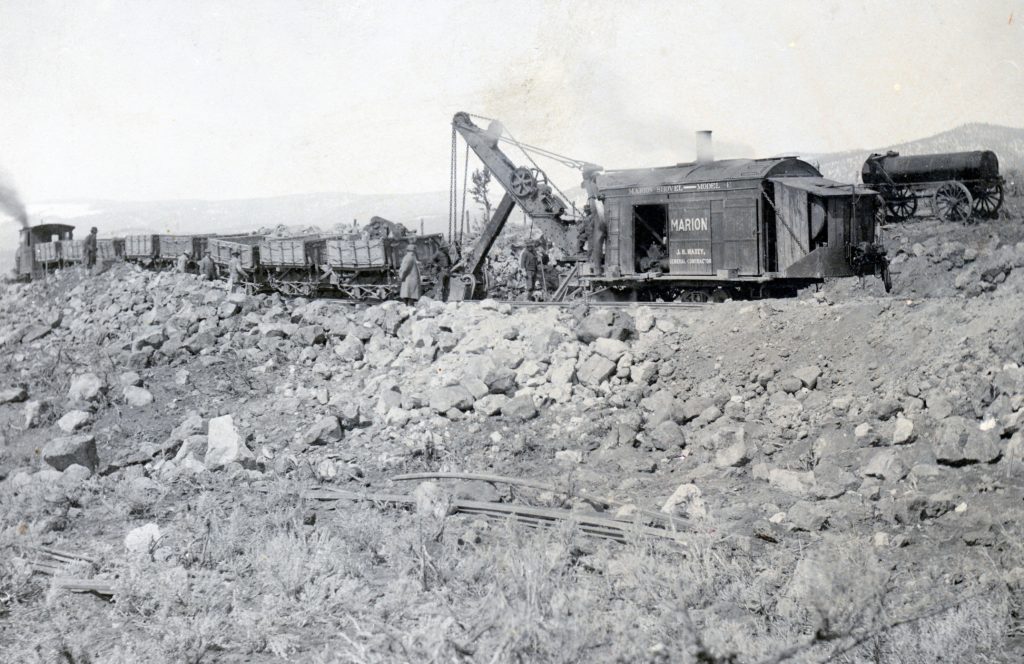
Anyhow, following an old railroad grade of the Fruit Growers Supply Company we came upon Shay’s Hole that was used to supply water for the Shay locomotives, that were an integral part of railroad logging.
The State Cafe was located on South Gay Street, Susanville.
On a Sunday, awhile back, during a weekly ritual where two of my friends and I get together for a toddy and french fries at the Pioneer to discuss whatever happenings that have occurred or other topics. On one such occassion, a person came up to me to ask a question, which whenever this happens, I hope to have the answer, and if not, well I will work on it. Believe me, while I do hold a wealth knowledge of the region’s history, there is so much I do not know, so on any given day can be a new learning experience. Continue reading Tokens→
Crazy Harry Gulch is a small Susan River tributary located between Devil’s Corral and Goumaz. It has been some time since I have been back there, so I will put in my 2017 revisit list. The place’s unique name is derived from Harry Miles, (1832-1882), a Scotchman, who was referred to by the local inhabitants as Crazy Harry for his drinking habits. Miles first appeared in the territory in the mid-1870s. During the winter and spring he worked as a sheepherder in the foothills of Tehama County. In the summer months he spent his time prospecting. Eventually, he located a gold bearing quartz ledge near the gulch and built a cabin there as his home. In the fall of 1882, Miles indulged in a three day drinking spree in Susanville. Upon his departure he purchased some provisions. Peg leg Johnson, the Mountain Meadows mountain man, stopped by to check on Crazy Harry. However, Crazy Harry’s dog would not let him inside the cabin, though the door was partially ajar. Johnson saw Crazy Harry’s body, but no sign life. Johnson rode to Susanville and summoned the Coroner and a jury to examine the situation. Again, the dog refused anyone entry into the cabin. One of the men in the group climbed onto the roof and broke through the ceiling. The distraction enabled him to lasso the dog and then they were able to examine Crazy Harry’s dead body. Since there had been no disturbance of his recently purchased provisions or any other evidence of malice, the jury concluded that Crazy Harry returned home, passed out and died of natural causes. He had no known relatives and was buried adjacent to the cabin.
Signature Press has recently released Jeff Moore’s book McCloud River Railroads. All, I can say is, “Wow.” It is an impressive work about logging and railroads, including the little known Pit River Railroad. Of course, the Red River Lumber Company and the Fruit Growers Supply Company influenced operations at McCloud.
The deluxe 368 page hardcover book is available through your favorite local bookstore. Now, excuse me, since I am spending a portion of the Thanksgiving weekend happily reading Moore’s work which he spent a decade to produce. Thank you Jeff for your hard work in preserving a portion of Northern California’s heritage.
First, I am wishing everyone a wonderful and memorable Thanksgiving holiday. Some annual events come and go, and then some such as Sacred Heart’s St. Patrick’s Dinner just keep going on. While working in the filing bin, I found the above ticket. In my preliminary sleuthing, I have not been able to locate more information about this Thanksgiving Ranch Breakfast. I am examined the Lassen Advocate newspaper, and the only item the paper reported was it being listed under Make It A Date column. So if anyone has ever attended, or knows anything more enlightening please share with the rest of us.
Spread the word, and encourage a friend to subscribe.
Main Street, Janesville, 1911. Courtesy of Betty Barry Deal
In the summer of 1856, J. Wycroft became the first person to claim the land at Janesville. In November 1856, Thomas Mitchell took possession of Wycroft’s claim, yet neither of them had made any improvements. In the summer of 1857, Malcolm Bankhead (d.1877) filed on his predecessors abandoned claims. Bankhead built a two-story log house (a substantial structure then) and offered public lodging. By the early 1860s, the nucleus of a village surrounding Bankhead’s house was evident, with the addition of Lomas & Hill’s blacksmith shop, Blanchard’s general store and saloon, and Shaffer’s sawmill on Sloss Creek. The settlement was simply known as Bankheads. It did not become known as Janesville until the post office was established on December 19, 1861. The post office was named for Jane Bankhead, wife of Malcolm, who served as the first postmaster.
Main Street, Janesville, September 27, 2017
Spread the word, and encourage a friend to subscribe.
Looking east near the Leavitt Station, November 19, 2006
This month marks ten years since the last segment rails of the Fernley & Lassen Railroad, between Susanville and Wendel, were removed. The historic event went largely unnoticed. Yet, it was the railroad that had one of the most significant impacts on Lassen County. It was this particular line that created the communities of Litchfield and Westwood. Of course, it brought about the development of the timber industry. Two years prior to this event, the last lumber mill, Sierra Pacific Industries at Susanville shut down for good.