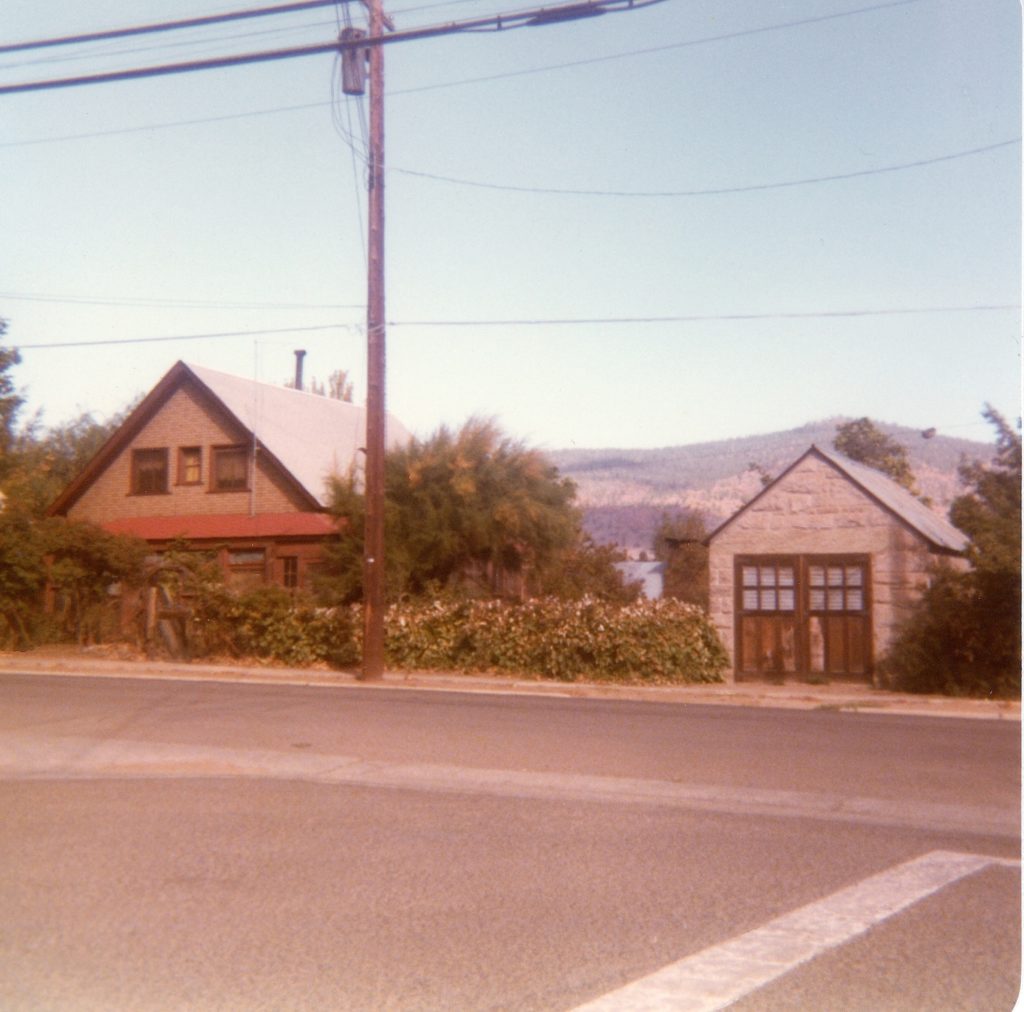
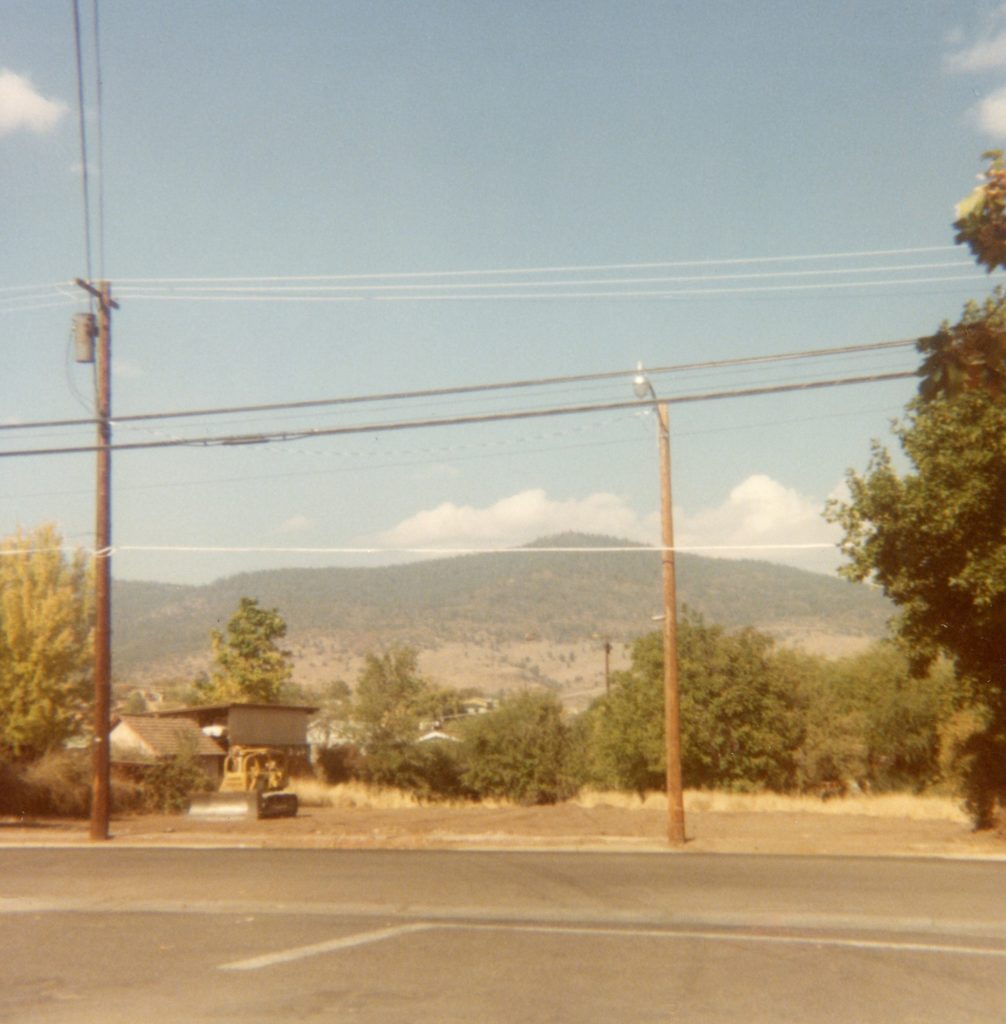
Brick Building Bonanza
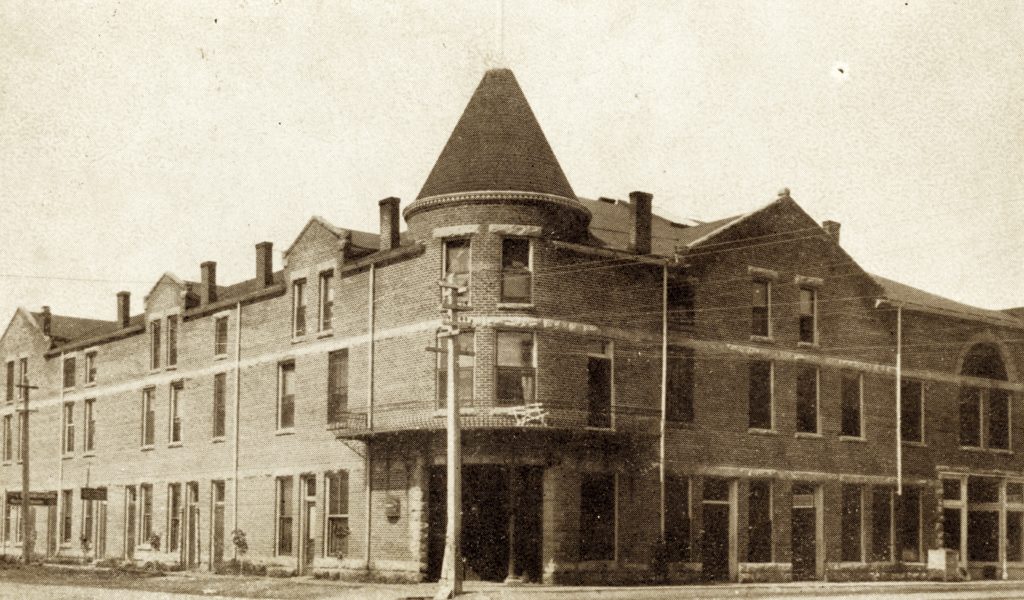
The brick was produced locally, though I am not sure where. In 1878, Robert M. Bean had a brick kiln along Piute Creek, a quarter mile north of town. That would place it around Marmo meadows.
Subscribe!
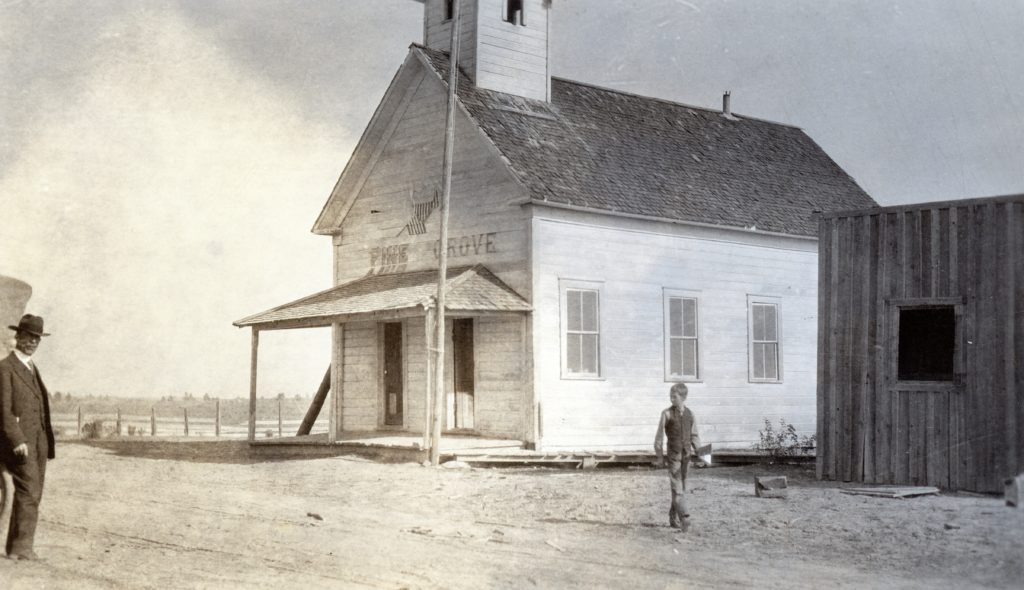
Pine Grove School
Subscribe!
Where are we?
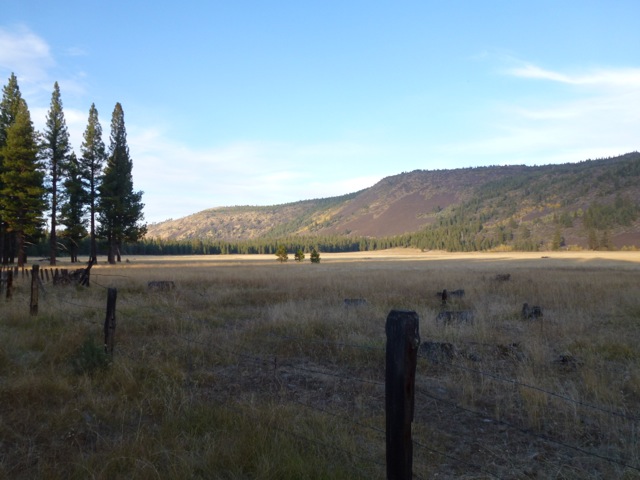
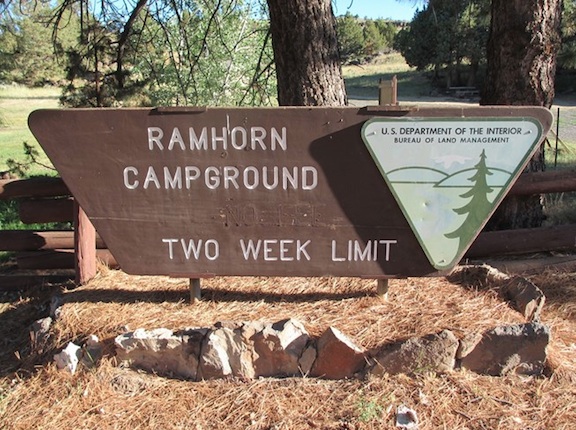
Ramhorn Springs
Subscribe!
Grasshopper Valley – Lassen County
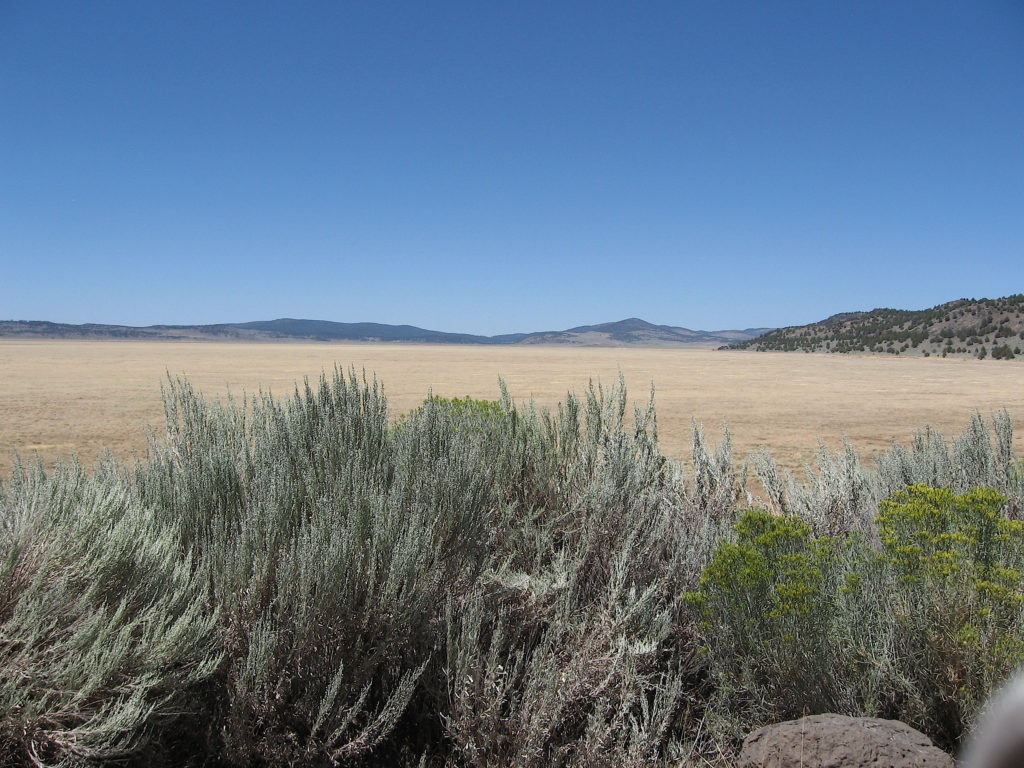
The Philip Goumaz ranch was located five miles north of the J.C. York place in Grasshopper Valley. He bought it from Charles McClelland and moved his family from Susanville to here in the spring of 1888.
At the foot of the hill, in back of the house was a fine cold spring. The mail and passenger stage went from Susanville to Bieber in one day and back the next. In later years the change of stage horses were kept at the Goumaz ranch and the driver and passengers ate the noon meal there.
One year the grasshoppers were so thick, a person would kill several taking one step. They ate the leaves off the willows along the creek. When they began eating the standing hay, my father cut it earlier than usual. They ate quite a lot of the hay, so we found out why the valley was named Grasshopper.
There were several other ranches located in the valley. About one mile north from us was the Shanklin ranch. In later years, it was sold to Antone Gerig. Adjoining the Shanklin ranch was the Frank Loveland place. Philip Goumaz sold his place to Bailey, DeWitt and Theodore of the Honey Lake Valley in 1905 and returned to Susanville.
Subscribe!
Willow Creek Valley, 1915
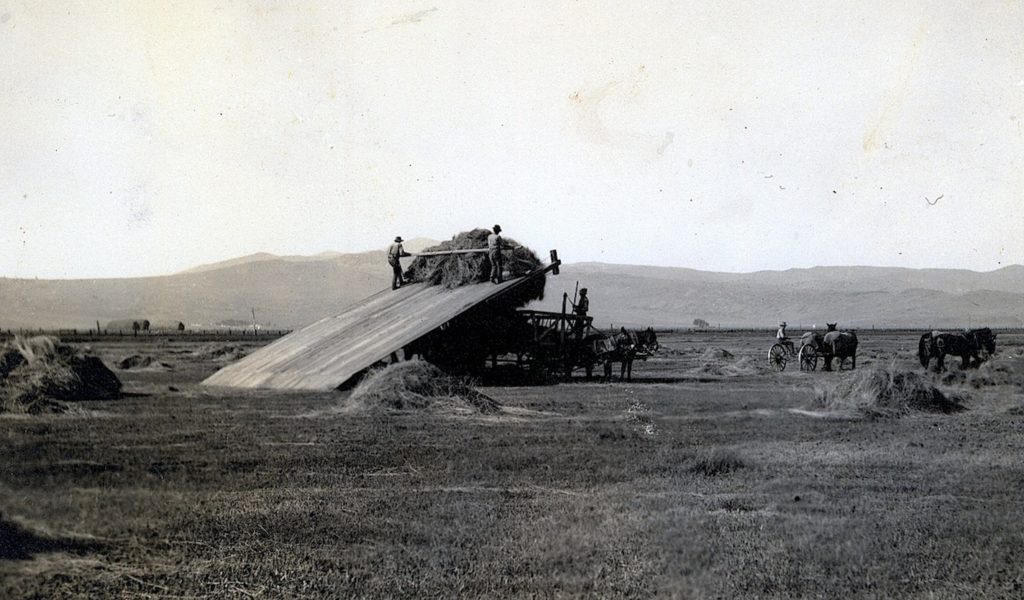
“Willow Creek Valley is situated about ten miles north of Susanville and contains some 15,000 acres of agricultural and meadow land. Here is an abundance of water for irrigation, derived from Willow Creek, which heads hear Eagle Lake and flows through the valley on its way to Honey Lake and from Round Valley Reservoir, situated in the mountains south of the valley. Its principal industry is stock raising, although considerable grain and alfalfa is grown and on the north side in the rich peat land vegetables grow to perfection.”
This is a continuation of excerpts from spring the pamphlet entitled Lucky Land of Lassen that was produced and distributed at the Panama Pacific International Exposition that was held in San Francisco during 1915.
“Willow Creek Valley is situated about ten miles north of Susanville and contains some 15,000 acres of agricultural and meadow land. Here is an abundance of water for irrigation, derived from Willow Creek, which heads hear Eagle Lake and flows through the valley on its way to Honey Lake and from Round Valley Reservoir, situated in the mountains south of the valley. Its principal industry is stock raising, although considerable grain and alfalfa is grown and on the north side in the rich peat land vegetables grow to perfection.”
Ask Tim
The Honey Lake Homestead

Subscribe!
A wordsmith’s tale
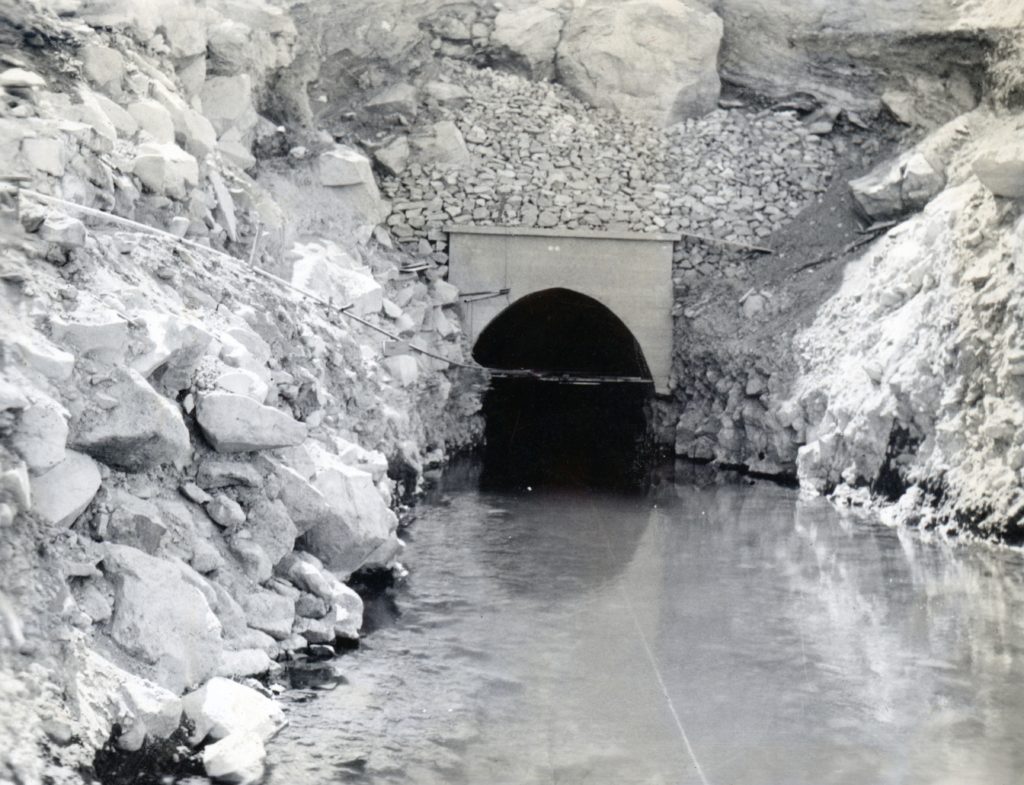
After a long pause the CWA director threw up his hands and said “You win,” smiling he continued, “You get what you came after.” The bottom line, the districts use of lowering the intake, did not necessarily relate to lowering the lake. With that the government gave the districts $25,000 worth of labor and materials for lowering the intake.
Subscribe!