Happy Thanksgiving

Dining Room, Folsom Ranch, Willow Creek Valley, circa 1900. Courtesy of Mary Dale Folsom

First of all, I want to thank the donors and subscribers to this site. It means a lot to me, in addition for the moral support. By providing these daily posts, it is one way for me to give back to the community, and equally important to share all of the knowledge I have acquired over the years.

I thought the above photograph would be rather appropriate for a day like this. The Folsom family operated a ranch in the Willow Creek Valley from 1871 to 1907, before retiring from agricultural pursuits. Today the property is that of the Willow Creek wildlife refuge.

It should duly noted that M.O. Folsom left a lasting impact with his real estate investments, acquiring them just at the right time. For example he owned Clear Creek, before Red River emerged on the scene. He also owned the land that became the mills sites for Fruit Growers Supply Company and Lassen Lumber & Box Company. The list is endless.
Subscribe

The naming of Drakesbad

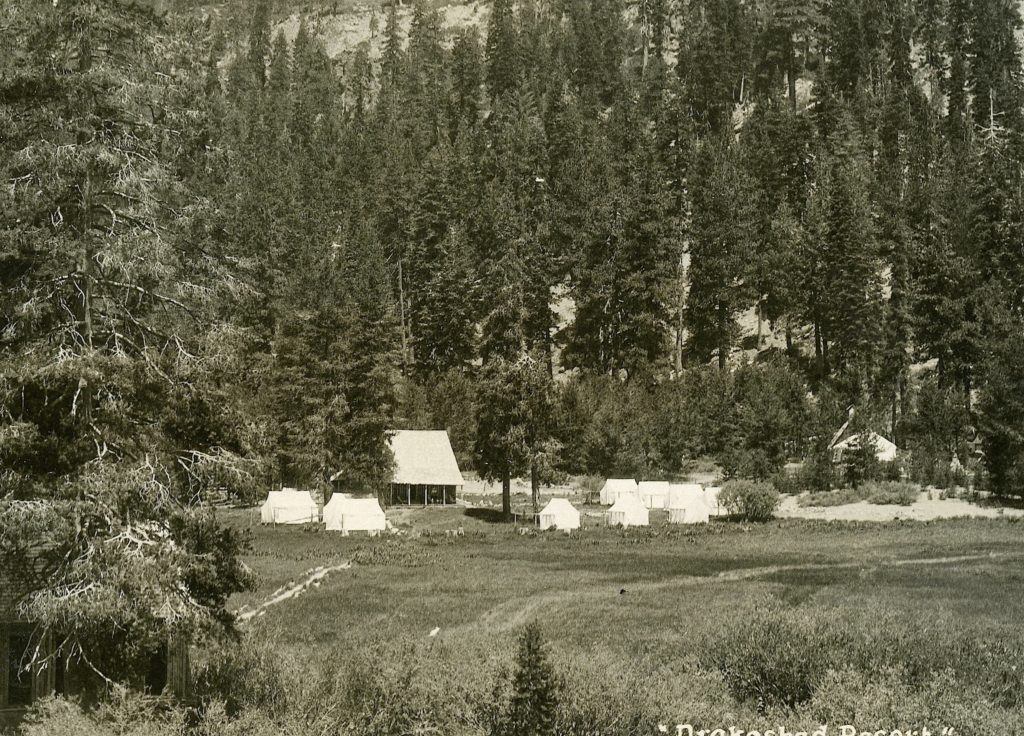
Drakesbad, circa 1930. Courtesy of the Sifford Collection

1914 was a banner year at Drake’s Springs resort in the Warner Valley near Lassen Peak. This, of course, was due to the fact the mountain came to life with volcanic eruptions. Alex Sifford, the innkeeper was overwhelmed by it all. That year, Sifford along with Jules and Rae Alexander incorporated Drakes Springs Company as a vehicle to raise money by selling stock.

For marketing purposes it was decided to rename Drake’s Springs. It was Rae Alexander who came up with a new name. It was the general consenus to retain the Drake name. Mrs. Alexander’s parents were from Germany and the German word for spa and baths is bad. In June 1914 the announcement was made that the new resort would be known as Drakesbad.

Subscribe

Odometer Day

Dunsmuir, May 24, 2003, when I received the Beautiful Beast Award

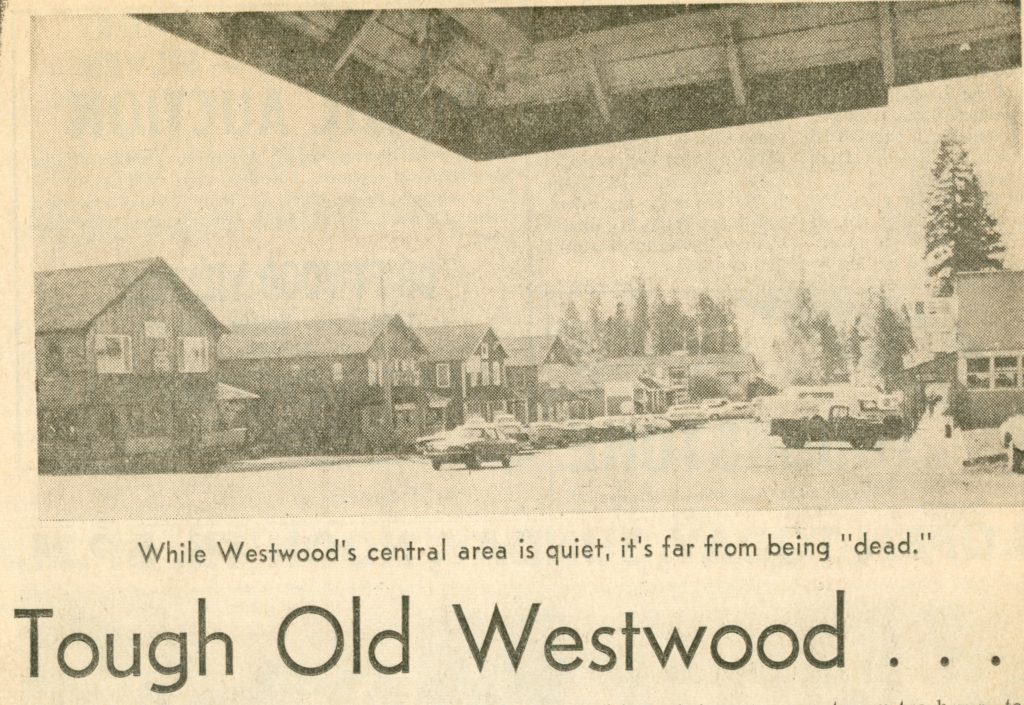
Well, it is that time of year again, when a few years back I made my debut at Susanville’s now defunct Riverside Hospital. As is customary, this one day I take the day off from regular duties. To make up for my being a slacker, later this week I provide  the interesting tale of Tough Old Westwood.

World’s First Champion Cowboy

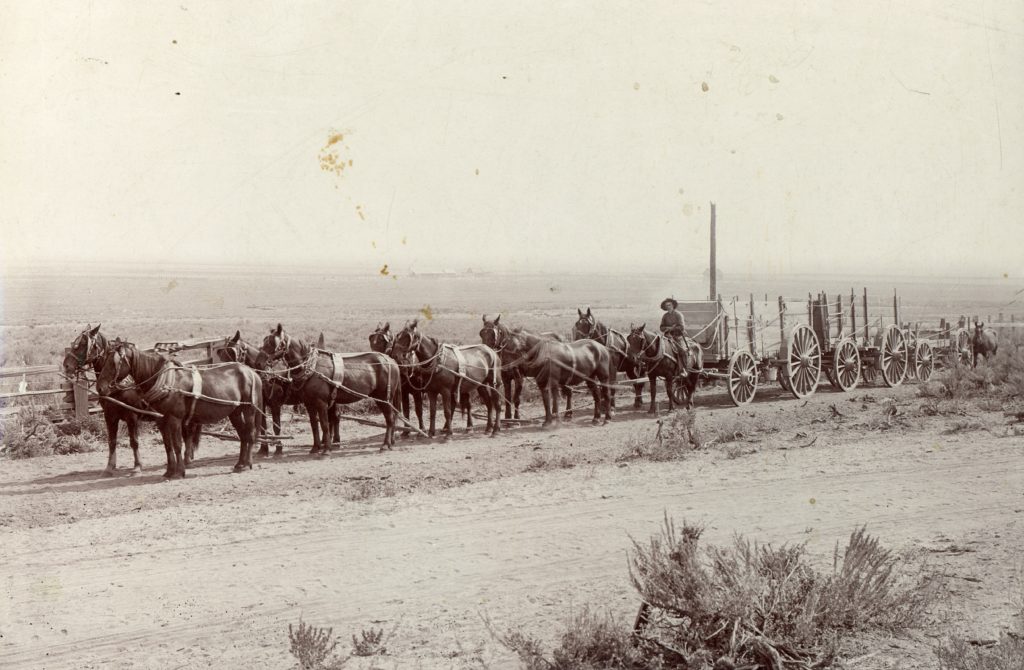
McKissick’s frieght team near Wendel, November 26, 1906. Courtesy of Katie Penning French

What has nearly become a universal question, is I am asked how I became interested in the area’s history. It was accidental. As a child, I spent a lot of time with my uncle Bob Rea and his best friend, Frank Satica. I was very gullible/naive then and I believed everything told to me. Of course, lots of people had fun with that! One day Frank told me the story of John Best “Buster” McKissick, the World’s First Champion Cowboy who was buried in Secret Valley. For once this sounded way to preposterous to me. Why would someone that famous be buried among the sagebrush and sand?

For once, I questioned this, not be someone’s fool again. So, I started asking around. The tales of McKissick grew larger. I discovered a whole new dimension of the area. When I visited one of McKissick’s relatives, Lena Trumbull, she showed me a photograph of McKissick’s freight team in front of the imposing Amedee Hotel. Well, this place Amedee grabbed my attetionn, from there I learned new tales, such as commercial boating on Honey Lake. Ever since then, one thing had led to another and continues to do so.

As to McKissick’s title, it turned out to be true, dating back to 1876 during the Centennial World’s Fair in Philadelphia. More about McKissick’s exploits in the future.

Subscribe

Golden Eagle Mine Shutdown

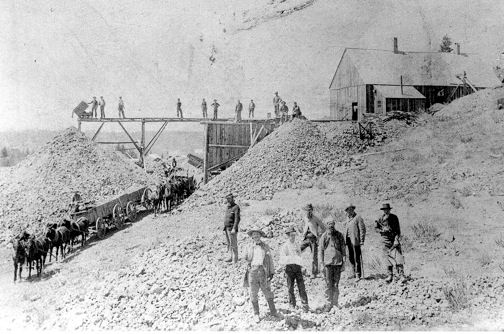
Golden Eagle Mine, 1894. Courtesy of Del & Diane Poole

In days of yore, before Prohibition, it was the County Board of Supervisors who granted liquor licenses. At times it was a contentious issue. In 1907, the County Board granted Ed Driskell’s application to operate a saloon at Hayden Hill. The two largest mine operators there, the Golden Eagle and Lassen Mining Company objected, but the County Board ignored their plea. In retaliation, Golden Eagle, shut down their mine. It should be noted that the Golden Eagle was Lassen County’s largest and most productive mine.

Subscribe

Tree Growing Clubs

Fruit Growers tree nursery at Susanville, 1928.

In the early 1900s there was a nation wide movement of forming tree growing clubs to sustain a future supply. Of course, certain regions were in more dire need of trees than others. For a brief movement, there was an attempt to organize the farmers of the Honey Lake Valley for an co-operative effort to do the same. It never went anywhere. Continue reading Tree Growing Clubs

What a Wedding Cake

Sergi Cake
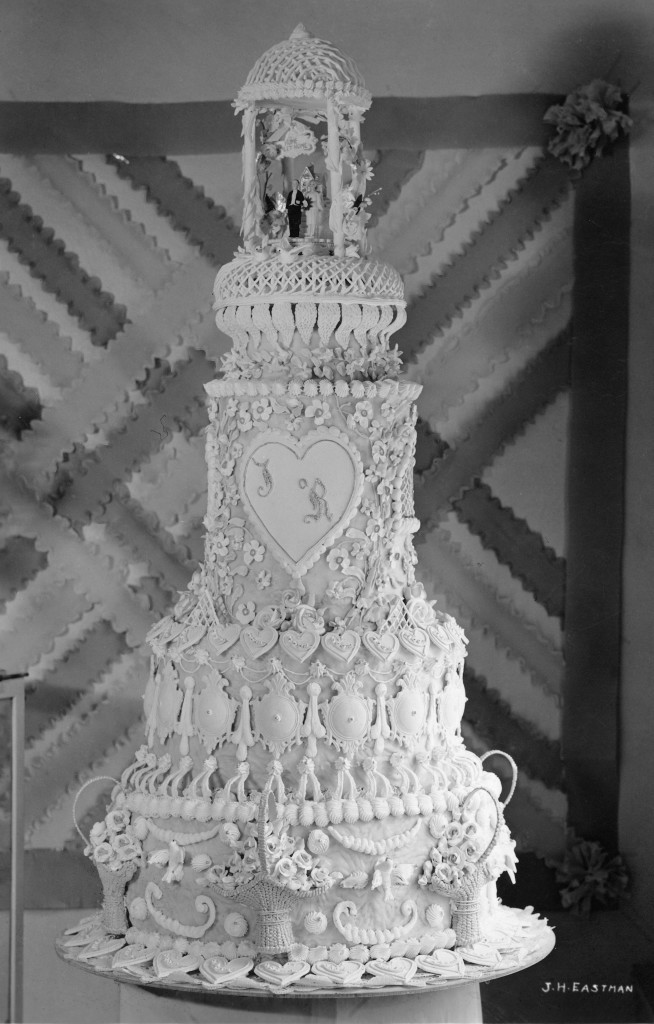
The Sergi-Sacco wedding cake. Courtesy of C. Derek Anderson

On 10:00 a.m. Sunday, November 15, 1936 at Sacred Heart Church, Rose Agnes Sergi and James Sacco were married. The bridesmaids were Louise Saffores, Concha Larrea and Camilla Alosi. The best man was Marion Larrea. After the ceremony a wedding breakfast was held at the Veteran’s Memorial Hall, with 500 guests. The centerpiece at the bride’s table was a magnificent five-foot tall wedding cake, weighing 250 pounds.

Subscribe

Books Galore

Plenty of titles to choose from.

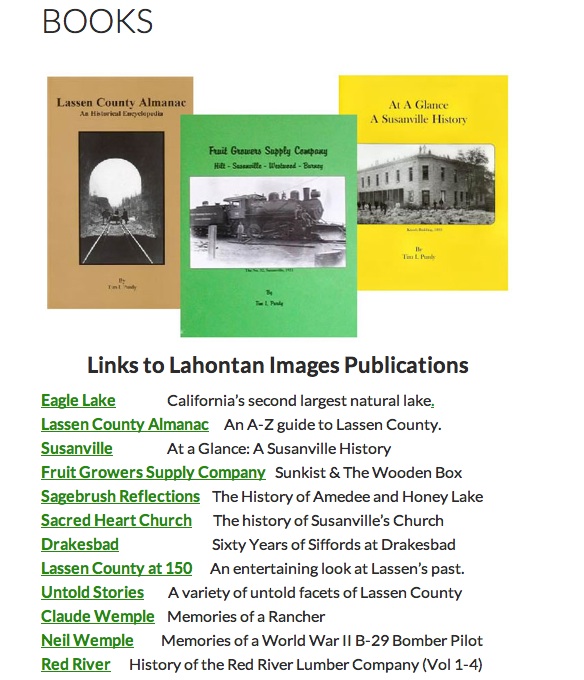
This is a good time as any to remind visitors to this site that there are a wide variety of books available on the region’s history, that can be found on this website. With the holidays fast approaching you might want to share a piece of local history with someone, or maybe give a gift to yourself. To make it simple click hereBooks

The 1918 Spanish Influenza Pandemic

Main Street, Susanville, 1918.

One hundred years ago witnessed the worldwide flu pandemic. It caught many by surprise, and Lassen County, like so many others were not prepared how quickly it spread, nor how deadly it was. In early October 1918 the flu made its presence in the communities of Susanville and Westwood. On October 10, forty-year-old Lassen County Surveyor, Thad McKay, became the first victim. A week later, Dr. F.H. Shanks, Lassen County Health Officer issued a statement that yes, the flu was prominent, but a mild one, and citizens to take the necessary precautions of any health crisis. Everything changed quickly with the death of Stephen F. Watson on October 17, shortly followed by two more members of the Watson family. By early November there were over 300 cases of flu in Susanville, roughly one-third of the town’s population.  On November 11, 1918, the City held a special session and ordered the closure of the town’s saloons and other public gathering places. The ban was not lifted until November 20, after a decrease in new flu cases.

As a public service announcement, it is not too late to get a flu shot.

Donate

Exploring Lassen County's Past