Oh my, here it is the last day of the Lassen County Fair and I am now just getting ready to do a bit of fair history. It’s not intentional. However, my interest in the county fair began to wane ever since it was moved to July from the third week in August. It is just not the same.
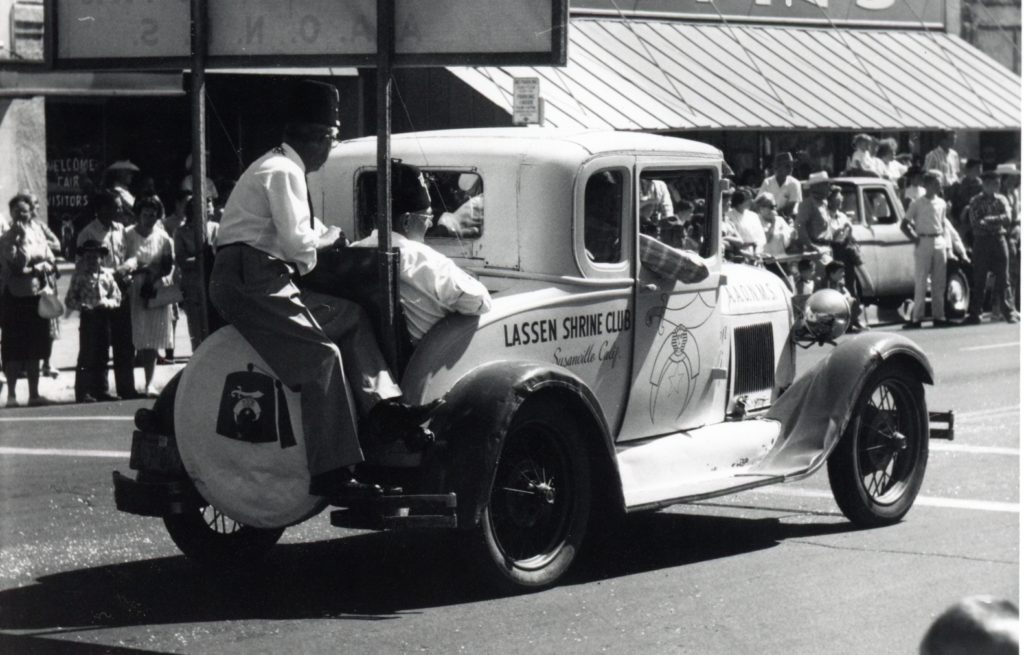
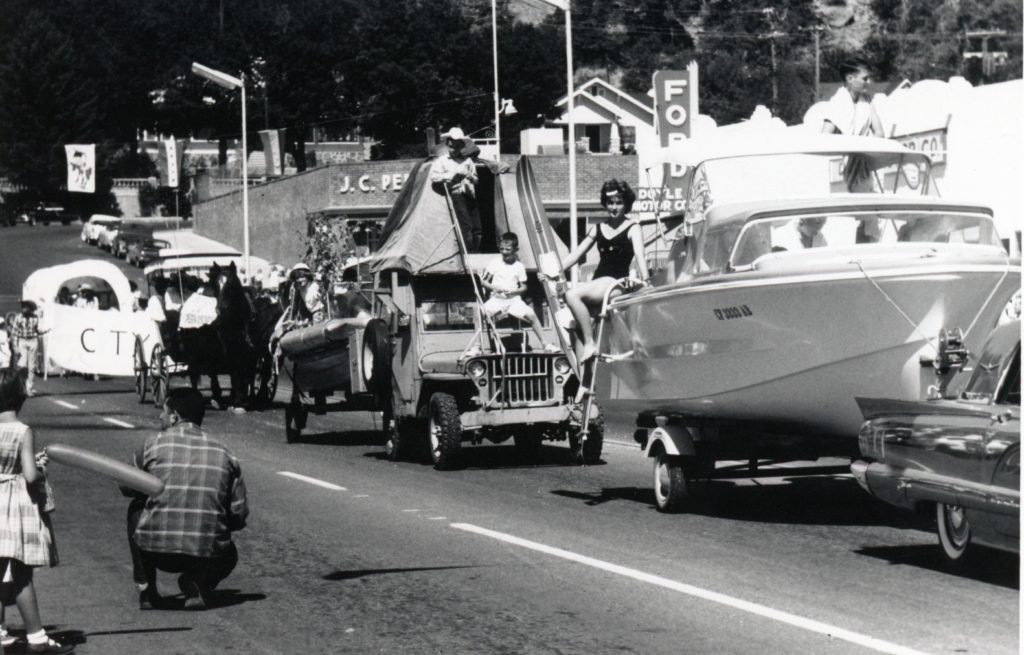
Lassen County Fair Parade, 1965
In 1965, Bud Deaton of Herlong was the parade chairman. He was happy to announce that there were 110 entries for the parade. Judge Stanley Arnold and Dr. Robert Amesbury were the parade marshalls. It was a good thing it was a morning event. That afternoon, a thunderstorm poured down rain on the rodeo festivities at the fairgrounds.
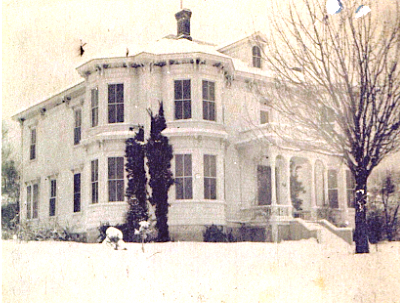
Albert Ross’ home in Long Valley. Courtesy of Joan Drum
As today’s marks the fiftieth anniversary of the landing on the moon, I thought I would provide a bit of local trivia. On Apollo 11 was Buzz Aldrin. His family, Albert and Robert Ross were early settlers in Long Valley.
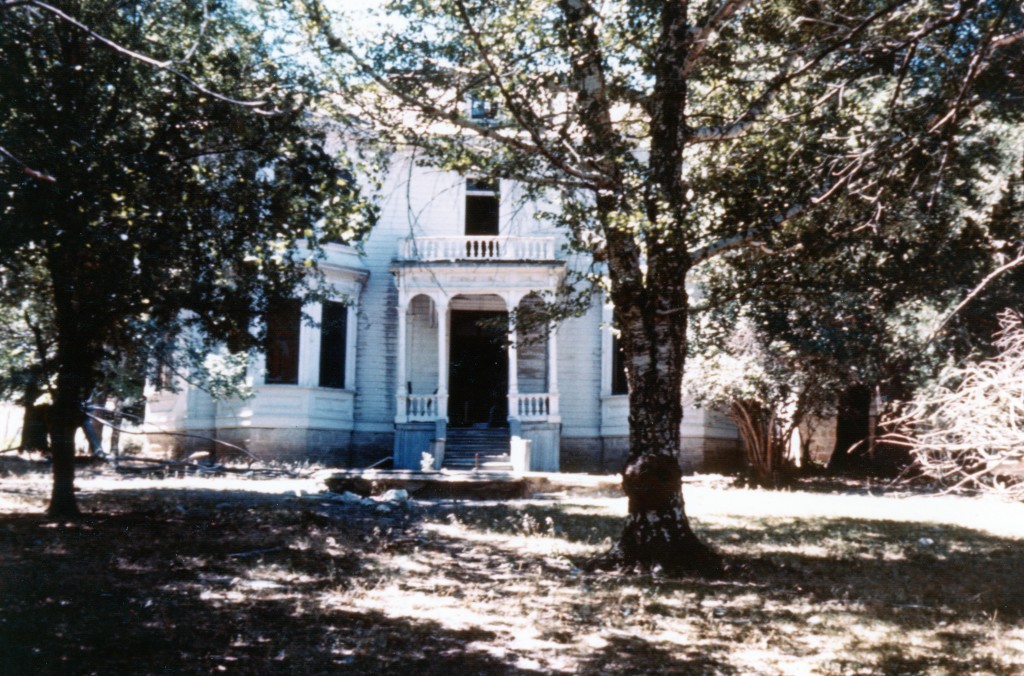
In 1884, Albert Ross constructed a 17-room mansion there at a cost of $14,000. This residence and well-known landmark was simply referred to as the White House. In the early 1890s, Ross moved to San Jose to benefit his children’s education and eventually sold the property in 1898. The ownership of the property would change several times. In 1922, the Galeppi family purchased what became known as the Constantia Ranch. The Galeppi’s, for various unknown reasons, did not reside in the famed White House. Fred Galeppi stated that during World War II, the house was still in good shape, and even had furniture. During the construction of Sierra Army Depot, in the early 1940s, Galeppi stated soldiers used the house for recreation, but over the years it slowly began to be vandalized. In the early 1960s, most recall 1963, the house burned down. The cause of the fire remains unknown, though various residents of the region have their own story.
The White House in 1960.
On final piece of trivia about Buzz Aldrin, his mother’s maiden name was Moon.
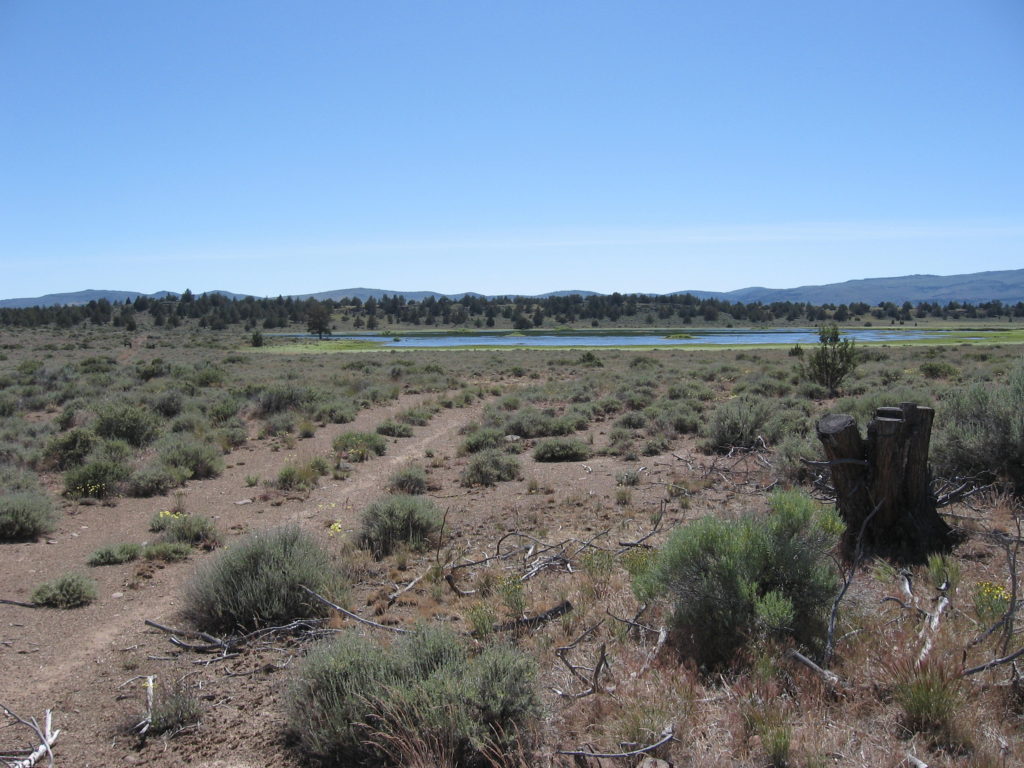
While this year I did not lead a trek to Belfast for the Summer Solstice Sunrise event there, later that day we went on expedition to areas that I had not been to in a long time. While we were unable to access the McKissick Family Cemetery in Secret Valley, we did see some interesting sights along the way. The above photograph is a wetlands habitat. If you are able to enlarge it, one can see the nesting islands. So what is the name of this watery oasis in the desert?
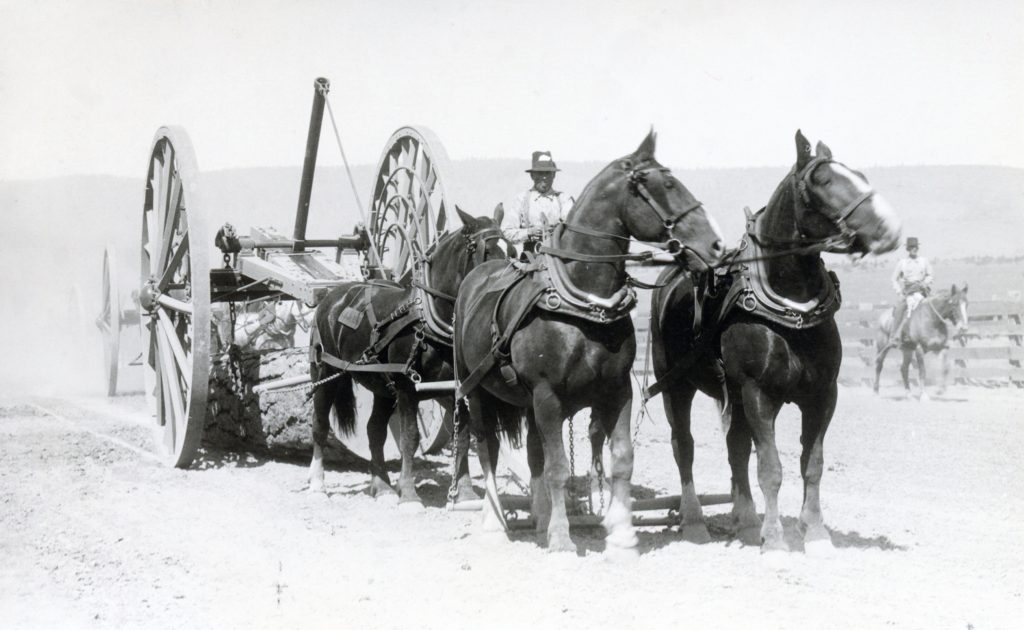
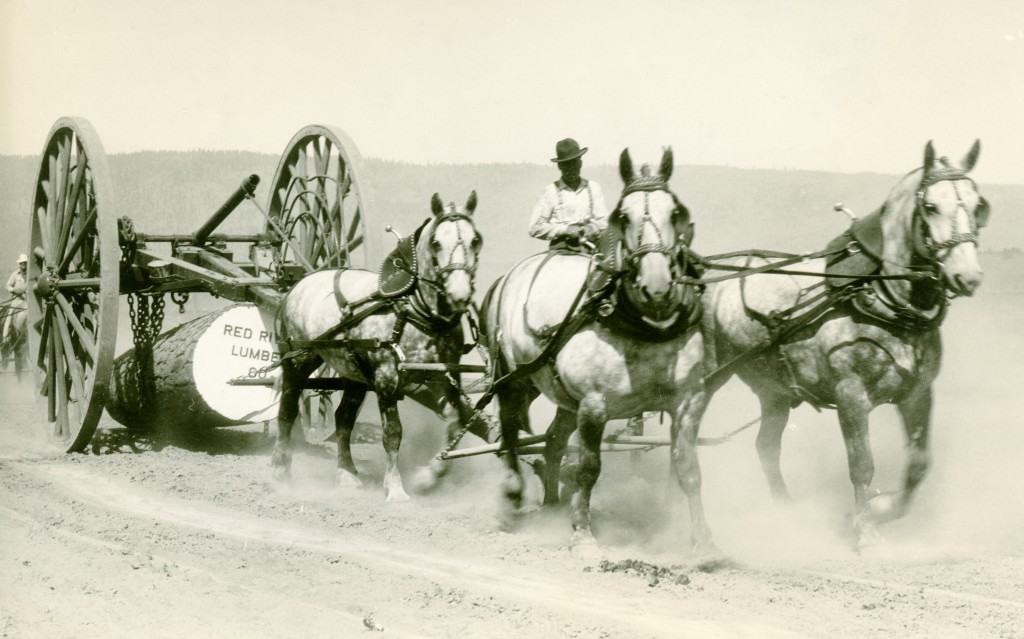
When the Lassen County Fair was revived, in 1922, it would go through an evolving process. One of the dramatic changes was the establishment of three large sawmill operations—Fruit Growers Supply Company, Lassen Lumber & Box Company and the Red River Lumber Company.
The following year, the first logging exhibition at the Lassen County Fair was held. It was certainly a noteworthy event. For many attendees it was the first time they were able to witness the current logging methods of the “big wheels.” A competition was held between the big three companies. The Fruit Growers Supply Company won top honors in this category. It should be noted by 1927, the lumber companies began phasing out the “big wheels” for the motorized Caterpillar traction engines.
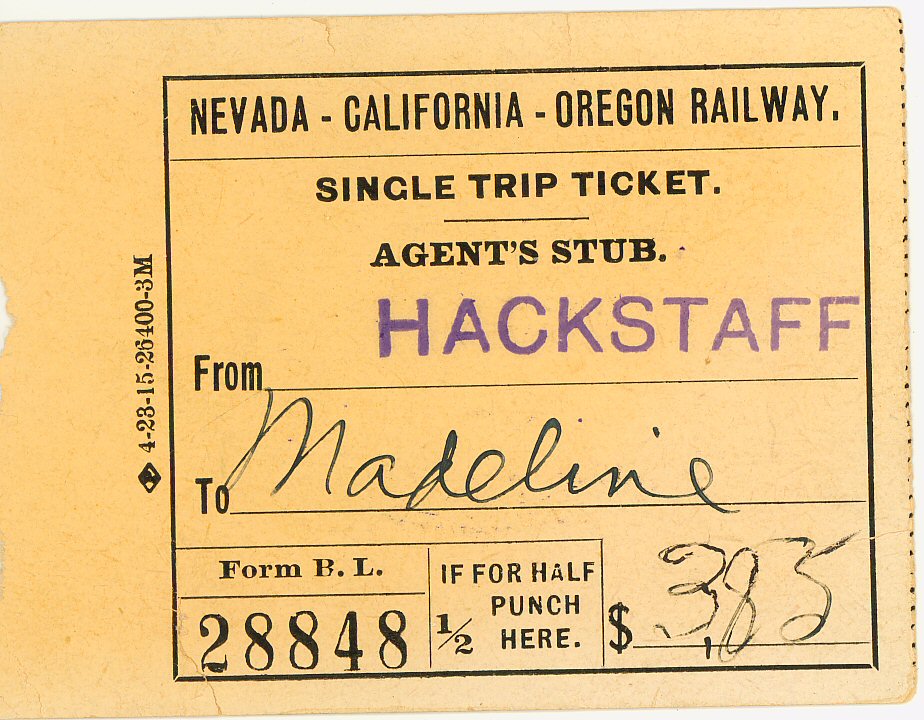
A November 22, 1915 NCO ticket stub. Courtesy of Dorothy Capezzoli
The Nevada-California-Oregon Railroad (NCO) was a stingy operation and because they had no competition for many years, took advantage of the situation with its freight and passenger rates.
However, in January 1892 the NCO offered a generous one thousand mile ticket good for the whole year for an entire family at $30. At that time, Amedee was the end of the line and was 80 miles north of Reno. A one way fare between the two places was $1.35. So if one was doing frequent travel it was a bargain. With Amedee a thriving boomtown, the NCO knew there were would be a lot of passenger traffic, hence the special offer.
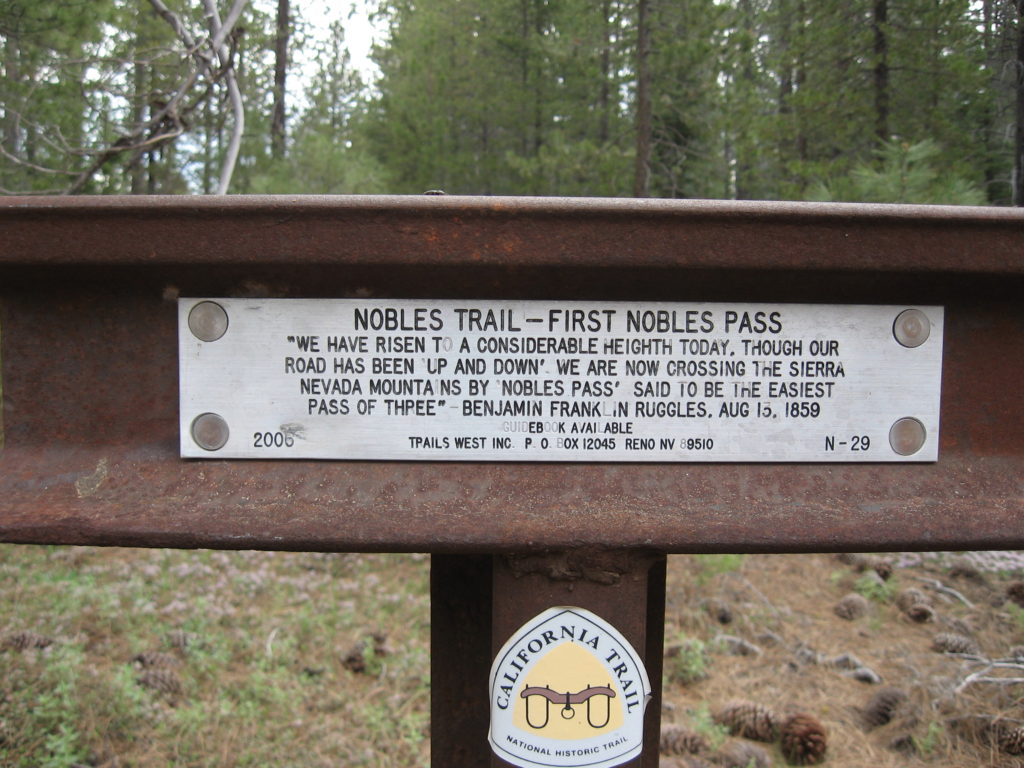
On a recent summer excursion, we stopped to look at this Trails West Marker that I had not seen before. What caught my attention is that Benjamin Ruggles inferred in 1859 that there were three passes. Most historical data and maps that I have examined over the years indicate only one pass named Nobles along the trail near the base of Lassen Peak.
It is interesting note that traffic on the Nobles Trail between Susanville and the Sacramento Valley had greatly diminished during the late 1850s. Though in the fall of 1859, for a two week period, 375 individuals, in sixty-seven wagons, along 100,000 head of livestock used the Nobles route into Shasta County.
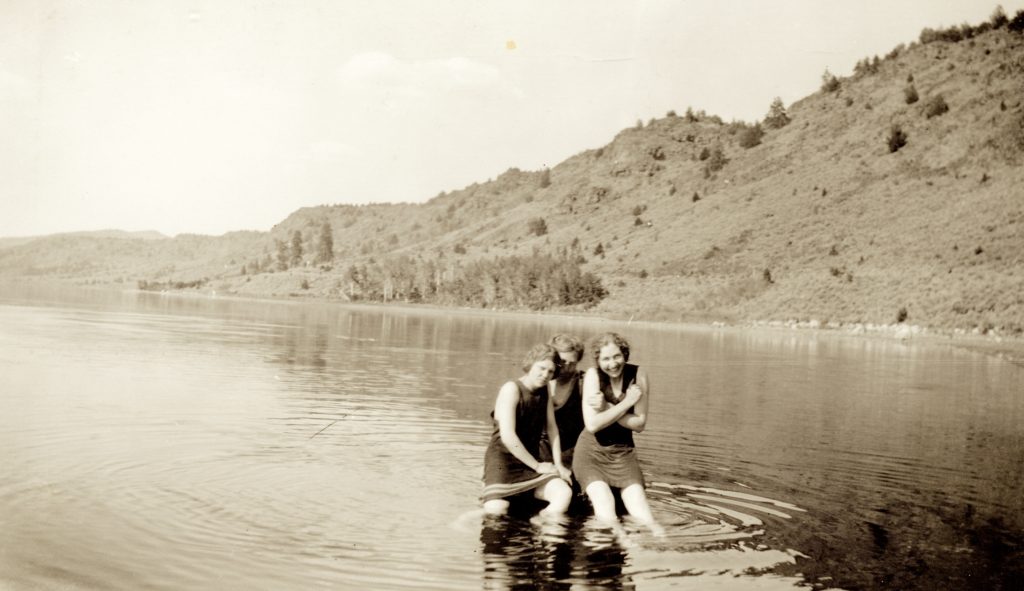
North shore of Eagle Lake, 1921. Notice the lack of juniper trees on the hillside. Courtesy of Lola L. Tanner
On a quarterly basis, I ask you the reader, if there is something you would like to learn more about or maybe its something you heard, but question its validity. So here is an opportunity to participate. I will do my best to answer any questions. It should be noted, it may take awhile for the answer to appear as a post. The primary reason, many of the daily posts are done nearly a month in advance. So by the time you read this I am already working on posts for the middle of August, or at least I should be. Whatever the case may be, I look forward to hearing from you. Of course, it should be noted that paid subscribers requests receive priority. In addition, you can always send a request at any time.
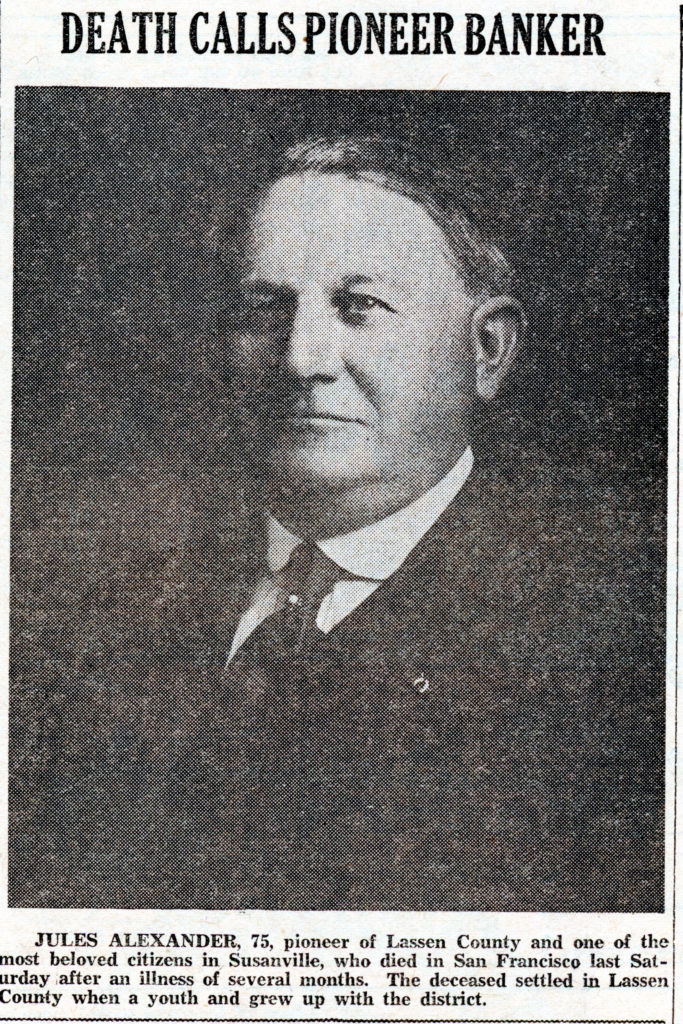
On Saturday, February 23, 1935, Jules Alexander a prominent figure in the affairs of Susanville passed away in San Francisco where he been since August due to health issues.
In certain ways, one could say that Jules and Susanville grew up together. This plucky Frenchmen was only seventeen years old when he came to Susanville in May of 1877. He went to work as a clerk for Greehn & Asher one of the larger mercantile stores in town. He would follow this trade for decades to come. In 1881, Simon Blum and Jules opened their own store as Blum & Alexander. Later on, he went in partnership with his brother Abe, under the firm name of A&J Alexander. After the disasterous fire of 1893, Abe Alexander pulled up stakes and moved to Bakersfield. Jules with his brother-in-law, Ike Knoch formed Alexander & Knoch, which in essence they took over the David Knoch’s, the family patriarch’s mercantile store he established in 1865.
With the prosperous times approaching with the Fernley & Lassen Railroad Alexander & Knoch wanted to expand their horizons. At the end of 1911 the store was turned over to Alexander’s two sons-in-law, Jess Worley and Emil Fehr. In 1912, Jules and Ike formed the Lassen Industrial Bank and in 1922 constructed the former iconic building at the corner of Main and North Gay Streets.
Prior to the banking business, Jules had become involved other business enterprises. For fifteen years he owned a ranch at Horse Lake. He was a director/investor in the California & Oregon Telegraph Company, the Susanville Creamery and later the Lassen Townsite Company, the former remains the largest Susanville subdivision.
Jules was a firm believer in civic engagement and pride. Just one example, of his many contributions was the placement of a new Lassen Monument, as the original one had been neglected all these years. In the fall of 1916, Jules launched a campaign to correct it and with a new monument. It was his desire to seek small donations thereby allowing everyone an opportunity to be part of the cause. He enlisted the aid of Lassen County Superintendent of Schools, Fred Brunhouse, who sent out letters to all the schools urging children to donate a few cents as part of a civics lesson. The school children responded with each school districct sending in varied amounts from 35 cents (Fort Sage) to nearly five dollars (Lassen High School). In the end the school children of Lassen County raised over $500, about one-third of the cost. In September 1917 a new monument was dedicated all through hard work and dedication of Jules Alexander.
Benjamin R. Zimmerman came to Susanville in 1874, at the age of 14. The first trade he learned was making harnesses. The next thing, he has graduated to saloon operator. This he soon discovered was a very lucrative business. All was well, until 1919 and the Volstead Act, better known as prohibition put an end to his business and so he opened a restaurant. Zimmerman died in 1943 in Susanville.
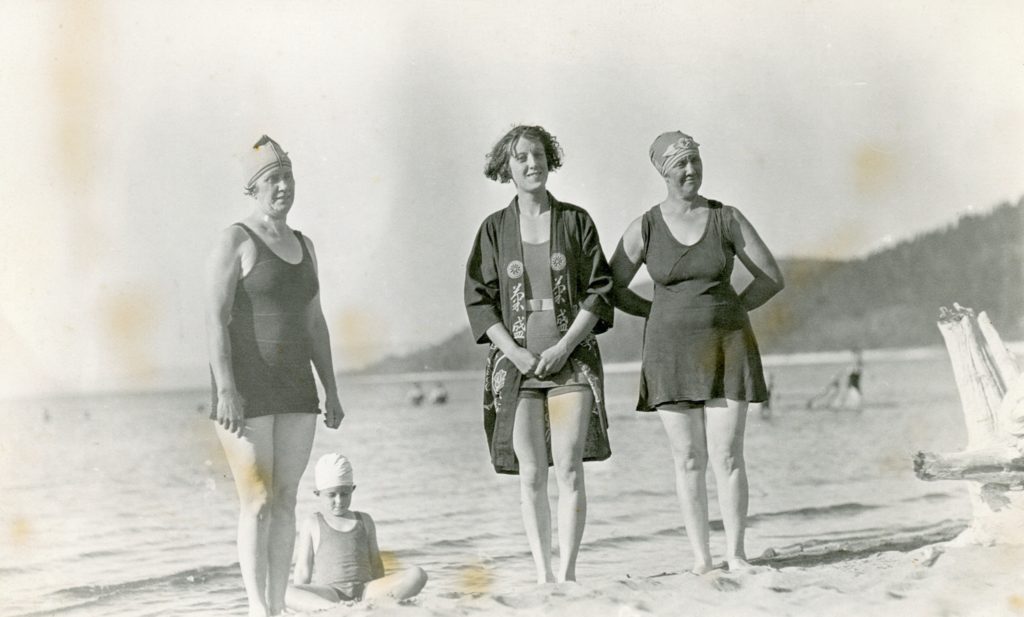
Fast forward to January 2011. A classified ad appeared in the local newspaper about a box of old photographs that the person thought might be of Susanville. Several people alerted me so I answered the ad. The gentleman I spoke to informed me he was helping a friend clean out an old barn in Richmond, that was going to be torn down. That is where he found the box and kept it to find it a home. We had a long discussion, and the impression he left with me, it was a small box, but he would send it and I told him I would reimburse him his costs. Time went by, and I called again. This continued for several months. Finally, he said he shipped it and it cost $60 via UPS. It turns out it was a two-foot square trunk. The photographs were from the Zimmerman family. There are two items impressive about the collection. The majority were photographs I had never seen before, like yesterday’s Freak Party. Equally important, is the majority of the photographs are identified. A portion I had processed and the rest I stored away in a box. I recently retrieved that box, so that is why you are seeing Zimmerman photographs.
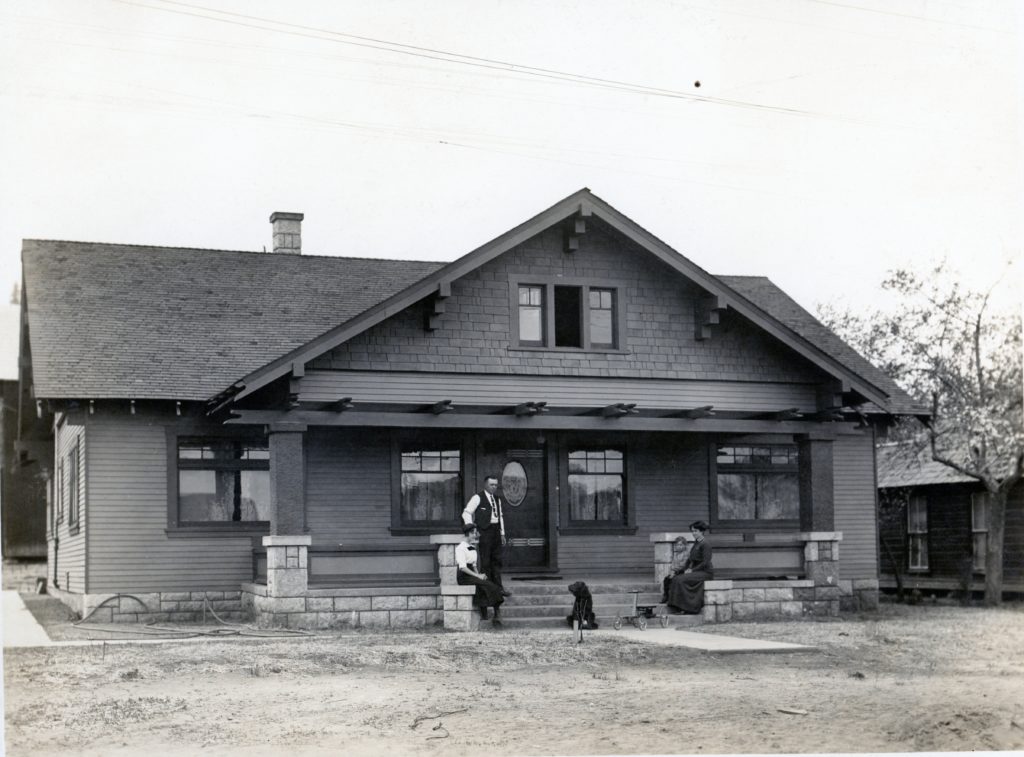
The B.R. Zimmerman residence, 310 N. Roop St., Susanville.
Who needs Halloween when you can have a freak party?—B.R. Zimmerman Collection
Olga Wemple who wrote the Society page of the Lassen Weekly Mail reported on a special party that occurred on March 3, 1916. She wrote: “A freak party given by Mr. and Mrs. Jules Alexander (145 North Roop St., Susanville) proved to be the most unique and original that Susanville Society has seen for a long time. Every one was requested to come dressed in freakish costumes. Those who were invited responded with such enthusiasm in designing their queer attire that wide spread interest was caused not only among the lucky ones, but also among their friends who eagerly aided with their ideas. The home of the hosts was decorated in keeping with the plan of the evening. The living room was brightened with strings of oranges, lemons, apples with gayley colored balloons hung from the chandeliers and freakish pictures of all descriptions ornamated the walls. When every one had arrived each drew a caricature cleverly drawn by E.J. Feher to find “yourself” which table to be seated at.
“At midnight all entered the dining room which was decorated with onions, turnips, and beets. The large table was bountifully laden with all kinds of goodies. At each place a card upon whichwas tied a minature knife, fork and spoon and also the initials F.W.M.B.F were painted. All were asked to guess the meaning of the initials and Mrs. C.M. (Maybelle) MacDonald proved the clever one and guessed the meaning which was “Fingers were made before forks.”