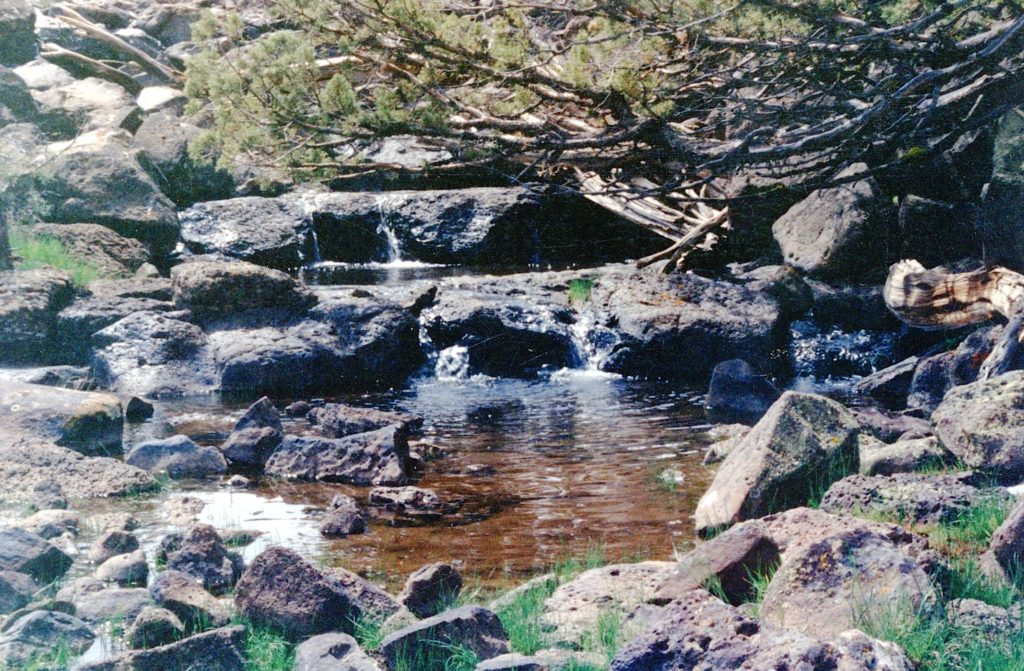
A seasonal babbling brook feeding Upper Smoke Creek.
With summer waning on the horizon, I am going to honor the spirit and meaning of Labor Day, so I am taking the day off. However, for those who might be interested, the 2022 Calendar is working its way through the production line.
Here is a link to past post about labor strife at Westwood in 1930s.
Once upon a time, to leave Fall River Mills to head west to the Sacramento Valley, one travelled over Winters Toll Road through the Pit River Canyon. The toll road was built in the 1870s by Frederick Knoch and his brother-in-law, Deidrick Murcken for $3,000. In 1930, the route was abandoned when Highway 299 was constructed. I understand now that this is popular with whitewater kayakers. I never been to Pit River Falls, though it is part of my family’s heritage, since Knoch, was my great-great-grandfather.
In the past we have explored the topic of control burnsby the Red River Lumber Company. With the fire situation at hand, this is going to be discussed widely across the West.
First a bit of background. Clinton Walker, a member of the family owned Minnesota based Red River Lumber Company came to California in 1899 to examine timberland as part of a westward expansion. By 1908, the Company had acquired nearly 800,000 acres of timberland primarily in Lassen, Plumas, Shasta and Siskiyou Counties. Long before the Company cut down a single tree, it had been conducting light/control burns throughout its holdings.
In the spring of 1912, Clinton Walker had planned to do a control burn at Clear Creek, Lassen County. He invited both state and federal foresters to observe. Coert DuBois of the U.S. Forest Service led the call to inform Walker to cease and desist and not do it. Walker ignored their pleas and it went ahead as schedule. He did invite those foresters to attend and they reluctantly showed up. They documented the event by taking notes and photographs (would that be a treasure to locate). Dubois who had been critical of the Walkers and their methods, routinely wrote opinion pieces in the west coast newspapers. He did a 360 degree, and complimented Walker on his systematic light burning approach.
Things changed quickly. The following year, Clinton Walker left Red River over a dispute with the family about its operations. Thus, the light and control burns were suspended. Twenty years later, Clinton would return. At that he time lamented about the neglect of their forests and wrote: “I have never been able to understand why, when we had successfully proven the feasibility of the work of control burns and its advantages, that we discontinued it. In this regard I think we committed a grevious error that has already caused us staggering losses and now have our forest in a very precarious condition.”
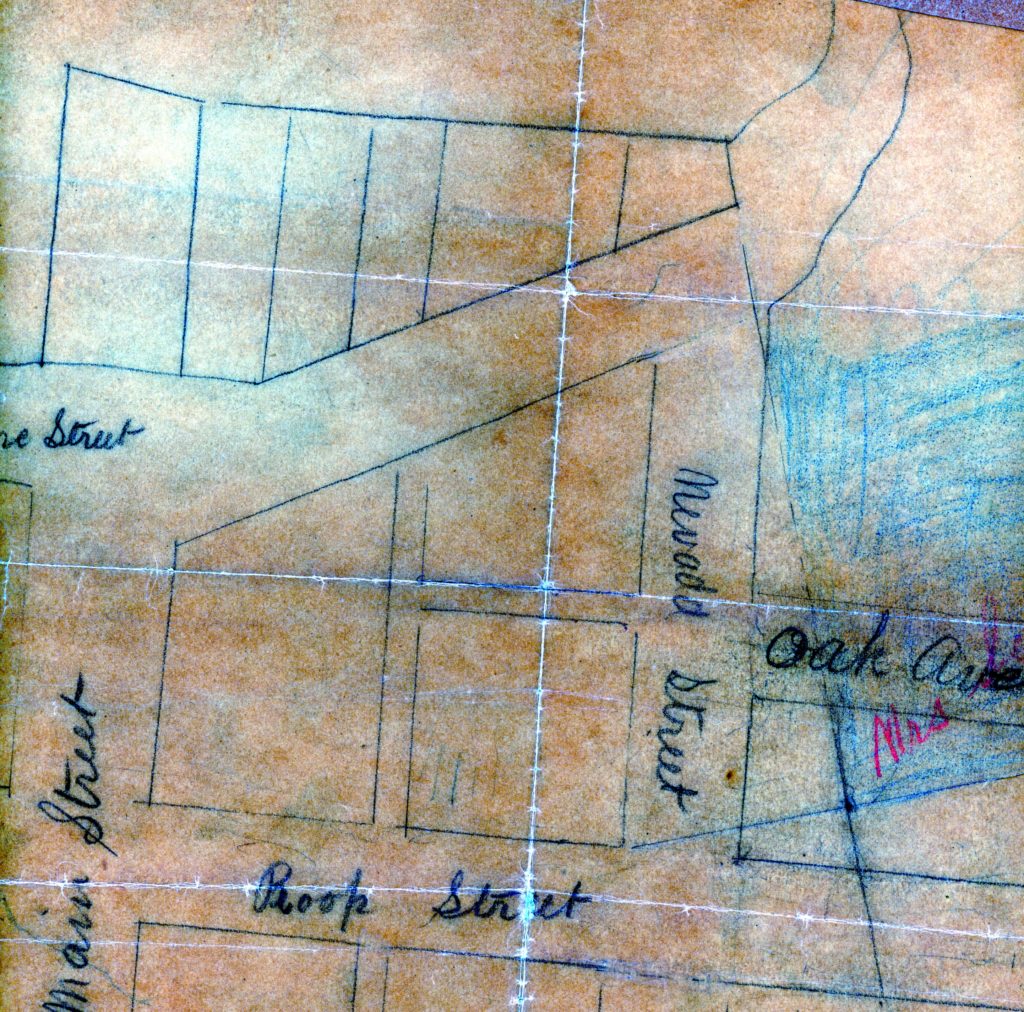
This was one of the original streets of Susanville, and an interesting one at that. Oak Avenue was located between North Pine and North Roop Streets. It started at Nevada Street and extended beyond Willow Street. It should be noted, North Roop Street ended at Willow Street. However, Oak Avenue only extended forty feet from Nevada, due to the fact there was no right-of-way. In December 1882, a petition by the residents of the area, requested the Lassen County Board of Supervisors to abandon Oak Avenue. The board obliged and so no more Oak Avenue on paper.
While I periodically write about the Nevada-California-Oregon Railroad (NCO) that went from Reno, Nevada to Lakeview, Oregon, there are times a bit of refresher is needed for those just tuned it. First it should be noted, it was a narrow gauge railroad, so its rolling stock is much small than the traditional standard gauge railroad that most people are familiar with. From the NCO’s inception in 1879, it went through a lot of changes in its early years. First and foremost, it was known as the Nevada & Oregon Railroad. During its early evolution there were changes in ownership and direction. Whatever the case may be, it was not official until 1893 when it became the Nevada-California-Oregon Railroad.
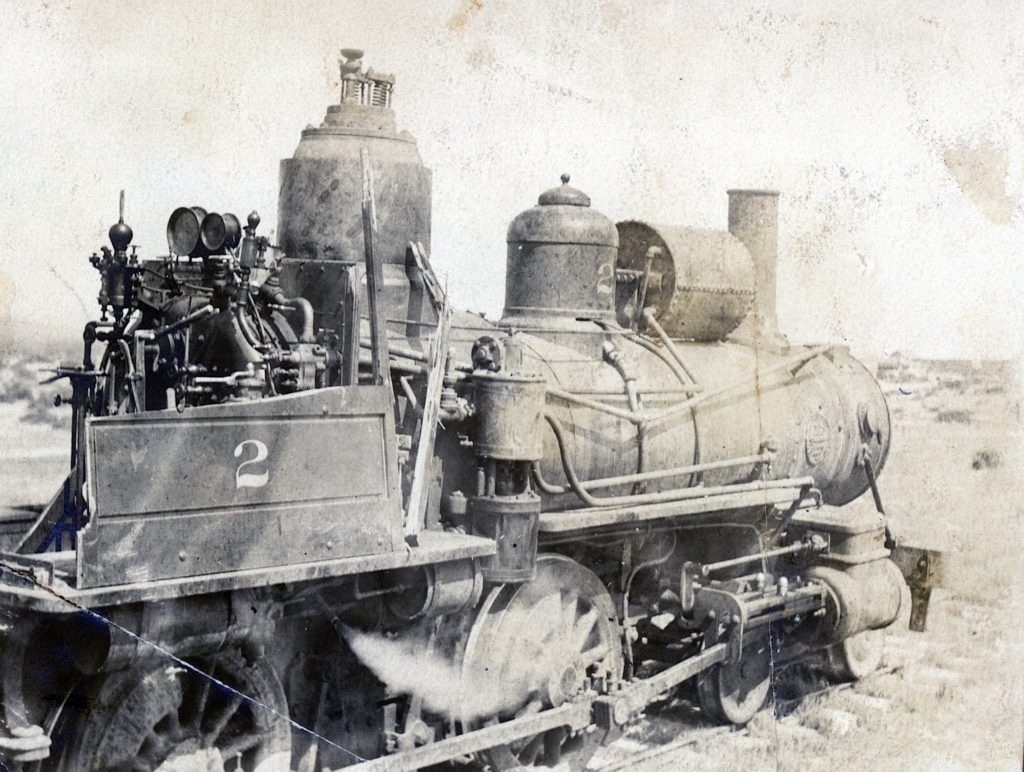
Now, to the other topic at hand. In 1884, the Nevada & Oregon purchased its No 2 Baldwin locomotive new for $4,750. According to David Myrick’s NCO railroad locomotive roster the No. 2 was retired on December 31, 1918—presumably scrapped.
The following came from a newspaper clipping file from the Oakland Public Library. “Lassen County Resources Are Tapped By War—McClatchy Newspaper Services, September 1, 1948.
”Susanville—A 10 year growth which embraces industrial and agricultural expansion and increase in population has culminated in the unification of Susanville into an incorporated city looking ahead to further progress.
”A decade ago the city was emerging from the depression. Lumber and sawmills which had not operated for periods ranging from two to several years started resuming operations and the last of the Works Projects Administration were begun.
”Spurred by war demands for lumber and minerals, Susanville became the center of countywide expansion during the war which reinvigorated this area.
”The population growth had a marked effect. Susanville experienced the housing shortage which other sections of the country also experienced. More than 100 residents undertook the building of their own homes in 1946.
”Community concerts were obtained for the residents and a city park created and constructed. A well equipped clinical hospital has been established. A public golf course was opened and a museum constructed.”
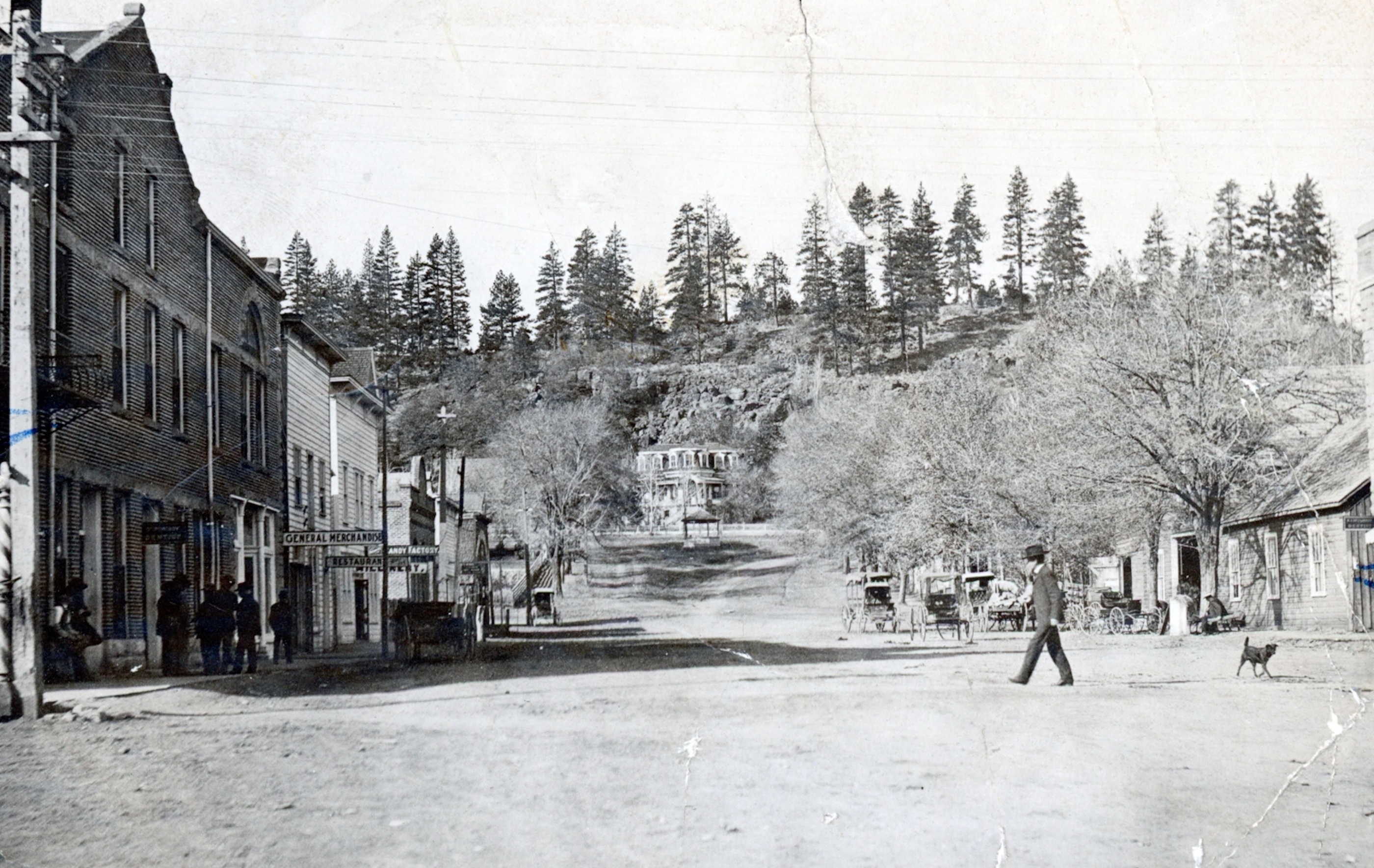
Looking west on Main Street, at Lassen, 1906. You can see the bandstand in the background. By the way, the gentleman crossing the street is Dr. W.E. Dozier. Photograph courtesy of Betty Barry Deal
Before summer ends, what better way to commemorate it than once upon time American classic the outdoor bandstand. It is a little known fact that Susanville had its own bandstand, briefly. It was located at the top of Main Street, best known today as the triangle plot beneath the Elk’s Lodge. It was through the energetic efforts of the Mountain Echo Band. that was the reckoning force. In September 1902, the octagonal bandstand was constructed and even adorned with electrical lights. On September 14, 1902, the bandstand was dedicated by the Mountain Echo Band with their first concert. Two weeks later it was focal point of royal pageant during the county fair. A few years later the Mountain Echo Band disbanded and the bandstand fell into disrepair. By 1906, one observer said the relic had become eyesore on the community. In 1908, it was torn down.
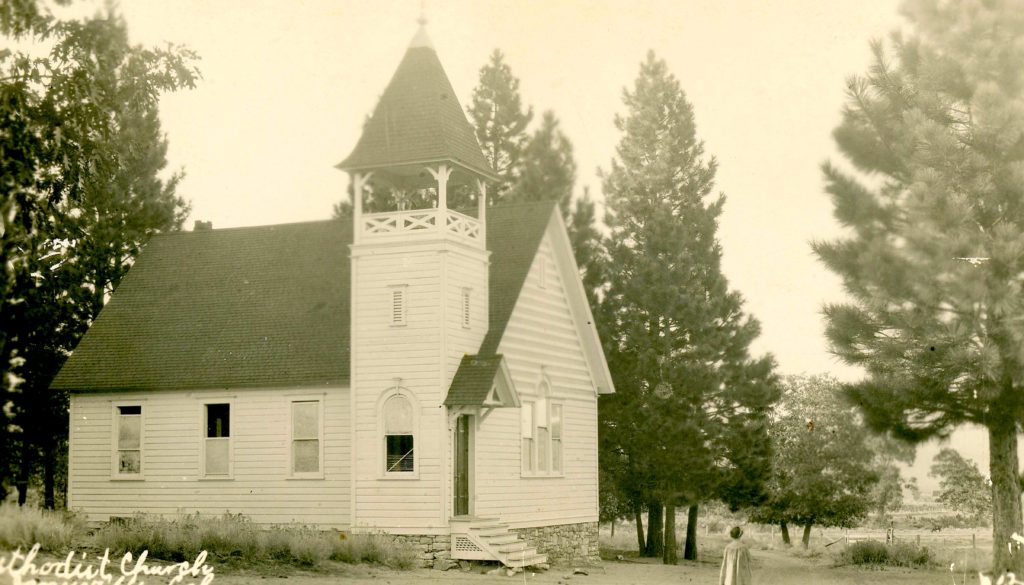
Janesvlle Methodist Church, 1911. Courtesy of Marge Foster
On Sunday, August 29, 1897 was a joyous day with the dedication of the new Janesville Methodist Church. Dr. E.W. VanDeventer presided over the services, with a standing room crowd in attendance. The church measured 28’x40’ feet was built by Susanville contractors, Enhorning and Harrison for $1,500. Frank Rowland donated the land for the church. Trustees for the church were: G.W. Meylert, Wm. Dow, E. Winchester, George Riddle, W.T. Masten, J.T. Masten and Charles Cramer.
The Round Barn, Little Valley, Lassen County, prior to it being moved to Fall River Mills. Courtesy of Tom Glunt
Shird Eldridge (1857-1937) was a long time resident of Little Valley, before moving over to McArthur. In 1924, Shird was reminiscing with the editor of the Fall River Tidings the newspaper that focused on the events of the Fall River Valley, Shasta County.
Shird remarked, “This year reminds of times nearly forty years ago—when such conditions prevailed—but the people were better off then than they are now. In those days the farmers raised all they needed, went about with horses and buggies—had just as good times as now, and all they cared to raise, besides crops, was their tax money. Some of them had hard scratching, mortgaged their ranches and being unable to pay off their mortgage, lost their places. But today—it takes so much money to buy gas and oil and to keep up payments on automobiles. Living costs are higher and the farmers are living a swifter pace, endeavoring to keep up with the extravagant ways of the people of this age.”
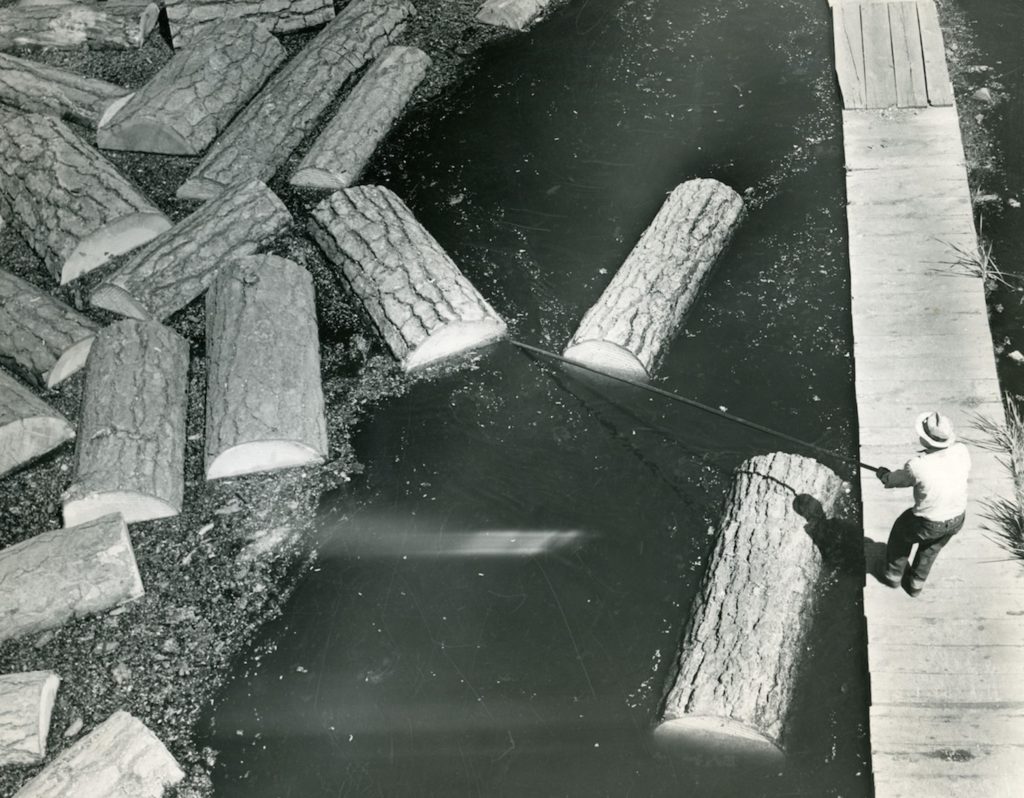
Some times I find it strange to write about the lumber industry that is non-existent in area, with the exception of Collins Pine at Chester. The above photograph are real premium peeler logs. These logs were literally peeled into sheets of plywood. Unlike regular logs that went through the sawmill, these logs were cut into eight foot lengths, unlike the standard thirty-two foot log. In 1924, Red River Lumber Company invested a half-million dollars to add a veneer plant at its Westwood facility. Red River used the trademark Paul Bunyan’s Pine Plywood for its final product. Red River, like so many other lumber companies, did not allow anything to go to waste. The peeler cores were made into railroad ties.