Ask Tim

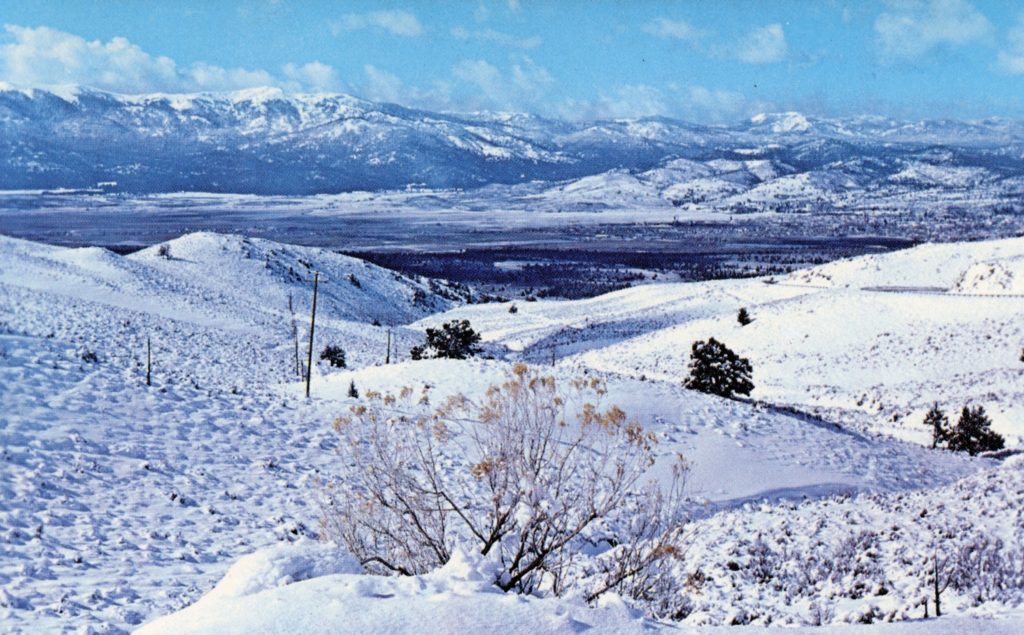
A view of Diamond Mountain from Antelope Grade, January 1975

On a quarterly basis, I ask you the reader, if there is something you would like to learn more about or maybe its something you heard, but question its validity. So here is an opportunity to participate. I will do my best to answer any questions. It should be noted, it may take awhile for the answer to appear as a post. The primary reason, many of the daily posts are done nearly a month in advance. So by the time you read this I am already working on posts for the middle of August, or at least I should be. Whatever the case may be, I look forward to hearing from you. Of course, it should be noted that paid subscribers requests receive priority. In addition, you can always send a request at any time.

Tim
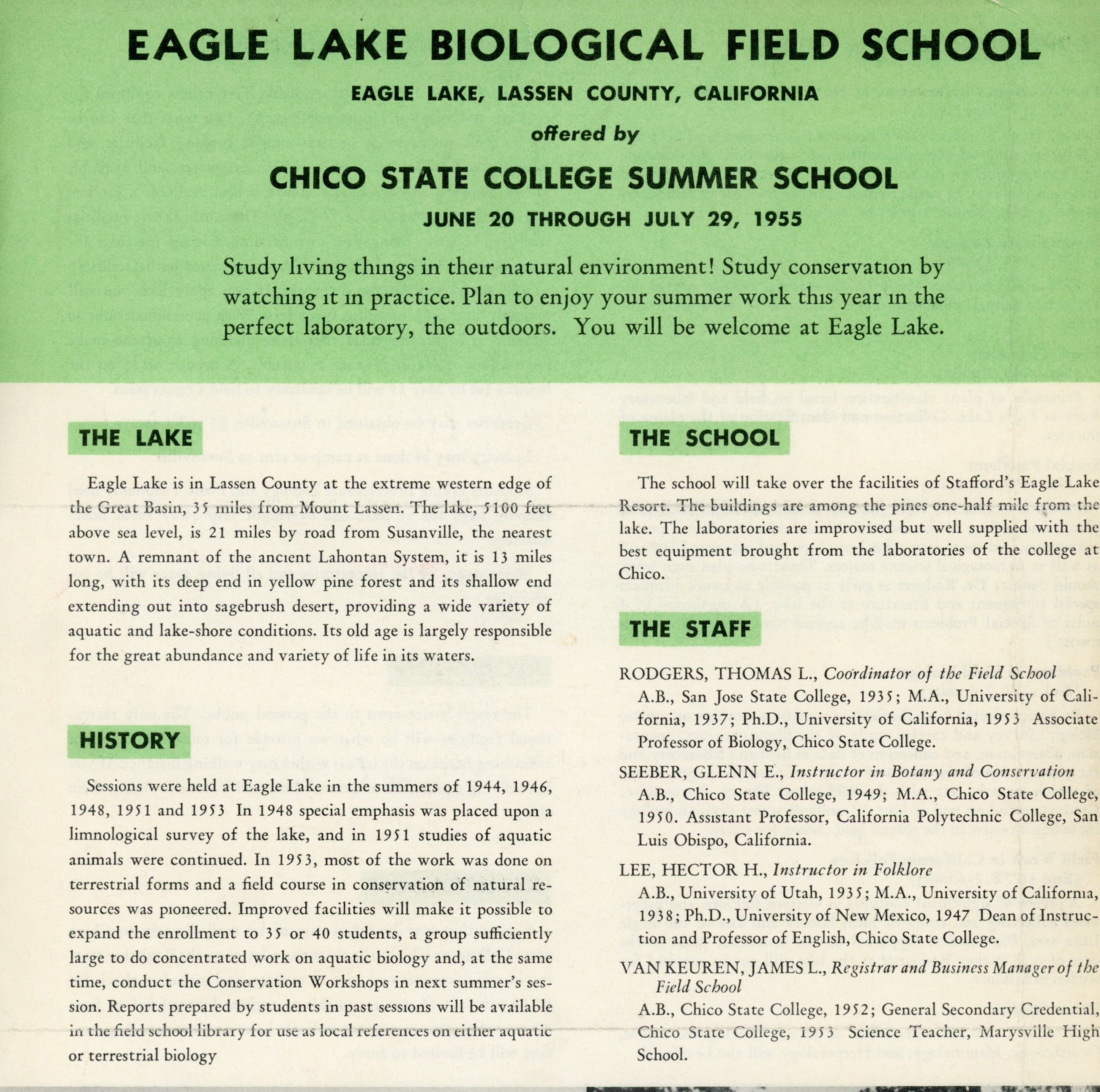
Eagle Lake Biological Field Station Update

Eagle Biology372

At the October 2015 meeting of the Eagle Lake Interagency Board, the Bureau of Land Management reported that Chico State University was exploring avenues to close down the facility. At that time, the Bureau of Land Management reported that they would be willing to take back the property they donated to the University back in 1964. However, they stated in order to do so, the University would have to remove all improvements, i.e, buildings etc. At the moment, from my limited knowledge on the topic, it appears everything is at a standstill, as the University does not want to be burden with the costs of removal. However, another educational institution could take it over.  When I was still on the Lassen College Board, I brought up this topic, but it has not gained traction.

The field station was the creation of biology instructor Doctor Vesta Holt. The first classes were taught at Spaulding Tract in 1945. In the early 1950s, with increased enrollment studies were moved to the south shore at the Eagle Lake Resort. After the Merrill Flat Fire of 1955, operations were moved to Susanville and Westwood and until a new home could be located. It was not until 1964, when a new home was located just north of the abandoned Bly Tunnel and in 1968 dedication ceremonies were held at the new facility.

It is never too late, subscribe.

Clear Creek, Lassen County

Clear Creek
Clear Creek as it appeared in 1899.

The idyllic community of Clear Creek has a long history before it took on a new life in the 1920s by the Red River Lumber Company. It was first settled in 1872 by Henry “Hank” Landt who migrated back and forth between Big Meadows (Lake Almanor). Landt wore many “hats” from being a resort operator, fisherman, fur trader and sawmill operator. On August 5, 1875 he filed for the water rights to Clear Creek to protect the development of the trout fishing ponds that he had established. In 1890, Landt sold the property to Orman Folsom and moved to Susanville. Folsom never did anything with the property, it was an investment, like so many others he had. In 1909, Folsom sold to for Thomas B. Walker, of the Red River Lumber Company for $6,500

Support this site and Subscribe today!


Holden Dick Mine Update

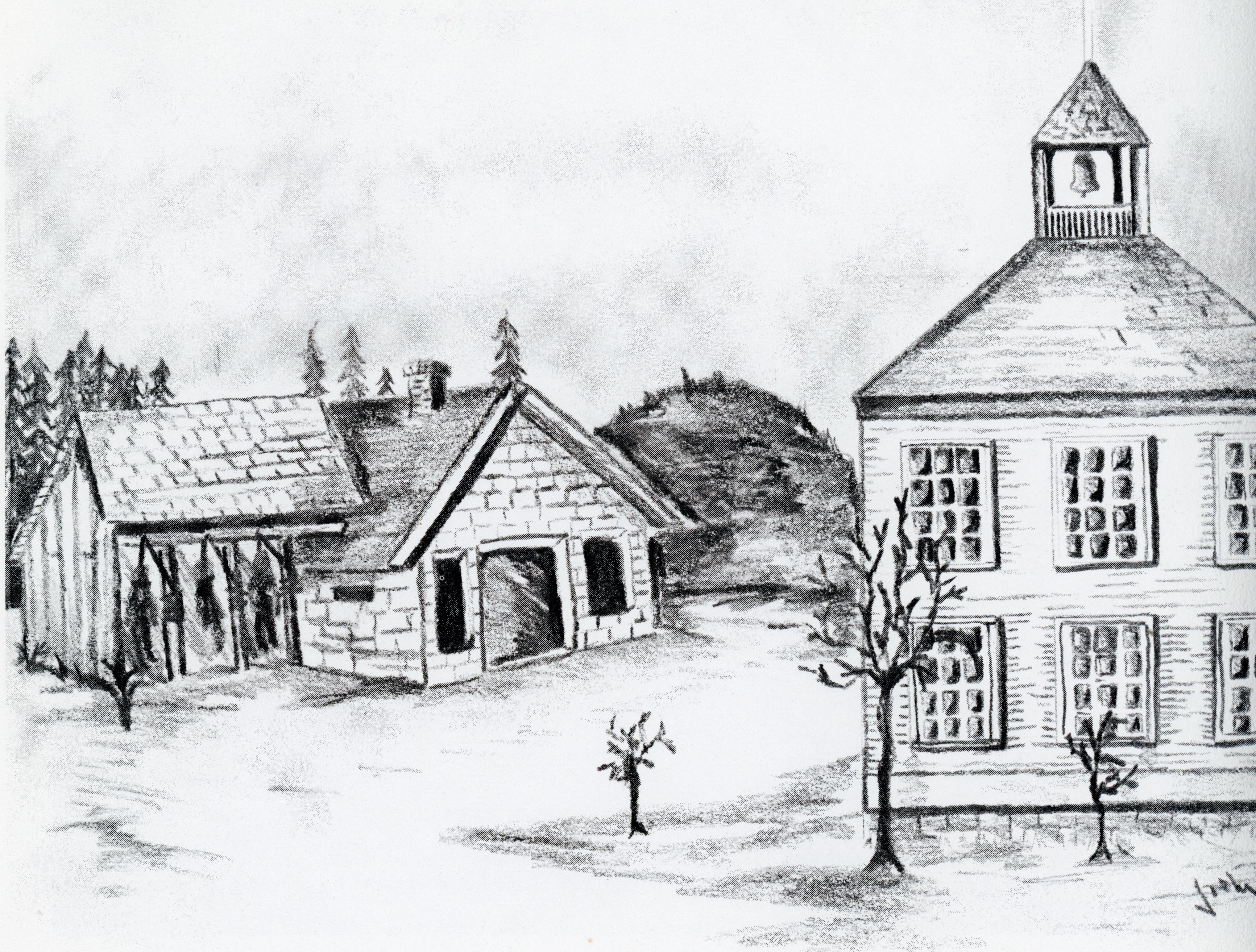
An artist sketch of the lynching of Holden Dick and Mexican Ben behind the Lassen County Courthouse, 1886.

One subject that people across the country research on this site is that of The Holden Dick Mine The latest journal of the Shaw Historical Society “Crimes and Tragedy” includes the “Ballad of Holden Dick, Gold, Murder and Vigilante Justice”.  Of course, as usual, the journal includes a wide variety of topics that readers will enjoy.

Copies of “Crimes and Tragedy” are available at the Klamath County Museum and Basin Book Trader in Klamath Falls, Modoc County Museum in Alturas, Country Hearth in Cedarville, Howard’s Drugs in Lakeview, Margie’s Book Nook in Susanville or by contacting the Shaw Historical Library by email at shawlib@oit.edu or by calling 541-885-1686.

Tim

Standish Livery Stable

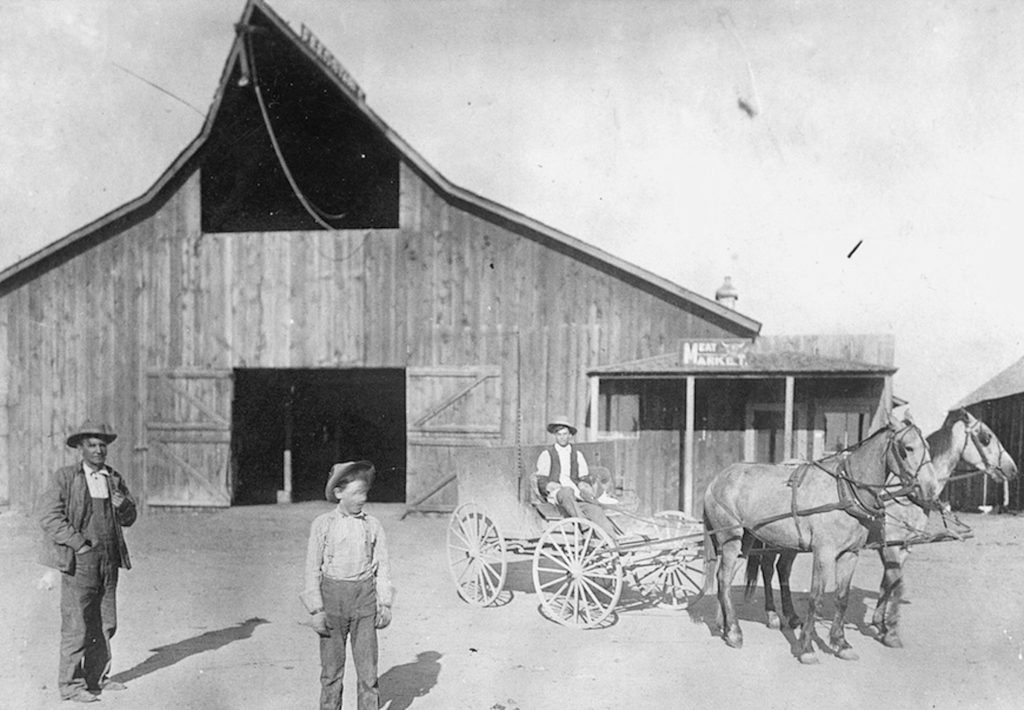
Standish Livery Stable and Meat Market, 1909. Left to Right: Todd Hemler, Bill Kennedy and Fred Hansen. Courtesy of Vivian Hansen.

In 1904, George Short (brother-in-law to James Mapes) established the Standish Livery Stable on Milford Street (A-3). In 1906, he built an addition which became the home of the Standish Meat Market. Both the livery stable and meat market were leased to various individuals such as Fred Hansen, Todd Hemler and Floyd Bass. In 1912, Fred Hansen moved the meat market to a new location. In 1913, Louis A. Kline purchased the livery stable. Kline at the same time leased the Wrede Hotel located to the north of the stable.

On November 18, 1913 the Standish Livery Stable was destroyed by fire, and for a time threatened the entire town. The fire started in the harness shop, the former site of the meat market. It was later learned the harness maker, went on a drunken spree, returned to the shop knocked over an oil stove, and passed out. When the building was engulfed in flames, it was discovered the nameless harness maker was inside and volunteers dragged him out.

Most of the contents of the livery stable was saved except for forty tons to hay. The harness shop and its contents was a total loss. Kline only had partial insurance on the building in the amount of $400 and did not rebuild.

Tim

The Susanville Mill Company

Lassen Grain & Milling
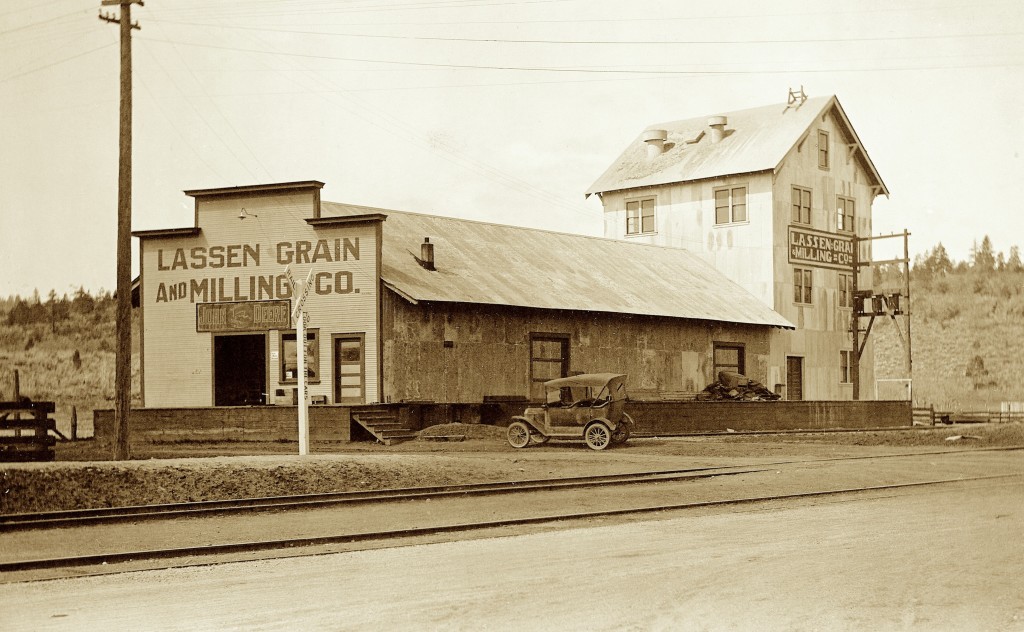
Lassen Grain & Milling Company, circa 1918. Courtesy of Dick & Helen Harrison

The Lassen Grain and Milling Company was established in 1917 and located on Richmond Road, Susanville across from the Southern Pacific’s railroad depot. By the 1920s, the beleaguered company was barely holding its own. A major problem facing the company was the lack of grain being grown in the Honey Lake Valley to support the mill.

Enter the Susanville Mill Company. Founded in the fall of 1926, this company took over Lassen Grain. Susanville Mill comprised of three men—B.F. Hutchens, E.B. Birmingham and L.E. Deforest. Hutchens and Birmingham were executives of Fruit Growers Supply Company, while DeFores was well known in the local agricultural community. It was their intent to encourage local ranchers to plant turkey red wheat and provide them with the seed.

After several years of operation the company sold to Bronson & Doyle.

Subscribe

An Interesting Fire Editorial

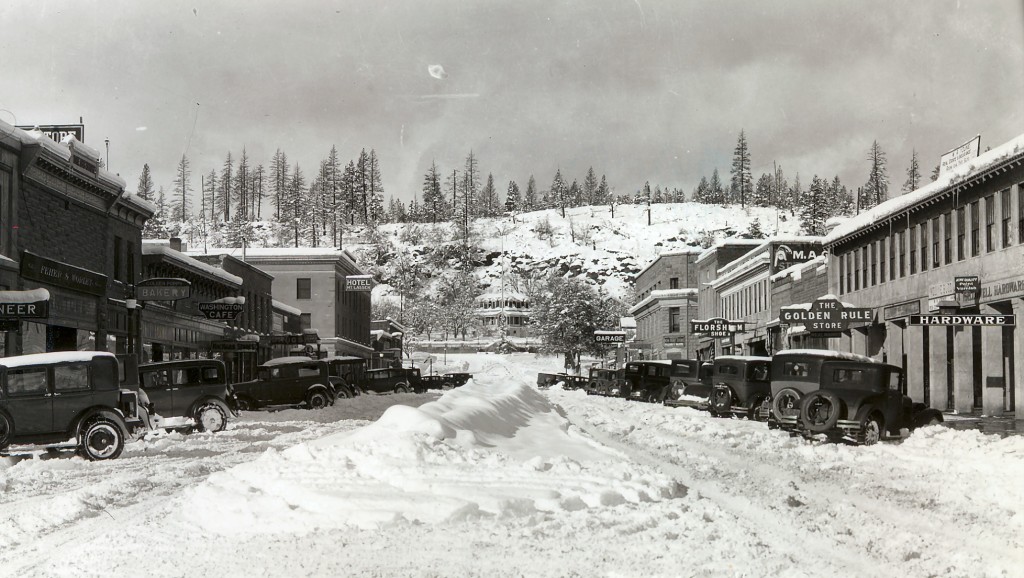
Main Street, Susanville, 1927. Note you can see where the fire burned above the Elks Lodge.

In June 2021 I wrote about a forest fire of 1926 that threatened Susanville, when it jumped the Susan River and spread to Inspiration Point.On July 2, 1926 the Lassen Mail had an editorial “Fire Danger Is Concern of Everyone.” Since it is that time of year when fire danger increases, I thought I would share the newspaper’s observation.

”During the closing days of June Susanville faced conditions that do not usually obtain until August. These conditions will become worse as the season advances and it will require the utmost care on the part of everyone to protect property interests. So far as the town of Susanville is concerned it is now reasonably  well protected from fires that might sweep in from the surrounding hills. But the wealth of Lassen County lies in her forests and these forests are at the mercy of the camper and the tourist.

”The state forestry department should see that a competent fire warden is placed in charge of the Susanville district. He should be a man who realizes the importance of his position and who has the necessary experience. During the past week more damage was done by back fires set by incompetent persons than was done by the original fire. The fire that destroyed Red River timber and finally crossed the Susan River and threatened the town of Susanville was a backfire set by one of those incompetent people that got way beyond control and made the situation worse instead of better.”

Support

The Mark

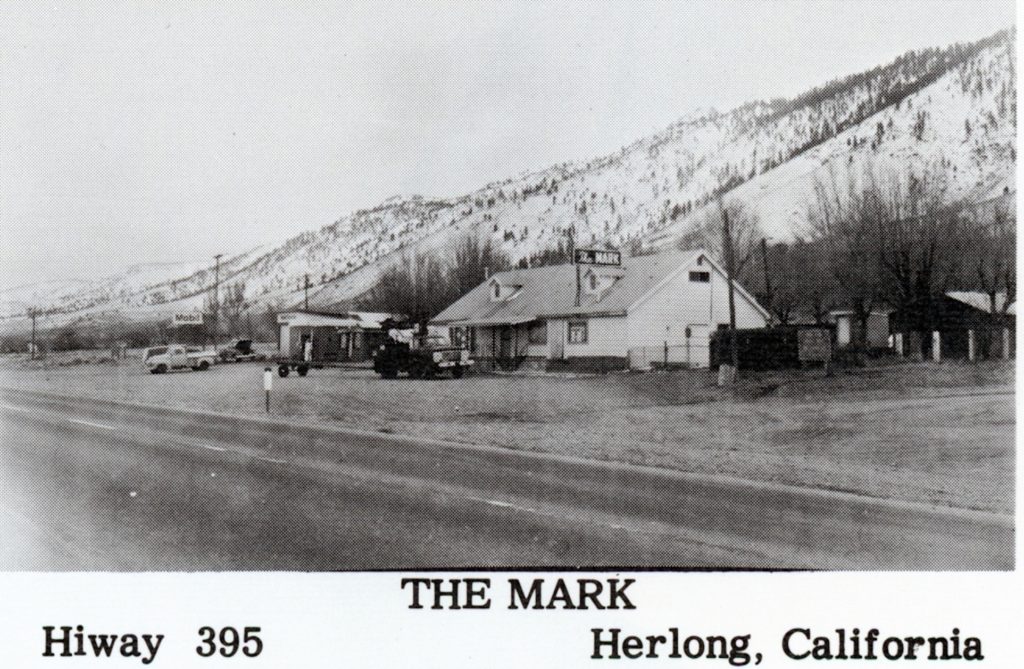
The Mark advertisement, Lassen College yearbook 1970-71—Jim Chapman

This is an incomplete story, because I surrender. I started it over a well over year ago,  I kept getting blindsided, and well 2021 between Covid, fires, heat, smoke, etc did not help. The Mark was established in 1948, by Ray and Connie Langley to become what is known as Herlong Junction.  While The Mark is still exist, the original building depicted above does not. It was destroyed by fire around 2000 or so, but without the key piece of information, I am unable to complete story. In any case, one at least is able to see what the original establishment looked liked.

Tim

C.D.F.’s New Heaquarters

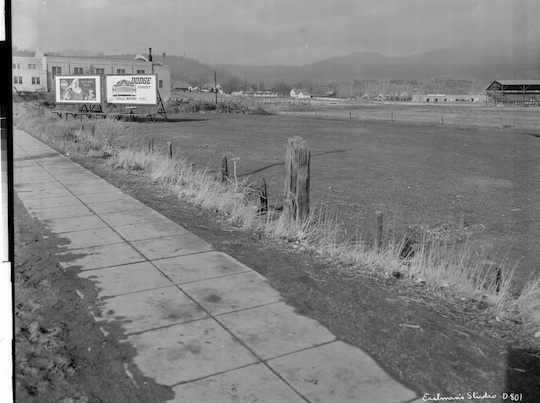
A partial view of the lot at Main and Grand, Susanville.

California Division Forestry, local manager, William Mann announced that in the fall of 1946 that $35,000 had been allocated to establish a local headquarters. They had bounced from place to place and at the time were located near the Lassen County Hospital.

Of course, there is always a decision to locate a permanent site. They studied two options. The first was the corner of Main and Grand Avenue. Some thought it would compliment the adjoining Memorial Park that was underway. The other was a five acre parcel just west of Susanville along Highway 36. This option was hard to resist as it was available to the forestry division for free. That sealed the deal and construction began in the spring of 1947. It is interesting to note in 1916 it was the site of a state prison labor camp for the construction of Highway 36.

Tim

A House Makeover

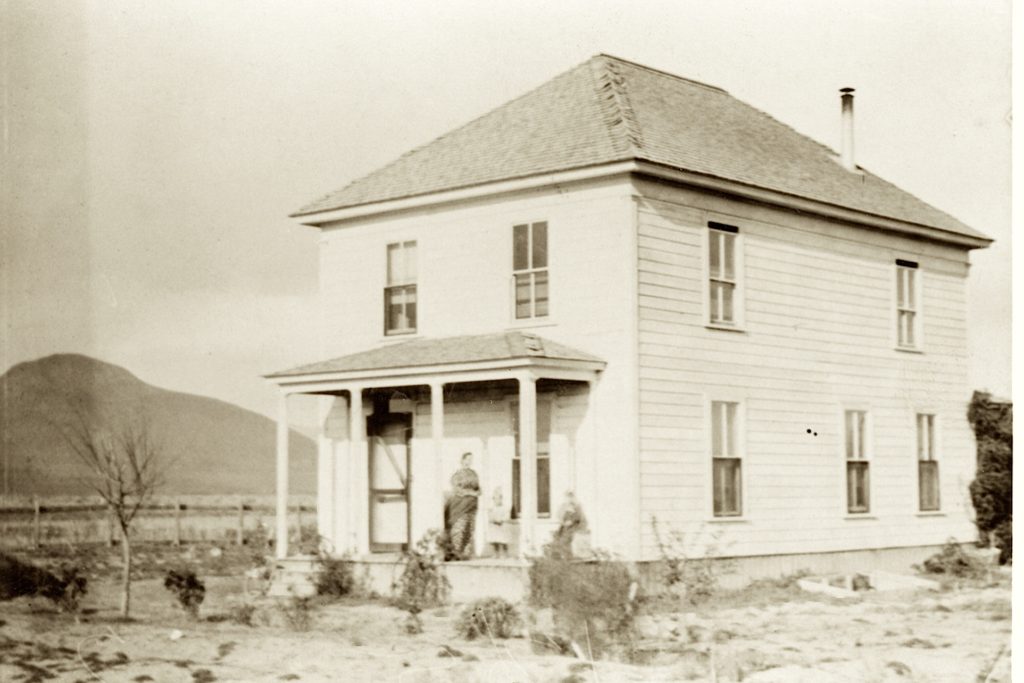
Ranker Residence—Ardell Torrey

Architecture is one of my many interests. Personally, much of today’s building designs are rather bland, whether commercial or residential. Today, we examine the Mattison house, which originally was not a stand out.

In 1879, Otto Ranker came to Susanville from Oroville to operate a blacksmith shop. In 1884, he located what was referred to as four corners, about two miles east of present day Standish. Like many homesteaders before and after him, he first lived in a small three room cabin. As needed, another room would be added, and so forth. In the early 1890s, he had a second story built that consisted of four bedrooms. In 1900, he moved to Chico for health reasons, but rented his ranch..

Mattison House
Mattison House, near Standish

In 1906, Ranker sold the property to Fred Mattison. Shortly afterwards Mattison had the house remodeled. Mattison died in 1926, but his wife’s family continued to occupy the property. In the early 1950s, during a cold winter the pipes froze. Hal Story crawled underneath the house with a blow torch to thaw the pipes. Instead, of thawing the pipes, he caught the house on fire and the residence destroyed.

Tim

Exploring Lassen County's Past