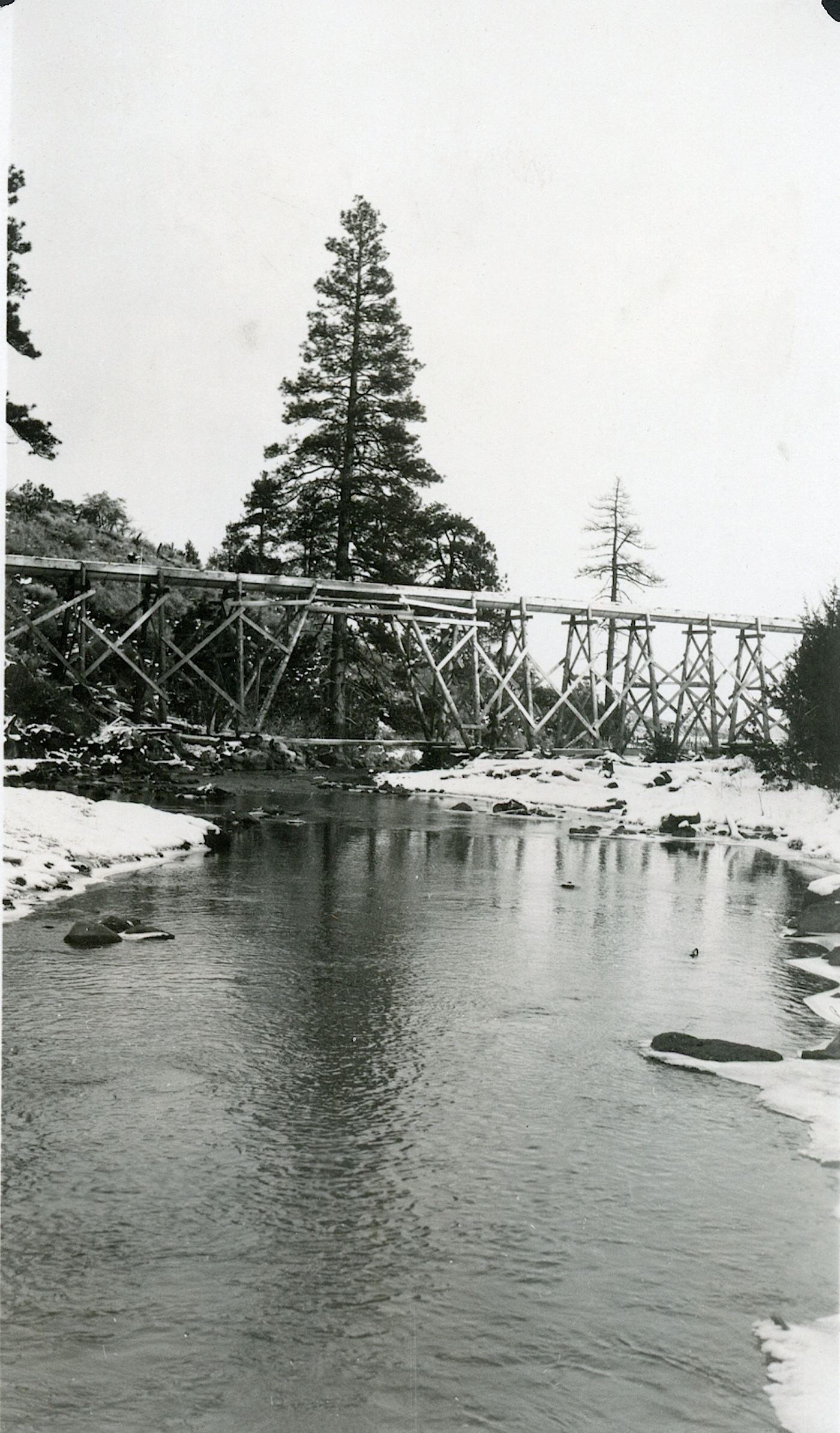
Here is a your Tuesday tidbit. This flume at the upper end of Willow Creek Valley was part of diversion of Willow Creek for the Murrer Ranch to convey the water into an irrigation ditch on the south side of the ranch, which then provides gravitational water flow for the fields.
Tim
I may use a different photograph of the flume for the 2024 calendar. Time will tell.
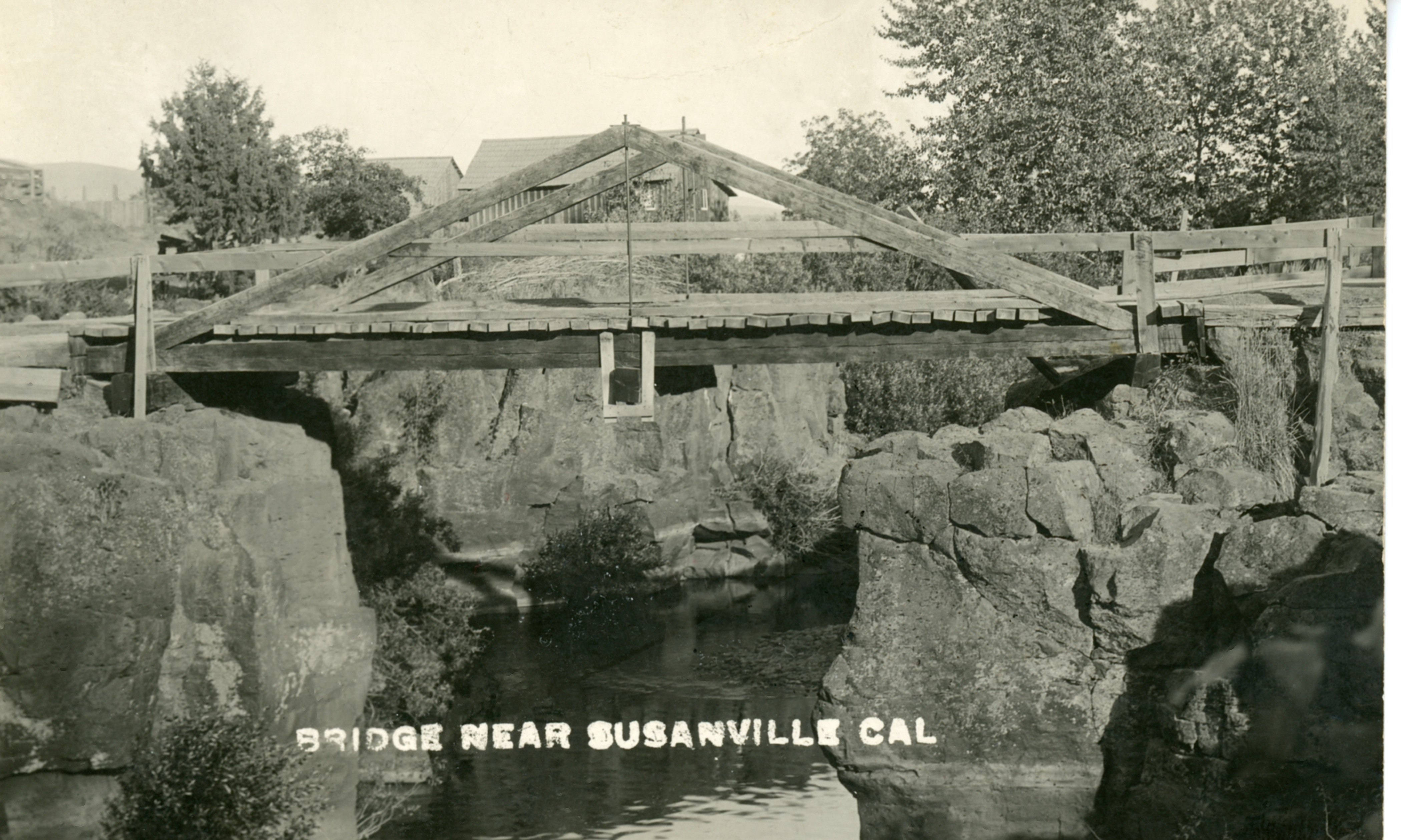
Richmond Road Bridge, circa 1910. Courtesy of Lola L. Tanner
One of the stranger side effects of the national prohibition had to do with a one time fish kill in the Susan River. There was the issue what do with the confiscated alcohol usually referred to as jackass brandy or “dago red” wine. In the summer of 1923, Lassen County Sheriff Carter seized 500 gallons of red wine at Westwood. He did not have ample room to store the evidence. He asked the District Attorney’s. Office for approval to dispose of it, which was granted. Carter instructed his deputy sheriff A.C. Hunsinger to bring a truck to the jail to dispose of the wine and it was poured into the Susan River. However, the wine killed some of the fish in the river. Game Warden W.J. “Spade” Lee was not pleased. He asked the Sheriff to find an alternative way to dispose of confiscated wine in the future.
From the 1890s through the 1920s, there was a colony movement in the American West. As readers may recall Standish was a planned utopian colony based on the beliefs of Myles Standish. When Litchfield came to being in 1913, the promoters took a much more subtle approach with its Litchfield Acres.
The next proposed colony, one comprised of Scandinavians to be located on the east shore of Honey Lake, south of Amedee. This was in 1915, Rosendal Minster was the promoter, He even named the settlement after him—Rosendale. Minster had a lease/option to purchase the lands and the pumping plant of the Standish Water Company. He then formed the Farmer’s Land Company to operate the holdings.. The properties were split into 40-acre tracts with a price range of $45 to $65 per acre. He was able to attract a handful of settlers. While Minster vigorously promoted the project, but due to debts he quickly accrued, he abandoned it the following year.
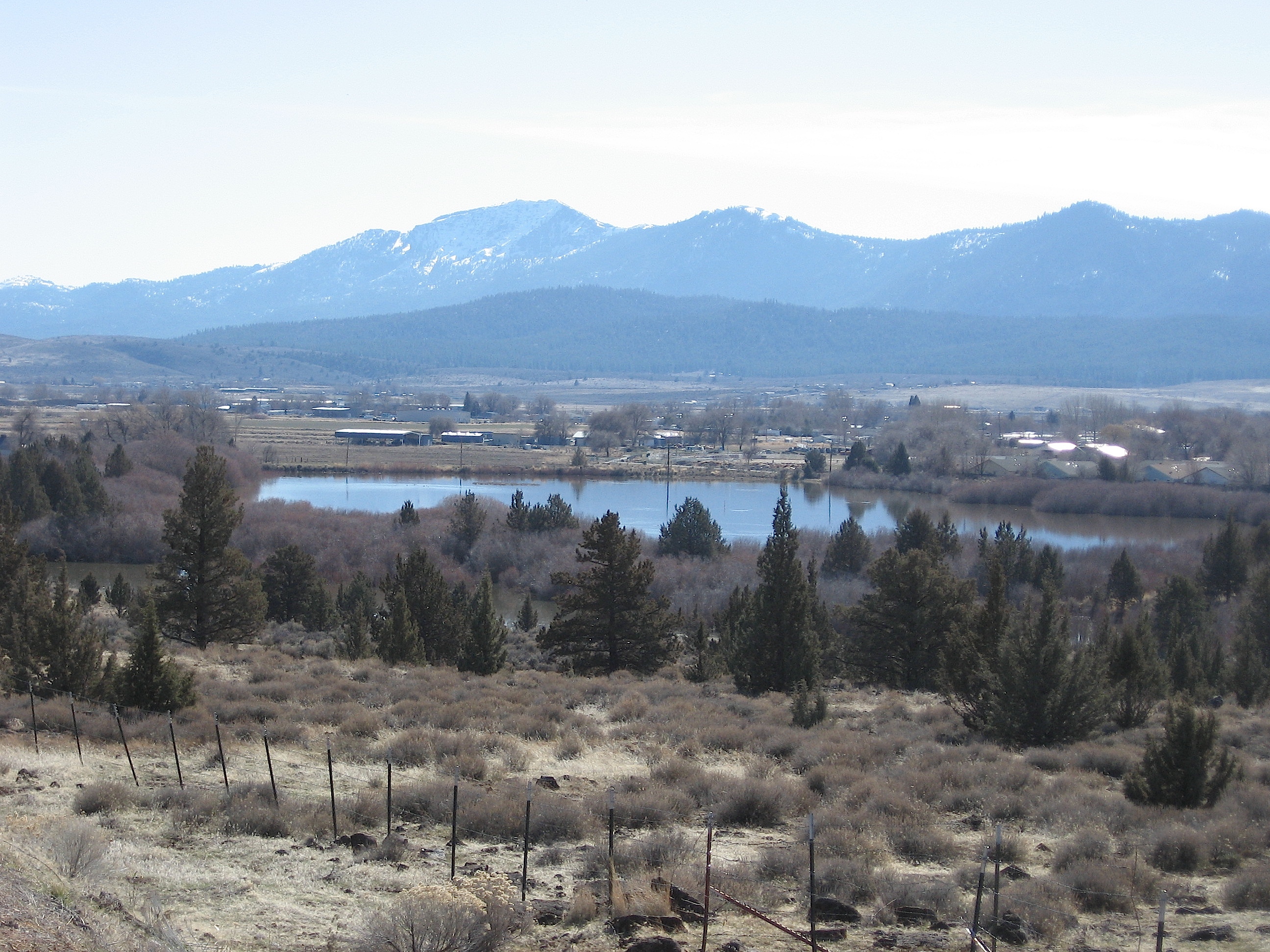
Barry Reservoir from Skyline Drive, February 13, 2016.
First of all, my apologies for last Saturday’s very incomplete post on ice skating on Barry Reservoir, just north of Susanville. In the 1960s and early 1970s it was popular for ice skating. I had started work on an article last summer, then it was side lined. When December arrived I still needed to do more research. However, Mother Nature thought I should be a shut in, providing lots of snow, some rain and cold temperatures to freeze everything solid, so there went my mobility. January was a repeat of December, so it has not been option for me to get out and about to do research. I am just waiting for the spring thaw, so I can resume research, as I have several other posts drafted, but still need to do some follow up research.
In a perfect world, if everything worked accordingly you normally receive your daily notification which includes a photograph and a few lines of the beginning of the post sometime between midnight and one a.m. One day it works and then for a few days it does not. On those days, I have to manually send a message with a link. Hope to get it resolved, which there are night owls who read the daily posts in the wee hours in the morning.
This is an experimental post, no need to reply. Yesterday, I tinkered with the problematic daily notification feature and it worked today. So I am going to see if this goes through as well.
On June 8, 1906, President Theodore Roosevelt signed into law the Antiquities Act. In its initial conceptual form was to protect to prevent looting of archaeological sites. It was later revised to include historical sites and also landmarks of scientific importance. Once a site designated it became a National Monument.
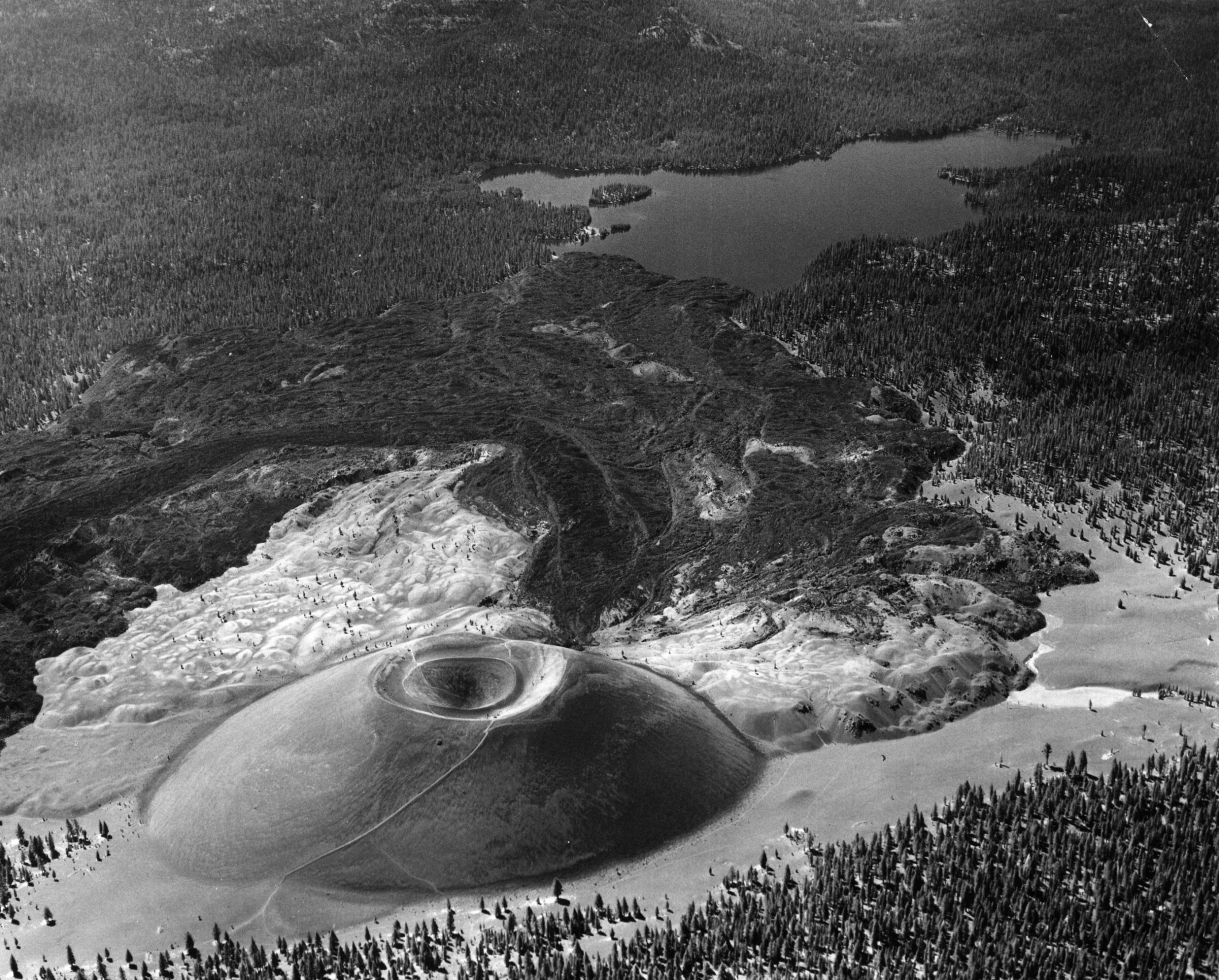
Louis Barrett of the Lassen National Forest was concerned about two sites within its jurisdiction that could be developed into commercial tourist attractions—Cinder Cone and Lassen Peak. In the spring of 1906, in an effort to ward off future claimants he started a petition to make Cinder Cone and Lassen Peak into a national park. This did not gain the traction Barrett desired.
For Barrett, the passage of the Antiquities Act came at an opportune moment. It provided him with another way to protect the features of Cinder Cone and Lassen Peak. He surmised the opposition to make them National Monuments would be minimal, for less than 10,000 acres of public land would be withdrawn, versus 100,000 acres for a Lassen Peak National Park. At the same time, the national monument designation would not interfere with the establishment of a national park at a later date.
In early 1907, Barrett submitted the necessary paperwork for the creation of two national monuments—Cinder Cone and Lassen Peak. U.S. Secretary of Interior James Garfield liked the concept of two smaller national monuments better than a proposed national park. Of course, the maintenance of national monuments would be nominal compared to a national park. With no opposition, proclamations were prepared and submitted to President Roosevelt. On May 6, 1907, Roosevelt established the Cinder Cone National Monument (5,120 acres) and Lassen Peak National Monument (1,280 acres). They became the six and seventh national monuments established under the Antiquities Act.
The movement, however, to create a Lassen Peak National Park did not fade away. One of the biggest obstacles was it was not well known, even in a regional sense. That all changed on May 30, 1914, when Lassen Peak erupted, and with it nation wide publicity. On August 9, 1916, Lassen County lost its only national monument, when it was incorporated into the newly created Lassen Volcanic National Park.
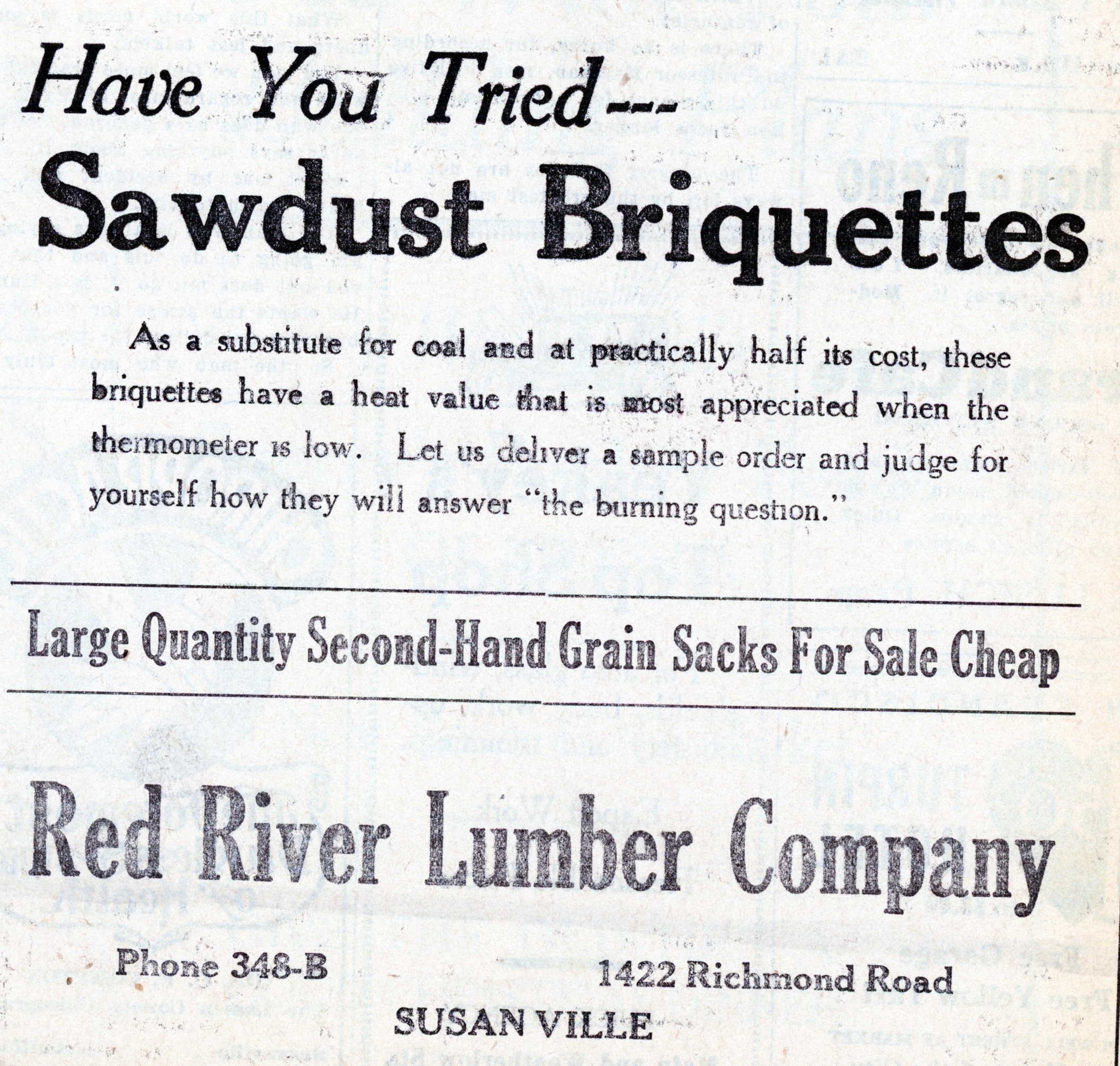
Red River’s advertisement for Sawdust Briquettes, Lassen Mail, December 14, 1928
Red River Lumber Company’s Westwood Operation were very innovative and looked at various ways to utilize lumber byproducts. After all, this was just not a sawmill/box factory plant. It produced a wide variety of goods, even venetian blinds.
In 1922, Red River was about to have an abundant supply of electric power. First, with their own hydro-plant at Hamilton Branch at Lake Almanor and another with a deal with Pacific Gas & Electric for power from Hat Creek.
This, of course, created a new problem, since they did not have to rely soley on its sawdust/wood waste pile that fueled the mill’s powerhouse. When the mill operated at full capacity it produced 400 tons of sawdust and wood chips in a twenty-four period, over half of which was used to fuel the boilers in the powerhouse. In February 1927 Red River installed an interesting piece of machinery, one that manufactured the modern day version of briquettes. This impressive device was capable of compressing a ton of wood waste into briquettes every hour. About a third of the wood waste which it compressed into briquettes could be used for home use (instead of coal), camping or even at the plant itself.
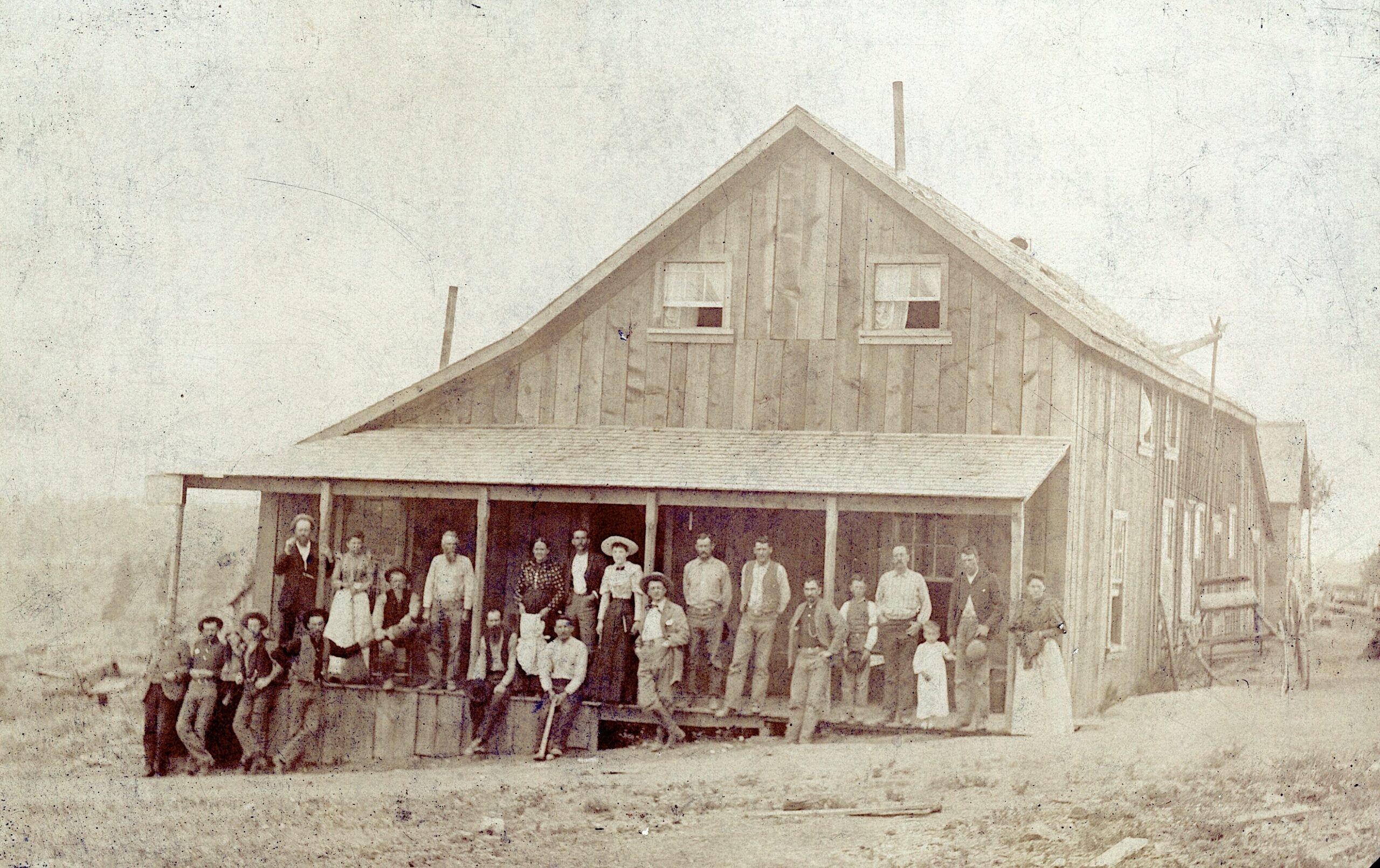
W.T. Summers Boarding House, Hayden Hill, 1894—Del & Diane Poole
During the recent Ask Tim segment, someone had two Hayden Hill questions. One was about the 1890 mining accident that claimed the lives of Frank Auble and William Dunbar. The other concerns the town’s disastrous fire of 1910. I am in midst of composing an interesting tale of the abrupt closure of the town’s largest mine the Golden Eagle in 1907.
Finally, a little bit about today’s featured photograph. Hayden Hill was a peculiar mining community. Through all of its ups and downs, the town never boasted a bona fide hotel. Instead of hotels, the town had boarding houses for the mine workers, which also provided rooms for the transient travelers. My great grand Aunt Rose (Murrer) Bagin operated one at Hayden Hill, and when she finally moved to Reno, had a basement full of brass bed frames from her Hayden Hill days.
It has been an interesting winter so far, with the first snowfall on November 7. December provided lots of snow, followed with rain, and then very cold temperatures to freeze the whole lot in a frozen zone.
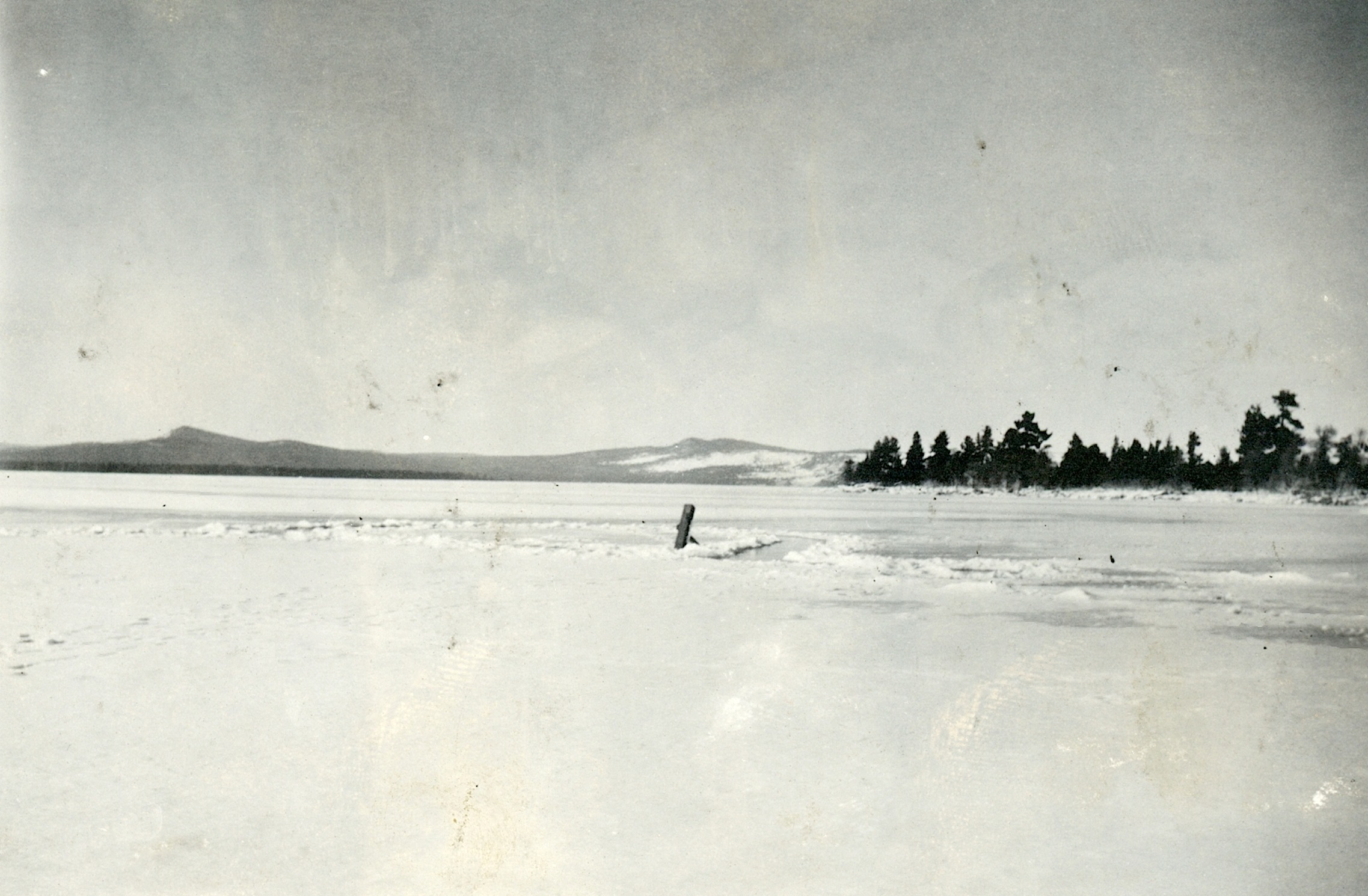
While, I am slowly getting around to scan old photographs for Tuesdays, the above was one of the first. Since Eagle Lake was still at its historic high level, it had to be darn cold for the lake to freeze over when the above was taken in December 1921.
Asa Merrill Fairfield (1854-1926) is known to different people for various aspects of his life. When I started my research a long time ago, I interviewed numerous people who knew him. Today, Fairfield is best known for Fairfield’s Pioneer History of Lassen County. More on that later. Continue reading Asa Fairfield—Teacher and Historian→