Tag Archives: Susanville

Susanville – Main Street, 1901

Main Street, 1901
South side of the 700 block of Susanville’s Main Street, 1901

Susanville was in the midst of re-building its business from the devastating fire of June 1900. It was from that fire the led to the creation of the City of Susanville. Actually, the town suffered from many fires, and that history can be found here.  What is interesting with this photograph you will notice the vacant lot between the Cohn Bros. and the Pioneer. It should be noted that the Pioneer used the lot for a beer garden, until O.M. Doyle constructed a two-story stone building that eventually became home of the Grand Cafe. The building to the right to the Pioneer, is still standing, the front having been modified and is home to Margie’s Book Nook.

Note: This article originally appeared on March 29. I am selecting some early posts, to fill in https://tipurdy.org/subscribe/while I am on the road to recovery. For five dollars by subscribing, you can receive a daily email on that day’s topic, and in doing so, help preserve a bit of history.
Lassen Grain & Milling Company

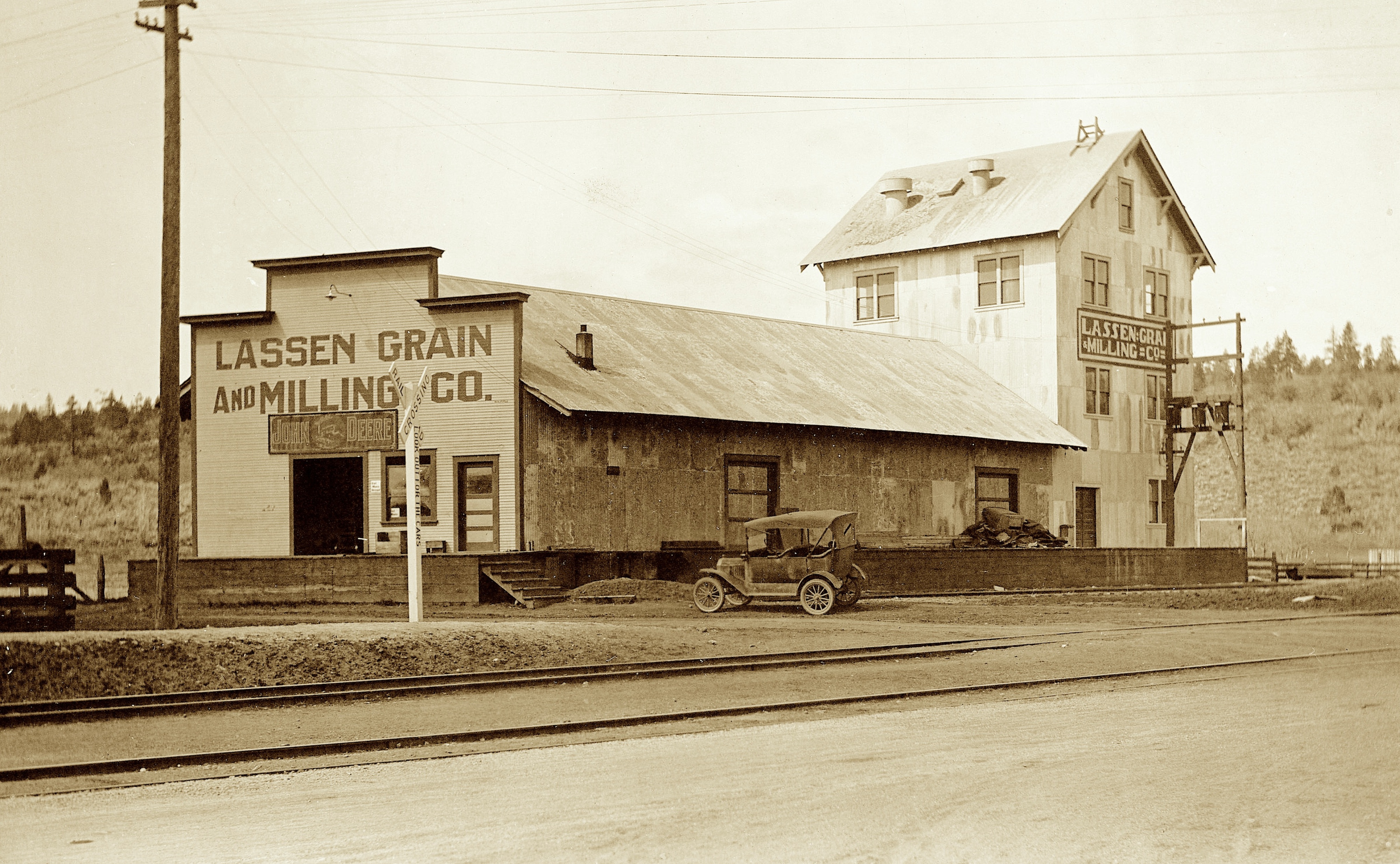
Lassen Grain & Milling
Lassen Grain & Milling Company, circa 1918. Courtesy of Dick & Helen Harrison

In February 1917, this new company was organized with Fred Bagin spearheading it. When the news broke, it made the grain growers of the Honey Lake Valley rejoice. After all, the flour mill at Johnstonville had been closed nearly a decade and the Janesville mill was operating at half capacity, and only during the harvest season. Continue reading Lassen Grain & Milling Company

Lassen County Courthouse

Lassen County Courthouse
The old courthouse block as it appeared around 1912.

In June 1915, Lassen County voters approved a $125,000 bond measure to build a new courthouse, to replace the old wooden constructed in 1867. Since it was deemed to use the existing site, the old one would need to be moved, while the new one was constructed. So in September 1915, the courthouse was put on rollers and moved fifteen feet to the property line along Lassen Street. It would remain in place there and used until the new courthouse was completed, mainly for storage, and the county offices found temporary housing in the Lassen County Jail.

In November 1916, the county advertised for bids for the sale of the old courthouse in anticipation of moving into the new facility. Plenty of people inspected the building. The county did not know when the building would be available. In January 1917, the county received two bids for the structure one from Sierra Packing Company for $50 and the other from Charlie Emerson for $60. The county rejected both and decided to auction it off. When that event would happen no one knew. There were delays in moving into the new building, one of the big obstacles was that of the cost of furniture. During the first week in April moving into the new courthouse began in earnest.

On April 28, 1917, the auction was held with George Bennett’s winning bid of $85. Bennett immediately sold it at a higher undisclosed amount to Dan Armstrong who tore down the building and used it for scrap lumber.

Subscribe and support this site for $5.00 a month.

Inspiration Point Tour Update

Downtown Susanville 1894
Notice the tall pines that once adorned the Inspiration Point Bluff. On the tour you will learn what happened to them. Susanville’s Main Street, 1894. Courtesy of Ivor Langiar.

Since I am in early stages of recovery, it is too difficult to plan anything, since I have no idea when I will be home.

In the good news department, in between physical therapy I have drafted out the talk. Topics include, but not limited to Lake Lahontan and the difficulties of mining on Diamond Mountain. They are all inter-related.

Help me with my recovery, and subscribe for as a little as $5.00 a month.

Sacred Heart Church

Sacred Heart Church
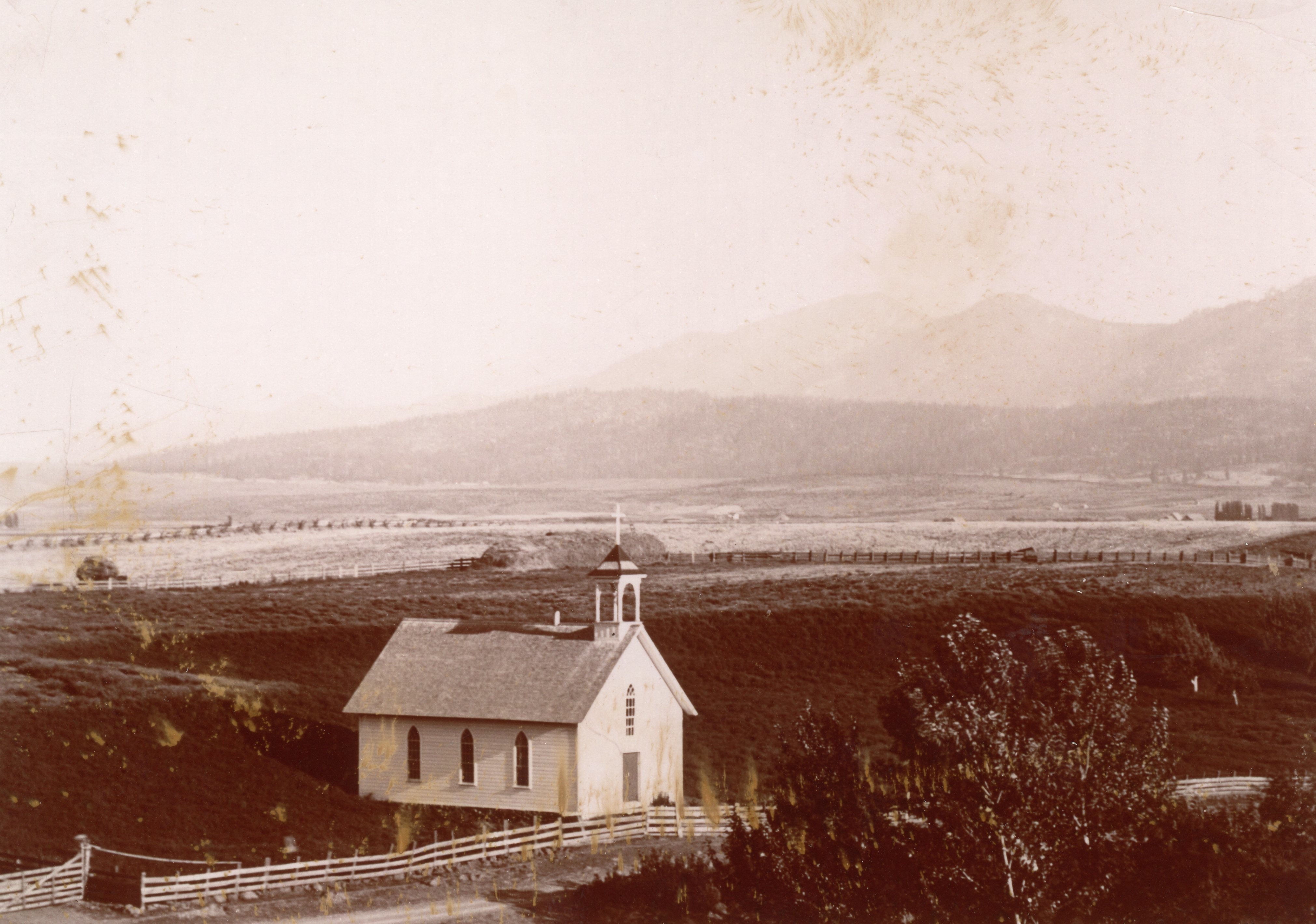
Sacred Heart Church, 1905. Courtesy of Sacred Heart Church

On August 1, 1869 the first Mass to be held in Lassen County was at the home of Ned Mulroney near Susanville, with the 27-year-old Father Charles Lynch officiating. Since a circuit priest had to cover a large territory in Northeastern California and Nevada, Mass in many instances was only held once a year when the priest made his rounds.

In the 1880s with a larger Catholic population, and the Diocese territory smaller, Mass was be held in the Lassen County area twice year. There was also a movement to have their own house of worship instead of the courtroom in the Lassen County Courthouse or the hall in the Steward House Hotel.

This changed in the spring of 1892, when William Cain, a non-Catholic, donated a parcel land across the Susan River on Richmond Road, the current site of Poulsen’s Welding. In May construction began, the labor from church volunteers. As Father Thomas Horgan later recalled the driving force for the church came from three families—Bantley, Neuhaus, and Mulroney.

The new church had a seating capacity of 120, quite ample for their being about 100 parishioners. On June 26, 1898 Bishop Thomas Grace dedicated the Susanville church as the Church of the Sacred Heart.

Subscribe for as a little as $5.00 a month.

Historic Weather Predictions

View of Richmond Road January 1916 from Winchester Hill. Susanville received four feet of snow in January, followed by below zero temperatures. After that it was the beginning of a twenty-year drought, with Honey Lake going dry in 1919, and not filling up until the spring of 1938.

Weather prognosticators are an interesting bunch. Last year was a record crop of acorns, I don’t recall ever seeing so many. Some people took that as a sign that we were in for a heavy-duty winter. We had the opposite, it being fourth driest on record. Continue reading Historic Weather Predictions

T.B. Walker

Westwood
Westwood. Courtesy of Hank Martinez

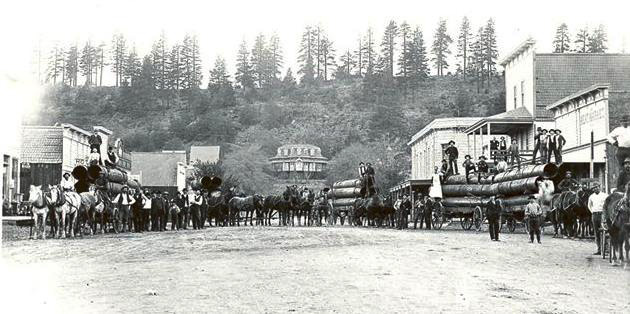
Some may remember when I posed a question earlier, who was the most influential person in Lassen County. Well, it is T.B. Walker, founder of the Red River Lumber Company. His impacts are far and wide, and still lingers today. The historic Lassen County Courthouse came to be with Walker’s influence at the ballot box to pass the bond measure. Off tangent for a bit, there are some who think Isaac Roop is the most revered figure Lassen County has ever experienced. If you look at the record, Roop made a killing so to speak as a realtor, selling land that he did not own. Benevolent and generous, I do not think so, he sold—not donated—the courthouse block, and put in a covenant that if no longer used by the county it reverts back to his heirs. Enough said. Continue reading T.B. Walker

Susanville – Richmond Road

Richmond Road
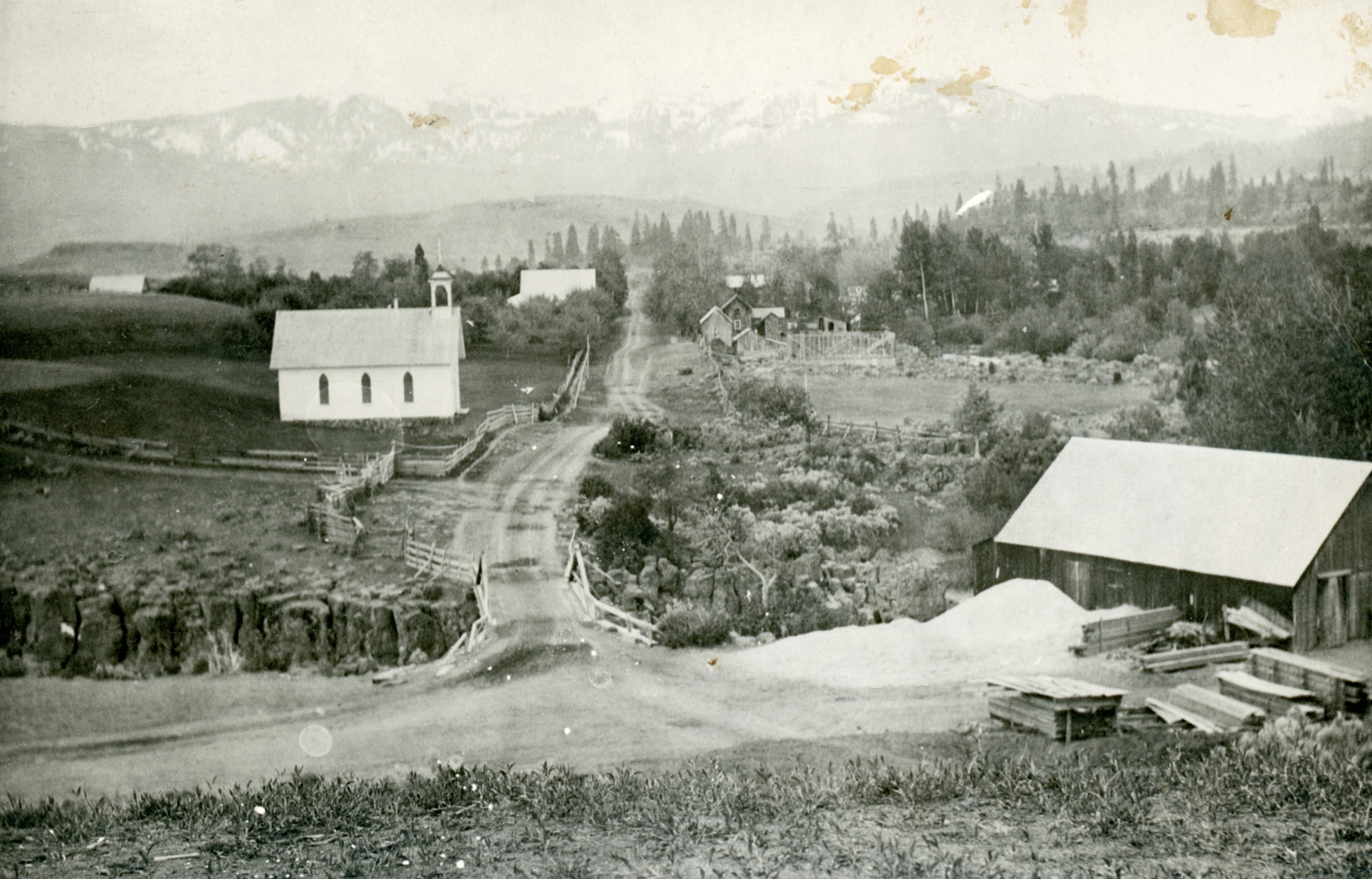
Richmond Road, 1906

Prior to the Fernley & Lassen Railroad’s arrival in 1912, Richmond Road, just across the Susan River was a bucolic dirt road. It consisted primarily the homes of the Cains and Winchesters, with their apple orchards. Though during the 1890s, along the Susan River was the town’s first Catholic Church, its Chinatown and of course the iconic landmark Arnold Planing Mill. Continue reading Susanville – Richmond Road

Susanville’s Bandstand

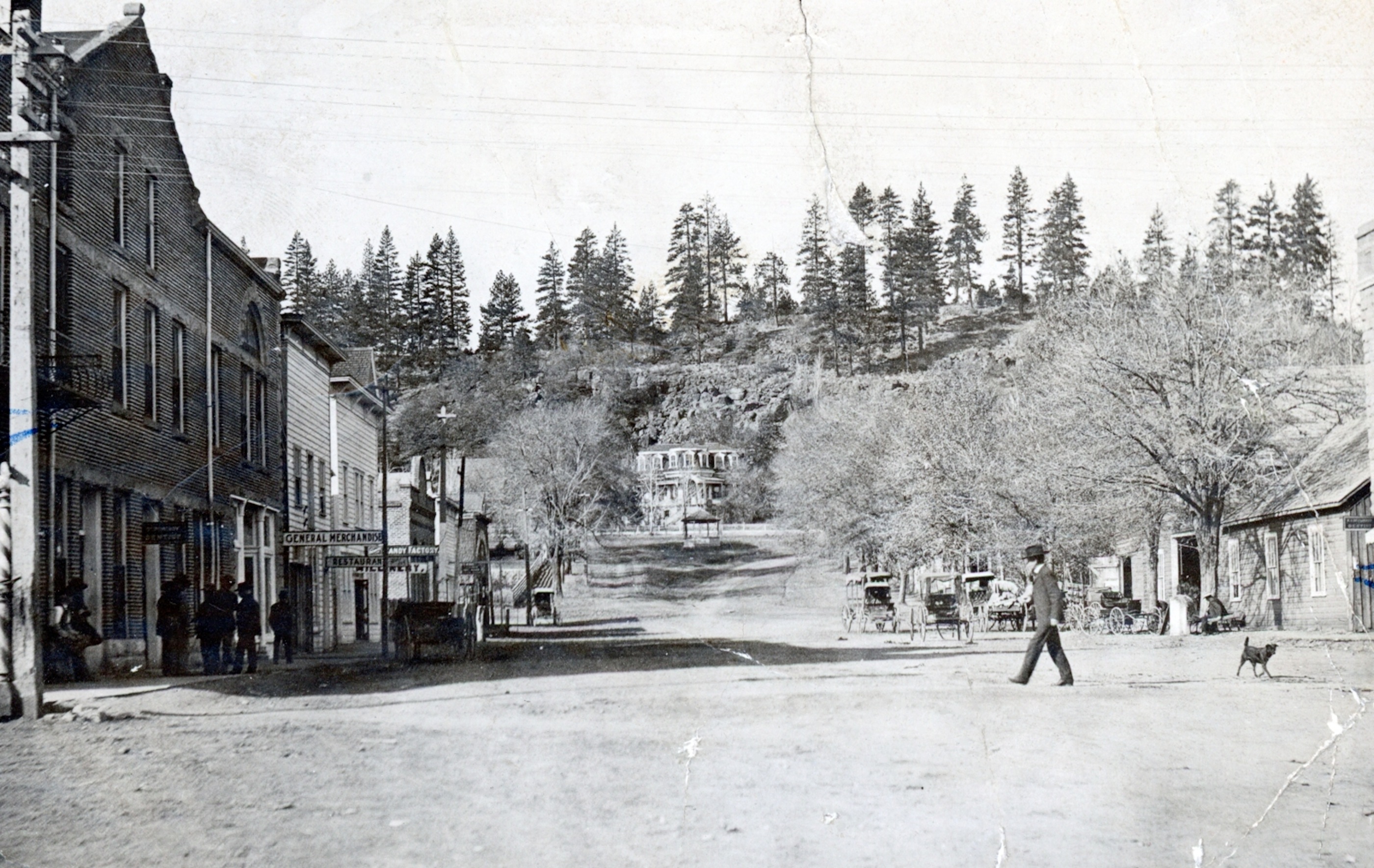
Main Street, 1906
Looking west on Main Street, at Lassen, 1906. You can see the bandstand in the background. By the way, the gentleman crossing the street is Dr. W.E. Dozier. Photograph courtesy of Betty Barry Deal

A little known fact is that Susanville had its own bandstand. It was located at the top of Main Street. It was through the energetic efforts of the Mountain Echo Band. In September 1902, the octagonal bandstand was constructed and even adorned with electrical lights. On September 14, 1902, the bandstand was dedicated by the Mountain Echo Band  with their first concert. Two weeks later it was focal point of royal pageant during the county fair.  A few years later the Mountain Echo Band disbanded and the bandstand fell into disrepair. By 1906, one observer said the relic had become eyesore on the community. In 1908, it was torn down.

Subscribe and support this site for little as $4.17 a month.