Tag Archives: Fruit Growers Supply Company

It can happen anywhere

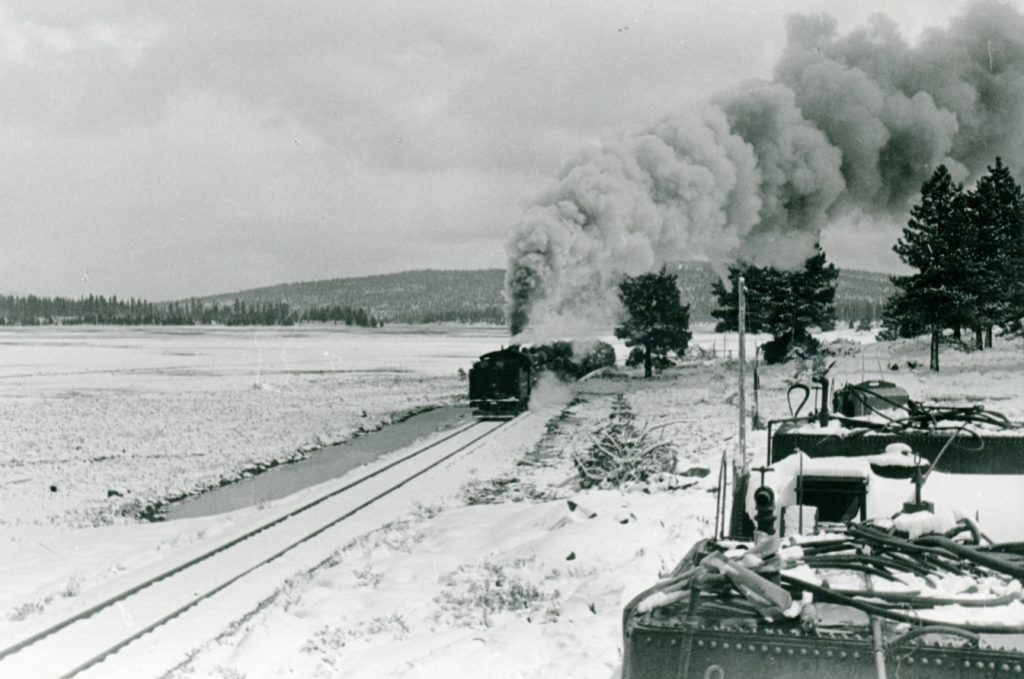
Fruit Growers log train, Pine Creek Valley, 1940.

“Dishes rattled, stove pipes were disjointed, cabinets and beds danced to a merry tune Sunday night [March 9, 1930]” from an earthquake according to the reported call  of the caretaker at Camp 7 of the Fruit Growers Supply Company.   Camp 7, it should be duly noted was located at Bridge Creek Springs, located between McCoy Flat Reservoir and Pine Creek Valley.

The whole region is earthquake country, though not as volatile as other places, one never knows where they may occur.

Subscribe!
Used millpond for sale

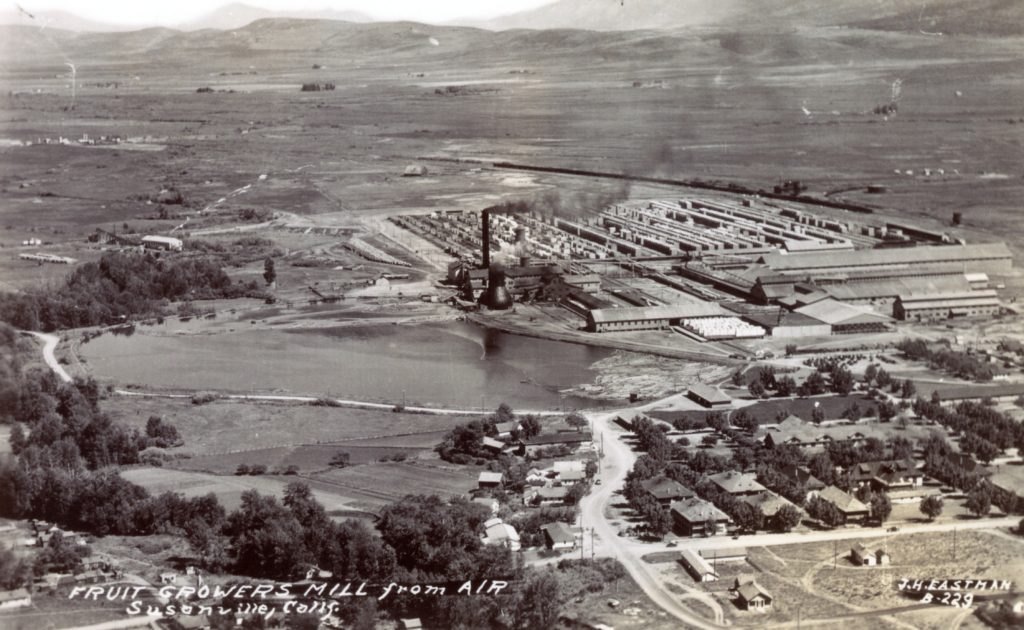
Fruit Growers Supply Company, 1936

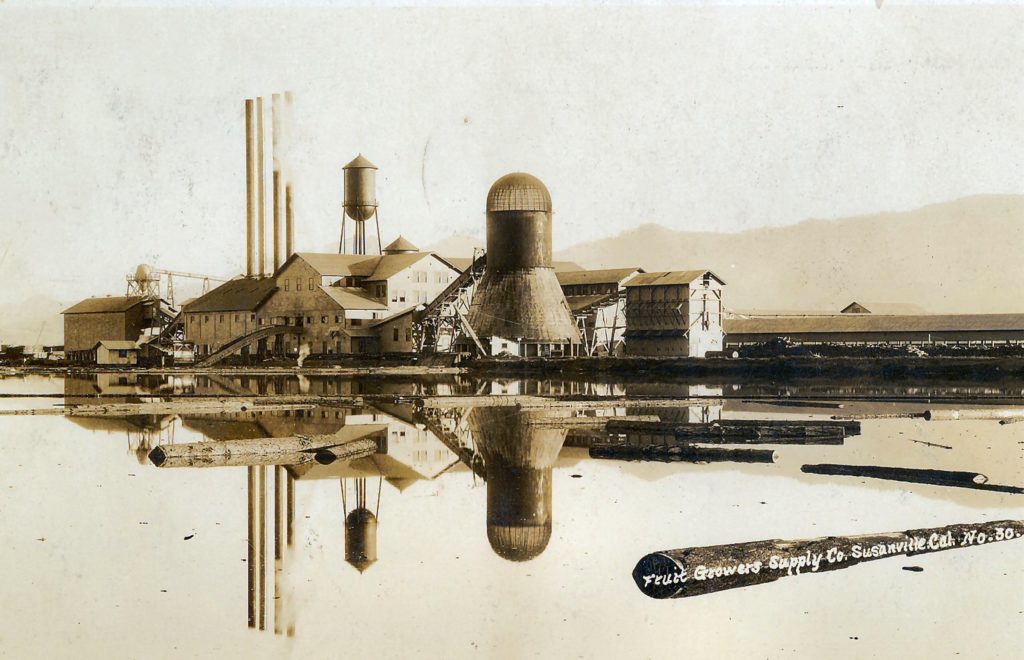
Smith Properties, a Susanville real estate firm, has a for sale sign at the former millpond of Fruit Growers/Sierra Pacific Industries located along Riverside Drive. Even though I do have an inquisitive mind, I have not been able to bring myself to place an inquiry. First of all, I am not even sure what can be done with the property. It should be noted that Fruit Growers purchased the twenty-acre millpond site in 1919 from George and Pearl Bassett for $9,500.

Donate or Subscribe

Sierra Pacific closes Susanville mill

Fruit Growers Supply Company, 1922. Forty-one years later it sold to Eagle Lake Lumber Company.

With little fanfare on May 3, 2004 Sierra Pacific Industries closed its Susanville mill. In a certain way it was a momentous event considering there had always been at least one sawmill in operation since 1857. This particular mill was constructed in 1921 by the Fruit Growers Supply Company to provide wooden boxes for its parent company, best known today as Sunkist. In 1963, Fruit Growers sold the mill to the Eagle Lake Lumber Company which would eventually evolve into Sierra Pacific Industries.

Donate

Riverside Park, Susanville

Story Club, 1924. Courtesy of Lola L. Tanner

The background behind Riverside Park is unique. Prior to the park’s creation, it was home to the Fruit Growers Supply Company’s Story Club, a recreational center for its employees. It was destroyed by fire in 1944. Instead of replacing the structure, Fruit Growers converted the parcel into a park for its employees, and the public, too.

In 1963, Fruit Growers sold its mill properties, which included the park, to Eagle Lake Lumber Company. The City of Susanville, it should be noted took care of the park’s maintenance.  In 1976, A.A. “Red” Emerson, president of Sierra Pacific Industries, of which the Eagle Lumber Company was a division, offered the park to the City for $23,000. It had recently been appraised at $45,000. The City accepted the offer and by end of the year the deal consummated.

Subscribe!

A Negative Question In A Good Way

Negative envelope from A.H. Bosworth, a Fall River Mills merchant.

Every day is a new learning process and some times I grasp what is in front of me, other times it just takes a bit longer to learn something new. One of my quandaries for some time is the scanning of old photograph negatives. I mean old, not your typical 35mm or 2 1/4x 21/4. These negatives are 6 inches by 3 inches, plus some other sizes, from the 1910s and 1920s.

I have thousands of negatives from that time period. For example I have nearly 1,000 negatives of professional photographer O.O. Winn taken from 1920 to 1923 of the construction and initial operations of the Fruit Growers Supply Company. I have hundreds of Lola L. Tanner’s negatives from 1915-1925 of Eagle Lake and Willow Creek Valley.  Recently, Richard Goudy of Chico asked for assistance with his family photographs of the time era mentioned that are of the Milford and Westwood areas.

My question is does any one have any experience with this, or know some one that has?

Thanks.


A Lonely Job

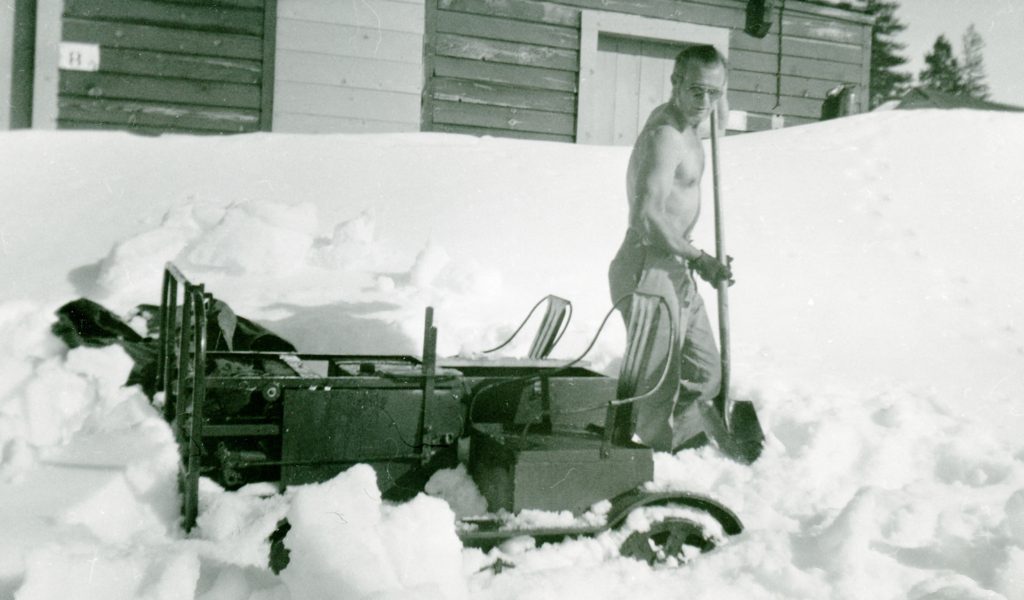
George Moore digging out a speeder at Camp 10, January 10, 1952.

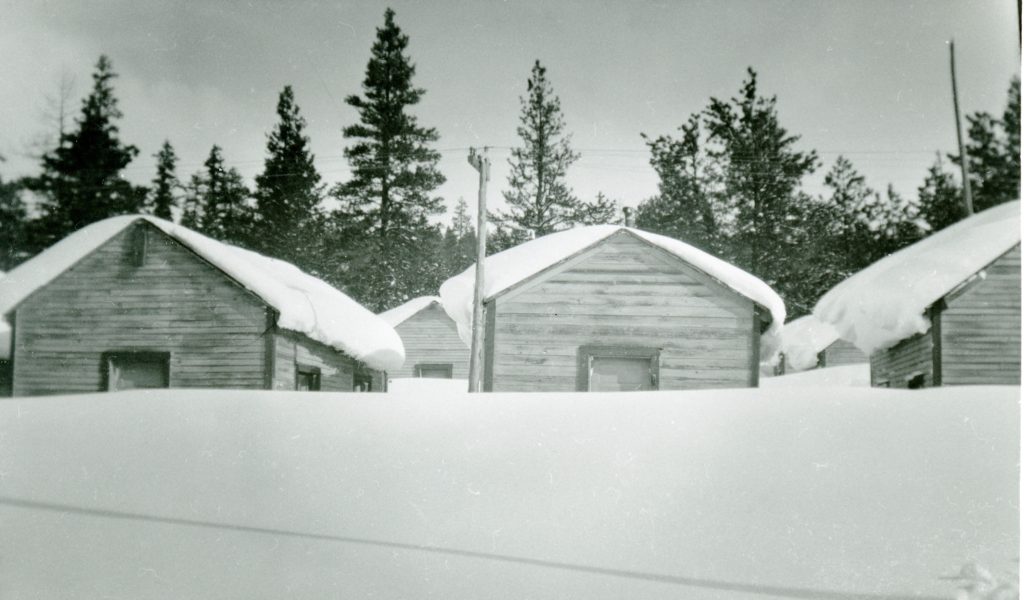
Fruit Growers Supply Company’s Camp 10, located in Pine Creek Valley, west of Eagle Lake was a lively outpost from spring through fall, where over 200 people called it home. For a time it could even boast its own voting precinct. Yet, when the logging season ended, Camp 10 was de-populated, except for one lone soul. A caretaker was hired to keep an eye on everything. In the winter of 1951-52, George Moore was Camp 10 sole resident. The position would soon be eliminated as at the end of the 1952 logging season Camp 10 closed for good.

Subscribe!

Camp 10 cabins, January 10, 1952.

Fruit Growers Supply Company

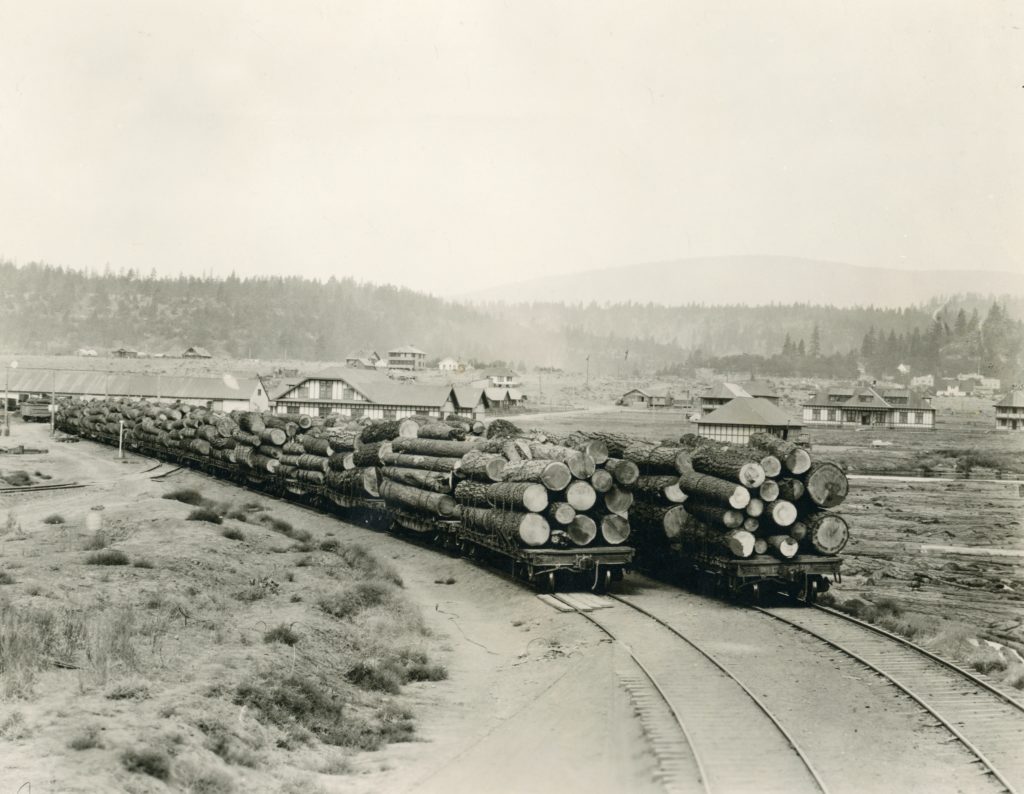
Fruit Growers Supply Company, 1921
Today’s featured photograph is train load of logs arriving at the Fruit Growers Supply Company mill in Susanville. It was taken in 1921, the same year the plant opened. Notice how very little had been developed nearby. Two buildings with a Tudor style like facade were the office and dining hall. Today it is now the site of Riverside Park.

Donate!

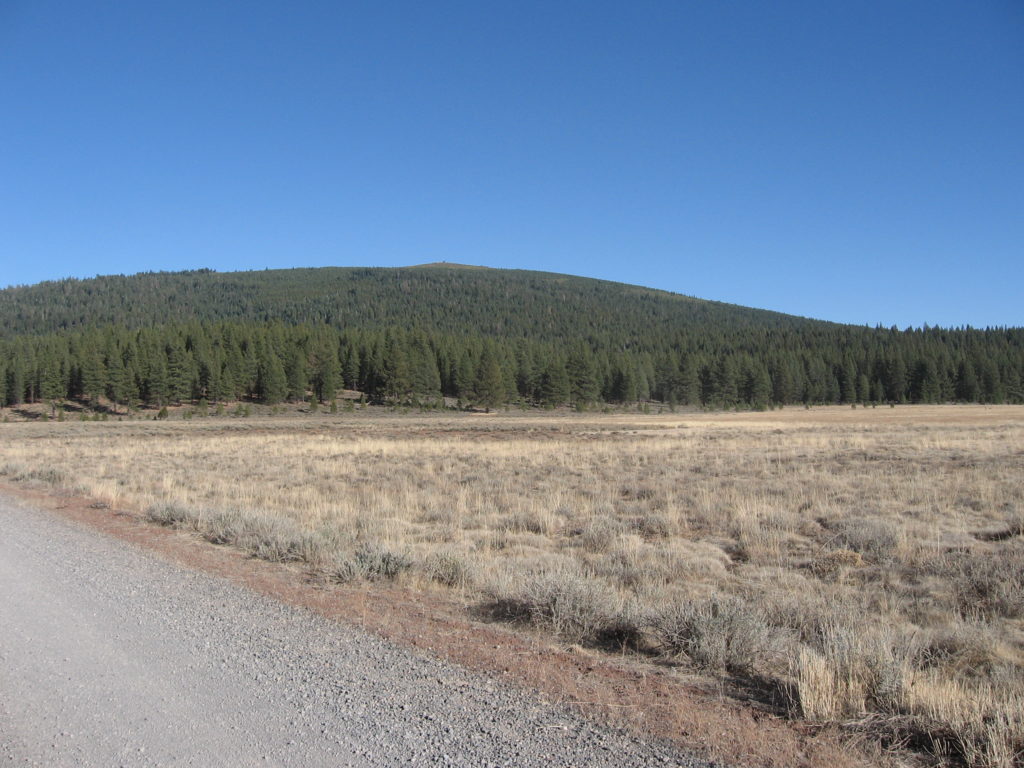
Name that mountain – The answer

October 13, 2017

Antelope Mountain on the west side of Eagle Lake. On July 28, 1924 a fire broke out from a steam donkey engine of the Fruit Growers Supply Company near Camp D. In the aftermath Fruit Growers constructed fire lines. The Lassen National Forest sent a bill to Fruit Growers for $156,000. In a negotiated settlement Fruit Growers agreed to replant 2,000 acres of forest service land and to contribute $1,500 annually for a ten year period for reforestation.

Changing Times

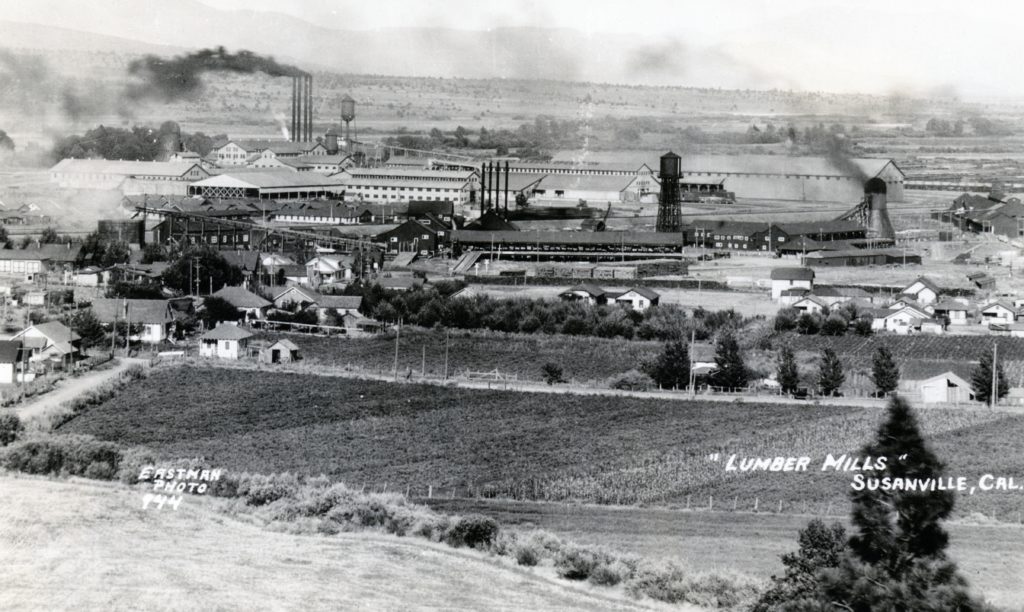
Fruit Growers and Lassen Lumber in their glory days.
Lassen Lumber & Box was the first large scale lumber company established in Susanville in 1918. Forty-five years later, it was history. The economic depression of the 1930s took a toll on the company, and never truly recovered. In 1951, it began the liquidation process and its neighbor, Fruit Growers Supply Company, purchased it and when the last logs were milled, it shut down. Fruit Growers purchased it for the water rights, as they thought about converting their nearby sawmill into a paper/pulp plant. After all, in 1955 Fruit Grower’s co-operative members would switch entirely from wood to cardboard, except for picking boxes.

This added fuel to the debate that the area’s economy needed to diversify, for one day the sawmill industry would become a thing of the past. This opened the subject for debate about attracting a state prison to the area.

Subscribe!