Category Archives: History

Virginia City Mine Engineer to the Rescue

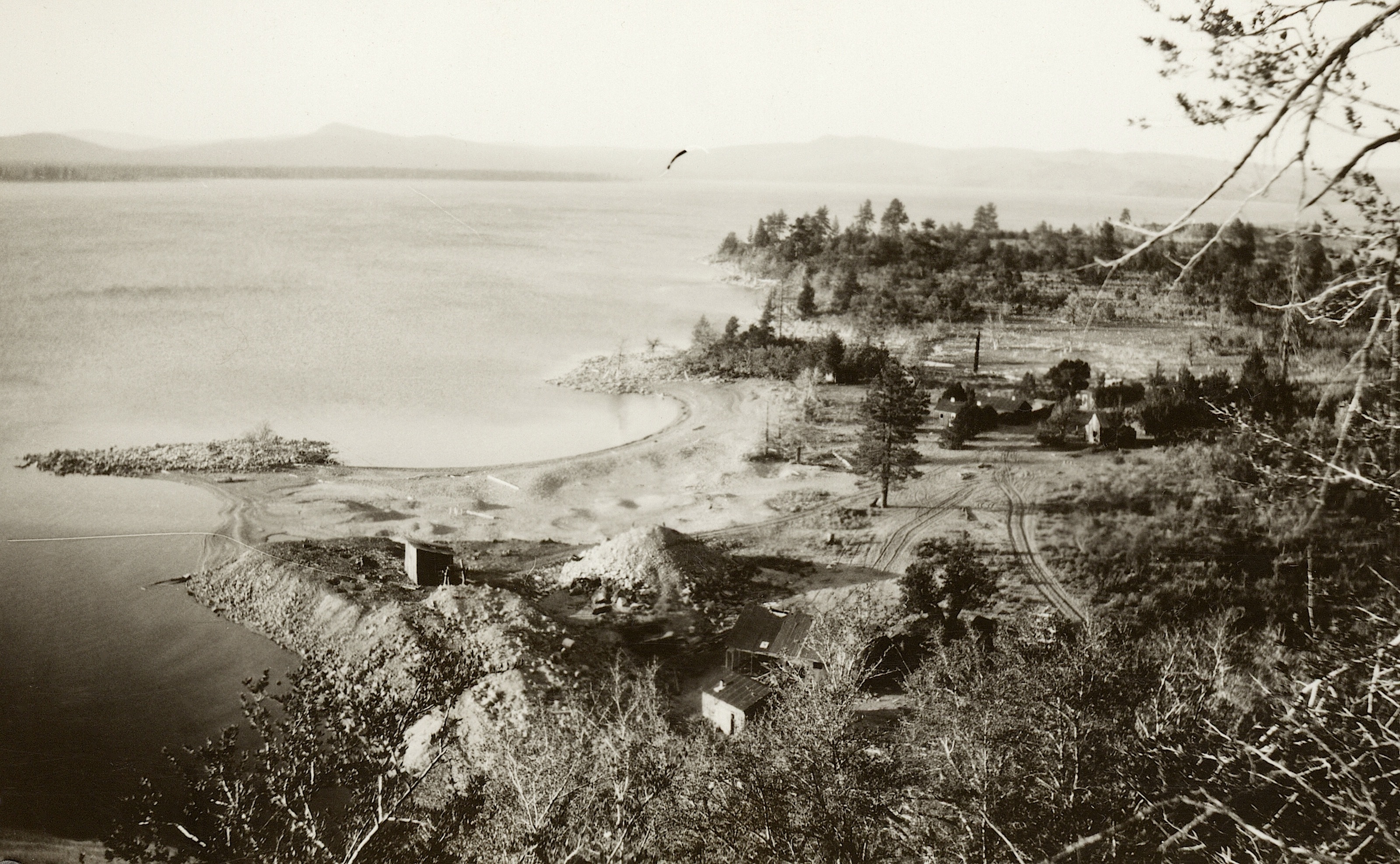
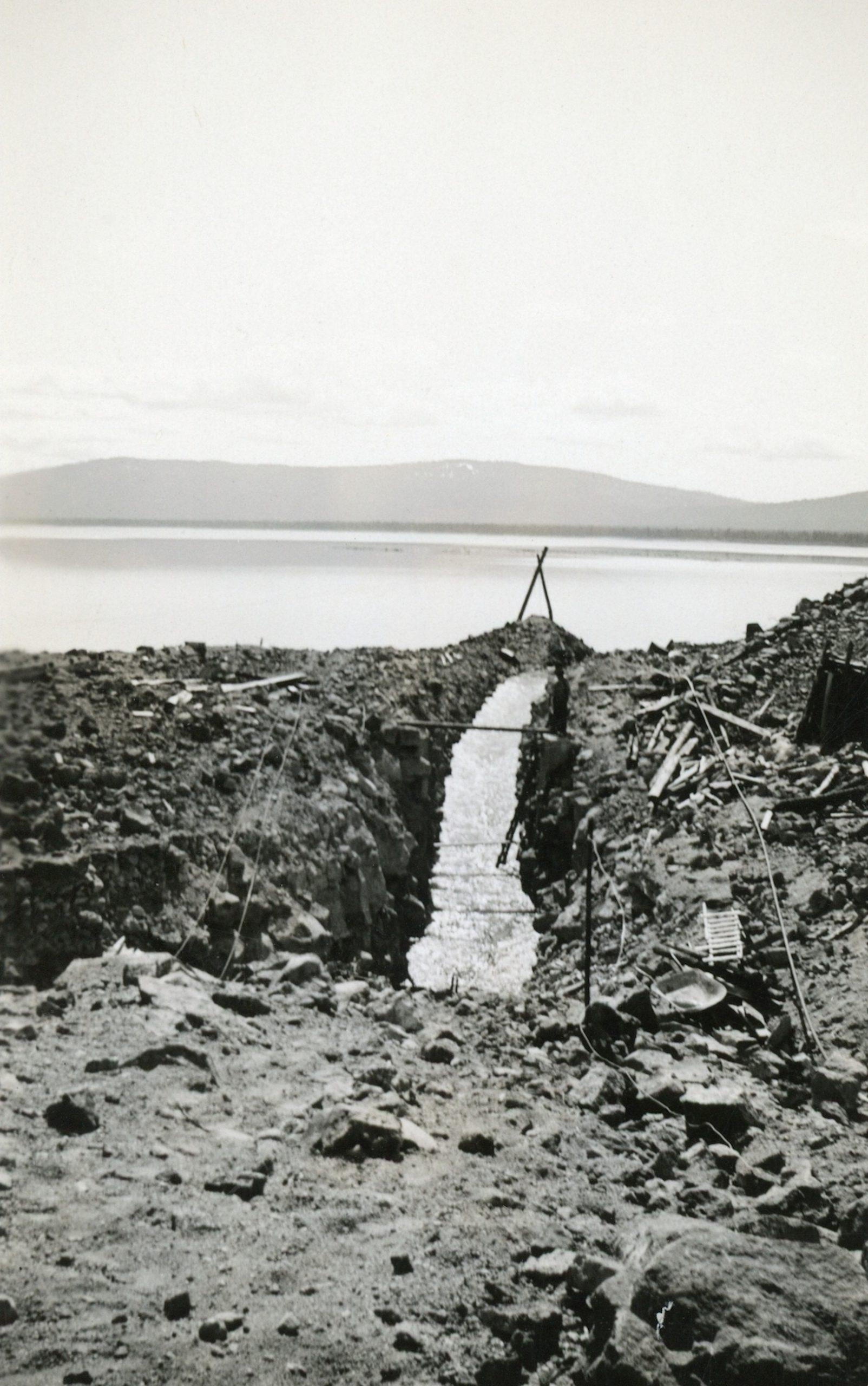
Deepening the inlet channel, Bly Tunnel.

Desperate times, calls for desperate measures. This was the predicament the Tule and Baxter Creek Irrigation Districts were dealing with in 1928, with the problems associated with the Bly Tunnel at Eagle Lake. What had transpired was when Leon Bly contracted with Grant Smith Company the inlet was to be eight to nine feet below the lake surface. That company encountered solid rock and only did three below the surface, thus not an adequate supply of water.

On the first go around the districts hired a contractor to correct the problem by lowering the inlet by five feet, but the contractor failed to do so.

In the summer of 1928 the districts consulted with Alex Wise, the superintendent of the three largest mines at Virginia City, Nevada. Wise agreed to examine the Bly Tunnel, and was sympathetic about the district’s plight and waived his standard $200 a day fee, but asked the districts to pay for his travel expenses.

Wise said it was feasible to lower the intake by ten feet. He estimated the cost at $35,000. Before the work could move forward the districts and the bondholders would have to agree and on top of that figure out how to finance it.
Subscribe

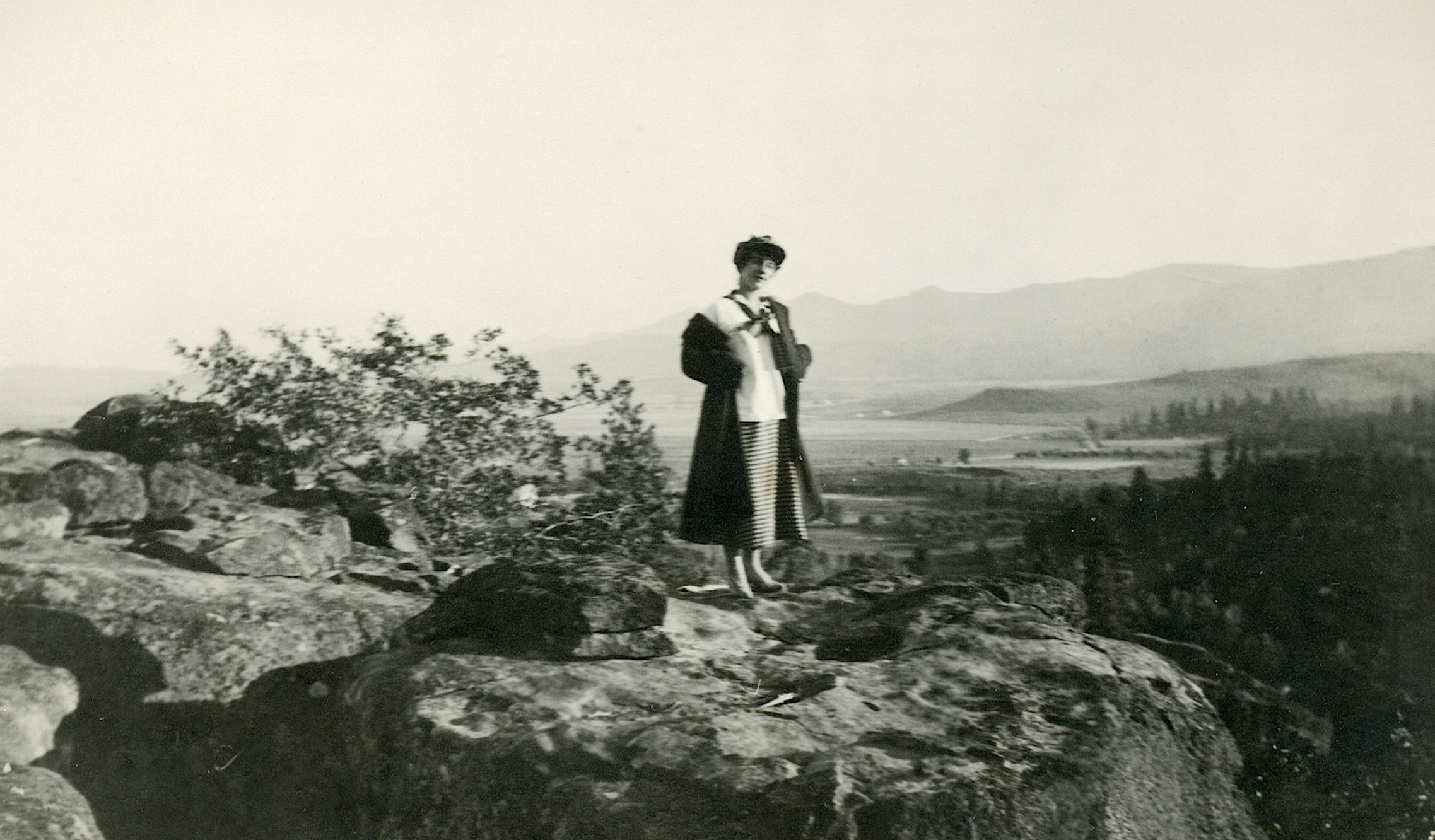
Inspiration Point, 1919

Mary Fern Long posing at Inspiration Point, 1919

As of March 1, meteorologically speaking is the first day of spring. So with that in mind, I am going to add a spring in my step, and step away from scanning photographs for the Tuesday tidbit for awhile, because I am also experiencing technical difficulties in that department.

What is interesting about this photograph of Susanville’s Inspiration Point, is that prior to the 1930s when the “point was developed” the best natural spot were the flat boulders before approaching the point we know today. The next time you happen visit, take in the surroundings and notice the difference. By the way, when looking  down to see the Susan River, it just happens to be the natural divide between the northern Sierra and southern Cascades.

Tim

What Kind of Occupation is This?

Hayden Hill Cemetery, 1909–Dallas & Joyce Snider

In my years of research, I constantly learn something new. Numerous occupations of the past century no longer exist, while new ones are created. Examining early death and voter registration records one never knows what might appear. Take the case of Hayden Hill resident, Mable Gallagher. Alas, I have never been able to learn much about her. She died on December 31, 1903 at the tender age of 30 from pneumonia. She is the only personI have ever come across to have an occupation listed as the “sporting life.” She carries another distinction as she was buried in the Hayden Hill Cemetery.

Tim

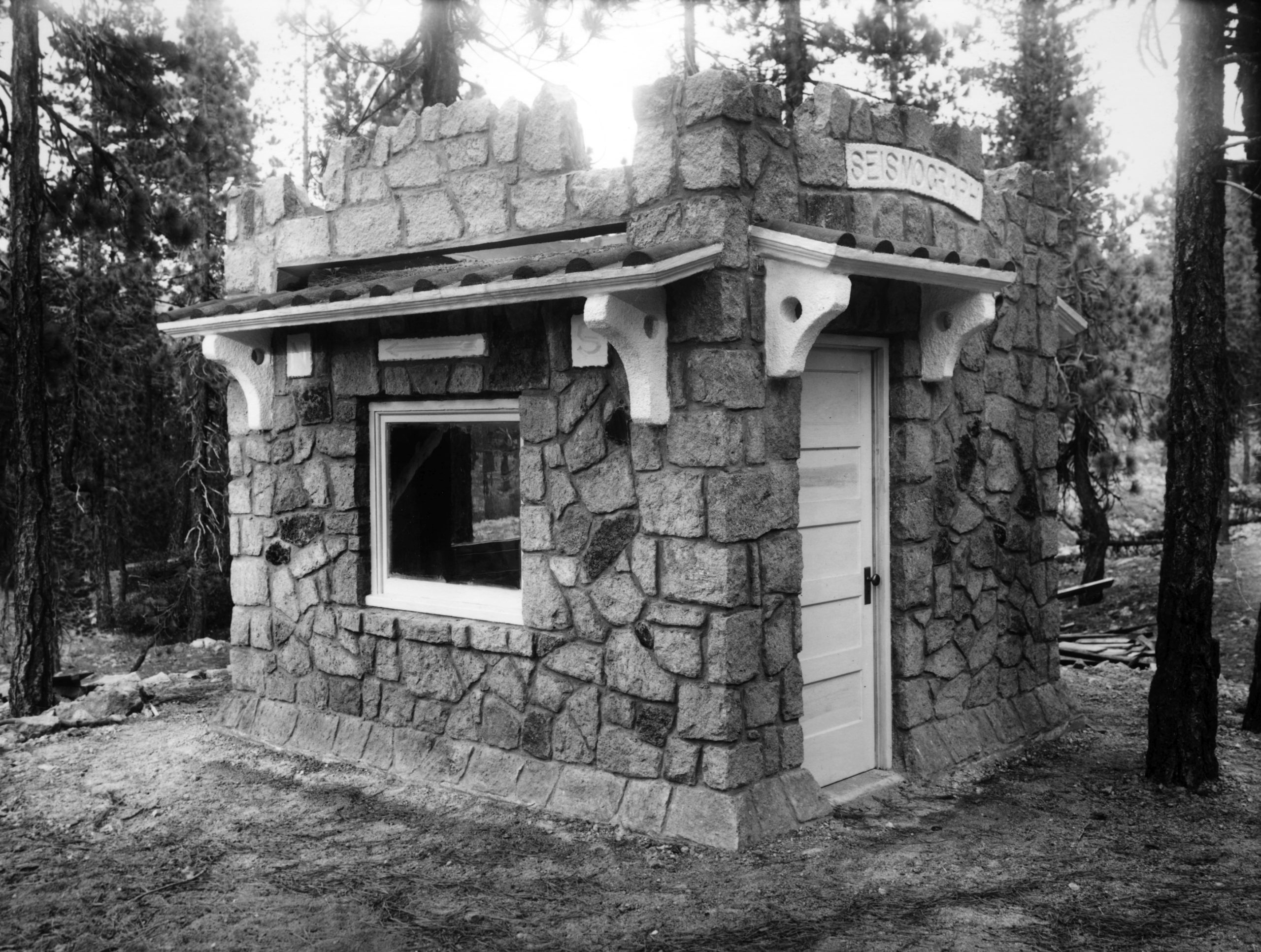
Lassen Park’s Seismograph Station

The Seismograph Station, 1930—National Park Service

During the 1920s, the volcanic activity at Lassen Peak had greatly diminished. However, that did not mean that interest lessened. Dr. Thomas A. Jagger, a leading volcanologist of that era, had plans for Lassen. In June 1925, he visited Lassen Park to address a congressional delegation that was on a fact-finding trip. He urged that funding be appropriated so that Lassen Peak could be monitored, as had been done in Hawaii. His request was granted, and in July 1926, he announced the forthcoming establishment of the Lassen Volcanic Observatory by stating, “We intend to have the observatory in operation by September 1. By placing an observatory at Lassen the government indicates the importance of carefully recording all data concerning active volcanoes.” In September the observatory became a reality under the auspices of the United States Geological Survey (USGS) which put R.H. Finch in charge. Seismographic instruments were installed at Manzanita Lake and Mineral. A third machine was placed in the fire lookout on Mount Harkness when the lookout was built in 1930.  The USGS closed the observatory operations in 1935.

On a final note Jaggar stated that Lassen Peak’s next eruption would occur on its southwestern flank.

Subscribe

Alfred Montgomery, the Farmer Artist

Nowhere
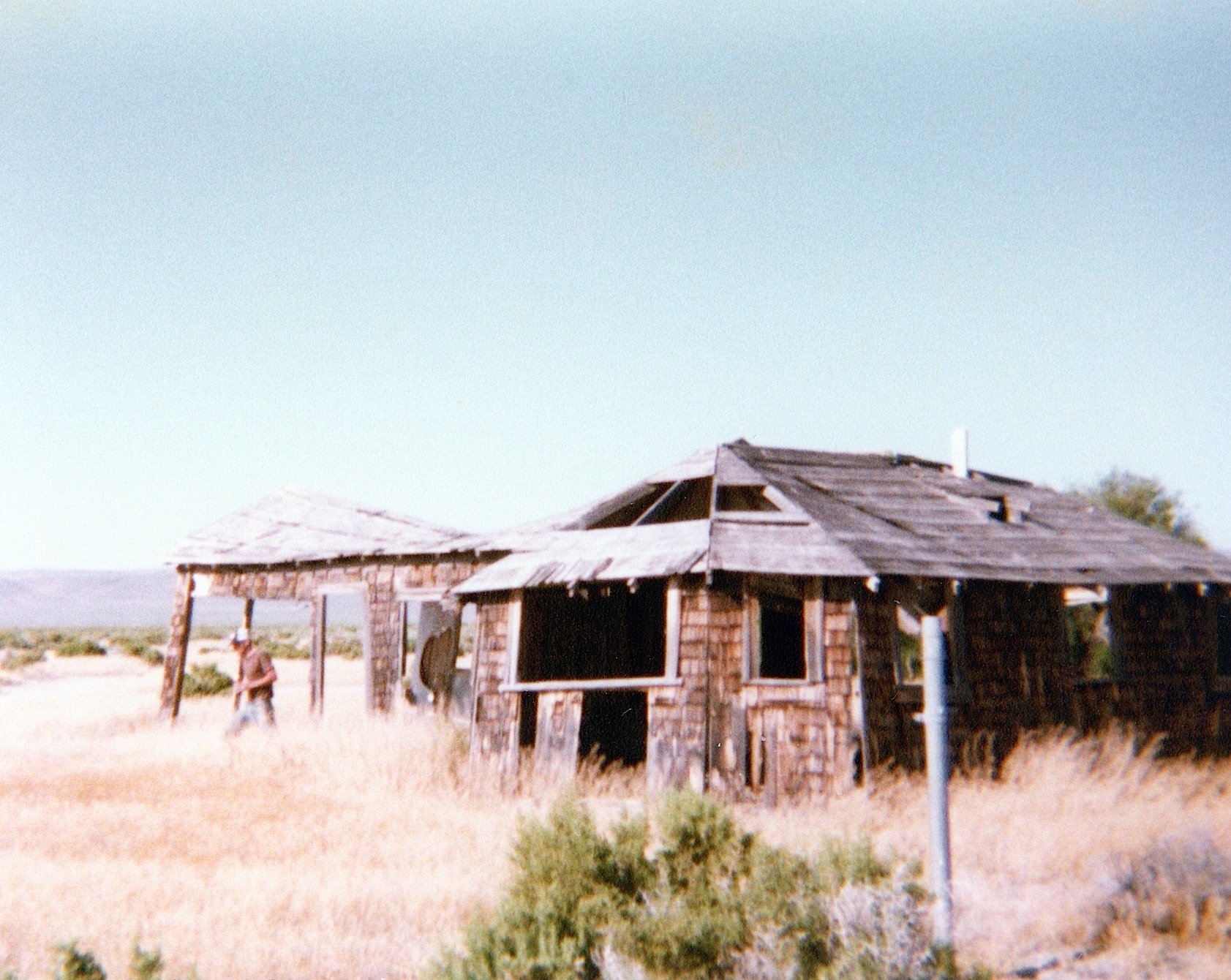
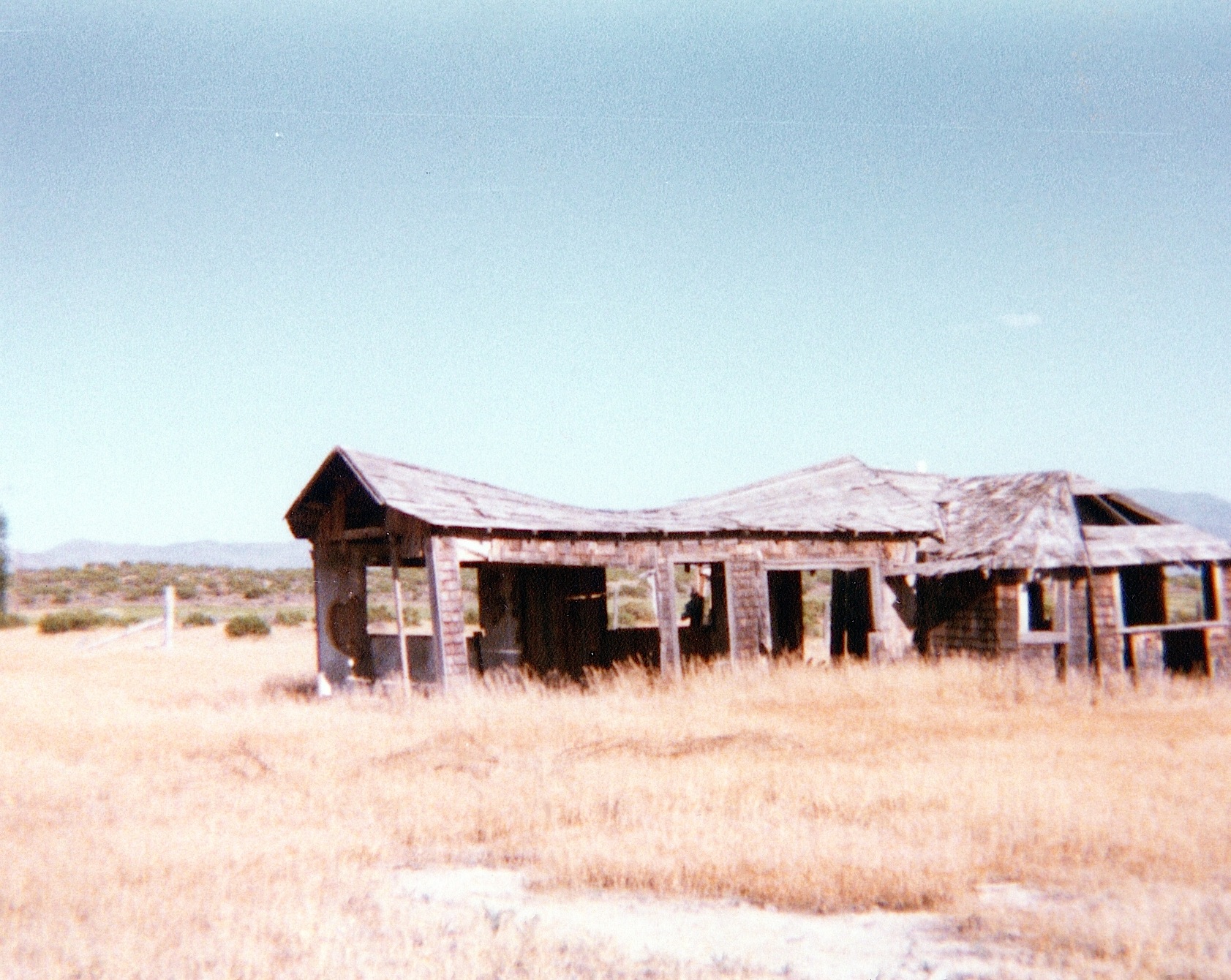
The abandoned Montgomery homestead, eastern Honey Lake Valley, 1983

Every region throughout time has various colorful characters—some passing through, others become part of a community’s fabric. One such notable was the famed Midwest Farmer Artist, Alfred Montgomery (1857-1922). According to folklore, it was attributed that Montgomery’s painting of corn was so realistic that birds would swoop down and peck at his canvass.

In the Midwest, Montgomery, like many a struggling artist, travelled around a lot. In 1911, when traveling back home to his family in Illinois, he was accompanied by a lady friend. His. wife, not pleased with the surprised guest, filed for divorce. All of sudden, Montgomery packed his bags and relocated to Los Angeles. Before he was settled in Southern California, he was looking at a homesite on the east side of Honey Lake. In the fall of 1911, Montgomery did two things in Lassen County—he located a desert land claim south of Amedee, and he held a lecture series at Lassen High School, which he had display of paintings worth $10,000 as part of an exhibit. There was a twenty-five cent admission, with all the proceeds going to the school  to establish an art department.

Another view.

In the spring of 1912, Montgomery hired local contractor Fred Rummel to construct a home on his place he dubbed Nowhere. Montgomery, like in his days in the Midwest, would come and go as he saw fit. However, on June 6, 1919, the Lassen Mail reported: “A. Montgomery, ‘the painter who farms and the farmer who paints’ arrived recently from Los Angeles and will spend the summer at his claim south of Amedee. He is now conducting a series of experiments to determine the kind of vegetables best adapted to the soil in that locality.  He is firmly convinced that peas, brans, Soudan grass, pumpkins and barley will prove successful, but admits with regret. that is old favorite, pie plant, cannot be raised there on the amount of the mineral salts in the soil.”

After this there is no record of Montgomery returning. When he passed away in 1922, a number of accounts referred to his place at death at Nowhere, which confused a lot of people, when in fact he died in Los Angeles.

Subscribe

A Polish Colony for Grasshopper?

The former Gerig Ranch, Grasshopper Valley—California Outdoor Properties, 2019

In early November 1928, the major daily newspapers in Sacramento,  San Francisco and elsewhere reported on a proposed plan of a grand colonization scheme for Grasshopper Valley on the old Gerig Ranch. It would a Polish settlement of some 5,000 people. The primary occupation would be dairy farming and that it would include a cheese factory. Some of the reports were sketchy but it was noted there would a be five churches established there. Lassen County residents found the whole matter absurd.

Because of the extensive news coverage, it alerted the State Colonization Bureau to investigate. This state agency’s primary duties was to inspect all colony proposals to make sure that they were not fraudulent land schemes to bilk immigrants.

On December 26, 1928, 210 Polish colonists arrived in California, but instead of inspecting Grasshopper their itinerary was Stanislaus, Tulare and Merced counties. The Grasshopper project was abandoned.

Subscribe

A Susanville Critique

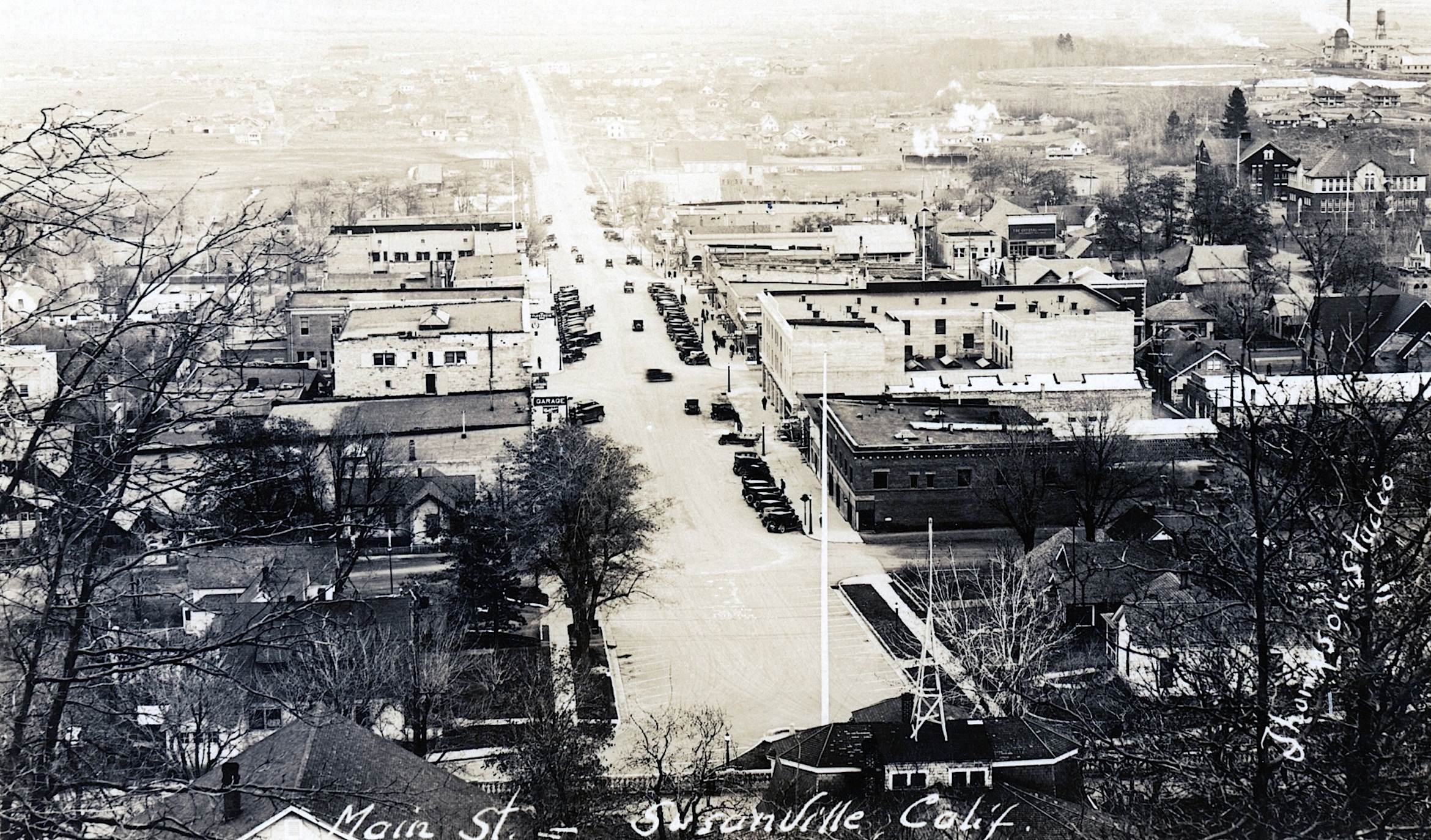
Main Street, Susanville, 1926.

In the spring of 1928, the newly formed Susanville Businessmen’s Association first undertaking was to review the City of Susanville’s finances. It was in their opinion, operating the city was just too costly. A committee of five—L.R. Cady, B.F. Lyle, Hardin Barry, A.J. Mathews, J.A. Pardee—were appointed to investigate the matter.

In their report, they wrote: “There has been a general idea that the cost of our city government is excessive. Your committee secured comparative figures from towns of somewhat similar characteristics, such as Alturas, Yreka, Nevada City and Lakeview, Oregon. In each instance although the cost of city government in these towns was materially lower than the cost of the administration of affairs of Susanville, in the brief time at our disposal it was impossible to make an intelligent comparison in as much as it appears that possibly Susanville is receiving a service such as the other towns in question do not apply. Whether or not we are getting the value received for the money expended is difficult to determine without a more thorough investigation, therefore we would respectfully recommend to the incoming board of trustees that they give this matter such necessary attention as will permit them to arrive at an intelligent conclusion with reference to the cost of government in Susanville.”

In the end, they had a hidden agenda. They did not like the special property assessment for the paving of streets and for sidewalks. However, in time, they realized having paved streets and sidewalks was a worthwhile investment.

Subscribe

1928-A Pivotal Year for Eagle Lake

Grant Smith’s tunnel works, Eagle Lake, 1922–Courtesy of Lola L. Tanner

Each week for the month of March will bring to light a number issues concerning Eagle Lake. In 1928, Susanville’s two newspapers—Lassen Advocate and Lassen Mail—vigorously reported on the status  of the Bly Tunnel and related topics. There is the account of a well known Virginia City, Nevada mining engineer who inspected the tunnel. There was after the engineer’s recommendations how to finance the corrective measures. Then, the issue of the lake’s water alkalinity content was a major concern, that the University of California, Berkeley examined. There was a lot of hope riding among the members of the irrigation districts who struggled with the bond payments, but burdened without an adequate supply of water from the lake to sustain their farms.

Tim

An NCO Passenger Car

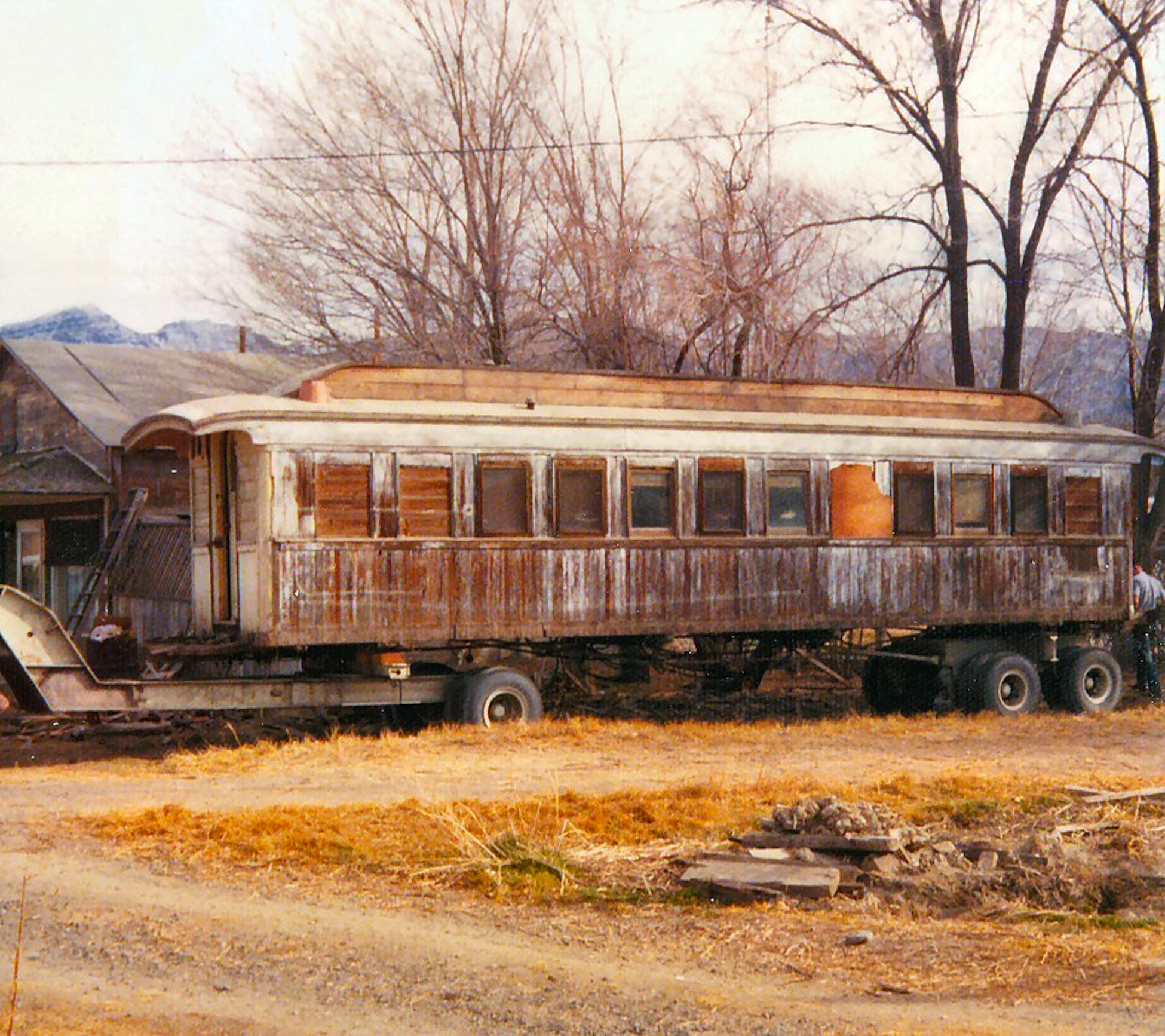
An NCO passenger car at Wendel being prepared to move, 1974—Tom
Armstrong

If you recall a Tuesday tidbit of two weeks ago, I wrote about the
NCO private car the Lakeview. In this instance, like the earlier, the handy notes are not handy on this railroad car . In November 1974 Tom Armstrong took this photograph. The defacto mayor of Wendel for many decades was the grand dame, Aldah Reisenman. Aldah had many rentals in Wendel and for a time this old NCO passenger car, was one, which she sold and was being hauled away when Tom captured the moment.

I have received some new information about the Lakeview which I will post in an update in the near future.

Tim


Susanville, 1939

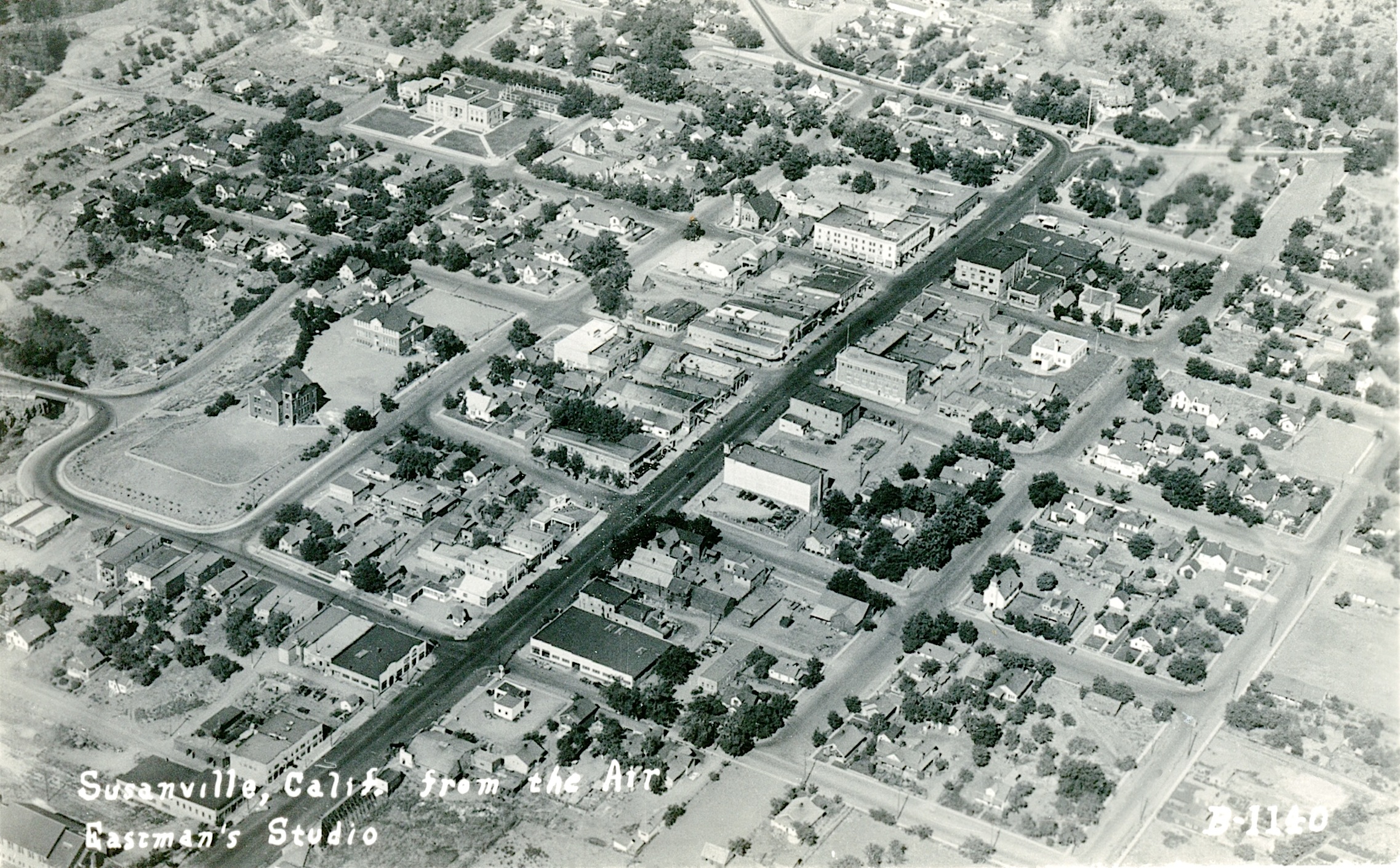
Susanville, 1939

This Eastman postcard I purchased awhile back on Ebay, the price in my range of $5.79. There were several items after reviewing allowed me to figure out when it was taken. The Christian Science Church on the corner of Mill and South Lassen Streets was constructed in 1938. Also built that year, was the Purity Grocery Store on South Lassen Street across from the Methodist Church. Both buildings, by the way, still exist, just under different ownership.

On South Roop Street, where the current Lassen Municipal Utility District building is located, appears as a vacant lot. Work on the construction of that building started in the fall of 1939. It should be noted that building was originally constructed for Safeway.

Tim