Category Archives: History

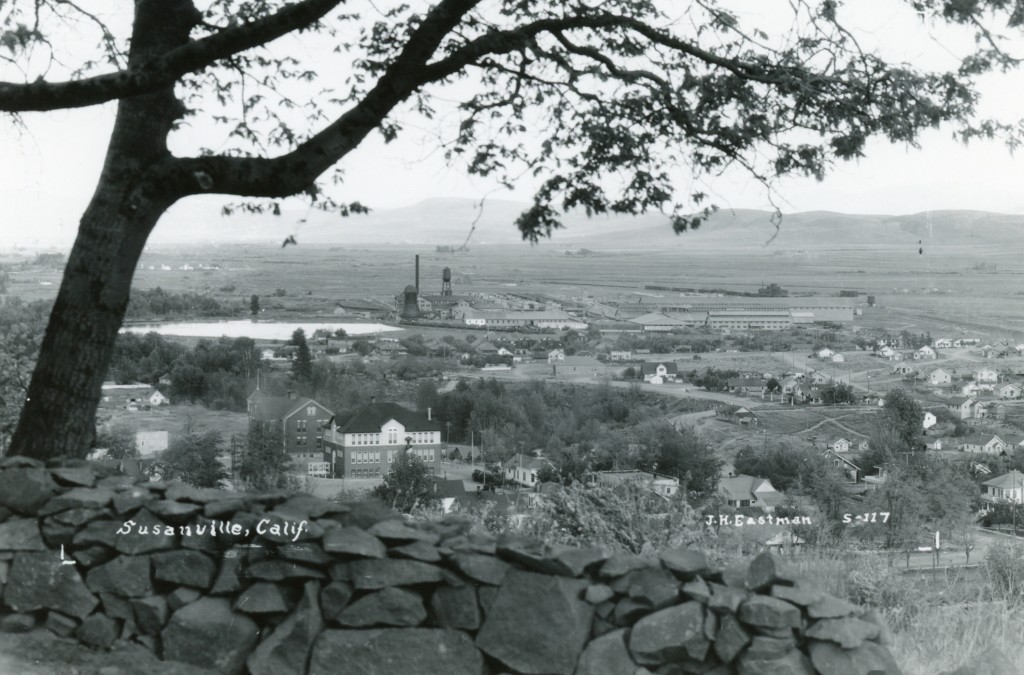
Standish School

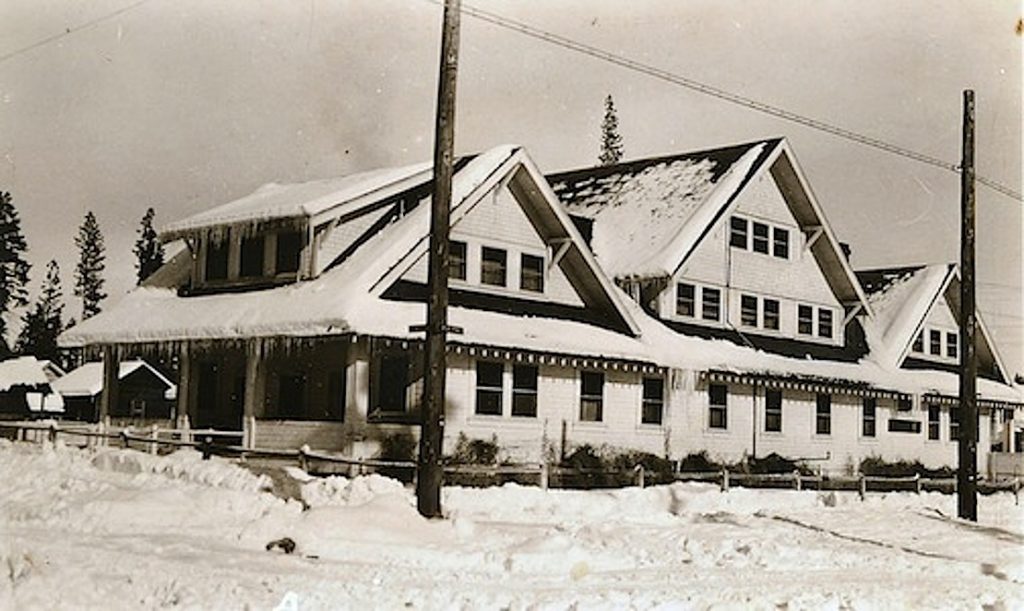
Standish School, 1911. Courtesy of Esther McClelland

The school district was created on January 5, 1906. That summer the Wilbur Brothers constructed a $1,300 schoolhouse. On July 1, 1951, the residents of the Bridgeport, Soldier Bridge and Standish School Districts agreed to consolidate and form the Shaffer Union School District. The Standish School was subsequently closed.

It should be noted the Wilbur Brothers also built the Honey Lake and Missouri Bend schools, and all three are similar in design. Honey Lake school has been converted into a residence and no longer recognizable. Missouri Bend is still intact, and for awhile it has been used as a private school.
Never miss a story, click here.

Lassen College’s Paul Bunyan Days

Couresy of D.B. Martin
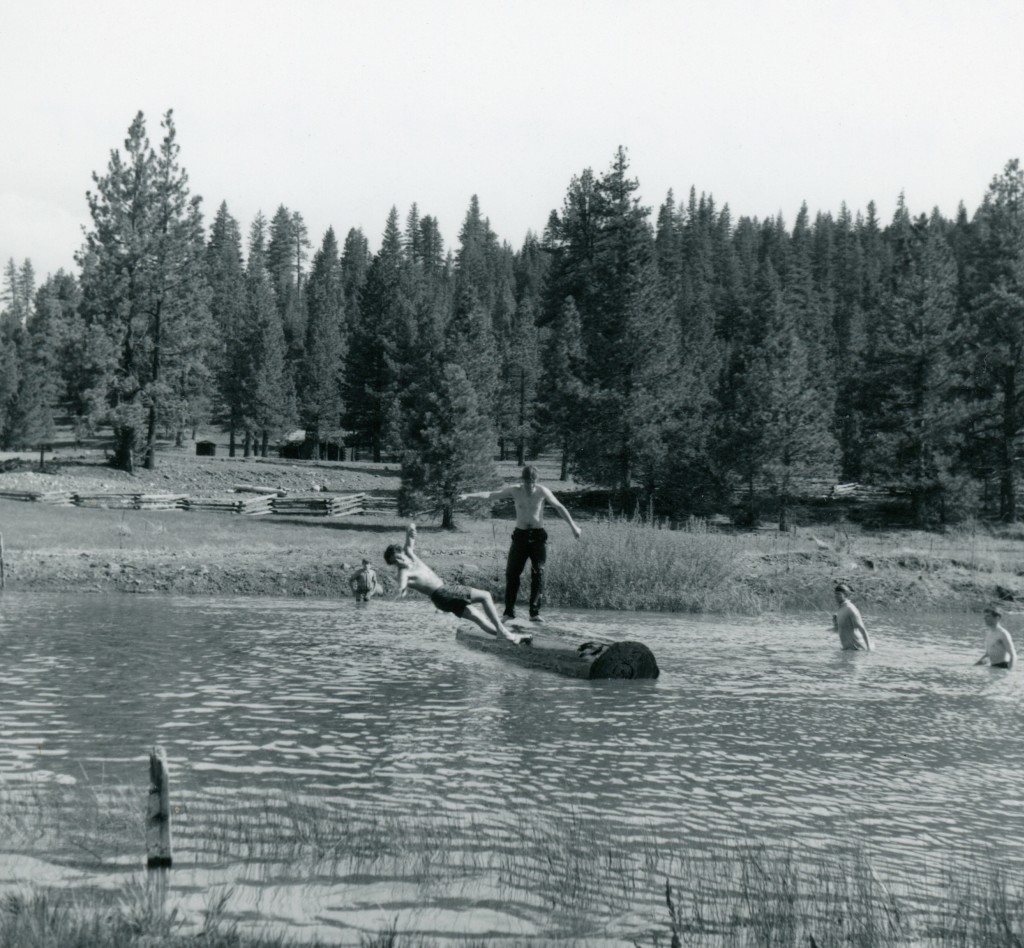
Paul Bunyan Days at Willard Creek, April 1970. Featured is the log rolling contest-student still standing is Howard Hanns and the student falling is Marshall Benedict. Photograph courtesy of D.B. Martin

This topic is certainly a work in progress, after all it does take a lot of research time to put together these daily posts.

Lassen College’s forestry department began in 1938, though now its major emphasis is on fire science, than forestry. It was in this era of the late 1930s and early 1940s that the forestry students developed a small winter recreational area known as Willard Hill. For several decades it was a very popular spot for sledding, etc.

Back to the topic at hand, Paul Bunyan Days. Any one out there who can shed more light on this? If so, please contact me.

It is never too late, subscribe today and enjoy tomorrow with daily notifications. You can also surprise someone with a gift subscription

Ward Lake

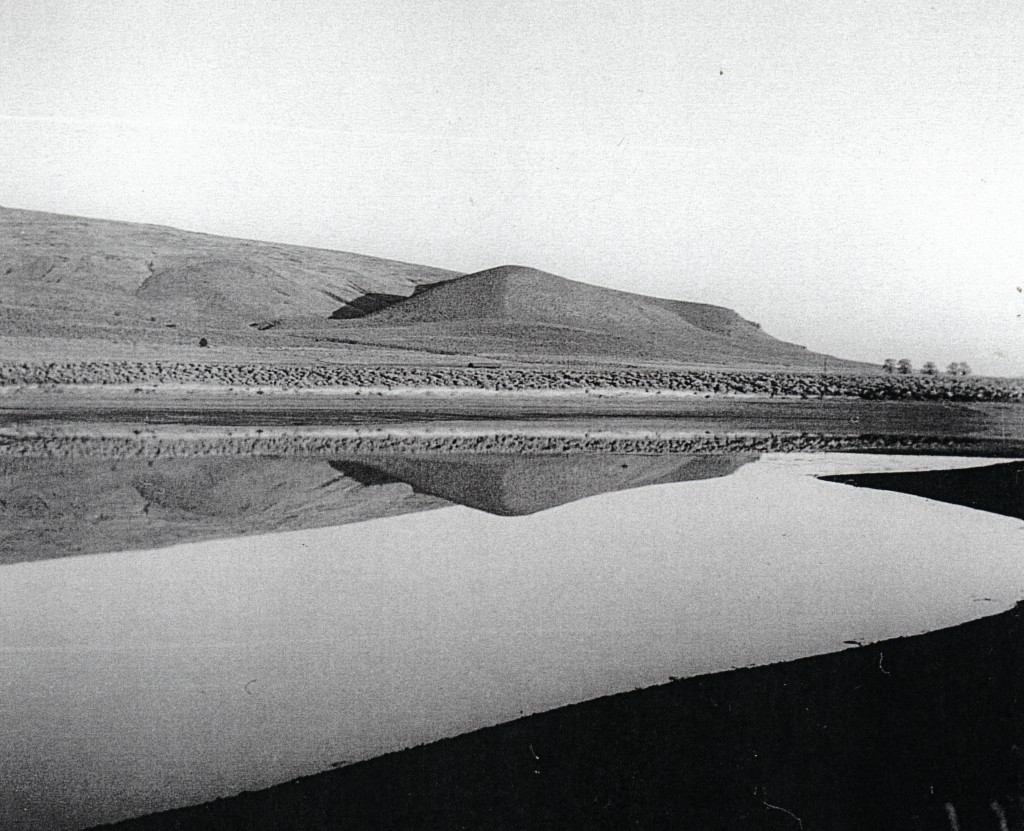
Ward Lake, October 26, 1969. Photo by D.B. Martin

In 1889, the Balls Canyon Reservoir Company employed surveyor, Frank Gates Ward (1857-1895), to survey a dam and reservoir site along Secret Creek where it enters the Honey Lake Valley. In 1889-90, the first reservoir was constructed. In February 1890, a flood washed out that dam. As one observer noted, the waters of Secret Creek began rising at a rate of two feet an hour and within three hours the 27 foot high structure, that measured 150 feet in length, was swept away. The company planned to rebuild but never did. In 1895, Edward T. Purser took over the project and a new reservoir was constructed, along with a twenty-mile ditch to his property near Wendel.

Never miss a story, click here.

The original Shoe Tree

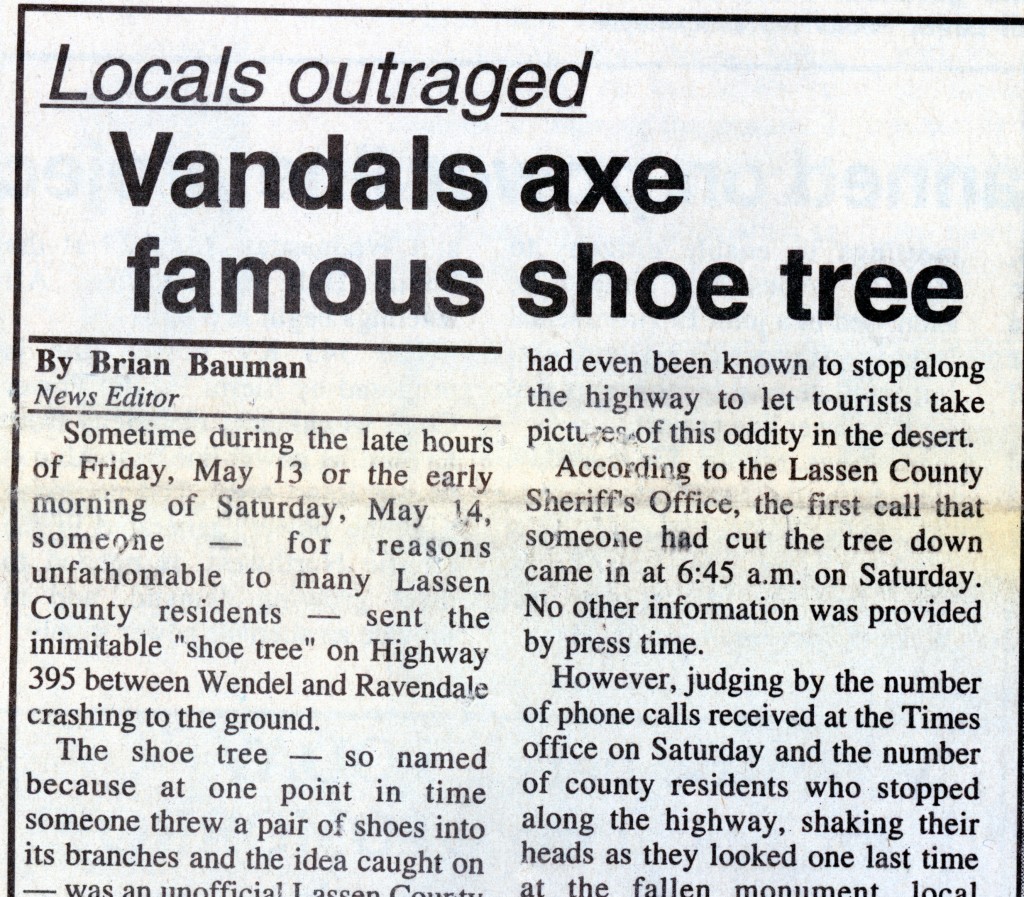
Lassen County Times, May 17, 1994

A most unusual phenomenon that can be found throughout the region and no longer just in Lassen County. The original shoe tree was located at Mud Flat, along Highway 395. In the 1930s, Jud Foster, of the California Highway Department, planted numerous cottonwood trees across Mud Flat. It was hoped that these trees would absorb and stabilize the roadbed so that it would not become so muddy. Only one tree survived and it grew to maturity. In 1979, when the highway was widened, officials considered removing the tree, but later reconsidered. Instead, the highway department made an impromptu turn out next to the tree. This turn out along a desolate stretch of road, where there are no trees, became a popular stop for travelers. Shortly thereafter, someone tossed a pair of shoes onto a tree limb. Slowly, through time, more and more shoes were found dangling from the tree. In the early hours of May 14, 1994, an unknown person(s) cut down the tree.

Never miss a story, click here, and support the site, too!

Westwood Hospital

Westwood Hospital
Westwood Hospital, 1928

In 1913, when the Red River Lumber Company was building its company town, the Great Western Power was in the midst constructing its Big Meadows dam to create nearby Lake Almanor. Great Western Power did  have a resident physician, namely Dr. Fred J. Davis to provide medical care. Red River routinely sought his services. By the fall of 1913, Dr. Davis accepted employment with Red River and remained with the company until 1939 when he moved to Susanville and opened a private practice. Continue reading Westwood Hospital

Eagle Lake – Pelican Point

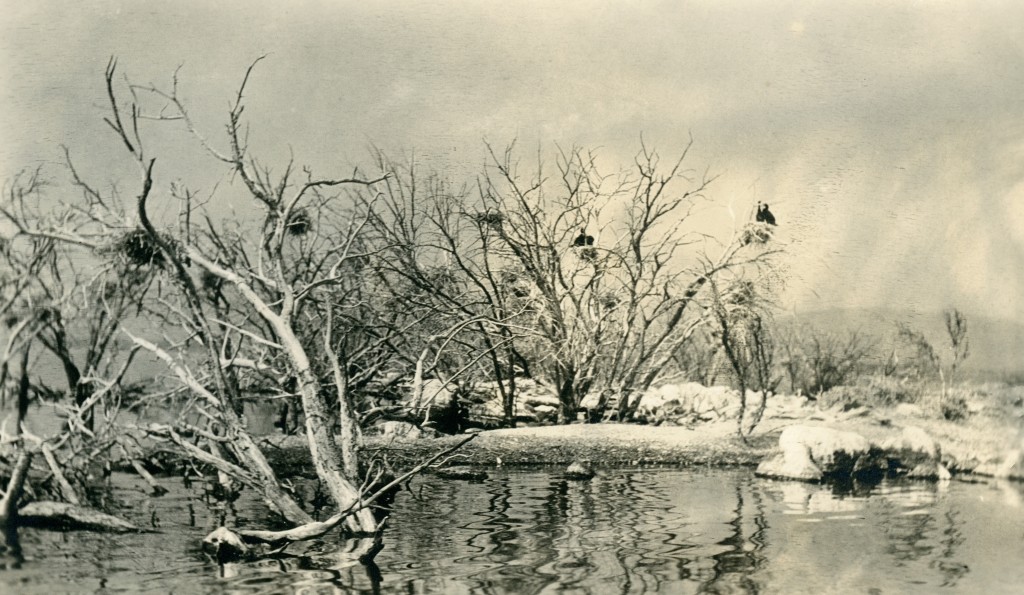
Pelican Island, 1916, D.m. Durst

Depending upon the water level of Eagle Lake, it can be an island. The pelicans at the lake were a popular early day attraction, though others perceived them and the cormorants (sometimes referred to as shags) detrimental to the lake’s fishery. At sundry times the birds were slaughtered, their nests and eggs destroyed. A prime example is found in the columns of the Lassen Weekly Mail of June 11, 1892: “In Eagle Lake there are two islands (Pelican and Shag) on which large numbers of fowl, known as Pelican and Shag, build their nests and rear their young. The consequences are that vast numbers of fish from the lake are destroyed each year for food for the young birds. Recently a party visited these islands and killed the young birds and a good many of the old ones, hoping by means, if continued persistently for a number of years, to prevent the yearly destruction of the fish of the lake.”

Shag Island, 1916. D.M. Durst

P.S. Some may be interested in the May issue of the Northern California Traveler is my story about the Eagle Lake Bass.

Never miss a story, click here.

Inspiration Point Tour

Inspiration Point
Inspiration Point, 1930s.

The long delayed tour of Susanville’s first park is scheduled for Wednesday, May 18, so save the date!For those wishing to attend, please leave a comment below or contact me.  Details about time, etc. will be emailed to the attendees. If there is enough interest, a second tour could be scheduled during the summer on a Saturday morning.

Yours truly conducting a preliminary tour at Inspiration Point, April 1, 2016. Photograph courtesy of Annie Henriques Blank

Inspiration Point provides a great vista to discuss the region’s natural history ranging from Lake Lahontan to the region’s earthquake past which had affects of mining on Diamond Mountain to the local stone quarry.  Of course, let us not forget about the city park movement, though at one time back in the 1940s the city gave consideration to subdivide Inspiration Point for homesites.

Never miss a story, click here.

Red River Lumber Company Correspondence

The Big Store, Westwood.

The Red River Lumber Company was headquartered in Minneapolis, Minnesota. With its westward expansion to California and the establishment of its company town there, required extensive communications back and forth. For a historian, it was wonderful due to the paper trail. What is truly amazing is how much has been preserved at the Minnesota Historical Society.

The various members of the Walker family, the owners of Red River, were prolific letter writers.  Fletcher Walker, who was the resident manager at Westwood had to write in great detail about the conditions in California, since everything operated so differently than in Minnesota.

The letters, of course, also contained happenings around Westwood. Whether it was the political scene, or what their competitors were doing. With that in mind, I share a letter that Fletcher wrote to his father, T.B. Walker, exactly one hundred years to the date. You will note the letter is addressed to T.B. Walker in New York and not Minnesota. T.B. Walker then was spending a lot of time in New York wheeling and dealing as part of a re-finance bond sale for the Westwood operations.

Fletcher Walker’s Letter

Never miss a story, click here.


Lassen County’s Livestock Brand

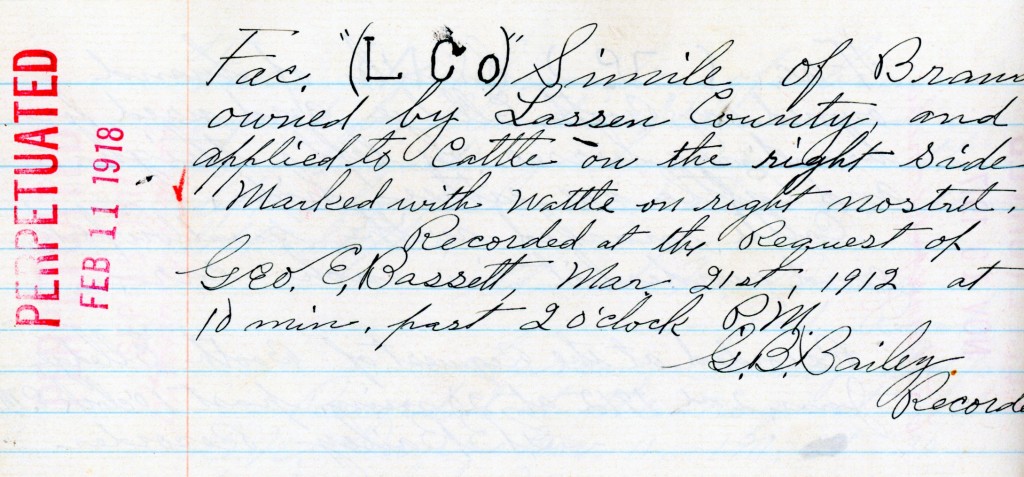
Lassen Co. Brand456

Lassen County had its own livestock brand, even though they did not intentionally plan to be in the business of raising livestock. It was all accidental. Way back in the day, and especially prior to the age of automobile, there were problems with stray livestock. Routinely the county found itself taking care of various animals, in hopes eventually the owners would come forth to claim. After a period of time elapsed the animals became property of the county. Before the county could sale the livestock, they had to be branded for identification purposes. There were other instances were the county was forced to impound animals, whether for collection fees, etc.

Never miss a story, click here.