Category Archives: History

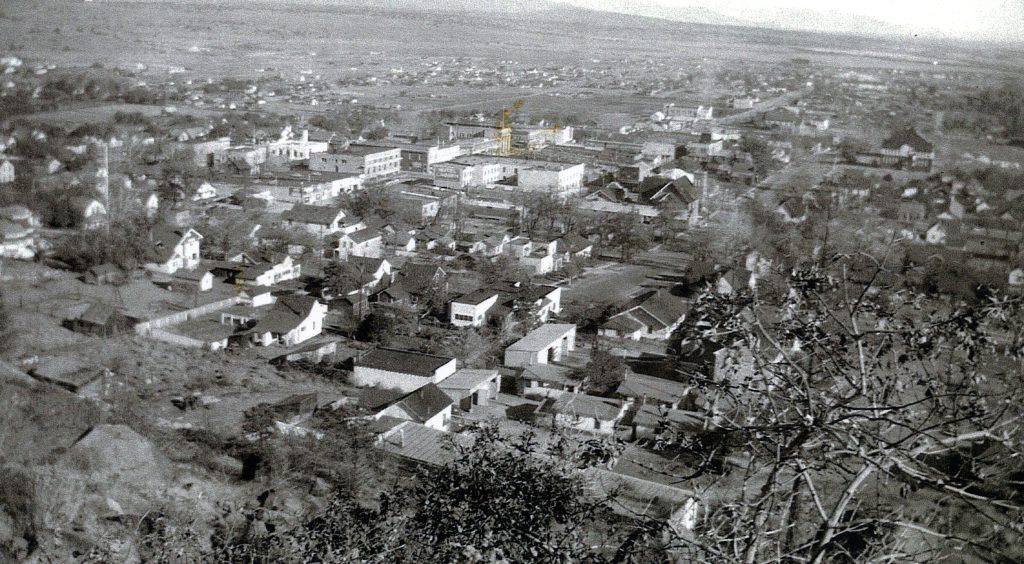
Lassen High School Sites, 1968

Miller’s Construction getting ready for the demolition, June 1968.
Just a bit of trivia today. In the mid-1960s the trustees of Lassen Union High School gave consideration to locate the campus at the north end of Weatherlow Street. When the California Highway Department officials assured the trustees that there was going to be a highway bypass, it was decided to keep the original campus. This was in the same era when Lassen Community College had severed ties with the high school and was in search of a new home, and one of those locations is now Susanville Ranch Park. The college liked that property, but they did not like the purchase price.

Support!

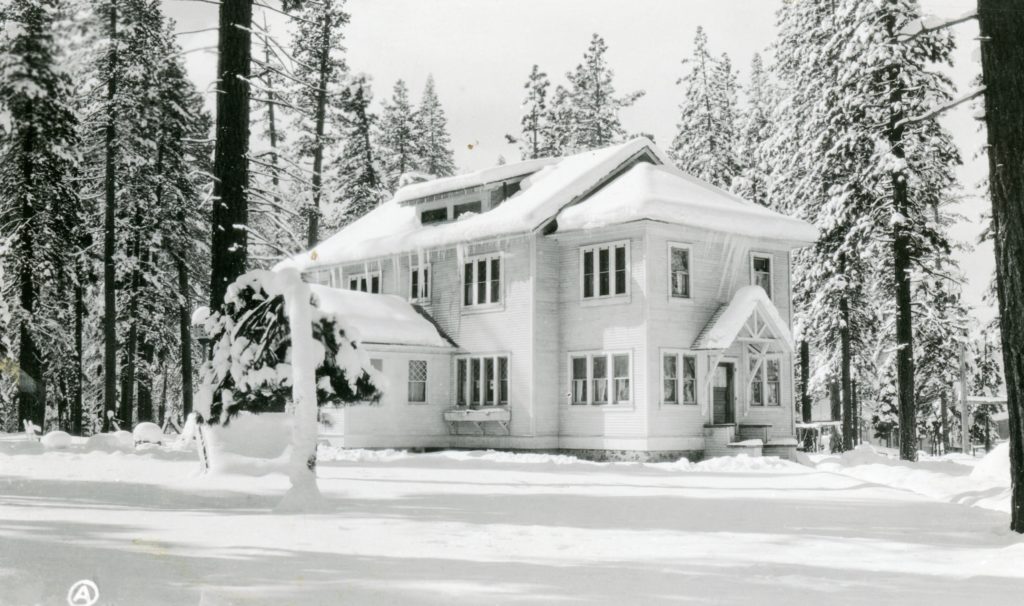
The El Solano

The El Solano, circa 1916. Courtesy of Leona Jackson.
One of the peculiar oddities back in Westwood’s early history there were no accommodations for the traveling public. The Red River Lumber Company who controlled the town wanted it that way. This would hinder any “undesirables” to try infiltrate the town, i.e., such as union organizers. However, Red River needed to provide some sort of accommodations for people visiting on official business with the company. Red River constructed the El Solano at 501 Birch Street to meet those needs.

In the 1930s, during Red River’s financial crisis, the company converted its American Legion Hall into a hotel known as the Blue Ox Inn, and thus the El Solano diminished in status. It would later be converted into apartments. In the fall of 1965 the Assembly of God Church renovated the building, and the second story removed. Today, it is a private residence.

Subscribe!

FacebookTwitterGoogle+Share
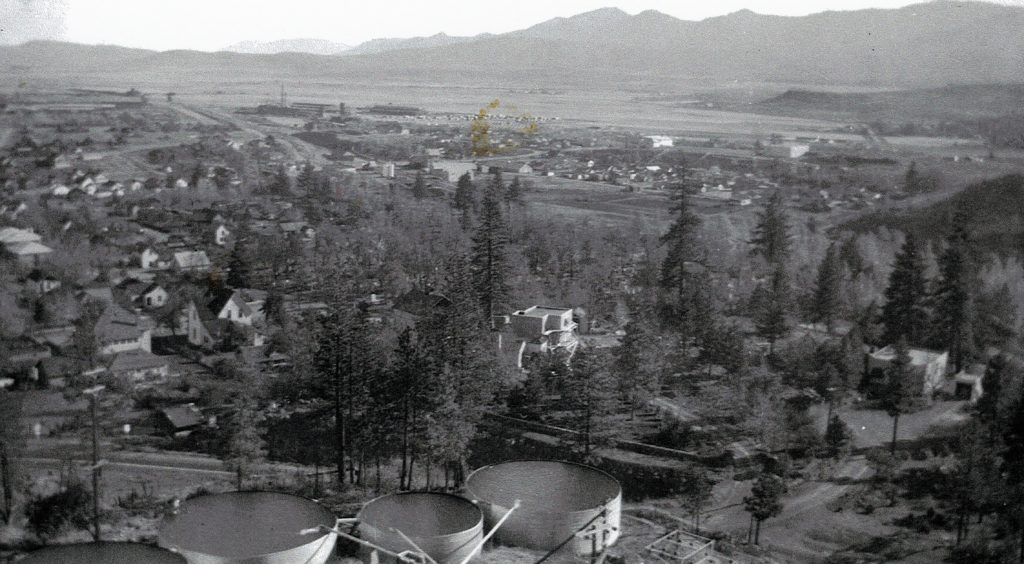
Susanville Water Tanks

Susanville water tanks in the foreground, 1941. Courtesy of Linda Moore
For nearly a century there were water tanks located at the base of Inspiration Point, that served as the town’s water supply. The only reason why I bring this up, it had became part of the discussion at the original Inspiration Point Tour. While subscriber’s do receive the narrative of the tour, the dialogue and discussions by attendees are not included. One of the interesting features about these old tanks, and the above picture highlights the fact that there were no covers on the tanks.

Support!

Susanville, 1941

Susanville, 1941. Courtesy of Linda Moore.
While examining the file of L.L. Frost, one of the graves that we will be visiting on the forthcoming Centennial Cemetery tour, there were a couple of interesting photographs in the file. This particular one caught my attention, as it shows the old auto court on Quarry Street at the base of Inspiration Point. Usually, photographers crop off at Pine Street, so one rarely sees this little known area of Susanville.

Tomorrow, I will have more details about the cemetery tour, with times and dates, so one has plenty of time to mark your calendar.
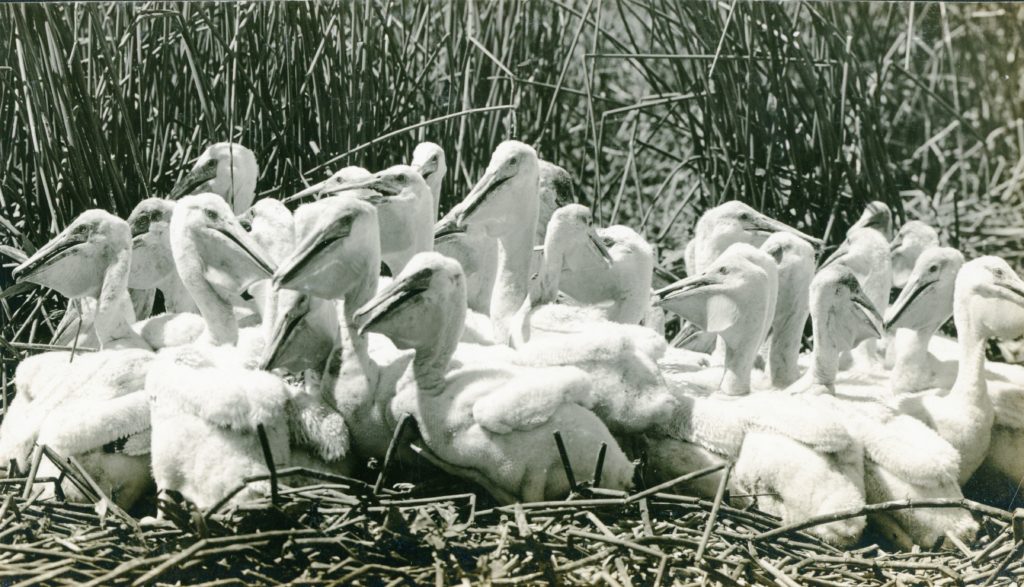
Pelicans

Pelicans at Eagle Lake, circa 1915. Courtesy of Wyn Wachhorst
Yesterday’s post concerned the abundance of wildlife, a sportsman’s dream of the conditions in 1915. Of course, that was promotional literature aimed at enticing visitors to the region. There was one creature hated by the fishermen—the pelicans. Many believe that pelicans and their appetite for fish are harmful to fisheries. By the 1880s, fishermen at Eagle Lake waged war with the pelicans, to slaughter as many as possible. In 1927, after the enlargement of Lake Almanor, pelicans gathered at that of body of water, too, and endured same hatred that occurred at Eagle Lake.

Fish & Game, 1915

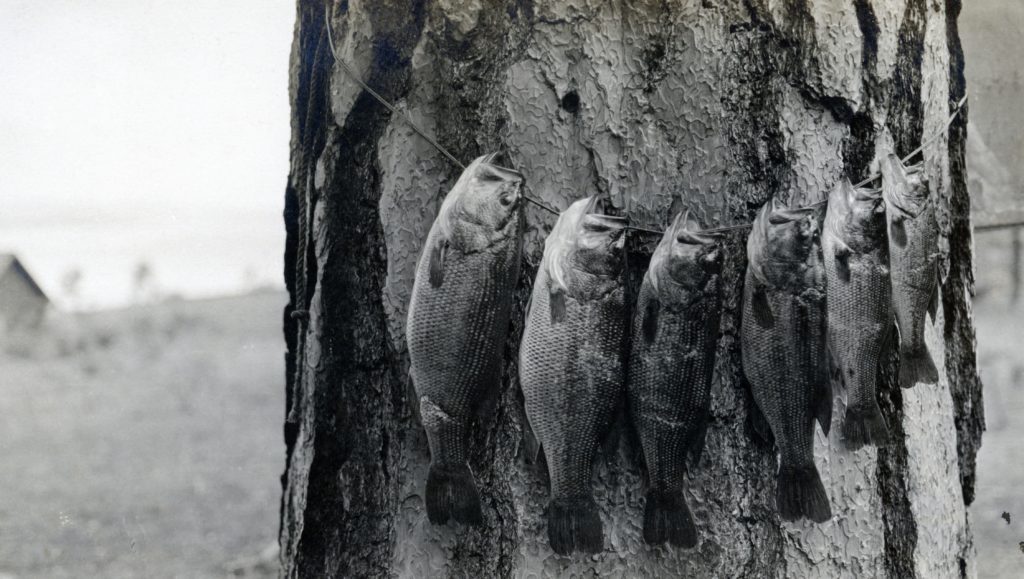
An Eagle Lake “catch,” 1916. Courtesy of Wyn Wachhorst
This is a continuation of excerpts from spring the pamphlet entitled Lucky Land of Lassen that was produced and distributed at the Panama Pacific International Exposition that was held in San Francisco during 1915.

“It is well known fact that Lassen County offers the sportsman the greatest hunting and fishing in the West today. In the mountains are to be found the mule-tail and black-tail deer, grouse, quail and an occasional black or brown bear. In the valleys are to be found the sage hen, quail, doves, ducks, geese, rabbits, etc., and in the mountain streams and lakes one may find ideal fishing, varying from brook trout to black bass, weighing as much as ten pounds.”

Support!
Hot Springs vs. Honey Lake

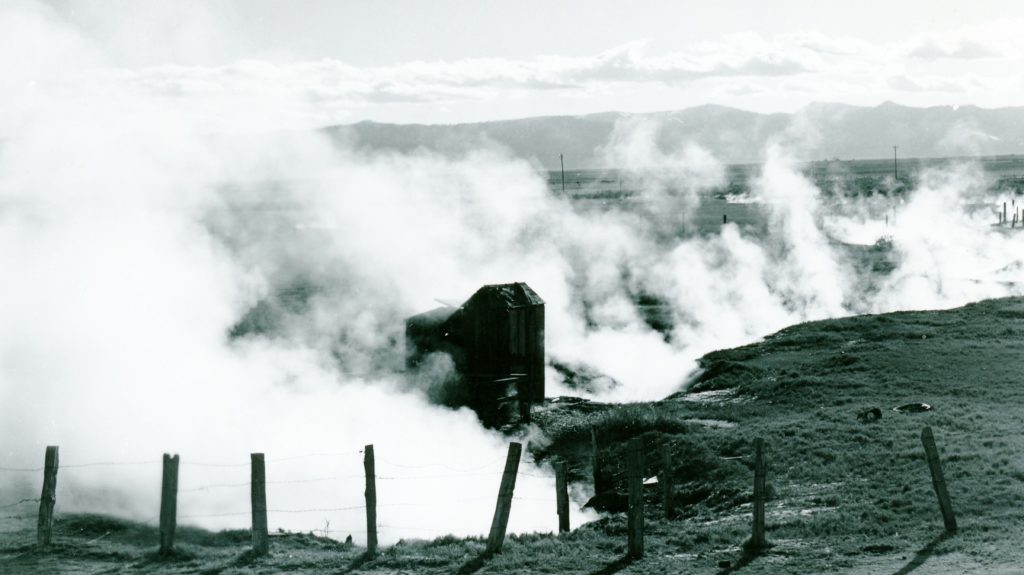
Wendel Hot Springs, circa 1940.
A reader wanted to know about the naming of Honey Lake, since originally it was known as Hot Springs Basin/Valley. In the summer of 1850, when Peter Lassen and a group of prospectors traveled through there, they named the lake and the valley (Honey)for a sweet dew type substance found on the wild grains.
In 1943, the Oakland Tribune published an article about Fred Lake’s 1892 dream town of Honey Lake City. That prompted a question from several readers as to how Honey Lake received its name. John S. Thomas of Oakland wrote the newspaper and stated: “They call it Honey Lake on account of the honey dew that fall on the borders of the lake. In haying time, if you lay or stand a pitch fork out all night, the handle in the morning will be as sticky as if it had been rubbed with honey. However, W. E. Booth of Hayward questioned Thomas’ claim in a letter to the Tribune. They published his response: “Booth used to live in the Honey Lake Valley and worked on a dairy ranch. Booth insists that he never saw such phenomenon and never heard the story. It would seem that if such a phenomenon was the source of the name of the lake and region, it would have been a matter of common experience and knowledge. The phenomenon of which Mr. Thomas speaks may have been incidental, the sticky handle may have been caused something other than the dew.”

Subscribe!
Historic Homes

The Gilman residence, 1931.

From time to time we will examine the wide variety of homes in the region. Of course, this topic is long over due, and Barbara thank you for your patience, and I am working on your house, too!

Featured above is the J.A. Gilman residence located at 1913 Main Street, Susanville and now the office of Town and Country Real Estate. It was built in 1898, and other family members built houses surrounding it. The Gilman’s were in the sheep business during its hey day, and retired from it before it collapsed in the 1920s and 1930s.

Support!
Honey Lake Valley, 1844

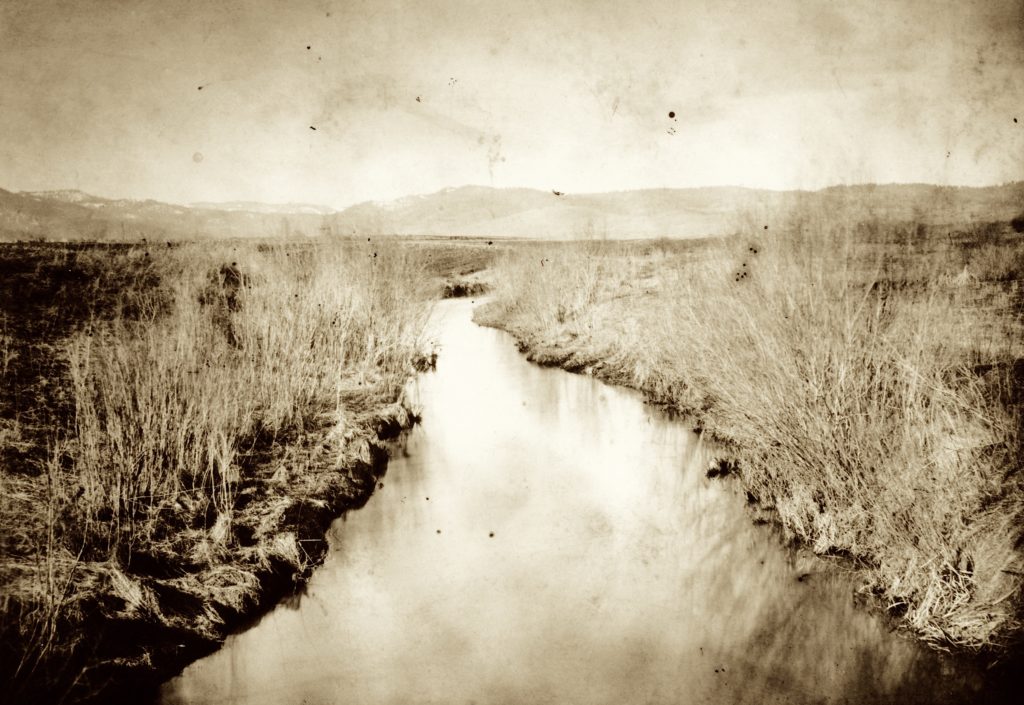
Honey Lake Valley, 1898. Courtesy of Betty Barry Deal
Long before, Lassen and Roop set foot in the Honey Lake Valley, numerous Anglos had frequented the area since the early 1820s. For a time, Honey Lake Valley was referred to as Hot Springs Basin. In July 1844, William Thomas Hamilton (1822-1908), member of a fur-trapping group, was one such early day visitor. Hamilton wrote in his memoirs: “We reached a beautiful valley called to-day Honey Lake Valley, but at that time without a name. We remained here three months, enjoying ourselves as only men can who love the grandeur of nature. Our time was spent in exploring, hunting, fishing, reading and practicing with all arms.”

Lassen County Road Tax

Janesville Road Crew
Janesville Road Crew, 1910. Courtesy of Verna Tanner Haley*

Way before gasoline taxes were introduced as a funding mechanism to maintain roads, there was a $2 a year road tax applied to all males over the age of 21. Sometimes, it was confused with the Poll tax, for often one would pay the tax when one voted.

Janesville Road Crew
Janesville Road Crew, 1910. Courtesy of Verna Tanner Haley

However, one could opt of the road tax and provide labor in an exchange. Each county supervisor would appoint a road district overseer, who in turn would perform the work on in their respective districts, usually with the volunteer labor of those who did not pay the tax. Not the best system, especially in a large rural county like Lassen, but nevertheless it got the job done.

*To the far left is Satch Whitten, road overseer. The long time Janesville resident was married to Carrie DeWitt.

Subscribe!