Subscribe!
Subscribe!
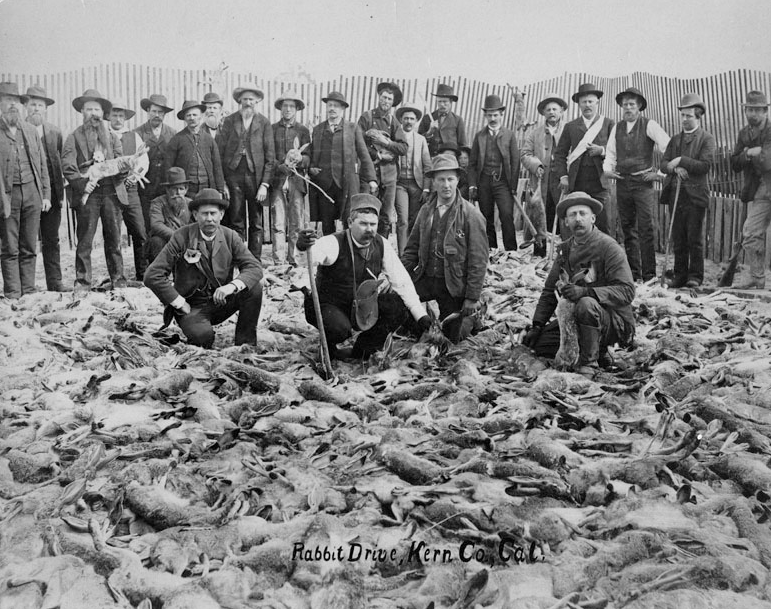
“Smoking gun barrels and black and blue arms were quite apparent throughout the day. Those participating were thoroughly pleased with the results and voted the occasion as most enjoyable form of hunter’s sport.”
Subscribe!

It was one o’clock in the morning when the fire alarm was turned on. When the firefighters arrived they found the high school fully engulfed in flames. There was little they could do, as it was impossible to save it. They focused their efforts not only to contain it but also to keep it from spreading to the Grammar school located next door. The heat was so intense that it was impossible to enter the building to salvage its contents. Because of the extreme heat the houses across the street began to smolder as if they were going to spontaneously combust. An unusual firefighting technique was developed for this particular instant, and credit was given to Fletcher Walker for this ingenious idea. With the majority of the town gathered to watch the fire, Fletcher recruited citizens to start throwing snowballs at the endangered houses to prevent them from catching fire. It worked!
As Ted Walker recalled, “Fletcher assembled a large number of bystanders into a snow-ball brigade. This force bombarded the nearby houses with snowballs and succeeded in keeping the roofs and sides of the houses sufficiently damp so that the houses were saved. Shingles and sidings were afire many times, but in each case the blaze yielded to the snow-ball treatment.”
Subscribe!
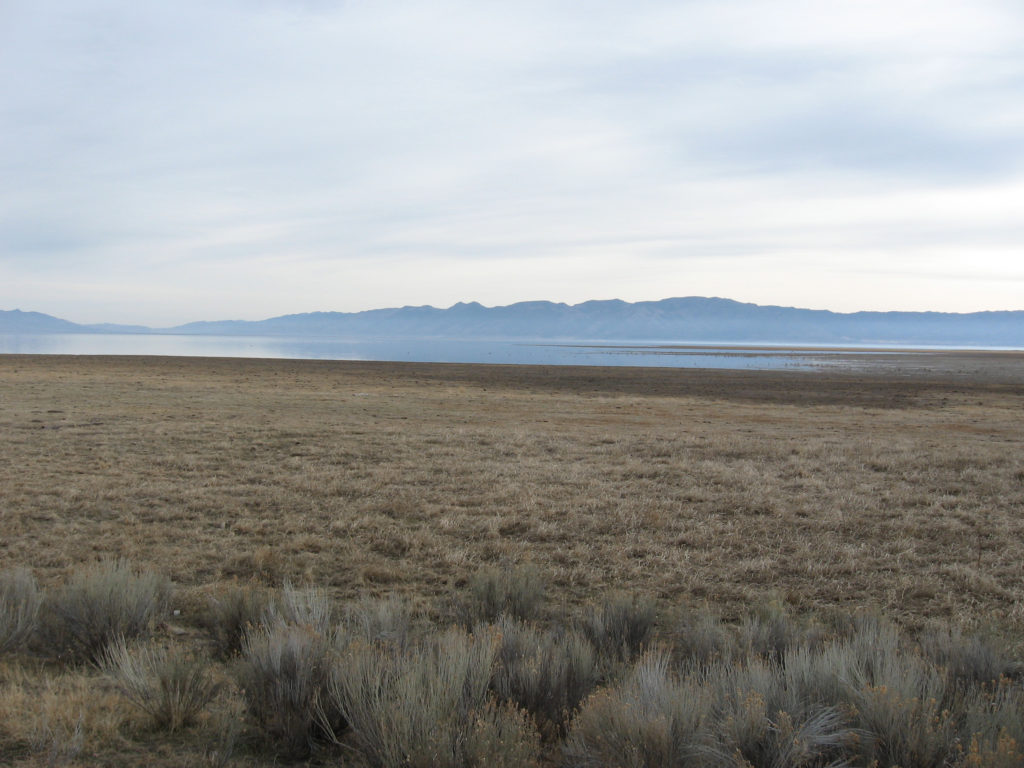
It should be noted there was a major earthquake in the region in 1889, where in Eagle Lake dropped by two feet. Harding would return to the region to extensive research on the water levels of Eagle Lake.
Subscribe!
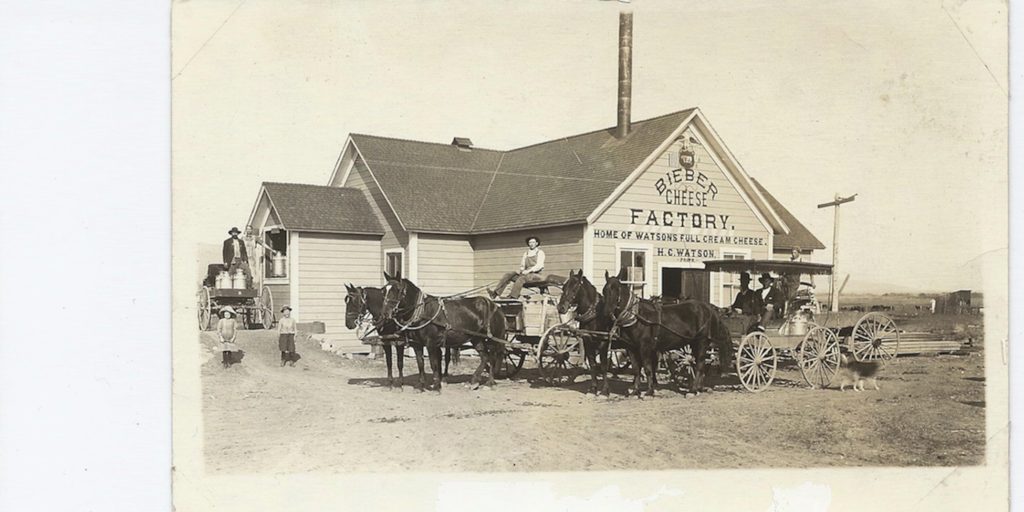
In 1883, Bieber resident, H.C. Watson established the Bieber Cheese Factory, not only a Lassen County first, but was the only one to exist, though it should noted that there were numerous dairies throughout the region. An interesting anecdote was relayed to me, from someone who remembers the facility. It was related that the catfish in Pit River at Bieber grew nice and fat thanks to cheese factory—the excess whey was disposed by dumping it into the river.
Subscribe!
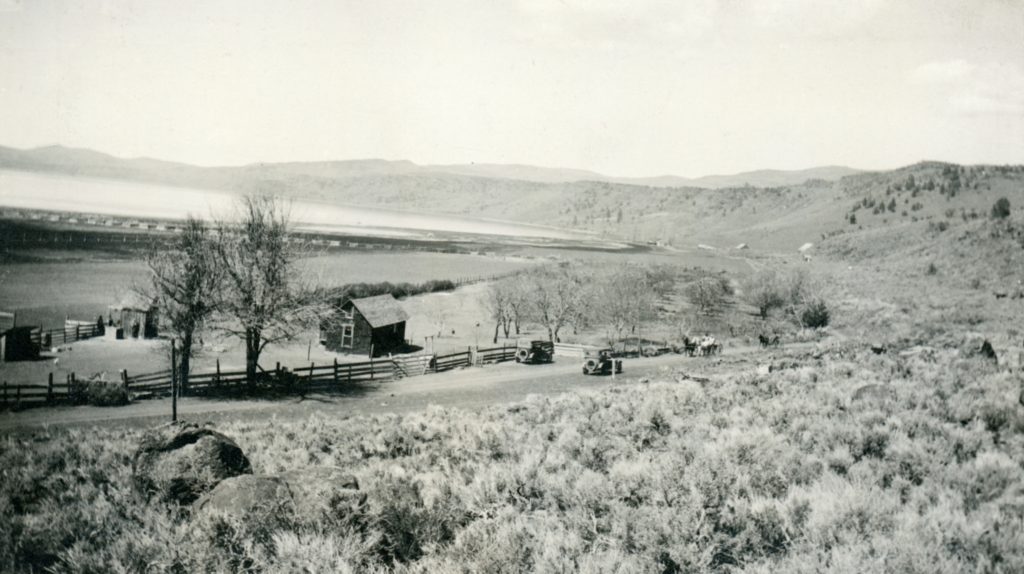
For a brief time, Fritter had political ambitions. In 1900, he ran for State Assembly and lost. Two years later, he ran for a seat on Lassen County Board of Supervisors and was successful. However, things did not go smoothly. Willow Creek Valley resident, H.A. Morrill contested the election, citing that Fritter was not residing in the district. The matter drug on for some time in the court, but in the end he prevailed. In 1910, Fritter ran for public office for the last time, again for a seat on the Lassen County Board of Supervisors. He lost in a landslide to W.C. Brockman.
As the years went by his grown children moved onto other things. In January 1932, with his years advancing and running the ranch by himself, he opted for retirement at Pacific Grove. He died there two years later. It should be noted the family still owns the original 160-acre homestead.
Subscribe!

Subscribe!
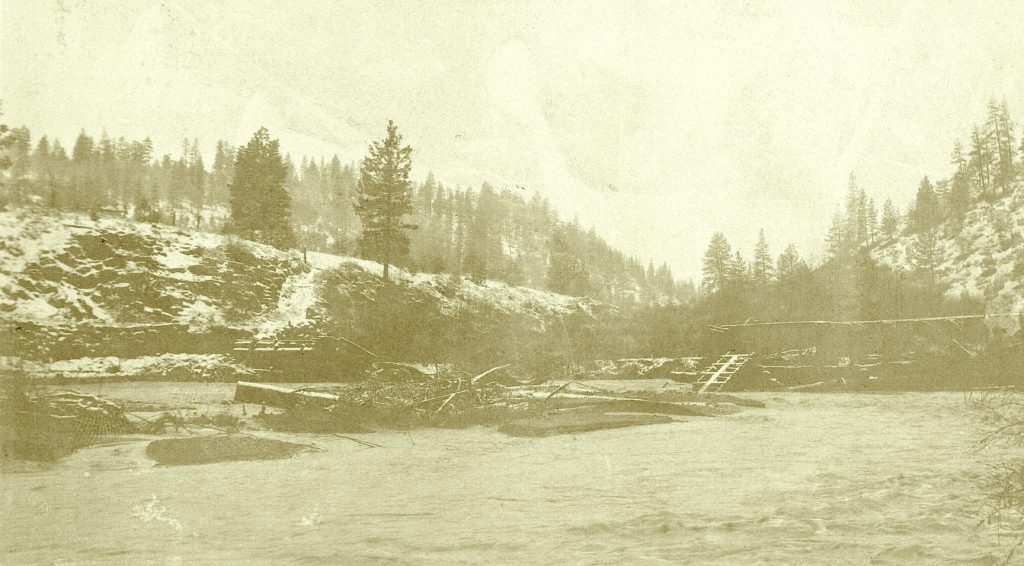
While there were numerous proposals to construct dams in the Susan River Canyon very few ever came to fruition. This dam was constructed in 1886 on the Susan River about a half-mile above Hobo Camp. It was an impressive structure being 250 feet long and 25 feet high. It created a reservoir in which water was backed up over a mile. The dam was constructed to provide waterpower for a sawmill at the location to be featured in a future post. The sawmill and subsequent power plant was destroyed by fire in 1894. The sawmill was never rebuilt and the power plant located downstream where a flume from the dam provided the waterpower. By 1900, this too, had gone by the wayside, and residents were concerned about a possible dam failure, flooding people downstream. In 1906, some unknown party attempted to blow up the dam with explosives, but not familiar, did little damage. Between the railroad construction, in 1913, and time the dam slowly deteriorated. During the drought of 1977, the foundations of the dam were revealed.
Donate!

In 1929, some one had high hopes for Wendel. Nearly sixty years later, some one in Germany thought it had occurred. At that time I had received a call about wanting to know the nearest international airport was for Wendel. In addition, what kind of accommodations were available and did Wendel have a Holiday Inn Hotel. Alas, I had to explain to Armin deWendel current state of affairs. Armin’s interest in Wendel was due to the fact it was named after his family who were investors in the NCO Railroad. Needless to say, after I sent him some photographs of the town, his interest to visit the place went by the wayside.
Subscribe!
Donate!