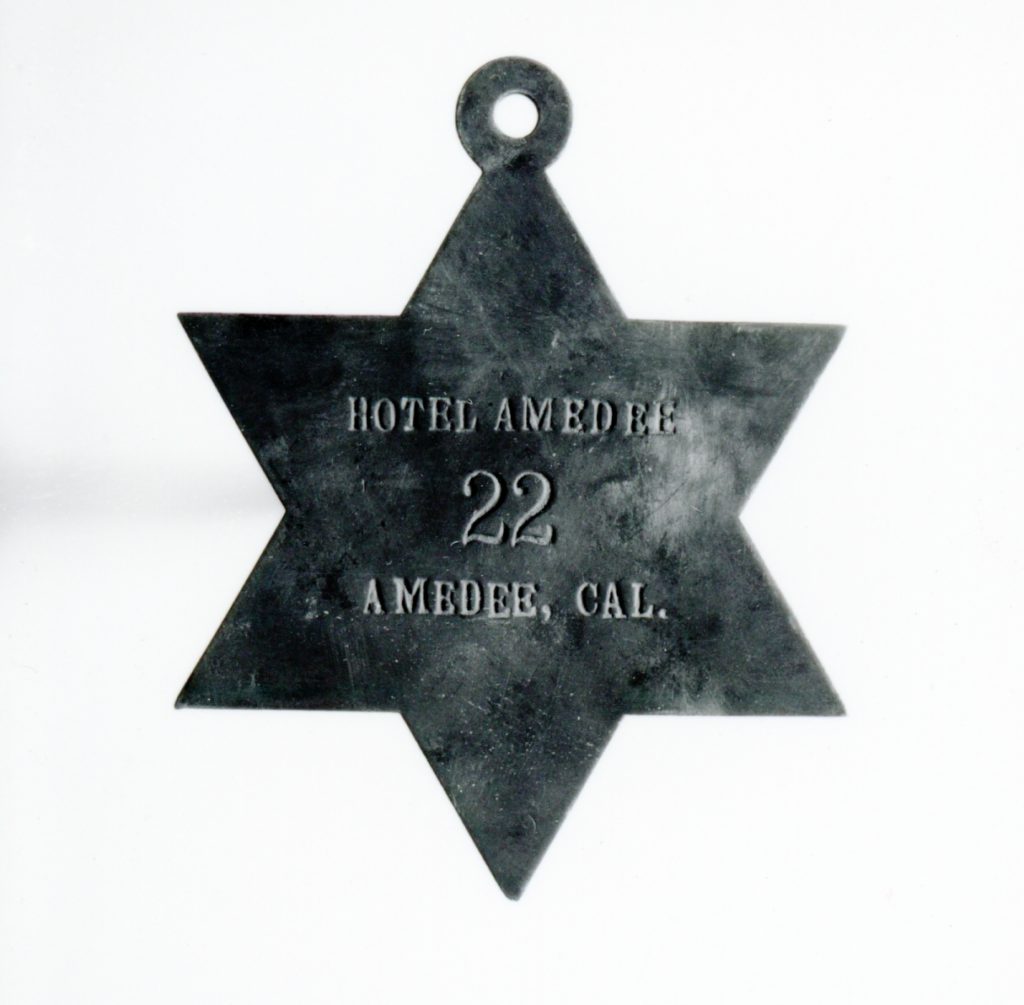
One just never knows what will rise to the surface. This brass marker was used to indicate the room number at the Amedee Hotel. The hotel had twenty-seven guest rooms, a bar and billiard room, two dining rooms and two kitchens. The expansive second floor balcony afforded not only views of the Honey Lake Valley, but that of Lassen Peak.
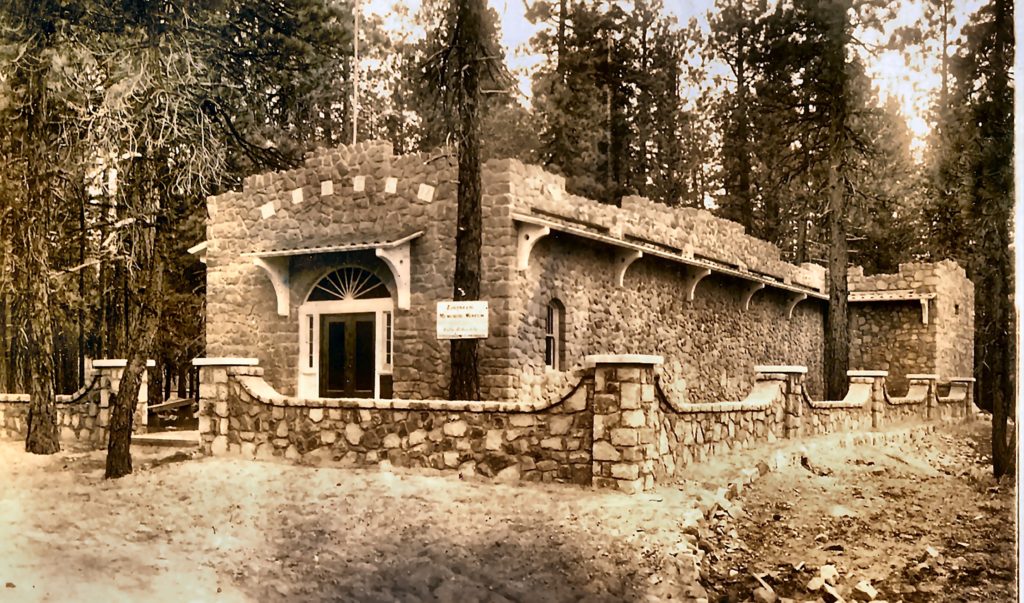
In 1914-15, B.F. Loomis became a widely known photographer for his stunning photographs of the Lassen Peak volcanic eruptions. Loomis was fortunate since he operated a hotel at nearby Viola, a short distance from the peak. Loomis would become an ardent supporter of Lassen Volcanic National Park. In 1926, Loomis purchased 40-acres near Reflection Lake, which at that time was not inside the park. In 1927, he built a museum of native stone and reinforced concrete. The museum served two purposes. One, it allowed him to showcase his famed photographic collection of the Lassen Peak eruptions, previously on display at his hotel at Viola. The second it served as a memorial to his only child Louise Mae, who died in 1920. In 1929, he donated the property to the park, which in turn the park gave him a life estate to the museum property. So if you find yourself at the north end of the park, stop by and check out the museum.
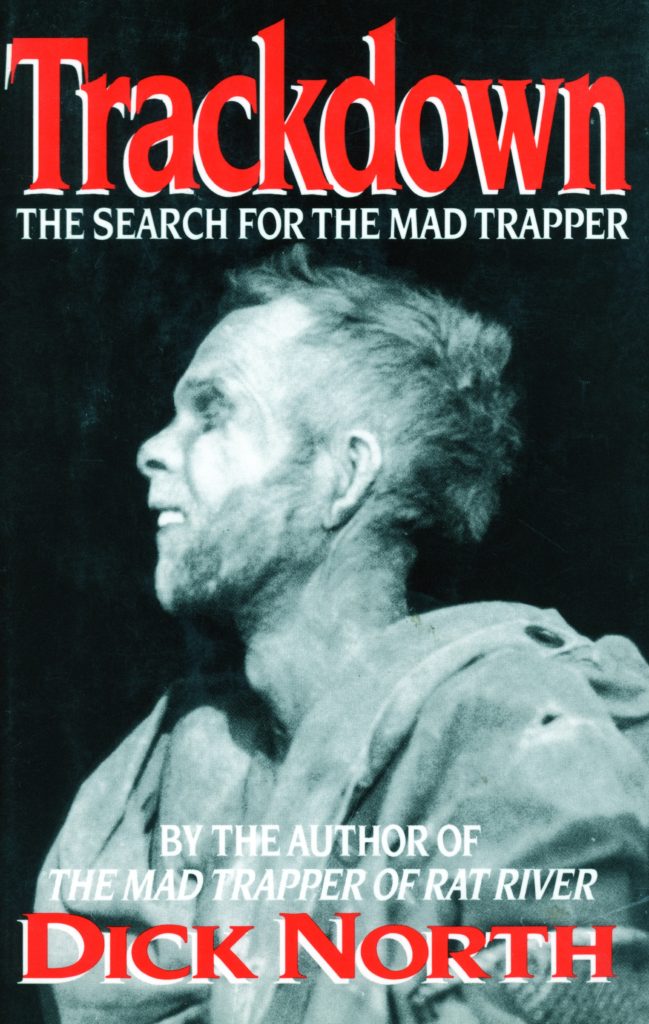
When the Mad Trapper arrived in Lassen County he used an alias. It would not be the first or last time, and even when he died it took authorities some time to put together his identity.
On May 21, 1921, Charles Johnson was loitering about the Sierra Packing House slaughterhouse, just north of Susanville. The next minute he was gone, and so was a saddle horse that belonged to the packing house. Sheriff Church enlisted the aid of Henry Baughman, a noted tracker. Three days later, when Johnson was near Hayden Hill, he had caught wind that the authorities were looking for him. He turned the horse loose and sought refuge in a cabin, but Church and Baughman found and arrested him. There would be total of three jury trials to convict him for horse stealing, the first two the jury could not reach a verdict. He was sentenced to seven years in prison, but would only serve a year.
Albert Johnson, better known as the Mad Trapper of Rat River, of Canada’s Northwestern Territorties is a compelling story. In the bitter winter of 1931-32 Johnson eluded the Royal Canadian Mounted Police for forty-eight days in a running battle that ranged over 150 miles north of the Arctic Circle, in temperatures that averaged forty below zero. He was finally killed in shot out on February 17, 1932 on the Eagle River, Yukon Territory.
So, dear reader, you are probably wondering why I am writing about an incident in Canada. Before Johnson became known as the Mad Trapper, he had a little foray in Lassen County before moving north. That incident we will examine tomorrow.
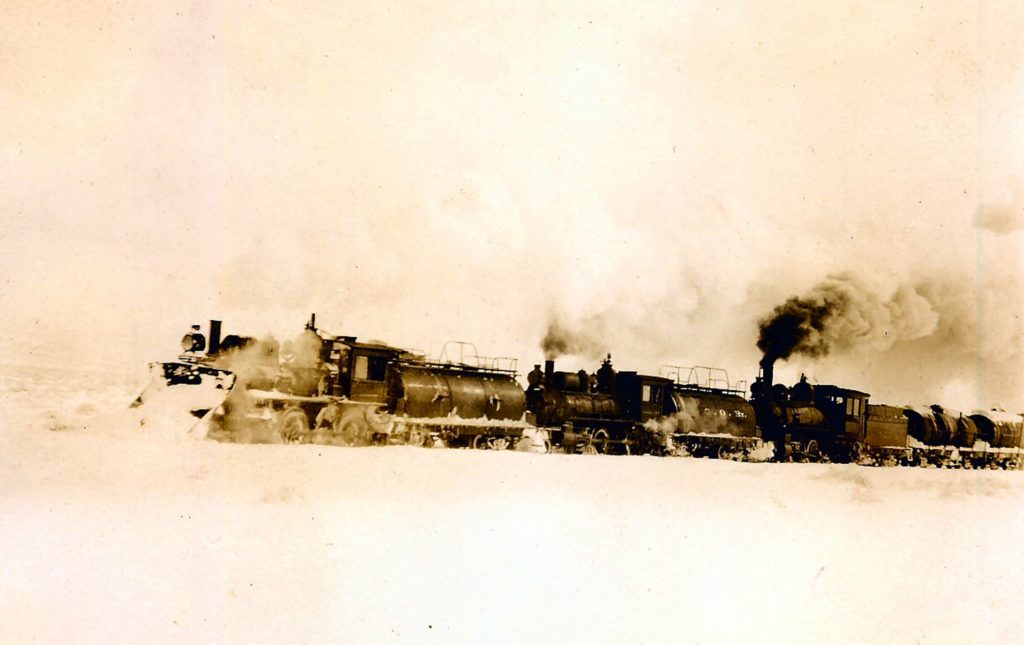
The NCO train near Amedee, January 1916. Courtesy of Marie H. Gould
The poor little Nevada-California-Oregon Railroad had a troubled beginning that would stay with it. The N-C-O for those not familiar was narrow gauge line that ran from Reno, Nevada to Lakeview, Oregon. It was initially known as the Nevada & Oregon and later the Nevada & California, before it finally incorporated all three states in its name in 1888.
These initials, N-C-O became a target for criticism for the railroad’s poor service. The railroad received such dreadful titles as the Narrow-Crooked & Ornery, Northern California Outrage, Never Comes Over and the Nevada-California-Occassional. J.M. Tremain, editor of Susanville’s Lassen Weekly Mail, called the N-C-O a Tri-weekly: “It goes to Reno one week and tries to return the next.”
Lassen Peak eruption, June 14, 1914. Courtesy of Dolores Gasperoni
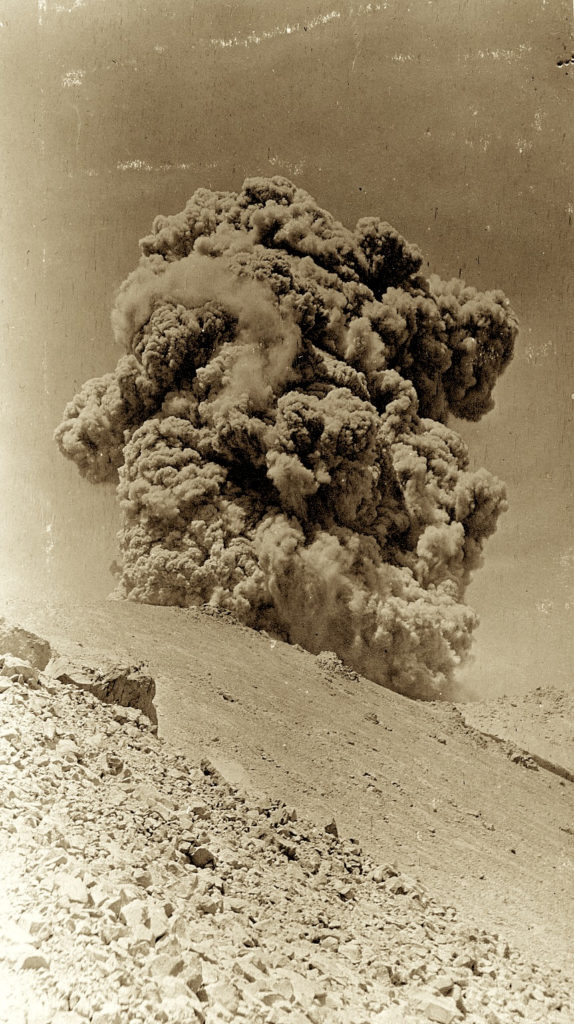
With Hawaii’s Kilauea volcano in the news, I thought we take a look back during Lassen Peak’s numerous eruptions that spewed ash everywhere. On May 22, 1915, when Lassen had its most historic eruption that sent a mushroom like cloud four miles into the atmosphere. The prevailing winds carried volcanic ash all the way to Winnemucca, Nevada. Susanville resident, an avid fisherman, Med Arnold, was at Eagle Lake that day and reported that the area was covered in like a fine alkali dust, and that enough fell from the sky to muddy the water of the lake. The eruptions continued for several years, and with the west to east prevailing winds, Susanville and the Honey Lake Valley experienced sporadic falls of volcanic ash. In 1917, Janesville resident, Gordon Rice commented, Lassen Peak is good to Lassen County, volcanic ash is a splendid fertilizer.
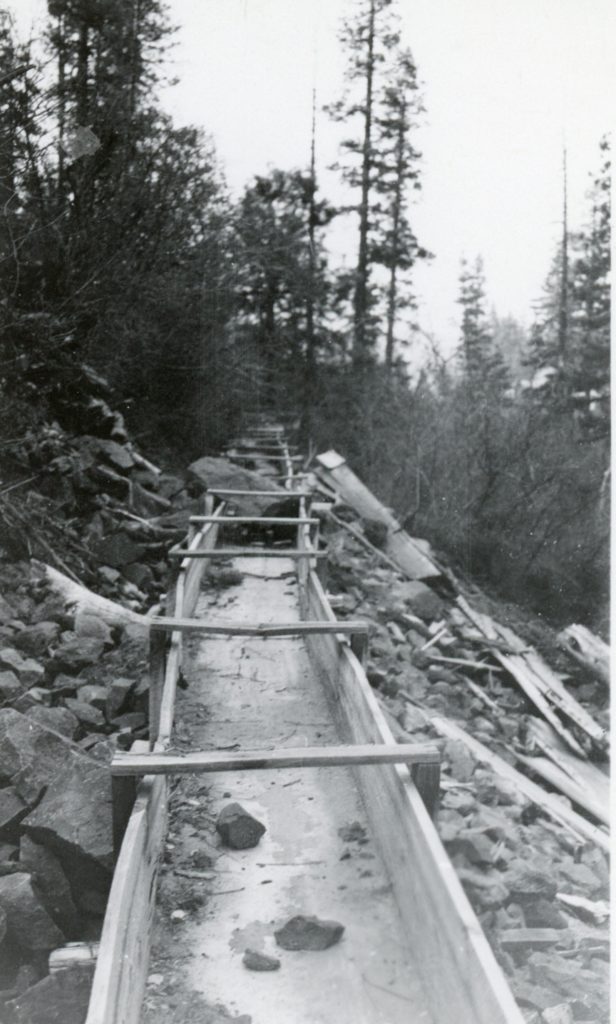
A subscriberwanted to know about an old abandoned flume at Willow Creek near Hayden Hill. According to the 1938 adjudication report of Ash Creek and its tributaries had this information:
”Diversion 87 is that of the Lassen Mining Company Ditch on Willow Creek. This diversion has a low rock dam which is used to divert to the south side of Willow Creek into an earth ditch and wood box flume three-fourths mile in length. The ditch is used to transport water to a small power plant. Power is generated to pump domestic water to the Hayden Hill mine. The ditch has a capacity of 3.5 cubic feet per second which is the average available operating head during the summer months when the entire stream is diverted into the ditch.”
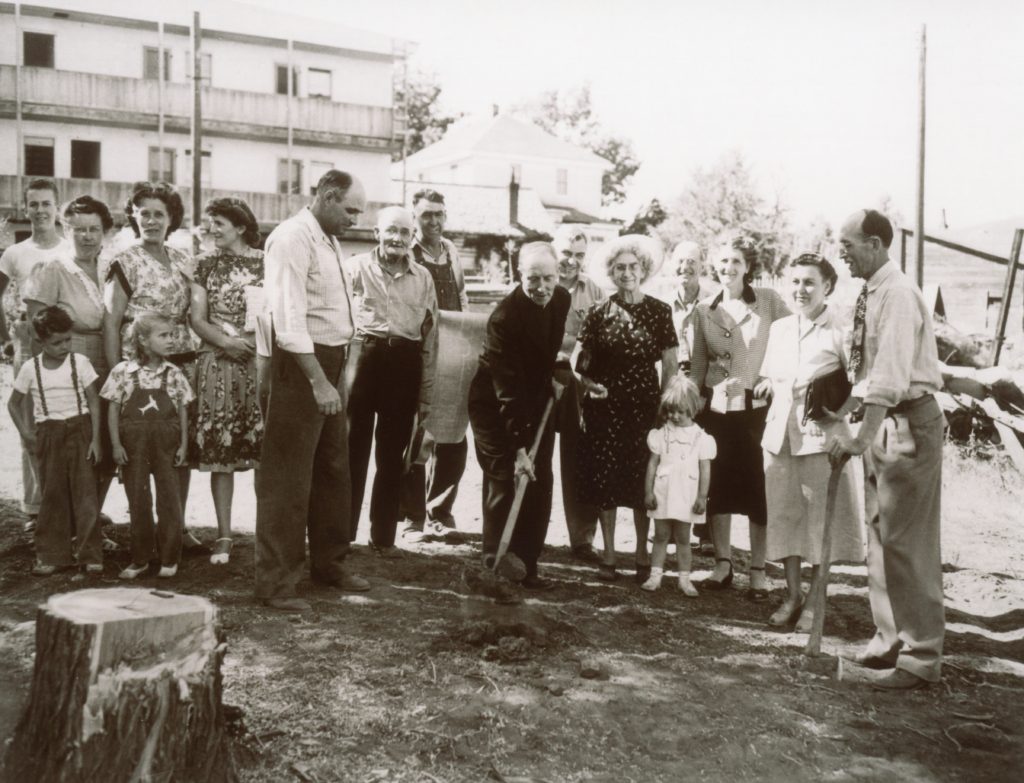
On Friday afternoon, September 3, 1948 with little fanfare, a simple groundbreaking ceremony was held for the new Sacred Heart Church. Father P.J. Moran had the distinct honor of turning the first shovel of soil. T&M Carpenter Shop had the contract to build the Spanish architecture style church, that would seat 300. The old church could only handle 100. The building contract had a clause the church would be completed in 120 days. So much for good intentions, as the first Mass in the new church was not held until July 9, 1949.
In 1941, Father P.J. Moran of Susanville’s Sacred Heart Church announced plans to build a new church to replace the wooden one constructed in 1894. The raising of funds would take longer than Father Moran expected. In the spring of 1948, all systems were go so to speak. The first order of business was the disposal of the old church. In June 1948, it was advertised for sale, no specific price, just to the highest bidder. Alas, there were no bidders. Off to Plan B. Taylor & Roberts were awarded the bid to dismantled it, which the intended goal was the middle to July. It took a little bit longer, but in August, the old church was part of history.
Lake Almanor’s Hamilton Branch was named for John Hamilton one of the first Anglo settlers there. However, during his time there was no Lake Almanor, which was not created in 1914. Located there is Big Springs, and a popular spot then and now. In the 1920s, the place started to flourish when the cabins from Red River Lumber Company’s Camp 32 were retrofitted to be included in Hamilton Park, which would eventually evolve into Lassen View Resort.