Donate!
Donate!
Subscribe!
Subscribe!
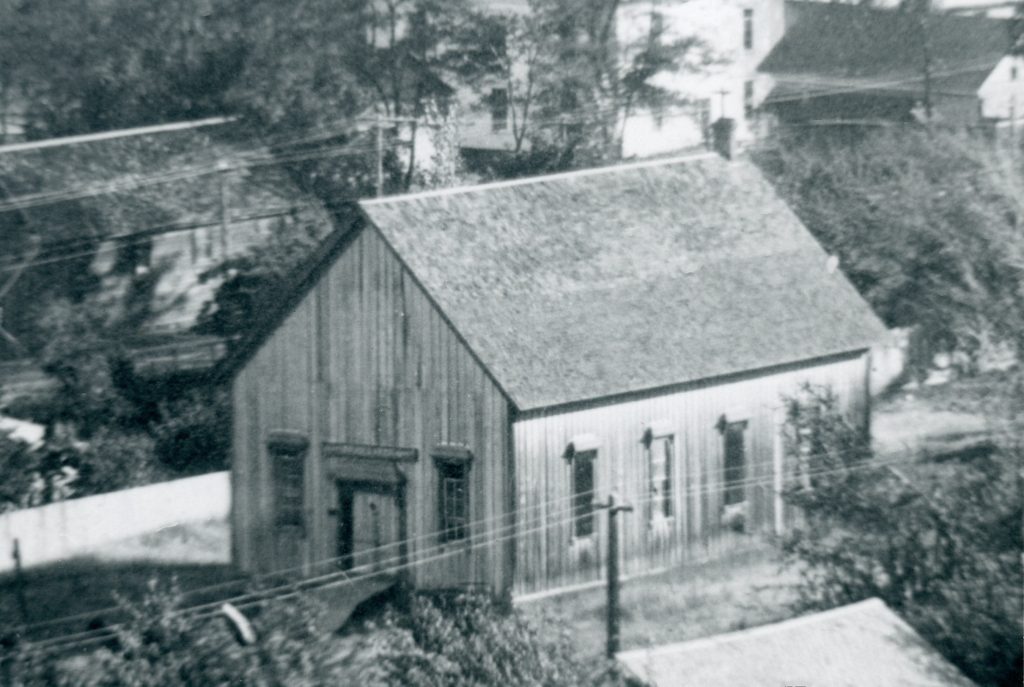
In October 1875 it was announced that the D.H. Tucker was awarded to construct a church on the corner of Pine and Cottage Streets. The edifice would cost $2,200 with a $500 loan from the American Congregational Union of New York. At the same time the Methodist were constructing their own church two blocks away. An informal race ensued as to who would have the first church completed. It was the belief of some that the first church dedicated would receive the most support, since some were doubtful that the town could support two churches. The Methodist won.
On November 17, 1878 the congregational church was dedicated with the Rev. John Phillips presiding. Not only was there a large attendance, but two children—Beatrice Partridge and Grace Olive Lovell—were baptized.
By 1900 the church had disbanded. In the fall of 1903, the Lassen Advocate noted: The old congregational church on Pine and Cottage Streets is going to ruin. It is an eyesore and something should be done about it.” Three years later, something was started to take care of that problem. It turned out the American Congregational Union sued the Susanville Congregational Church Society for the $500 that it had loaned them to build the church. They won by default and Lucy Spencer purchased the church property for $1,150. In 1914, Lucy’s grandson-in-law, Charlie Emerson, moved the church down the street, next to the Methodist Church, where he converted into a warehouse for his nearby mercantile business. On August 5, 1915, a fire broke out in the converted church that would destroy most of the buildings on that block.
Subscribe!
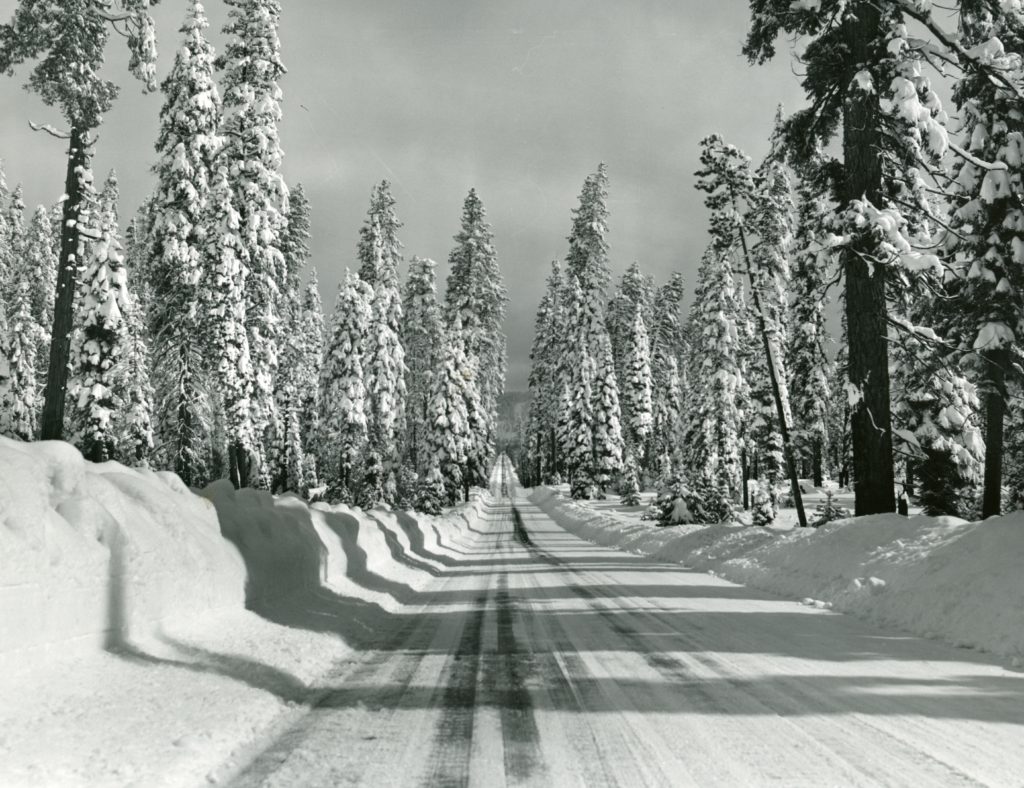
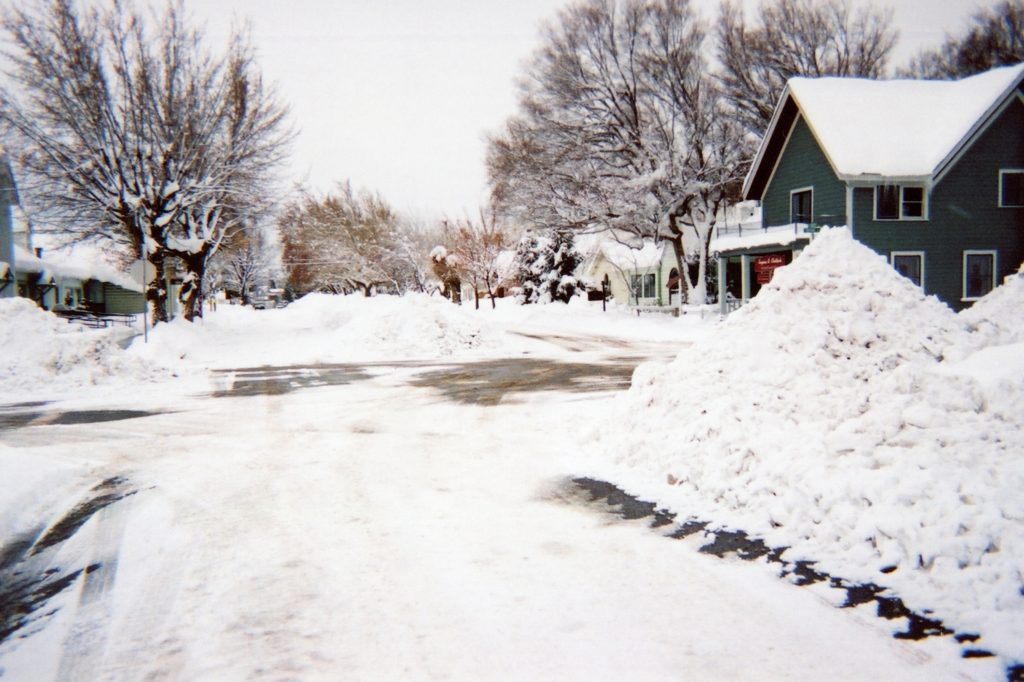
In the 1920s, the Westwood Auto Club was a force to be reckoned with. After all, it served as Red River Lumber Company’s de-facto chamber of commerce. The club had a lot of influence during the construction of Highway 36. They did have one item of contention with the state when the highway was completed. They did not the like the idea of being snowbound in the winter months and yearned for the day when the state would keep the highway open year round. In November 1928, the club wrote State Highway Engineer Comley to plead their case: “We believe that in asking for this we are justified as in previous years we have been snow-bound for at least four months each year, and as you realize that our work is more or less seasonal nature and that vacations are taken when work is slow or the woods closed down, it does not give us a chance to drive our cars to the section we most desire to spend our vacations and leisure time, and where our cars give us the pleasure that we desire. In addition to that phase of life we would use our cars to a very large extent to also pursue business, which would make this road available for that purpose.
“It is our earnest desire Mr. Comley that you study this problem further, and give it your earnest consideration and although there can be many points raised against the feasibility of is points in its favor should and we hope will predominate. The control of this road during storm periods would eliminate any hazard to lives and we agree that that has been our highest argument against opening the road.”
Comley concurred and understood the plight of not only the residents of Westwood, but all those located along the route who were shut out from winter storms. On the other hand, Comley informed the club there was little in his power he could do to rectify the situation. It was a matter for the State Highway Commission to determine and equally important how to finance the snow removal. The Auto Club’s persistence paid off, a year later the Commission informed the group that beginning in the winter of 1929-30 they would keep the highway open year round. After all, the Commission cited that nearly a million dollars had been spent to construct the highway, therefore it made no sense to have it closed during the winter months.
Subscribe!
Donate!
Subscribe!
Subscribe!
Subscribe!
Subscribe!