Category Archives: History

The naming of Drakesbad

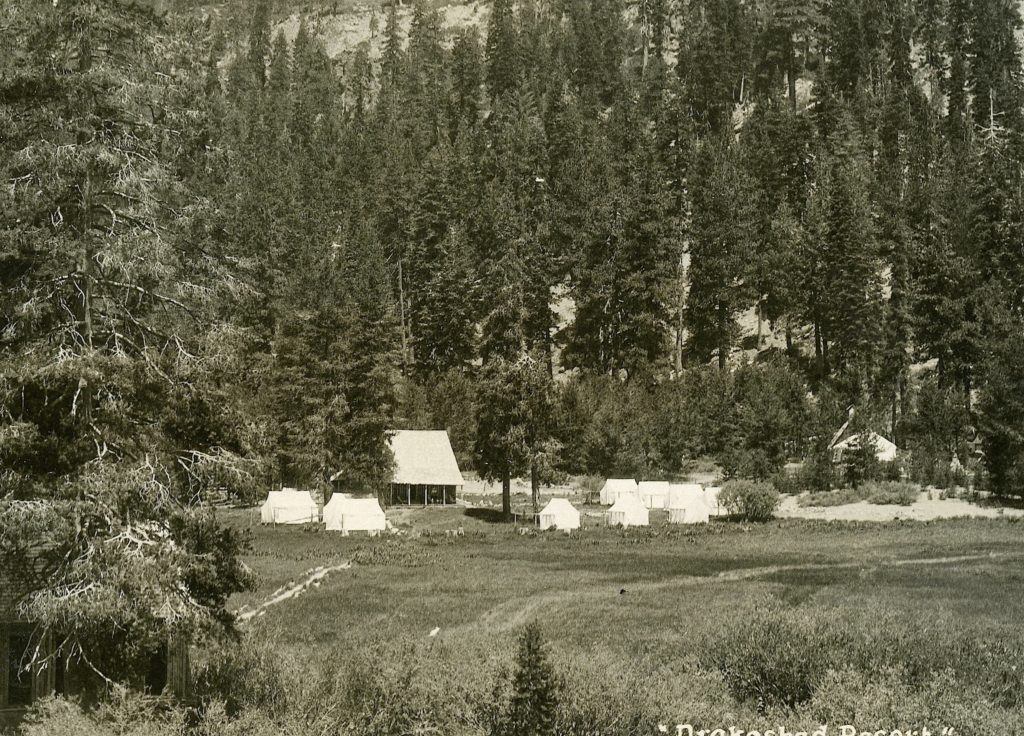
Drakesbad, circa 1930. Courtesy of the Sifford Collection

1914 was a banner year at Drake’s Springs resort in the Warner Valley near Lassen Peak. This, of course, was due to the fact the mountain came to life with volcanic eruptions. Alex Sifford, the innkeeper was overwhelmed by it all. That year, Sifford along with Jules and Rae Alexander incorporated Drakes Springs Company as a vehicle to raise money by selling stock.

For marketing purposes it was decided to rename Drake’s Springs. It was Rae Alexander who came up with a new name. It was the general consenus to retain the Drake name. Mrs. Alexander’s parents were from Germany and the German word for spa and baths is bad. In June 1914 the announcement was made that the new resort would be known as Drakesbad.
Subscribe

World’s First Champion Cowboy

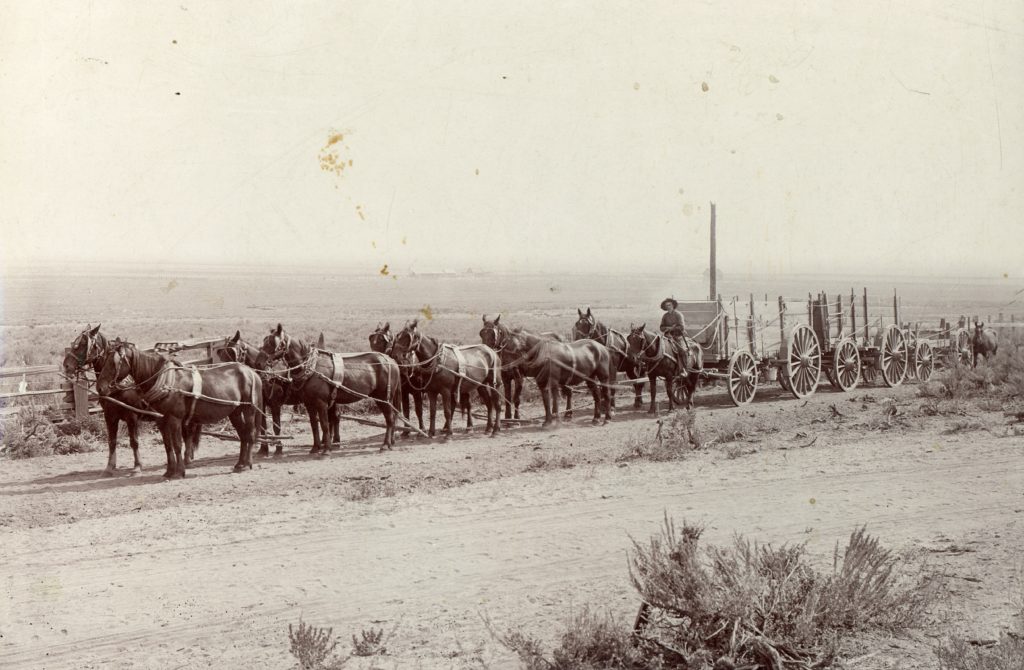
McKissick’s frieght team near Wendel, November 26, 1906. Courtesy of Katie Penning French

What has nearly become a universal question, is I am asked how I became interested in the area’s history. It was accidental. As a child, I spent a lot of time with my uncle Bob Rea and his best friend, Frank Satica. I was very gullible/naive then and I believed everything told to me. Of course, lots of people had fun with that! One day Frank told me the story of John Best “Buster” McKissick, the World’s First Champion Cowboy who was buried in Secret Valley. For once this sounded way to preposterous to me. Why would someone that famous be buried among the sagebrush and sand?

For once, I questioned this, not be someone’s fool again. So, I started asking around. The tales of McKissick grew larger. I discovered a whole new dimension of the area. When I visited one of McKissick’s relatives, Lena Trumbull, she showed me a photograph of McKissick’s freight team in front of the imposing Amedee Hotel. Well, this place Amedee grabbed my attetionn, from there I learned new tales, such as commercial boating on Honey Lake. Ever since then, one thing had led to another and continues to do so.

As to McKissick’s title, it turned out to be true, dating back to 1876 during the Centennial World’s Fair in Philadelphia. More about McKissick’s exploits in the future.

Subscribe

Golden Eagle Mine Shutdown

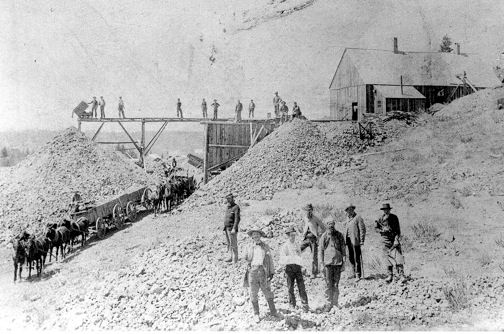
Golden Eagle Mine, 1894. Courtesy of Del & Diane Poole

In days of yore, before Prohibition, it was the County Board of Supervisors who granted liquor licenses. At times it was a contentious issue. In 1907, the County Board granted Ed Driskell’s application to operate a saloon at Hayden Hill. The two largest mine operators there, the Golden Eagle and Lassen Mining Company objected, but the County Board ignored their plea. In retaliation, Golden Eagle, shut down their mine. It should be noted that the Golden Eagle was Lassen County’s largest and most productive mine.

Subscribe

Tree Growing Clubs

Fruit Growers tree nursery at Susanville, 1928.

In the early 1900s there was a nation wide movement of forming tree growing clubs to sustain a future supply. Of course, certain regions were in more dire need of trees than others. For a brief movement, there was an attempt to organize the farmers of the Honey Lake Valley for an co-operative effort to do the same. It never went anywhere. Continue reading Tree Growing Clubs

What a Wedding Cake

Sergi Cake
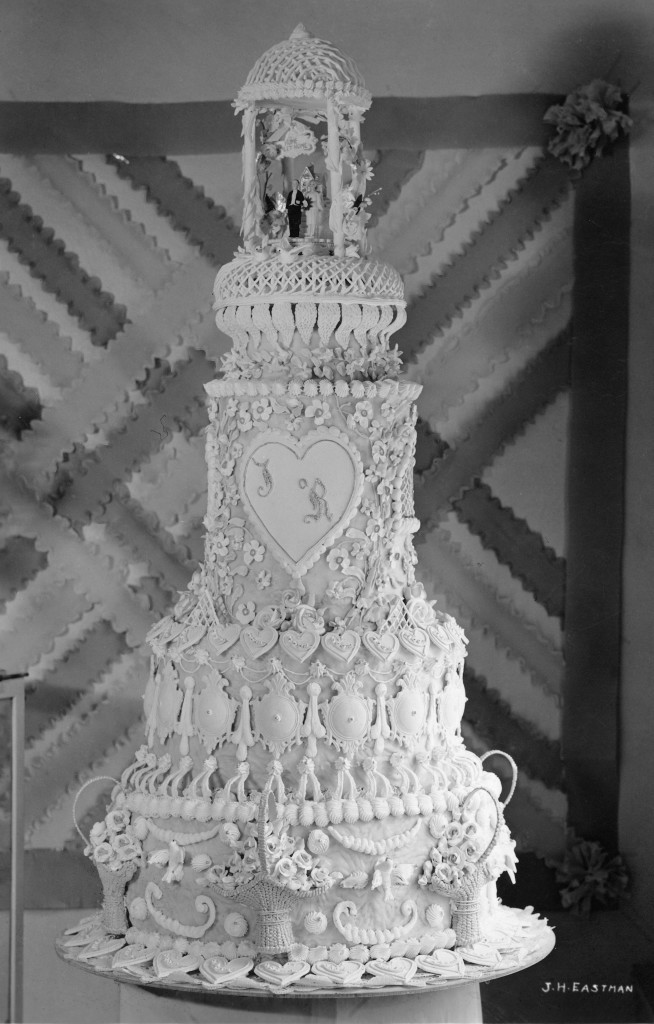
The Sergi-Sacco wedding cake. Courtesy of C. Derek Anderson

On 10:00 a.m. Sunday, November 15, 1936 at Sacred Heart Church, Rose Agnes Sergi and James Sacco were married. The bridesmaids were Louise Saffores, Concha Larrea and Camilla Alosi. The best man was Marion Larrea. After the ceremony a wedding breakfast was held at the Veteran’s Memorial Hall, with 500 guests. The centerpiece at the bride’s table was a magnificent five-foot tall wedding cake, weighing 250 pounds.

Subscribe

The 1918 Spanish Influenza Pandemic

Main Street, Susanville, 1918.

One hundred years ago witnessed the worldwide flu pandemic. It caught many by surprise, and Lassen County, like so many others were not prepared how quickly it spread, nor how deadly it was. In early October 1918 the flu made its presence in the communities of Susanville and Westwood. On October 10, forty-year-old Lassen County Surveyor, Thad McKay, became the first victim. A week later, Dr. F.H. Shanks, Lassen County Health Officer issued a statement that yes, the flu was prominent, but a mild one, and citizens to take the necessary precautions of any health crisis. Everything changed quickly with the death of Stephen F. Watson on October 17, shortly followed by two more members of the Watson family. By early November there were over 300 cases of flu in Susanville, roughly one-third of the town’s population.  On November 11, 1918, the City held a special session and ordered the closure of the town’s saloons and other public gathering places. The ban was not lifted until November 20, after a decrease in new flu cases.

As a public service announcement, it is not too late to get a flu shot.

Donate

I remember this

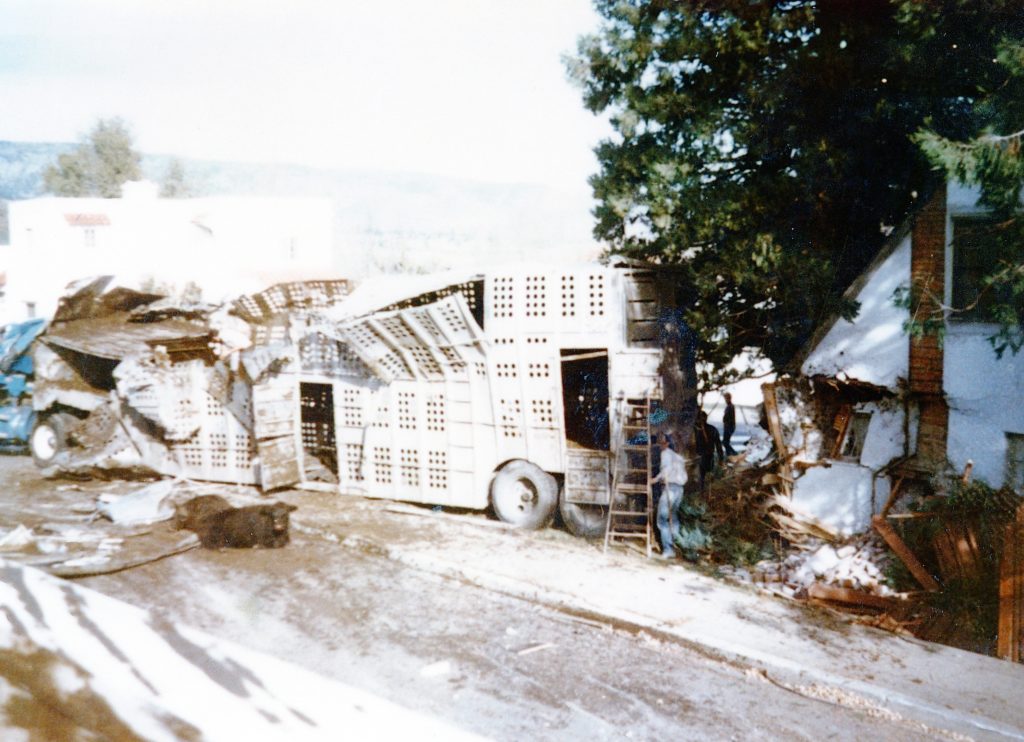
500 Cottage Street, Susanville, November 12, 1974

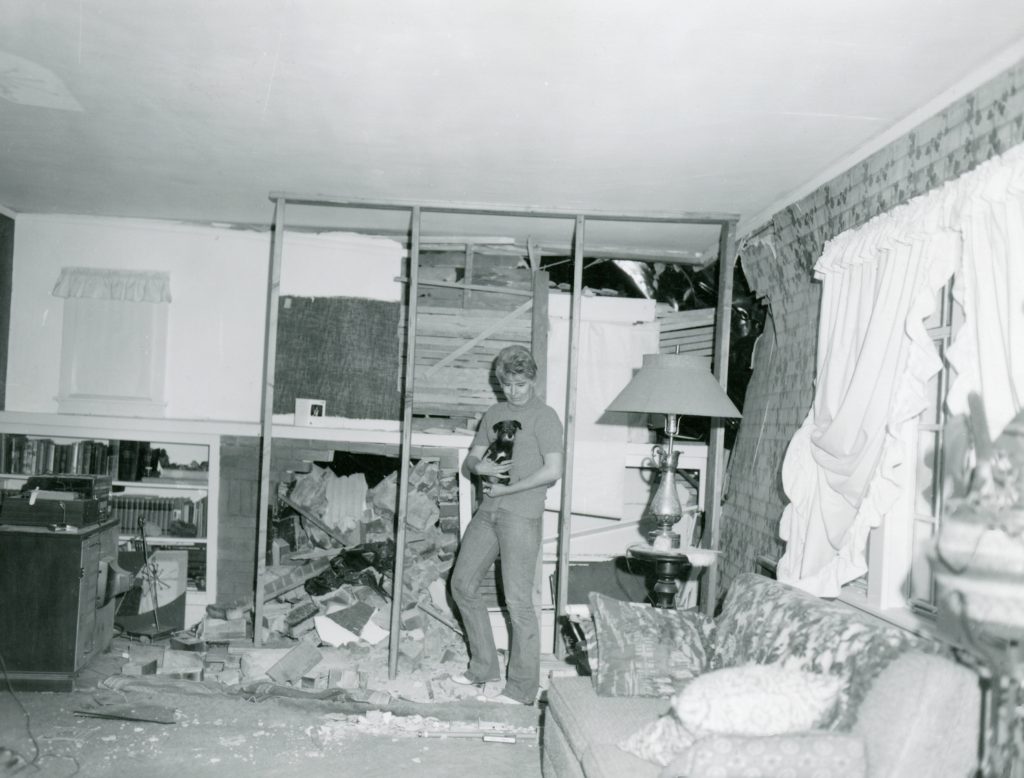
Yesterday, we examined problems with Highway 36 west entrance to Susanville. One of the worst accidents to occur there happened early afternoon of November 12, 1974. Robin Scherbarth was driving a cattle truck on a long haul to Nebraska. The truck hauling 70 head of cattle, had a brake failure and could not navigate the turn, struck the three foot high retaining wall. The weight of cattle shifting causing the truck to jump the wall, did a complete roll over, landing back on its wheels, after it had struck the residence of Ardene Purdy. Scherbarth was ejected from the truck, his injuries were fatal. Amongst the chaos, were the cattle were on loose, some managed to make it over to the Elk’s Lodge to graze on the lawn there. A make shift round up was conducted and eventually the cattle were taken to the old L.C. Smith until another truck could finish the transport to Nebraska. Major damage was done to the living room of the Purdy residence.

Ardene looking at the aftermath.

Subscribe

Susanville’s West Entrance

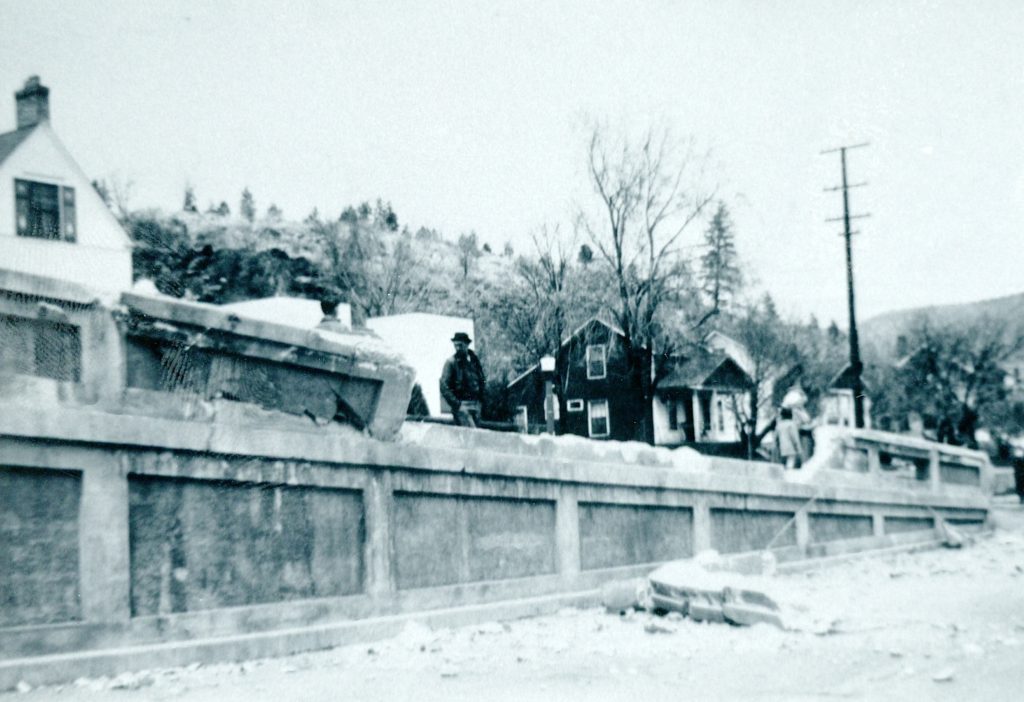
One of the many wrecks at the retaining wall entering Susanville.

With the construction of present day Highway 36, there was an issue between the State and City of Susanville as how it would enter the town. It was agreed upon to abandon the old route of Prattville Road and North Pine Street.  A new approach was agreed upon to connect South Pine Street. Yet, there were a lot of contentious issues, especially since the State would only construct to the city limit, and the City was responsible for the final approach costs. Furthermore, the City did not like the “S” curve design and considered it dangerous. It was built anyhow, and proved to be an accident prone place.

Subscribe

Star Attractions

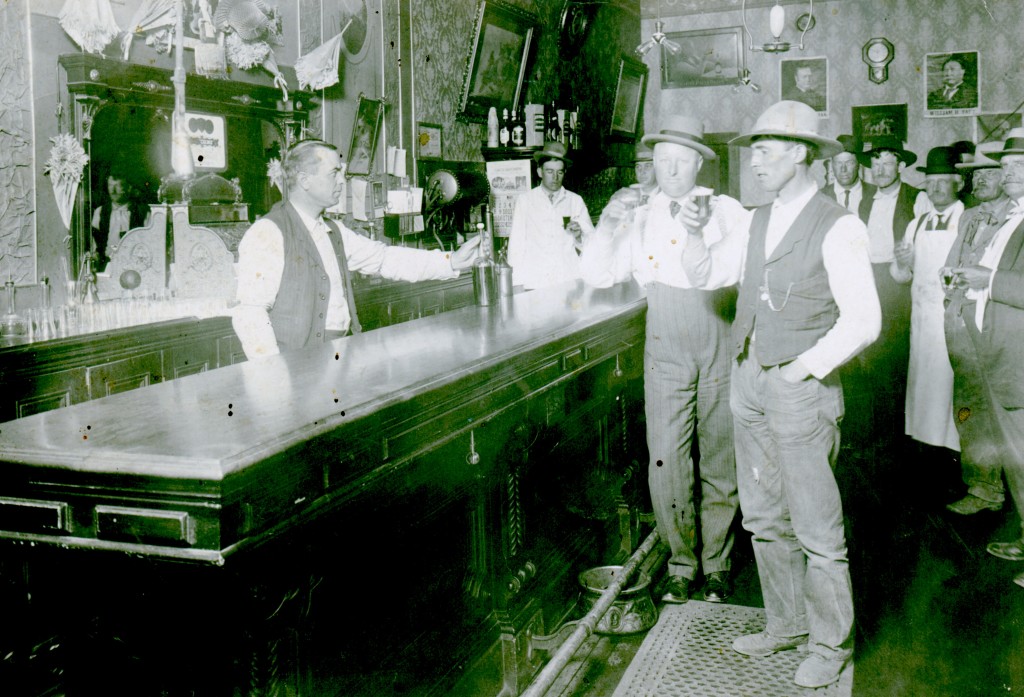
Susanville’s Gem Saloon, circa 1905. B.R. Zimmerman Collection

The early day dispensers of adult beverages were a creative bunch when it came up with ways to attract customers. In early 1880s, Joe Hale, co-owner of the Pioneer, for a brief time had a bear cub at the bar. Initially, all went well, until the cub grew much larger and had to be turned loose for the safety of Hale and his patrons.

In 1907, B.R. Zimmerman, proprietor of the Gem Saloon, installed a new upright player paino—just not any kind. It was an electric player piano, if no one was available to play it, one just pushed a button and it played  by itself. As one observer noted, “The instrument is a beauty, and should prove a winner in public favor.”

1912, the Blue Goose Saloon, to make its establishment stand out from others—after there were more saloons than houses of worship—installed the town’s first outdoor neon sign. The sign did not have a long life, as the following summer it developed an electric short, which started a fire and burned down a portion of the 600 block in Susanville.

Subscribe

A Red River Tragedy

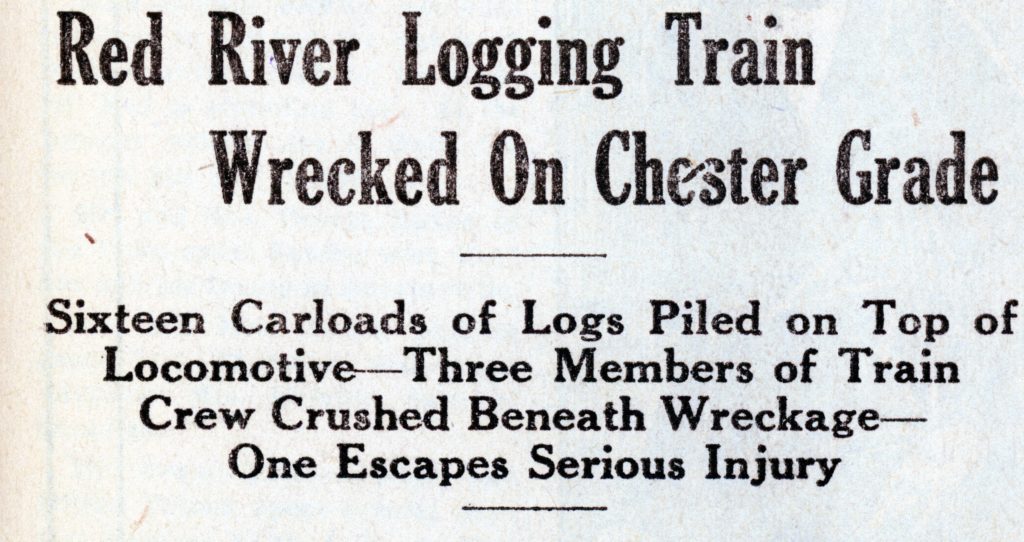
Lassen Mail headlines of October 18, 1929

Logging has always been a hazardous profession, and the Red River Lumber Company was not immune.   On the evening of October 11, 1929, a logging train coming down the grade from Warner Valley derailed two miles from Chester. The train consisted of sixteen cars that left the track cascading fifty feet down into a ravine. Three of the four train crew—George Brooks, J.A. McConnell and E.D. Burt—perished in the wreck. G.B. Kale, the rear brakeman was thrown from the caboose, sparing his life. He literally did have the wind knocked out of him, but recovered in time to prevent a second wreck. A second train was following and the lantern from the caboose was lying along the track. Kale was able to flag the other train to stop or otherwise it would have jumped the rails and met the horrible fate of its predecessor.

Subscribe