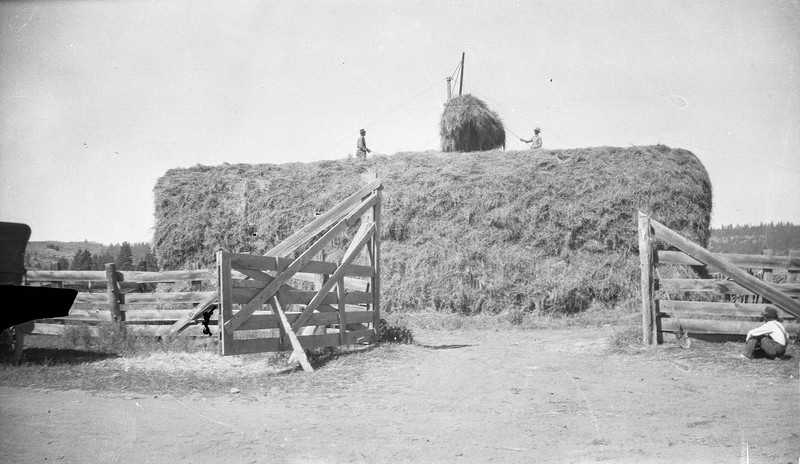
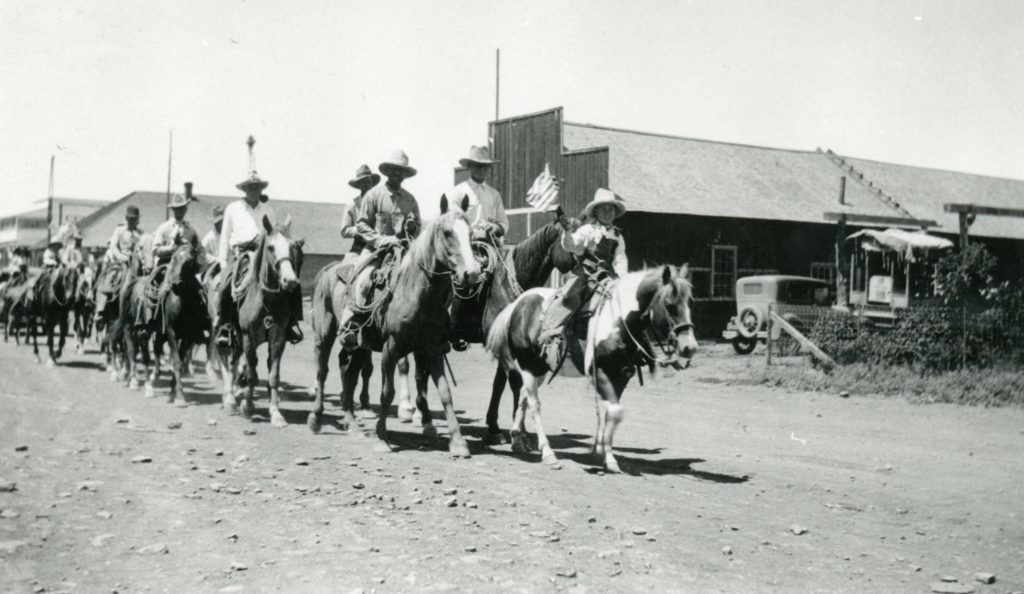
Haying Scene, Murrer Ranch, Willow Creek Valley, 1923–Lola Tanner
Haying at one time was a extremely labor intensive endeavor. There would be rotating hay crews, working on ranch, and then move on to the next one. Lest we not forget the kitchen crew to feed all those hard workers.
Haying on the Sugru Ranch, with Sugro Hill in the background, 1900–Robert E. Trussell
On a quarterly basis, I ask you the reader, if there is something you would like to learn more about or maybe its something you heard, but question its validity. So here is an opportunity to participate. I will do my best to answer any questions. It should be noted, it may take awhile for the answer to appear as a post. The primary reason, many of the daily posts are done nearly a month in advance. So by the time you read this I am already working on posts for the middle of August, or at least I should be. Whatever the case may be, I look forward to hearing from you. Of course, it should be noted that paid subscribers requests receive priority. In addition, you can always send a request at any time.
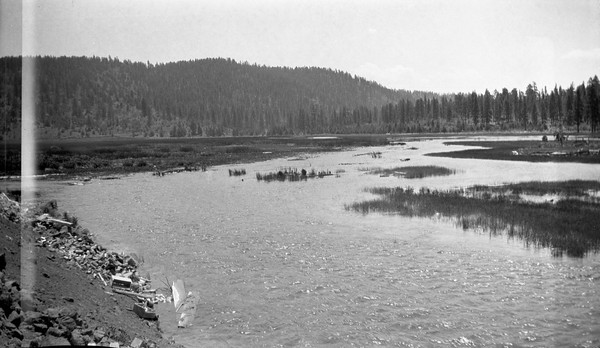
This is a random thought/observation because of the photograph depicted. Prior to Anglo settlement streams and small rivers flowed freely. That changed when the settlers started to divert waters by means of ditches. The result, soil erosion created deep cuts in the streams’ banks. Upper Willow Creek, east of Eagle Lake still flows naturally, as it always has, as there are no diversions there. In the mid-1920s that portion of Willow Creek was not only subject to spring flooding, but addition water from Eagle Lake via Bly Tunnel.
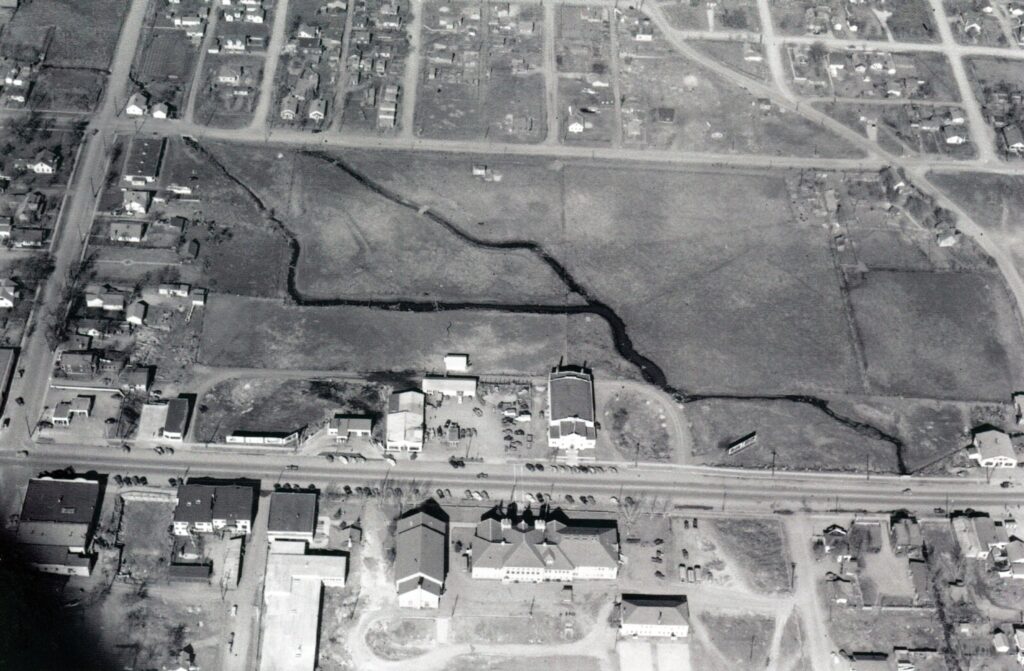
Folsom/Houghton property, 1946–Special Collections, U.C. Davis
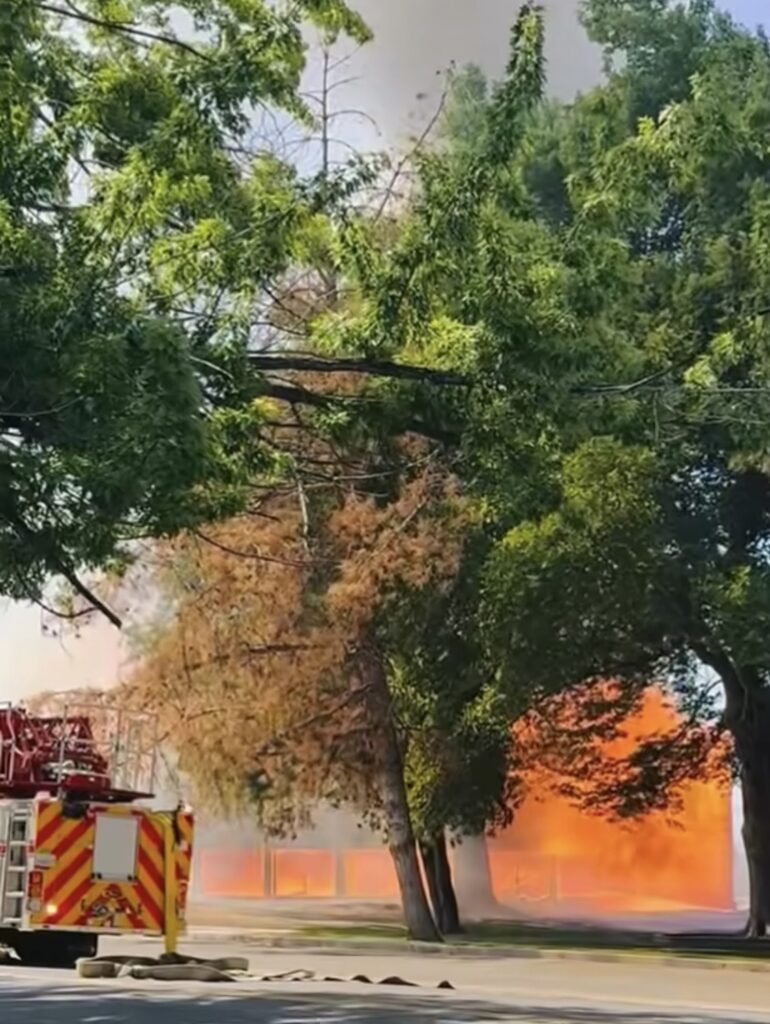
As there has been so much local chatter going around about the recent destruction of Susanville Memorial Park Grandstand, here is some history about the property before it became a park.
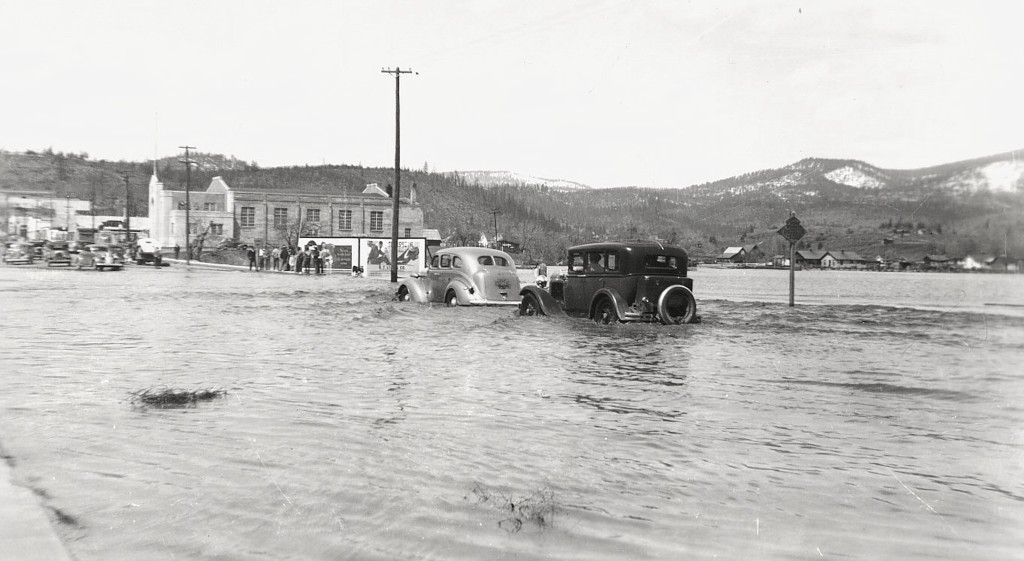
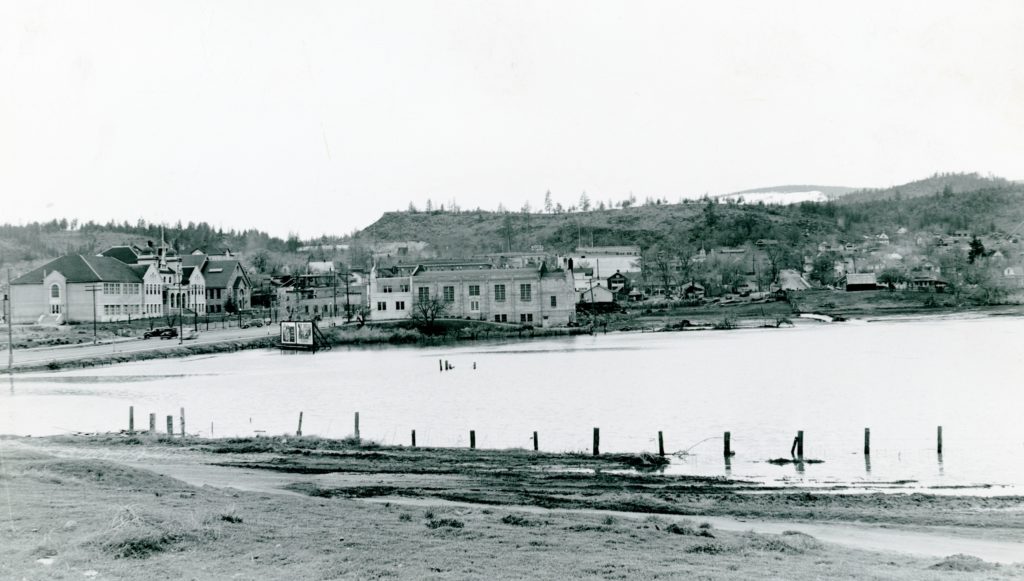
In 1909, Cyril “Cy” Houghton arrived in Lassen County. After the establishment of Westwood, Cy went work for the Red River Lumber Company. In 1934, Cy, along his wife Eleanor and their family opened a dairy which, is now Susanville’s Memorial Park. In 1938, the dairy received extensive damage from the Piute Creek flood. At one point, he considered abandoning the dairy, but changed his mind. In 1942, Cy’s dairy closed for business. He put the property up for sale, asking price $7,000.
Piute Creek flood of April 9, 1938. Courtesy of Margaret A. Purdy
Not one to be idle, Cy later when went to work for Sierra Army Depot at Herlong and retired from that place in 1957.
Another view. Most people know this site today as Susanville Supermarket. Courtesy of Betty Barry Deal
First, and foremost I am grateful for a volunteer to scan my collection of negatives. This particular photograph, I do have an original print and negative. I did a light search of this site’s photograph collection, and it did not appear.
Those new subscribers may not be familiar with the Bly Tunnel at Eagle Lake. In a nutshell, Leon Bly, a civil engineer, devised a plan to tap Eagle Lake to reclaim sagebrush lands in the Honey Lake Valley. He succeeded to organize the farmers to form irrigation districts, and they would in turn sell bonds to finance the same.
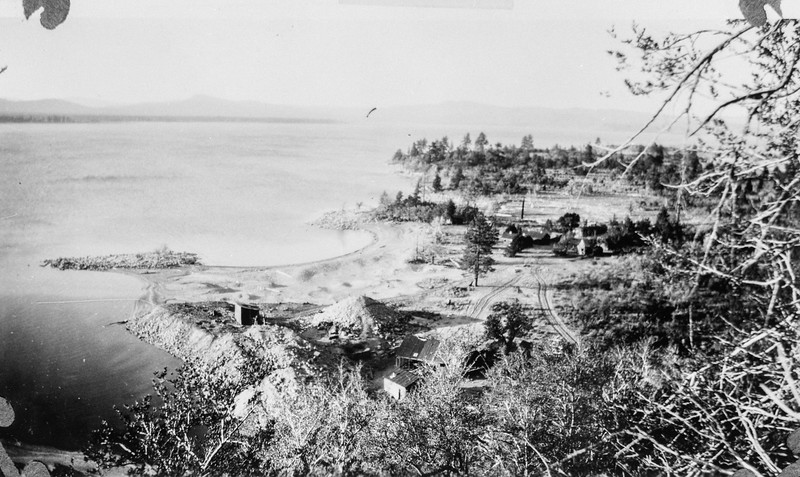
In 1920, initial construction of the tunnel began on the Willow Creek side. In 1921, a second construction camp was set up on the lake side. One can see the camp, that is the site of the former Chico State Eagle Lake Biological Station. It is my understanding that the property is now owned by the Susanville Indian Rancheria. Anyhow, I thought certain individuals would like to see the layout, and, of course, the high water level of the lake.
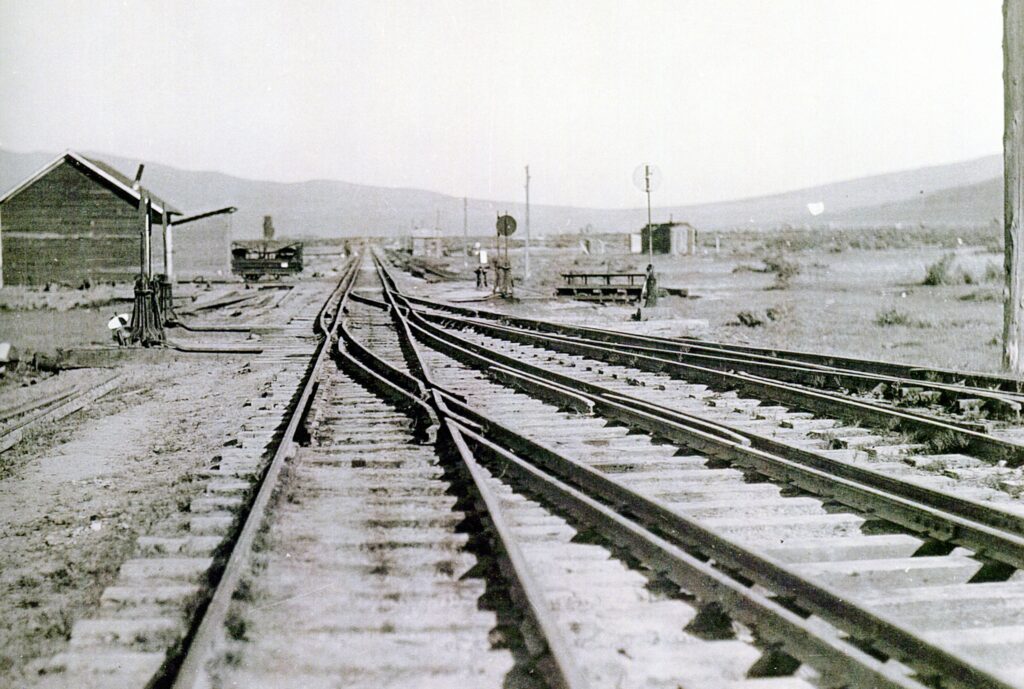
Looking north of Wendell during the change to from narrow to broad gauge.–Jack Bowden
Briefly, I wrote about this topic concerning Wendel.Unfortunately, I relied on secondary source material (Myrick, 1962) and paid the price to perpetuate erroneous material. As a penance, I herewith l correct the situation. For starters, a bit of background.
On April 30, 1925 the Southern Pacific agreed to purchase the struggling the NCO railroad. When the news broke it was reported that the Southern Pacific would convert the NCO narrow gauge to standard. Before this could happen it would have to have meet the approval the Interstate Commerce Commission. It was a lengthy process and in November 1926 the Southern Pacific gained full control of the NCO’s railroad line.
In June 1927, A.E. McKennett, assistant chief engineer of the Southern Pacific arrived on the scene to plot out construction camps between Wendel and Alturas prior to work to commence on the standard gauge of the NCO’s tracks. On July 1, 1927 100 men arrived at Wendel to begin work, followed by an additional 130 men. McKennett stated that by the end of July that between 450-500 men would be employed when rails started to be laid. He then stated, “New bridges will be built and cuts widened, etc. Mexicans will be used for the track work, while white men will be used for the bridge and other work.”
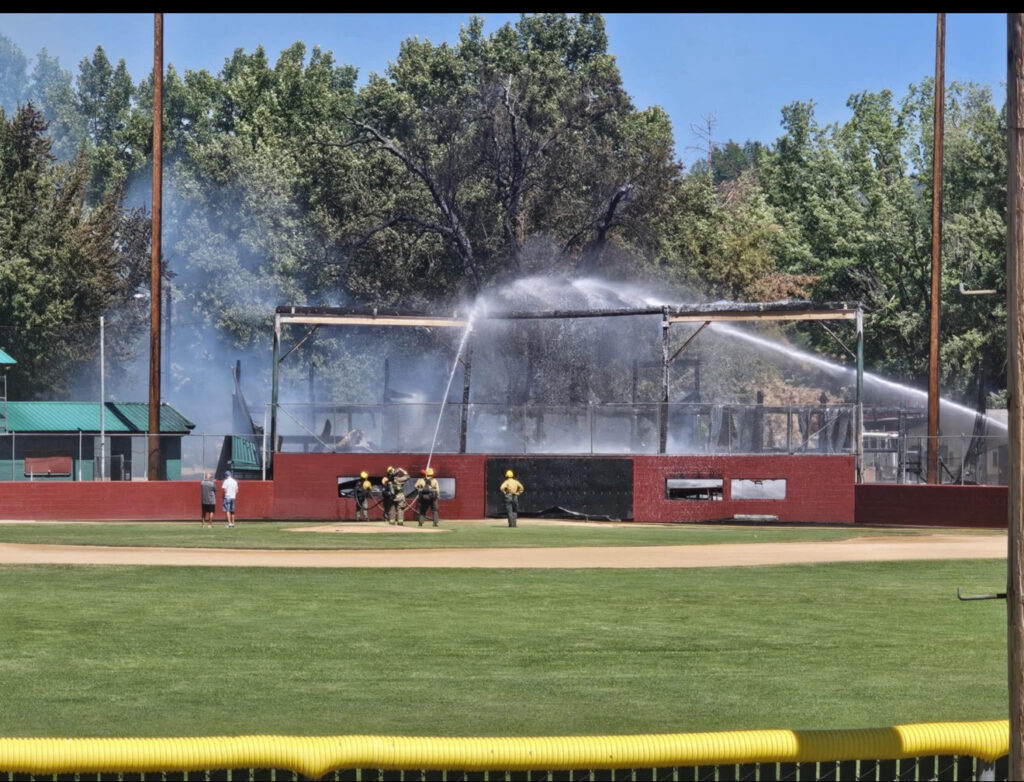
The Grandstand on fire, July 5, 2025[photograph submittedOn Saturday morning, July 5, 2025, the wooden grandstand at Susanville’s Memorial Park went up in flames. So here is a little history about the structure and the park.
Since the 1880s the residents wanted to have a park with a children’s playground among other things. Fast forward to the 1920s, Susanville became a baseball town. The Fruit Growers and Lassen Lumber both sponsored semi-professional baseball teams. A bit trivia. Those who remember Henry Matteucci, long time owner of The Pioneer, he first came to Susanville as a baseball player for Fruit Growers.
July 5, 2025-photograph submitted
In the 1920s, many thought that the current location of the Memorial Park was ideal. It is a complicated story, but negotiations stalled. After World War II, the park movement was revived. It was M.E. “Mul” Mulroney who a guiding force behind it. The property was owned by Cy and Eleanor Houghton, and the asking price was $7,000. The community raised the funds, presented it to the city and the purchase was complete. However, the city had no funds, so again the community came forward they raised funds and donated labor to do the landscaping, equip the children’s playground and a wading pool. Fruit Growers donated the lumber for the grandstand and it was built by volunteer labor.
Memorial Park, 1948
In 1949 after the improvement were completed, the park was officially dedicated. All was well, until the early 1970s, when the grandstand was a frequent target of vandals. The situation was out of control and in May 1974, the City Council debated whether it should be torn down. City building inspector George Dotson stated that with proper maintenance and care the grandstand could last as much as 25 years. It should be noted that replacement cost was estimated at $50,000. Fire Chief, Ray Berettini stated that the grandstand was a fire hazard, but it was least far enough away from other structures to limit damage. It was the public response that was in favor of keeping the grandstand, and thus the grandstand was spared demolition.
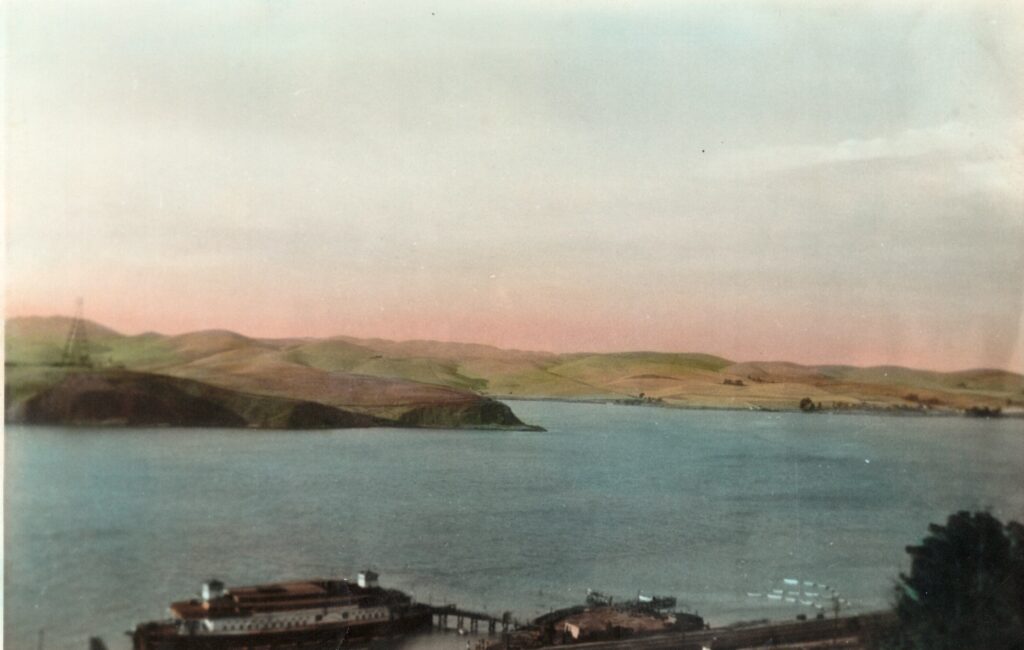
C.H. Bennett was an enrollee of Civilian Conservation Corp of the mid-1930s stationed at Secret Valley, Lassen County. From time to time, the men were permitted leave. In 1936, Bennett and some of his colleagues ventured to San Francisco. It was interesting in the aspect that the Golden Gate and Oakland Bay Bridges were under construction at the same time.
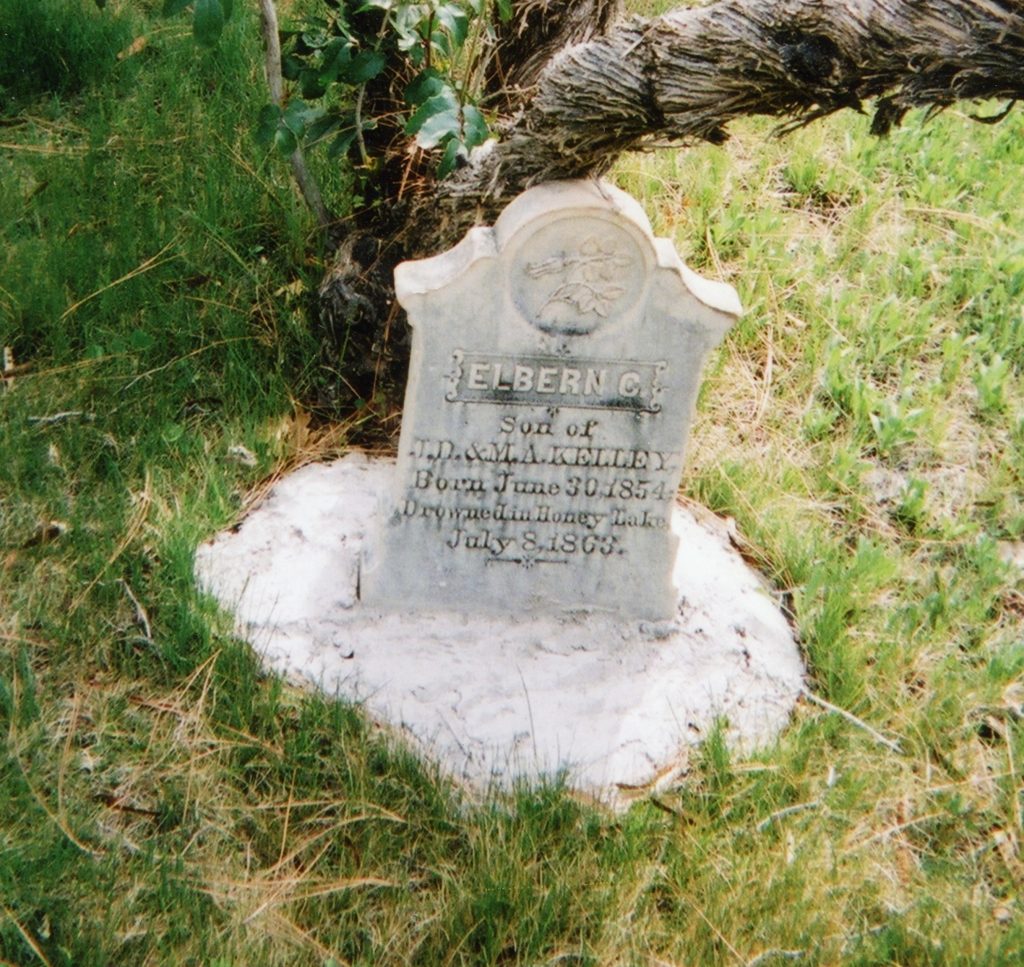
In 1862, the John D. Kelley family arrived in Susanville from Washoe Valley, Nevada. The following year they located in the Tule District of the Honey Lake Valley. The property was known for many years as the Dill Ranch, now owned by Jay Dow.
On July 8, 1863, the family went over to Milford for a social visit. Kelley’s nine-year-old son, Elbern and Joshua Bristo Rice, then eleven, went down to play along the shore of Honey Lake. They then ventured out into the lake on a sand bar. Kelley went even further and got into deep water and did not know how to swim. Rice did not know how to swim either, and rushed to get help. By the time Rice returned it was too late, and Kelley had drowned. It was the first death at Milford and the second drowning in Honey Lake.
Tim
P.S. – The historic grandstand at Susanville’s Memorial Park was destroyed by fire last Saturday, July 5, 2025. Hopefully, by the end of the end I will have the history of it.
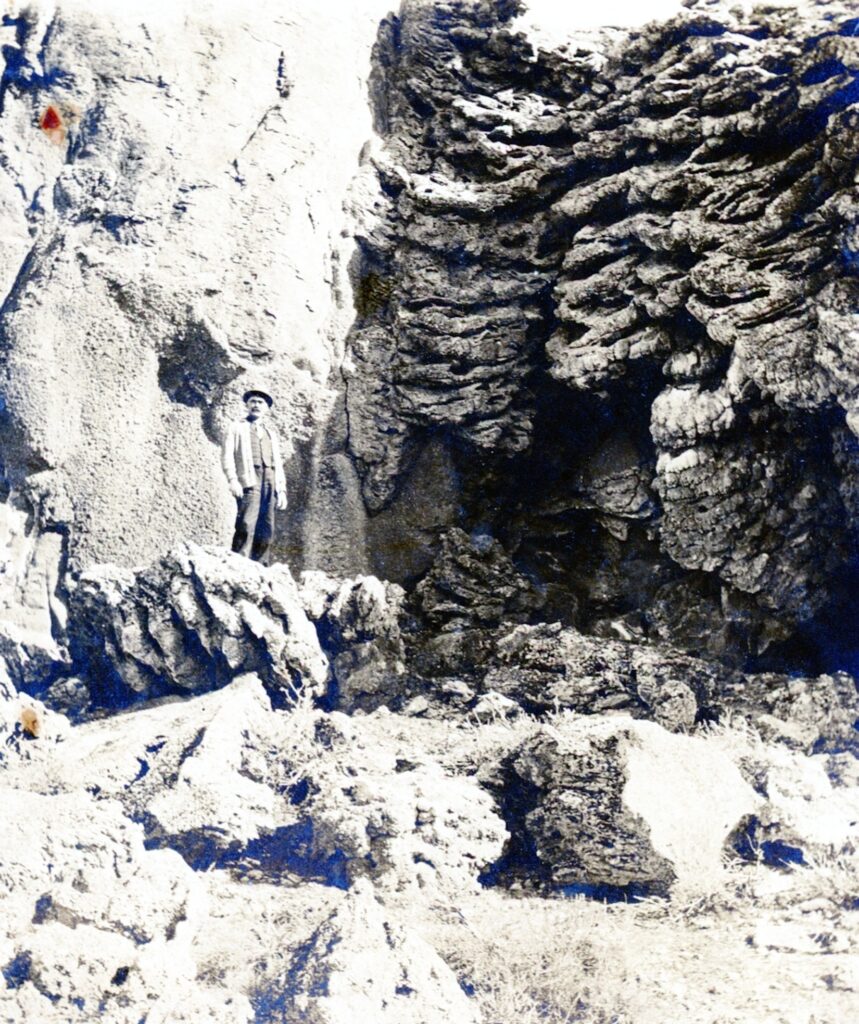
Amedee merchant, J.H. Pelfley at tufa formations, Pyramid Lake, 1906–Marie H. Gould
When you are exploring the eastern Honey Lake Valley, Pyramid Lake and Smoke Creek desert you might encountered tufa rock formations. There are numerous tufa formations in the Wendel vicinity.
Tufa formations, Wendel Hot Springs, February 7, 2016
The tufa is composed of calcium carbonate that accumulates from an underwater springs, for an extended period of time. In this case, it was the ancient Lake Lahontan that allowed for the perfect condition for the tufa to form. When the lake receded, then the deposits were revealed.