
In 1874, Merrick Cheney and George Ford opened a stage-stop in Grasshopper Valley to take advantage of the traffic generated by the Hayden Hill mines. On September 16, 1875, the Madeline Post Office was established there with Ford as postmaster. Why Ford selected the name Madeline is not known. The post office closed on October 17, 1882 and in the following year Ford sold his Grasshopper holdings to William T. Summers. This location is where Slate Creek enters Grasshopper. However, an 1893 U.S.G.S. map indicates the location at the lower end of Grasshopper.
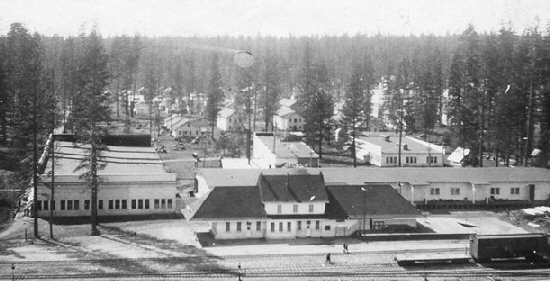
The current town of Madeline came into existence in 1902 when the Nevada-California-Oregon Railroad extended its line through the region. On October 9, 1902, the Lassen County Board of Supervisors accepted the Madeline townsite. For the next fifteen years, prosperous times were to be found at Madeline. The advent of World War I and the subsequent depression of the 1930s had a dramatic impact, not only to the town of Madeline, but to the Plains as well, as seventy percent of its population left the area.

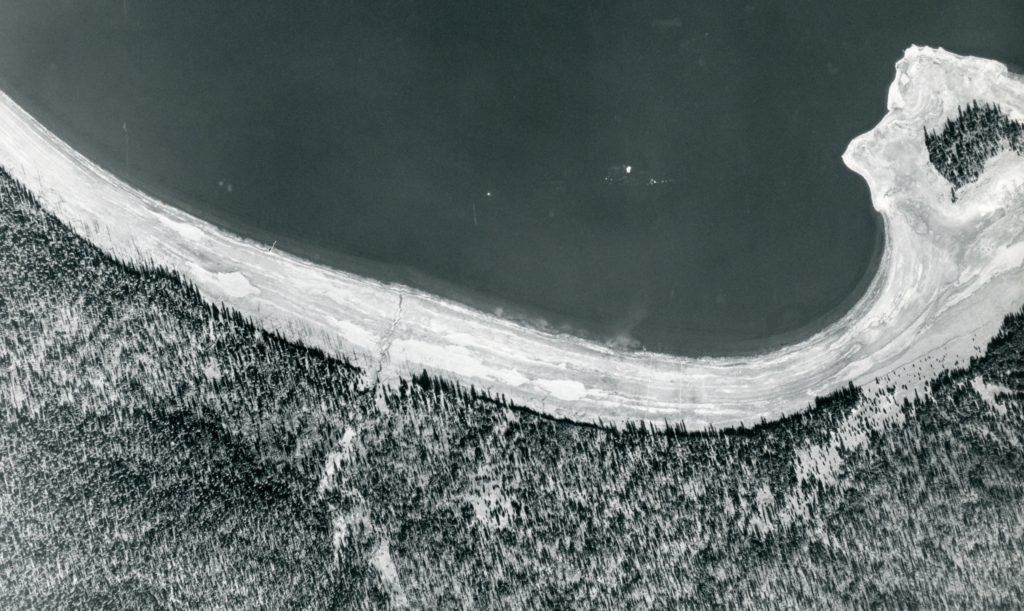
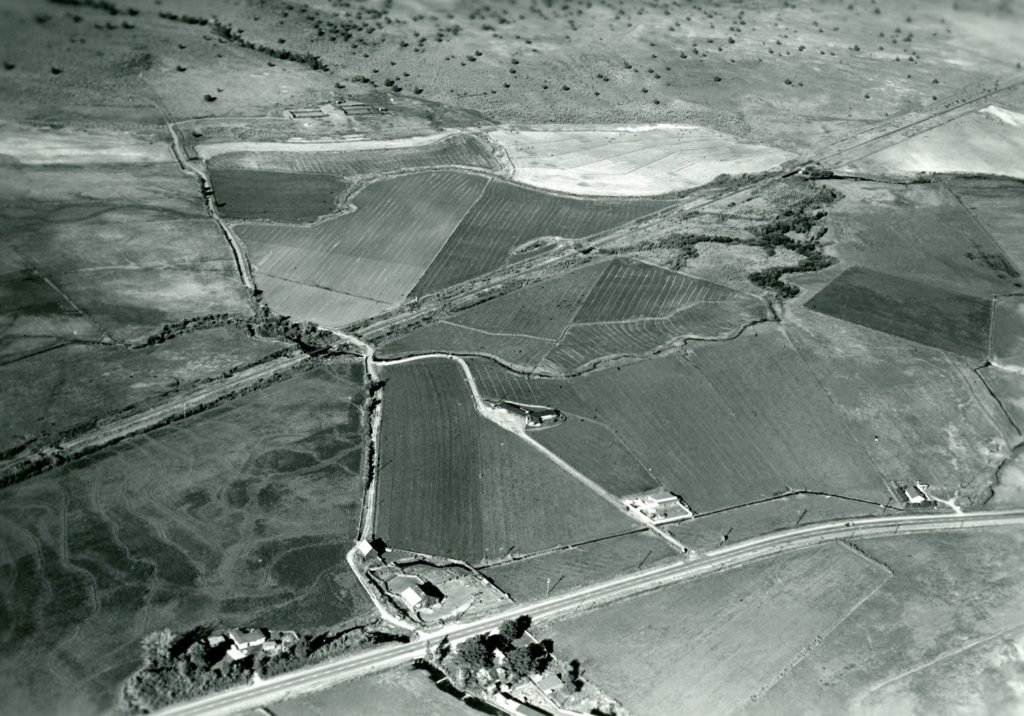
In 1916, William L. Wales, an engineer hired by the Honey Lake Valley Irrigation District, took the above photograph, as part of his exhaustive study to seek water. He proposed diverting annually 33, 962 acre feet from Butte Lake, (no one had ever filed a water right claim to it) . A canal would be constructed from Butte Creek to divert it to Poison Lake, thence onto to Pine Creek to Eagle Lake, through a tunnel there and onto the Honey Lake Valley. Very clever. However, the district was plagued with so many problems in the beginning that it never went past the initial study phase.
Spread the word, and encourage a friend to subscribe