Category Archives: History

Booms, Busts & a Postal Record

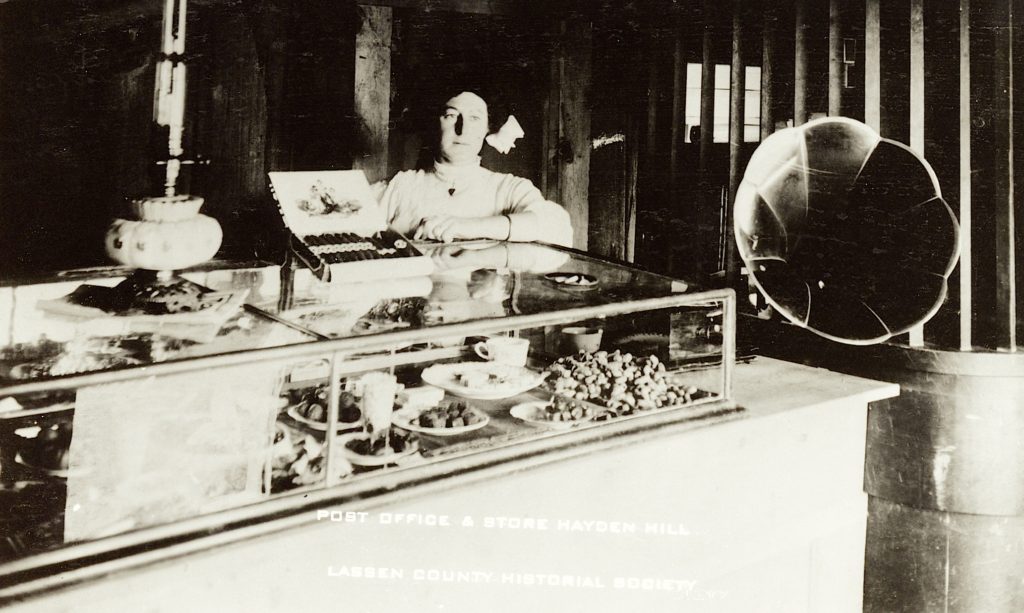
Hayden Hill Post Office & Store, 1903–Lassen County Historical Society

What a better way to gauge Hayden Hill’s mining boom and bust cycles with its frequent opening and closure of its post office. On April 13, 1871 the post office was established with Augustine W. Blair serving as the first postmaster. Blair’s tenure there was brief and would later have a interesting career in Nevada’s legal community. However, before Blair’s departure he left an enduring the legacy to the region. Blair was the first person to come up with the idea to tap Eagle Lake for irrigation.

On October 15, 1875 the post office was discontinued. It then operated from 1878-1887; 1888-1912 and revived in 1915  and on July 31, 1919 it closed for the last time..

On the east side of Hayden Hill was Letterbox Canyon. It was so named when the post office was not in operation, a mailbox was nailed to a tree at the bottom of the canyon along Willow Creek. The mail contractor would then pick and leave mail at this location, during the times when Hayden Hill’s post office was closed.
Support

Lassen County’s First Courthouse

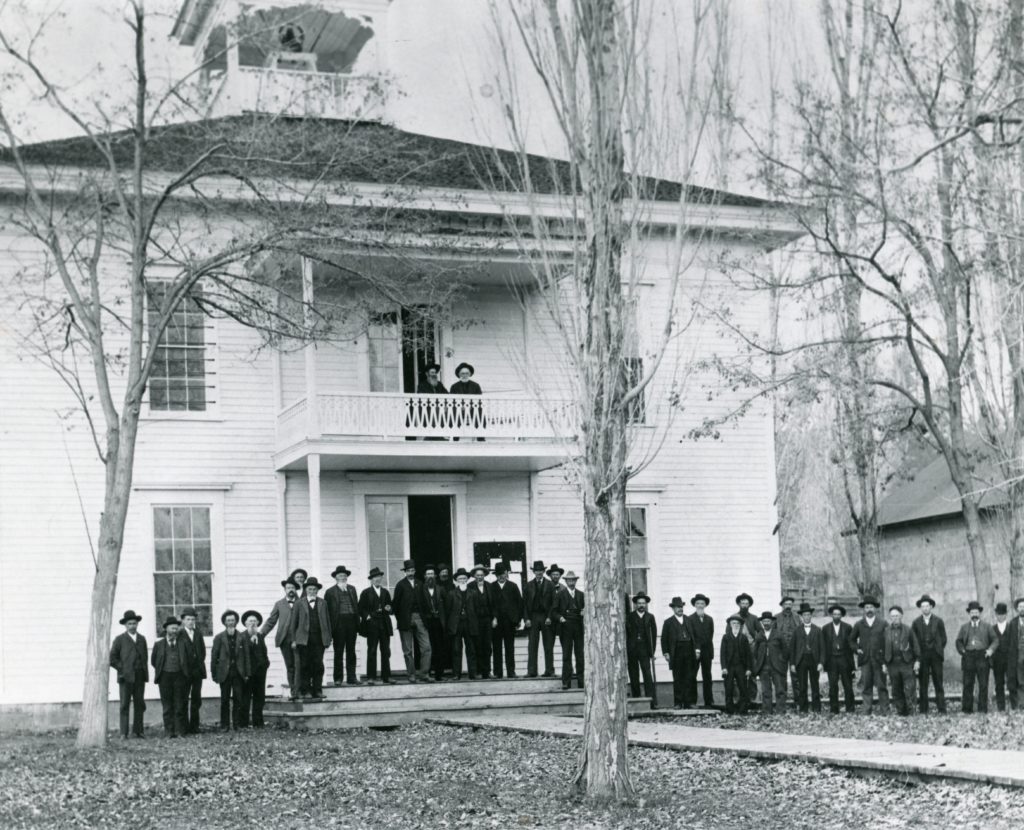
Lassen County Courthouse, circa 1890s. Assembled are county officials, along with the grand jury.

While watching the ongoing renovation/restoration process the Lassen County Courthouse, I thought I would share a bit of trivia, about the first courthouse, located on the same site. In February 1867, William R. Williams was awarded a contract, per specifications, of a courthouse at a cost of $9,850. It was accepted as completed on October 28, 1867. Not many people are aware, there is a small stream named for him—Williams Creek that flows into the Susan River at Devils Corral.

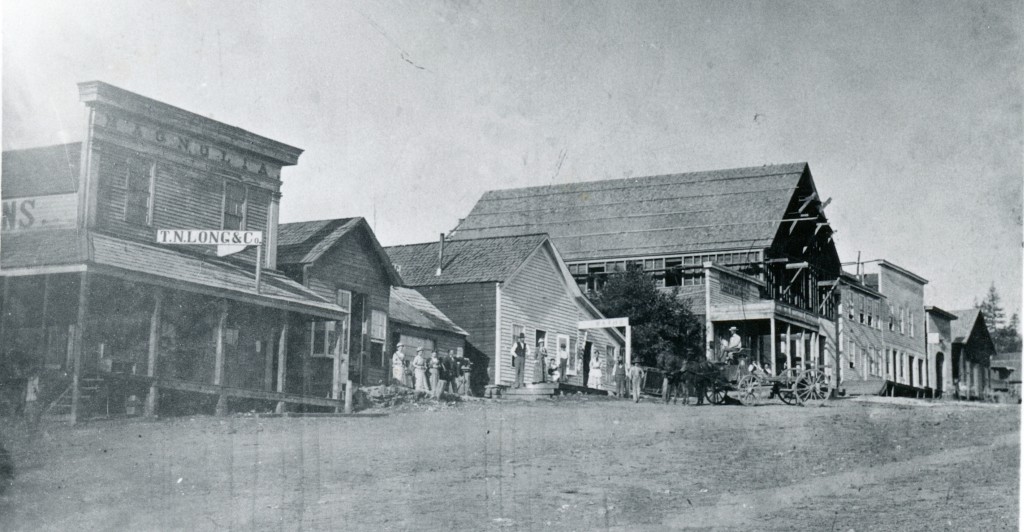
Susanville’s 800 block as it appeared in 1870s, with the Magnolia to the far left. Courtesy of Verna M. Wood

It should be noted prior to the construction of the courthouse the county rented several places to conduct county business. The courtroom and board of supervisors meetings were held in the Magnolia Saloon building, current site of the St. Francis Hotel.

Support

Remembering Diamond Mountain

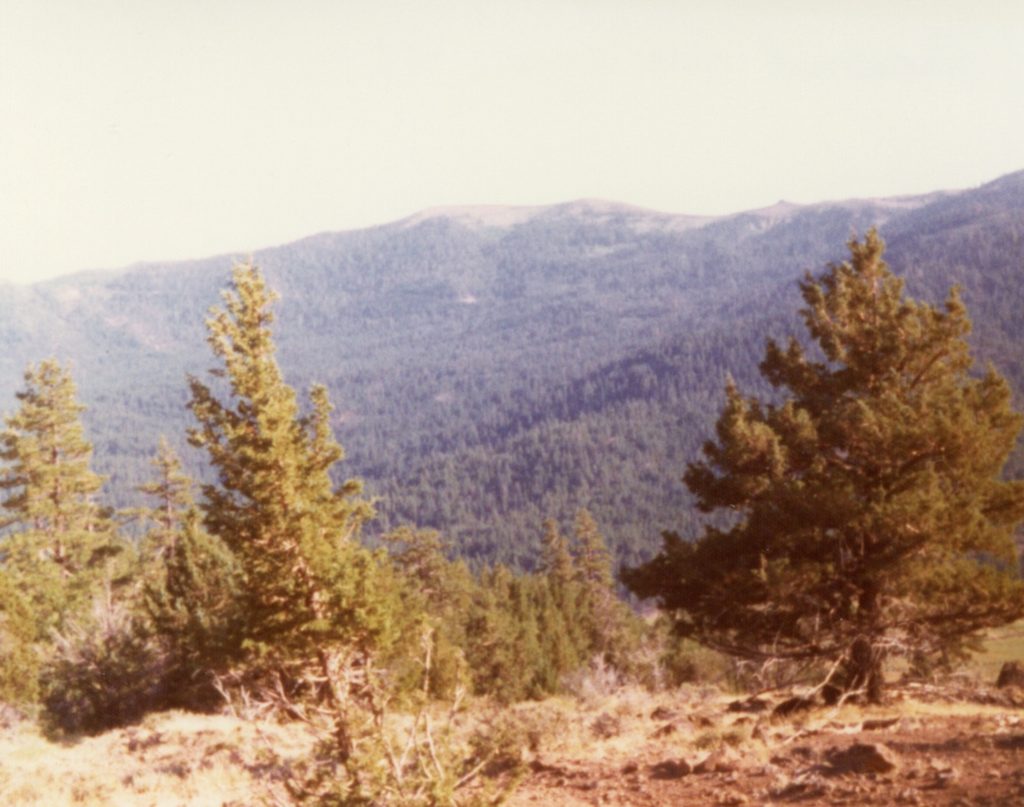
Diamond Mountain, September 1975

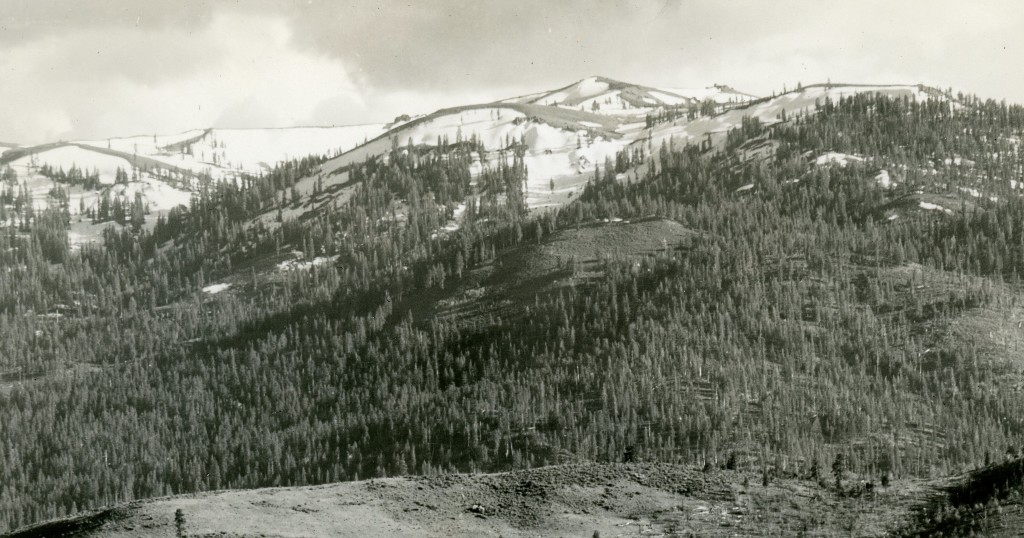
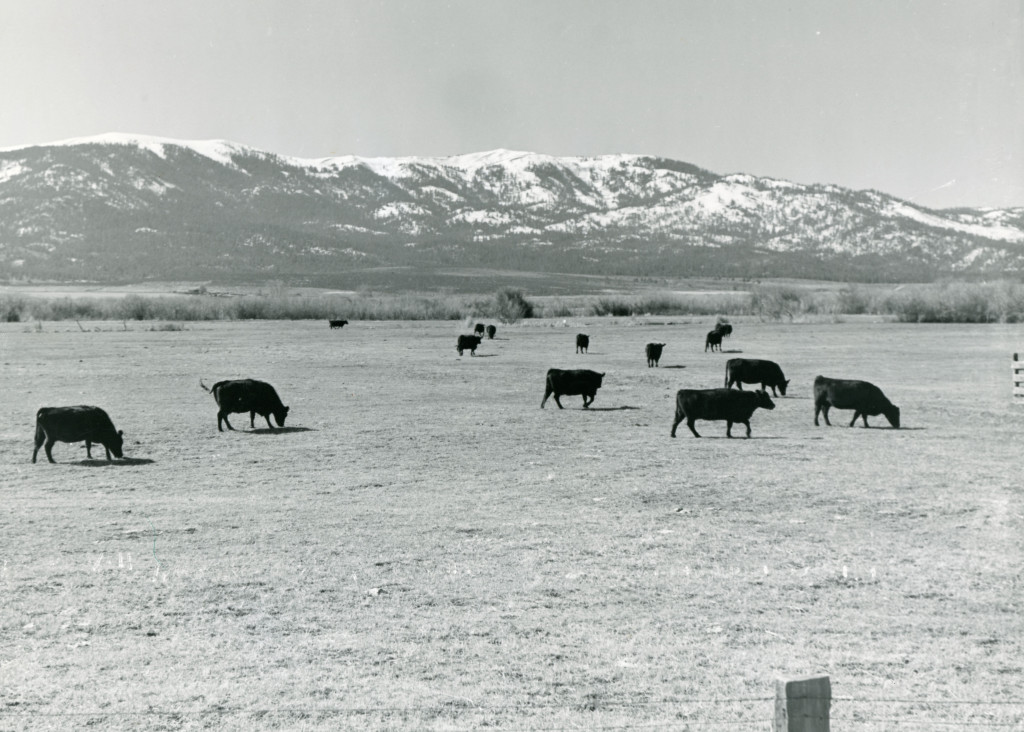
It was a year ago when the North Complex fire erupted— that had the most impact here was the Sheep Fire that ravaged. Diamond Mountain which burned 29,571 acres. So today, is a gallery of various photographs of the mountain before the fire.

Diamond Mountain, circa 1940. Courtesy of Margaret A. Purdy
Diamond Mountain, 1950s.
A view of Diamond Mountain, from Lassen High School’s agriculture fields, 1916. Courtesy of D.M. Durst Collection
View of Richmond Road January 1916 from Winchester Hill. Susanville received four feet of snow in January, followed by below zero temperatures. After that it was the beginning of a twenty-year drought, with Honey Lake going dry in 1919, and not filling up until the spring of 1938.

Tim

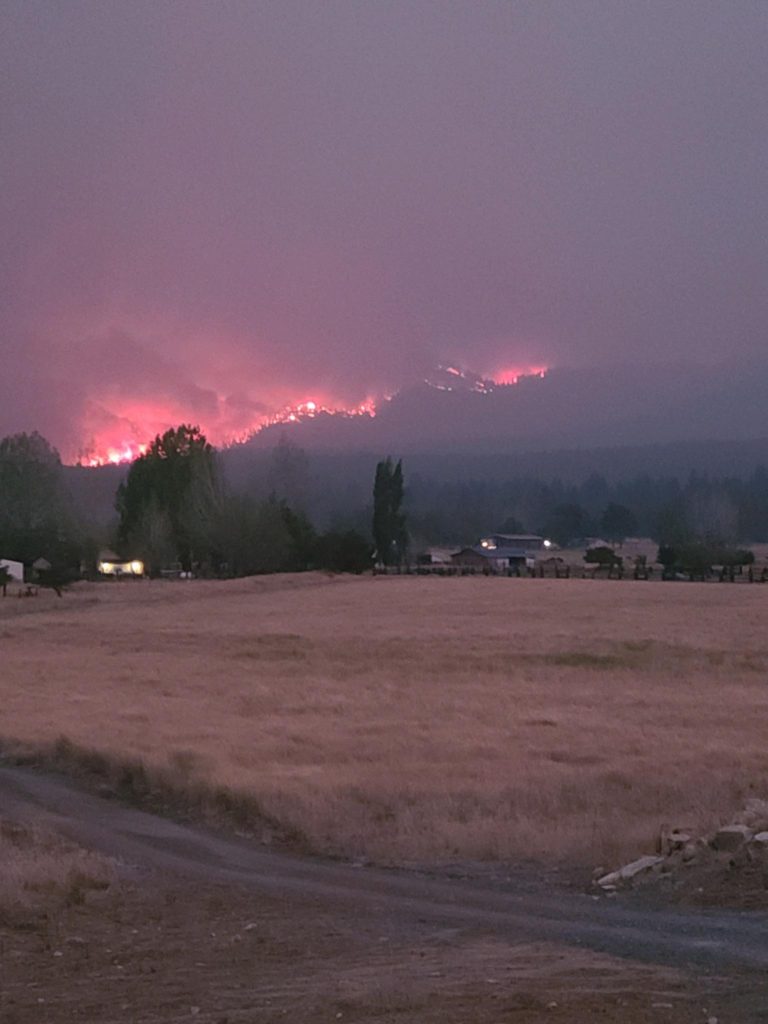
P.S. – The Dixie Fire is causing havoc here. I am currently in an evacuation warning zone. So any inquiries have not been answered,  that is why.  I have more than sixty posts scheduled so there will not be any interruption, but reminder as a rule Tuesday, is my day off from posting.  Thank you for your understanding.  

The fire came over Janesville grade on the evening of August 16, 2021

A Tuesday Tidbit – Bremner Dam

Bremner Dam Remnants, Susan River, 1977

An inquiry was posted regarding the Bremner Dam and Log Slide and whether remnants remained. During the drought of 1976-77, Susan River dropped to record lows to reveal a portion of the foundation of the dam. Whether any remains will surface this summer remains to be seen, though doubtful since there was not much left in 1977. However, one can see portions of the road to the dam, below Pigeon Cliffs.

Tim


Susanville Boardwalk

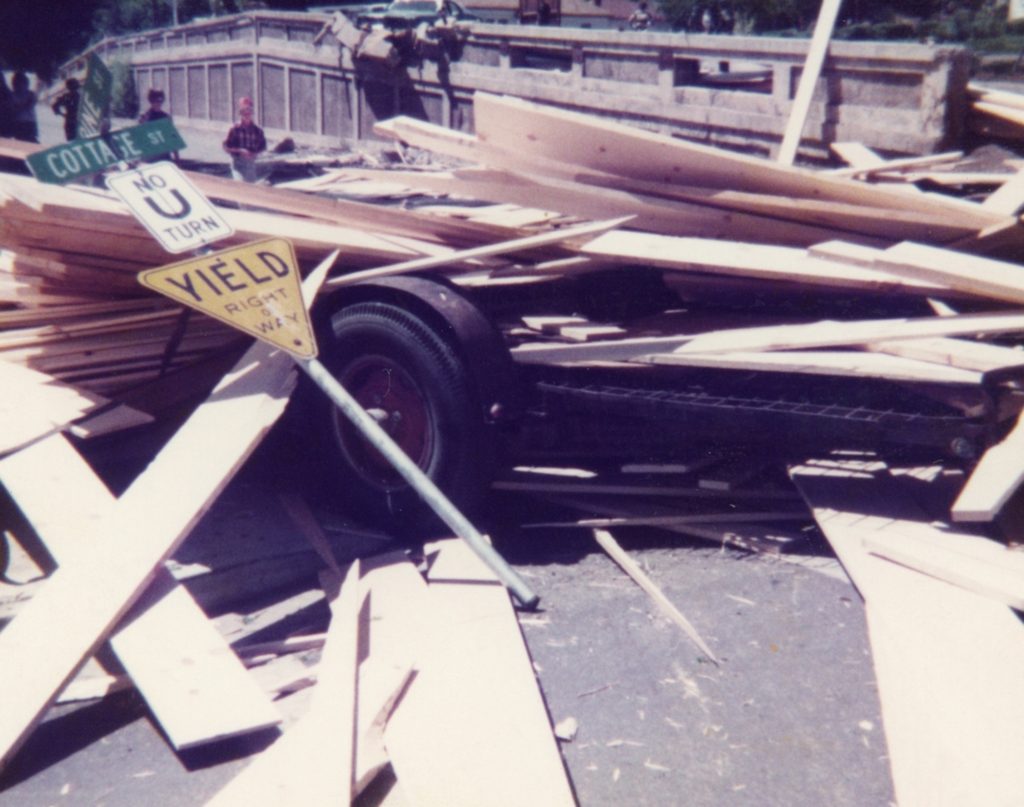
Cottage & Pine Streets, August 16, 1982

That was how the Sacramento Bee described the event, when a lumber truck overturned at the west entrance of Susanville spilling a load of lumber on August 16, 1982. A truck carrying a load of Collins Pine lumber crashed into the retaining wall on the west entrance in Susanville, careened out of control, rolled over scattering lumber across Cottage and South Pine Streets. The driver sustained minor injuries. Faulty brakes were to blame for the accident.

Cottage and Pine Streets, August 16, 1982

Tim

Litchfield Depot Update

Litchfield Depot, 1920–Lola Tanner

First of all, I want to thank Dan Dieter and John Gibson for the information they provided. The first from Gibson, was about Litchfield Depot’s first agent, James “Jimmie” Barnes. In one sense, Barnes was better known as an operator of a dance hall across the tracks near the location of 7-Acres. The hall was on the second floor. According to many an attendee, such as John Theodore, the place would be so packed that it felt as though the building was swaying.  In 1931, Cindercone Dance Hall at Standish was the go to place.

Dieter provided me with a reference to a public hearing in 1953, about the closure of the depot. On January 20, 1953 the newly organized Standish Farm Center met with main topic being the proposed closure of the Litchfield Depot scheduled for February 13. Only days prior to the scheduled closing the California Public Utilities Commission, who regulated railroads in the state, informed the Southern Pacific Railway that due to the actions of the Standish Farm Center and the Lassen County Farm Bureau, that the Litchfield Depot would remain open.  When it finally closed and was dismantled is still something to research.

Support

American Legion Memorial Building

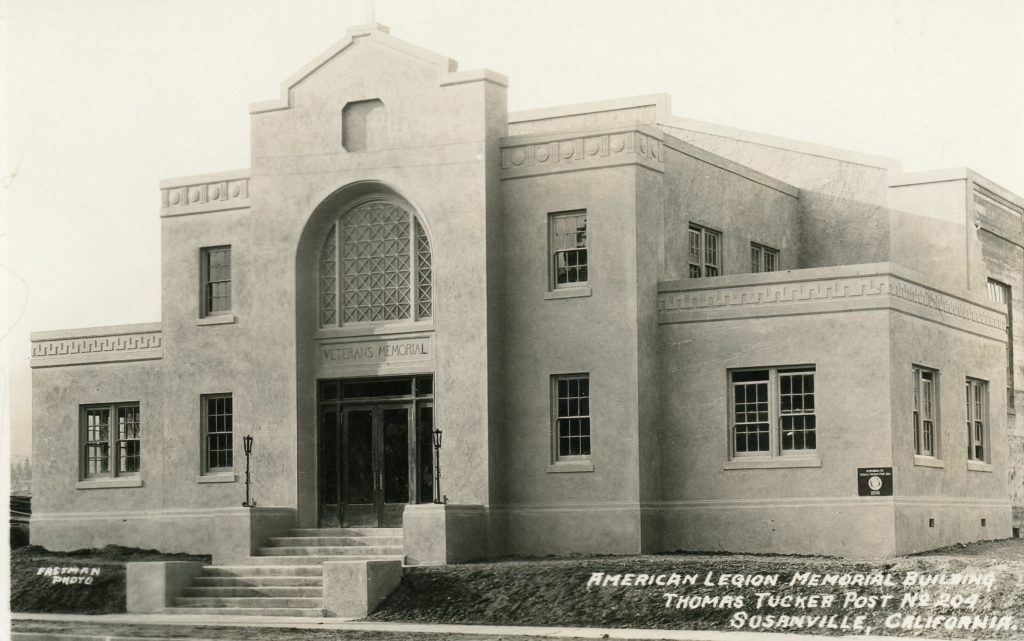
Veteran’s Memorial Building, Susanville, 1926

On Saturday, August 14, 1926 an informal open house of Susanville’s new American Legion building was held. After all, next week would be very hectic with the State American Legion Convention being held in Susanville. It was because of that convention that made the  building a reality.

On March 6, 1926 the Lassen County Board of Supervisors held a special meeting to open bids submitted by contractors for the building. The county awarded bid of contractor T.J. Rees for $.26,750.* A second contract for plumbing and heating went to E.W. Woodward for.$1,770.  It was the intention to have the building completed by July 4. That did not happen. It was not until mid-September when the Lassen County Chamber of Commerce and the Lassen County Farm Agent moved their offices into the Legion building.

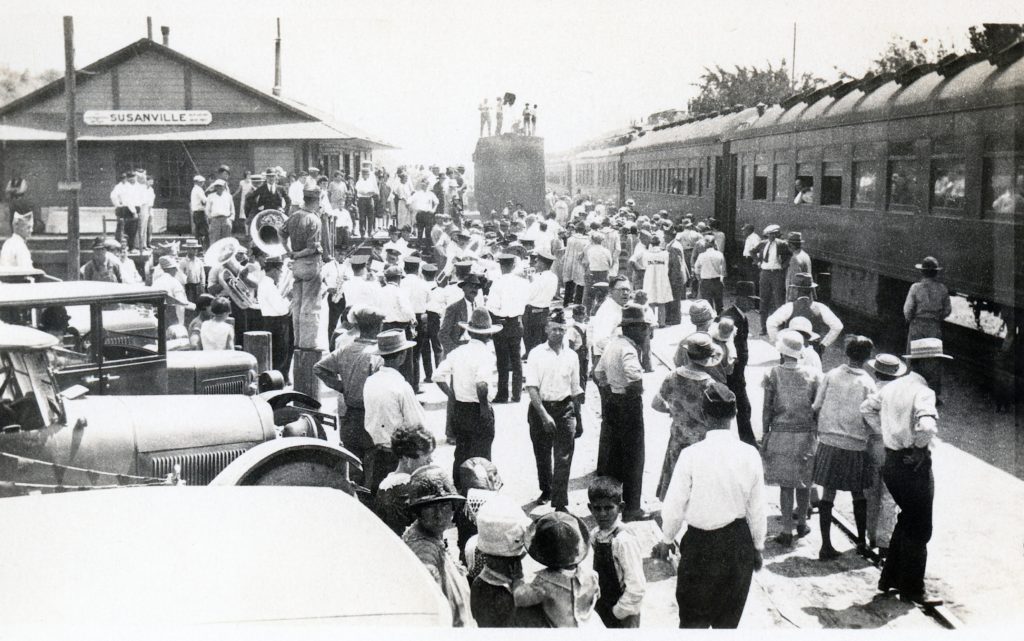
1926 American Legion Convention delegates arriving at the Susanville Depot. Courtesy of Nellygrace Stoll.

*Rees also built the Hotel Mt. Lassen and Masonic Hall in Susanville.

Support

Walker Lake Question

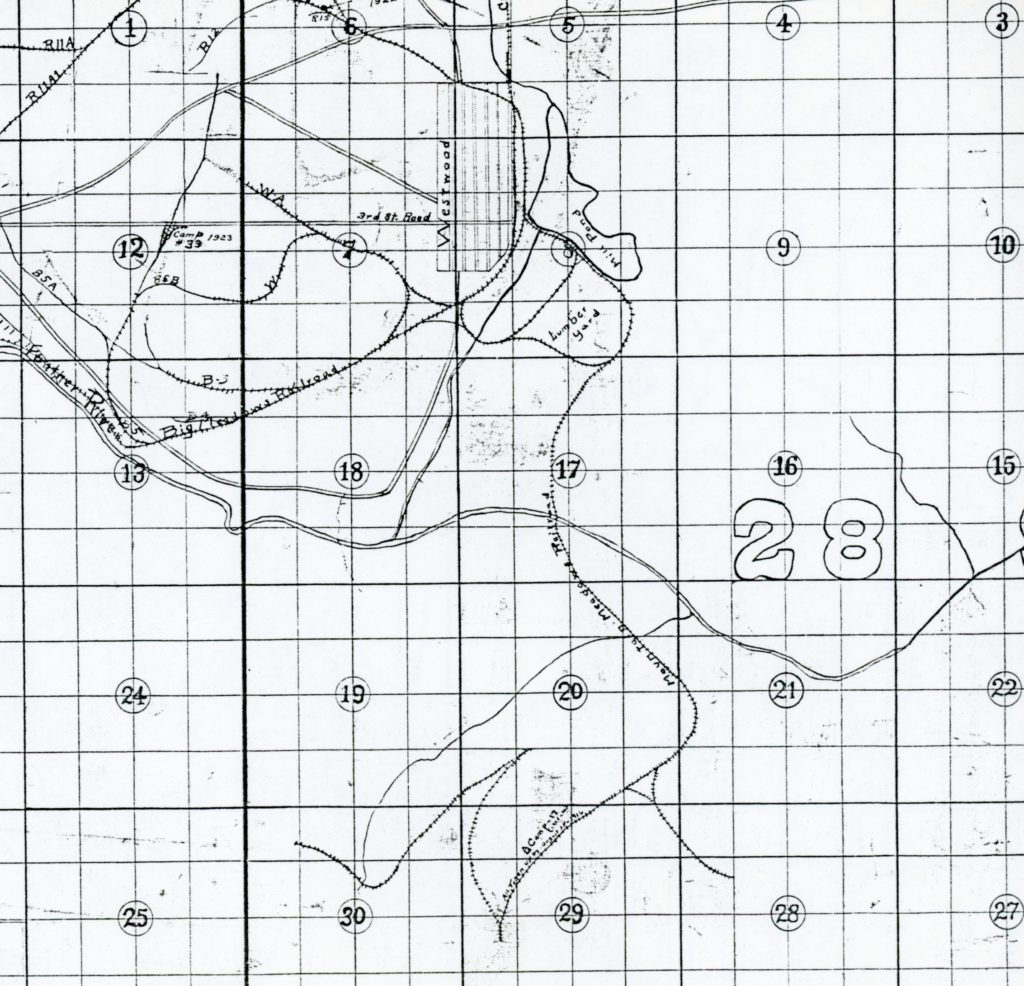
Red River map—Moss VanBlaircom

There was a question posed about a dike/levee across Walker Lake also known at Mountain Meadows Reservoir south of  Westwood. The above map shows a railroad logging line of the Red River Lumber Company, which the raised railroad bed, would appear as a dike/levee. Note, this map is prior to 1922 and the creation of the lake. So it appears, that at times when the lake is low, the railroad bed appears. Whether this still occurs, is not known, but one would think a century later, it would have finally eroded away.

Walker Lake aka Mountain Meadows Reservoir—David Zoller

Tim

A Thompson Peak Adventurer

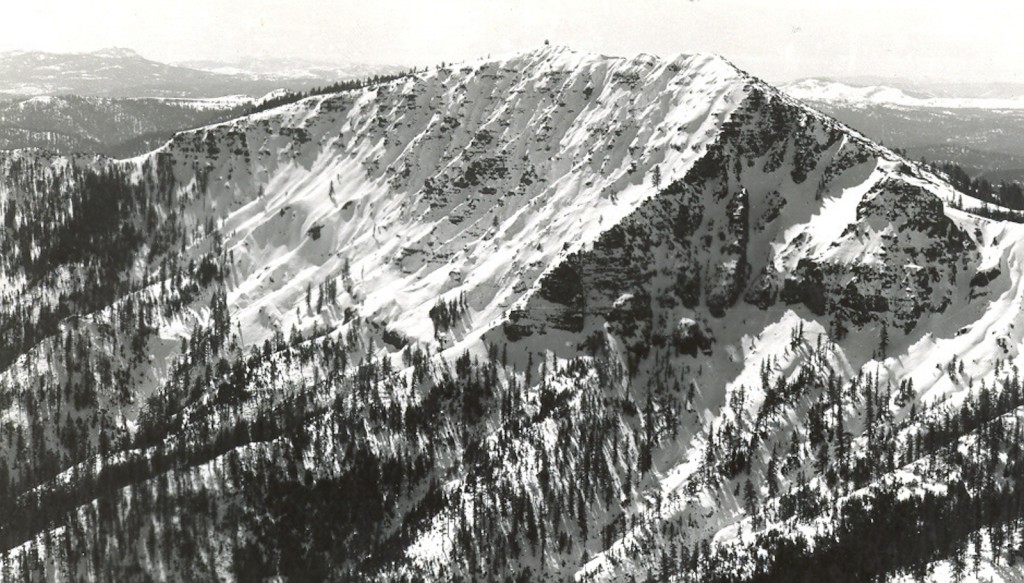
Thompson Peak
Thompson Peak, 1952

On Saturday morning, August 12, 1978, 23-year-old Marc Doener of Monterey had a very memorable experience at Thompson Peak, that rises above Janesville. Doener attempted to hang glide off the top of peak. It did not go as intended. He lost control as he started to jump, the glider flipped plunging him into a 3,000 foot descent. Amazing when the Search and Rescue team found him he only sustained minor injuries, including a sprained ankle, cuts and scratches.

Tim


The Naming of Lookout, Modoc County

Lookout, 1940

Naming of a locale can be an interesting tale, and Lookout is of no exception. For those not familiar with Lookout, it is located in Big Valley, on the Modoc County side, north of Bieber. It is for better or worse known the Leventon Blacksmith Shop and the 1901 Lookout Lynchings.

Near what would become Lookout is a small bluff above the Pit
River. The Indians had a camp there for several reasons, one of which it provided them a grand view of the area, i.e. a look out. Early Anglo settlers referred to it as Indian Look Out.

By 1874, a nucleus of a settlement had transpired. So much, in fact a post office was established named Riverside. It was short lived. In 1880, the Brownell Brothers who operated a general merchandise store in nearby Bieber, deemed it worthy enough to establish a second store at Riverside. According, to folklore, they had the fore runner of Burma Shave signs, and had signs posted “Look Out for our Store.”

The final version had to due with establishing a post office in 1879, as the Riverside was defunct.  According to one account, a committee of Bob Whitely, Samuel Breeding, John Marcus, Peter Robinson and W.D. Morris were assigned the task to come up with a name. They climbed the hill where the former Indian encampment was located and Breeding stated, “This makes a good look out.” Thus, the name Lookout was submitted to the postal authorities and Lookout became the name.

Finally, I want thank a friend and fellow colleague, the late Lois Potter who provided a bulk of the information. She worked hard to preserve the history of Big Valley.

Support this site and Subscribe today!