Category Archives: History

Quincy Union Newspaper

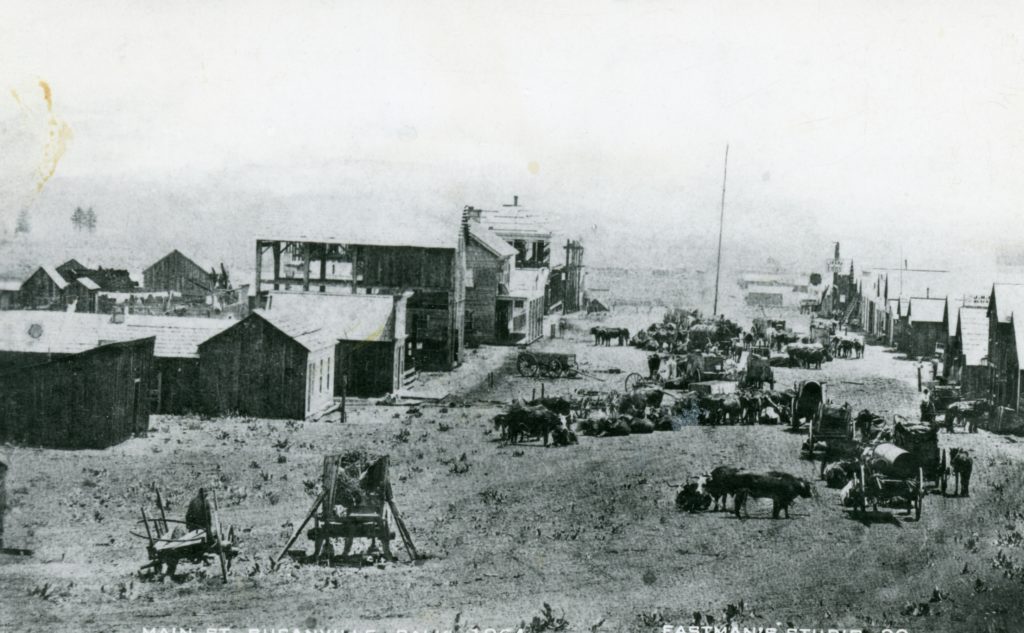
Main Street, Susanville, 1864.

While sifting through some notes, I came across these items from the Quincy Union newspaper of the 1860s. Regional newspapers such as The Territorial Enterprise (Virginia City) to the Marysville Daily Appeal provided coverage of the Honey Lake environs. So here are some tidbits.

January 3, 1864 – They have a rabbit mine at Honey Lake. On one day 400 of those animals were sent to the Virginia City market.

January 30, 1864 – Hay is selling for $80-$100 per ton in Honey Lake. There is no hay in Sierra Valley.

March 5, 1864 – The farmers in Honey Lake are busily at work ploughing, sowing, repairing and improving their ranches.

September 17, 1864 – The new jail in Susanville is in course of erection and when completed will be an ornament to the town and very convenient. It is built of Roop granite found in the quarry near the town.

September 15, 1866 – Post Offices at Black Rock. Post offices have been established at Spring City and Hardin City. W.H. Vanalstine is appointed postmaster at Spring City and Charles Nixon at Hardin City. This will be of a great accommodation for the Black Rockers.

29 September 1866 – On the Way. Alvaro Evans of Long Valley has a quartz mill on the road for Black Rock. They expect to have it put up and running by the first of November. (Note: This mill was moved to Hayden Hill in 1871)

Tim
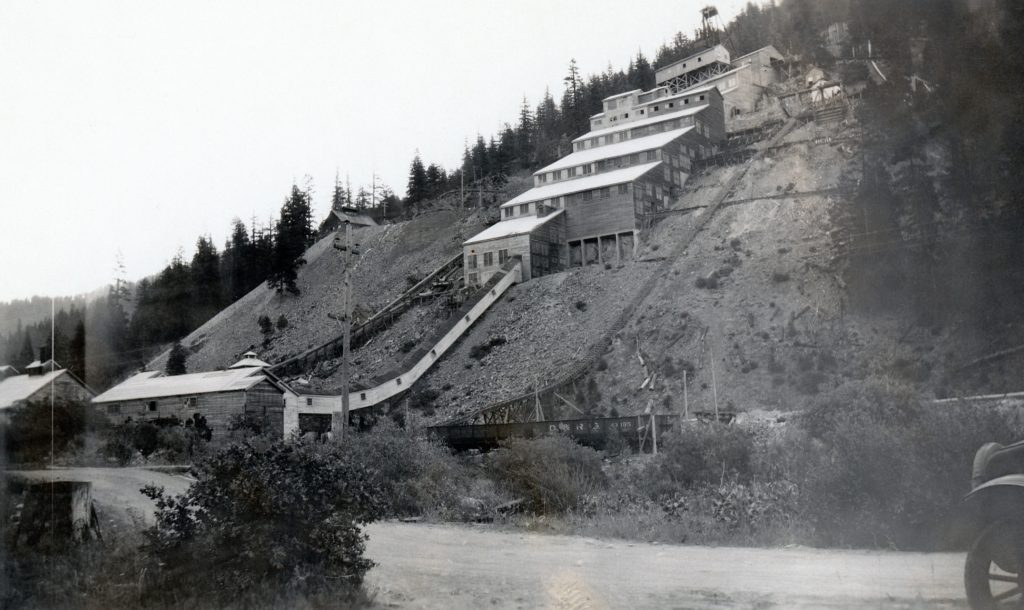
Engel Mine Revival?

Engels Copper Mine, 1922. Courtesy of Lola L. Tanner

In 2018, US Copper announced preliminary intention to bring the back copper mining in northern Plumas County Copper Belt. They focused on a 13 mile square area that includes Moonlight Valley to the Engel Mine on Lights Creek, just north of Taylorsville. Between 1915-1930 161 million pounds of copper was extracted. It was their intent to begin a drilling program in 2021, but due to last year’s Dixie Fire in the region work was temporarily stalled.

Tim

Camp Poison Lake

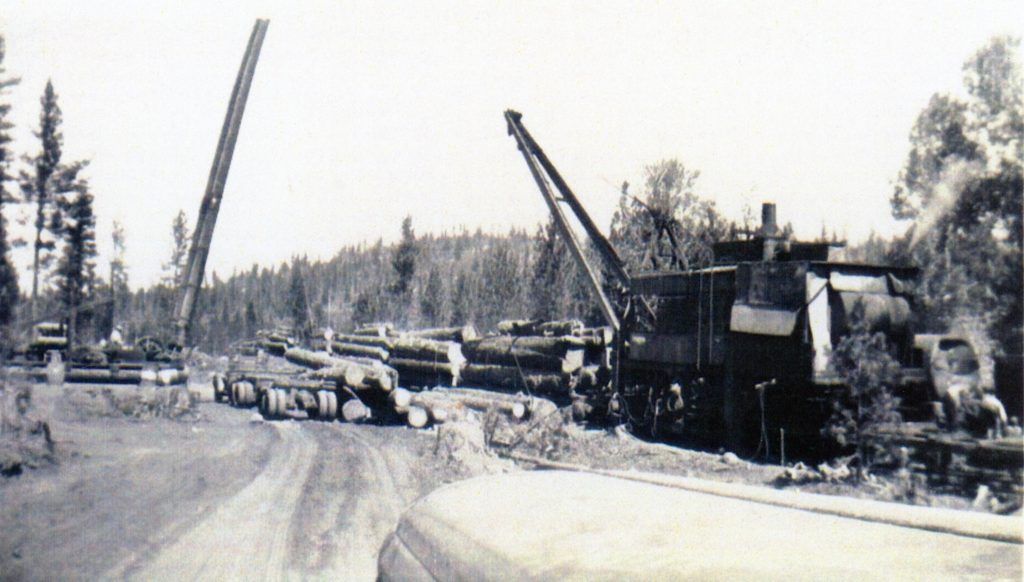
A McGiffert Loader at Camp Poison Lake—Gordon Thelander

This was a short-lived railroad logging camp, located near Poison Lake. It was established in 1944 by the Red River Lumber Company and then taken over by the Fruit Growers Supply Company. There is a scant information about it. Since this was World War II, and the timber industry deemed “essential” coverage by news outlets were censored. In July 1946, the camp at Poison Lake was closed, as well as Camp Bunyan to the north at Halls Flat. The rails from the Poison Lake line were removed to build a twelve-mile extension of the Harvey line that started at Halls Flat and went eastward.

Tim

A Bly Tunnel Story

The outlet construction camp of the Bly Tunnel, 1922. Courtesy of Lola L. Tanner

This sounds a little far-fetched to me, but the following appeared in Lassen Advocate on May 19, 1922 with the latest update on the construction of Bly Tunnel.

”An interesting circumstance in connection with the tunnel work is the fact that mules are used therein to haul cars used to convey the excavated materials to the incline. These mules were taken down the incline last fall and have remained underground continuously ever since, except a short time ago one of them became slightly indisposed and was brought to the surface for treatment. Upon reaching the surface and encountering the strong light of day, the mule apparently became panic stricken and cavorted around in an unusual manner for some time and finally backed up to the mouth of the incline and descended downward to the tunnel level, holding on to the slats or steps with his front feet. He is now back on the job and will probably stay until the tunnel is completed.”

Subscribe

Truth in the Rumor

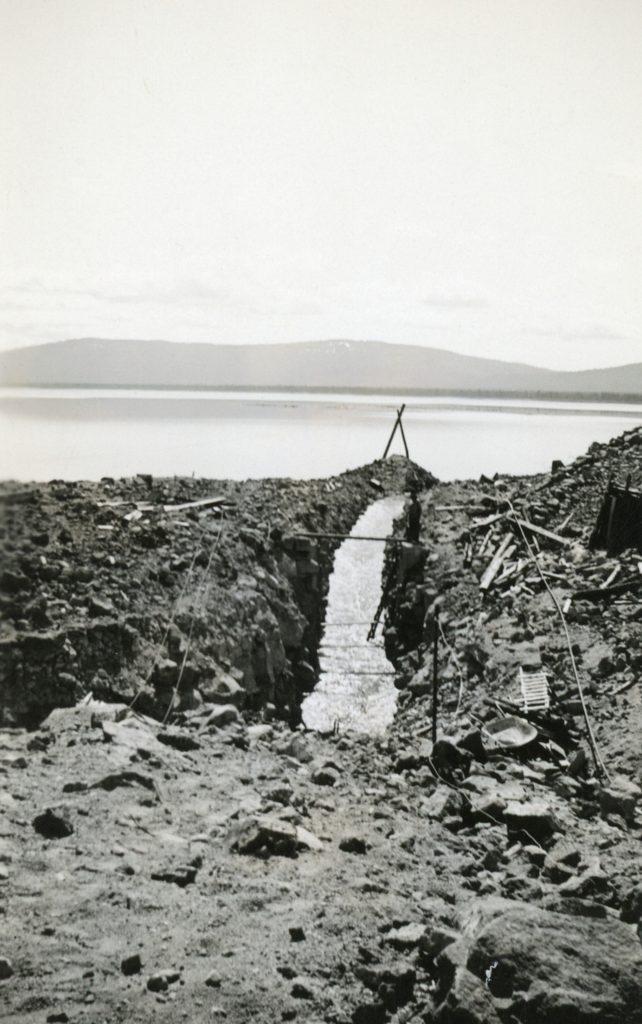
Deepening the inlet channel, Bly Tunnel.

Initial work on Bly’s Eagle Lake tunnel began on the Willow Creek side, just as Merrill did before him. By the spring of 1922, rumor was circulating that there were problems with the construction of the tunnel. In May, J.F. Blakemore, the superintendent for Grant Smith Co., the tunnel contractor, invited residents to Eagle Lake for a picnic, as work had not started on the lake side. When some of his guests questioned him about the rumors, Blakemore denied it and that everything was going smooth and the tunnel would be completed in time.

A year later with the approaching completion of the tunnel, the story had changed. The initial plans called for the tunnel to tap the lake forty below its surface. That was later renegotiated to eight to nine feet below the surface. In February 1923, Grant Smith encountered solid rock for the last portion of tunnel which put the project behind schedule. In the end, Grant Smith only tapped the lake three feet below the surface of the lake. This was totally unacceptable and did not provide sufficient water flow. The matter would be litigated. The Baxter and Tule Irrigation Districts, owners of the tunnel, would spend the next ten years deepening the tunnel inlet.

Subscribe

Johnstonville School Bell Rings Again

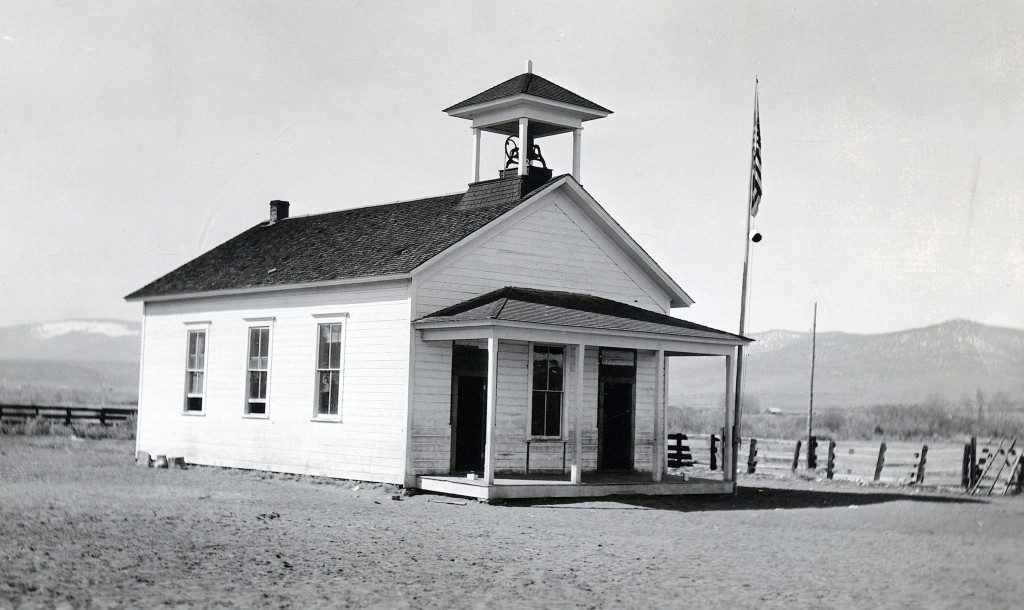
Johnstonville School
Johnstonville School, 1916

In 1952, the Johnstonville School went through a remodel “modernitzation” process with an addition to the school, transforming from a one room school to two rooms. For reasons unknown, the school bell was removed. Five years later, in March 1957 that situation would be corrected. The bell all that time had been stored in a barn in the nearby Jenkins Ranch. Through the efforts of Johnstonville School Principal John White and School Board member Harry Reuck, they spent several days in putting the bell back in its original perch. In 1961, a new school was built to replace the original one that was constructed nearly a century ago.

Tim

Lassen High School – Then & Now

Lassen Union High School

This was a query received about the past and present Lassen High School buildings. For a certain amount of seasoned residents they still have a bit angst when the old school was torn down in 1968

Lassen High School, May 5, 2018–Jim Chapman

As Glenn Wemple, Class of 1948 relayed to me, as he served on the High School/College Board of trustees they were advised when it came time for demolition, to do it as quickly as possible because emotions in the community would become a very sensitive issue. The trustees took that advice and the old school was quickly demolished.

Tim

Susanville’s Wacky Population Figures

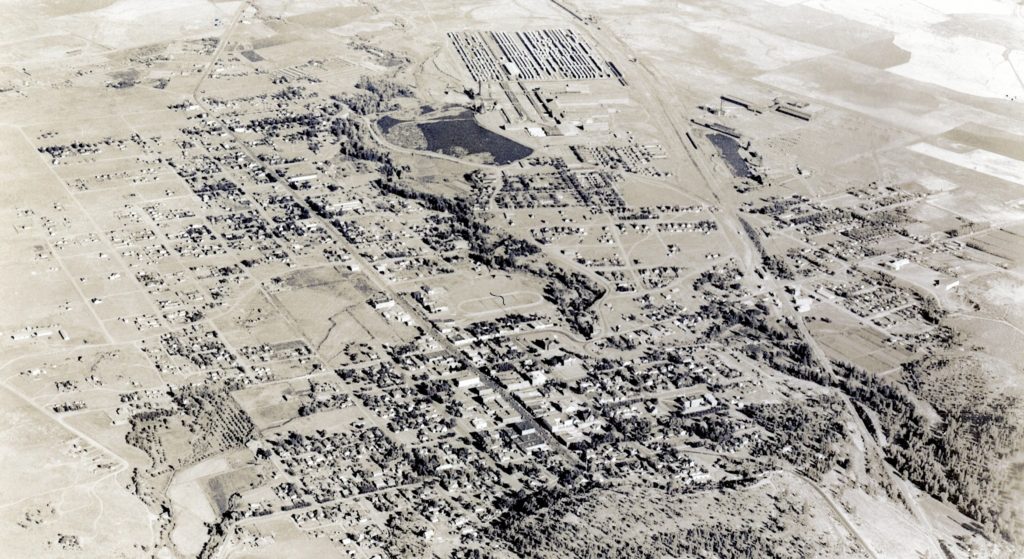
Susanville, circa 1936

With the establishment of the Lassen Lumber & Box Company in 1918 and three years later Fruit Growers Supply Company on the outskirts of Susanville the region experienced a huge influx of population. Yet, if one examines the census records it reveals a different story. Susanville’s population in 1930 was 1,358. In 1940 it rose to 1,565.  However, that does not tell the whole story.  Susanville’s eastern boundary ended at Weatherlow Street. In 1940, the area east of Susanville proper, which the census designated as Milwood Farms had a population of 3,672. In 1947, after numerous attempts to annex that region into the City of Susanville, it finally happened. Guess what? In 1950, the census reported that Susanville’s population had a dramatic increase with a population of 5,338. Nearly 3,000 more than in 1940.

Tim

John C. Fremont Visits Big Valley

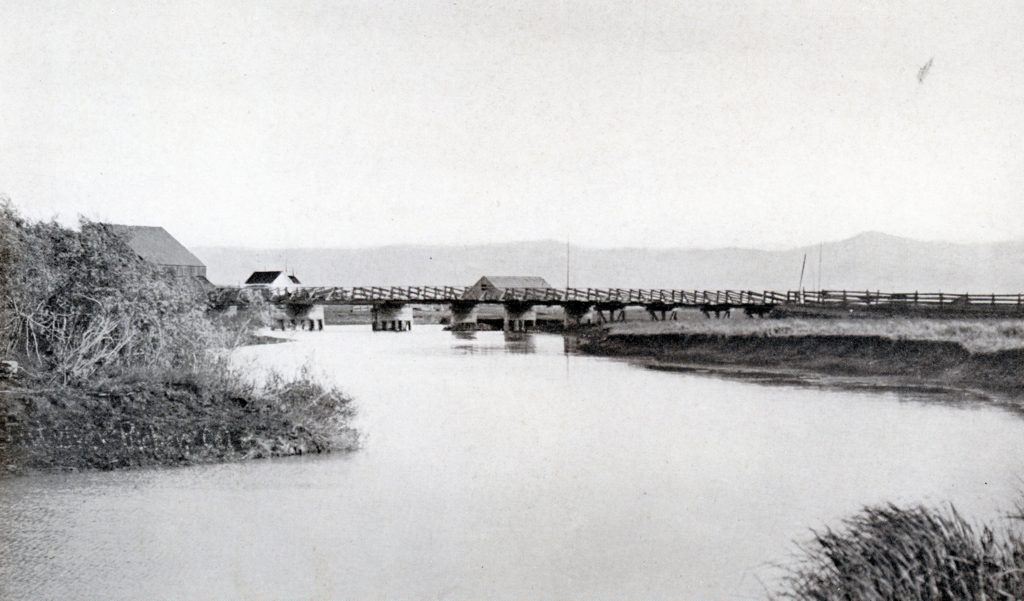
Pit River, near Bieber, 1910.

John C. Fremont was an interesting character in the early annals of California history and the West. In his 1843-44 expedition he came across a major desert lake, which he named Pyramid. However, during that excursion he bypassed the Honey Lake Valley. Yet, on April 29, 1846 Fremont’s party entered Big Valley in Lassen-Modoc Counties, which he christened it “Round Valley.”

Big Valley was well known to explorers and fur trappers. What makes Fremont’s visit of interest is that he provided one of the earliest descriptions of it. Fremont wrote: “Here we found a region very different from the valley of California. We had left behind the soft, delightful climate of the coast, from where we were cut off by the high snowy mountains, and had ascended into one resembling that of the Great Basin, under the influence of the same elevation above the sea; but more fertile and having much forest land, and well watered. The face of the country was different from the valley we had left. The soil itself is different; sometimes bare. Except in some leading features I regarded this district as not within the limits of fixed geography.”

Support

February Snowstorms

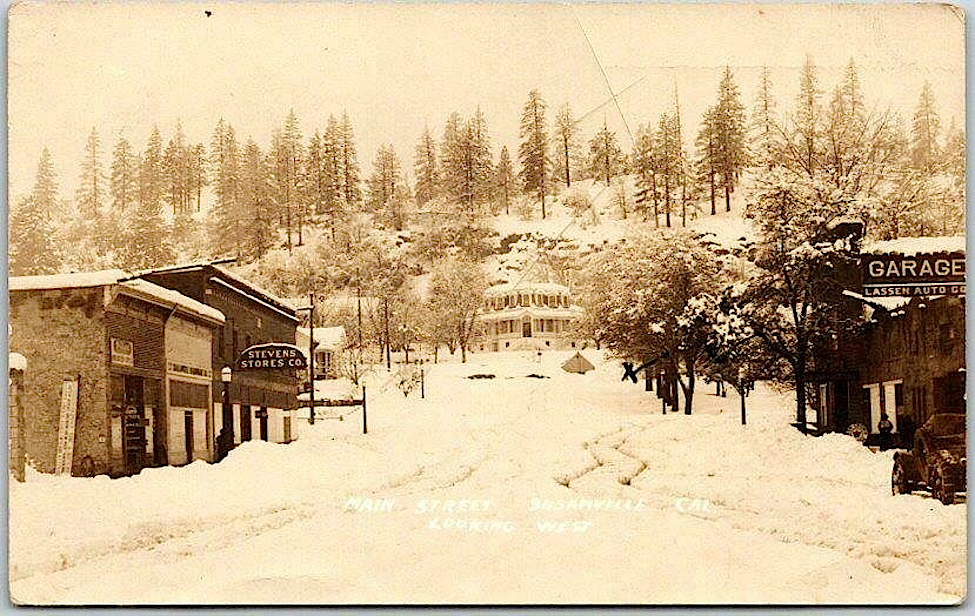
Upper Main Street, Susanville, 1922

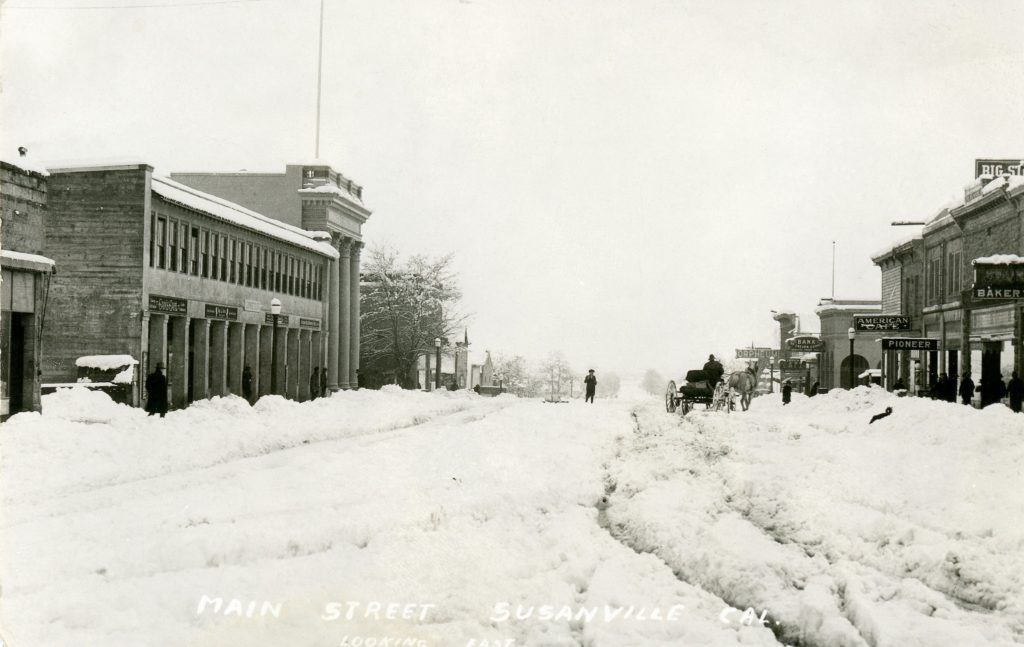
While January usually witnesses some of the largest snowstorms of the season,  February can pack a wallop. In mid-February 1922 was a classic example. A snowstorm hit region dumping seven feet of snow at Westwood Junction, five feet at Westwood and four feet at  Susanville. It was a heavy wet snow that caused numerous problems, especially with power outages and travel.

Main Street, Susanville, 1922.

Tim