Category Archives: History

Family Feuds

Henry L. Hoagland—Betty Gorbet

For many years I was involved with the legal system. One of my introductions was working for attorney Joseph B. Harvey, prior to him being elected Lassen County Superior Court Judge. His office, saw some potential in a young kid, and before I knew it, I was learning probate law. One of the first cases I worked on was a nasty fight over estate with very little value—but the opposing parties fought over everything including the the toilet paper! Who knew years later, that was important lesson learned, and came in handy dealing with my Uncle Jim Purdy’s estate.

Over the years, while the way we live has changed, human nature has not. As usual, while researching one item, in the files, I came across other information, which some may find of interest. This is an 1892 Lassen County Superior Case Hoagland v Shearer.  Henry Hoagland sued his brother-in-law over the care of Solomon Shearer, who at the time was 88 years old. According to Hoagland, it was mutually agreed upon that he care for his father-in-law until April 1, 1891, and Josiah Shearer would pay Hoagland $25 a month. Josiah would take care of his father after the April date. That did not happen, nor did he ever pay Hoagland, hence the suit. A judgement by default was entered on September 10, 1892, but Josiah Shearer sold his Honey Lake Valley ranch and left the area, never paying Hoagland. As to Solomon Shearer, some how he made his way to Missouri where he died in 1902.
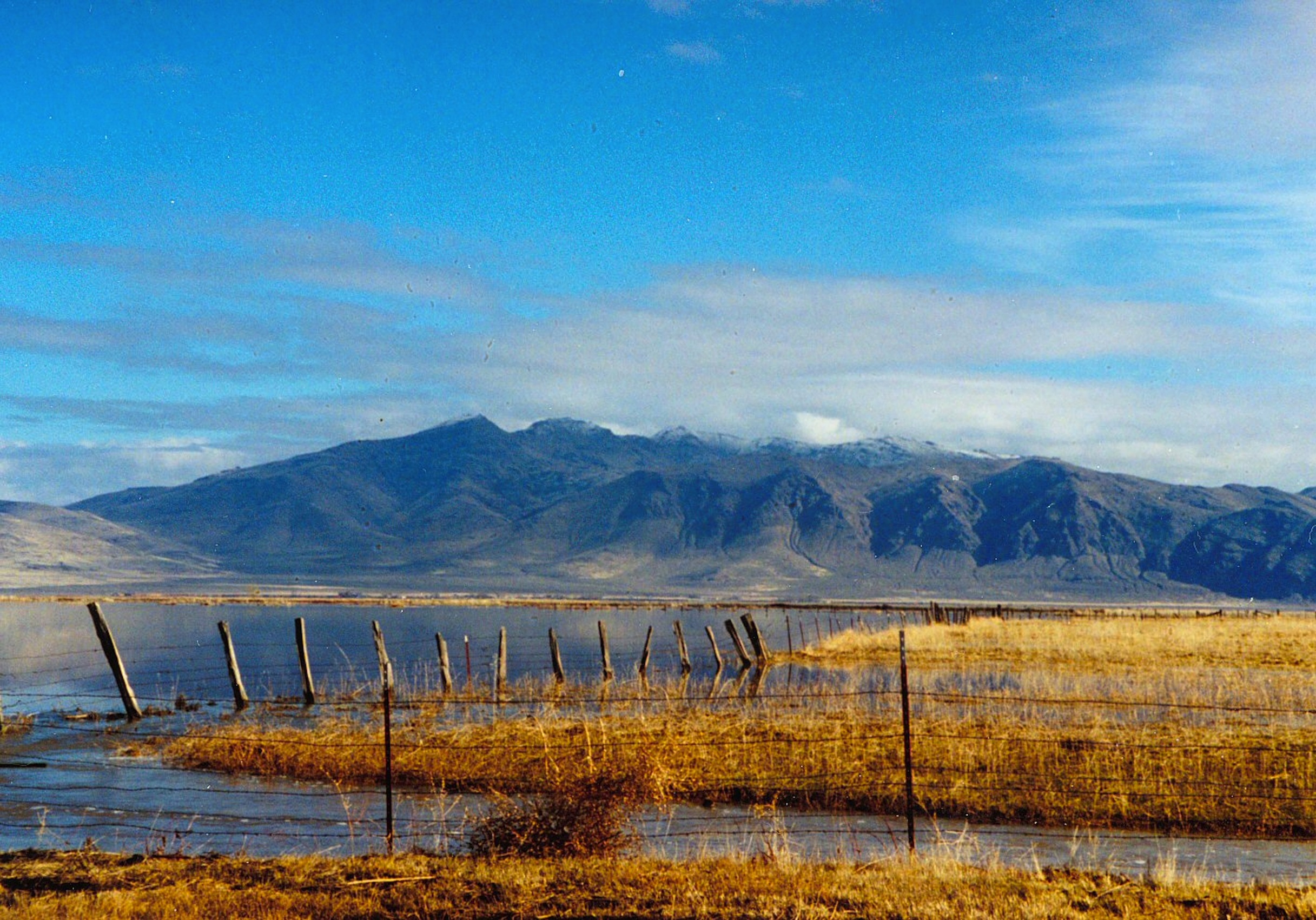
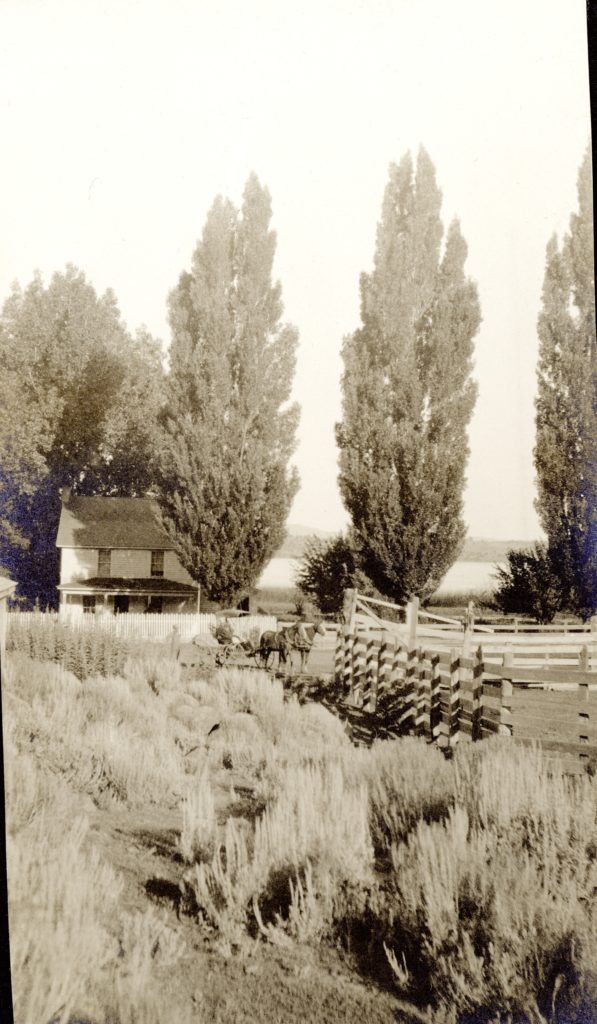
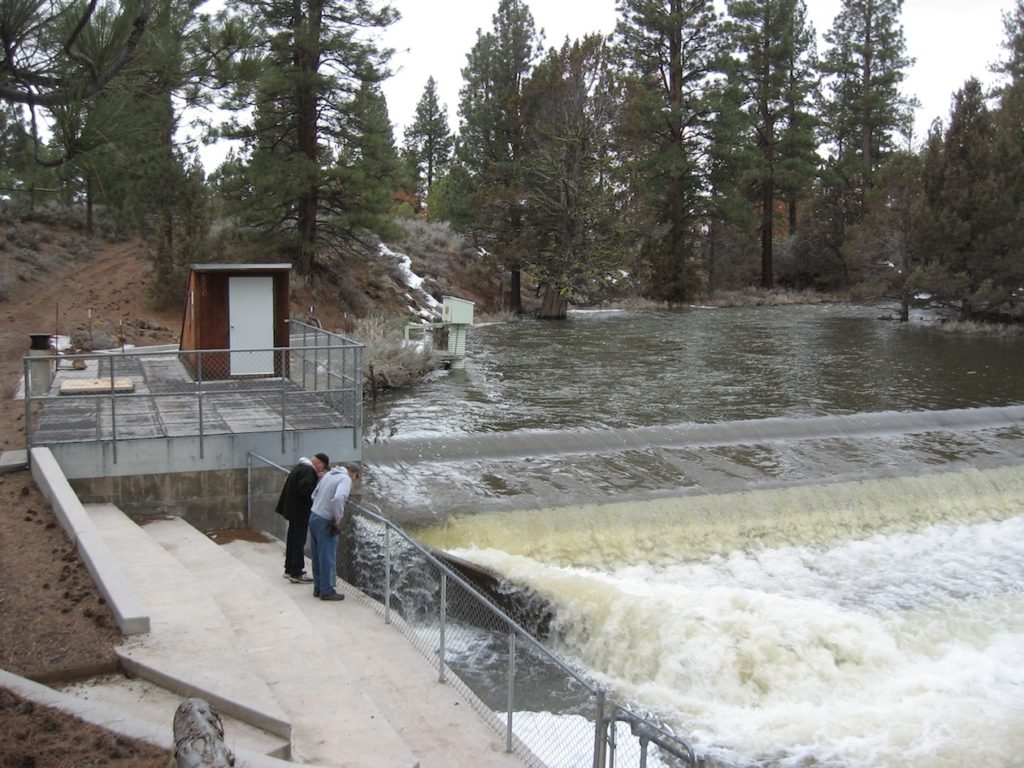
A portion of Josiah Shearer’s ranch along Honey Lake, 1997.

There is a irony later on with Hoagland. His family had him admitted to the Lassen County Hospital in 1919, as no one was able or wanted to care for him. The family agreed to turn over his Civil War pension to pay for his care, but they never did. A year had gone without payment to the County, thus the County notified the family he would be discharged. Before the issue was resolved, Hoagland passed away.
Support

A Susanville Chain Store Story

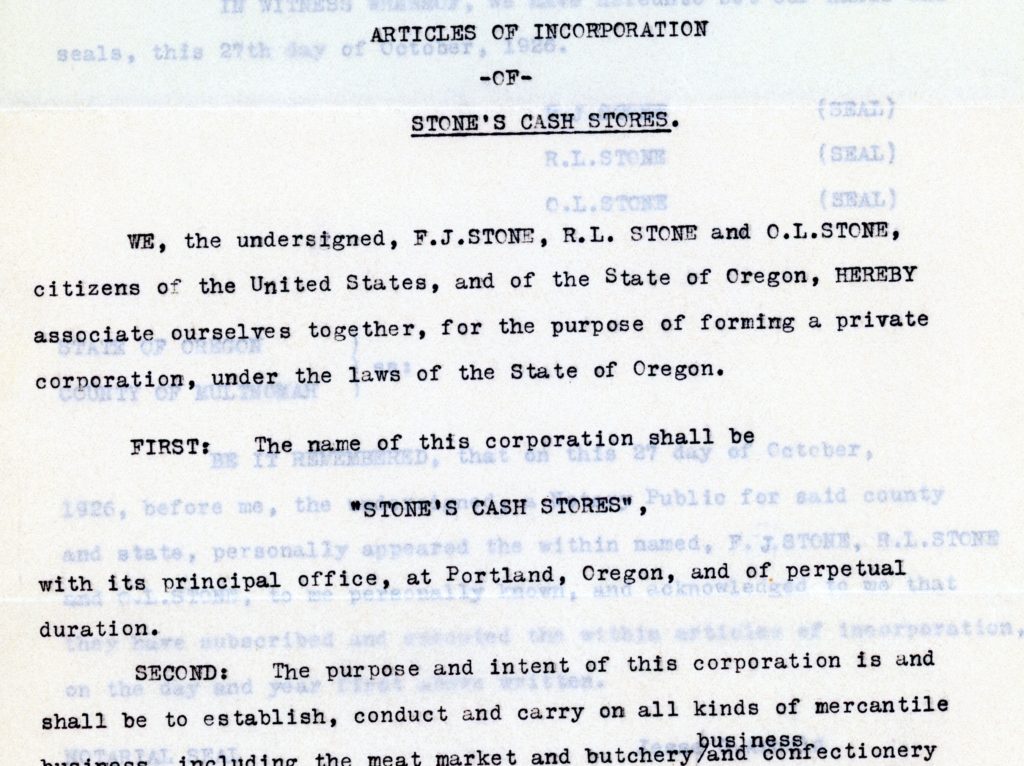
Articles of Incorporation

Many people are indifferent about chain stores, and then there are those who think they are wonderful, and the other camp that truly despises them. In the 1920s, with Susanville’s tremendous population growth, chain stores emerged on the scene. While the old established merchants were not thrilled, the Susanville consumer enjoyed a broader selection. The first chain store to enter the Susanville market, was a Wyoming outfit known as Stevens Store Company and in 1929 it became. J.C. Penney.

Enter R.L. Stone, who had a different approach for shopping in Susanville. Cash and Carry.  It should be noted it was rather customary of merchants, to allow their customers to charge their purchase. It was a risky endeavor at times for the merchant to recover those charged accounts. Stone’s concept a reduced price, but be paid in cash, no credit. It worked beyond expectations. It was in November 1923 when Stone opened his first store in the T.H. Long building. With his brothers they opened additional stores. By 1927, when they incorporated as Stone’s Cash Stores they had nineteen stores in California, Oregon and Washington. In 1929, Stones merged with another chain store MacMarr.   In 1934, Safeway acquired MacMarr.

Support


Was Westwood an Experiment?

First Train
First train to Westwood, February 21, 1914

By 1914, Red River Lumber Company’s new company town was open for business. For years there had be lots of speculation while it kept buying vast amounts of timberland in Northern California. The press was eager to pay a visit and write about it. The Chico Record in August 1914 published an interesting article which was titled:  “Is Westwood An Experiment? Away up in Lassen County, about twenty miles from Susanville, is the new town of Westwood, a city created within a year. It lies in the center of one of the largest and most valuable tracts of timberland in the United States, a tract of timber which until this year had never been touched by the ax or saw. Westwood is owned solely and exclusively by the Red River Lumber Company, which is but another name for Walker, the multi-millionaire of Minnesota, and his sons.

“Walker came into California a few years ago, and began to buy and
otherwise acquire timberlands in Shasta, Lassen, Butte and Plumas
counties, until it is said that he now owns one million acres of the
finest forests in the world. “With the building of the Southern Pacific railroad from Fernley into Lassen County came the opportunity to work these timber holdings and the Walkers grasped the opportunity. Alongside of a creek in the center of these holdings they established the town of Westwood, and are now completing their mills and factories. The mill is said to have the greatest capacity of any in the West, it being possible to cut one million feet of lumber a day, and at this rate it can be run for more than fifty years without exhausting the timber supply.

“Consequently Westwood is being built to endure. Water has been piped into the place from a point distant ten miles. A complete sewer system is being laid, streets and sidewalks built, streets well lighted, and several hundred residences built.

“Everything in Westwood is owned and controlled by the Walkers. No lots are sold and one cannot be bought. All the houses are rented to the employees, and the Walkers conduct a general merchandise store the equal of which is not found north of San Francisco. It contains everything for human needs from automobiles to a loaf of bread. An immense clubhouse is maintained, for Westwood has no saloons. A large moving picture theater is also conducted by Walkers, which on Sunday night is used as a church.  If there is any profit to be made in Westwood, it is made by the Walkers, for no one else can do business there. It is stated, however, by most of the residents that prices are no higher then in other places, and in most instances they are lower.

“It will be interesting to note whether this ‘one-man’ town can be
made a success. It already contains about three thousand people for the Walker’s have on their payrolls about fifteen hundred employees. No one is asked to come to Westwood; there is no chamber of commerce seeking immigration. There are no properties for sale, hence no real estate agents. There is not even a newspaper.

“Doubtless in time there will arise dissatisfaction, for we are so
used to the competitive system in human affairs, that the average one is likely to resent the obligation to work for a man or company and in turn be compelled to live as the man or company directs and turn back most of his wages into channels that will carry them back to their source, even though in doing so a fair share is retained by the wage-earner.”

Donate

The Jurgen Jensen Ranch

Jensen Family
Jurgen Jensen family: Left to right: A.R. “Bert”, Delia, Effie and Jurgen, . Courtesy of Abe Jensen

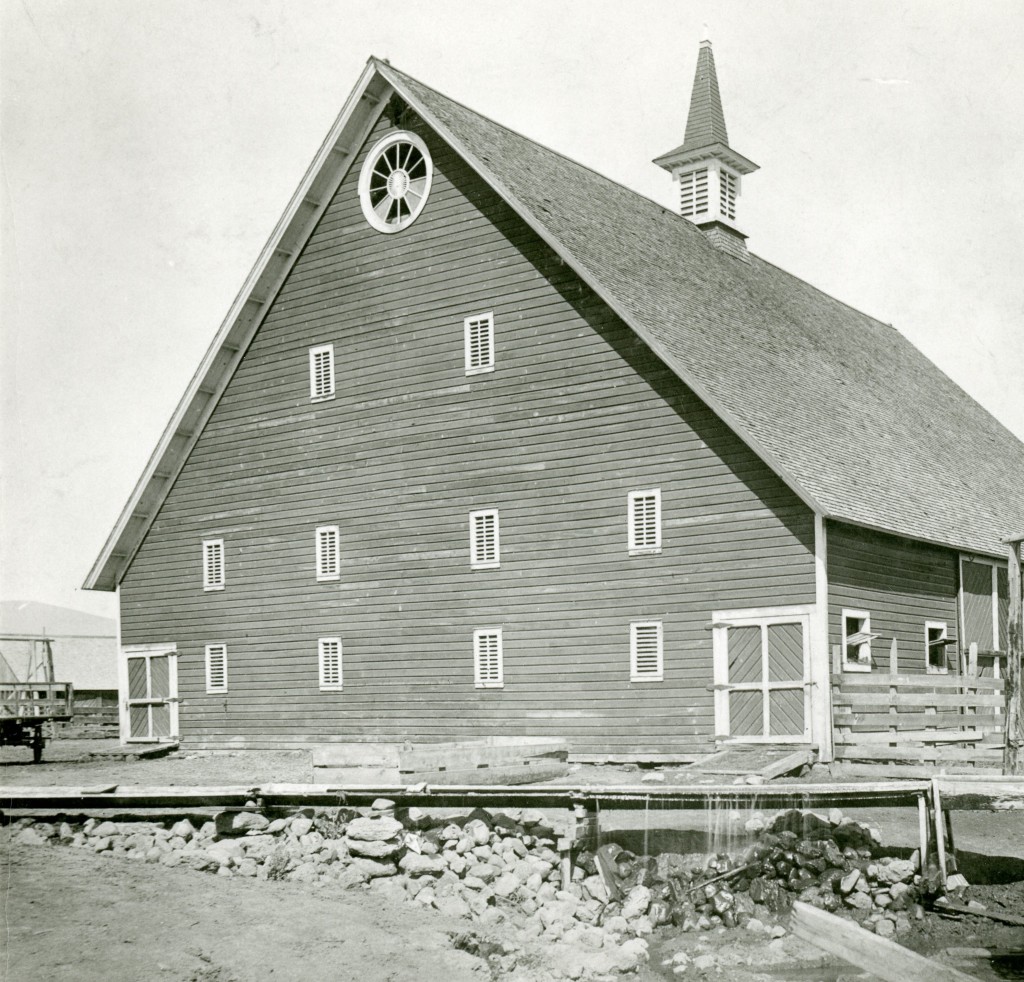
This is a follow up about comments posted about the Jensen Barn. The first comment, the person was. confused and thought the Jensen Ranch was on Highway 44. This property is known as Bunnells. For years it was owned by Georgia Bunnell Jensen. (1884-1976). Georgia was married to Albert “Bert” Jensen (1876-1964), son of Jurgen (1836-1900).. Georgia and Bert Jensen’s grandchildren still own the property, though it was devastated in 2020 Hog Fire.

The Jensen barn, 1900. Courtesy of Abe Jensen

The second comment was about the Jensen House and ranch. Jurgen Jensen’s house was some two miles east of present day intersection of Main Street (Highway 36) and Johnstonville Road. In 1908, Bert Jensen had a Queen Anne style home built near that intersection. In 1931, Johnstonville Road became Highway 36.  In 1966, the State Highway Department purchased the Jensen House from the owner of the time T.S. “Stan” Brown, Lassen County Farm Advisor. The house was moved to its current location as part of the realignment of Highway 36 between Susanville and Johnstonville that we know today.

Finally, on a personal note. One of the first people I reached out to in my very early days of historical research was Abe Jensen son of Bert and Georgia Jensen. Abe and his wife, Adelaide, were just the kindest, gracious people to meet. I have been very fortunate over the years that I have done historical research to meet so many wonderful folks who shared their knowledge with me. For that I will be forever grateful. One more note, Bert Jensen was the organizer of the Lassen County Fair and in 1922 sold twenty acres which is the current Lassen County Fairgrounds. Abe Jensen was the Lassen County Fair Manager for a number of years and for whom Jensen Hall is named for.

Support

This Day in History—Stone Ranch

The ranch house at Stone’s was torn down in 1965.

It was on May 4, 1961, when the Stone family sold their ranch at the north end of Eagle Lake to the Five Dot Land & Cattle Company. In 1926, Coit and Laura Stone had purchased the ranch from William and Roseanna Troxel. Apparently, none of the Troxel’s three sons wanted the Eagle Lake property.

It should be noted the Stone family retained their shoreline property on the northwest side of Eagle Lake. In October 1961 Stone’s Subdivision Unit 1 was placed on the market. The entire Stone’s Subdivision comprises 270 acres divided into 244 lots.

Tim

Coming Attractions

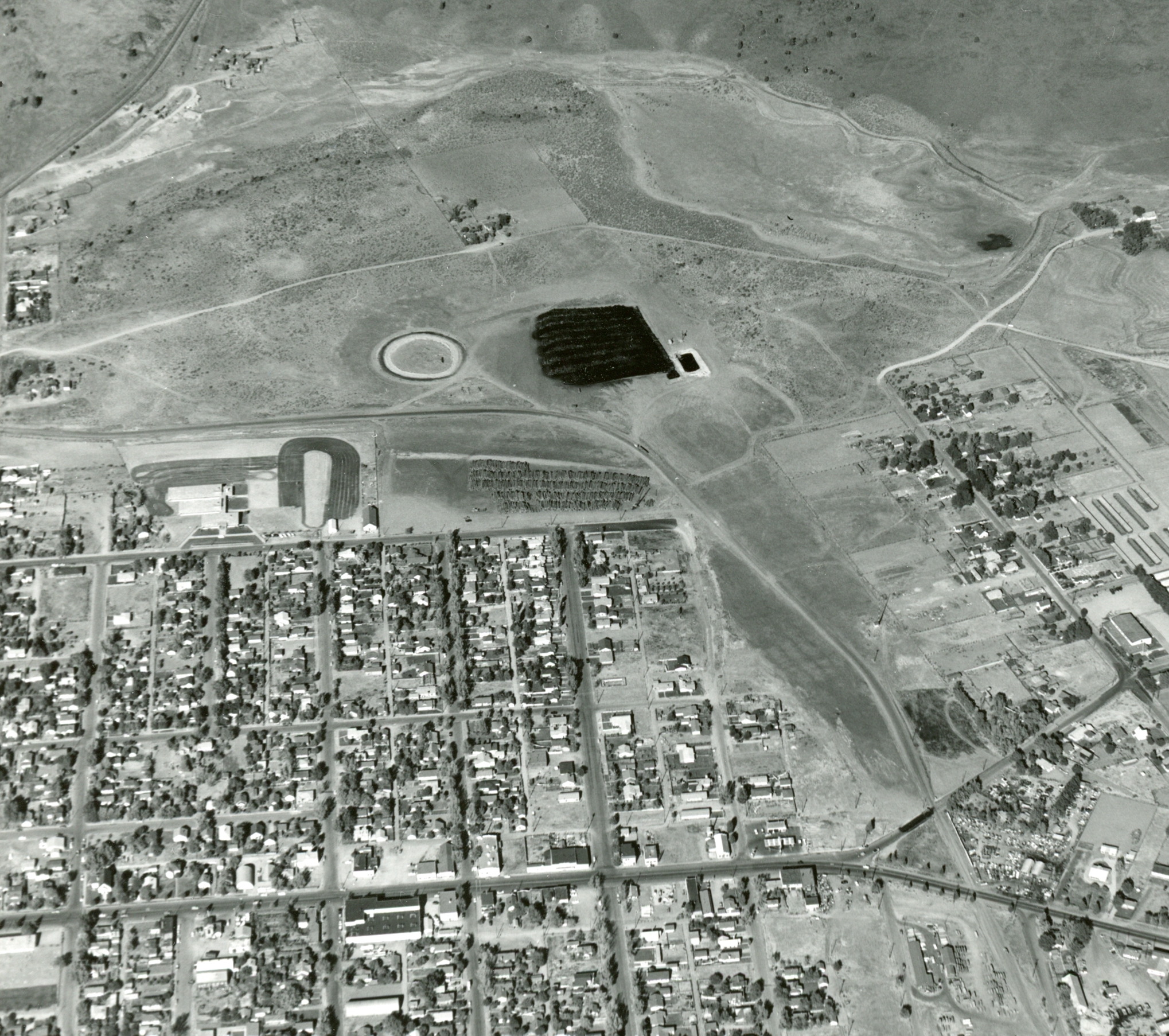
Northeast view of Susanville, circa 1950–Fred Lendman

Sometimes a picture is worth a thousand words, and other times ask a thousand words. This one falls under the latter. One person is sharing documents to enlighten all of us. Stay tuned.

Tim

The Camp Harvey Strike

Harvey Cookhouse
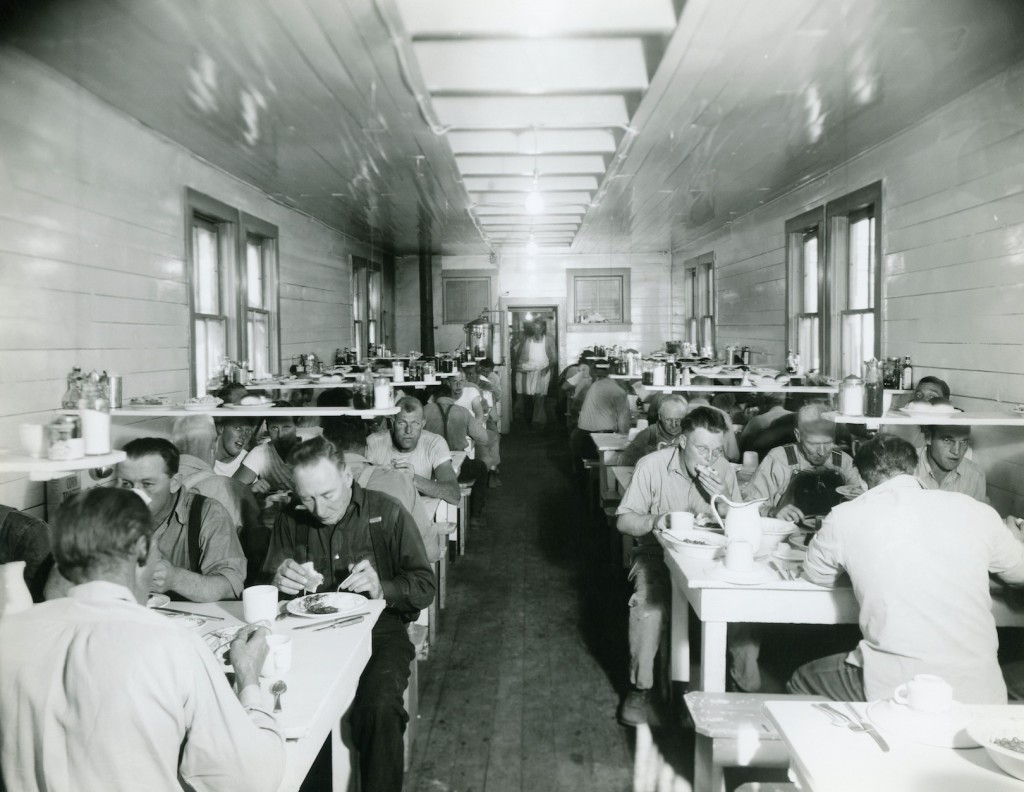
Camp Harvey Cookhouse, 1947

The cookhouse operations at logging camps were an expensive undertaking resulting in substantial losses for the lumber company.  However, the food served in the logging camps played a pivotal role.  Poorly fed loggers would move to a different logging company, and thereby impact the former company’s production.

In 1948, Fruit Growers Supply Company experimented at its Camp Harvey location (some twenty miles east of Poison Lake) by raising the price of a meal to one dollar.  Complaints were loud and long.  But now, instead of losing thirty-six cents per meal, they now lost only eight cents.  The result was substantial and at the end of the year, Fruit Growers’ operating losses for the cookhouses at Camps Harvey and the newly opened Camp Stanford was $63,500.

Dining Car
Camp Harvey Dining Car

On May 2, 1949, Camps Harvey and Stanford opened for another season. In an effort to further reduce the cookhouse expenses, Fruit Growers leased them along with the commissaries, to H.S. Anderson Company for one dollar.  Fruit Growers thought perhaps an outside company could handle the meals more efficiently.  They would never find out the answer.

Just three weeks into the logging season all operations on the Harvey line shut down.  The cookhouse crews, represented by Local 768 of the Bartenders and Culinary Workers Union, walked off the job in a wage and hour dispute with H.S. Anderson Company.  As the weeks passed with no end of the strike in sight, Fruit Growers closed down Camp Harvey and Stanford permanently, as well as its Harvey railroad logging line.

Support

A Failed Eagle Lake Harvest

Pine Creek Fish Trap, March 2017

During the late 1800s’, in the spring time there were always some entrepreneurs from Susanville who would take a wagon or two to Eagle Lake to catch the trout. Their haul of fish would weigh anywhere from 600 to 800 pounds. This they sold very quickly on the streets of Susanville at twenty-five cents a pound. In late April 1892, a fishing party left Susanville to do the annual harvest. They only came back with seven trout. They blamed their failed attempt that the water was too high. This practice came to an end in 1917 when California made it illegal to wholesale harvest of trout from lakes and streams.

Tim

Politics and Schools

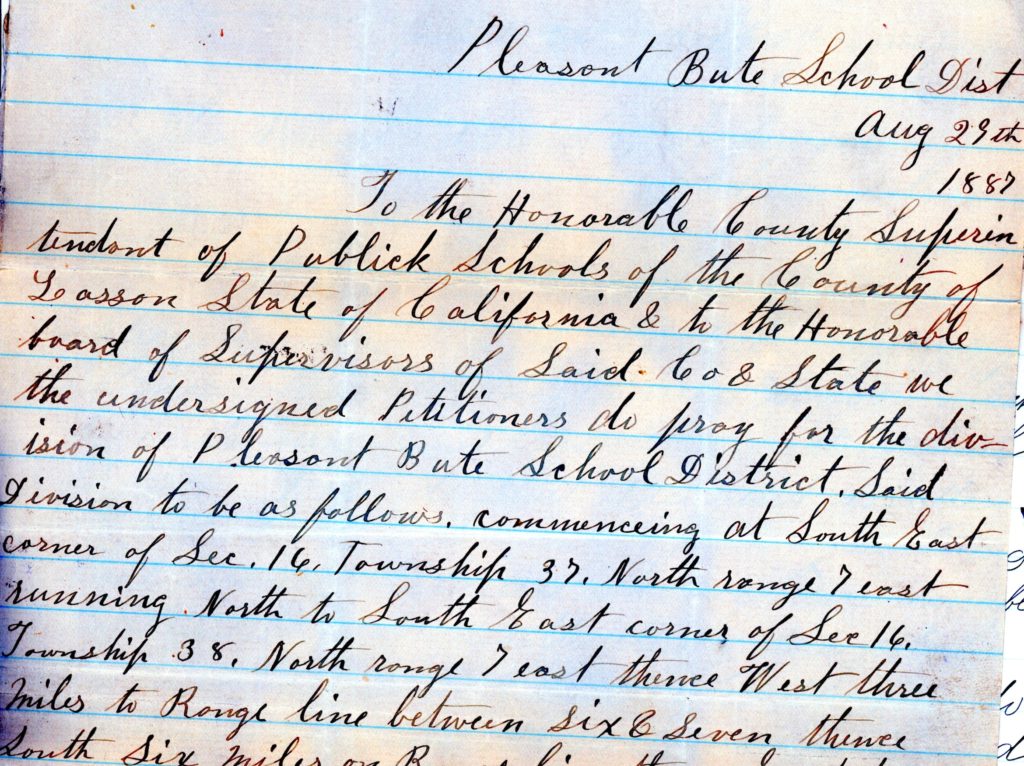
Pioneer School Petition

Some things never change and politics and schools is one. I can verify this first hand, having served as a trustee on the Lassen College Board. The stories I could write about that ten year tenure—Mormon Massacre anyone?

Today’s story is about an odd short-lived  or should I say  a ghost school district in Big Valley—Pioneer. Its name is rather peculiar since a half dozen schools in that region had already been established.

On August 23, 1887, residents on the west side of the Pleasant Butte School requested that a new district be established on the grounds: “The School House being so situated now that the greater portion of the Schollars in the Division we mention cannot attend the greater portion of the time on account of the Sloughs being full of water.” On September 27, 1887, Myra Parks, Lassen County Superintendent of Schools, informed the Lassen County Board of Supervisors that she personally inspected the conditions and recommended the Pioneer District be formed, that creating a new district would not be detrimental to Pleasant Butte. In October 1887, the request was granted.

Then things got weird. In January 1888, the Pleasant Butte School District residents on the east side petitioned the Board of Supervisors to rescind its action that had created the Pioneer School. They stated that the original petition provided “fake, fraudulent and misleading facts.”   At the February 1888 meeting of the Board of Supervisors, approved their request and the Pioneer School District was abolished.

Support

Idyllic Lassen Living

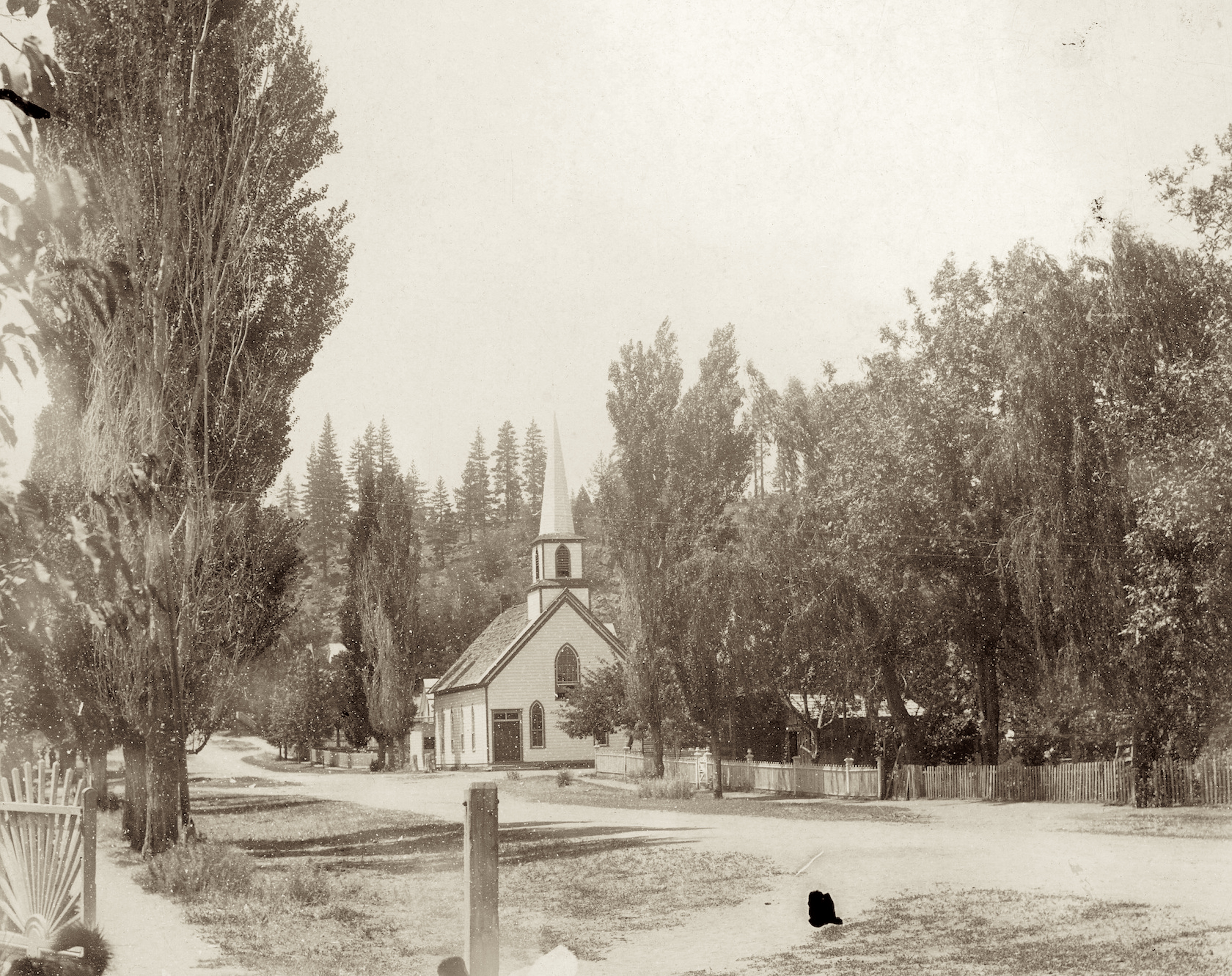
Susanville’s Methodist Church, circa 1896. Courtesy of Philip S. Hall

In 1911, Lassen County commissioned the Sunset Magazine Homeseekers Bureau to compile and publish  32 page booklet about the wonderful attributes of the area with the anticipation of the Fernley & Lassen Railroad. In the subheading “The County In General” I thought some might enjoy this observation.

”While this is a new country, and thinly populated, it is an error to conclude that it is not a civilized one, for law and order prevail here to an even greater extent than in many of the densely populated sections. Go where you will throughout the county, and nowhere will you find a locked door, by day or by night and the grass grows in the doorway of the jail. You will find everywhere, in both the towns and rural districts, good public schools, churches, a telephone in every home, daily mails, a prosperous happy people, and a hearty hospitable greeting; even the dogs will bark you a welcome, and come fawning to your feet in gladness at seeing you. In every town at every crossroads there is at least one hotel, not a Palace or a Fairmont, but a place where you can get a good bed in which to sleep, and at least plain substantial food, and wherefore you do not need to carry your blankets.”

Support