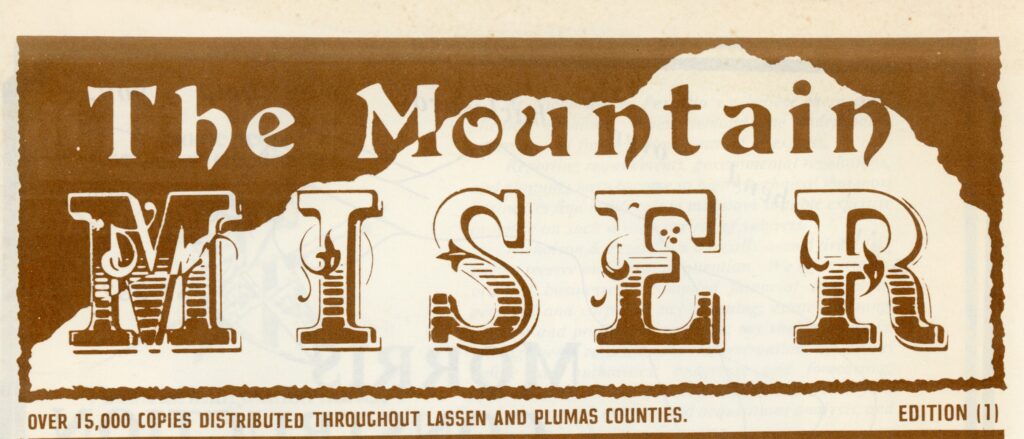
This was a short lived publication of the early 1980s. Founded by Jim and Sally Schlaudraff it would be classified as a shopper. Today, with the internet it would seem rather quaint. The initial issue was composed of advertisements, many in the form of reproduced business cards. Subsequent issues carried interesting feature stories, but albeit rather brief.
During the next few Tuesdays, will feature advertisements from this publication, as well as others.
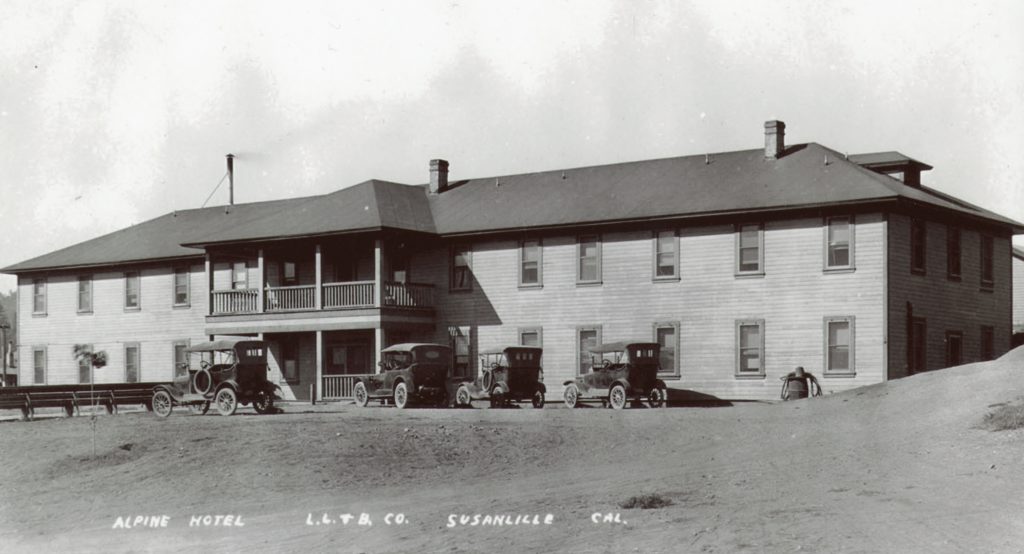
Alpine Hotel was a dormitory for the employees of the Lassen Lumber & Box Company
Along the same vein as Westwood’s Hotel Saville, in Susanville there was the Alpine Hotel. It was located on the west side of the 700 block on Alexander Avenue, across the street from Lassen Lumber & Box Company. It was built in 1919 to provide dormitory housing for the single men employed at Lassen Lumber.
Lassen Lumber’s glory years were brief and in 1935 the Alpine Hotel found a new life as a dormitory for Lassen College. The college used the building throughout the 1940s. It was by the way, where the forestry students were housed. Other than that, I know very little about the Alpine Hotel. May be one day, I will get lucky and uncover some of its history.
On a quarterly basis, I ask you the reader, if there is something you would like to learn more about or maybe its something you heard, but question its validity. So here is an opportunity to participate. I will do my best to answer any questions. It should be noted, it may take awhile for the answer to appear as a post. The primary reason, many of the daily posts are done nearly a month in advance. So by the time you read this I am already working on posts for the middle of November, or at least I should be. Whatever the case may be, I look forward to hearing from you. Of course, it should be noted that paid subscribers requests receive priority. In addition, you can always send a request at any time.
Last Friday, (10/6/23) featured a photograph of Westwood’s Hotel Saville. It confused some readers, as they did not think that the Red River Lumber Company allowed and/or operated hotels in Westwood. Those readers are correct.
Red River, in its own peculiar way, named their boarding houses “hotels.” These facilities housed single men, while houses were reserved for families. The Hotel Saville was built in 1913, and was one of the first rooming houses constructed there for Red River’s employees. It was a substantial structure with 250 rooms. Initially it housed Spaniards. In a bit of trivia, when T.B. Walker visited New York City on financial matters, he always stayed at the Hotel Saville.
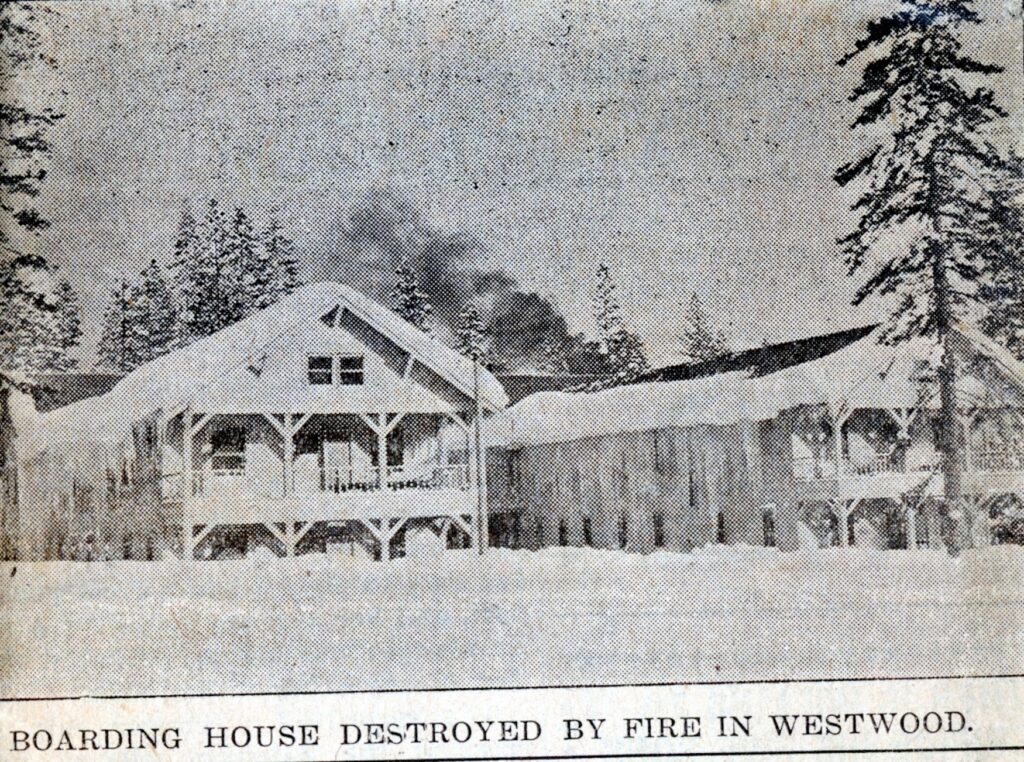
On Sunday night, March 30, 1918 a fire broke out on the the lower floor of the Saville. The fire spread quickly and some five hundred men battled the blaze. Every effort was made to contain the fire, for fear it might spread to neighboring Westwood Club and Opera House.
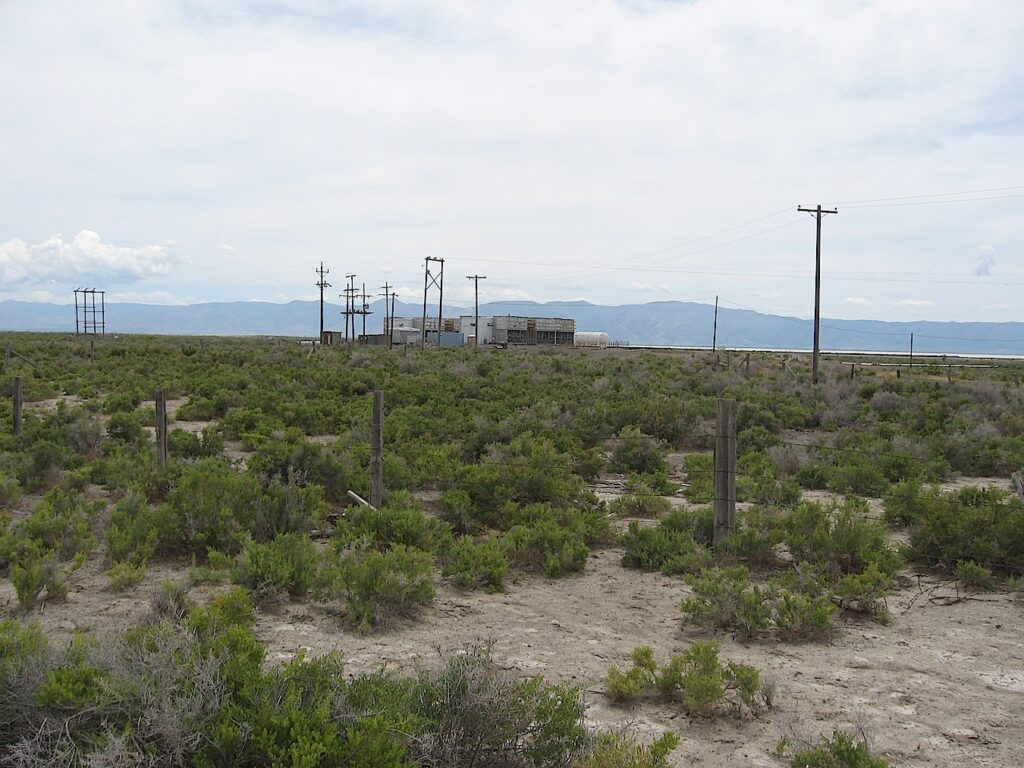
In 1984, Janesville resident, Matti Ripatti and California Hydro Systems recognized the geothermal potential of the Amedee Hot Springs. They applied to the Lassen County Planning Department for a permit to construct a geothermal plant there. The permit was granted and in 1988 the power plant was constructed. Ripatti had a 25 year lease to the site and springs with the Humphrey family, owners of the property. The plant is currently operated by Amedee Geothermal Ventures.
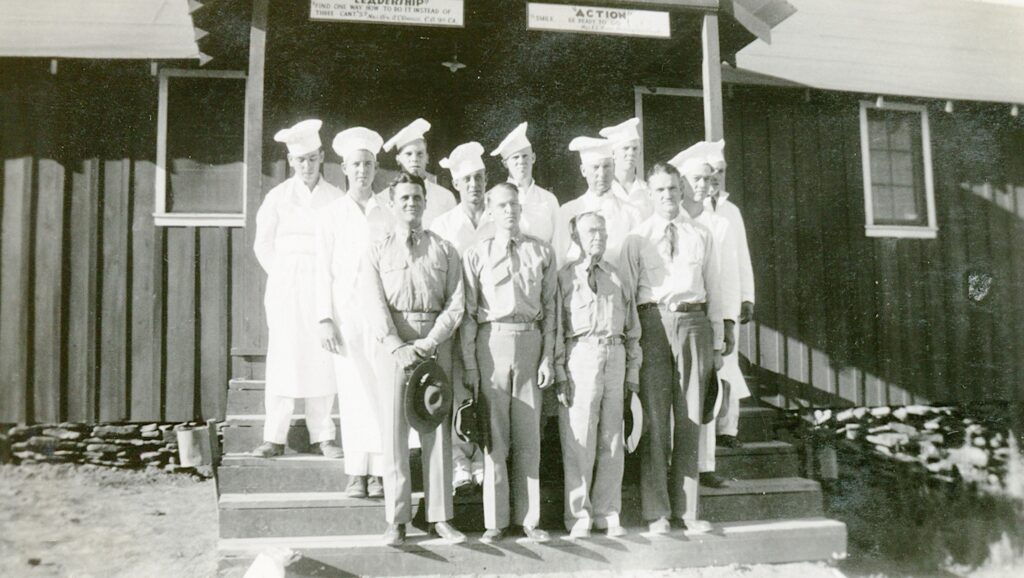
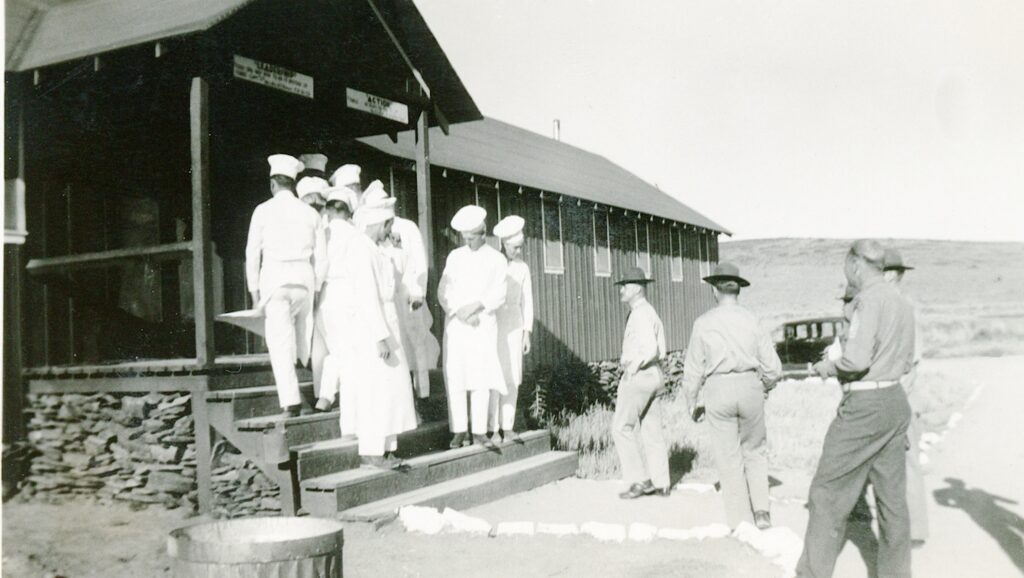
A speciality school to train chefs and bakers in Lassen County, years ago? It did exist briefly, but neither a public or private institution. Enrollees had to be a part of the Civilian Conservation Corp. The Secret Valley Camp held one special training. It was a four week course in food sanitation and preparation.
Generally, most people associate the CCC’s with manual labor associated with public works projects. There was another element to the CCC program. Many of the enrollees had sparse educations. In the evenings, the camps held a wide variety of educational courses. Interestingly, at Secret Valley, one of the popular courses dealt with first aid.
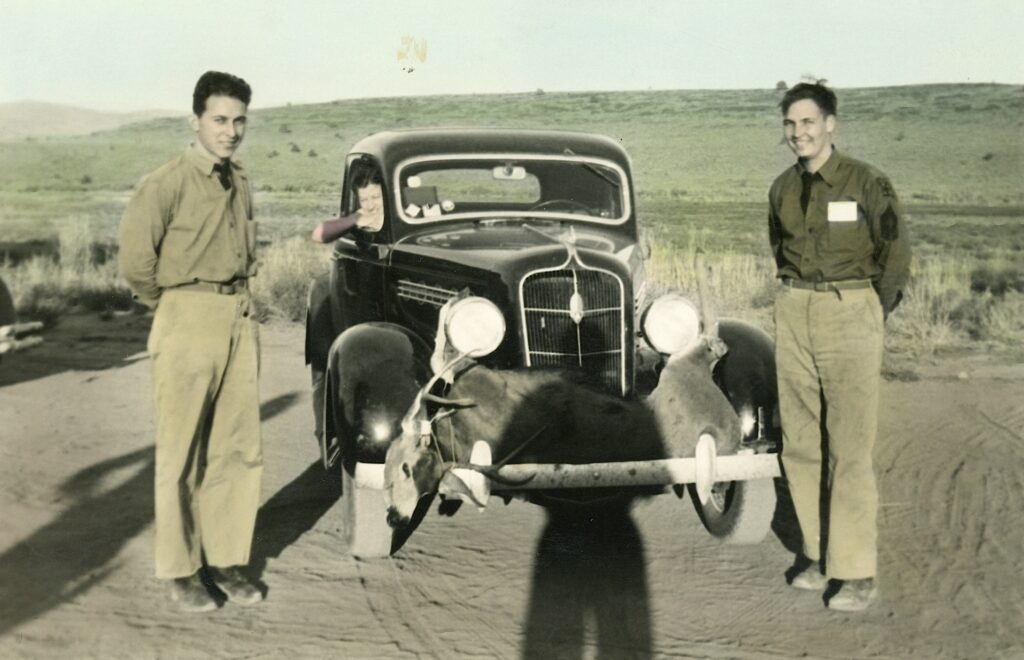
Showing off the trophy deer, Secret Valley CCC camp—-C.H. Bennett Collection
Since it happens to be deer season in Northeastern California. This photograph was taken at the Secret Valley CCC Camp. Let’s just say this is not an ideal way to haul a deer carcass, unless you have no intention to consume the venison.
Some times a picture is worth a thousand words, and some times a picture need a thousand words of explanation. What is interesting in this scenario, the apparent hunters are is dress uniform. Of course, usually the commander is the only person with an automobile. Finally, who is the passenger in the car?
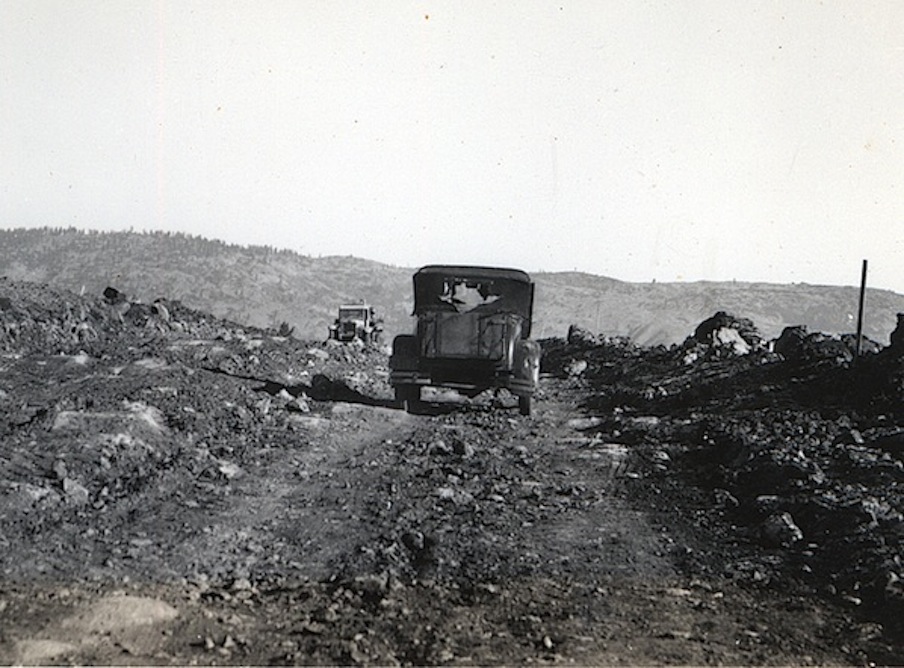
Highway construction just north of Susanville, 1947
It was a monumental task to build California’s State Highway system. Funding, by the way, was not a major issue. Voters in the 1910s and 1920s routinely passed bond measures. This was especially true by 1920, when the automobile had become the preferred method of travel. It was faster than a horse buggy and there were no time constraints compared to train travel.
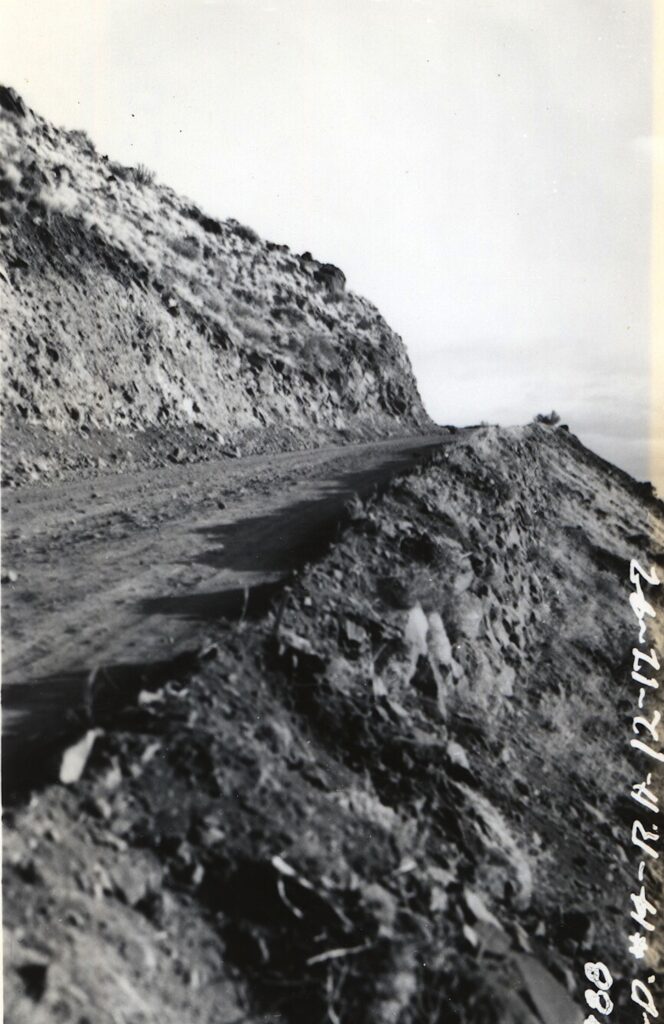
Antelope Grade construction 1947
What we know today as State Highway 139, took thirty years to construct from Susanville to the Oregon border, near Malin. Like many highways, it was built in segments. It was rather odd, the construction from Susanville over Antelope Grade to Willow Creek Valley did not occur until the fall of 1947. At that time, Teichert & Company of Sacramento was awarded the contract to make 16.7 miles of road improvements from Susanville to the far side of Willow Creek Valley. The $238,423 contract stipulated for it to be completed within 180 working days. The big question was whether the weather would cooperate. Fortunately, it did. In January there were twenty-three days when no rain or snow occurred. By March the construction was completed and an oil surface was applied to the road that summer.