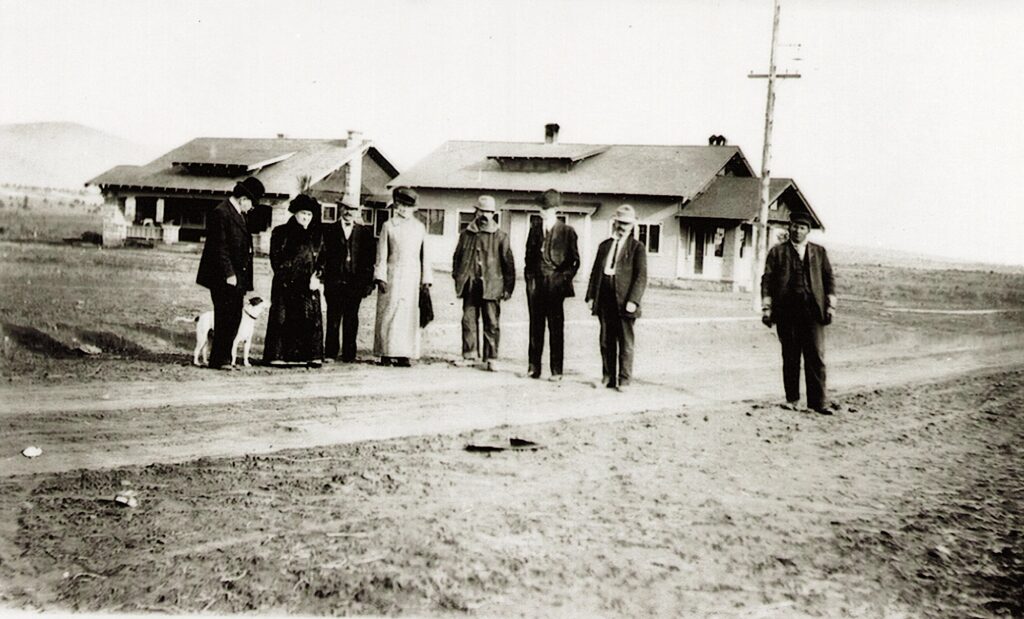
On January 16, 1911, M.O, Folsom filed his map for the East Addition subdivision to Susanville. It was located east of the town and north of Halls Addition. The property was familiar to many, since it was the location of the racetrack and fairgrounds that had long since been abandoned. In the summer of 1912 work began to clear the property of sagebrush and grade streets. In addition, two speculative houses were built at North and Spruce Streets. The 300 lot subdivision created the following streets–First, Second, Third, Fourth, Fifth, Grand Avenue, Oak, Fir, Cedar, Spruce, Park and Ash. Folsom had North Street extended to his subdivision. The street had previously terminated at Weatherlow.
The East Addition contained a number of covenants. No property could be sold or transferred to foreigners, i.e. “Chinese, Japanese, negroes, Hindus or other objectionable races,” or as the Lassen Mail noted, “This addition will be for the Caucasian race only.” The East Addition promoted its healthy environment–one with a sewer system and which prohibited stables for livestock. Finally, and, what was important for property values, each house. constructed must cost at least $1,000, though in certain blocks that requirements was raised to $1,500.

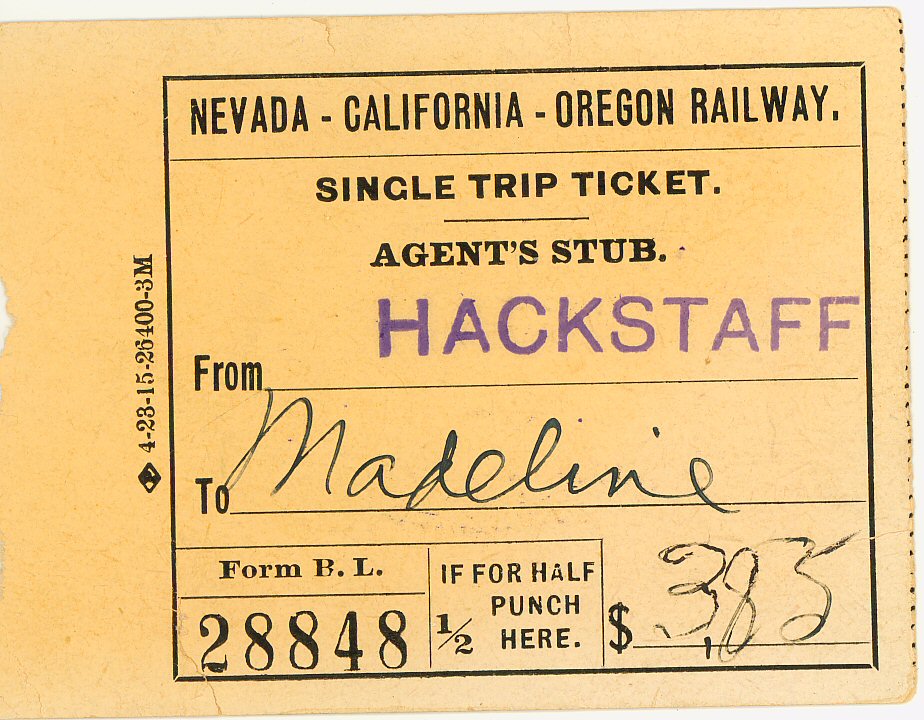
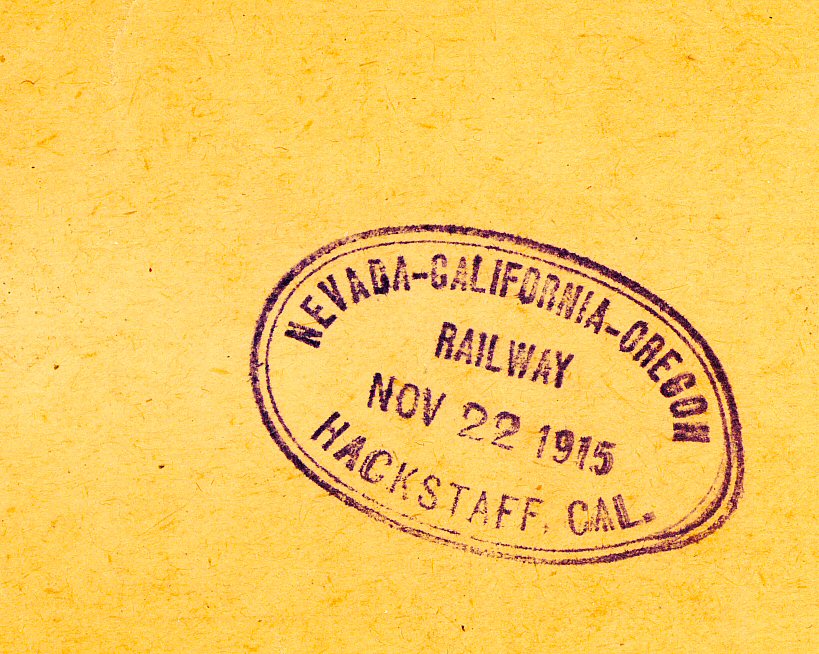 However, the truth be known Lassen County played a substantial role in the NCO’s history. When the NCO finally reached Lakeview, Oregon in 1912, the length of the narrow gauge railroad was 241 miles. Over the half that mileage, 124 miles was in Lassen County. Over the railroad’s troubled existence, it operated in Lassen for 43 years.*. Translation the railroad operated in Lassen County longer than any other jurisdiction. While, Sierra County had the shortest trackage within its territory, the NCO’s presence in that county was 35 years, far greater than Modoc County of 21 years.. Enough said.