Main Street, Susanville, 1885. Courtesy of Betty Barry Deal
A reader remembered a long time ago when visiting the local history museum that there was a reference that Susanville had two hanging trees. and that they were a deterrent for visitors to engage in criminal activity. The Lassen County Historical Society even contributed to the folklore.
In its 1963 Bulletin entitled Susanville there is a short article by Robert H. Amesbury called the “Hangman’s Tree. Here is that story: “The large oak tree located in the front yard of the residence at 60 North Pine Street is alleged to have been used used by the law enforcement in early days of Susanville as an execution tree.
“Here were hanged several horse thieves and other wrong doers. Since the main road west from Susanville went up Pine Street at that time, this tree served as a constant reminder to travelers of the fate awaiting law breakers in this territory.”
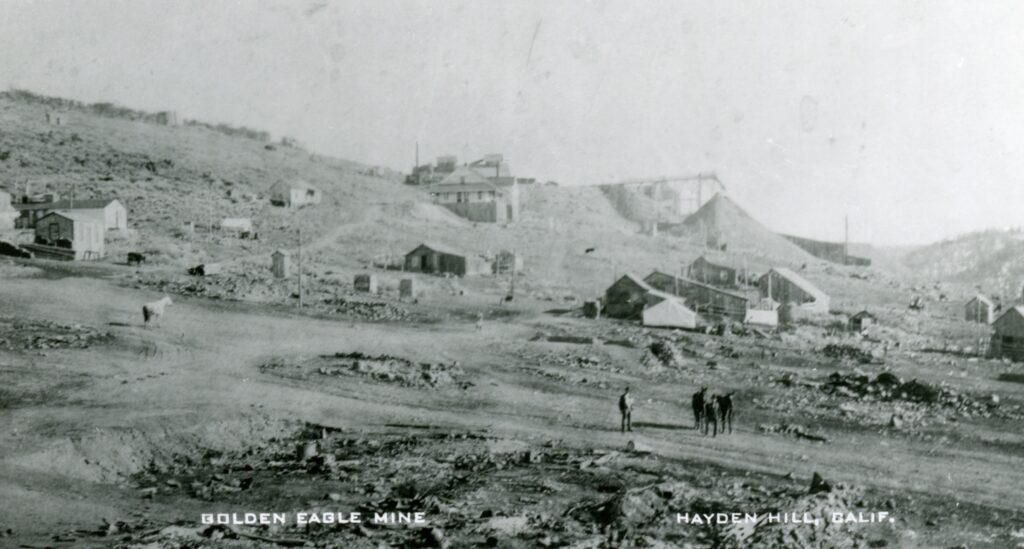
Hayden Hill, located some fifty-five miles north of Susanville, was Lassen County’s largest mining community. Unlike its counterparts in California and Nevada, it was small in comparison. Like so many mining communities, Hayden Hill went through numerous boom and bust cycles.
Of course, in 1870 when word spread of the gold discovery miners flocked hoping to find a new “Comstock.” By the mid-1870s things had fizzled on the “Hill” as locals referred to it. In 1878, several major discoveries and the prospectors returned. For the next eight years it was Hayden Hill’s most prosperous times. It was followed by a downturn, then brief uptick, and continued that way. By 1909, Hayden Hill witnessed prosperity that it had not seen since the late 1870s. In 1910, a devastating fire wiped out a major portion of the town and it never fully recovered.
Hayden Hill. 2018.
When Lassen Gold Mining revived operations during the early 1990s at Hayden Hill, the miners and their families did not reside there, many opting for Adin the nearest community. When Lassen Gold shut down in 1997, the open pit operation scared the landscape forever and its such a mess the entire “hill’ is fenced off.
It is a favorite topic of mine. Just as old photographs illustrate the past, maps do the same. My new scanner is of the flat bed variety and I am able reproduce certain maps. While some larger maps, I am unable to do, I should be able to scan certain areas.
The above map appeared in a Lassen County sponsored home seekers guide. Many of the communities depicted no longer exist. Some of the landmarks, are known today by another name. Lake Bidwell, is now Butte Lake, “Valcano” is Crater Lake and Halls is Papoose Meadows.
Depending upon the water level of Eagle Lake, it can be an island. The pelicans at the lake were a popular early day attraction, though others perceived them and the cormorants (sometimes referred to as shags) detrimental to the lake’s fishery. At sundry times the birds were slaughtered, their nests and eggs destroyed. A prime example is found in the columns of the Lassen Weekly Mail of June 11, 1892: “In Eagle Lake there are two islands (Pelican and Shag) on which large numbers of fowl, known as Pelican and Shag, build their nests and rear their young. The consequences are that vast numbers of fish from the lake are destroyed each year for food for the young birds. Recently a party visited these islands and killed the young birds and a good many of the old ones, hoping by means, if continued persistently for a number of years, to prevent the yearly destruction of the fish of the lake.”
Having gone full circle on this topic of the west end of Susanville’s Main Street.
May be this unique plot of land should have a designated unique name? While the California Division of Highways (pre-Caltrans) created it, at the same time it is not a recognized parcel, thus legal ownership is in question. After all it does not appear on the Lassen County Assessor Maps!
The Monticola Club refers to it as the Triangle and are somewhat the unofficial overseer of it. In 1958, The Garden Section of the Club began planting flowers there. In 2023, the Monticola Club planted daffodils. In 1987, the Monticola Club through the hard work of Patty Davies put together a history of the various activities of that organization. The following is an excerpt from that booklet: “The Triangle. The 50 foot steel flagpole erected in the ‘triangle’ at the west end of town was purchased by the club in 1967. The club also ordered a flag that had flown over the U.S. Capitol. Since then, the club has paid the Lions Club $10 annually to raise the flag on major holidays. Several members donated six junipers for the area and planted lawn and petunias. Almost every year since, the club has been responsible for the beautification of that area.”
The grave of George W. Long, Susanville Cemetery, October 6, 2016.
In 1863, Arkansas native, George Washington Long came to Lassen County. His brothers, Arthur and William had already settled there, and a fourth brother, John would follow.
George first settled on Atlas Fredonyer’s abandoned ranch in Mountain Meadows. Three years later, he located to Devil’s Corral and shortly thereafter married Ermina Wright. In the fall of 1869, Long along with his brother-in-law, Carson Wright, John W. Tuttle and Roscoe F. Gates filed land claims to Dixie Valley, in the northwestern portion of Lassen County, and were the first people to do so. The following year, Long sold his Devil’s Corral property to Morgan and William Williams for $2,300. In 1872, Long sold his Dixie Valley holdings for $5,350 and relocated to Susanville.*
Back in Susanville, Long operated a butcher/meat market among other things. He dabbled in some real estate matters and invested in some mining ventures on Diamond Mountain. All these ventures paid off well for Long and his family were enjoying the “finer things in life.” In March 1894, Long experienced some major health issues and it was finally determined that a psoas abscess had developed in his lower back. This required constant care and the administering of various drugs to offset the pain. Within a short time frame he was dead.
In the findings of the coroner’s inquest of March 16, 1894: “We find that the remote cause of death resulted from a psoas abscess and the immediate cause of death appear to be clouded in mystery and we recommend the proper authorities to make a rigid investigation.” Within a month’s time, his widow, Ermina was charged with murder of poisoning her husband. She was acquitted. After everything was done, she sold all her husband’s properties and moved to San Francisco never to return to Susanville. She died in 1905.
*The Williams Brothers will be featured in upcoming. post.
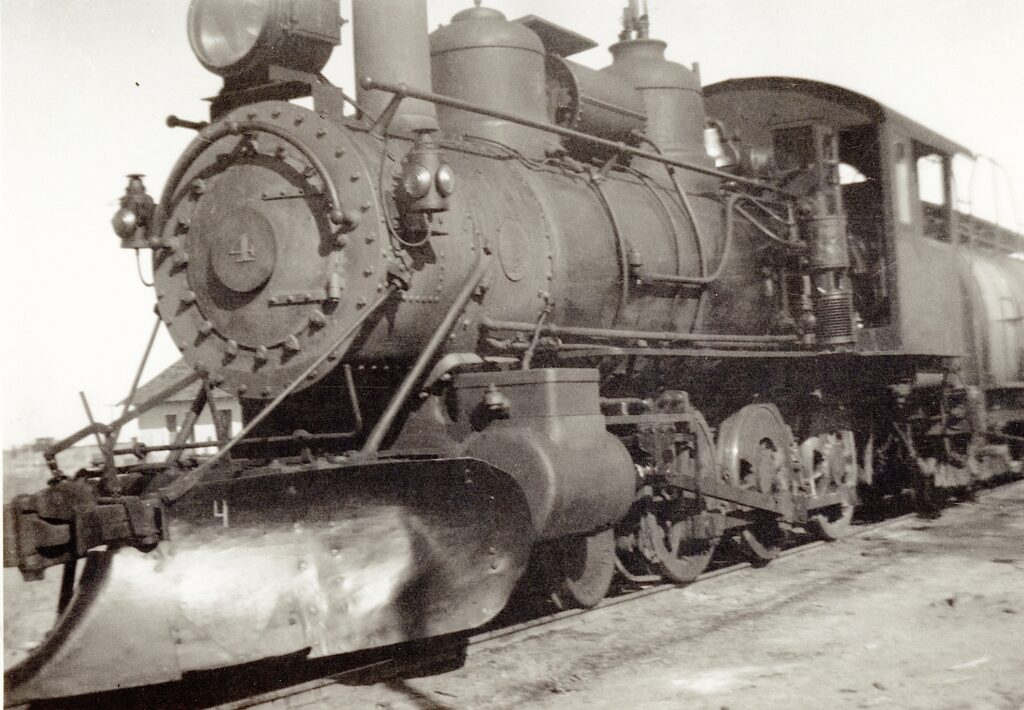
The NCO actually had two locomotives designated the No. 4. The first one was sold to the Tonopah Railroad in 1904. It was replaced by by the NCO’s No. 6, which was then designated the No. 4, after the original one was sold. It was, of course, became part of the Southern Pacific when that railroad bought the troubled NCO Railway. According to railroad historian, David Myrick, it was “broken up” on September 12, 1934 at Sacramento. I am not sure what the difference is between being broken up and scrapped.
In 1978, California passed legislation that Articles of Incorporation would no longer be required filed with the County Clerk. It also gave discretion to the County Clerk to dispose of all Articles of Incorporation that had been filed. Lassen County decided to dispose of them. They were destined to the dump, but I was able to intervene. A portion would go to the dump. After all, I did not need a file drawer to Bank America’s Articles and every subsequent amendment.
I sorted through and retained those that were a local nature. Some of the very early ones were never filed with the California Secretary of State. An example was the Gold Run Roadl Company. incorporated in 1866. It does not appear in any early local history publications, most notably Fairfield’s Pioneer History of Lassen County. This document had an extraordinary attachment. This was a 1866 copy of the Sage Brush newspaper, that featured that company’s legal notice publication. This is the oldest known copy of that newspaper, which later became the Lassen Advocate.
Needless to say there was a treasure trove of documents salvaged that some of the companies I have wrote about such as the Honey Lake Black Rock Toll Road. that included a hand drawn map of the road.
There is a little bit off topic Those in Reno area might be interested that on Saturday September 28 there will be the Reno British Motor Show at the Rancho San Rafael Park. Here are the details https://renoallbritish.org/renobritishmotorshow/
It is interesting to note in the early days of education there were private schools. In 1858, Malcom Scott opened a private school in Susanville then a mere hamlet. It was an on again and off operation. In 1863, the Susanville School District was formed and a public school became a reality.
In 1872, the first discussion was held to form a high school. It would take thirty years before it became reality. For awhile hope was on the horizon, when in 1875 Massillon Marstellar established the Susanville High School-a private institution. This school would continue to operate for six years when it finally closed its doors.



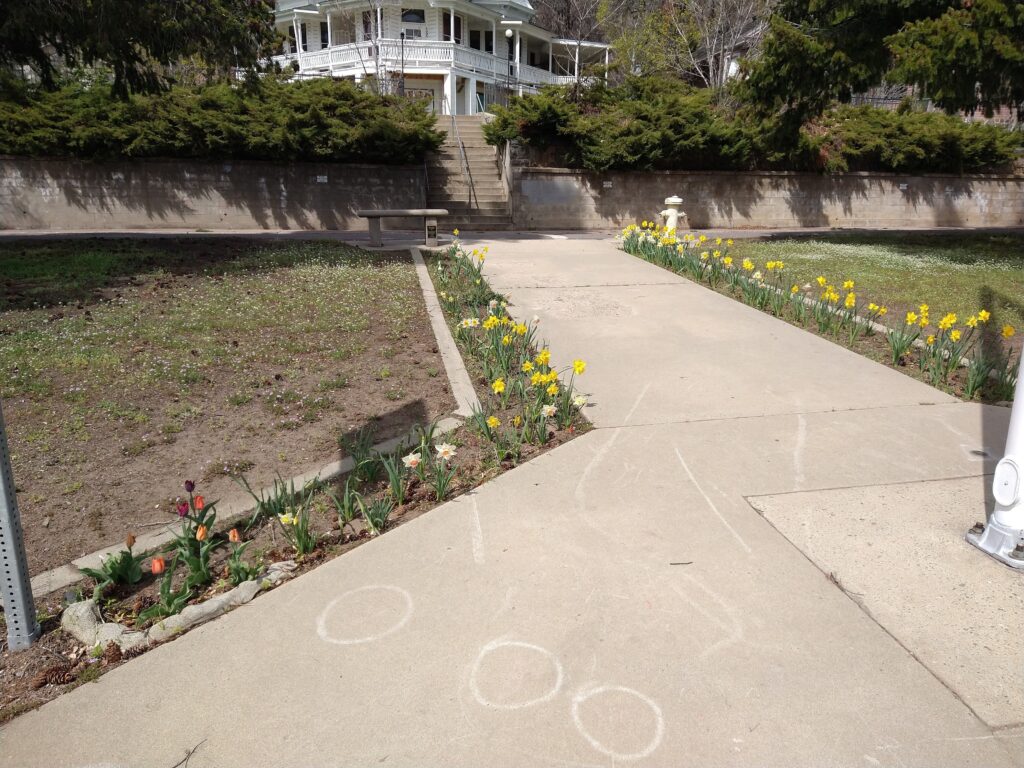 The Monticola Club refers to it as the Triangle and are somewhat the unofficial overseer of it. In 1958, The Garden Section of the Club began planting flowers there. In 2023, the Monticola Club planted daffodils. In 1987, the Monticola Club through the hard work of Patty Davies put together a history of the various activities of that organization. The following is an excerpt from that booklet: “The Triangle. The 50 foot steel flagpole erected in the ‘triangle’ at the west end of town was purchased by the club in 1967. The club also ordered a flag that had flown over the U.S. Capitol. Since then, the club has paid the Lions Club $10 annually to raise the flag on major holidays. Several members donated six junipers for the area and planted lawn and petunias. Almost every year since, the club has been responsible for the beautification of that area.”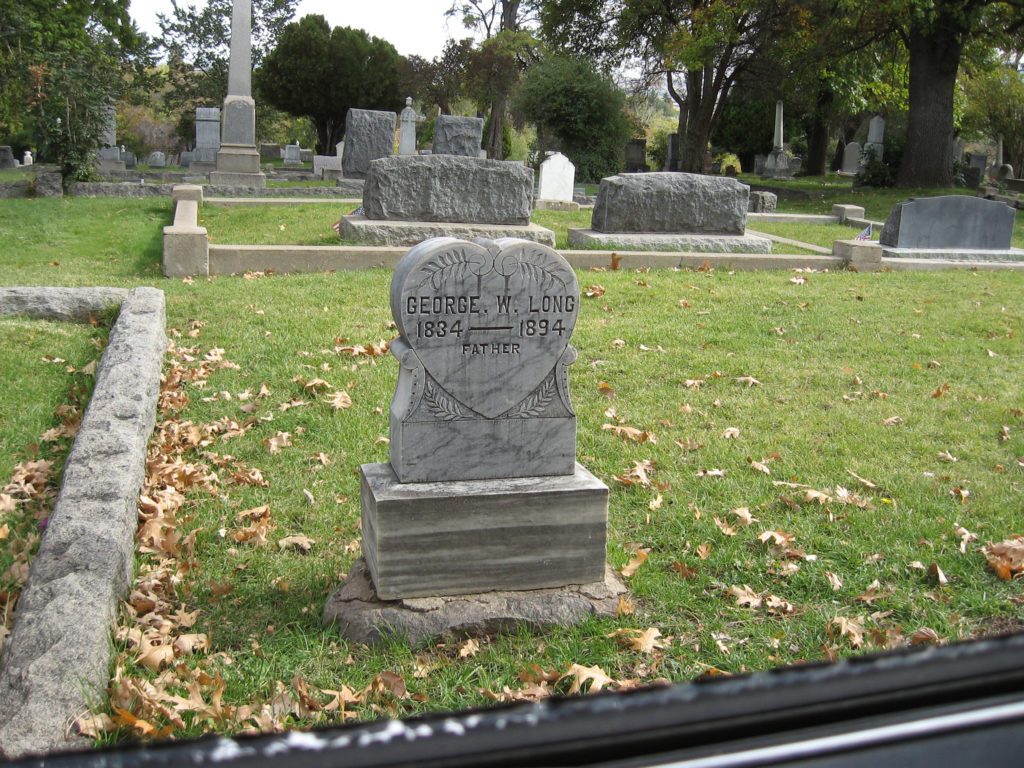

 There is a little bit off topic Those in Reno area might be interested that on Saturday September 28 there will be the Reno British Motor Show at the Rancho San Rafael Park. Here are the details https://renoallbritish.org/renobritishmotorshow/