Going Places

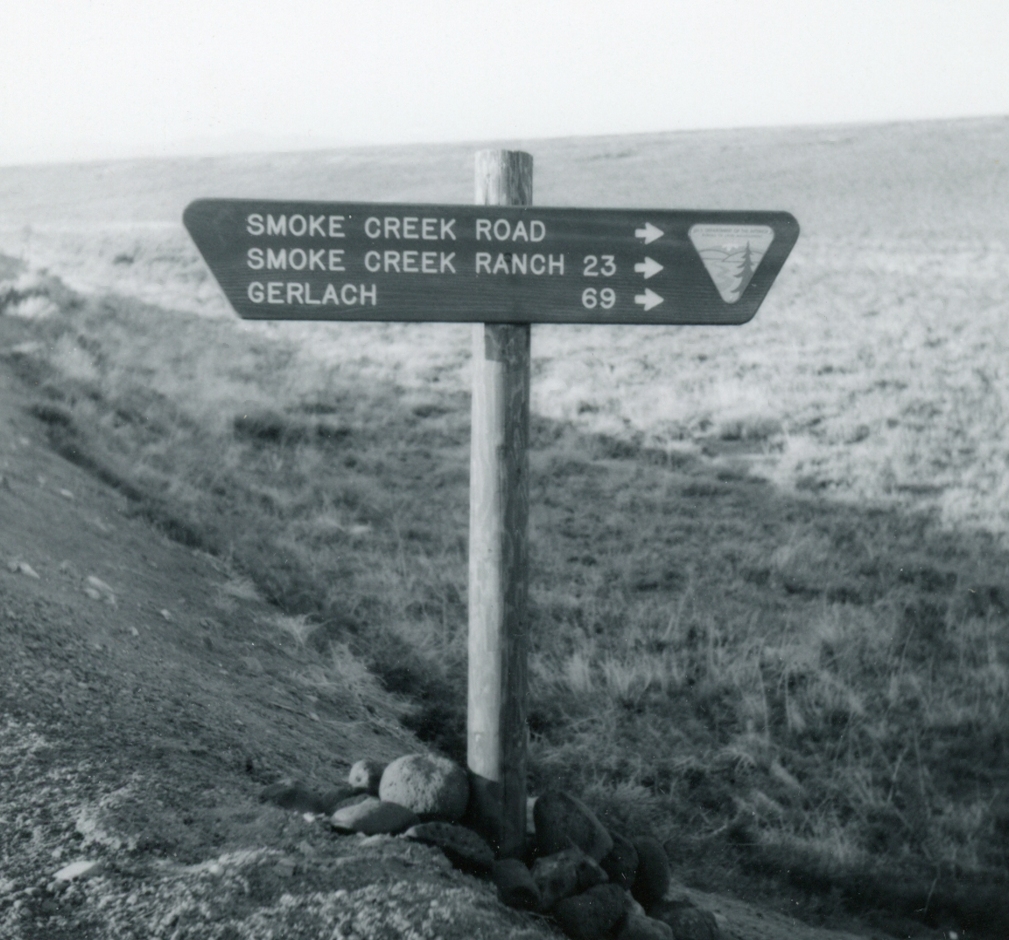
Viewland, 1974. Photograph by and courtesy of D.B. Martin

The Smoke Creek country is one of my favorite haunts, introduced to me at an early age by my grandmother Margaret Purdy, a rockhound, among other things.  When I worked out in the woods logging with my father, the desert was a nice escape from the trees. It is magical to me, since the lighting changes the character of the countryside, so in many ways, it always has a new feel to it. While it is fairly desolate these days, that was not the case a 100 years ago. I have several posts in the works about some unique historical aspects, since its history is largely ignored.

Finally,  it has been ten weeks since the hip surgery and six weeks of weight bearing on my right leg, I am getting around, without a walker! However, with help from friends over the last few weeks, has allowed me to get out and about and take some photographs of historic sites to share in the near future.

Depending on weather, the long delayed Inspiration Tour may  become a reality shortly.

It is never too late, subscribe today and enjoy tomorrow with daily notifications. You can also surprise someone with a gift subscription

Susanville Ranch Park, Part II

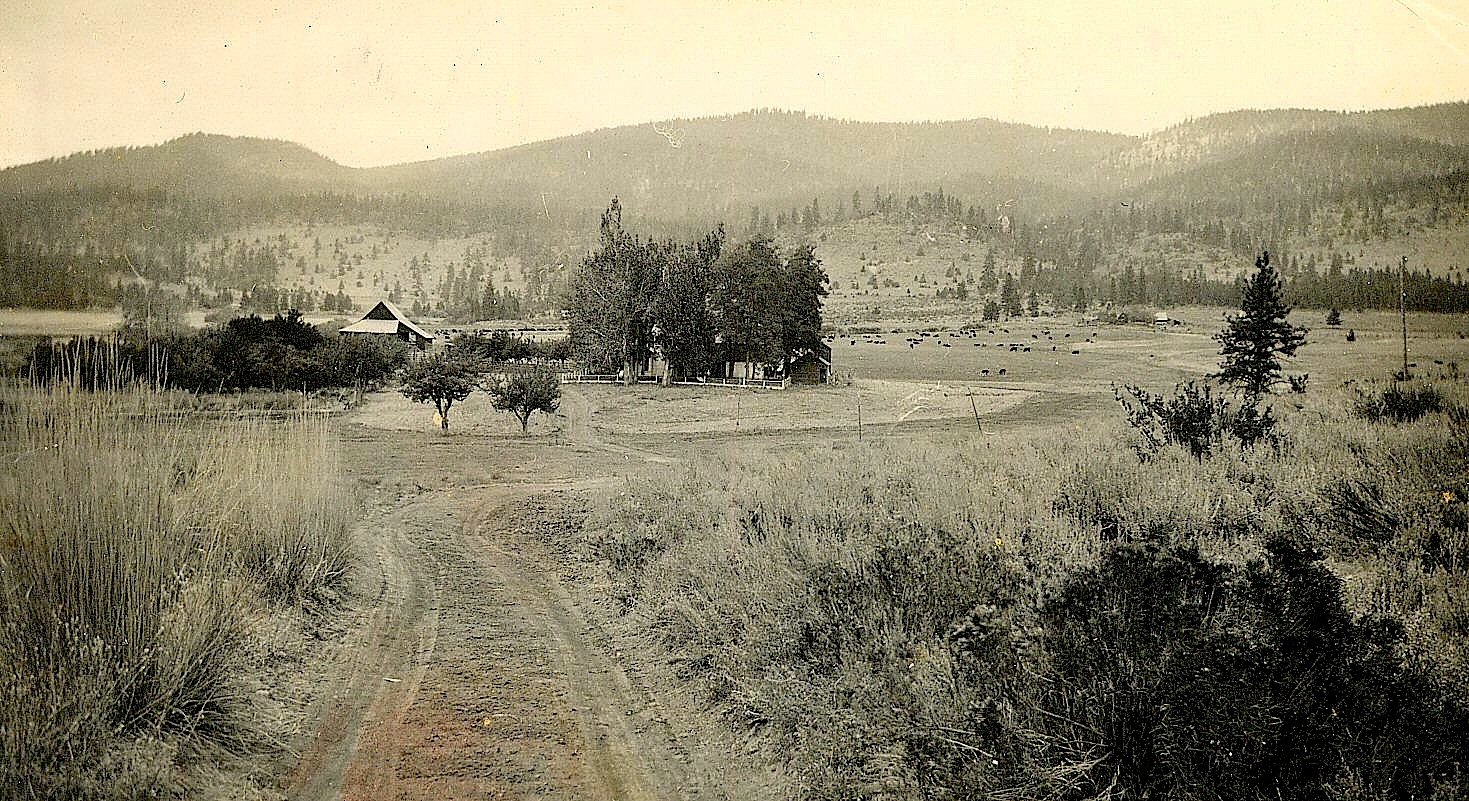
The ranch as it appeared in 1922, when Fruit Growers owned it.

On October 30,1919, the Fruit Growers Supply Company purchased it from McKissick Cattle Company, for approximately $29,000. Fruit Growers anticipated using Bagwell Springs for a water supply and they would use the ranch land to provide winter pasture for the horses they used in logging. Fruit Growers constructed a water pipeline from the ranch to the mill, but it was never used due to litigation filed by other water right users. Fruit Growers briefly operated their own dairy there and, in 1923, leased it to the O’Kelly family who operated Lassen Dairy through the 1950s. In 1934, Fruit Growers offered to sell the ranch to the City of Susanville. Fruit Growers cited it would make an ideal golf course, that the money received from the golf course could be used to develop the remainder of the property into a park. The City liked the idea, but said no. In 1935, Fruit Growers sold the ranch to the Republic Electric Power Company who wanted to acquire Bagwell Springs as an additional water supply for Susanville. Over the years, that Company went through numerous reorganizations and became CP National. In 1984, CP National donated the ranch to Lassen County, and it is now a county park.

An interesting footnote to the story is that Lassen Community College examined the property for a future campus back in the 1960s, but the asking price was too expensive.

It is never too late, subscribe today and enjoy tomorrow with daily notifications. You can also surprise someone with a gift subscription.

Susanville Ranch Park, Part I

This is how the ranch appeared in the early 1900s when the Longs owned it.

In November 1855, Moses Mason claimed this property and became the second person to file a land claim in the Honey Lake Valley. On September 12, 1856, William Weatherlow located on Mason’s abandoned claim and lived there until his death in 1864. William B. Long purchased the property from Weatherlow’s Estate. In the early 1880s, James Bagwell located at the north end of the Susanville Ranch. In the mid-1870s, Abner and Margaret Van Buren settled on the western end of the property. By 1898, William B. Long’s son, John T., had not only purchased Van Buren’s and Bagwells’ properties, but that of his father. He consolidated these lands into one ranch. On June 2, 1913, Long, heavily in debt with his extensive ranch properties and a slaughterhouse in San Francisco, deeded this property to Alexander & Knoch, whom he owed $13,362.11. Alexander & Knoch, in turn, sold it to the McKissick Cattle Company.

It is never too late, subscribe today and enjoy tomorrow with daily notifications. You can also surprise someone with a gift subscription


Bassett Hot Springs

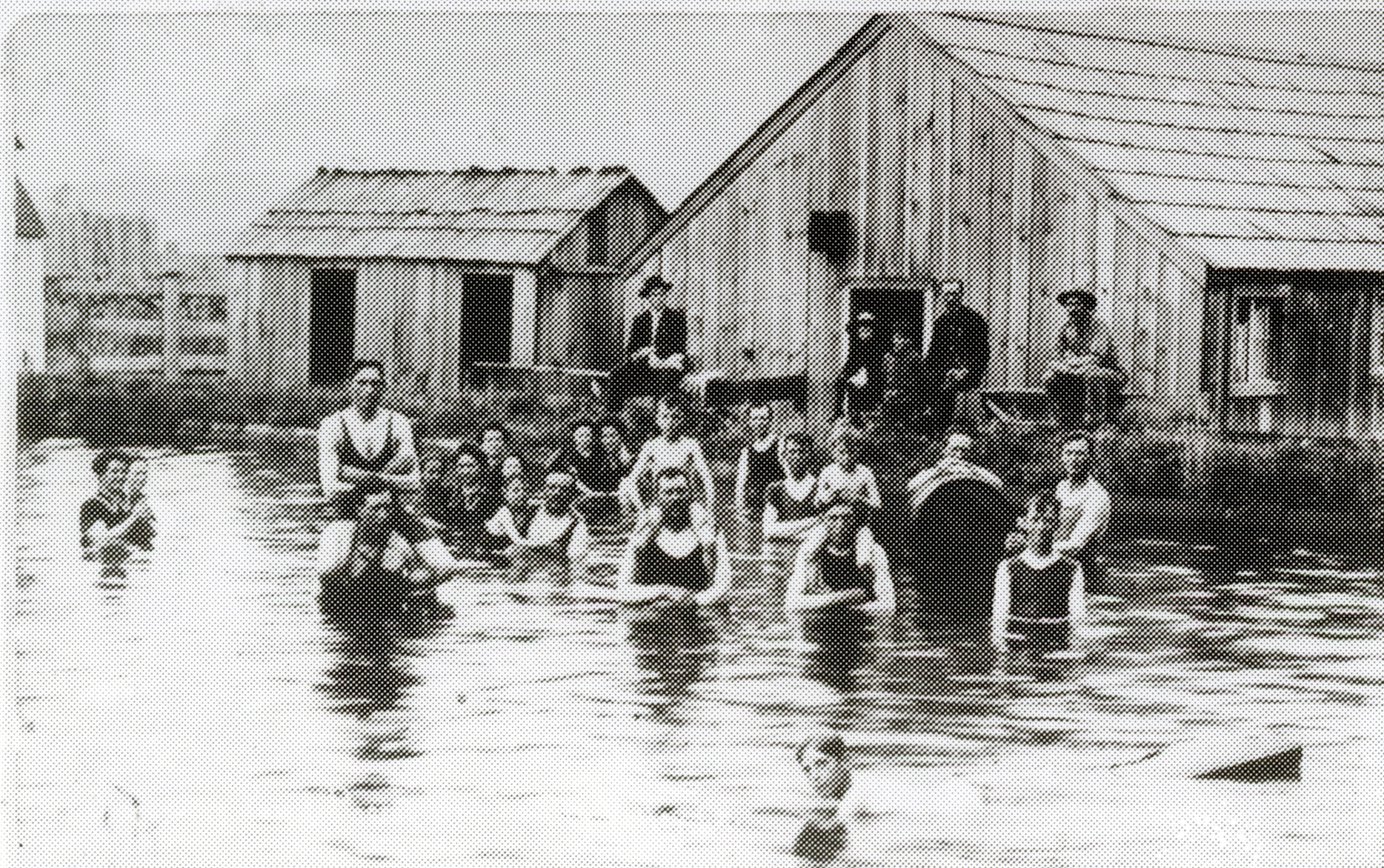
Bassett Hot Springs, circa 1908.

In the late 1870s, Isaac Wilson Bassett developed the springs near Bieber, first by excavating a swimming hole where water was diverted because the springs were too hot. Later a bathhouse was constructed that contained wooden tubs. If the water became too cool, a wooden spigot could be turned into the tubs to add additional hot water so that optimum temperature was maintained in the pool. As Frances A. Gassaway recalled, “For twenty-five cents, one could go into the plunge and bathe. For a dime more one could be furnished a swimsuit. It was quite a treat to go to the springs.” In 1928, under Barney Fillingim’s management, the wooden pool was replaced with a concrete swimming pool. The Bassett family continued to operate the springs until 1945 when it was sold to Gerald and Birdie Packwood for $17,500. The Packwoods continued operations for a short period of time. Due to health regulations, maintenance, and insurance the Packwood’s deemed it too costly to operate and the facility was closed.

It is never too late, subscribe today and enjoy tomorrow with daily notifications. You can also surprise someone with a gift subscription

Desert Homesteaders

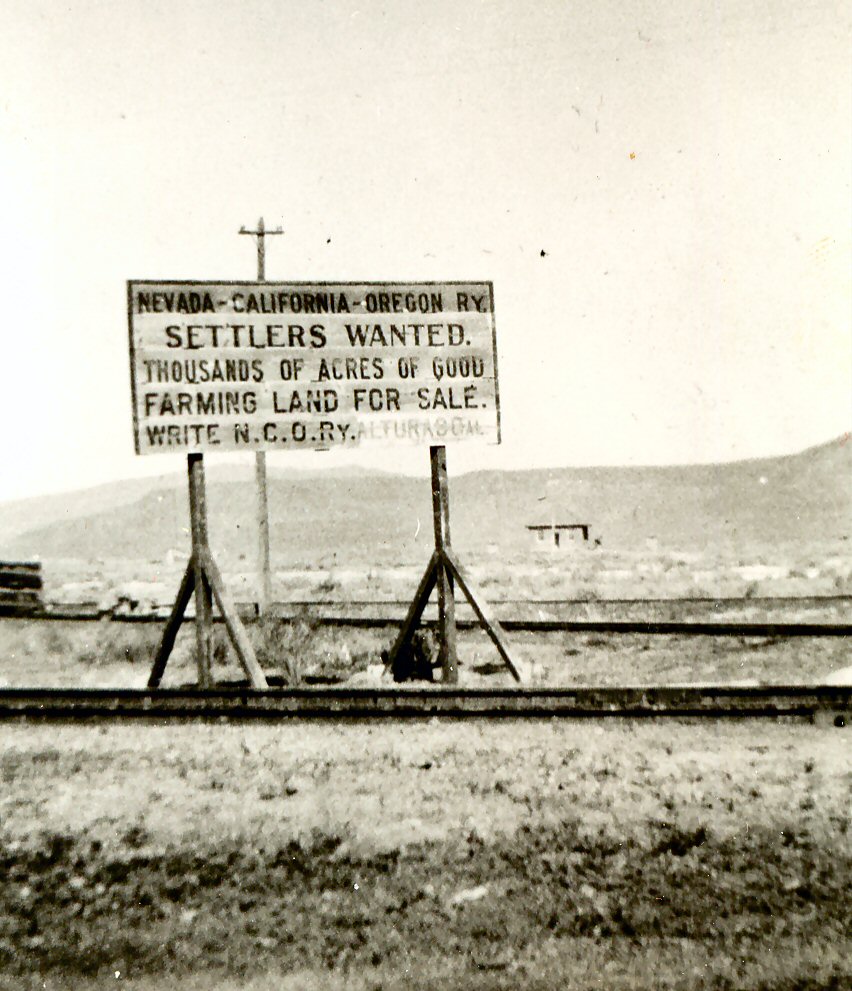
This weathered sign of the NCO was updated to show that its headquarters had moved from Reno to Alturas. Photograph taken by Lassen County Librarian Lenala Martin at Wendel, 1920.

Amedee served as a hub for a number of reclamation projects that all held the belief that they were going to transform the eastern portion of the Honey Lake Valley into a garden oasis. These companies were persistent with their proposals. Initially, the optimism ran so high that the water from Eagle Lake would not be needed from the other reservoirs being constructed that its water could keep Honey Lake full for the Amedee Yacht Club.  However after several decades reality set in and the region would remain a vast sagebrush plain.

In the early 1900s there were several other factors that seem to make the desert bloom.  It was like a harmonic convergence where so many things came together at the same. Well-drilling had greatly improved, an extreme wet cycle in annual precipitation, the sugar beet industry, a second railroad and the Standish Water Company irrigation plant and canals. Stay tuned for further developments.

It is never too late, subscribe today and enjoy tomorrow with daily notifications. You can also surprise someone with a gift subscription.

Amedee

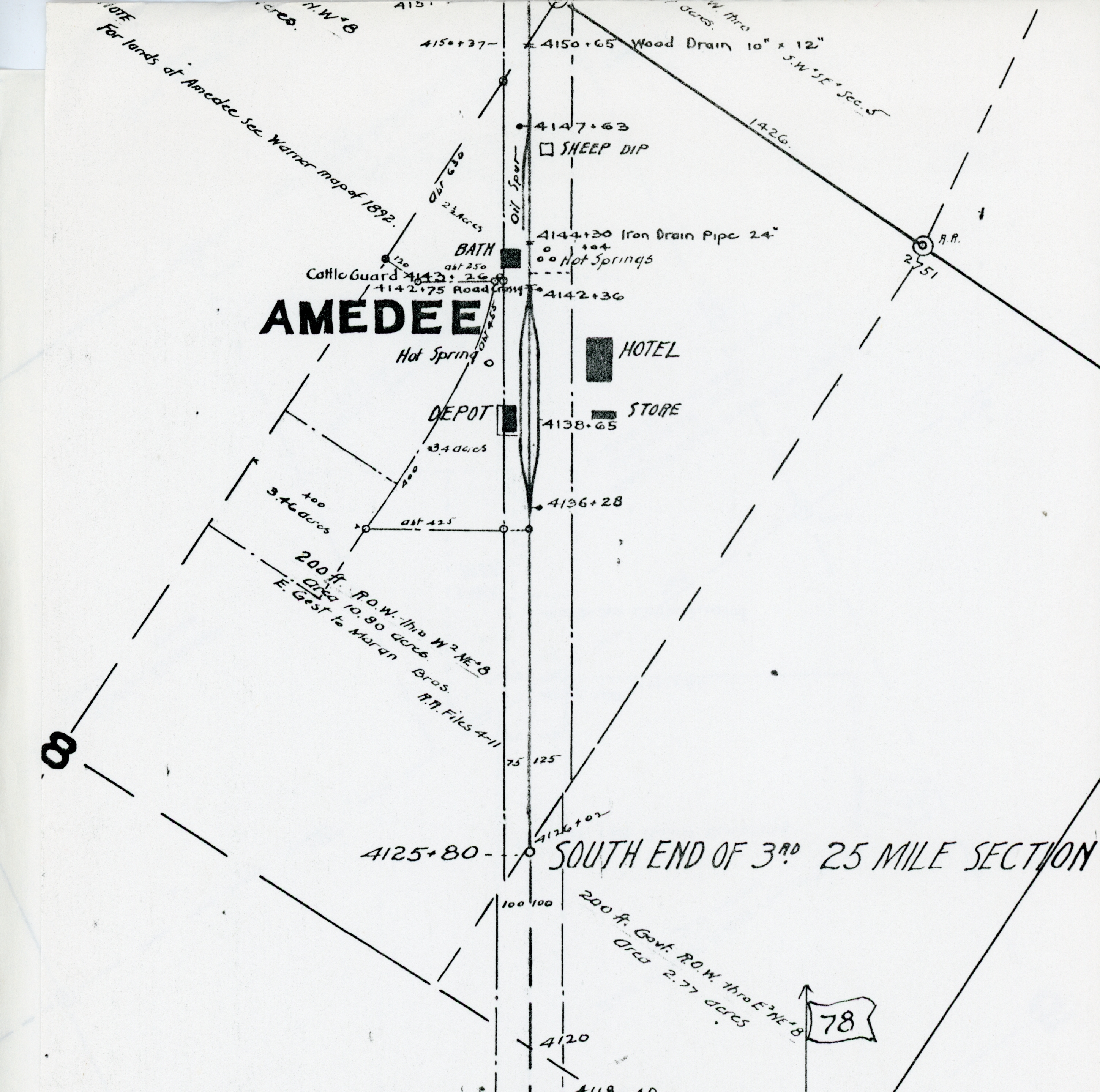
Board of Equalization Assessment Map of Amedee

Amedee and Hayden Hill are two interesting Lassen County communities that no longer exist. Each one went through boom and bust cycles, for Amedee it was the railroads for Hayden Hill it was mining.

Amedee’s lifespan was brief. By 1892 its population was equal to that of Susanville. By the 1920s its population had dwindled to one or two, that being the caretakers of the McKissick Cattle Company who owned the majority of the town. The Nevada-California-Oregon Railroad that created the town, in certain aspect also killed the town. In between, however, with an agricultural boom and the Fernley & Lassen Railroad did briefly rejuvenate the community.  In the near future, we will explore the many facets of Amedee.

It is never too late, subscribe today and enjoy tomorrow with daily notifications. You can also surprise someone with a gift subscription.


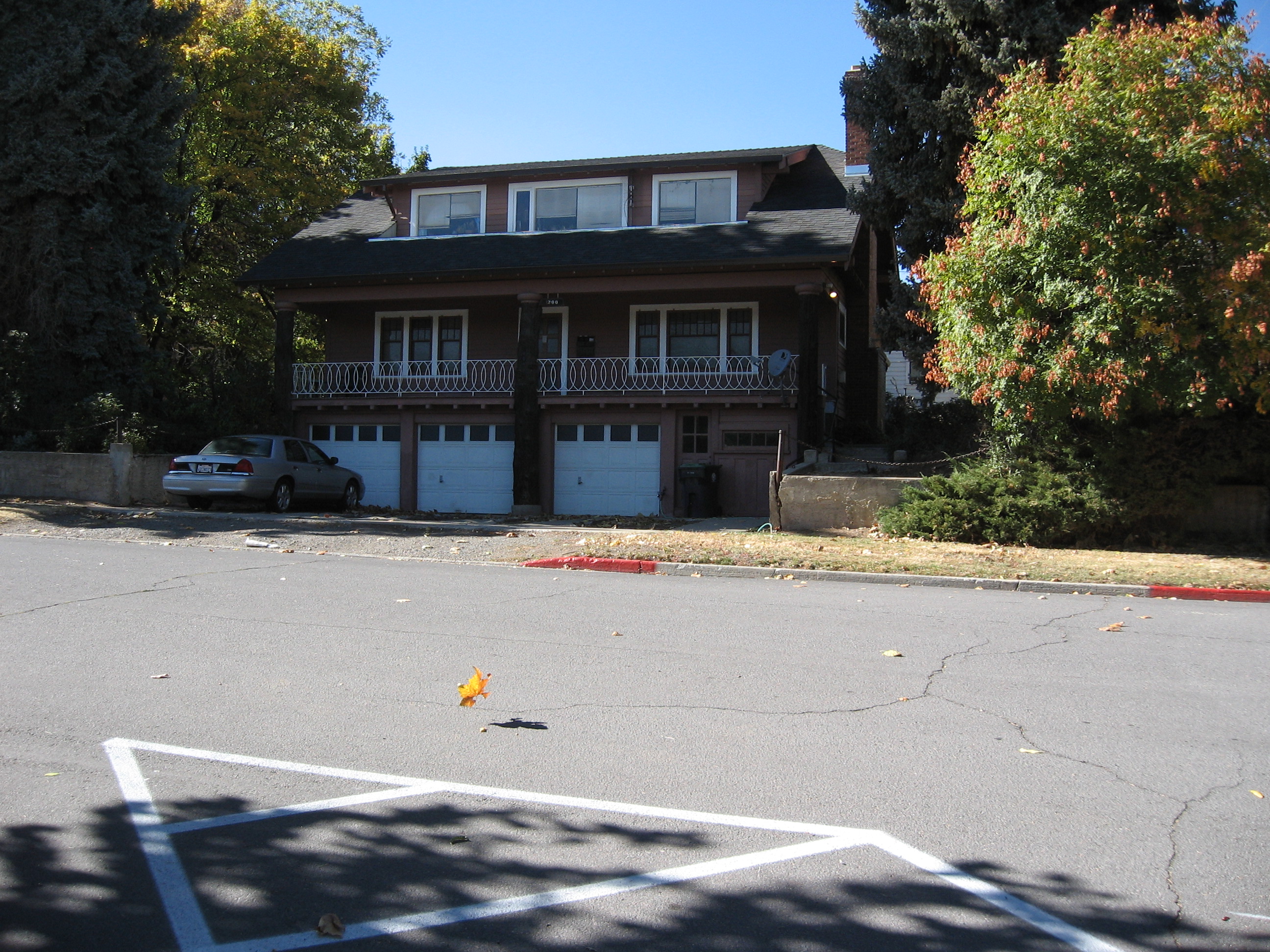
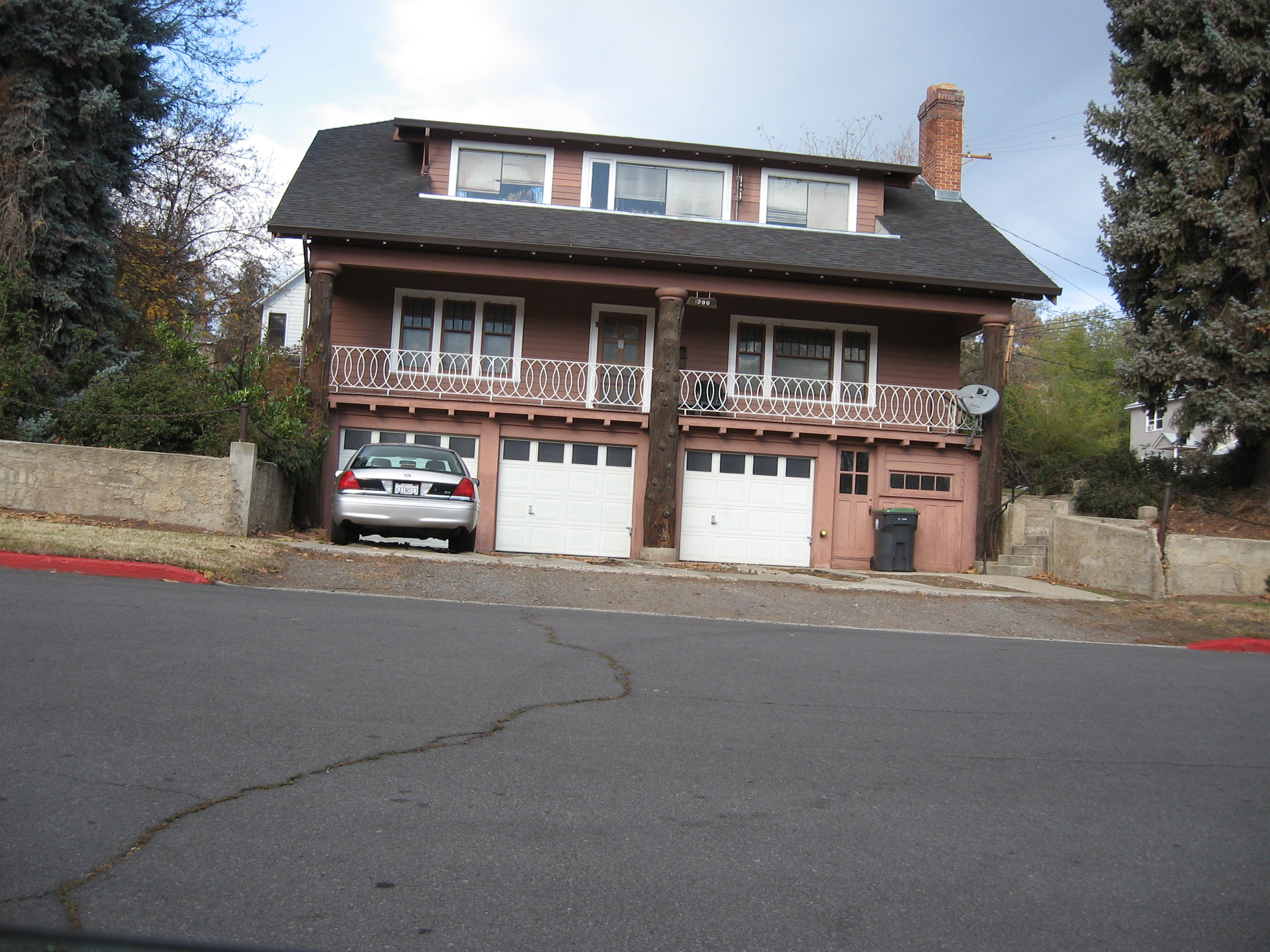
Susanville – 200 South Roop Street

October 25, 2015. Sorry, unable to walk over in the morning for better lighting.

Susanville’s uptown/historic district has an eclectic blend of interesting architecture. During the 1920s, during the boom era brought on by the lumber mills certainly left its mark.

Charles McGowan one of the original owners of the Lassen Lumber & Box Company had a very striking residence. The home was constructed in 1924, and he moved his family into their news residence in July of that year. For whatever reason in the summer of 1929, the house was converted into three apartments, and remains that way after all these years.

November 8, 2015
November 8, 2015

It is never too late, subscribe today and enjoy tomorrow with daily notifications. You can also surprise someone with a gift subscription

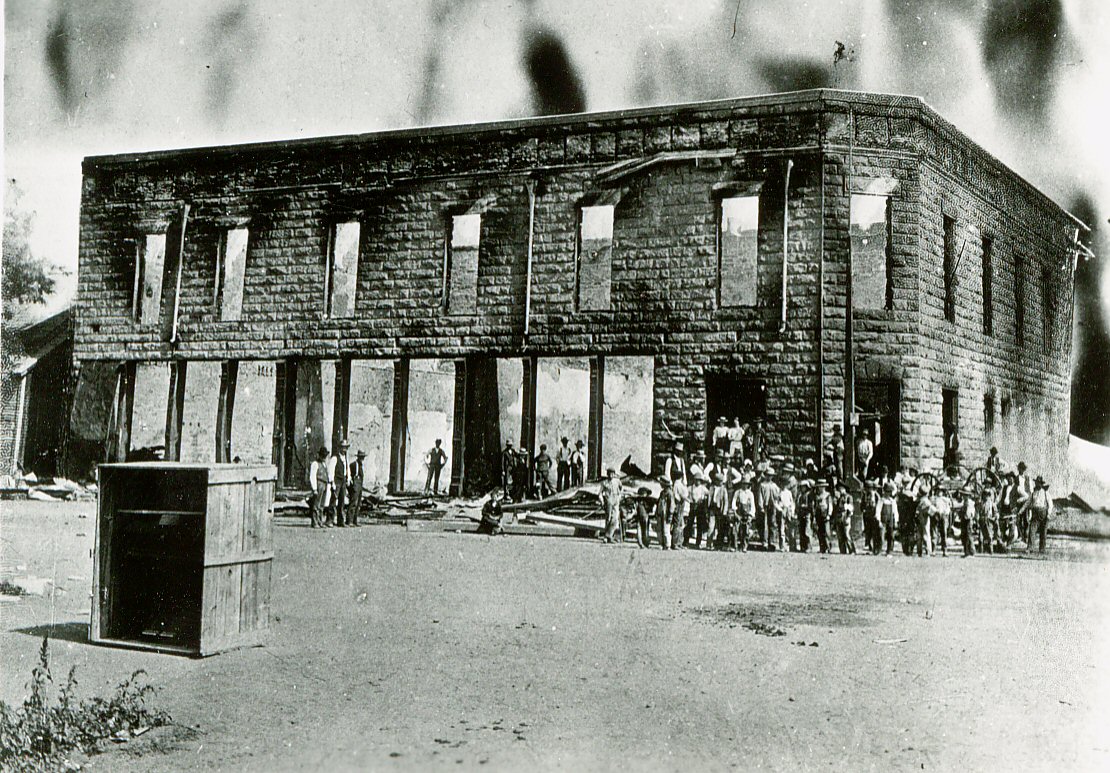
Knoch Building Fire

The aftermath.
The aftermath.

On August 9, 1898, the Ladies’ Literary Society held a fundraiser on the courthouse lawn to benefit the Mountain Echo Band. The event was well attended, and was to be followed by midnight banquet at the Masonic Hall, which had recently been acquired by David Knoch. At around 10:30 p.m. the alarm of fire originated with the clanging of the fire bell three blocks to the north. At first, those gathered at the Courthouse thought it was a false alarm. They could not see any signs of smoke or flames. By the time when it was realized the Masonic Hall was on fire, everyone quickly dispersed. Continue reading Knoch Building Fire

Coppervale

Coppervale, courtesy of Lassen College
If you do not have any plans, you may want to attend the fundraiser for the Coppervale Ski Hill tomorrow, Friday,  November 6 from 4-8 pm. It will be held at the Lassen Community College Cafeteria /Student Union, featuring a teriyaki chicken and rice dinner with a salad, roll and a drink as well as live music, door prizes, a raffle and a silent auction. The auction will have prizes that range from boat rentals to wakeboarding, skiing lessons and a homemade bench made of old skis.

All proceeds will help keep Coppervale open. Tickets are available at the LCC Student Union or at Margie’s Book Nook.  The cost for this event is $12 for adults and $8 for children $8. For more information, please call Norm Wilson at (530) 258-7635.

P.S. If you want to know the history behind Coppervale it can be found in Volume 4 of the Red River Series, which includes the history of the roadhouses between Susanville and Westwood.


Bieber

Bieber Nathan370

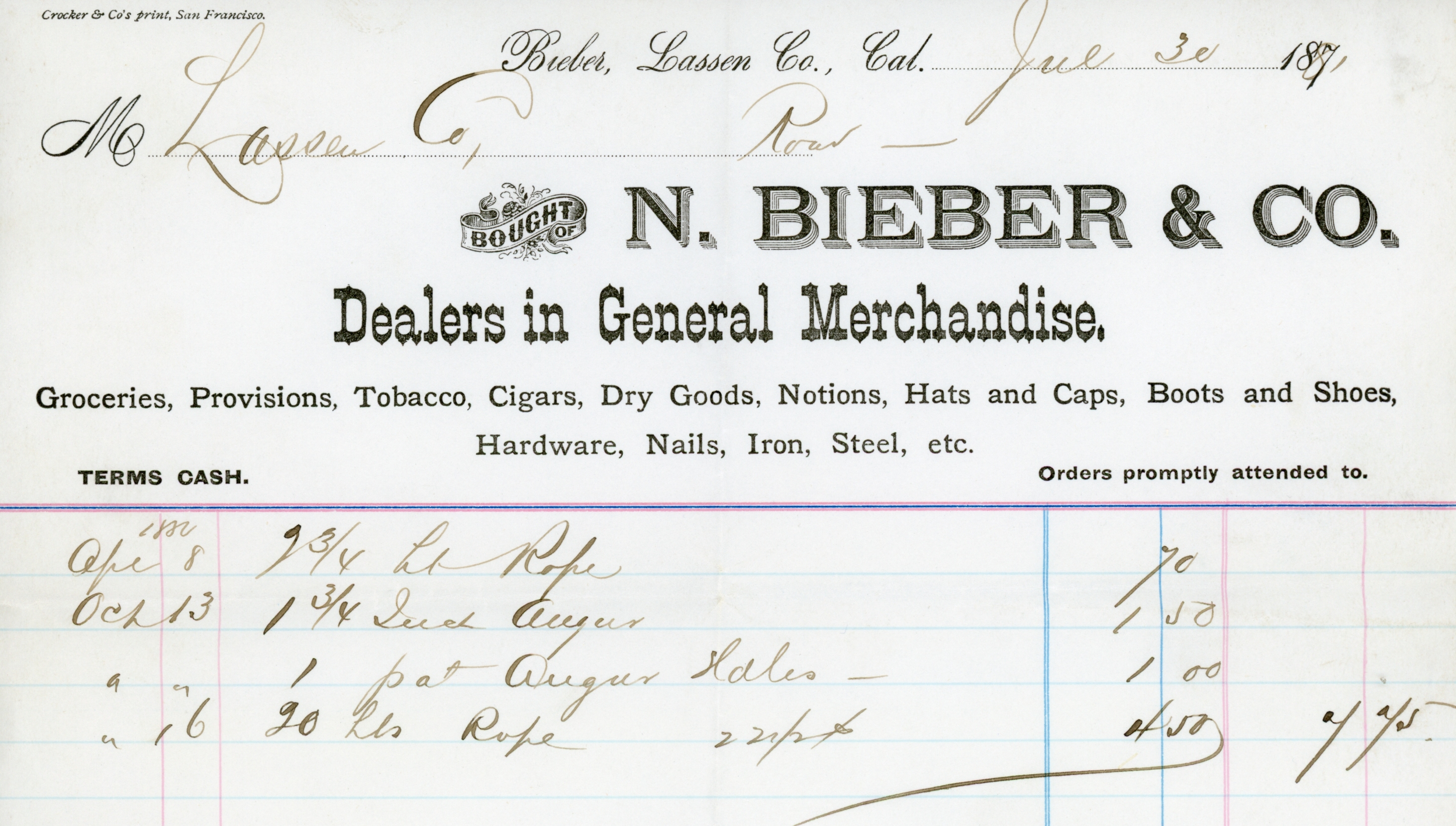
Originally known as Chalk Ford because of the chalky nature of the ground. The solid ground at this location on the Pitt River made it the easiest place, in the mid 1860s, for travelers to cross the river. In May 1873, Theodore Pleisch claimed 160 acres and built a cabin there. In 1874, development began slowly and the town’s first two houses were built by Anton & William Gerig. In 1876, Max Posner opened the Josephenson General Store, that town’s first store. In 1877, Nathan Bieber (1858-1922) arrived there to manage the Josephson General Store, owned by his uncle, Max Posner. Bieber had a natural talent as a merchant and made the store a success. Lafayette S. Barnes, editor of the Adin Hawkeye dubbed Bieber the “young prince merchant.” On November 17, 1877, Bieber purchased Pleisch’s property, where the town had slowly developed, for $600. The town continued to grow and on May 6, 1881, its first newspaper, the Mountain Tribune, made its debut—an effort to elevate the area from a mere frontier settlement to that of a town. However, the 1880 census tallied only 43 residents. In 1884, the town plat of Bieber was surveyed and recorded. In 1932, a revised townsite had been made to conform to the actual layout of the streets and houses versus that of the 1884 survey.

It is never too late, subscribe today and enjoy tomorrow with daily notifications. You can also surprise someone with a gift subscription.

Exploring Lassen County's Past